Yesterday’s Status Symbols, Today’s Bargain-Bin Finds
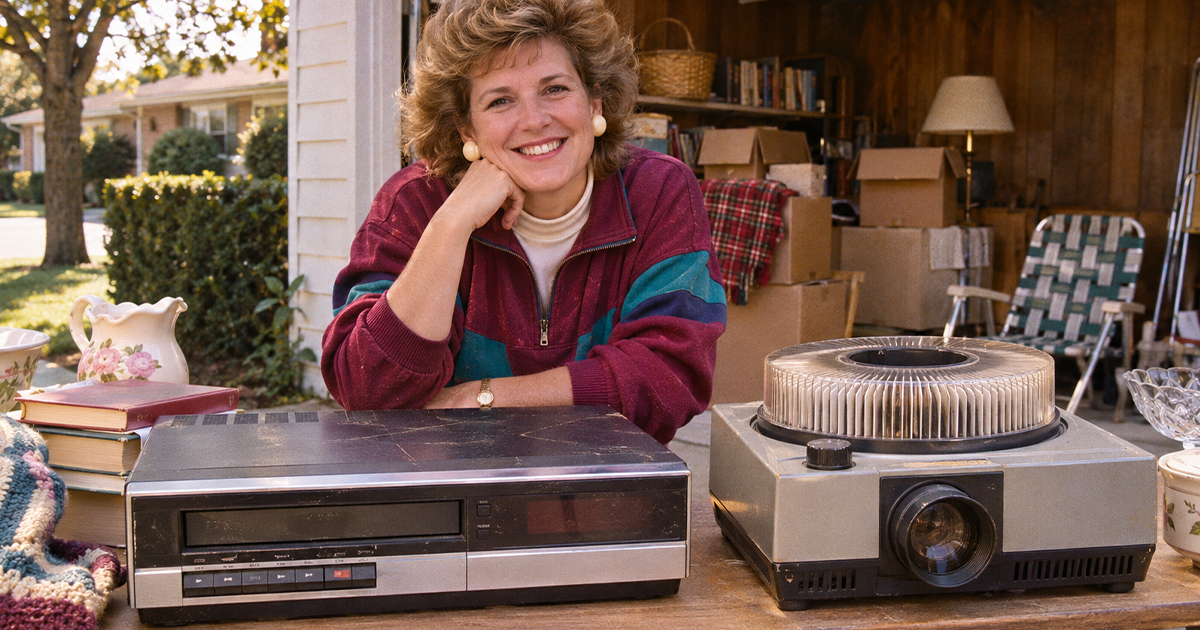
They once filled wish lists, living rooms and wedding registries. Now, many sell for less than lunch at a garage sale. The original prices below are approximate period prices, while today’s values reflect ordinary used examples, not rare models or highly collectible editions.
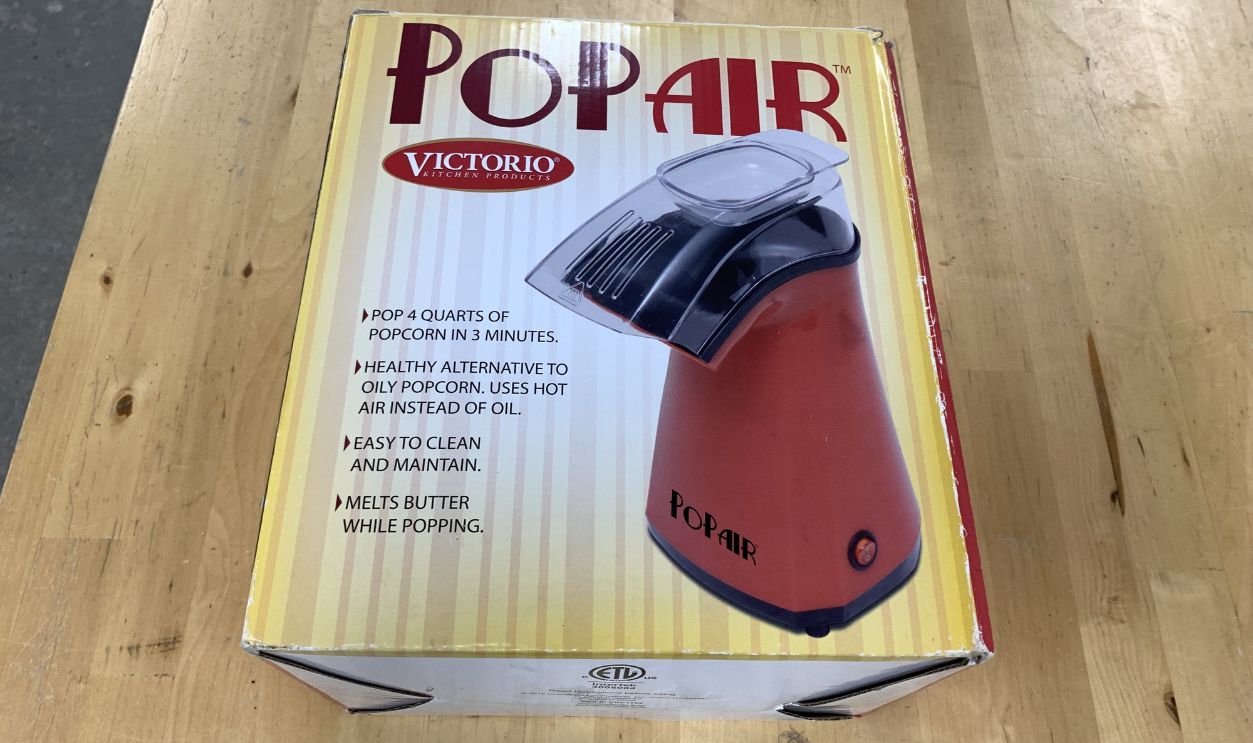
#25 — Hot-Air Popcorn Popper
Hot-air poppers became kitchen sensations around 1979, when a popular catalog model cost approximately $25. That was not pocket change for a single-purpose appliance. Today, working poppers regularly appear in thrift stores and garage sales for approximately $8 to $15.
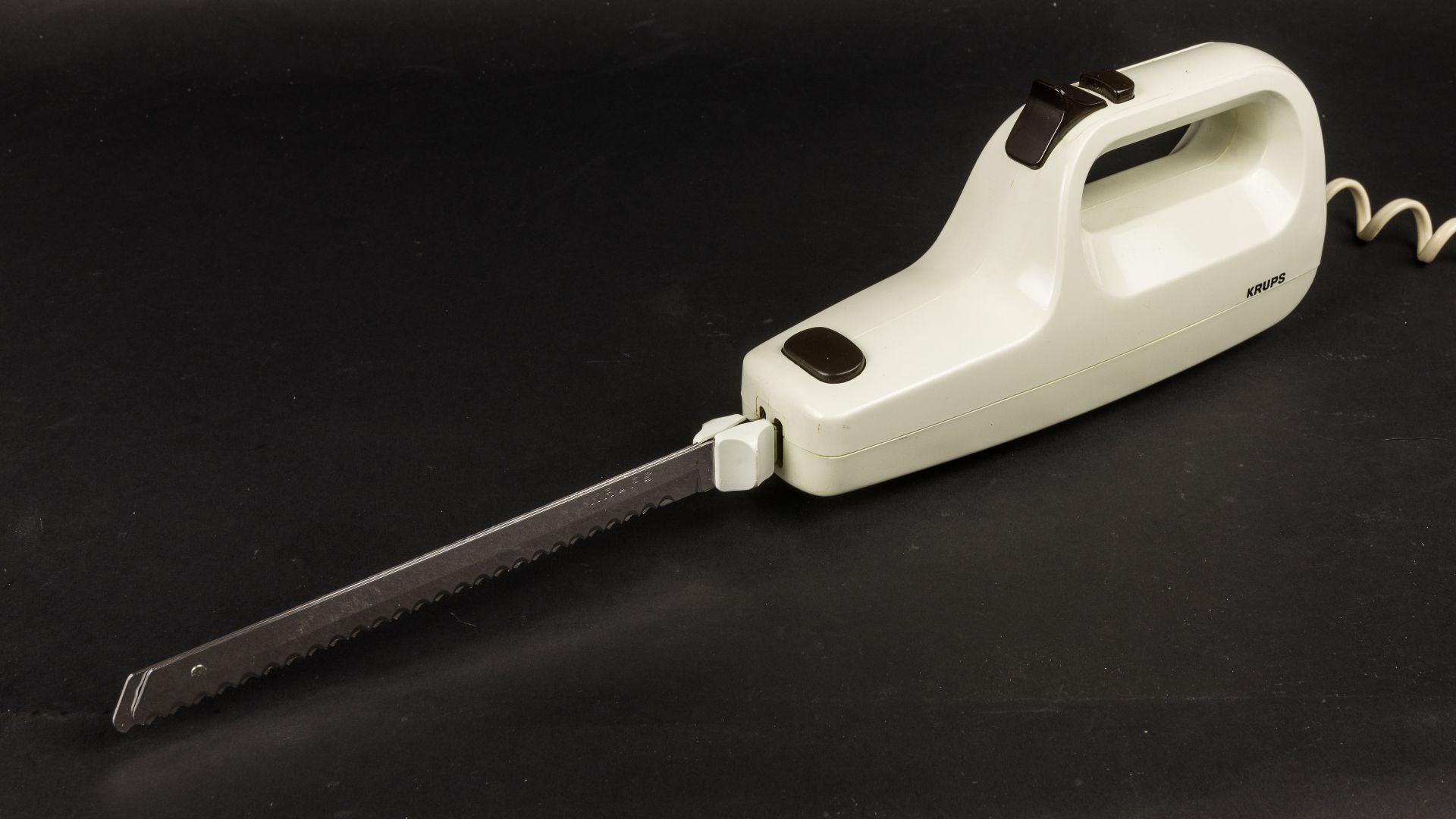
#24 — Electric Carving Knife
An electric knife looked wonderfully modern beside a holiday roast in the 1970s. Catalog models cost approximately $20 to $27, equivalent to well over $150 in today’s purchasing power. Unless it has collectible styling, a working example may now bring only $5 to $12.
 Raimond Spekking, Wikimedia Commons
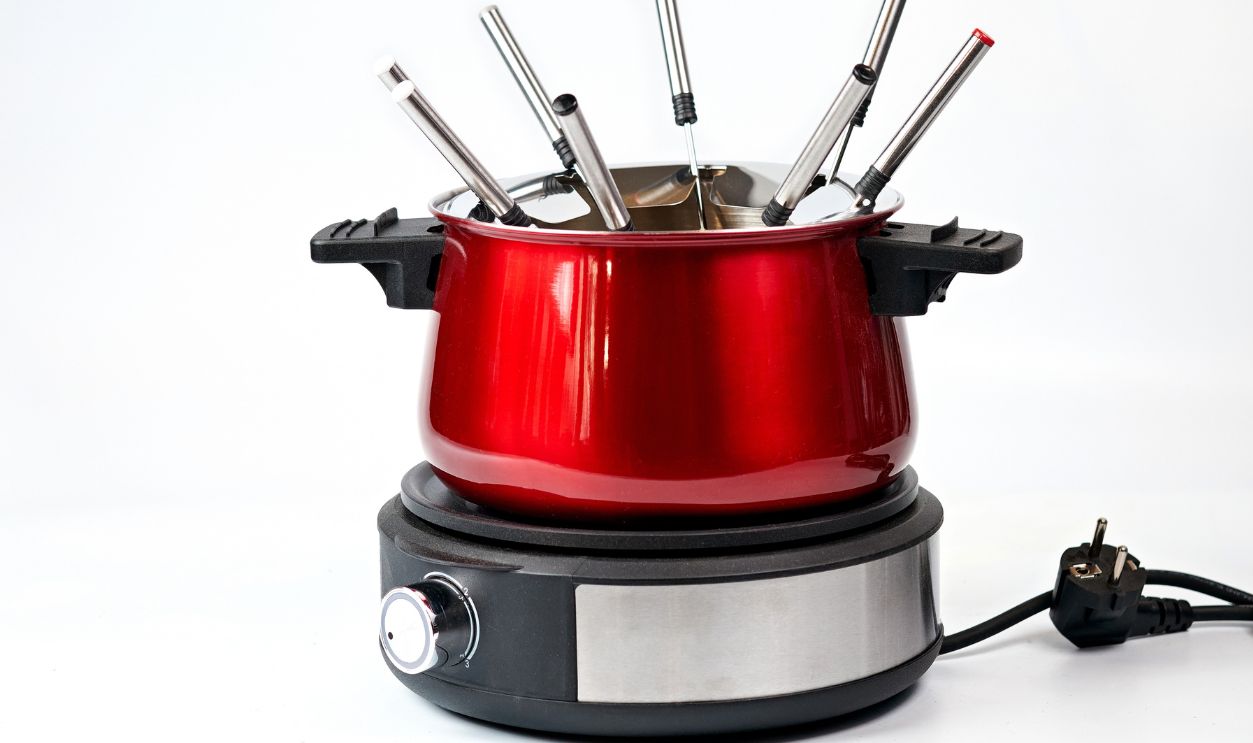
#23 — Electric Fondue Set
Fondue parties helped make these colorful appliances must-have entertaining accessories. A typical electric set cost approximately $19 to $30 during the early 1970s. Complete secondhand sets with their original forks now commonly sell locally for approximately $8 to $20.
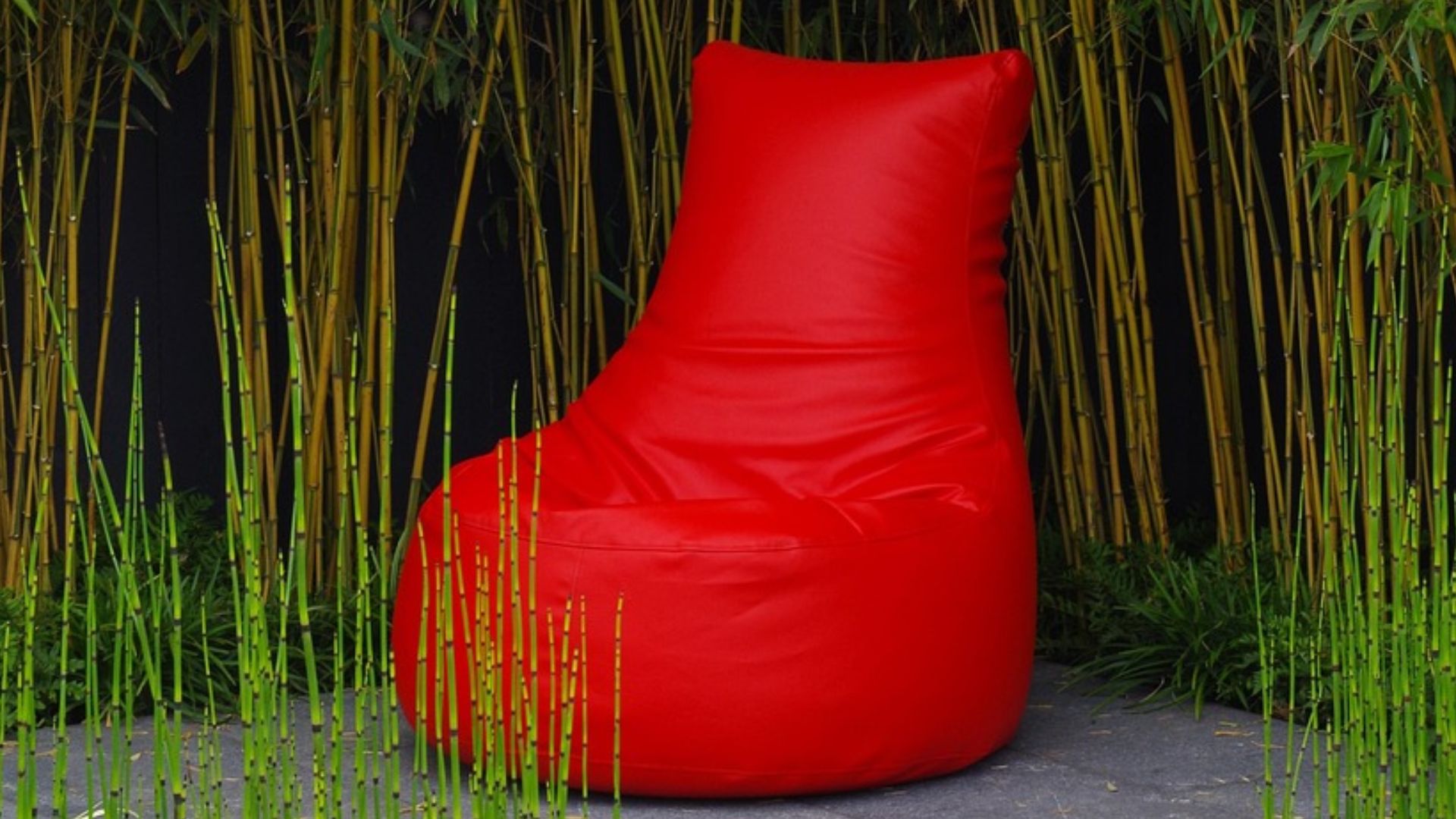
#22 — Beanbag Chair
A fashionable vinyl beanbag chair could cost about $20 in the mid-1970s, or considerably more for larger versions. They eventually flattened, cracked and fell out of fashion. A clean modern used chair might fetch $10 to $25, while worn examples can be difficult to give away.
#21 — Portable CD Player
A quality portable CD player commonly cost around $100 to $200 when the technology became desirable during the late 1980s. Streaming and smartphones eliminated its everyday purpose. Ordinary working models now turn up for approximately $5 to $20, although certain early models are collectible.
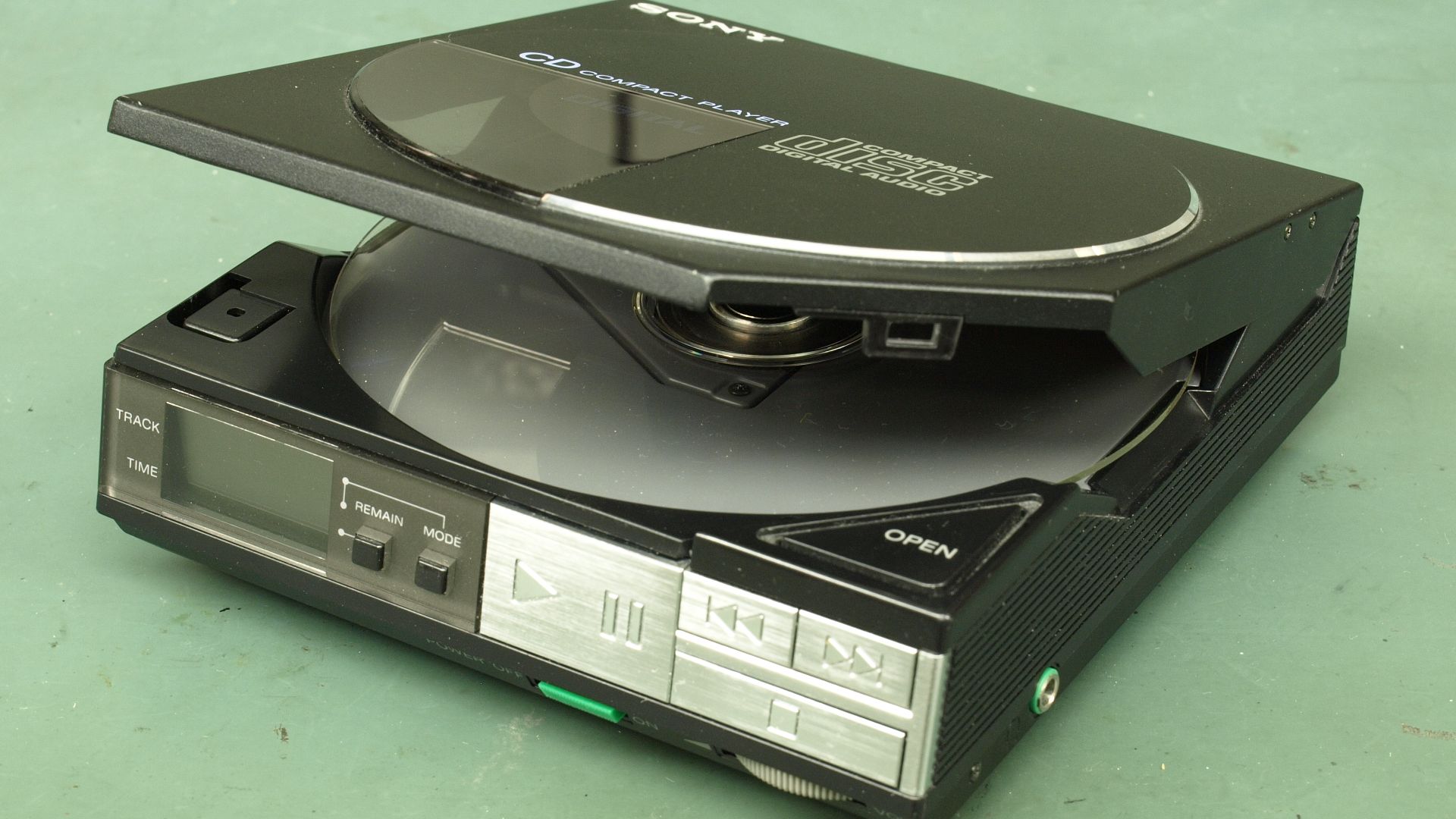 Binarysequence, Wikimedia Commons
#20 — CD Storage Tower
As CD collections expanded during the 1990s, households purchased towers costing approximately $30 to $100 to display them. Once music libraries went digital, the towers became awkward furniture. A basic used tower now sells for around $5 to $20, or is simply placed at the curb.
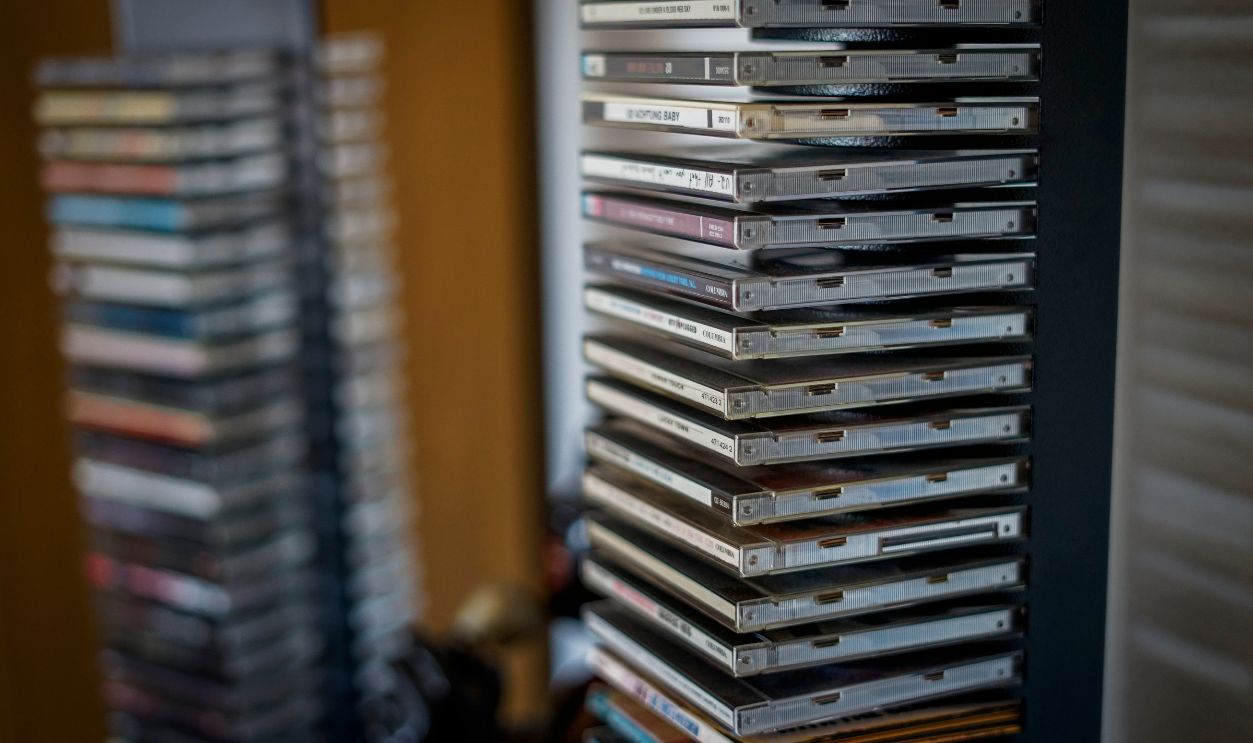 TN Creative Visuals, Shutterstock
#19 — Telephone Answering Machine
Before voicemail became standard, a separate answering machine could feel essential. Advertised machines ranged from about $70 to $100 during the mid-1980s. Today, a basic working unit generally has a garage-sale value of only $3 to $10.
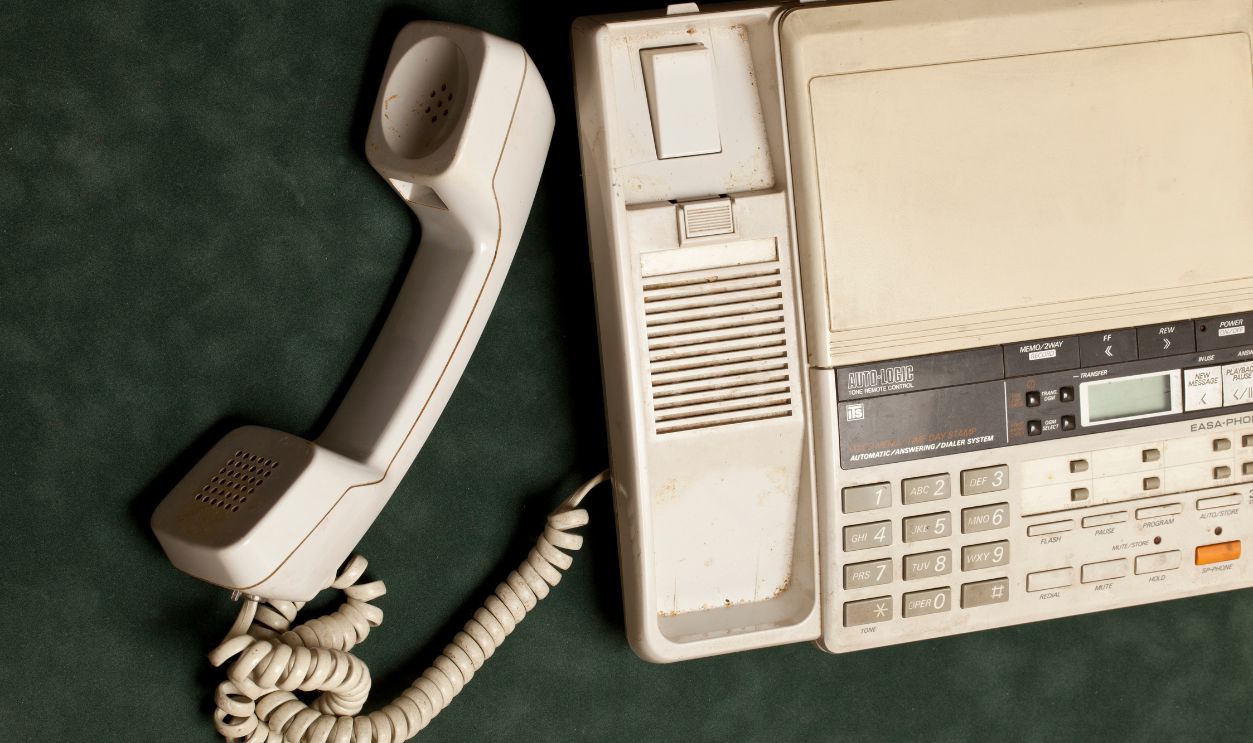
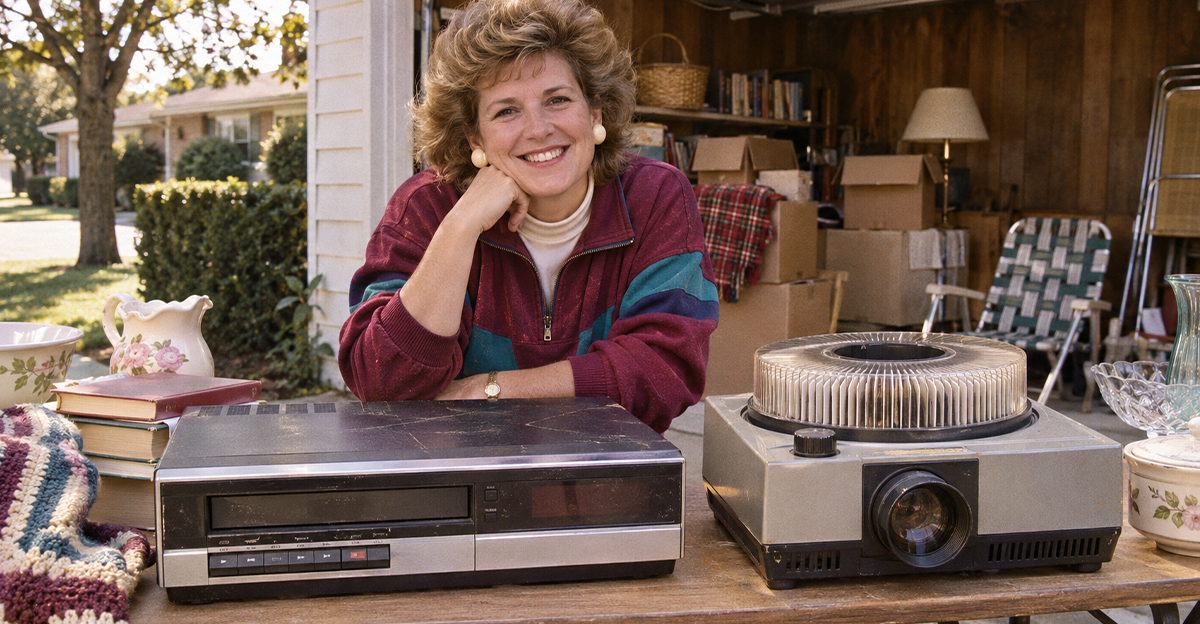
#18 — Slide Projector
Families once gathered in darkened living rooms to watch vacation slides. Depending on its features, a projector could cost roughly $70 to $200 during the 1960s and 1970s. Most ordinary projectors now sell for approximately $10 to $30, assuming the bulb and mechanism still work.
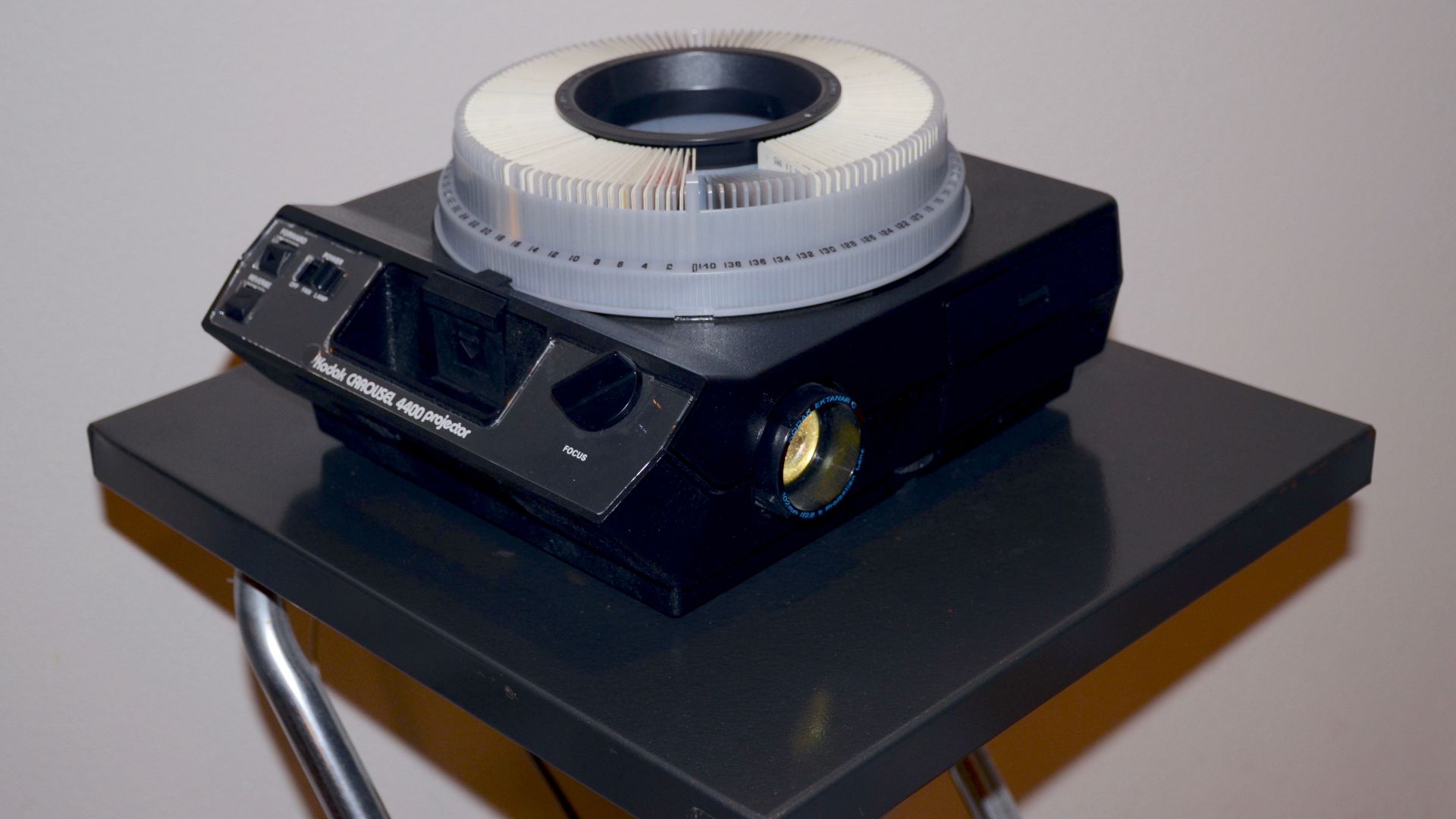 Steve Morgan, Wikimedia Commons
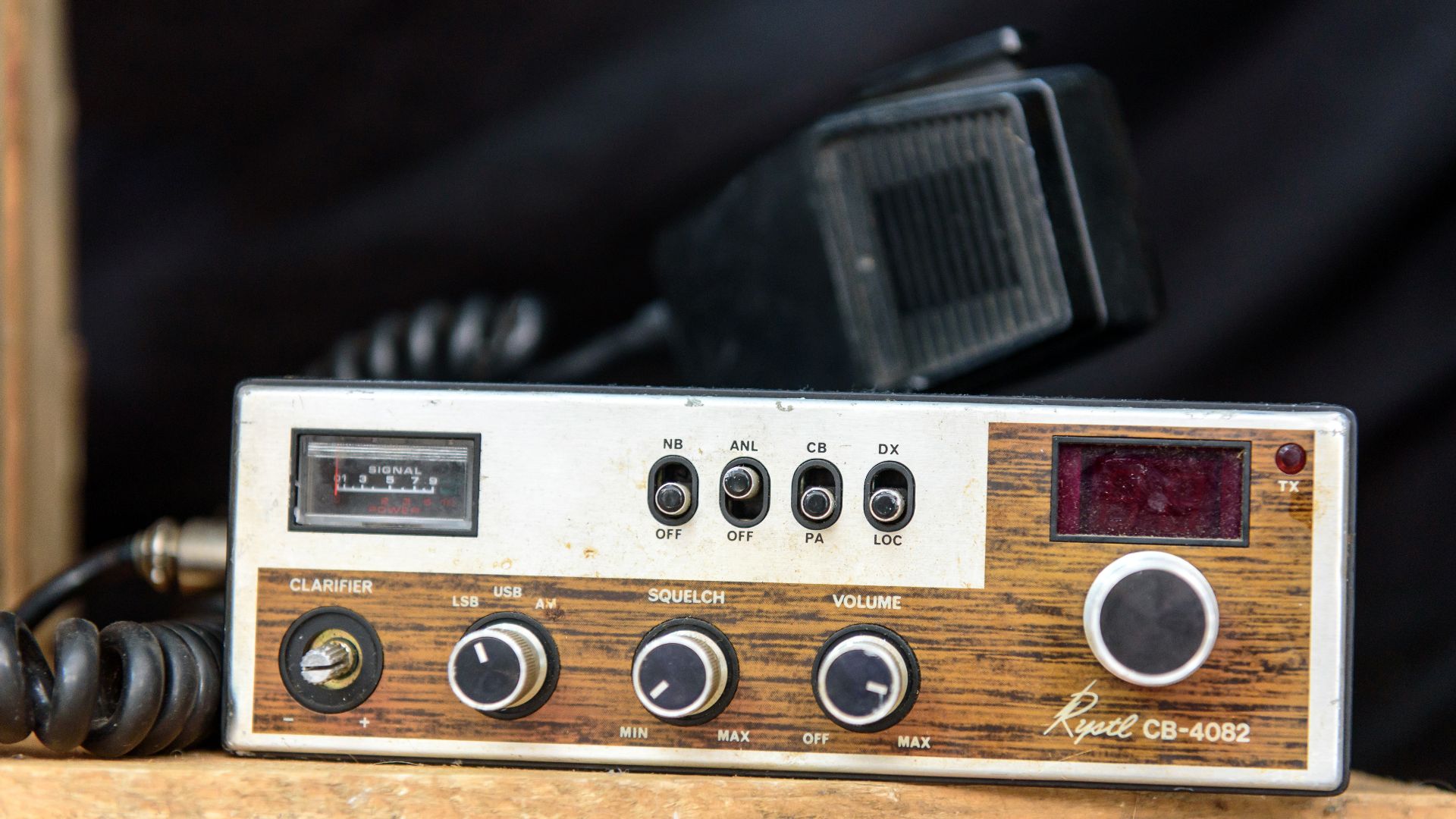
#17 — CB Radio
The CB craze transformed these radios into trendy automotive accessories during the 1970s. One 1975 catalog advertised a 23-channel model for $99.50. Untested sets may now sell for $10 to $20, while complete working equipment can bring approximately $25 to $60.
 Frank Schwichtenberg, Wikimedia Commons
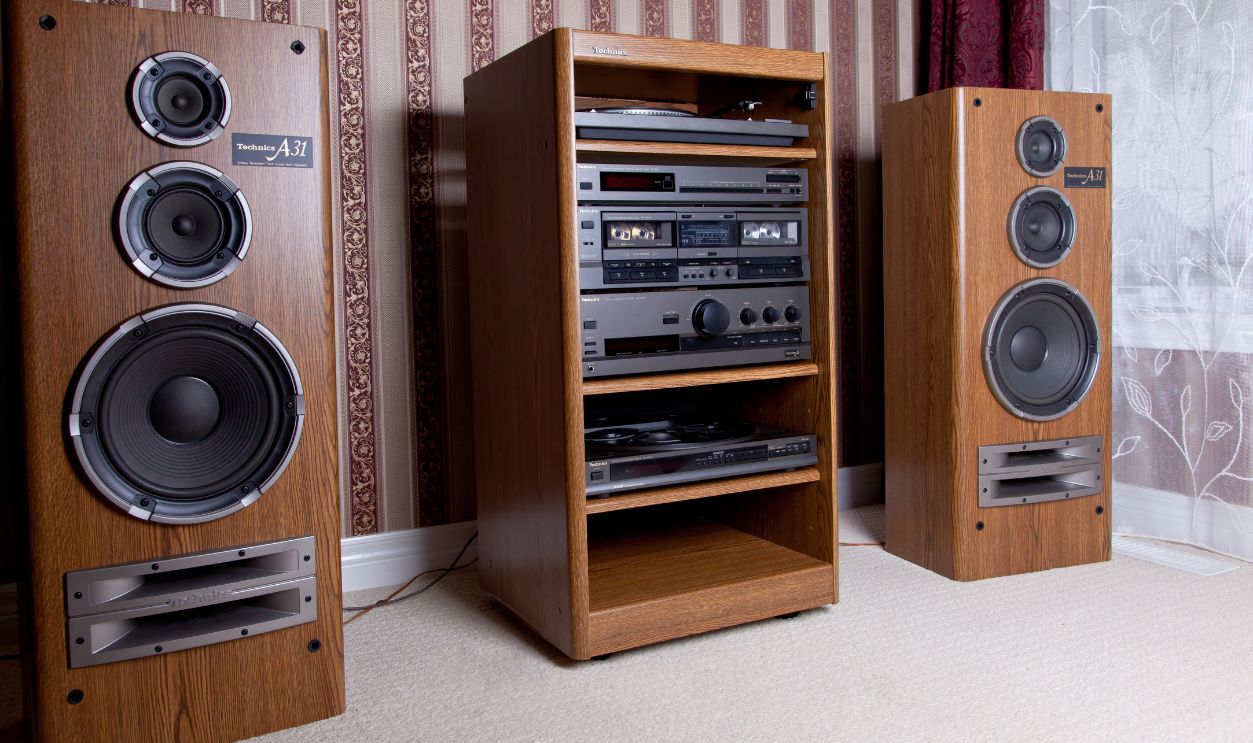
#16 — Rack Stereo System
A towering stereo with separate-looking components made a home feel sophisticated. Systems ranged from approximately $200 for budget models to more than $1,000 for premium equipment. Bulky all-in-one systems often bring just $25 to $100 today, though genuine high-end components can remain valuable.
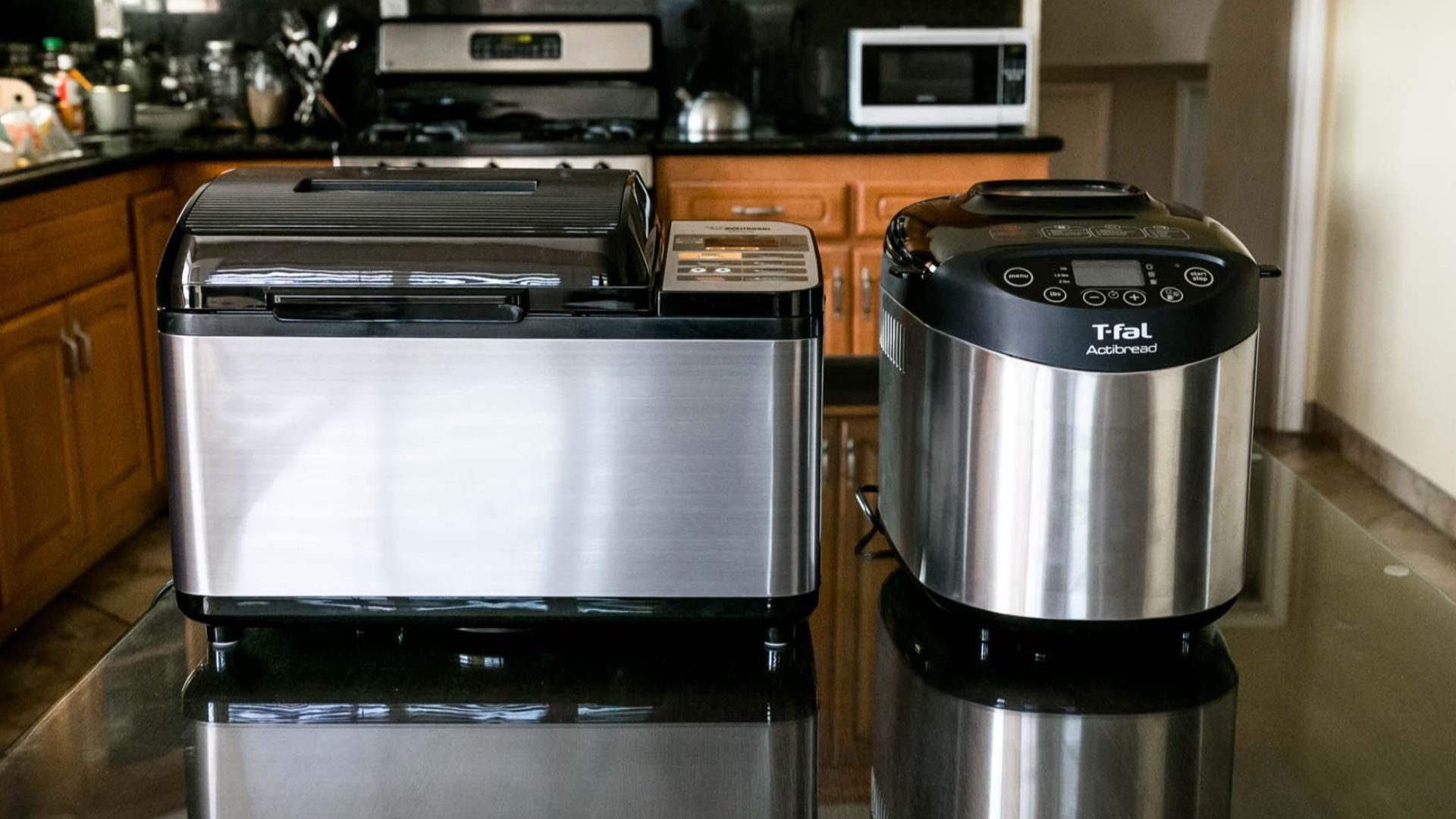
#15 — Bread Machine
The promise of effortless homemade bread made these appliances enormously attractive during the 1990s. Typical machines originally cost approximately $100 to $300. Many were eventually stored after the novelty faded, and ordinary working models now sell secondhand for around $10 to $35.
 Your Best Digs, Wikimedia Commons
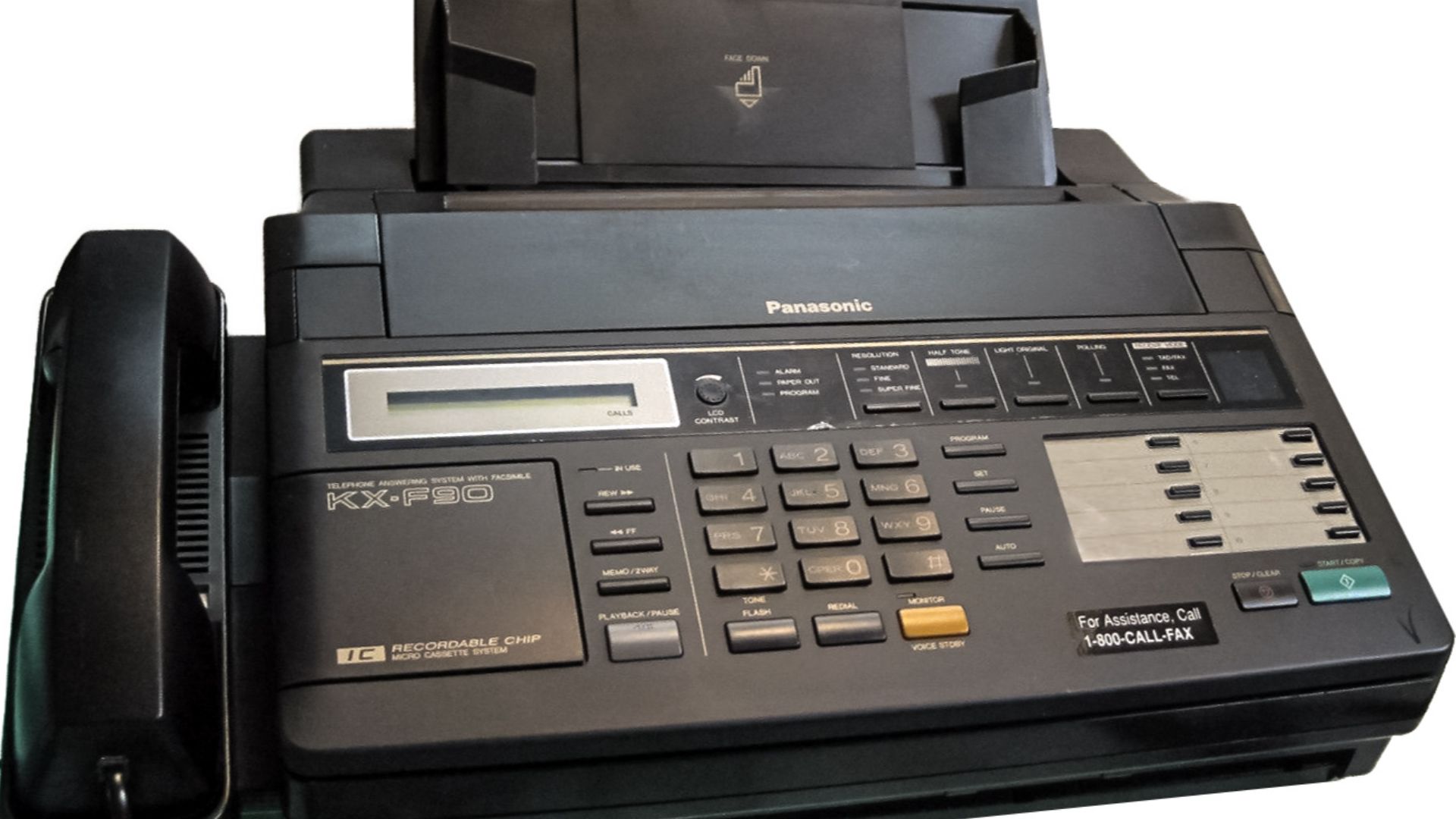
#14 — Home Fax Machine
A personal fax machine once suggested that its owner was technologically ahead of the curve. Around 1990, basic fax-phone models could cost roughly $488 to $700, with elaborate machines costing more. Today, a working machine may struggle to attract $5 to $25.
 File:Panasonic KX-F90.jpg: Pittigrilli derivative work: Georgfotoart, Wikimedia Commons
#13 — VHS VCR
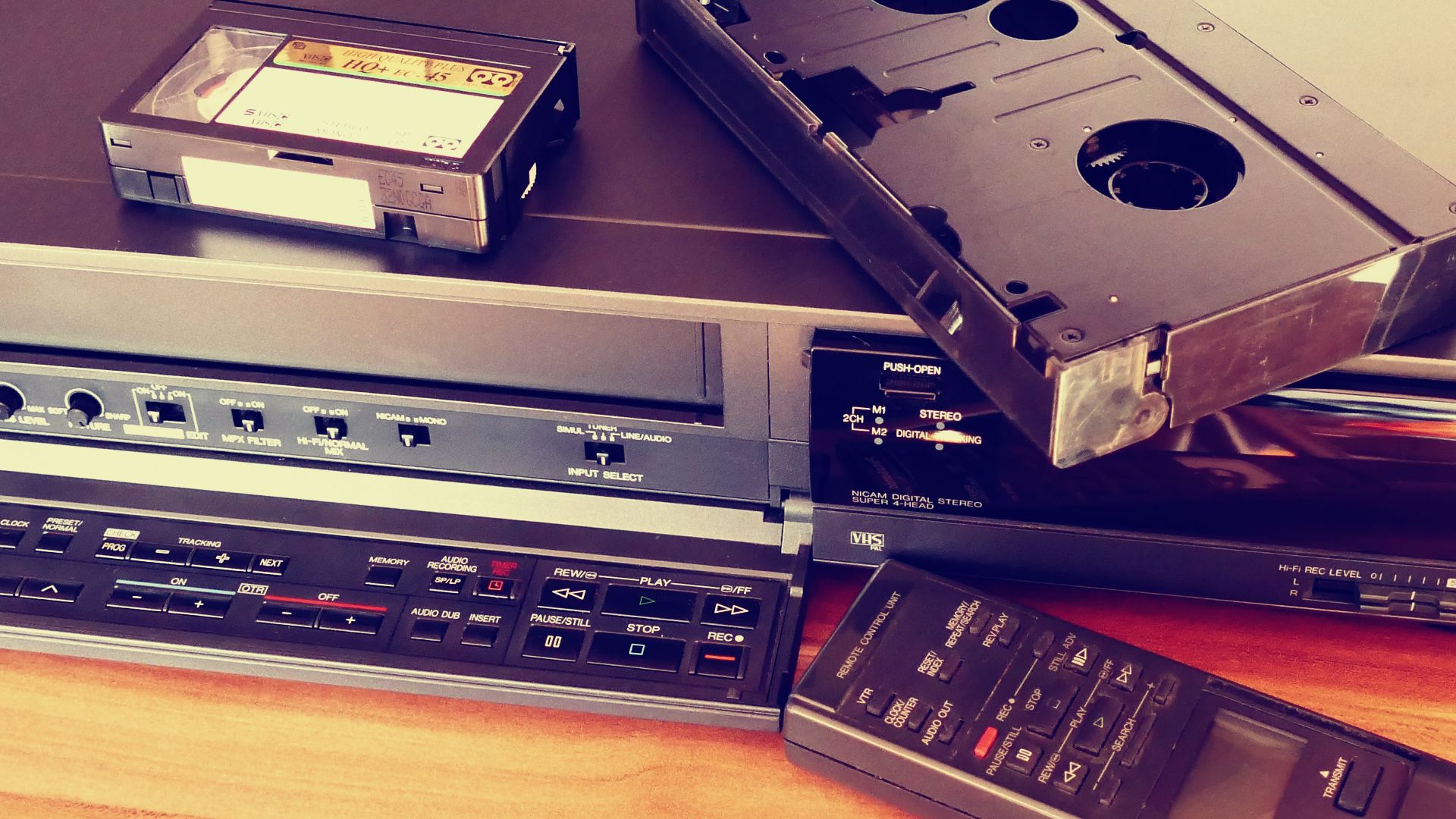
A VCR gave families control over television schedules and movie nights. Advertised prices ranged from approximately $200 to $440 during the mid-1980s. Standard working machines now sell for about $15 to $50, although desirable multi-format units can command substantially more.
#12 — Consumer Camcorder
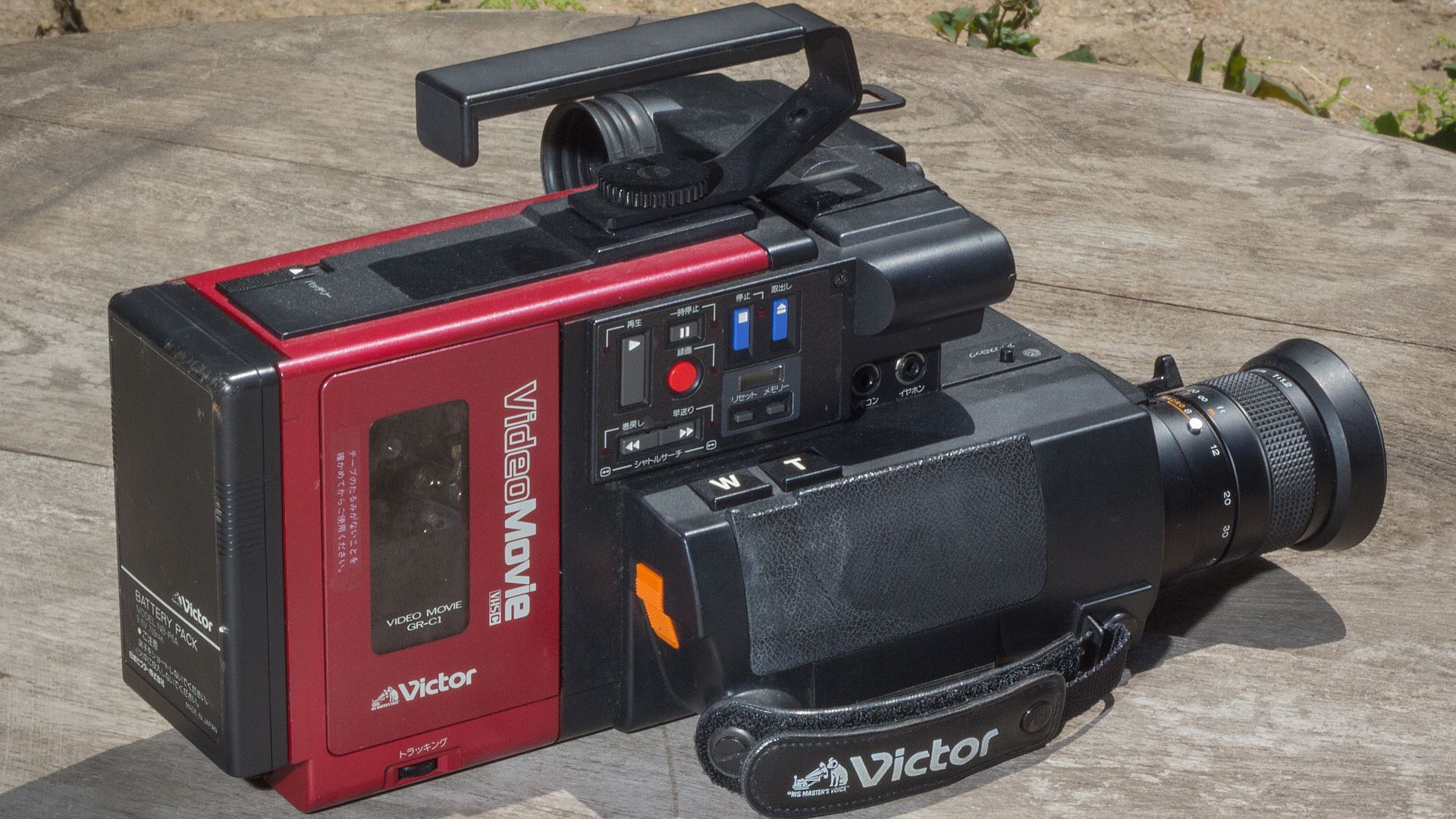
Recording family life at home felt revolutionary, but early camcorders demanded a serious investment. Mid-1980s video cameras were advertised for around $690 to $1,250. Untested tape-based camcorders may now fetch only $10 to $30, while complete working examples can reach $40 to $100.
 Ignat Gorazd from Tokyo, Japan, Wikimedia Commons
#11 — Waterbed
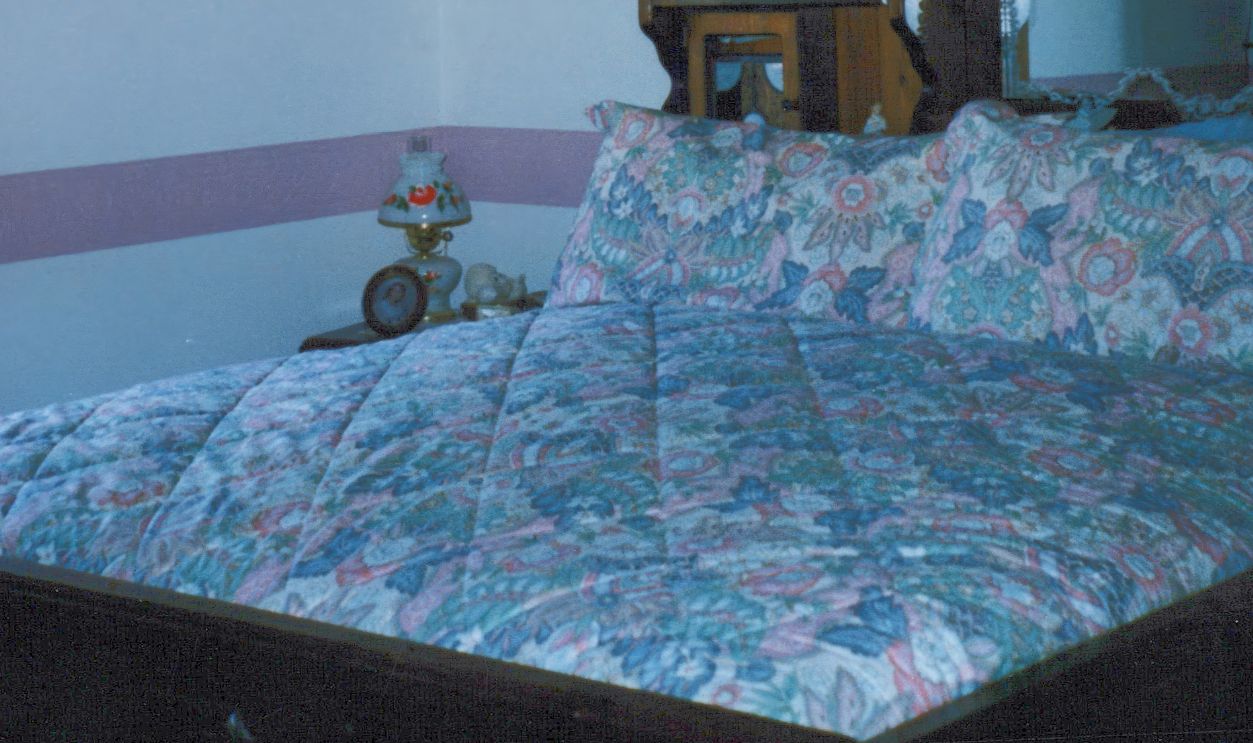
A waterbed could cost approximately $500 to $1,500 during its 1970s and 1980s heyday, depending on its frame and accessories. Moving, heating and maintaining one became inconvenient. Used mattresses have almost no resale market, while an elaborate frame might bring $25 to $100.
#10 — Collector Figurines
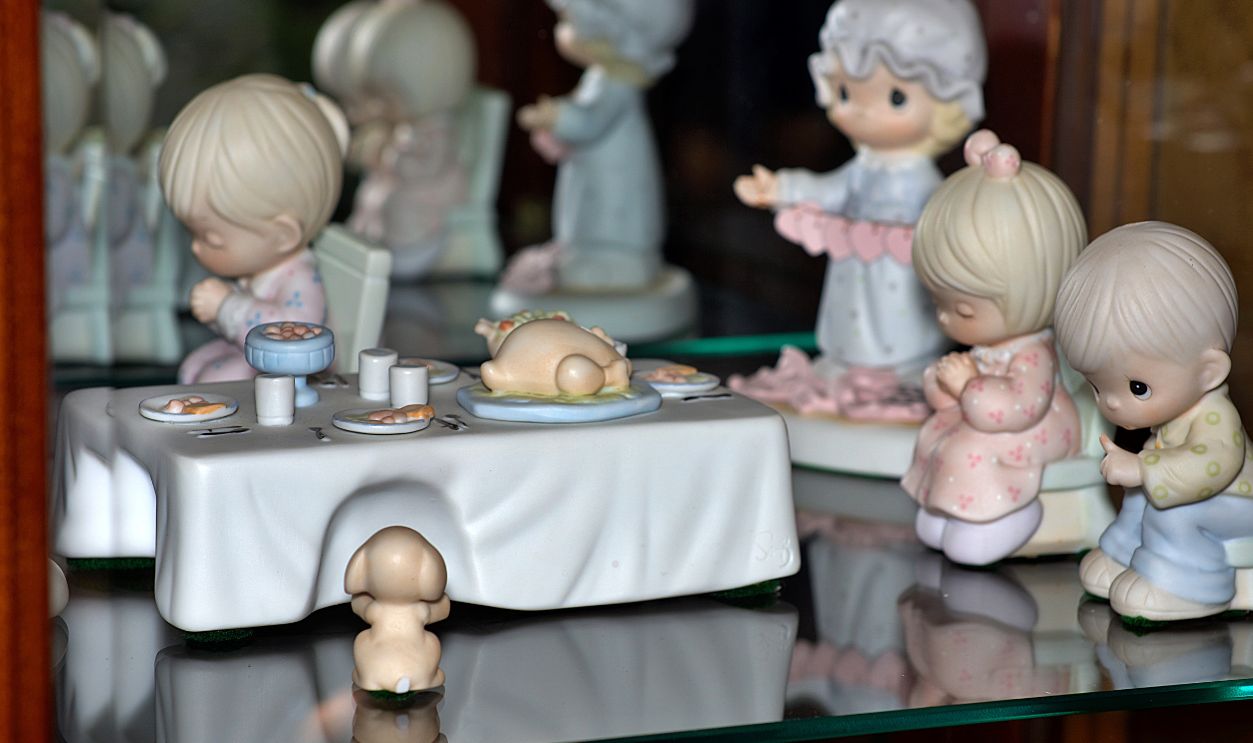
Decorative figurines were marketed as meaningful gifts and potential heirlooms. Popular examples commonly cost approximately $20 to $100 apiece, with limited editions priced higher. Many ordinary pieces now sell for $5 to $25, although uncommon designs and early production marks can still matter.
 william bernhardt, Shutterstock
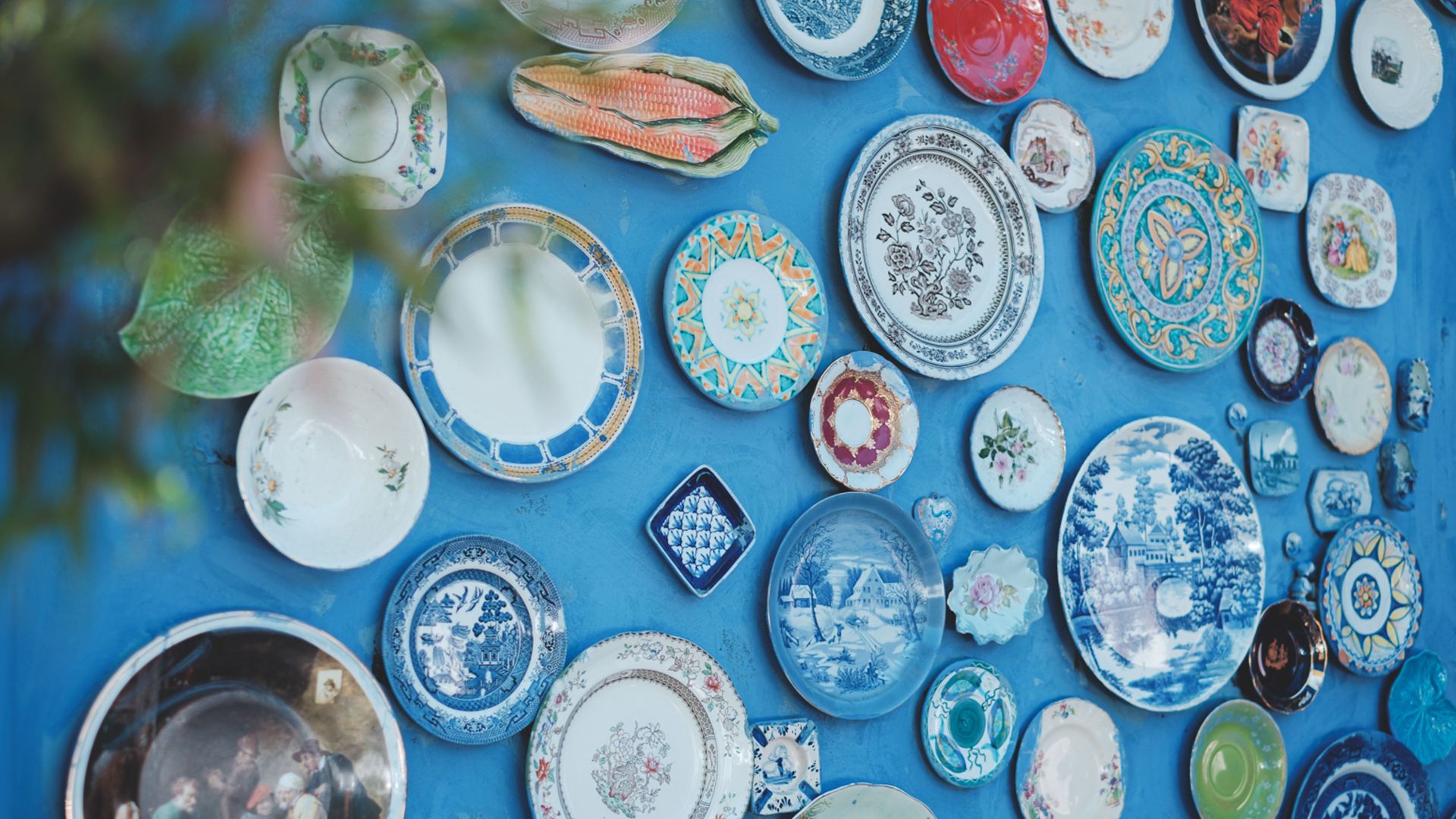
#9 — Commemorative Collector Plates
Limited-edition plates were once advertised as collectibles rather than simple decorations. Buyers commonly paid $25 to $75 per plate, believing complete series might appreciate. Most mass-produced examples now sell for approximately $1 to $5 apiece, and some receive no offers at all.
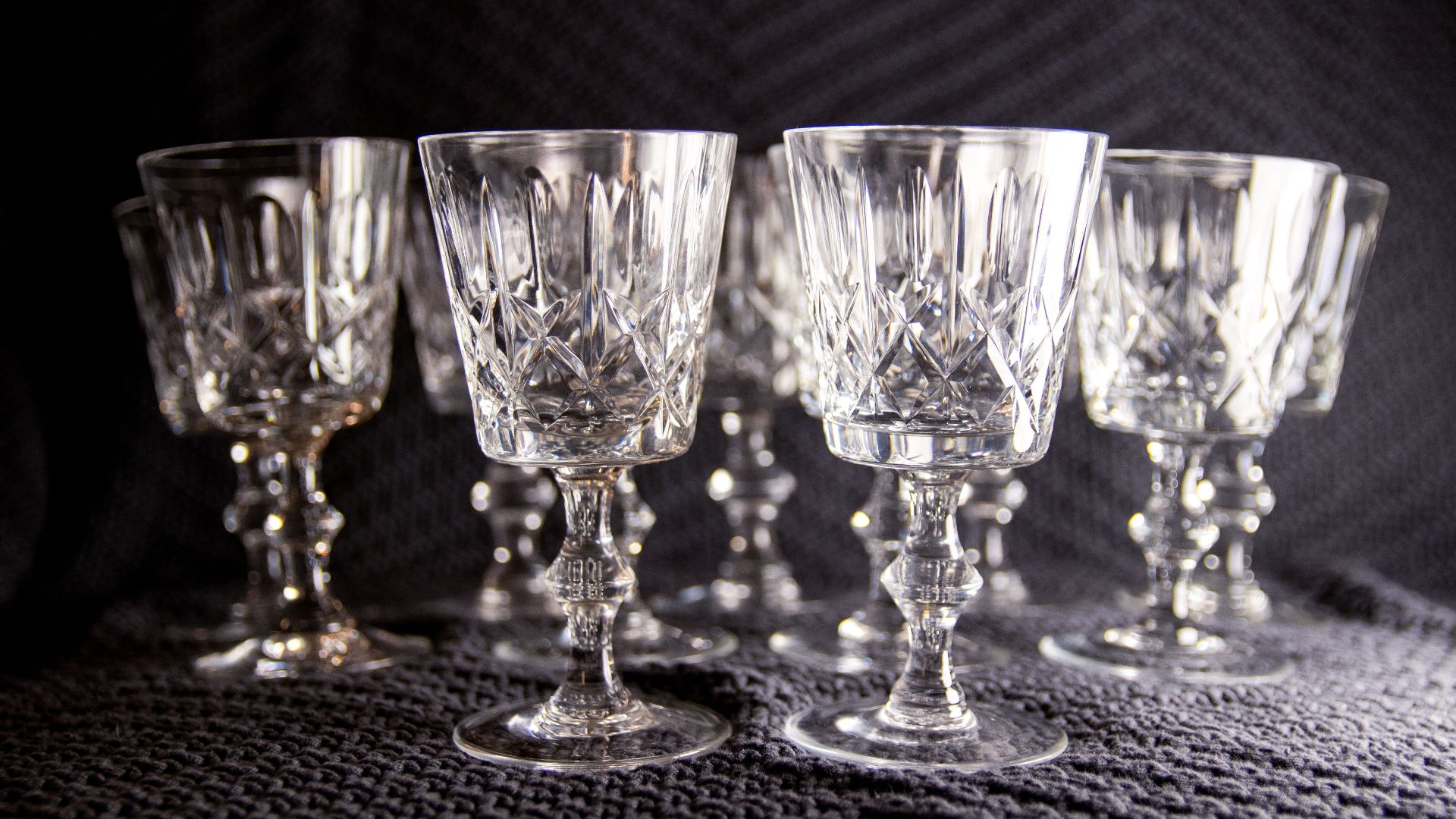
#8 — Crystal Stemware Set
A boxed crystal set could cost approximately $100 to $500, with prestigious makers charging considerably more. Formal entertaining declined, while younger households often preferred dishwasher-safe glasses. An ordinary used set may now sell for $20 to $75 unless its maker or pattern attracts collectors.
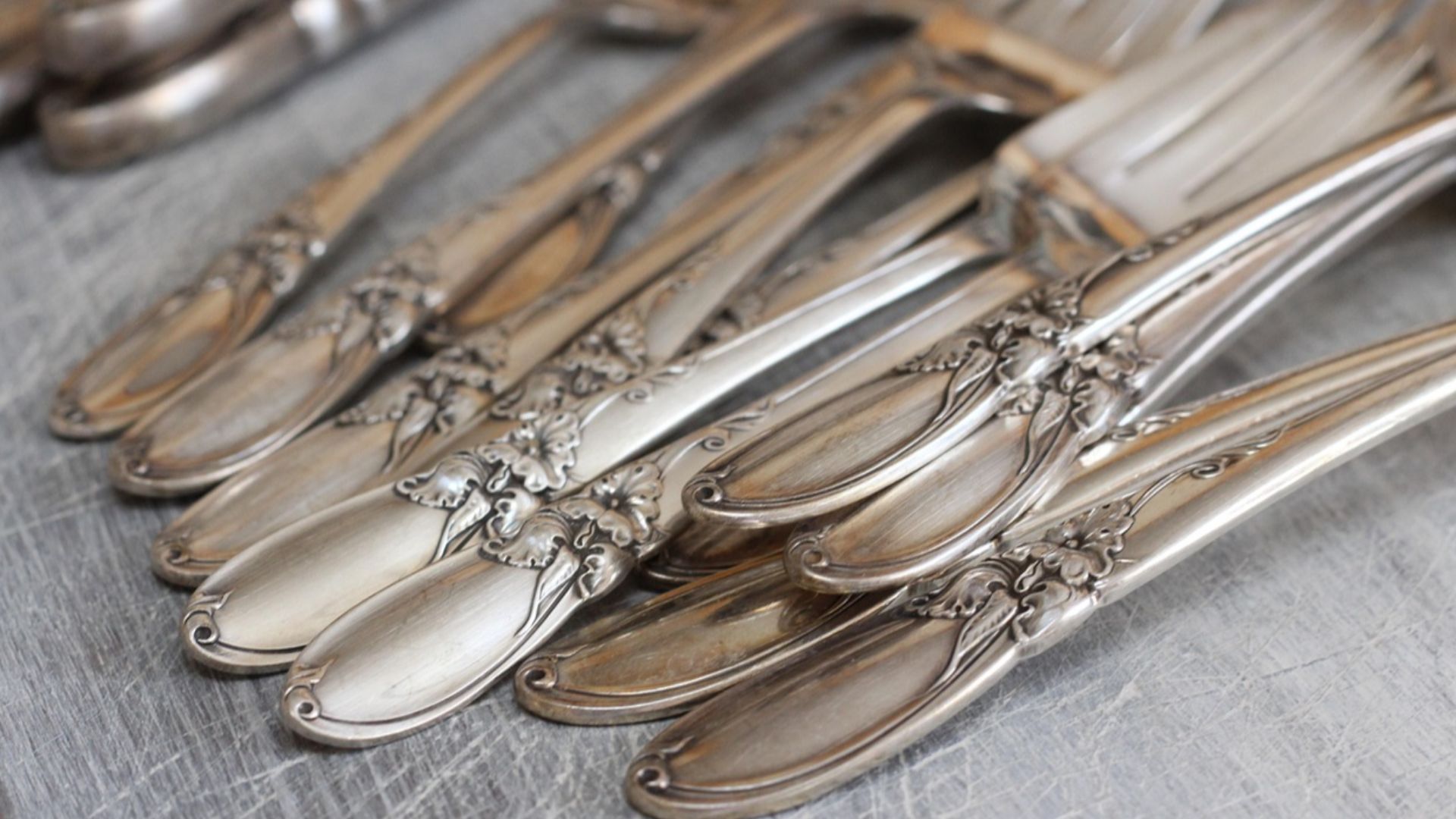
#7 — Silver-Plated Flatware
A complete silver-plated service once represented grown-up elegance and could cost roughly $100 to $500. Unlike sterling silver, the material has little precious-metal value. Depending on condition and pattern, a garage-sale set might bring only $20 to $75, and polishing it remains part of the bargain.
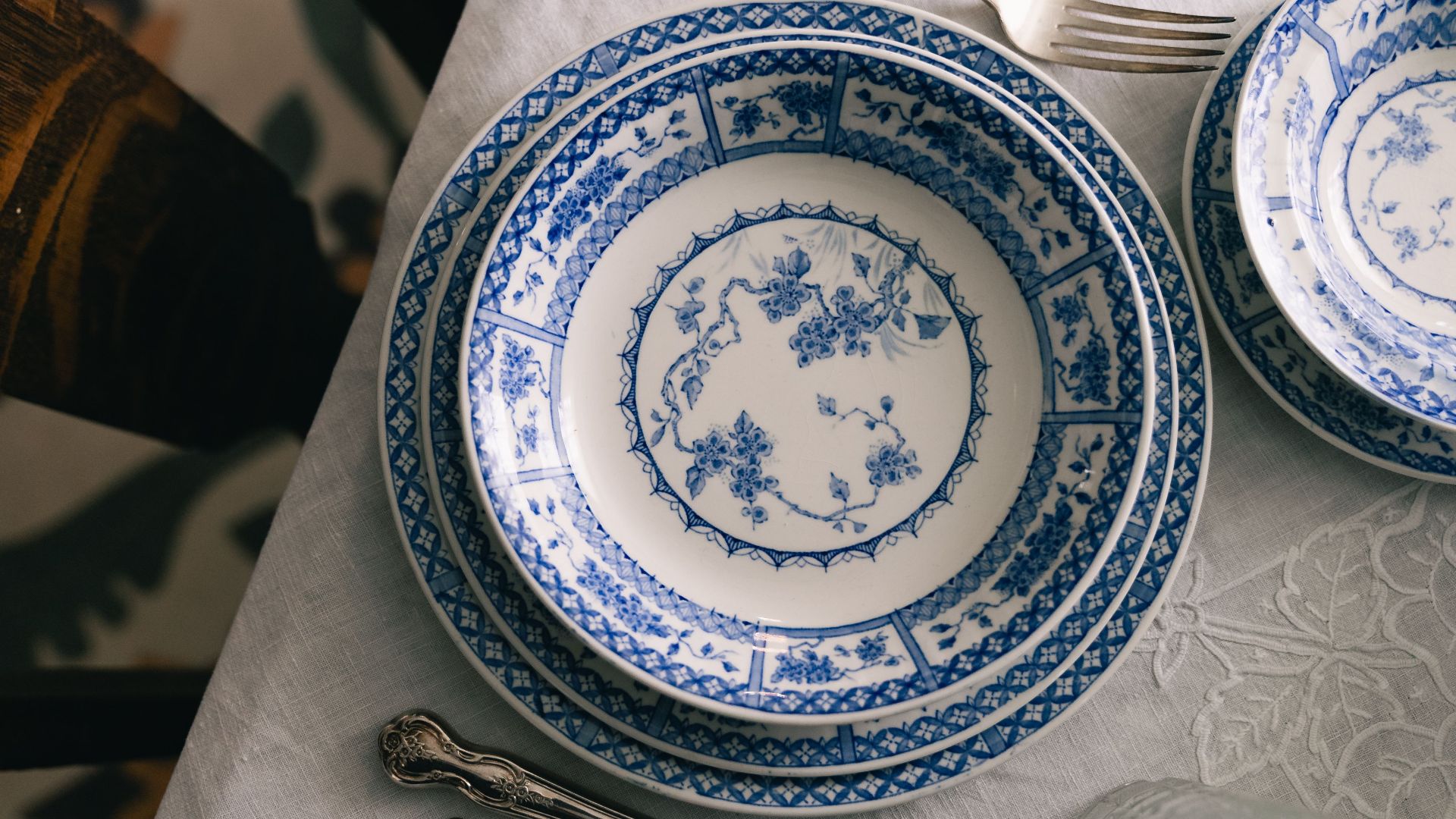
#6 — Formal China Dinnerware
A complete china service was once a major wedding-registry purchase, frequently costing several hundred dollars and sometimes more than $1,000. Today, common patterns may bring approximately $20 to $100 at a garage sale. Rare patterns can do better, but demand for large formal sets has fallen sharply.
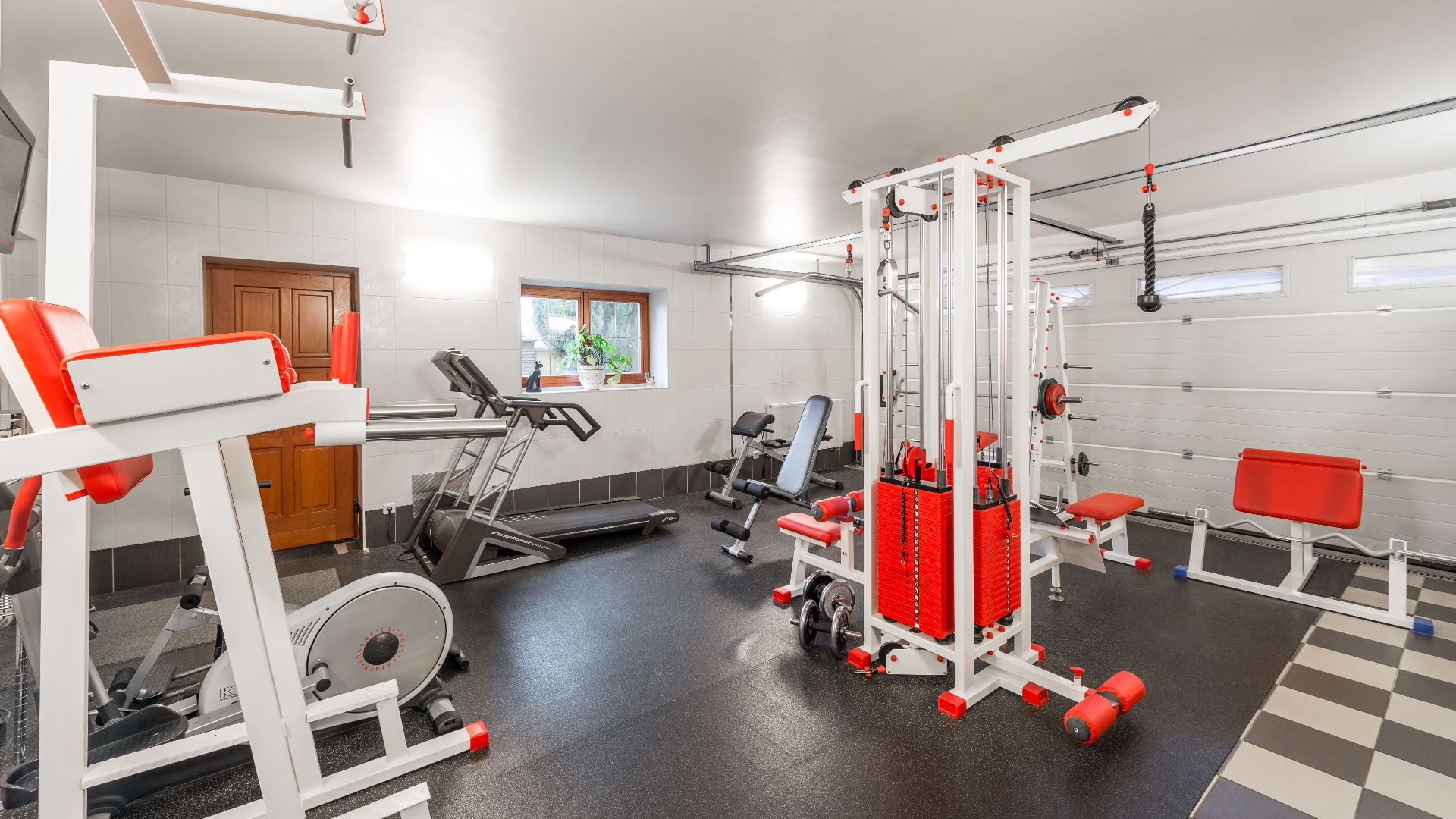
#5 — Multi-Station Home Gym
Large home gyms promised professional workouts without membership fees. Depending on their complexity, systems originally cost approximately $500 to $2,000. At a garage sale, a complete functioning unit might bring $75 to $300, but sellers frequently discount them because buyers must dismantle and transport everything.
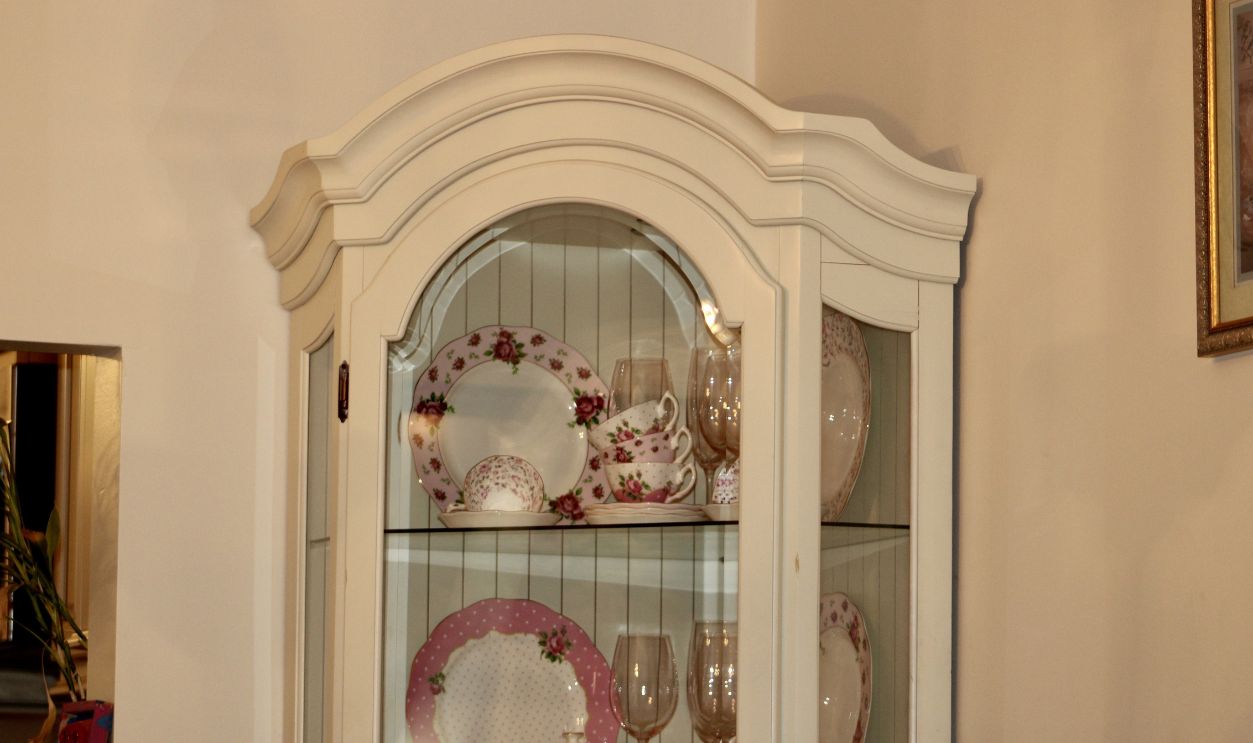
#4 — Curio Cabinet
Glass-front curio cabinets provided a proud home for figurines, plates and vacation souvenirs. Many sold new for approximately $300 to $1,200. As both the cabinets and their displayed collectibles lost popularity, used values commonly dropped to around $25 to $150, if someone has room to move one.
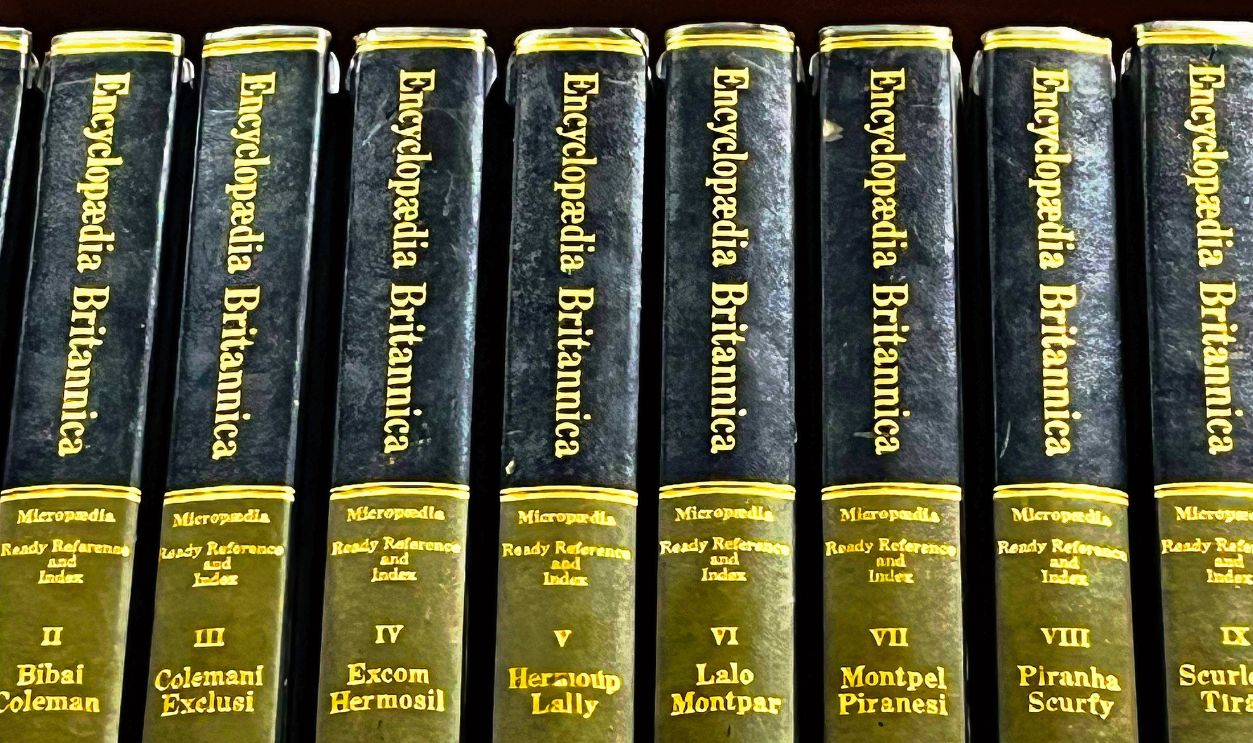
#3 — Printed Encyclopedia Set
A complete encyclopedia represented knowledge, educational ambition and a substantial household investment. Depending on the publisher and payment plan, sets could cost approximately $500 to more than $1,500. Current garage-sale guides place ordinary sets around $0 to $20, with many remaining completely unsold.
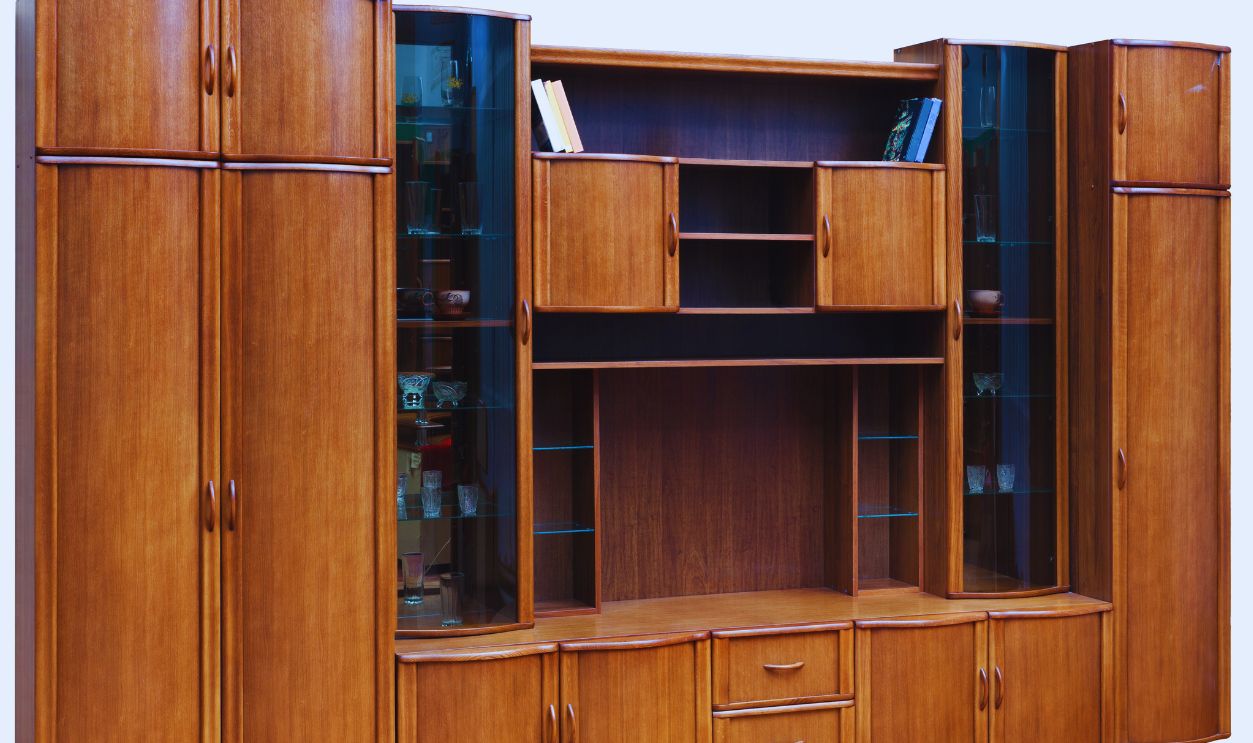
#2 — Giant Entertainment Center
A wall-sized entertainment center could cost approximately $500 to $2,000, especially when made from solid wood. Flat-screen televisions made the deep central opening obsolete. Today, many are listed for free, while a particularly attractive example might sell for only $25 to $100.
 Andrew Mayovskyy, Shutterstock
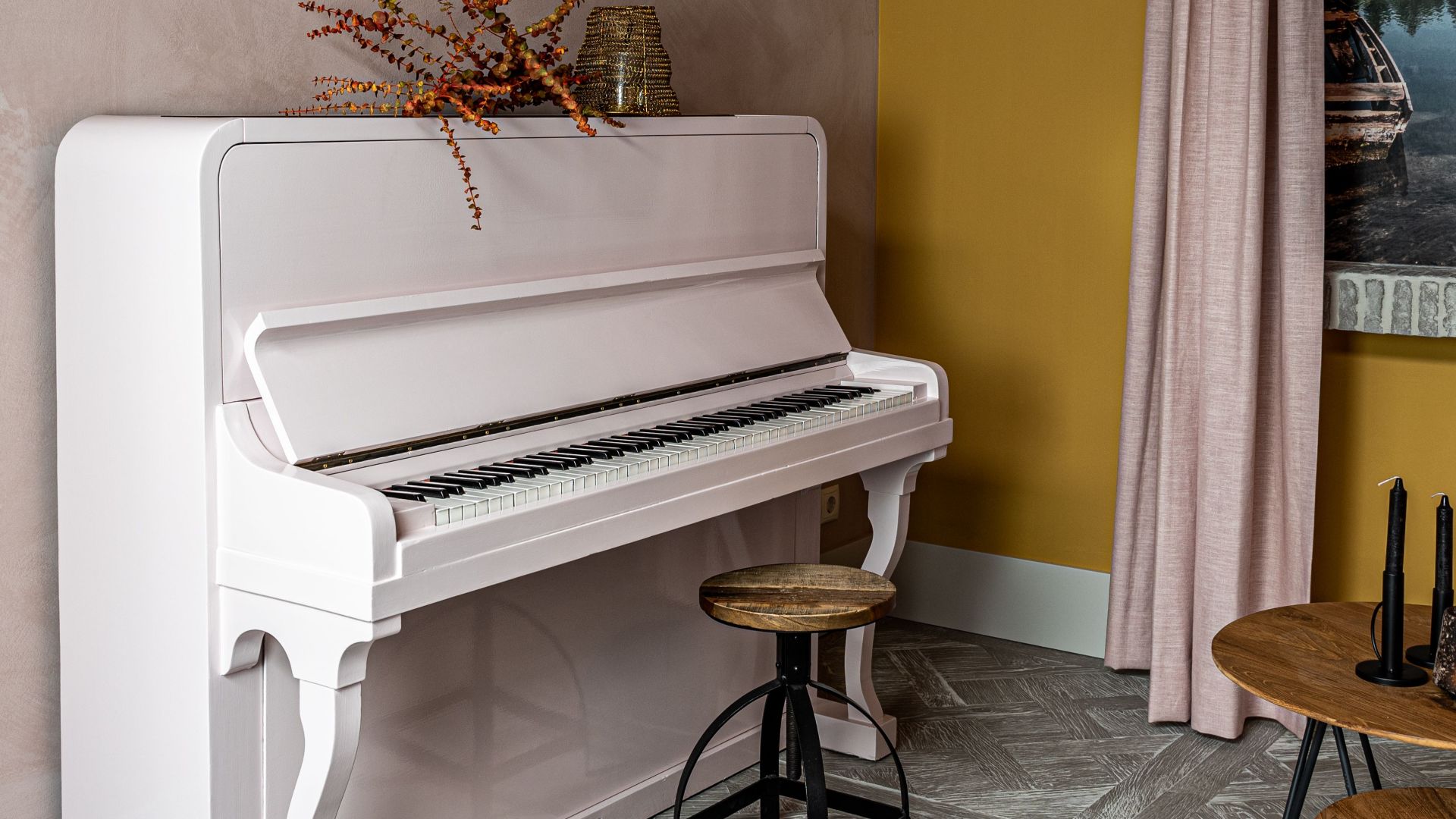
#1 — Upright Piano
A family piano could originally cost several thousand dollars and was often treated as an investment in a child’s education. Today, ordinary uprights are frequently advertised for free because tuning and professional moving can cost more than the instrument’s resale value. Exceptional makers remain a major exception.
The Price Of Changing Tastes
These products did not necessarily become useless overnight. Technology, smaller homes and more casual lifestyles simply reduced demand. Before selling anything cheaply, check its maker, model and completed online sales because an unusual version may be collectible even when the ordinary one is garage-sale clutter.
You May Also Like: Fast-Food Freebies Kids Loved In The 1970s—Before Every Toy Became A Collectible