Filling Up Came With a Little Something Extra
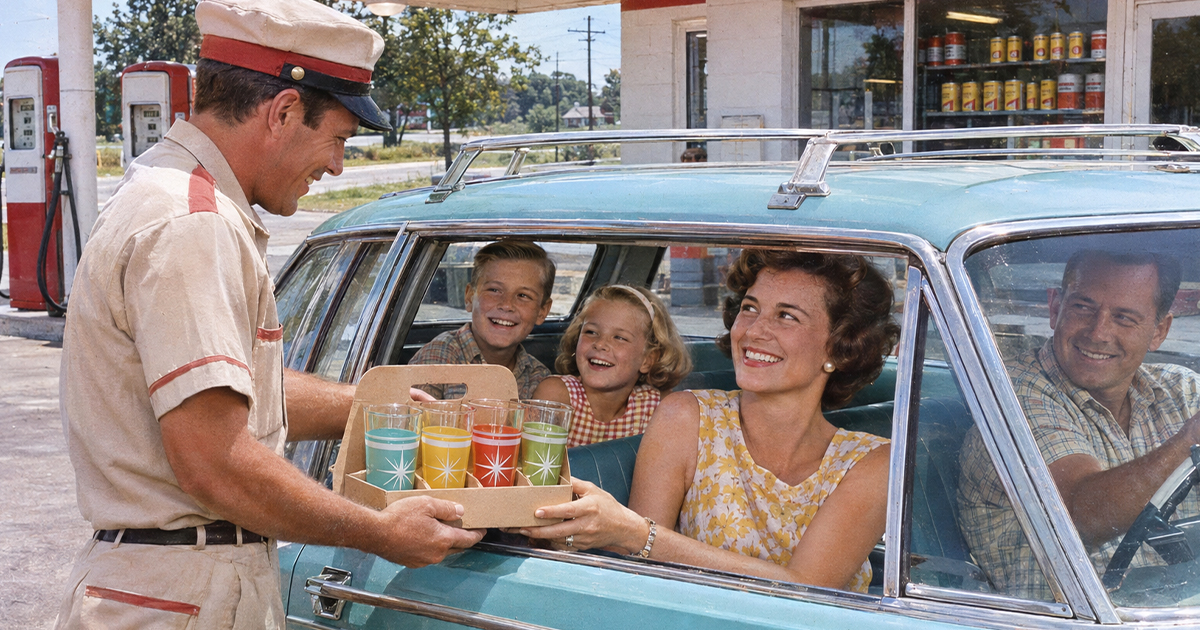
When competing stations sold gasoline for nearly identical prices, a free map, drinking glass or toy could decide where a family stopped. Some offers were completely free, while others required a fill-up, coupons or a small additional payment.
How many of these roadside rewards came home in your family’s car?
1. Branded Drinking Glasses
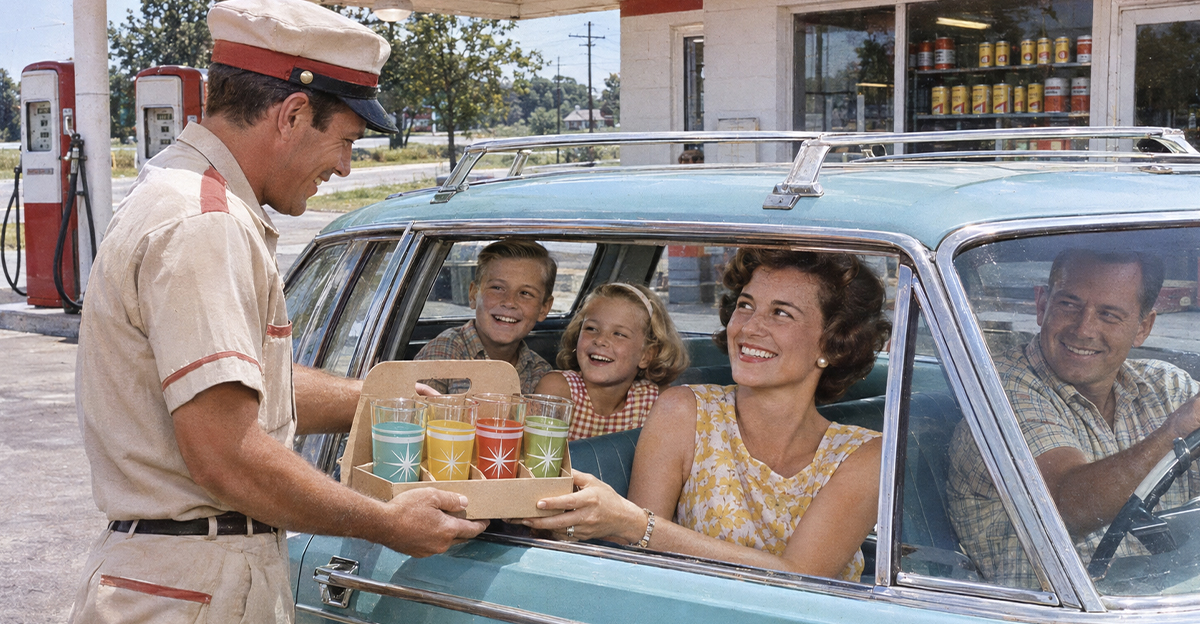
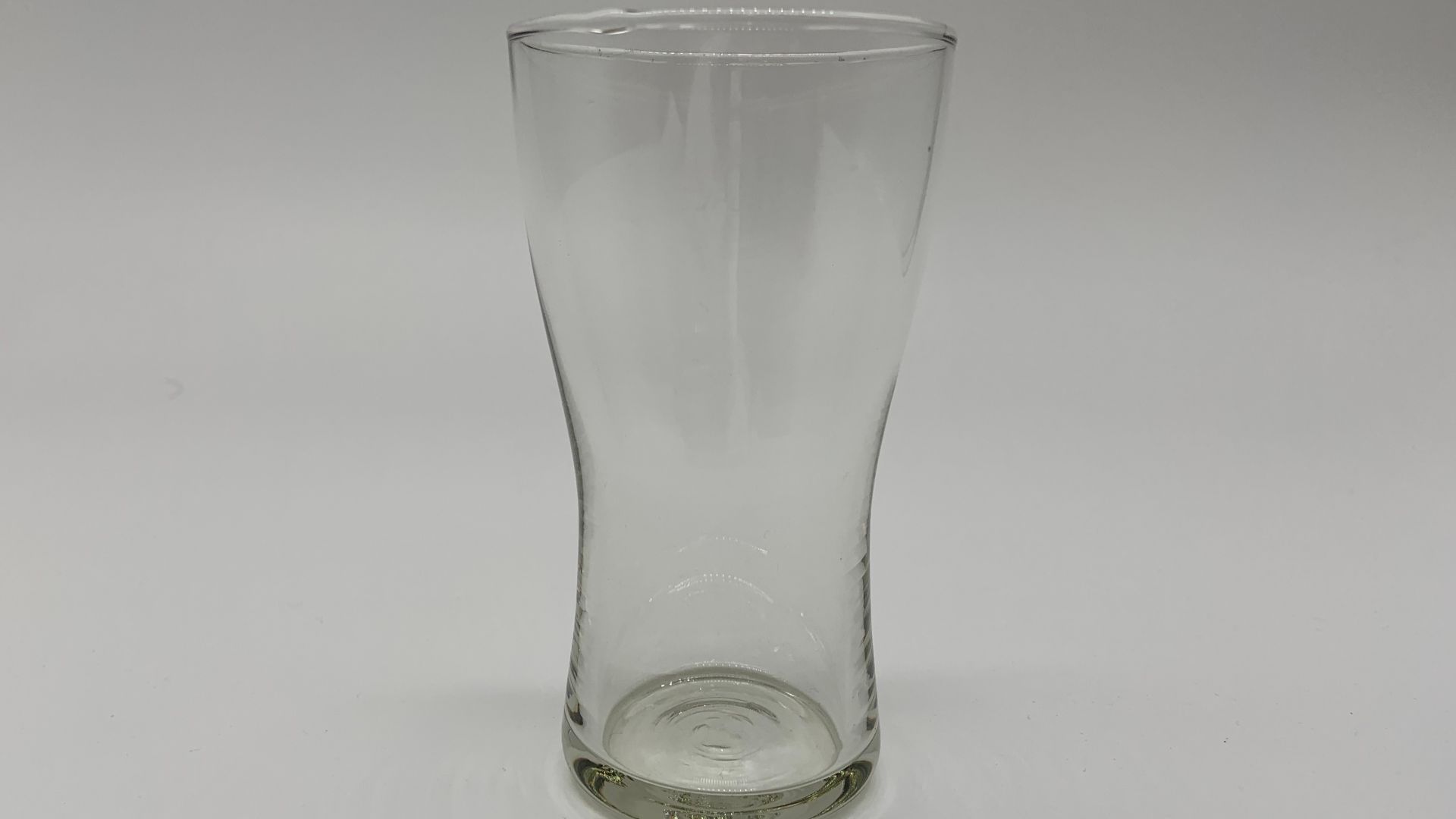
Gas stations regularly offered drinking glasses with a qualifying fill-up during the 1950s and 1960s. Some carried oil-company logos, while others featured sports or historical themes. One glass had modest value, but completing a matching set required several return visits, which was exactly what the promotion was designed to encourage.
 Fotograf Michael Ernst, User: Mernst1806, Wikimedia Commons
2. Blakely Cactus Tumblers
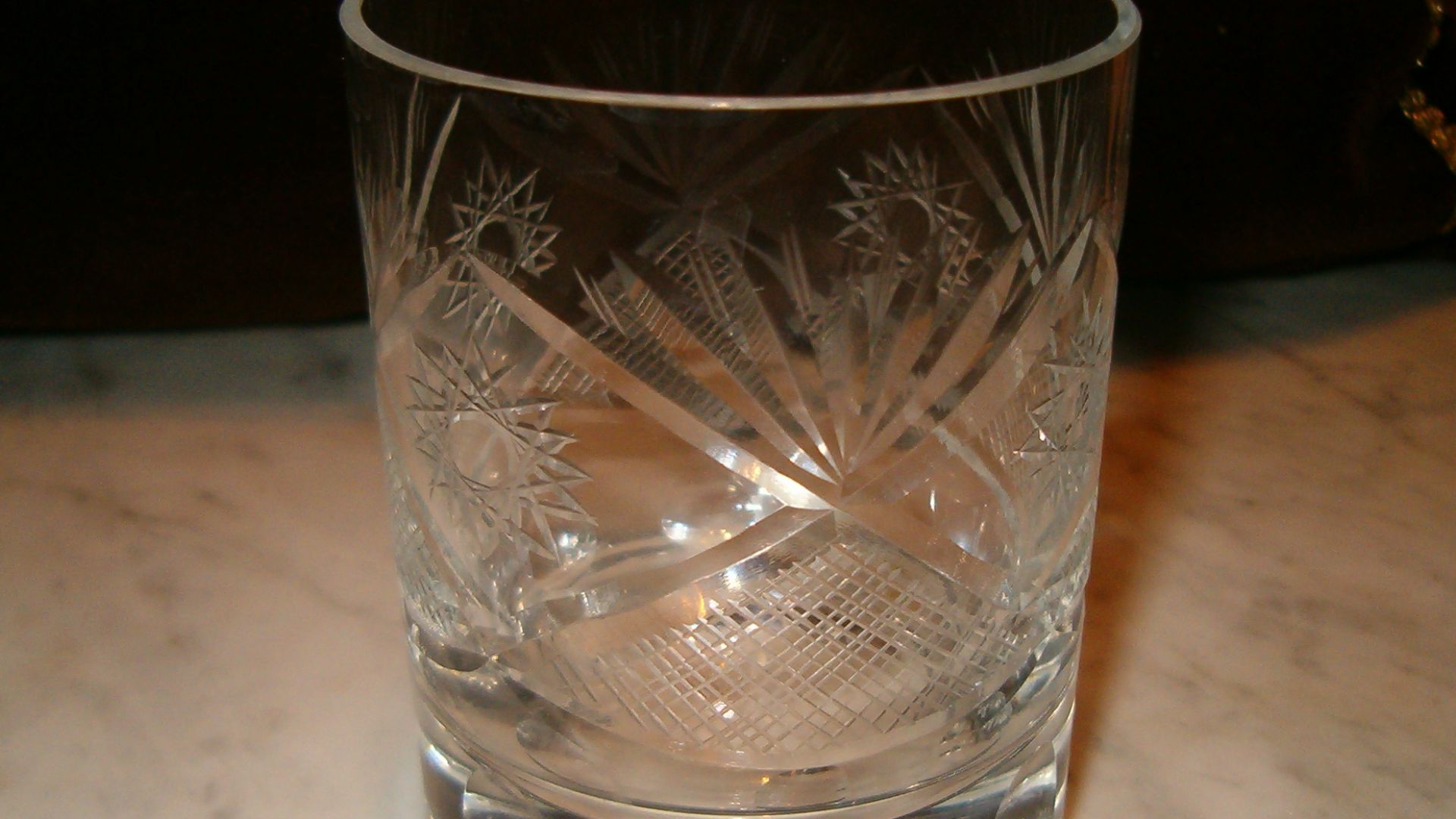
Arizona-based Blakely Oil became famous during the 1950s for colorful glasses decorated with desert plants. Coupons were commonly issued with purchases of around 10 gallons, which cost roughly $3 at the time. Families returned to collect matching tumblers, while Blakely also promoted larger prizes, including cars and household appliances.
 Váradi Zsolt~commonswiki, Wikimedia Commons
3. Free Road Maps
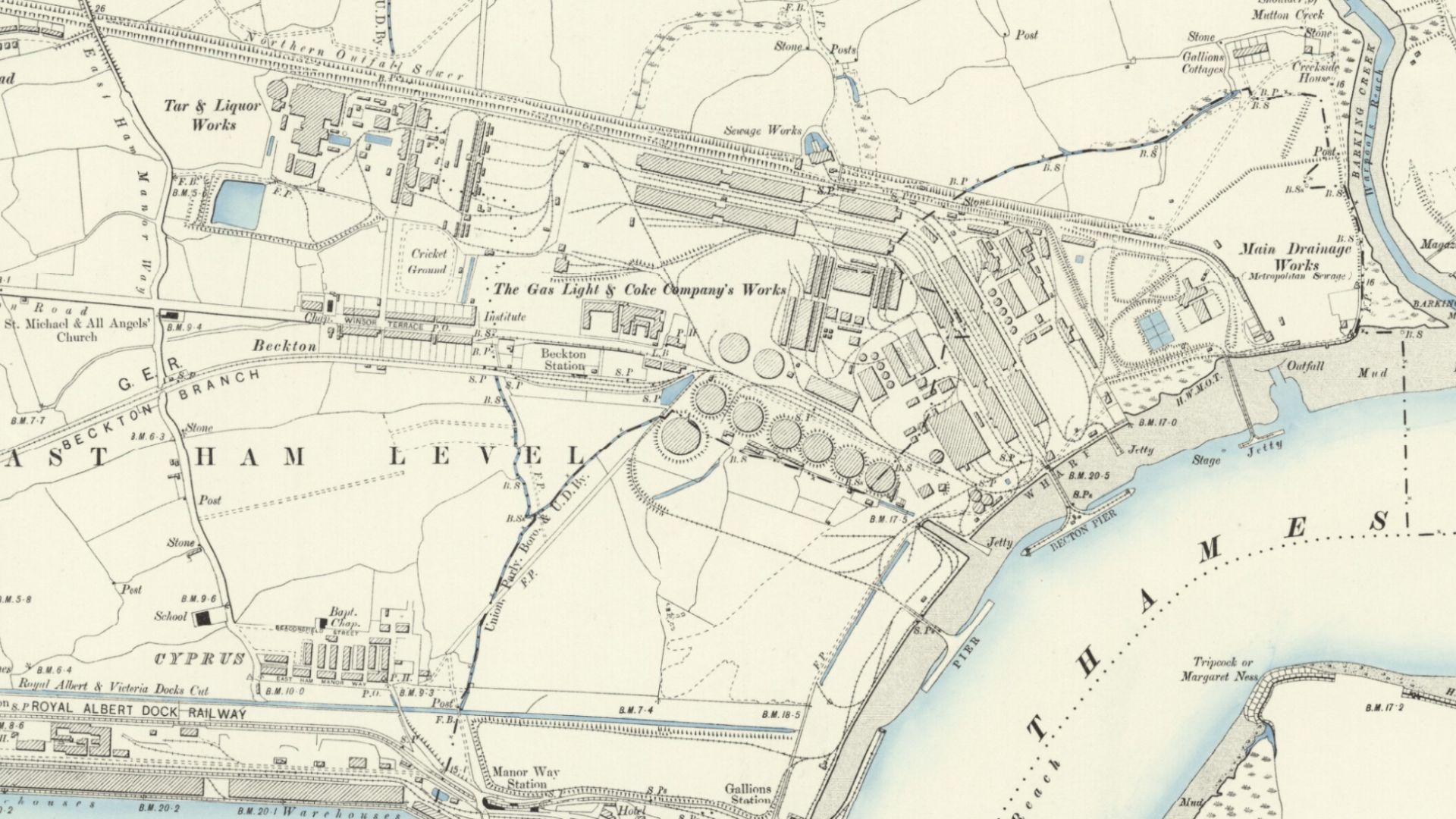
Esso, Shell, Texaco, Gulf, Mobil and other brands distributed millions of road maps during the 1950s and 1960s. Some oil companies reportedly handed out as many as 30 million annually. With gasoline averaging roughly 29 cents during the 1950s, a useful map provided extra value for vacationing families.
Today, are generally hard to find, and not free.
 Ordnance Survey Six-Inch England and Wales 1842-1952, Wikimedia Commons
4. S&H Green Stamps
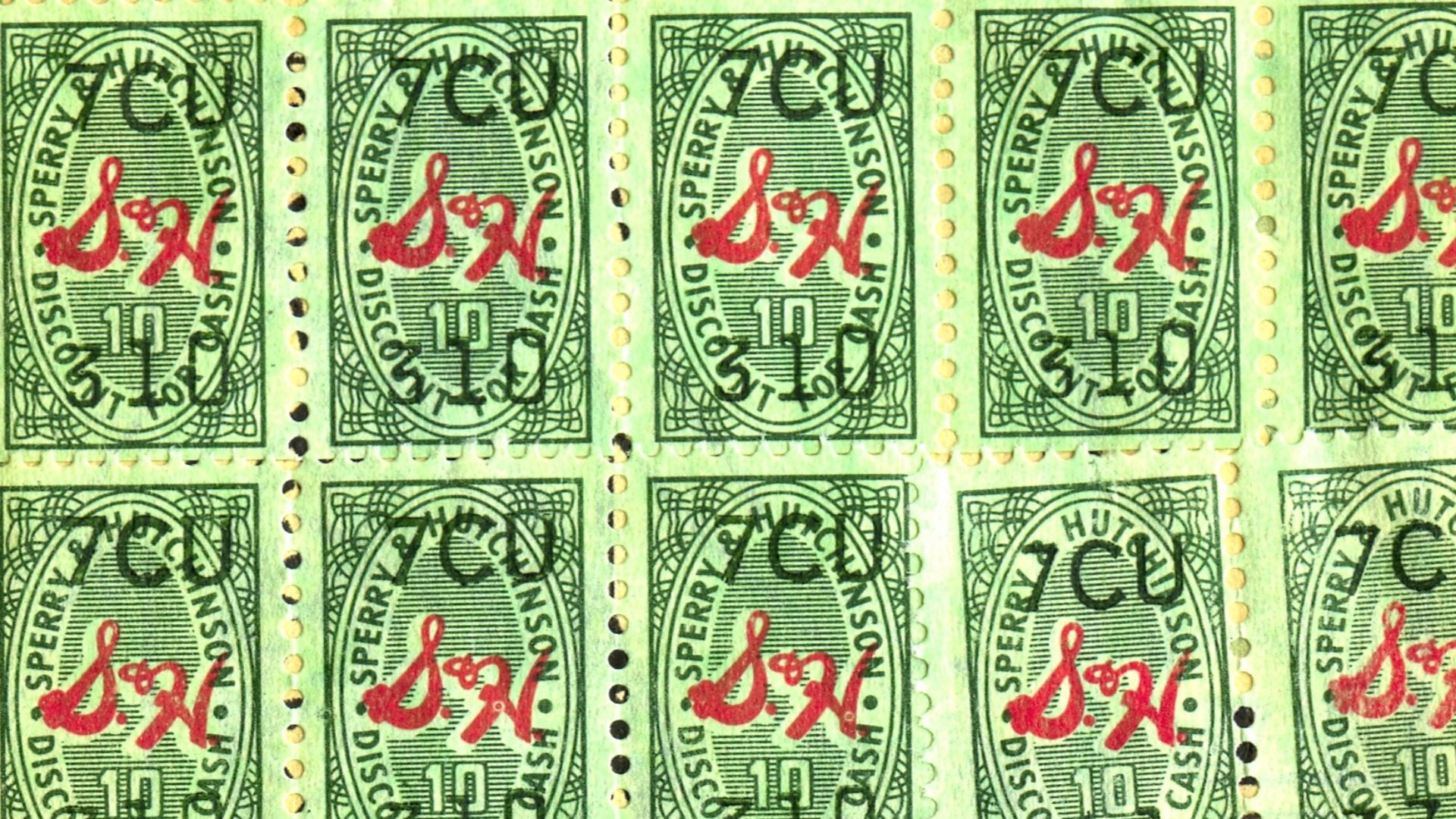
Participating stations handed out S&H Green Stamps according to the amount customers purchased. Families pasted the stamps into books and redeemed completed books for household merchandise. The program effectively turned gasoline spending into kitchenware, appliances or sporting goods decades before credit-card points and app-based rewards became normal.
 Wandering Magpie from Surf City, CA, USA, Wikimedia Commons
5. Plaid Stamps
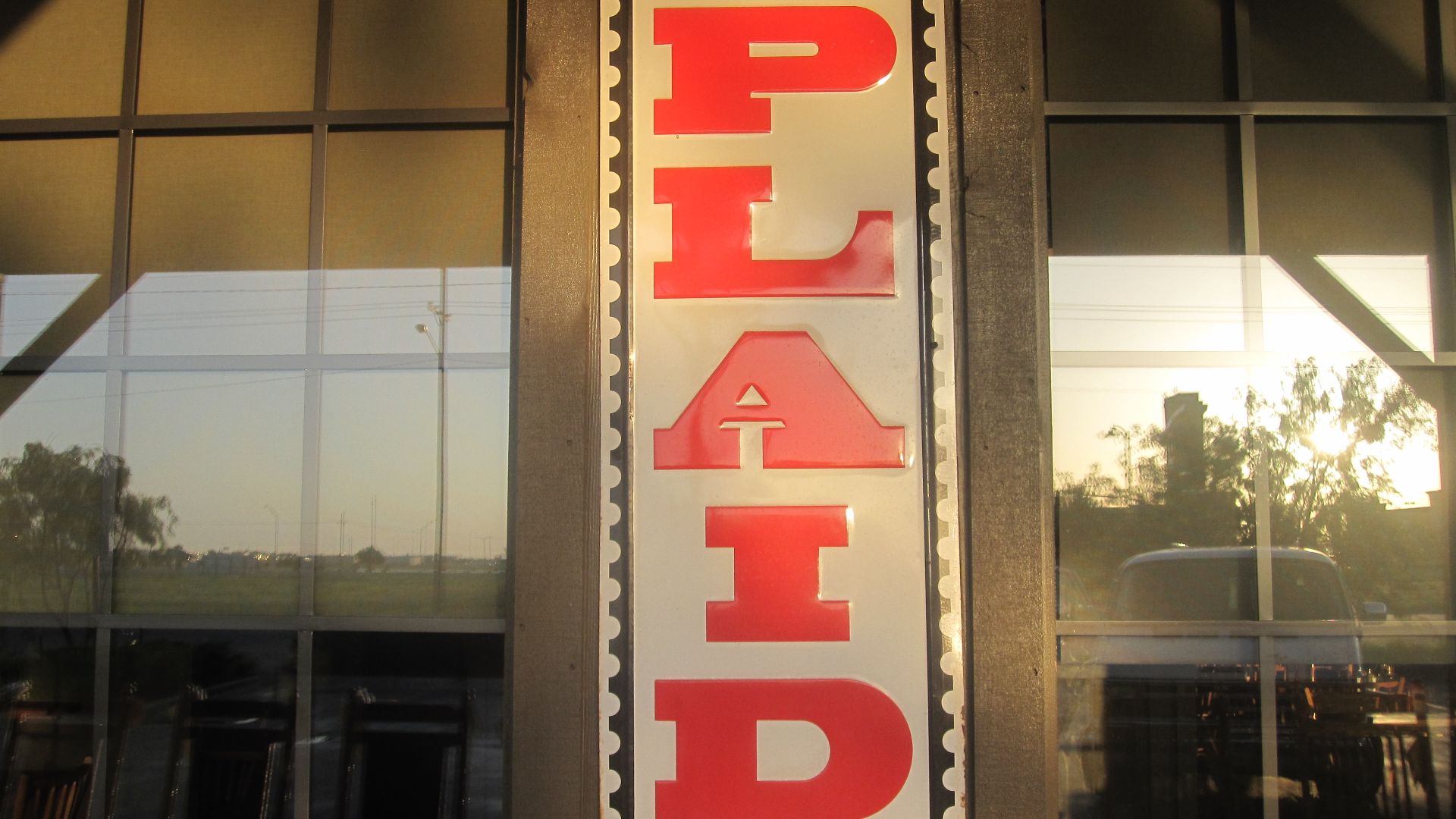
Plaid Stamps competed with S&H and appeared at participating service stations during the promotion-heavy postwar years. Drivers received more stamps when they bought more gasoline, encouraging them to return to the same dealer. Filled books could be exchanged for merchandise at redemption centers rather than converted directly into cash.
 Billy Hathorn, Wikimedia Commons
6. Leonard’s 99-Cent Chinaware
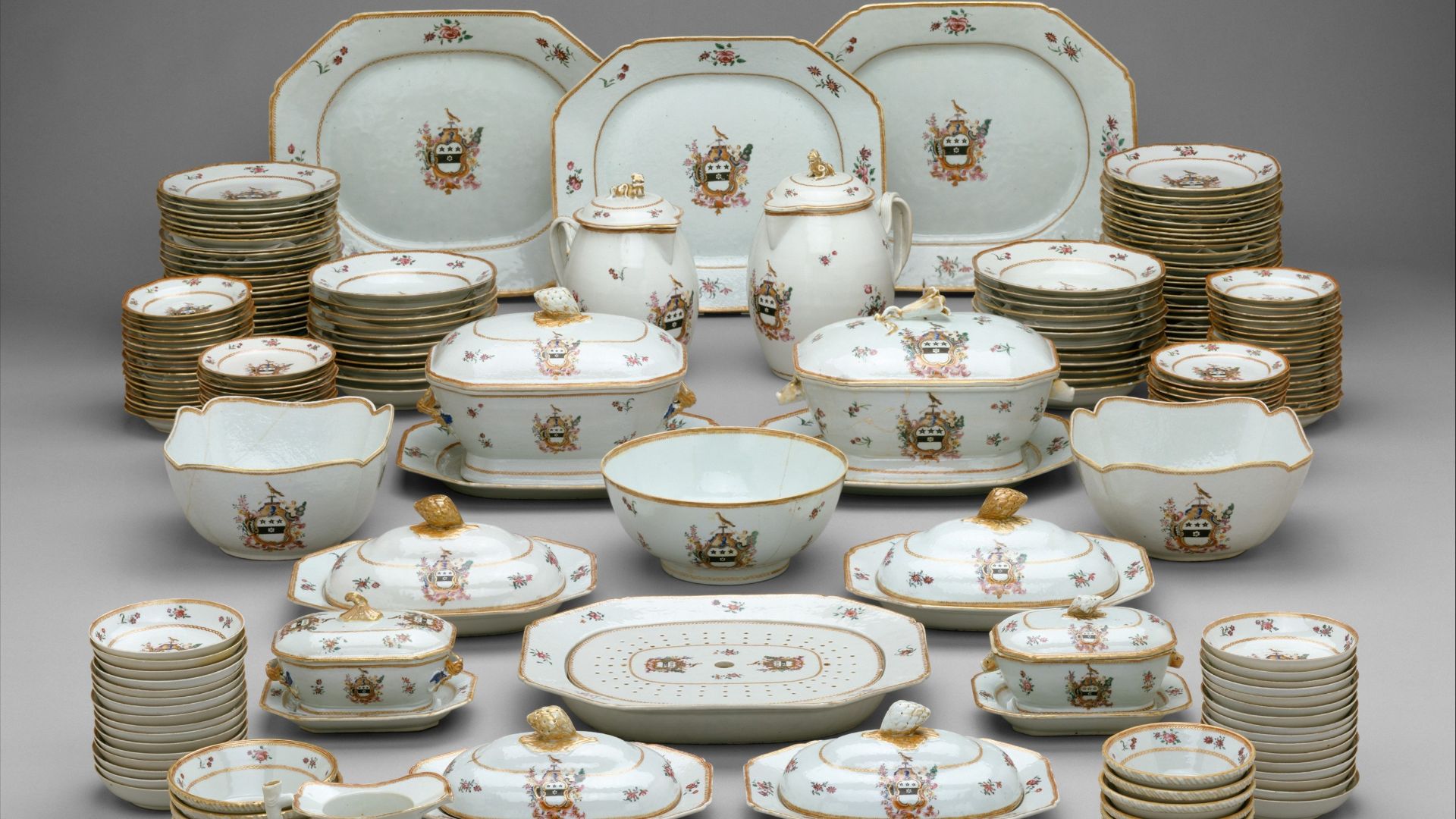
In 1961, Leonard stations offered Golden Rhapsody chinaware for 99 cents with a minimum eight-gallon purchase. The same place setting was advertised in Vogue for $5.25. Eight gallons cost about $2.46 at the year’s 30.8-cent national average, making the heavily discounted china an unusually valuable incentive.
7. Leonard Thermos Bottles
Leonard also used thermos bottles, mugs and tumblers to keep customers returning during the 1950s and 1960s. Depending on the promotion, products were free or sold at steep discounts after a minimum gasoline purchase. These were practical household goods rather than disposable advertising trinkets, giving them considerable perceived value.
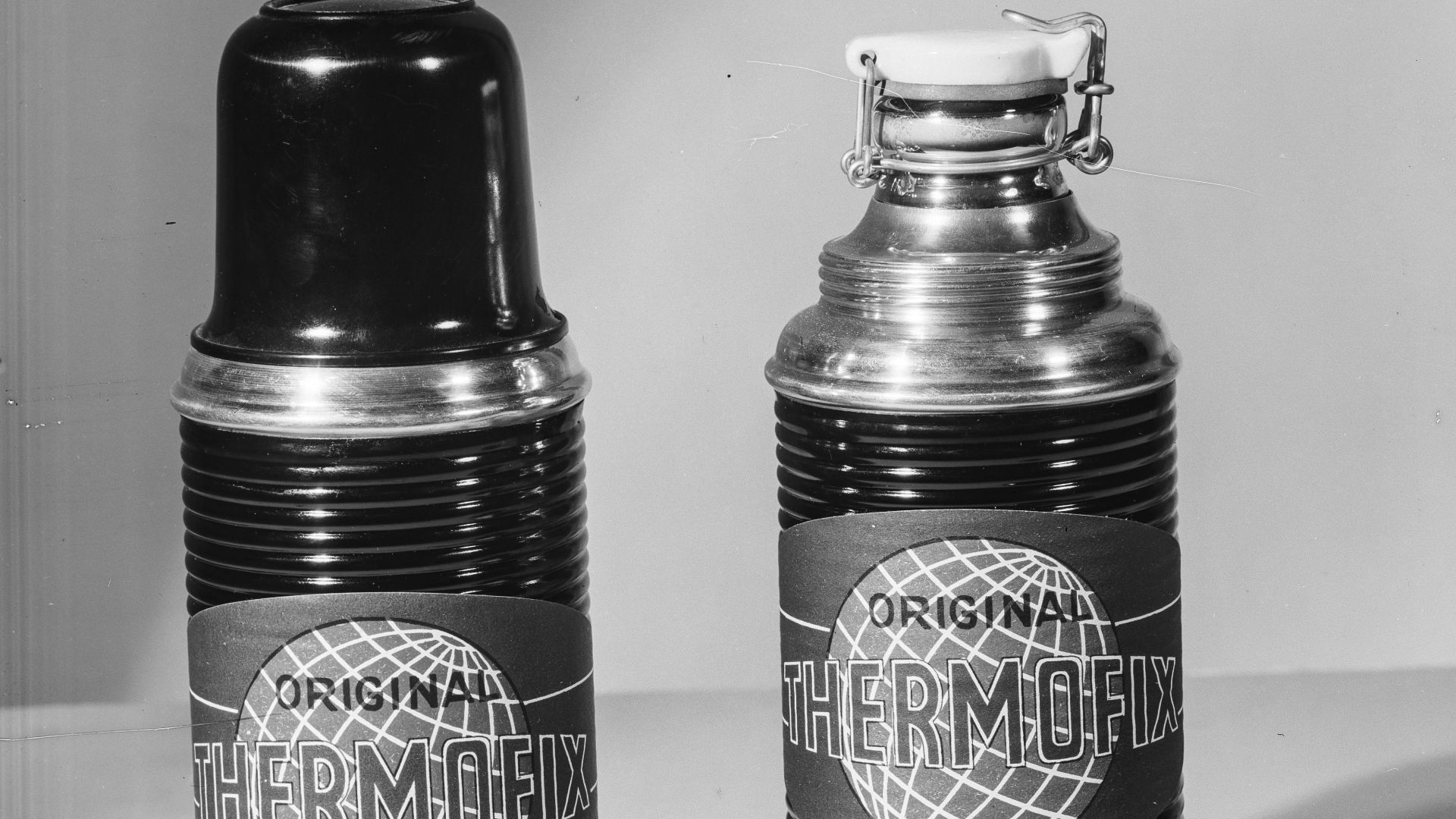 Erik Holmén, Wikimedia Commons
8. Leonard Bicycle Coupons
In 1956, Leonard awarded a bicycle at each participating station to the child who collected the most coupons. Customers received one coupon for every gallon purchased. With gasoline averaging 29.9 cents, a 10-gallon purchase cost about $2.99 and produced 10 chances toward a prize children genuinely wanted.
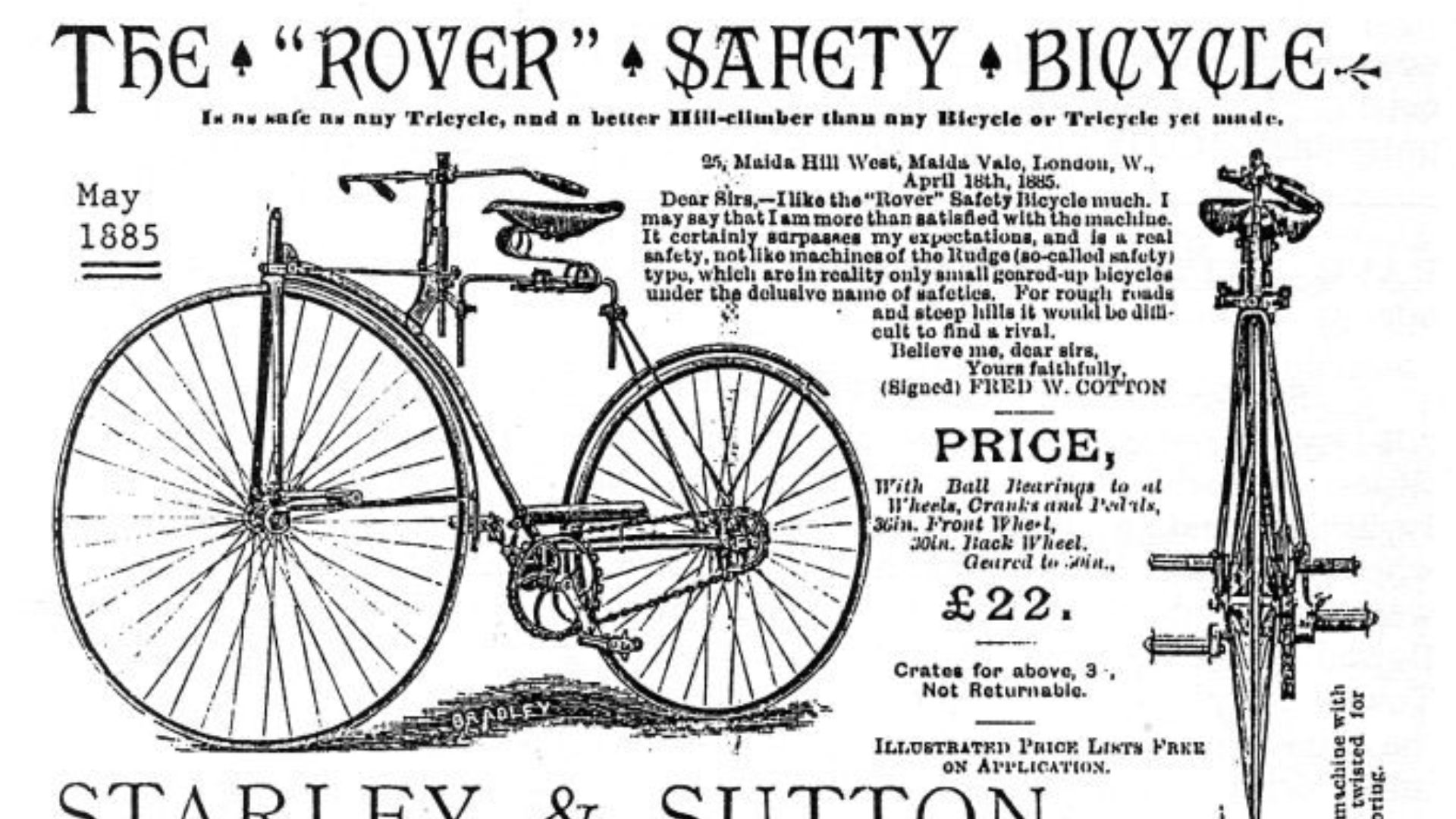 Unknown authorUnknown author, Wikimedia Commons
9. Esso Tiger Tails
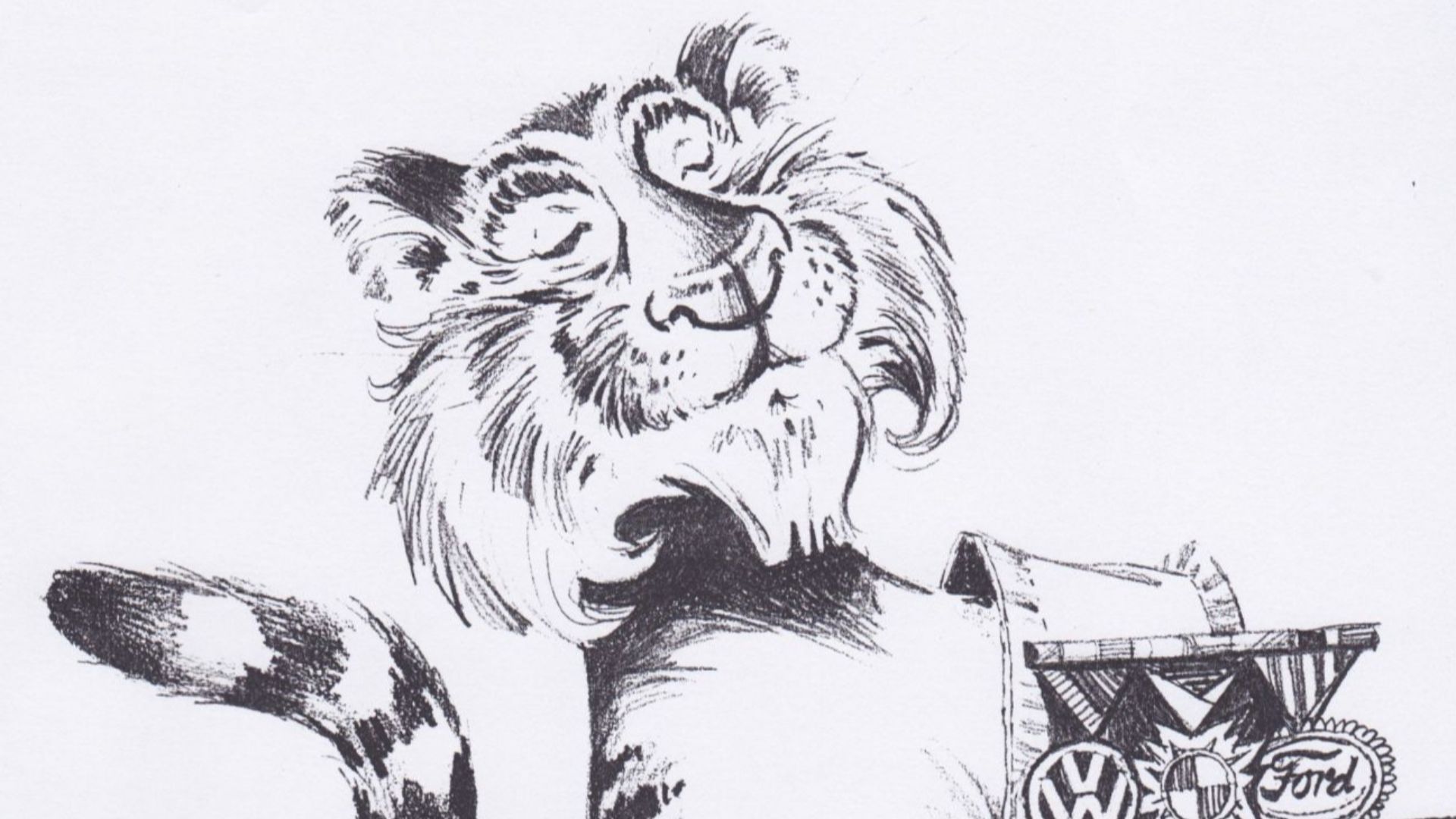
Esso dealers distributed striped tiger tails during the famous “Put a Tiger in Your Tank” campaign of the 1960s. Motorists attached them near the fuel door or elsewhere on the car. The inexpensive accessory turned customers’ vehicles into moving advertisements while giving families a wonderfully silly reason to choose Esso.
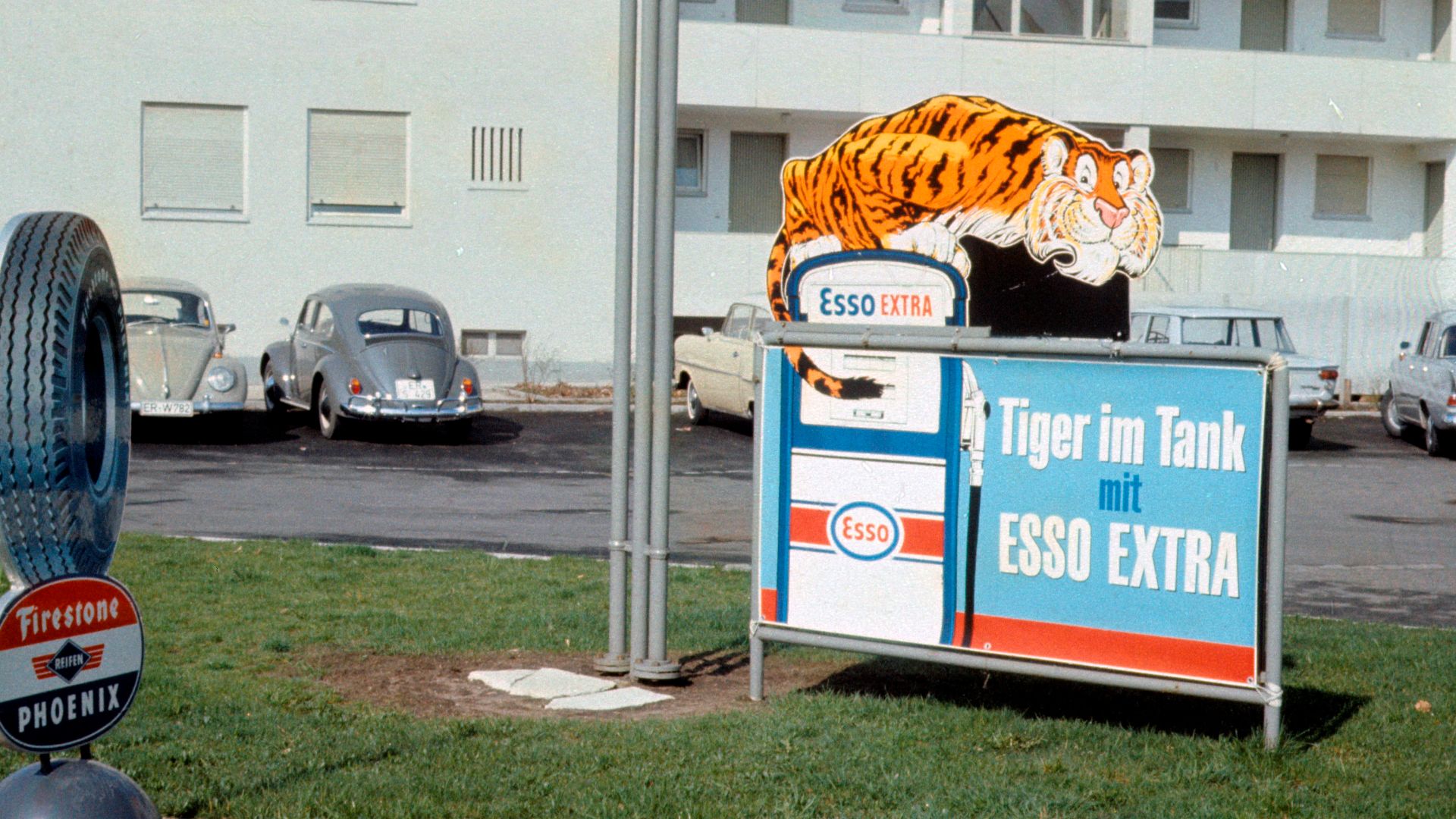
10. Esso and Enco Tigerino Cards
Humble Oil introduced Tigerino at participating Esso and Enco stations in 1966. Customers received cards with sections that revealed letters or instant cash prizes after being moistened. Gasoline averaged 32.1 cents that year, so even a small cash win could cover several gallons of fuel.
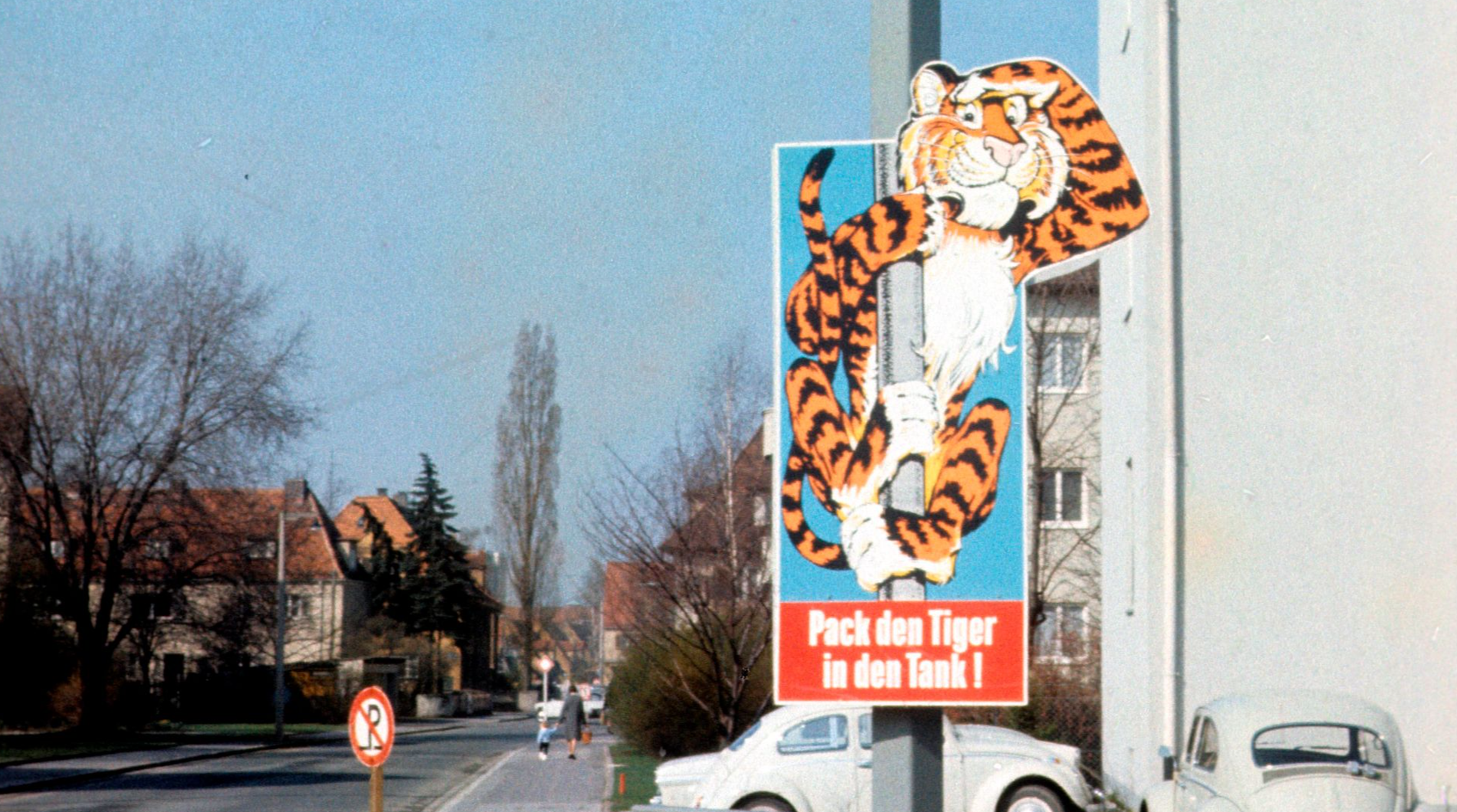
11. Lucky Tiger-Money
Another 1966 Esso and Enco promotion handed customers free Tiger-Money game pieces. Published serial numbers identified winners of prizes that included 10 gallons of Esso Extra. At the year’s national average, 10 gallons were worth approximately $3.21, making the fuel prize more substantial than the play money suggested.
12. Sinclair Plastic Dinosaurs
During the early 1960s, participating Sinclair dealers offered small plastic prehistoric animals with gasoline purchases. The promotion fit perfectly with the company’s famous dinosaur mascot. Gasoline averaged approximately 30.6 cents in 1962, so a family could collect a toy while completing a relatively inexpensive fill-up.
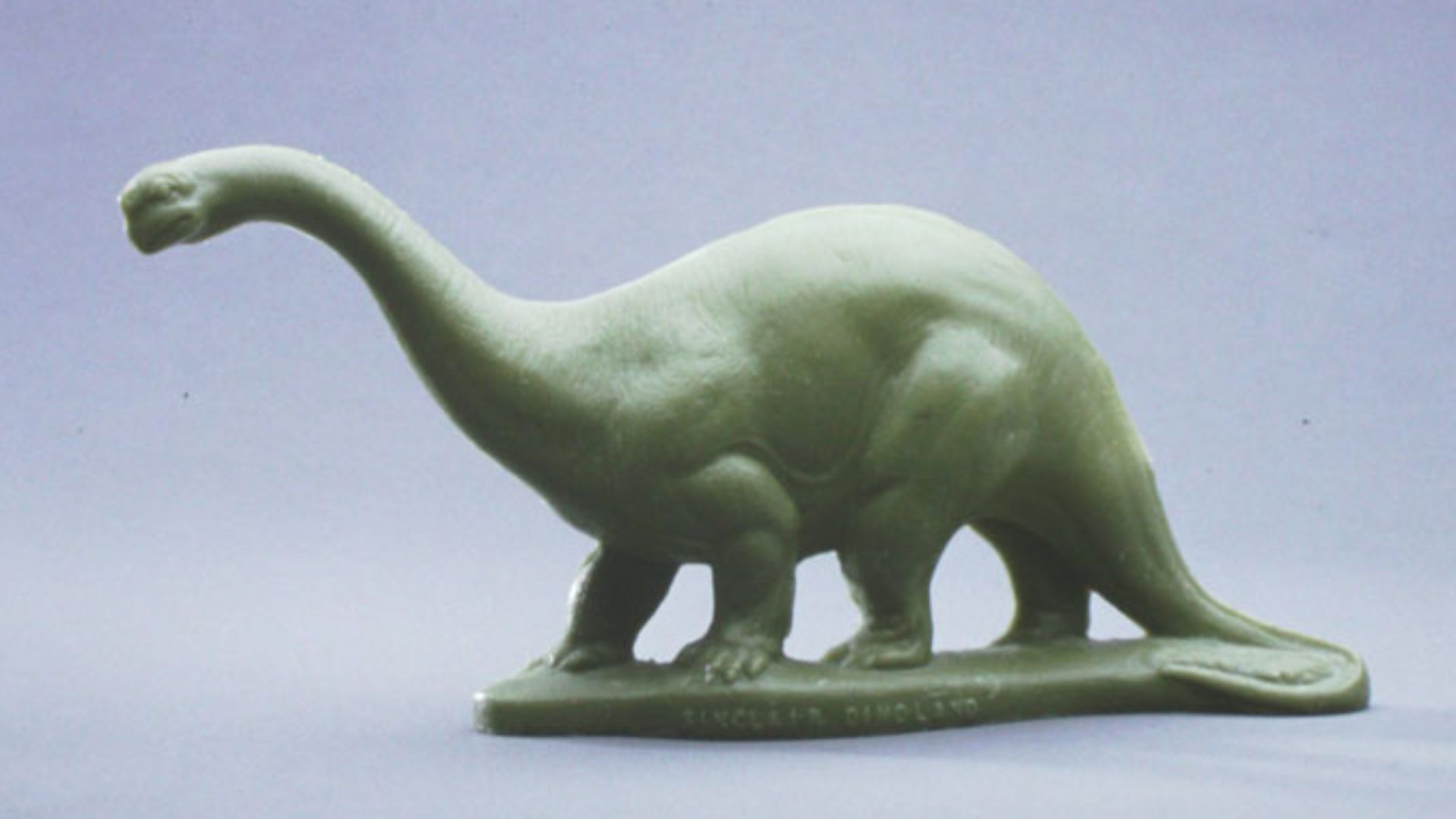 Sinclair Oil Corp., Wikimedia Commons
13. A Free Gallon From Sinclair
Visitors to Sinclair’s Dinoland attraction at the 1964–1965 New York World’s Fair could receive a coupon for one free gallon at participating stations, limited to one per family. Regular gasoline averaged 30.4 cents in 1964, so the coupon had a clear and easily understood cash value.
 An Errant Knight, Wikimedia Commons
14. Sinclair Sweepstakes Entries
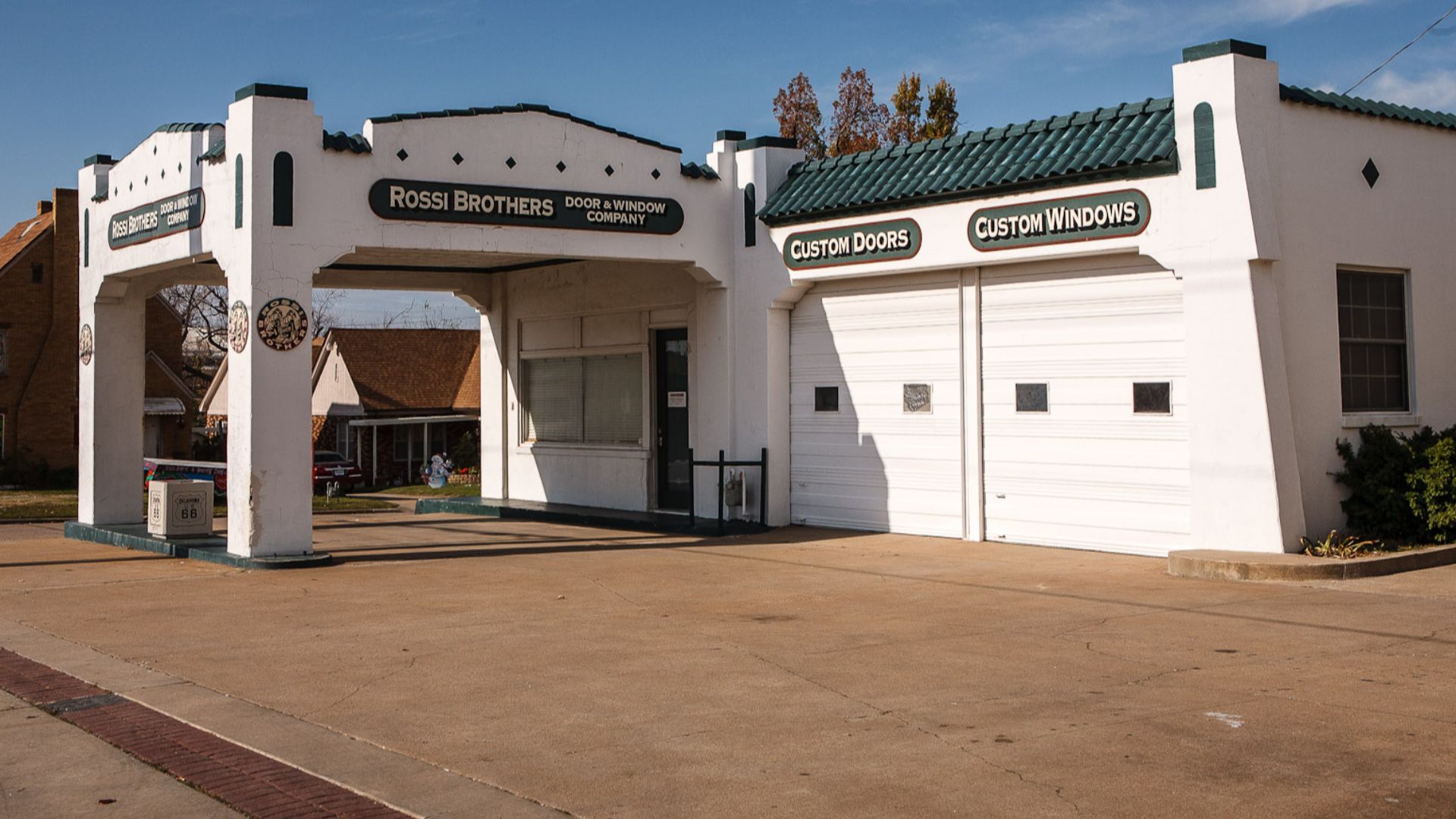
Sinclair used free sweepstakes entries to attract motorists in 1960. Customers could enter for major cash prizes, including advertised grand awards of $25,000. Gasoline averaged 31.1 cents that year, meaning the top prize theoretically equaled the retail cost of more than 80,000 gallons.
 W. R. Oswald, Wikimedia Commons
15. Texaco Fire Chief Helmets
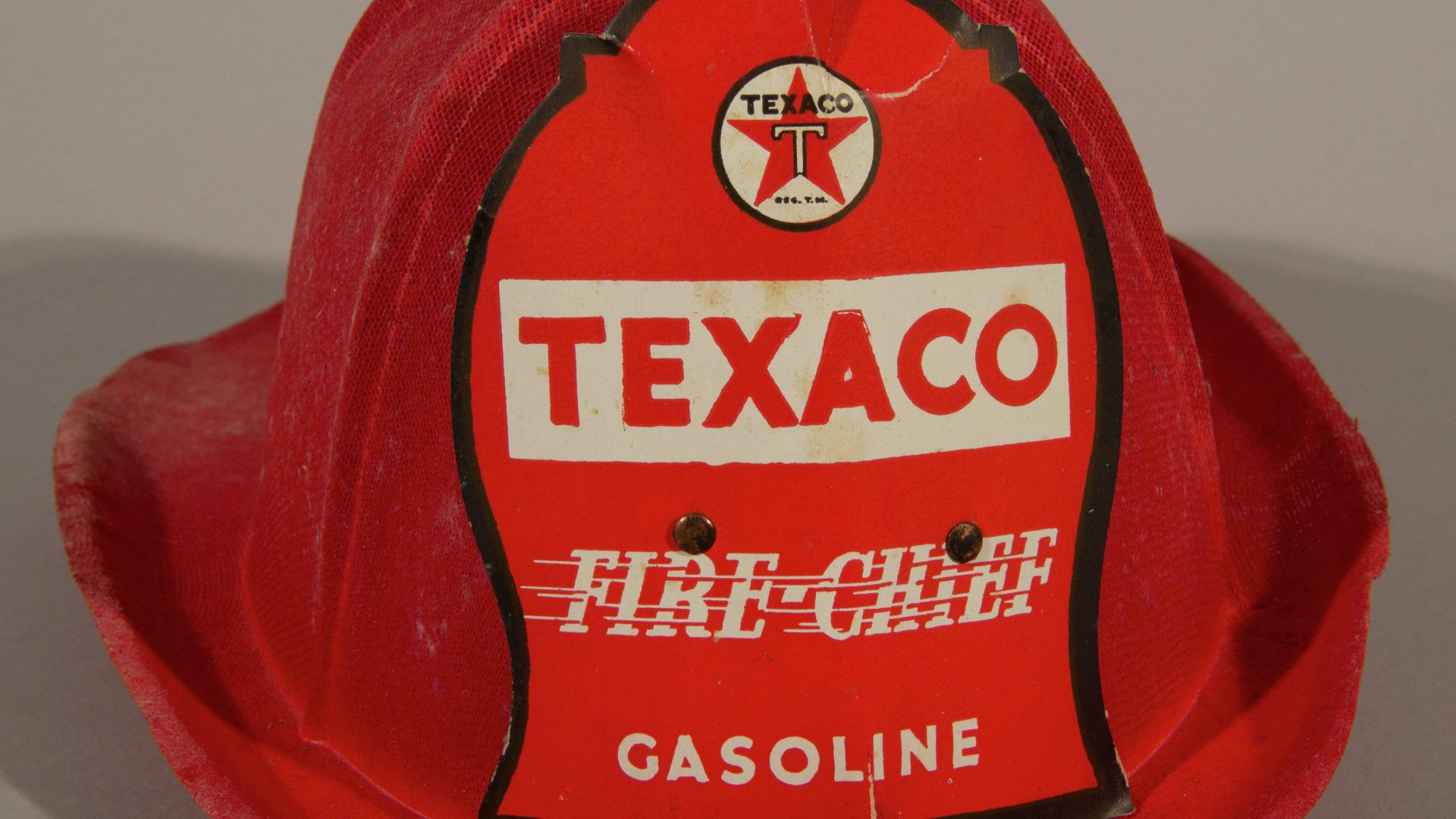
Children coveted Texaco’s red Fire Chief helmets during the early 1960s. Some versions included a small microphone and speaker, making them far more exciting than an ordinary paper hat. The promotion encouraged parents to choose Texaco when gasoline averaged only about 30 to 31 cents per gallon nationally.
16. Gulf’s Paper Lunar Module
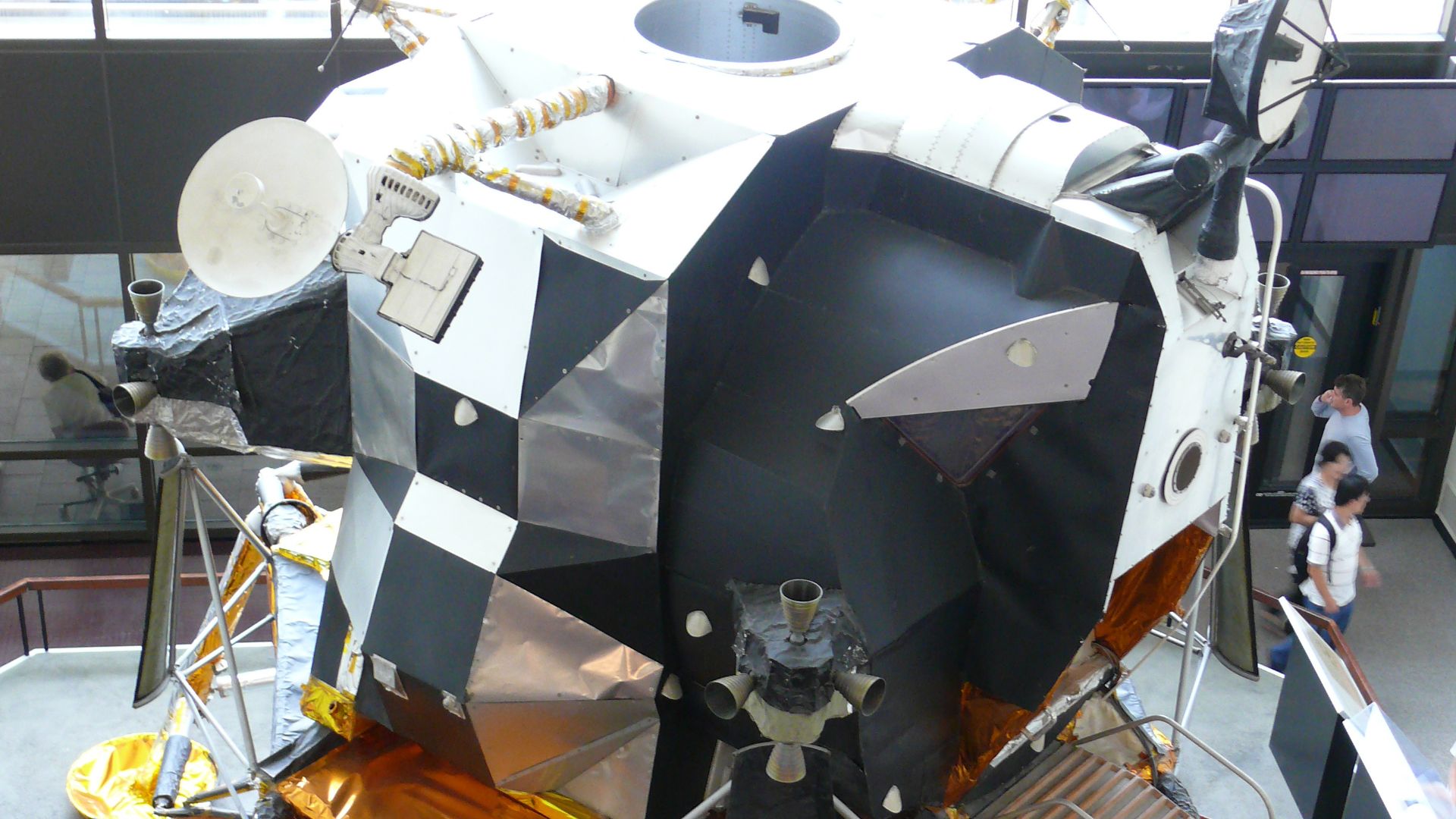
During the excitement surrounding Apollo 11 in 1969, Gulf stations offered a cardboard lunar module model with a fill-up. Children assembled the colorful model at home. Regular gasoline averaged 34.8 cents that year, so a typical 10-gallon purchase cost approximately $3.48 and included a timely space-age souvenir.
17. Shell’s Mr. President Coins
Shell’s 1968 Mr. President game gave customers a free aluminum presidential coin during station visits or fill-ups. The Franklin Mint produced the pieces, and players placed them on collection cards while pursuing cash prizes. Regular gasoline averaged 33.7 cents, making repeated Shell visits relatively affordable for determined collectors.
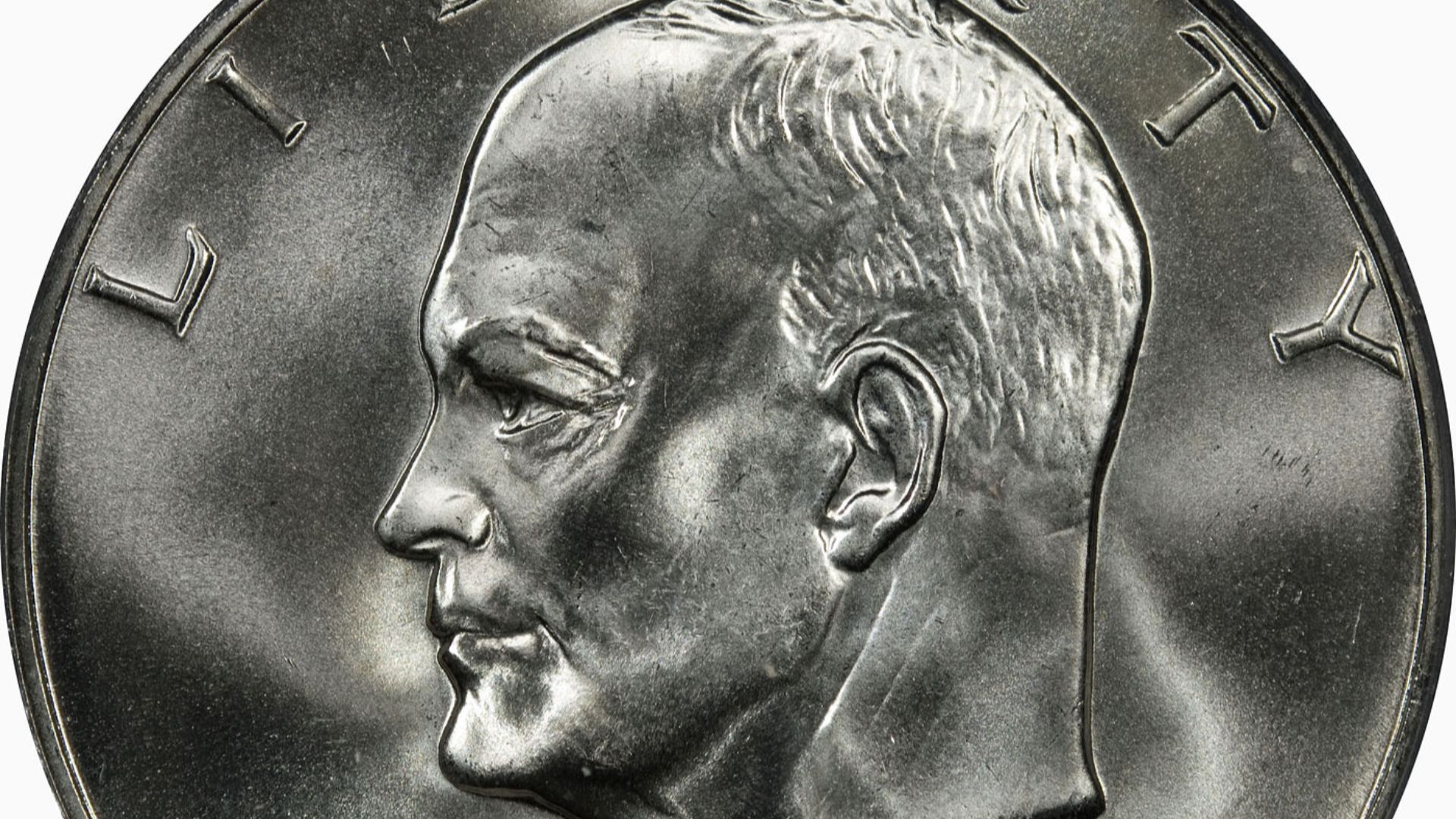 Brandon Grossardt for the photograph; Frank Gasparro for the coin design., Wikimedia Commons
18. Shell’s Man in Space Coins
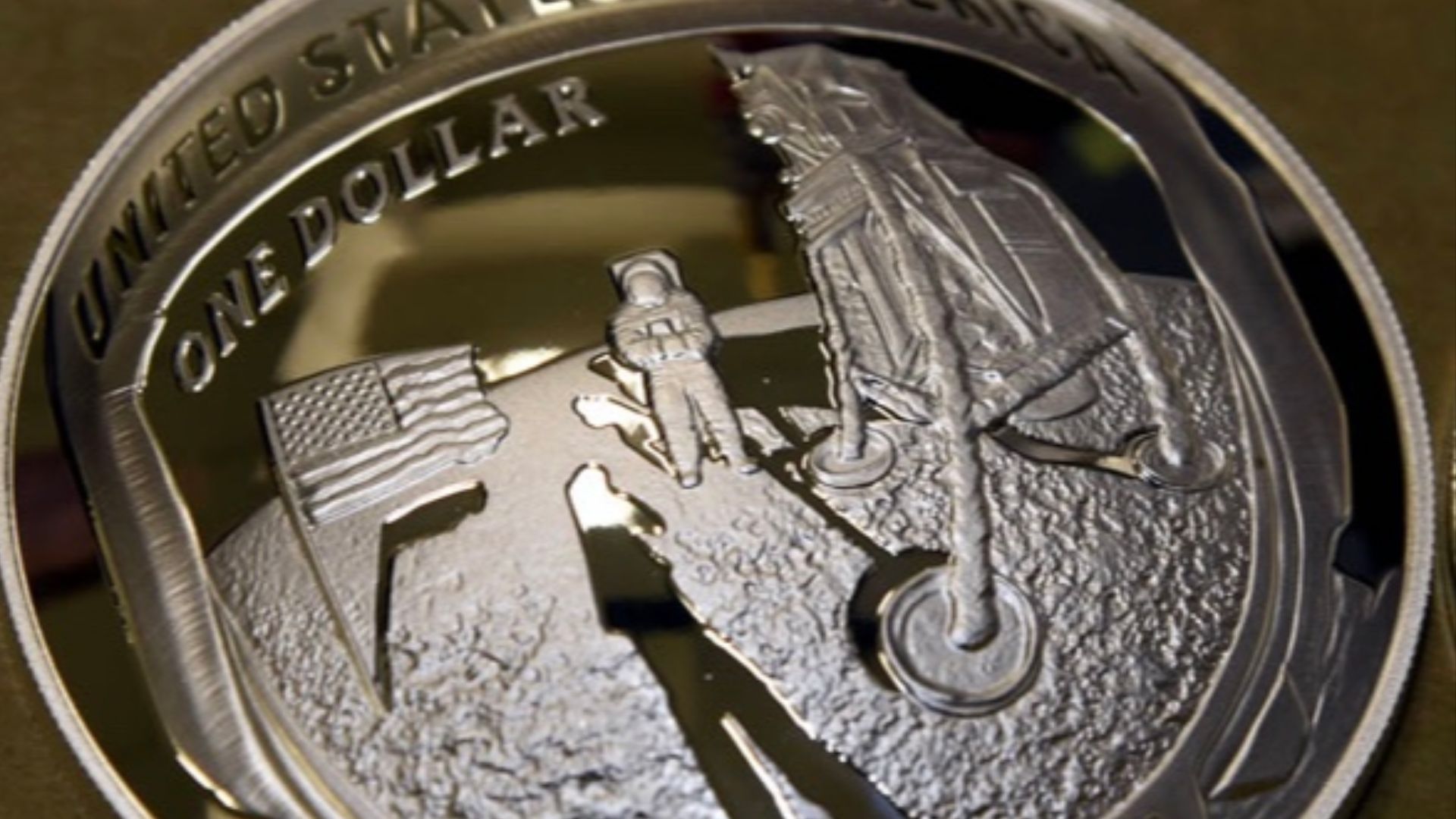
Shell followed its presidential promotion with the Man in Space coin game in 1969. Free tokens celebrated aviation and spaceflight during the year of the first Moon landing. The historical theme made the pieces feel educational, but the financial objective was simple: collectors needed to keep returning to Shell.
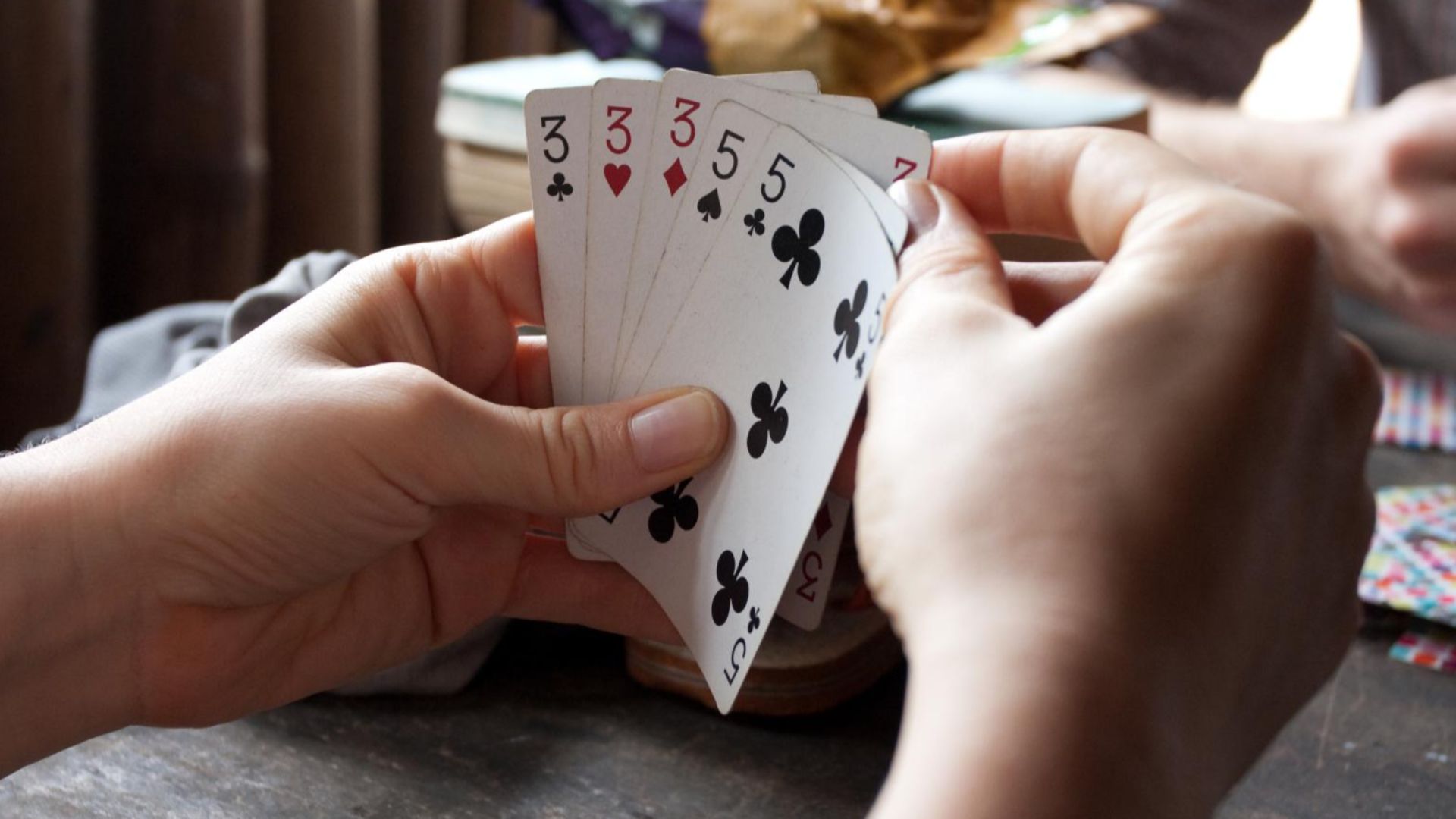
19. Sunoco Bucks Game Cards
During the late 1960s, Sunoco handed gasoline customers play cards containing half of a pictured bill. A matching half could produce a cash prize. The need to collect another piece encouraged another visit, while even a small one-dollar win could buy almost three gallons of gasoline in 1968.
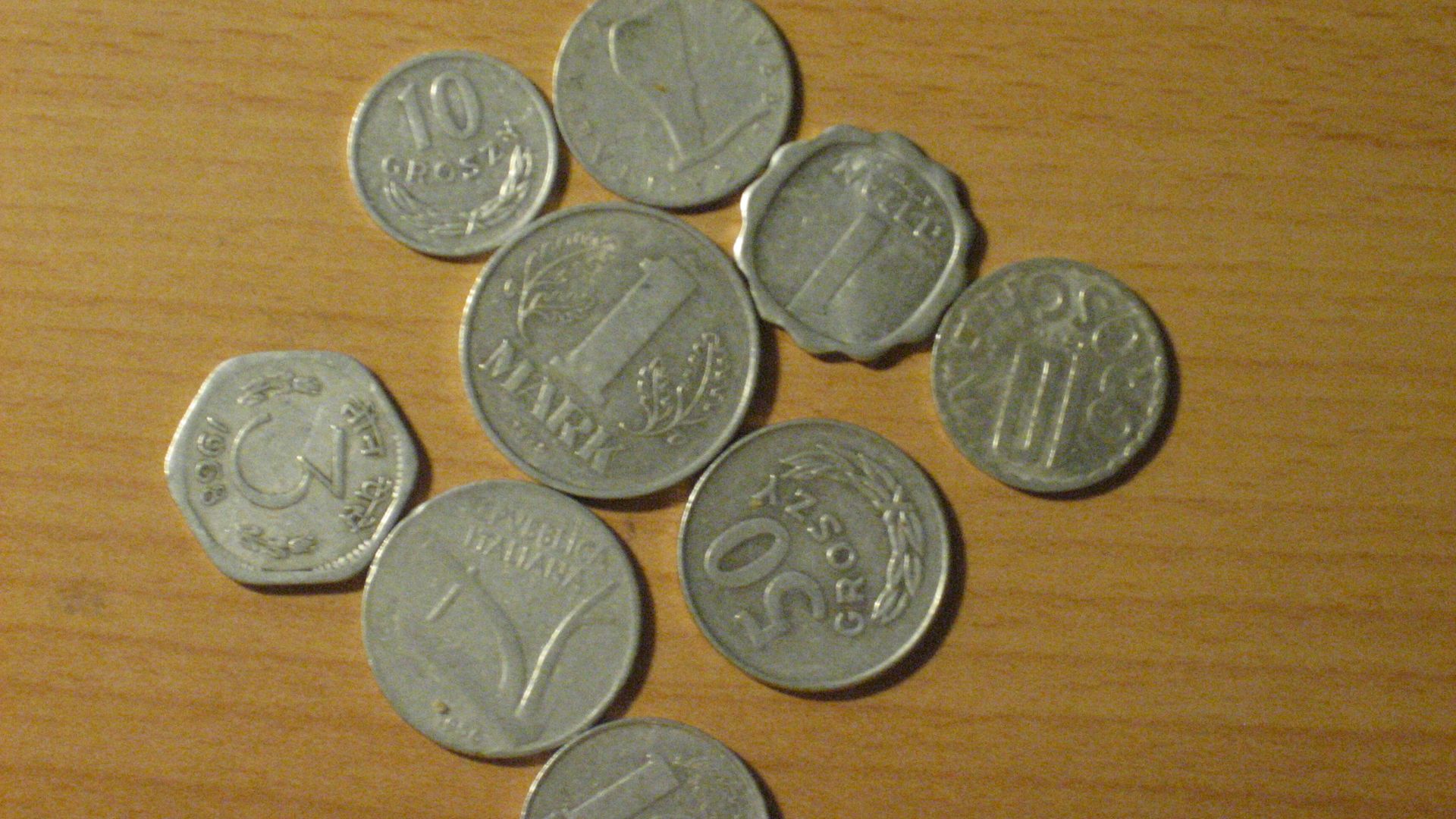
20. Sunoco Landmarks of America Coins
Sunoco introduced its Landmarks of America promotion in selected Midwestern states in late 1969. Customers received aluminum medallions depicting 20 famous locations. Instant winners collected $1, $5 or $20, while another prize was a bronze medal set. A $20 win equaled roughly 57 gallons at the year’s average price.
 Ingo Wölbern, Wikimedia Commons
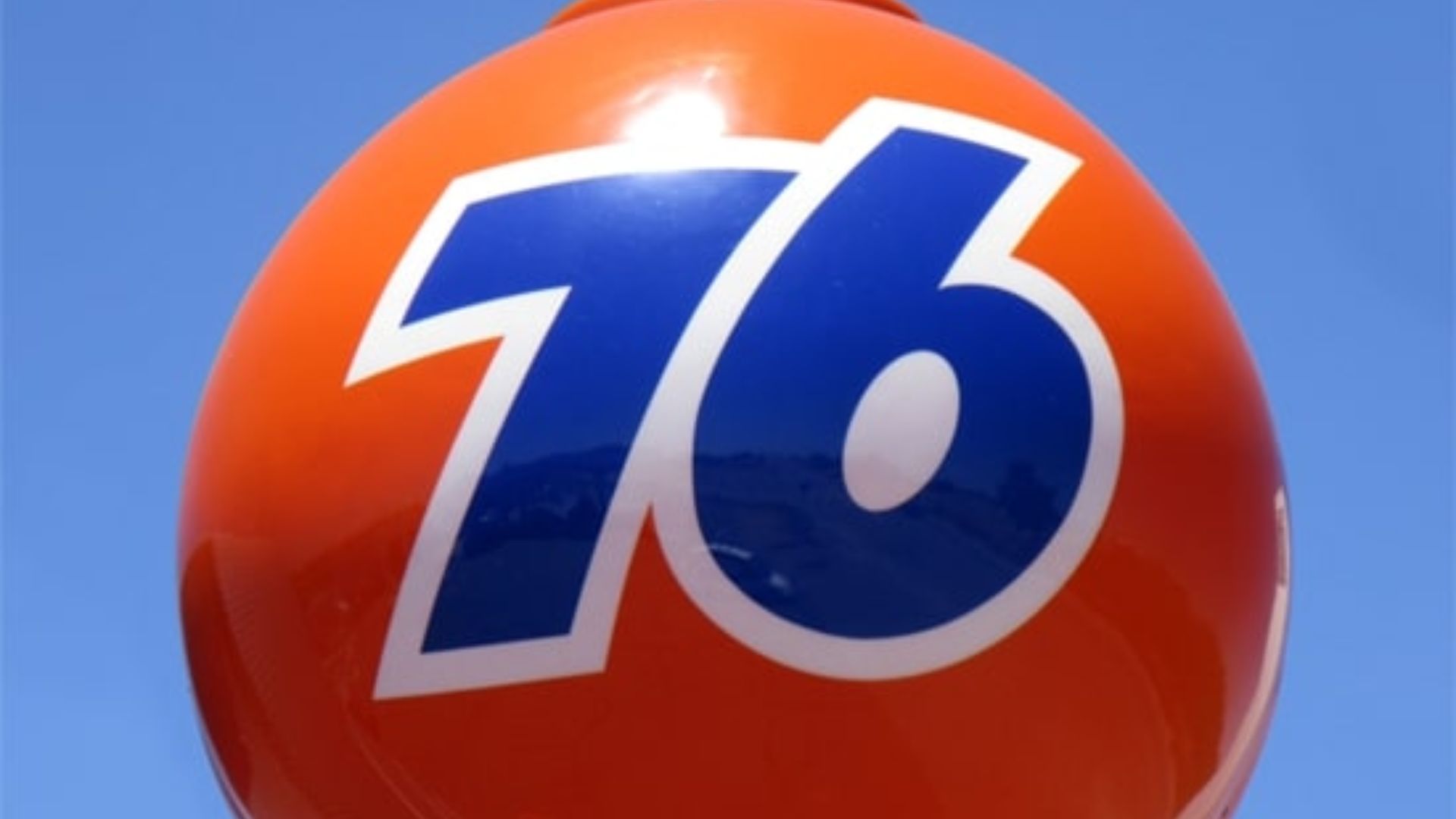
21. Union 76 Antenna Balls
Union Oil began handing out miniature orange “76” foam balls in 1967. Drivers placed them on their radio antennas, making cars easier to locate while advertising the station. One California dealer later recalled that the promotion increased activity at his station by approximately 50%.
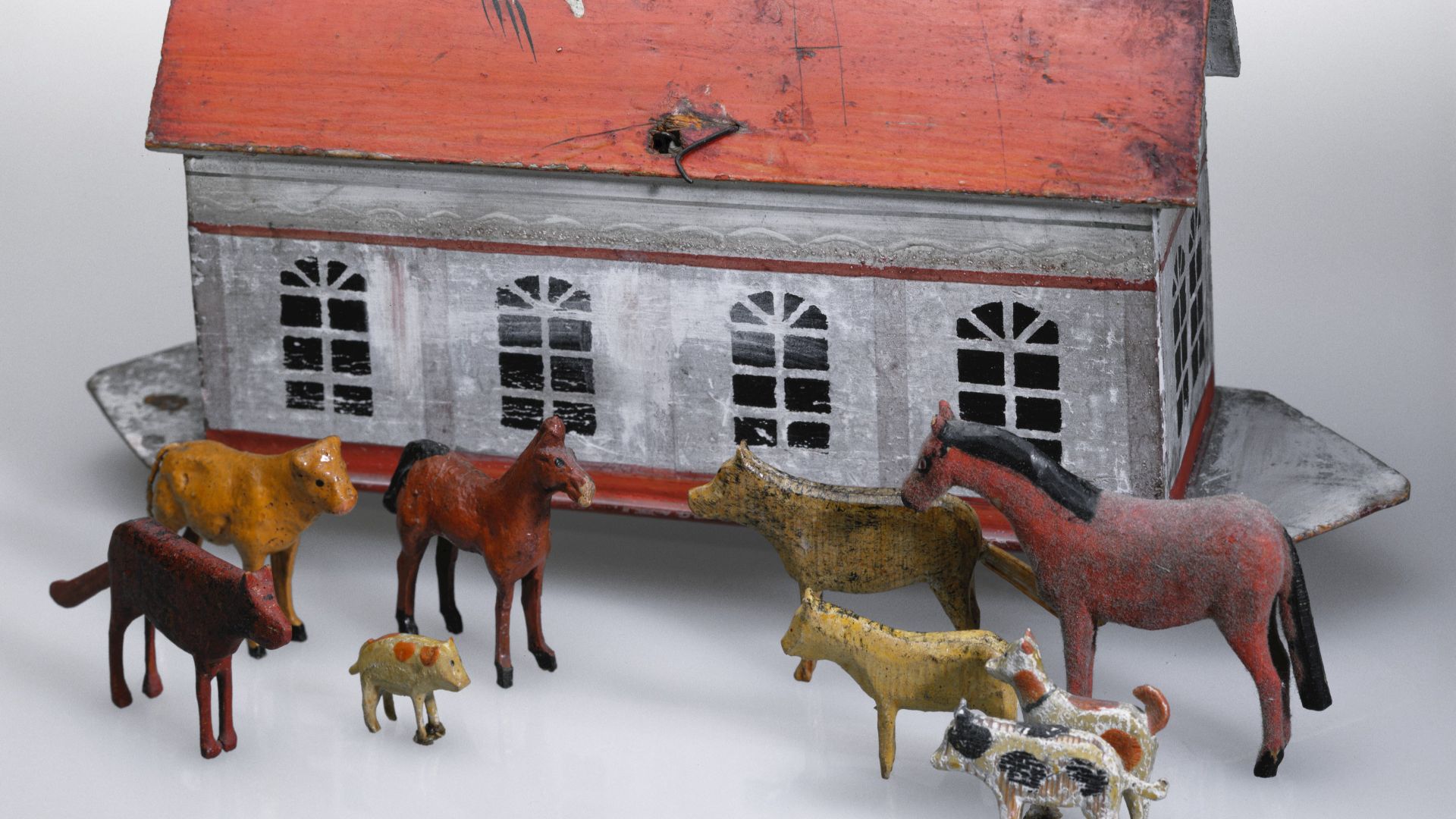
22. ARCO Noah’s Ark Animals
ARCO offered a Noah’s Ark-themed collection in the early 1970s, playing on the sound of the company’s name. Customers collected small plastic animals, Noah and an ark to hold them. Gasoline averaged approximately 36.4 cents in 1971, and parents often returned because their children wanted the next piece.
 Unknown authorUnknown author, Wikimedia Commons
23. Sunoco NFL Action Stamps
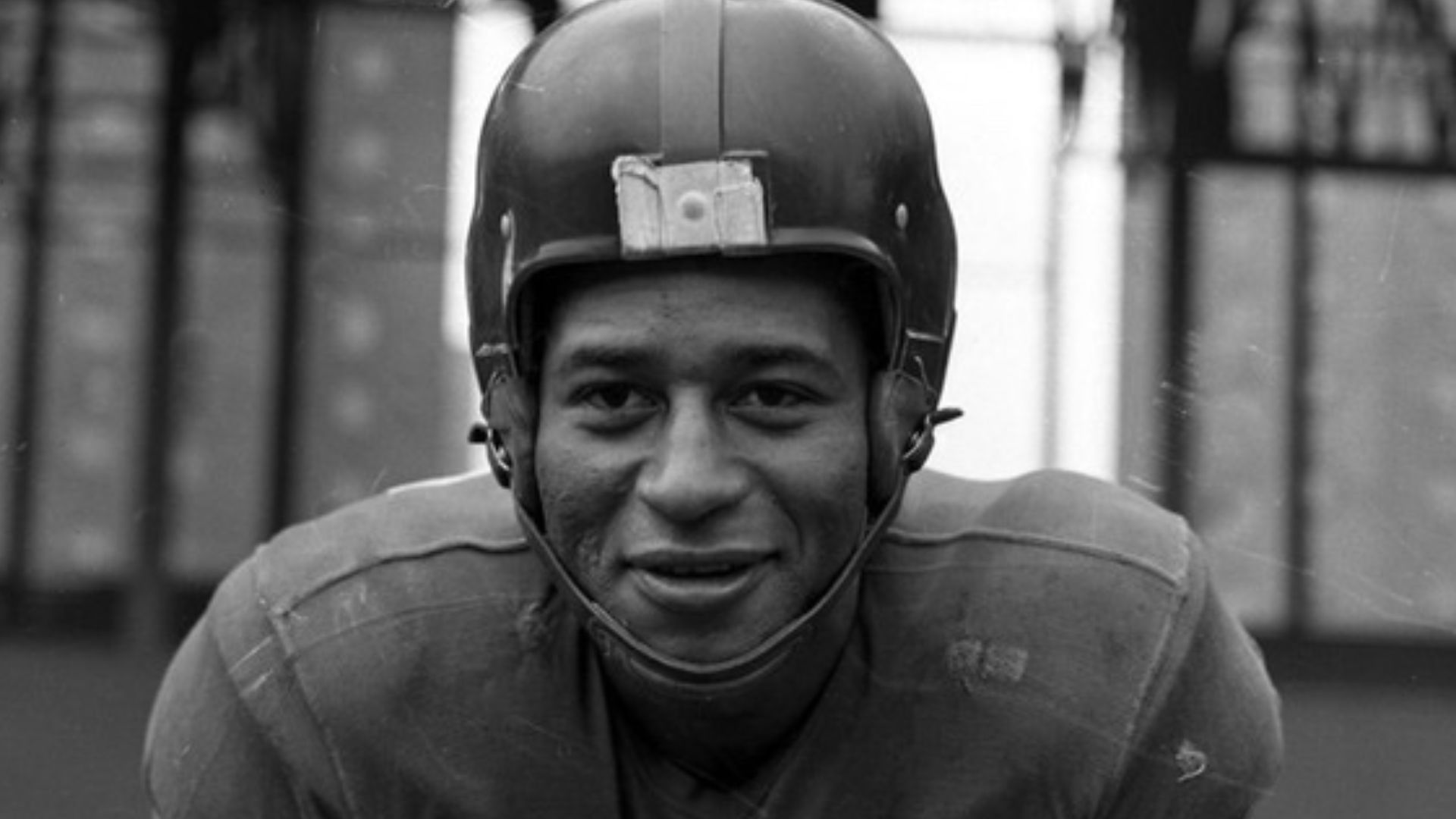
Sunoco and DX stations launched NFL Action ’72 during the 1972 football season. Gasoline purchases produced sheets containing nine player stamps. The enormous collection included 624 players across 26 teams, so finishing an album required considerable loyalty, trading and gasoline spending. Regular gas averaged approximately 36.1 cents that year.
 Petty Officer 3rd Class Matthew Thieme, Wikimedia Commons
24. Enco Place Mats
Enco advertised free place mats with an eight-gallon fill-up during the mid-1960s. With gasoline averaging approximately 31.2 cents in 1965, qualifying required a purchase of about $2.50. The mats turned the family dinner table into another advertising surface while giving parents something useful enough to take home.
 Unknown authorUnknown author, Wikimedia Commons
Why Did All the Freebies Disappear?
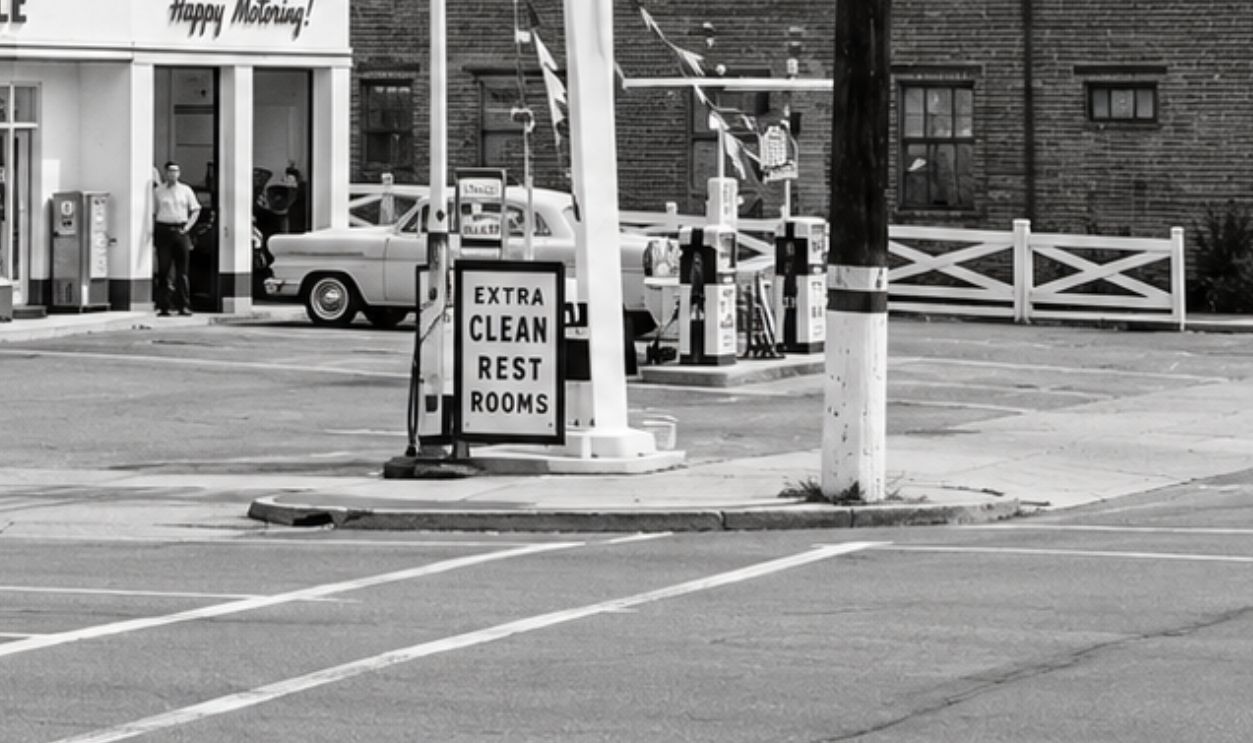
Oil-company competition, similar pump prices and full-service stations made giveaways effective during the postwar years. The 1970s brought oil shortages, higher prices and expanding self-service, shifting attention from premiums to fuel availability and cost. Gas stations gradually became convenience stores, and the free glass beside the pump quietly vanished.
 Seattle Municipal Archives, Wikimedia Commons, Enhanced
You May Also Like: Gas Prices From The 1960s That Look Almost Impossible Today