
Store Brands Can Be Smart, But Not Always
Store-brand groceries often promise similar quality at a lower price, making them tempting when food bills keep climbing. Some deliver virtually everything shoppers need without the higher price tag, while others fall short on flavor, texture, or ingredients. Here are the store-brand swaps that genuinely save money, along with the ones that might not be worth it.

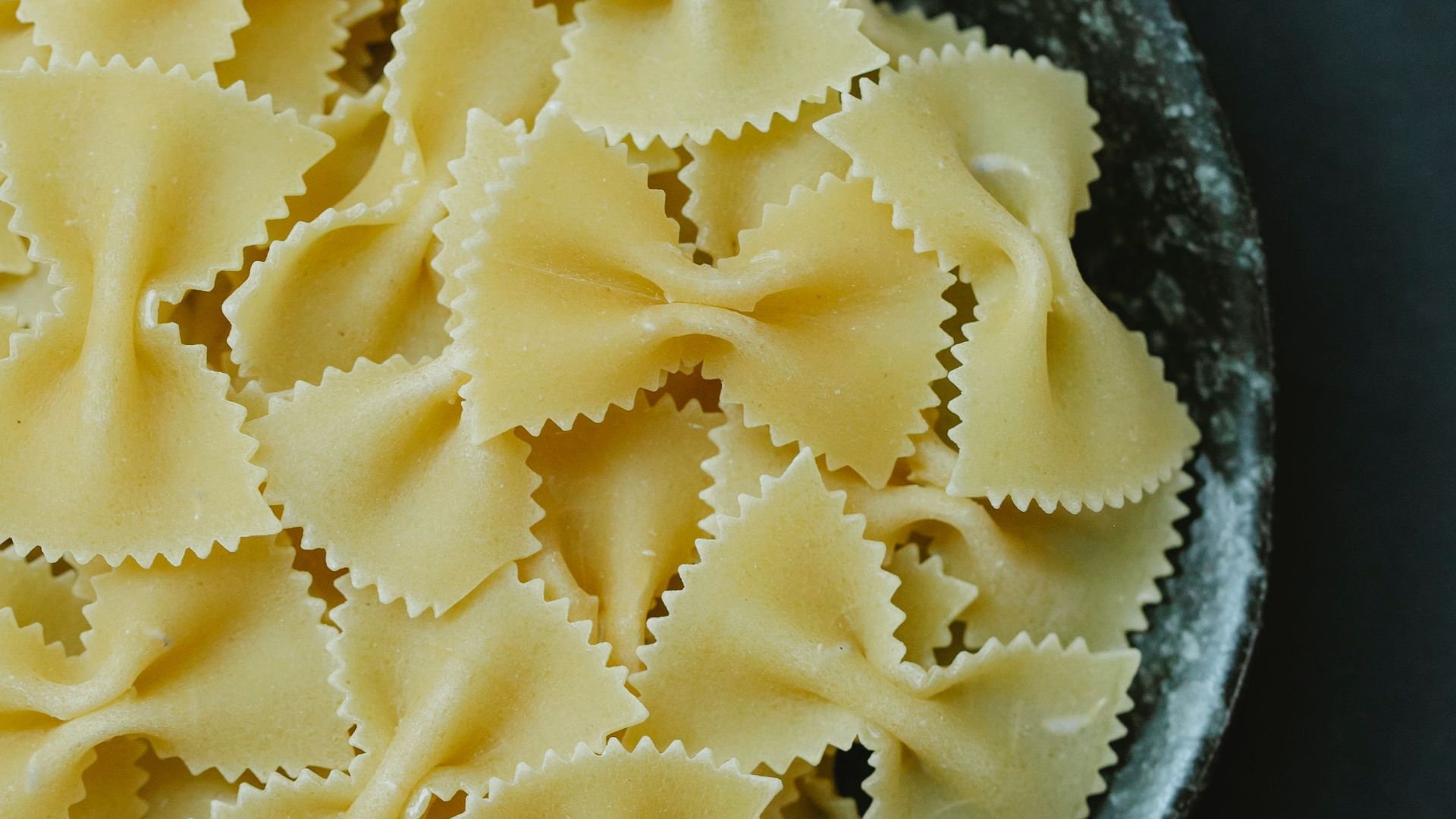
Dried Pasta Is An Easy Win
Basic store-brand pasta is one of the safest places to cut costs. Federal standards define what products sold as macaroni and noodle products may contain, while the cooking method and sauce usually have more influence on the finished meal than the logo. Compare prices per ounce and choose the shape your recipe requires.
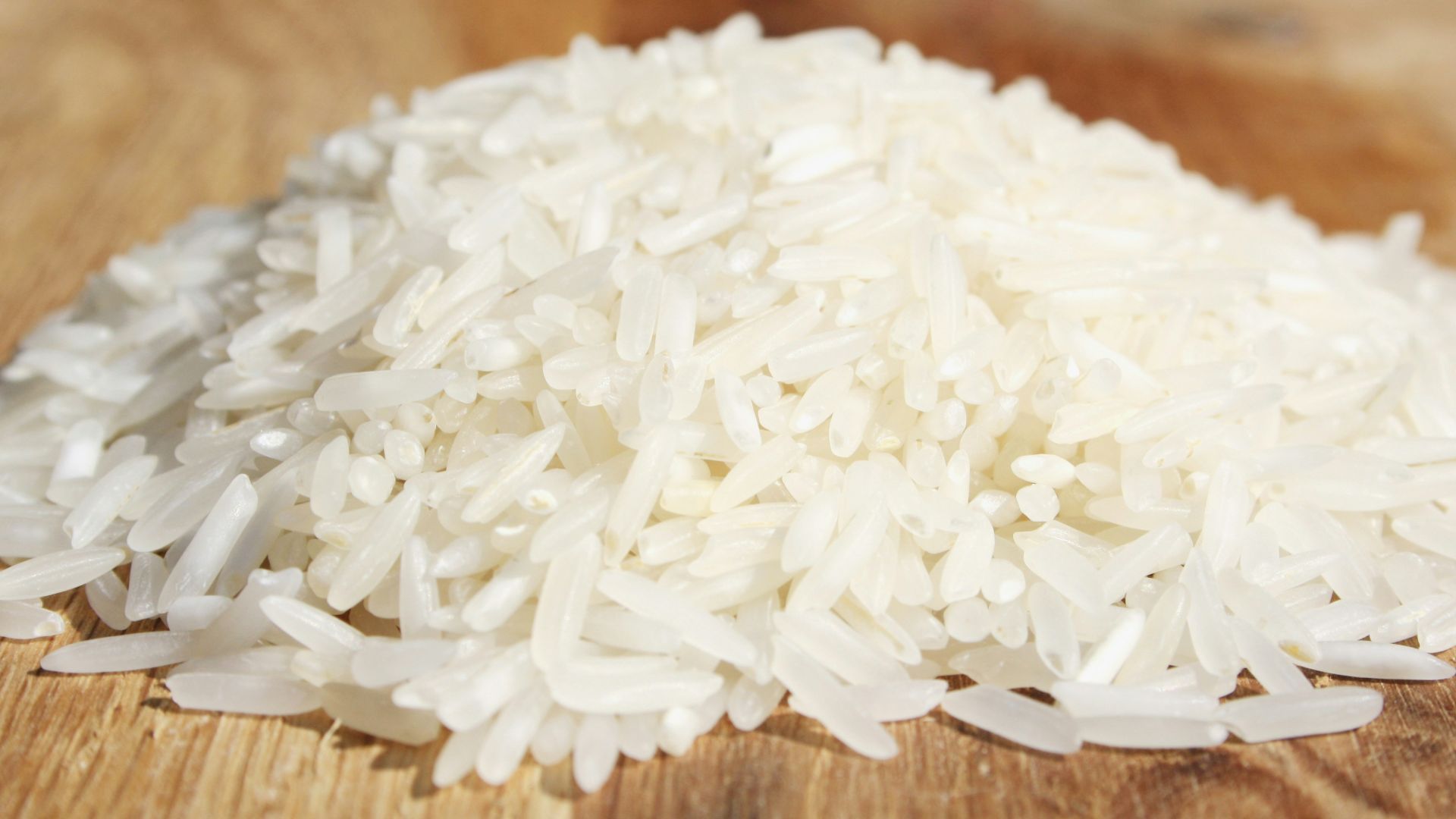
Plain Rice Rarely Needs A Famous Name
White and brown rice are uncomplicated staples, making brand loyalty difficult to justify. Check that the grain type, package weight, and cooking instructions are comparable before choosing the cheaper bag. Specialty varieties such as aged basmati may deserve separate consideration, but everyday rice is a strong store-brand buy.
Granulated Sugar Is A Sweet Deal
Standard granulated sugar performs the same basic job whether it comes in elaborate packaging or a plain store-brand bag. The FDA has established standards for common sweeteners, which limits how dramatically standardized products can differ. Unless you need a specialty sugar with a particular texture, the lower unit price usually wins.

Table Salt Is Worth Switching
Ordinary table salt is another product where expensive branding adds little practical value. Make sure both products are either iodized or non-iodized before comparing prices, since iodine content is a meaningful difference. Store-brand salt can season pasta water, soups, and everyday meals for less.

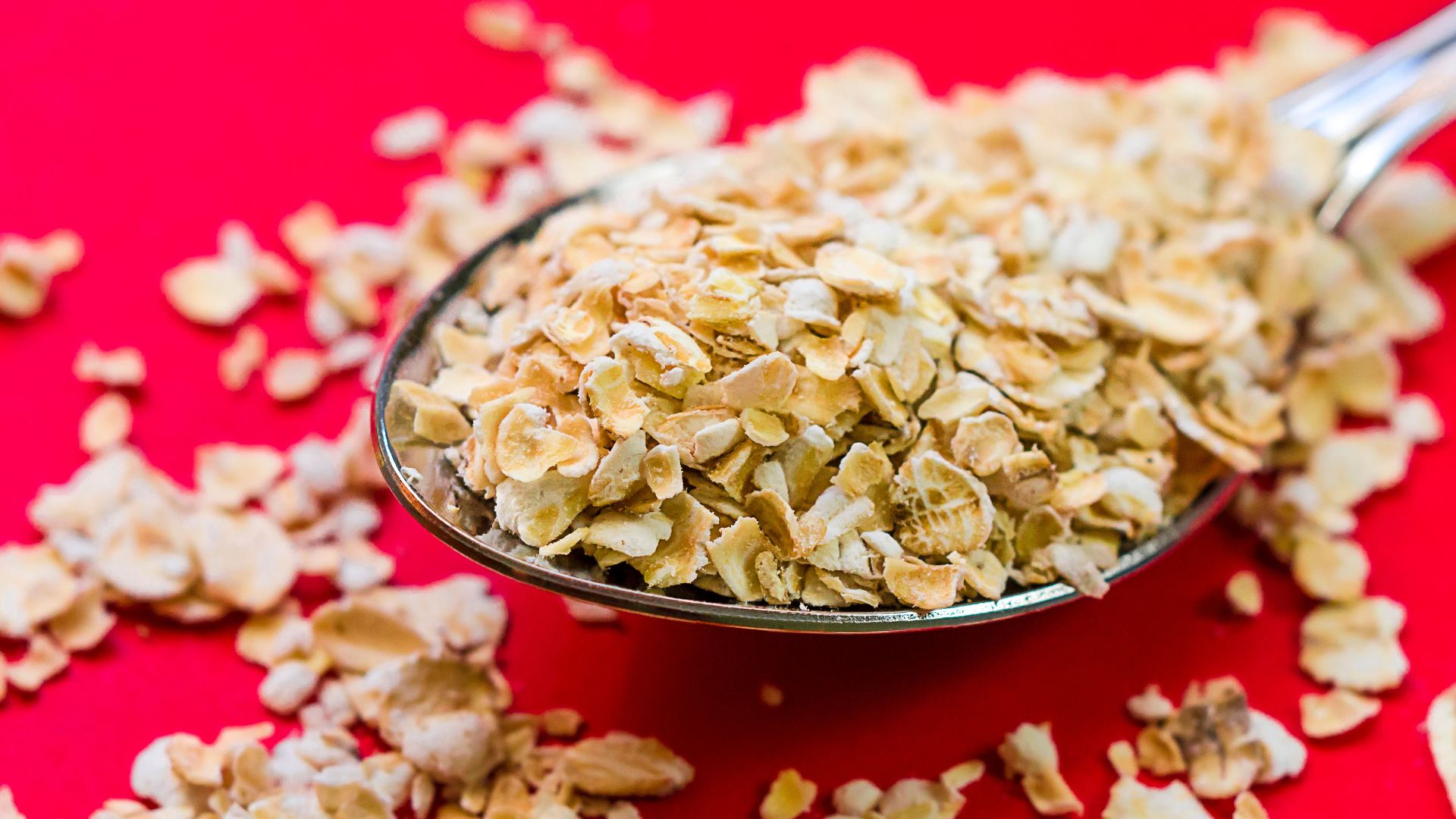
Old-Fashioned Oats Stretch Breakfast Money
Plain rolled oats contain fewer formulation variables than heavily flavored instant oatmeal packets. A store-brand canister works well for oatmeal, overnight oats, muffins, and homemade granola. Check the unit price because canister sizes can differ even when they look nearly identical.
Canned Beans Are Budget-Friendly Basics
Store-brand beans can add affordable protein and fiber to chili, soups, salads, and tacos. Compare drained weights when available because two similar cans may contain different proportions of beans and liquid. Shoppers monitoring sodium should also compare Nutrition Facts labels or choose a no-salt-added version.

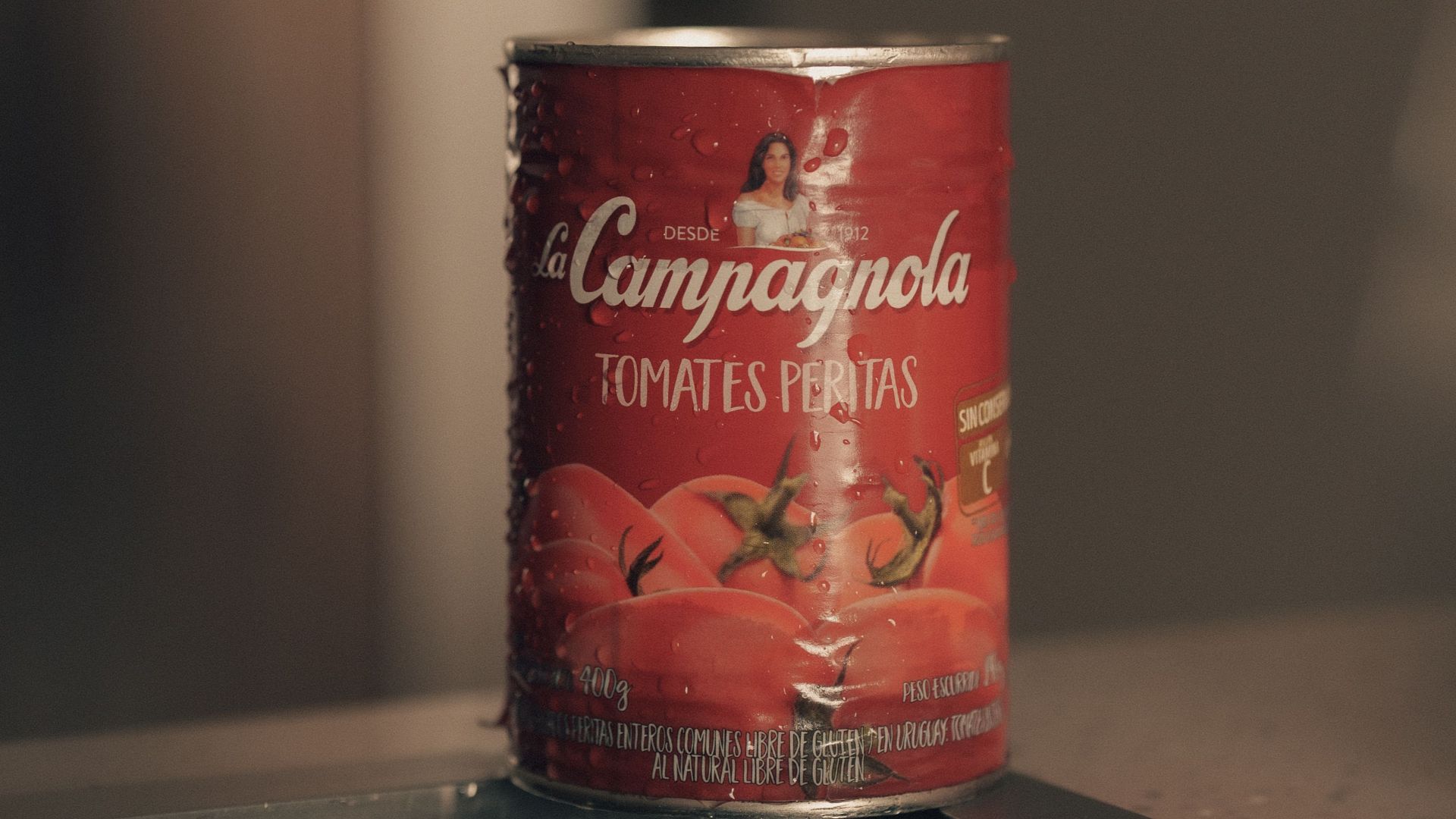
Canned Tomatoes Disappear Into Recipes
Canned tomatoes are frequently combined with herbs, vegetables, meat, or other strong ingredients. That makes subtle brand differences less noticeable in sauces, stews, and casseroles. Choose the correct style, check for added salt or seasoning, and let the unit price guide the final decision.
Frozen Produce Delivers Lasting Value
Frozen fruits and vegetables are generally low-risk store-brand purchases. They can be portioned as needed, reducing the chance of unused produce spoiling in the refrigerator. Avoid paying extra for unwanted sauces or seasonings, and compare the price per pound.

Milk Is Usually A Sensible Swap
Standard milk sold under a store label must still meet applicable processing and labeling requirements. Match the fat percentage, container size, and any organic or lactose-free claims before comparing prices. If those details are equivalent, the store brand is generally a practical everyday choice.

Eggs Reward Careful Comparison
The USDA’s egg grades describe measurable quality characteristics rather than brand prestige. Compare eggs with the same grade, size, quantity, and production claims before reaching for the cheaper carton. A store-brand dozen can be an excellent value when those details match.

Basic Spices Can Cut Pantry Costs
Store-brand spices are worth trying when a recipe calls for familiar ingredients such as cinnamon, paprika, or garlic powder. They can deliver the flavor you need without the higher price attached to a recognizable label. Buy containers you can finish while the spices remain aromatic, since an oversized bargain provides little value if it sits unused for years.

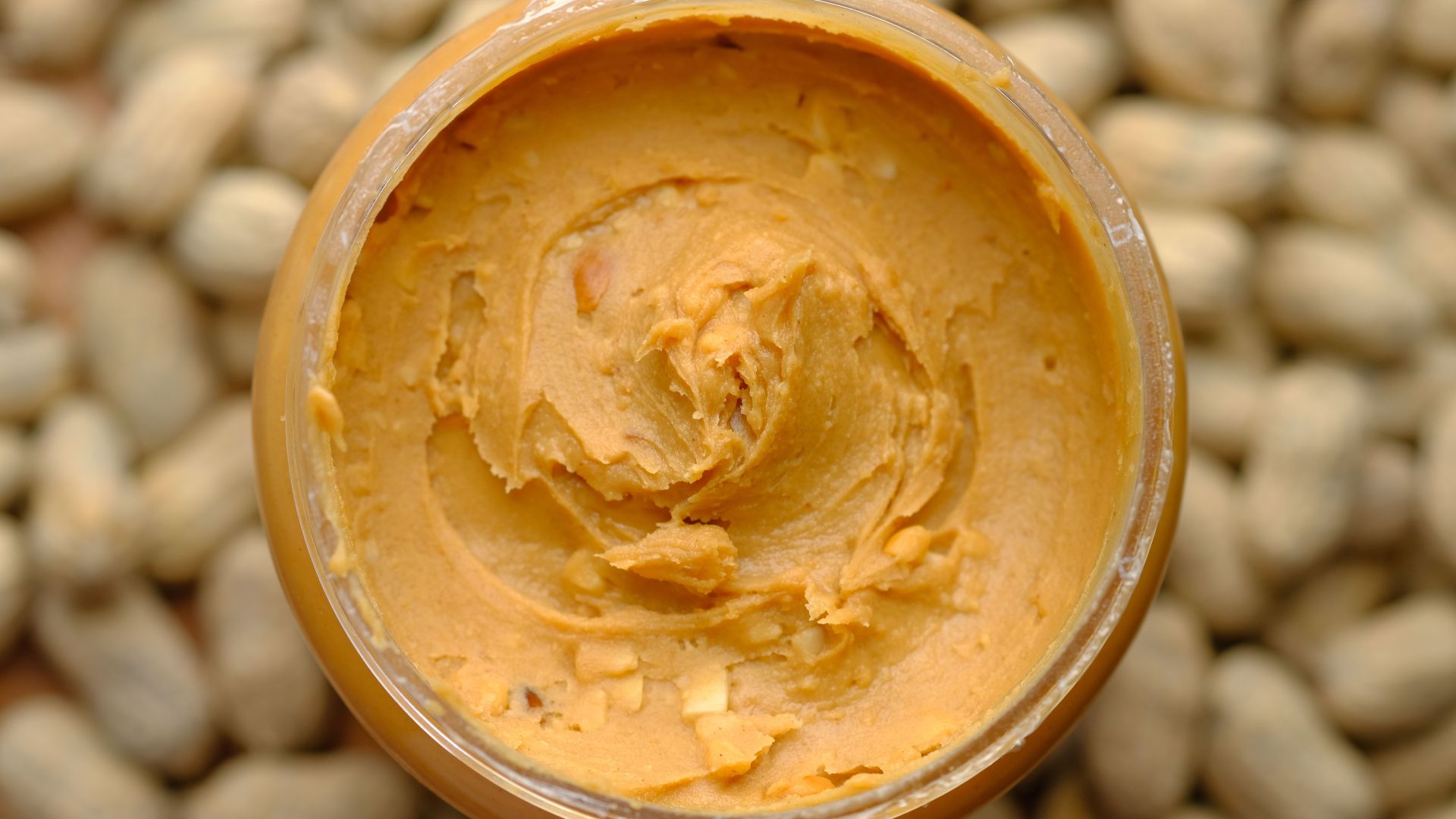
Peanut Butter Often Passes The Test
Peanut butter is covered by an FDA standard of identity, although sweeteners, oils, sodium, and texture can still differ. Store-brand versions are especially promising for sandwiches, smoothies, sauces, and baking. Compare ingredient lists and choose between conventional and natural styles before judging the price.
Basic Cereal Can Produce Big Savings
Plain flakes, toasted oats, and other simple cereals can be considerably cheaper under a store label. The ingredients and nutritional profiles are often similar, although flavor and texture may differ. Test one box first because a bargain disappears if your family refuses to finish it.

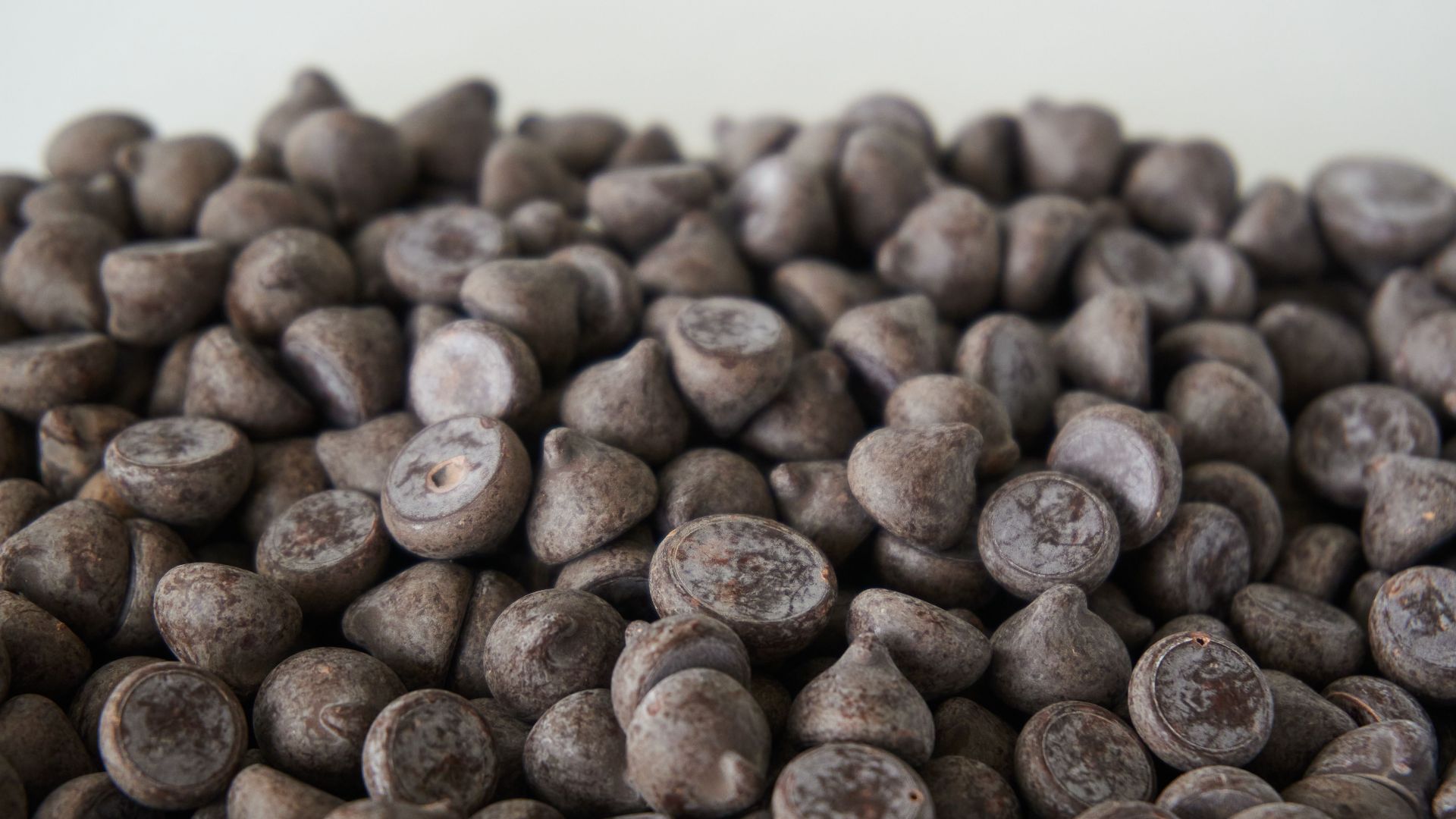
Salad Dressing Can Leave Savings Behind
Dressings are recipes rather than interchangeable staples, so acidity, sweetness, herbs, and texture can vary noticeably between brands. A cheaper dressing offers little value if you dislike the flavor or stop using it on salads and vegetables. Try the smallest store-brand bottle first instead of risking waste on an unfamiliar family-size container.
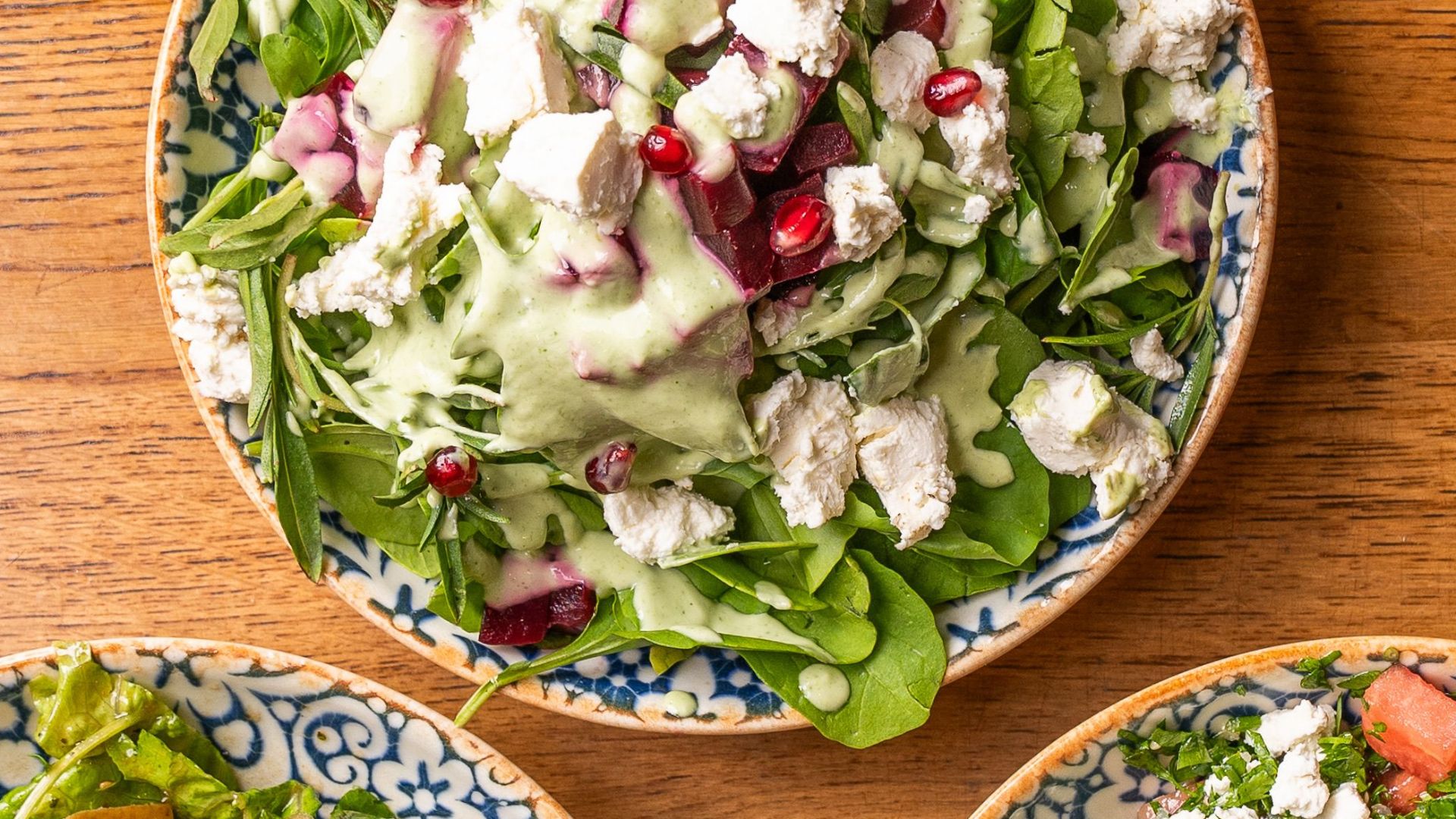
Chocolate Chips Can Change The Cookies
Chocolate chips vary in sweetness, cocoa flavor, texture, and melting behavior. Some cheaper versions can taste waxy or fail to melt as smoothly as expected. If chocolate is central to the dessert, a disappointing batch can cost more than the initial grocery discount.
Specialty Flour Demands More Attention
Basic flour can be economical, but serious bakers may care about bleaching, protein consistency, and additives. These differences can affect gluten development, texture, and how reliably a recipe turns out. For finicky breads or pastries, compare the flour specifications instead of assuming every all-purpose bag will behave identically.

Bargain Ice Cream May Not Satisfy
Ice cream formulations can differ in dairy ingredients, sweeteners, stabilizers, mix-ins, and the amount of air incorporated. Those differences can noticeably affect flavor, richness, and texture. A cheaper carton does not save money if it remains untouched while someone buys a replacement dessert.

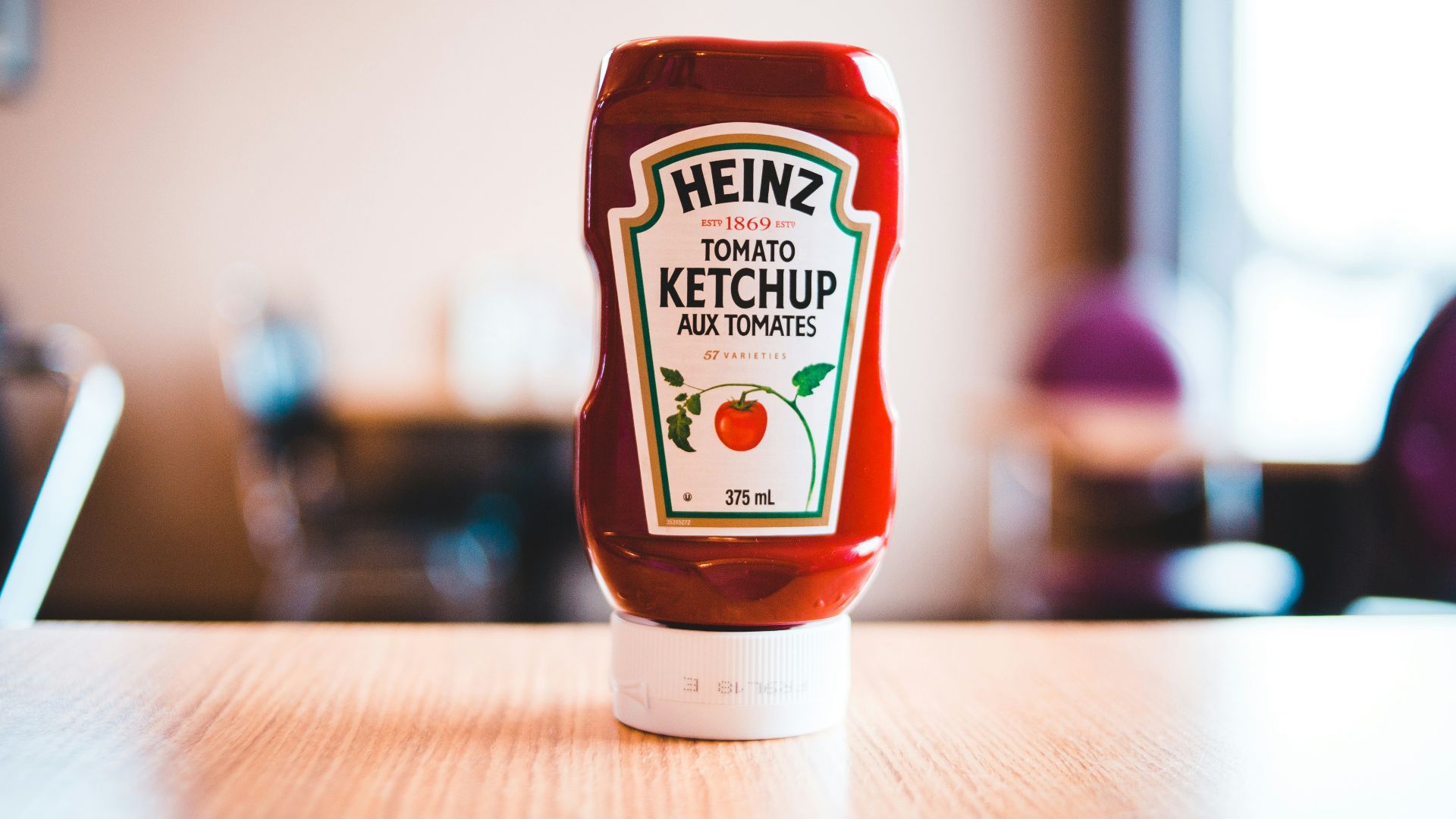
Condiments Are Highly Personal
Ketchup, mustard, and mayonnaise have distinctive balances of sweetness, acidity, salt, and texture. Store-brand versions may taste noticeably different from the condiments your household already prefers. Buy the smallest available bottle first and make the permanent switch only if it passes the taste test.
Favorite Chips Can Be Hard To Replace
Potato chips may look simple, but thickness, oiliness, seasoning, and crunch vary widely. Some store-brand versions may taste greasier or have weaker seasoning than a familiar favorite. Store brands can still be good, but forcing a swap on an occasional treat may produce little real savings.

Finishing Olive Oil Is About Flavor
Oil used for sautéing can be less demanding than oil drizzled directly over salads, bread, or cooked vegetables. A bland or stale-tasting olive oil will be more noticeable when it is used as a finishing ingredient. Compare origin, harvest information, container size, and intended use before automatically buying the lowest-priced bottle.

Cheese Can Be Worth The Splurge
Cheese varies in aging, moisture, texture, and flavor even when two packages carry the same general name. These differences may be especially noticeable when cheese is served on its own or featured prominently in a dish. Store-brand cheese may work perfectly when melted into a casserole, but it deserves a taste test before becoming a permanent swap.
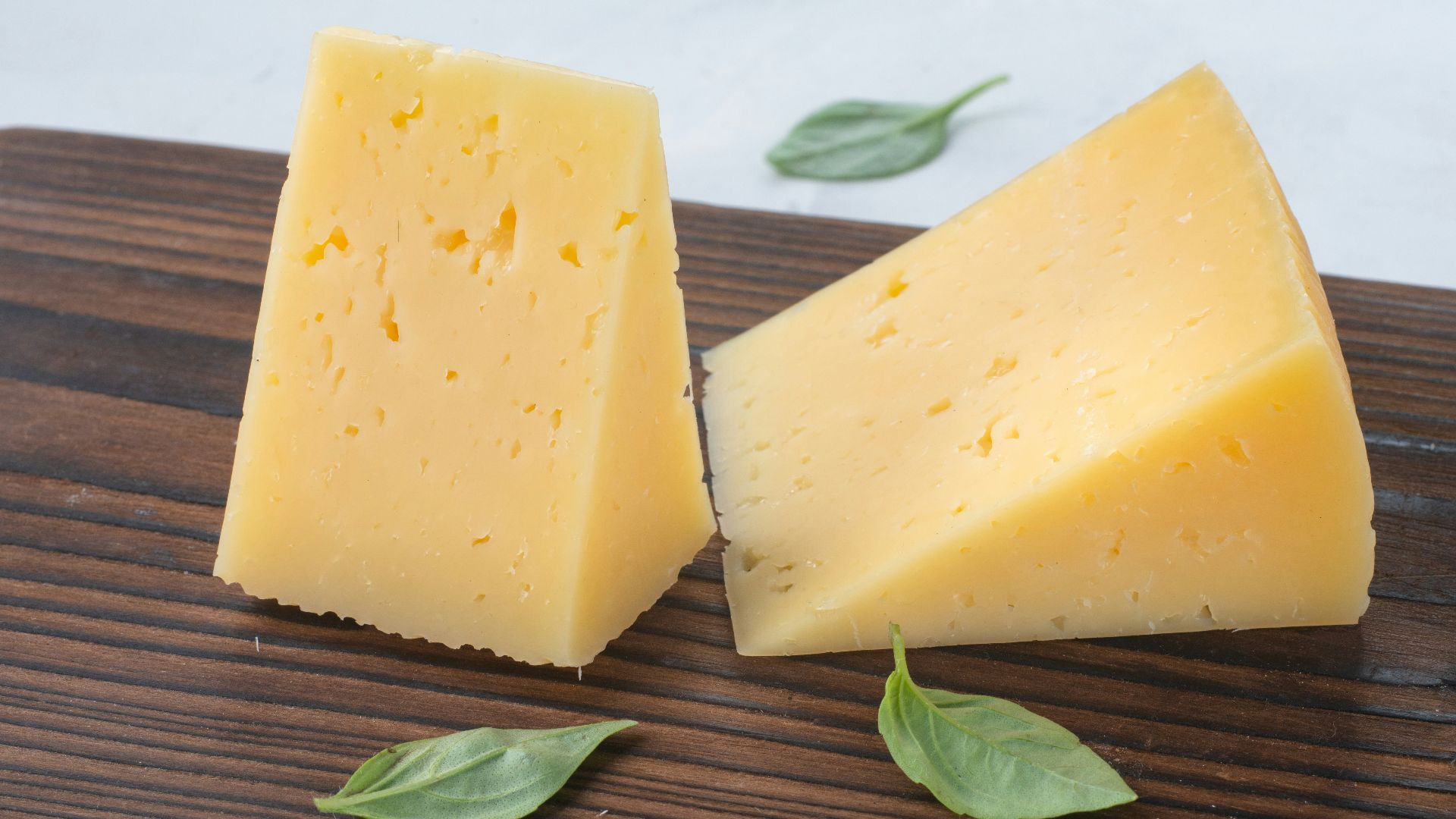 David Foodphototasty, Unsplash
Coffee Is A Risky Blind Switch
Coffee’s roast level, bean blend, grind, and freshness strongly affect what reaches the cup. A store brand that tastes harsh or weak may encourage you to use extra grounds or abandon the package. Start with the smallest bag and calculate the cost per brewed pot only after deciding how much coffee you need.

Cream Cheese Texture Can Vary
Cream cheese products may use different stabilizers and gums, producing noticeable differences in firmness, spreadability, and mouthfeel. Those variations matter most when cream cheese is eaten plainly or provides the structure for frosting and cheesecake. Compare ingredient lists and test the store brand on a low-stakes breakfast before using it in an important recipe.

Crackers Need A Label Check
Cheaper generic crackers may contain more sodium or fat than the version a shopper normally buys. Texture and breakage can also determine whether a box works for lunches, dips, or entertaining. Compare Nutrition Facts panels, serving sizes, and ingredients before treating the cheaper price as a genuine win.

Frozen Meals Are Not Direct Equivalents
Frozen pizzas and prepared meals can differ dramatically in portion size, toppings, sauce, sodium, and cooking performance. Store-brand versions may also taste noticeably different because each product uses its own recipe and combination of ingredients. Compare nutrition, weight, and price per serving, then try one package before stocking the freezer.

Allergy-Safe Foods Are Not Casual Swaps
A familiar specialty product should never be replaced solely because the store version costs less. The FDA requires disclosure of major allergens used as ingredients, but precautionary statements such as “may contain” are voluntary, and formulations can change. Read the entire label every time and contact the manufacturer when the information is unclear.

Build A Cart That Works For You
The best grocery strategy is not complete loyalty to store brands or national names. Save confidently on straightforward staples, then test flavor-sensitive foods one package at a time. Compare unit prices and labels, watch for sales, and remember that the EPA estimates wasted food costs the average American hundreds of dollars each year.

You May Also Like:
Sneaky Ways Companies Make Prices Look Lower Than What You Actually Pay
Things People Buy To Save Money That Often Cost More In The Long Run—Are You A Smart Shopper?