A cracked foundation is not a cracked future.
Discovering a foundation crack after moving in feels like an emotional and financial sucker punch. Panic hits first, then guilt, then the big question: Is someone legally responsible, or is repair simply your burden? The path forward depends on what disclosures were made, who inspected what, and how quickly action is taken. Yes, it’s an issue, but there’s a lot that could be done.

Confirm What Type Of Foundation Crack You’re Dealing With
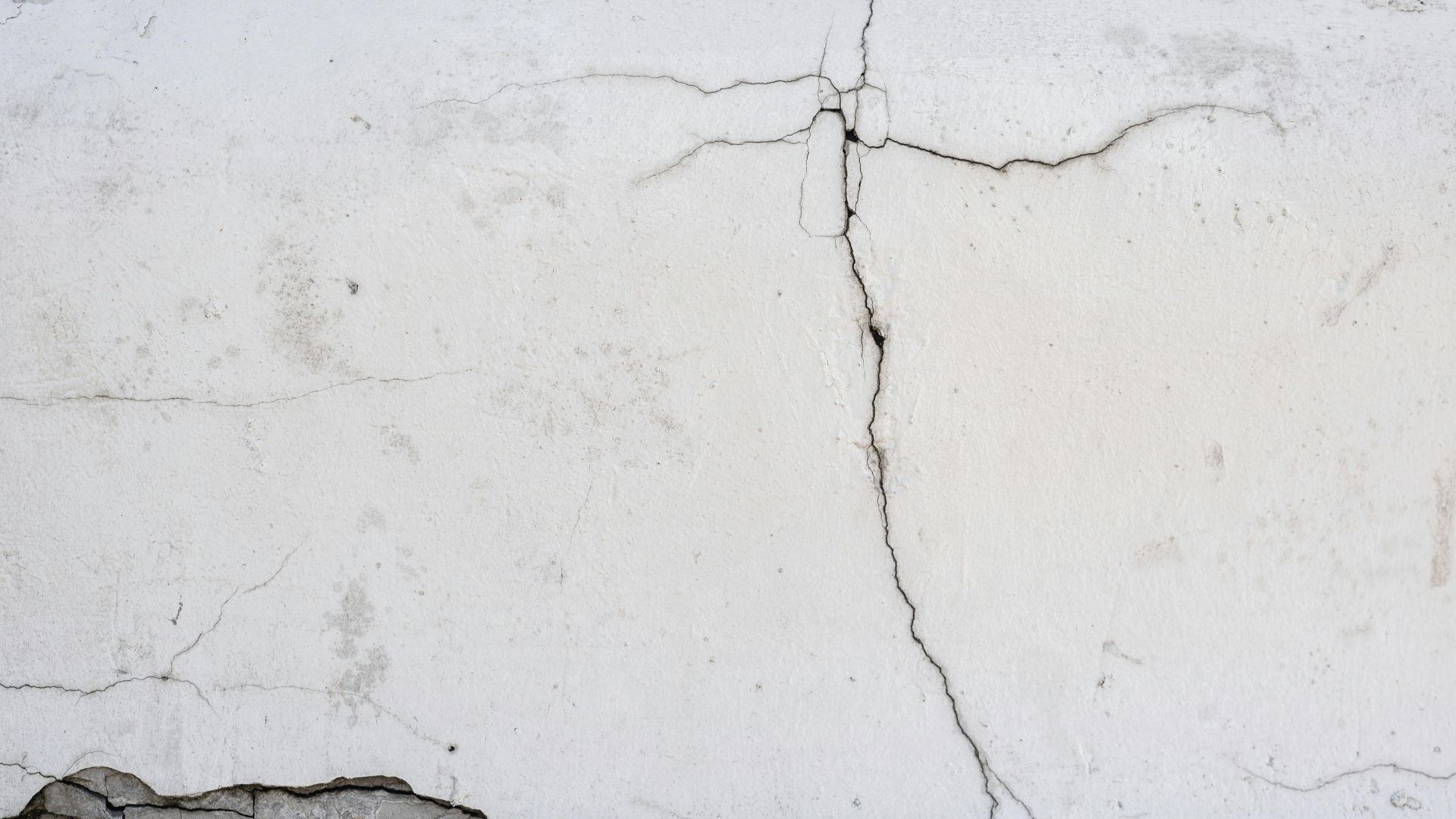
Some cracks are cosmetic, but others reveal shifting soil or water pressure. Before assuming the worst, document the length, location, and direction of the fracture. Structural engineers classify cracks differently, and understanding the category helps determine repair urgency and whether liability could apply in a dispute.
Check The Seller Disclosure You Received At Closing
Sellers must disclose known defects in most states, and this includes foundation issues. Review your disclosure packet carefully. If the crack existed before the sale and the seller concealed it, you may have a valid legal claim.

Look At The Home Inspection Contingency In The Contract
If you waived inspection, the contract probably shields the seller from responsibility. Still, some states limit what sellers can hide regardless of inspection choices. The wording of the contingency matters, especially if your contract contained “as-is” language or repair caps.

Gather Photos, Videos, And A Timeline Of When You Noticed Damage
Courts and insurance adjusters rely heavily on documentation. Capture clear images of the crack, note the date you first saw it, and confirm whether the damage appears new or long-standing. This timeline strengthens any claim you bring and helps specialists determine if the issue developed after closing or was pre-existing.

Hire A Licensed Structural Engineer For An Unbiased Evaluation
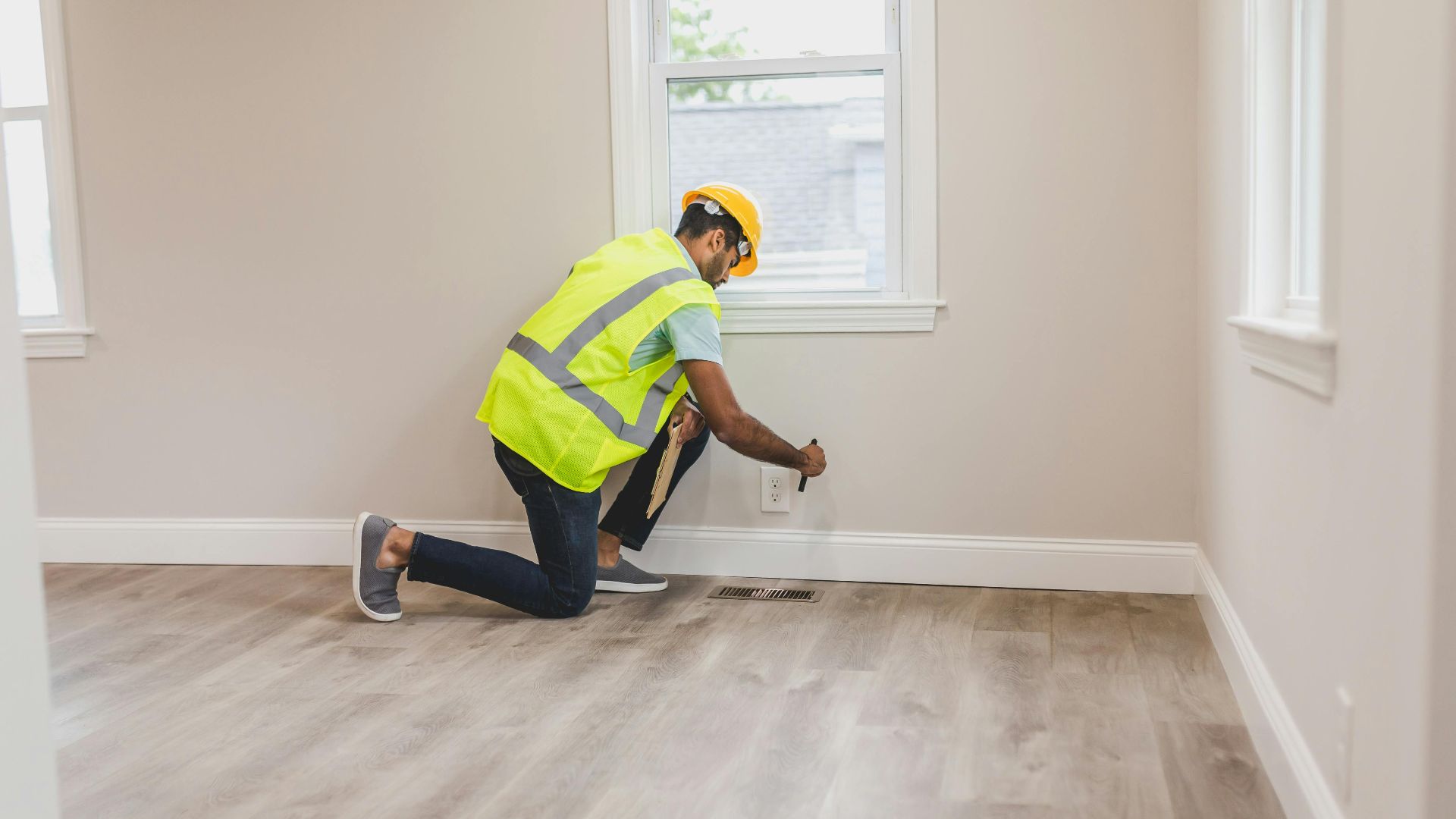
Contractors can estimate repairs, but only engineers provide official assessments accepted by insurers and courts. Their report explains the cause and expected progression of the crack. This single document becomes the foundation of every next decision—repairs and potential legal action.
Request Written Repair Estimates From Multiple Specialists
You’ll want more than one opinion on repair options. Estimates differ depending on method—epoxy injection, pier installation, grading adjustments, or waterproofing. Collecting several quotes creates a realistic cost range and helps you compare recommendations. These numbers also matter if you pursue reimbursement or negotiate a settlement.

Check Whether Your Homeowners' Insurance Covers Any Part Of The Damage
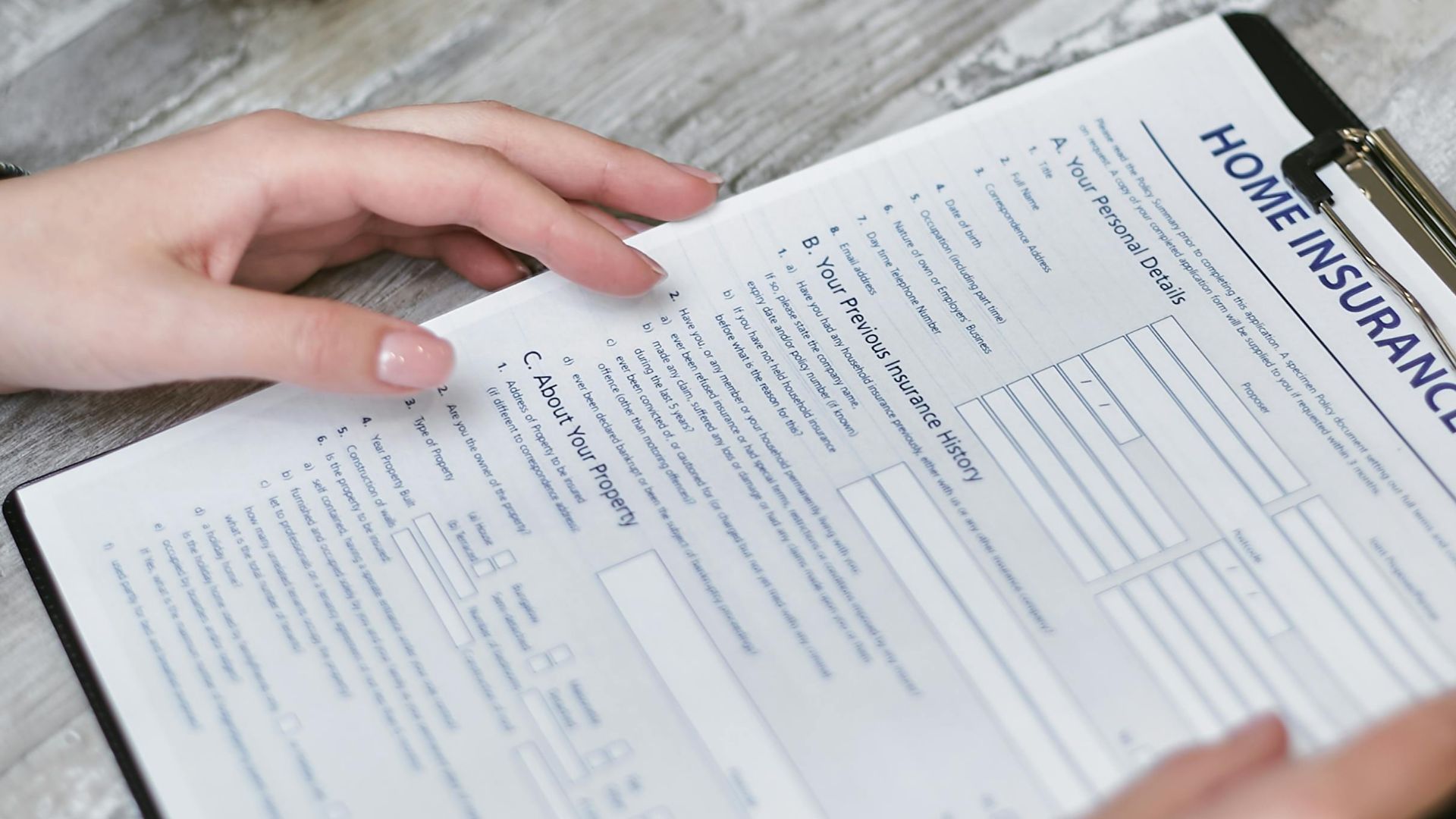
Most policies exclude foundation movement, but some cover damage tied to specific events like plumbing leaks or sudden soil collapse. Review your policy or call your carrier to ask about coverage triggers. Even partial reimbursement matters.
Investigate Whether A Hidden Plumbing Leak Is The Culprit
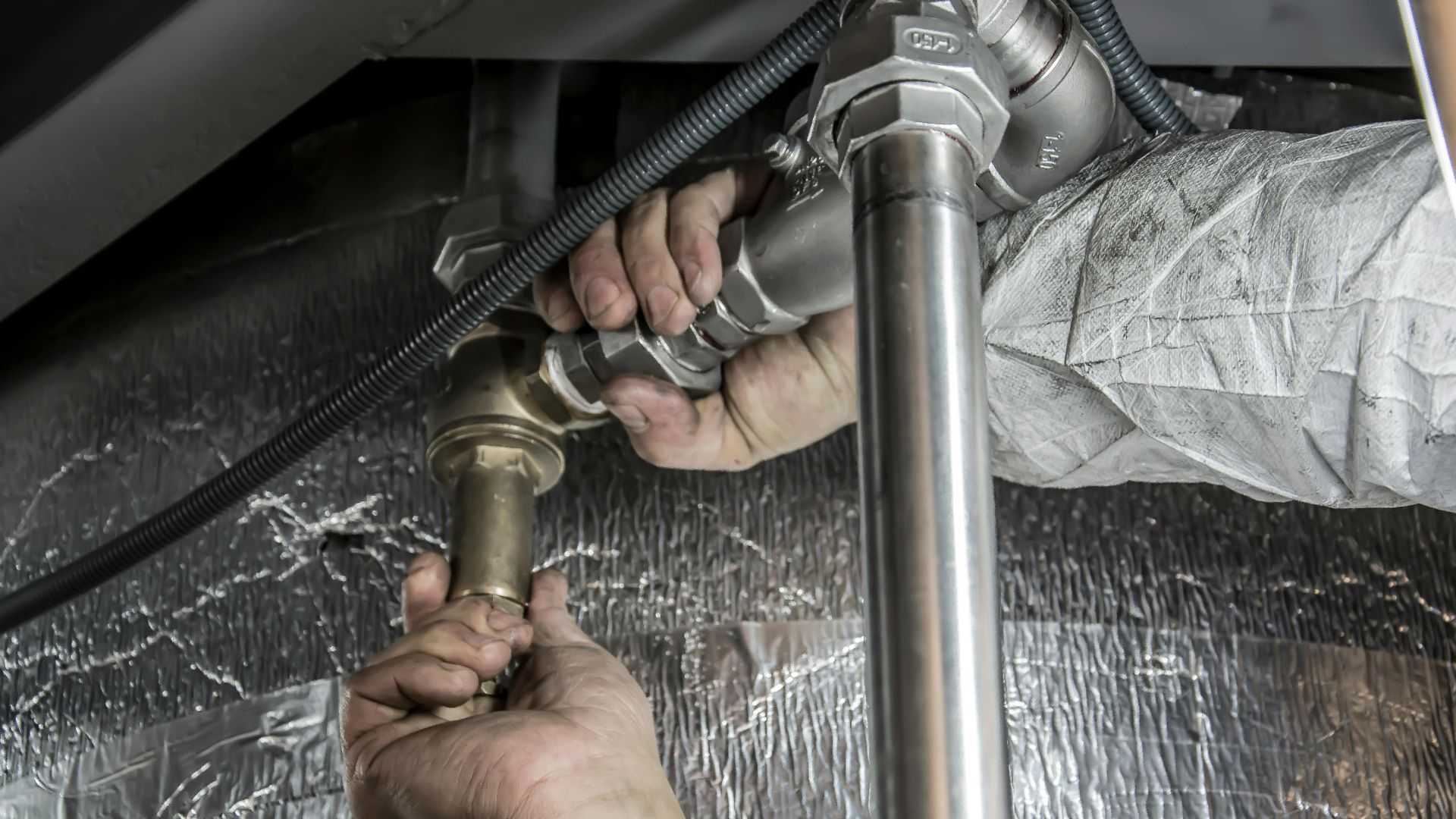
Foundation cracks sometimes stem from water saturation beneath the slab. A slow leak can create soil expansion, leading to structural shifts. If a leak caused the crack, insurance coverage becomes more likely. A plumber’s pressure test or camera inspection helps uncover hidden issues.
Compare The Crack’s Condition To Your Listing Photos
Online listings often show areas of the basement or exterior walls. If a crack appears in the same spot but was cropped, filtered, or concealed in the listing, you may have evidence of misrepresentation. Real estate advertisements can become supporting material in disputes.

Ask Neighbors Whether They Know Of Previous Foundation Work
Long-time residents sometimes remember repairs or visible cracks from earlier years. Their recollections can help confirm whether the problem existed before closing. Community insight isn’t formal evidence, but it guides what you should validate through records or inspections.

Order Public Property Records To See If Past Repairs Were Filed
Permits for structural work are usually recorded with the city or county. If you find permits for previous foundation modifications, that history may show recurring issues. A pattern of repairs strengthens claims that the seller knew the home had underlying structural instability.

Consult A Real Estate Attorney Before Making Any Accusations
An attorney reviews your contract, disclosure forms, engineer report, and timeline to determine whether you qualify for damages. Premature claims or emotional messages to the seller can weaken your case. A consultation helps you understand realistic outcomes before you escalate.

Explore Mediation As A Faster, Cheaper Alternative To Court
Many disputes are resolved through mediation. A neutral mediator encourages compromise. He or she helps the seller understand your evidence to avoid lengthy litigation. Mediation costs far less than court and often leads to partial reimbursement or a shared repair agreement.

Determine Whether Your State Follows Caveat Emptor Rules
Some states lean heavily on “buyer beware,” placing more responsibility on the purchaser unless the seller intentionally hid issues. Other states require broader disclosure. Knowing your state’s approach helps you understand how strong your legal footing is and whether a lawsuit would hold up.

Check Whether Your Agent Could Hold Any Responsibility
Real estate agents must disclose material defects they know about. If your agent noticed damage during showings or walkthroughs but never raised concerns, professional negligence might be in question. This route is less common but still worth evaluating.

Review Any Pre-Sale Inspections The Seller Conducted
Some sellers complete their own inspections before listing. If those reports mention cracks or soil movement and the seller withheld them, that omission can support a claim. Pre-listing evaluations may reveal whether information was intentionally concealed.

Consider A Demand Letter Before Filing A Lawsuit
A formal demand letter from your attorney outlines the damage, expected costs, and evidence. Many sellers respond quickly once notified that the documentation is strong. A demand letter often prompts negotiation, making full litigation unnecessary.

Propose A Seller Contribution Toward Repairs Before Pursuing Formal Claims
Some sellers prefer resolving issues privately rather than risking legal disputes. After gathering the engineer reports and estimates, present the documented costs and request a fair contribution. This approach preserves cooperation and often results in partial reimbursement.

Evaluate Whether Suing Would Cost More Than You Recover
Lawsuits involve filing fees and attorney hours. Structural disputes can drag on, and even successful cases may not reimburse every cost. Weigh the repair estimate against potential legal expenses. Sometimes, a settlement or self-funded repair is more practical than pursuing a drawn-out court process.

Ask The Engineer Which Repairs Are Urgent And Which Can Wait
Some cracks require immediate stabilization, while others simply need monitoring. Understanding urgency helps budget realistically and prevents overspending. Engineers often outline multiple repair tiers, allowing you to address critical safety concerns first.

Consider Long-Term Soil And Drainage Improvements
Even after the crack is stabilized, soil conditions around the home may need correction. Proper grading and gutter extensions protect the foundation from recurring stress. Addressing the environment around the house protects your investment over time.
Document All Communication With Contractors And Specialists
Keep emails, texts, invoices, and inspection notes in one place. If disputes arise later, records show exactly who said what and when. Organized documentation minimizes misunderstandings and becomes essential evidence if reimbursement negotiations or legal actions move forward.

Avoid Making Repairs Before Legal Review Unless Safety Requires It
Major repairs alter evidence, so attorneys sometimes recommend waiting until documentation is complete. If the structure is unsafe, stabilize it immediately, but photograph it thoroughly. Early fixes without guidance may weaken claims if the source of damage becomes harder to verify.

Create A Repair Plan That Balances Risk And Budget
Once you understand the cause and options, build a phased plan. Address urgent structural concerns first, reinforce soil conditions second, and add preventive upgrades last. A structured approach keeps costs manageable and helps ensure you’re making decisions based on facts, not fear.

Recognize That A Cracked Foundation Doesn’t End Your Homeownership Story
Thousands of homeowners deal with foundation problems successfully every year. Repair options are effective, and legal paths exist when sellers conceal issues. With proper documentation and steady decision-making, you can restore confidence in both your home and your investment.