More Than A Bargain
Most yard-sale shoppers hope to find a bargain. Maybe an old lamp worth a few hundred dollars or a vintage toy that collectors love. One family in New York found something much, much, much bigger. Well, what they found wasn't that big...but its value was enormous.

Just Three Dollars
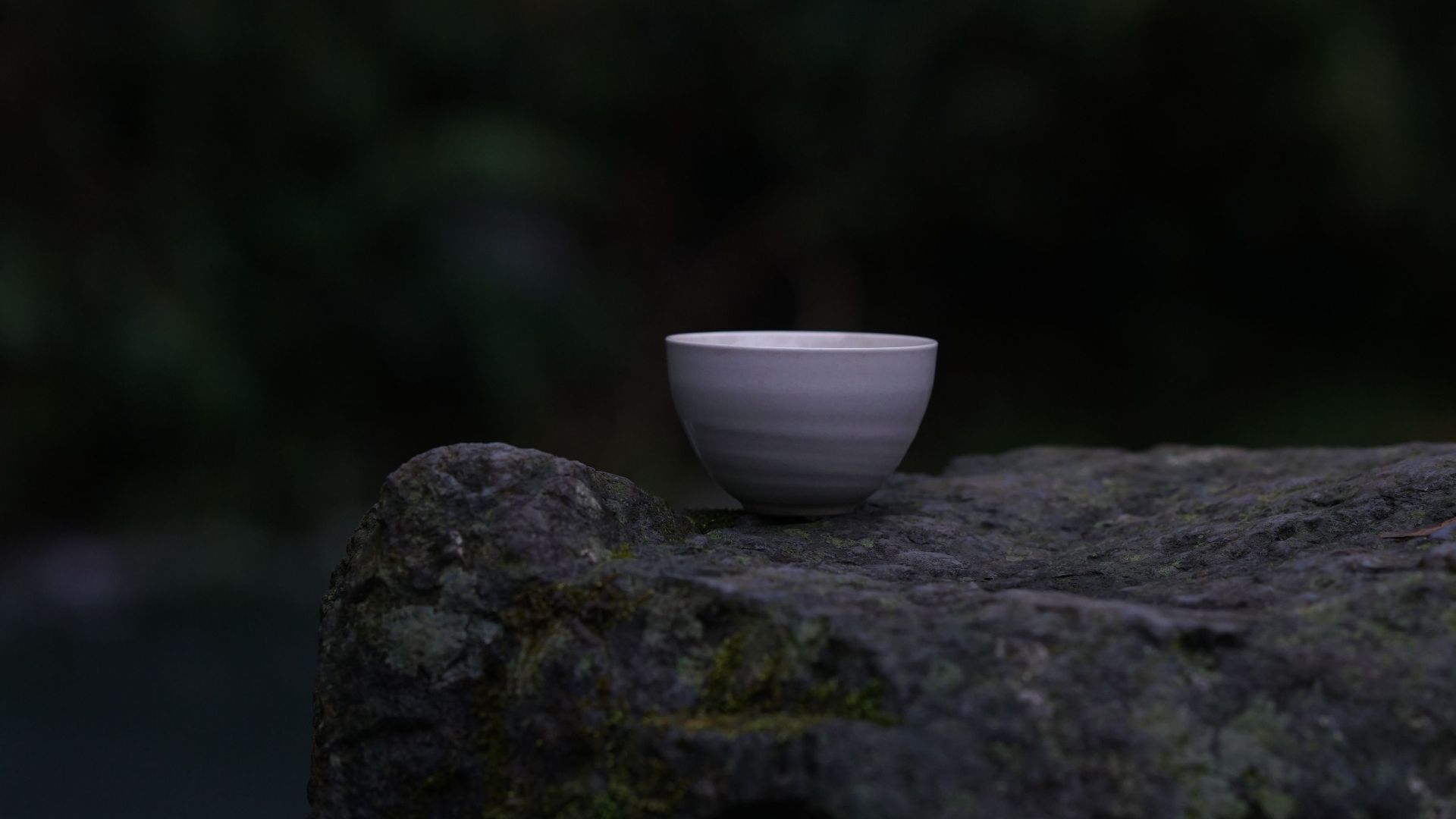
Back in 2007, a family browsing a yard sale spotted a small ceramic bowl sitting among a collection of ordinary household goods. It wasn't behind glass. Nobody was treating it like a treasure. The asking price was just $3.
 South China Morning Post, Getty Images
Easy To Miss
The little bowl wasn't flashy or dramatic. It wasn't covered in gold, silver, or gemstones. Sitting among everyday items, it looked like the kind of thing most shoppers would walk right past without a second thought.
Years On A Shelf
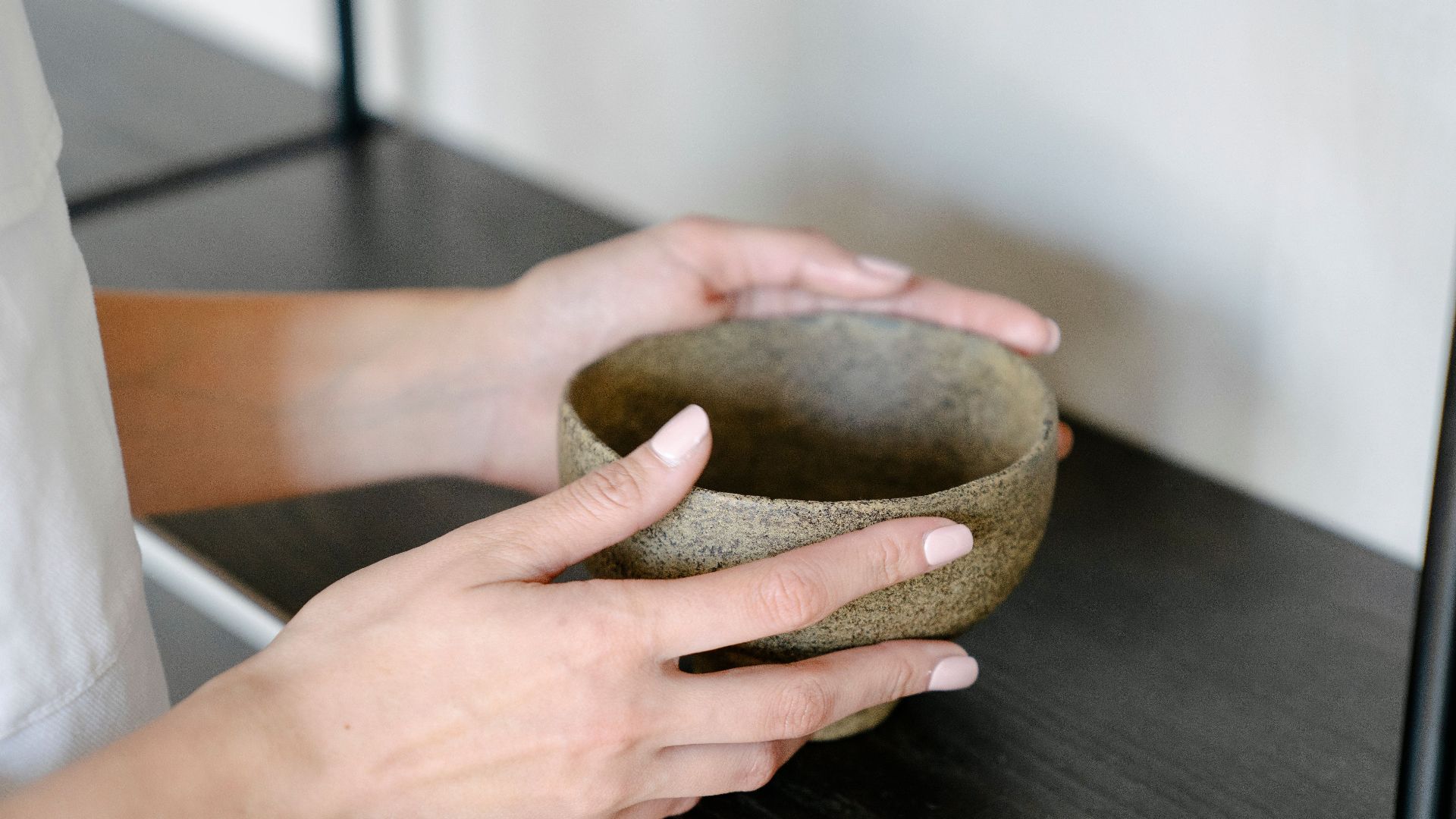
The family didn't immediately rush to an auction house or call antique experts. Instead, they owned the bowl for several years. Over time, they began wondering whether it might be older and more significant than it appeared.
A Second Opinion
Eventually, the family showed the bowl to experts. The specialists immediately became interested. What looked like a simple piece of pottery was showing signs that it might be something far more important.
The Reveal
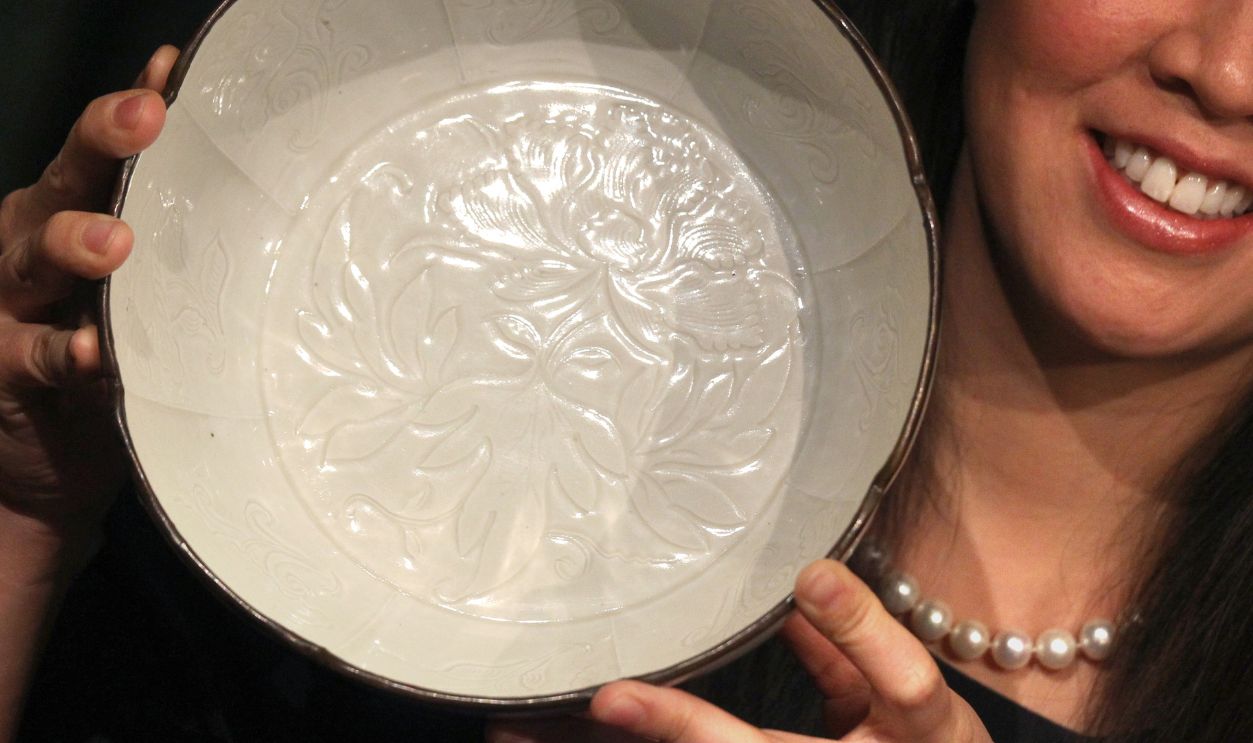
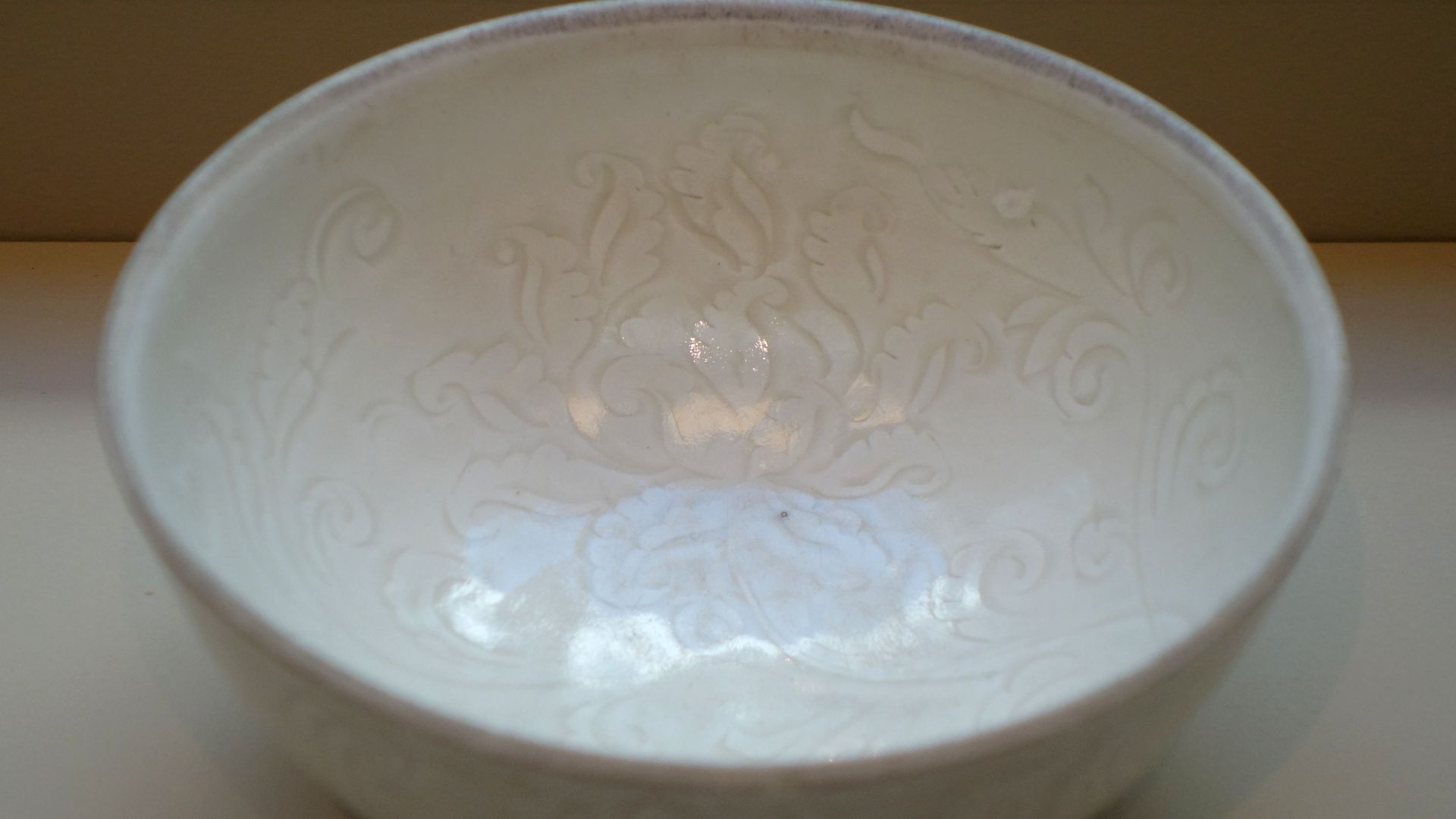
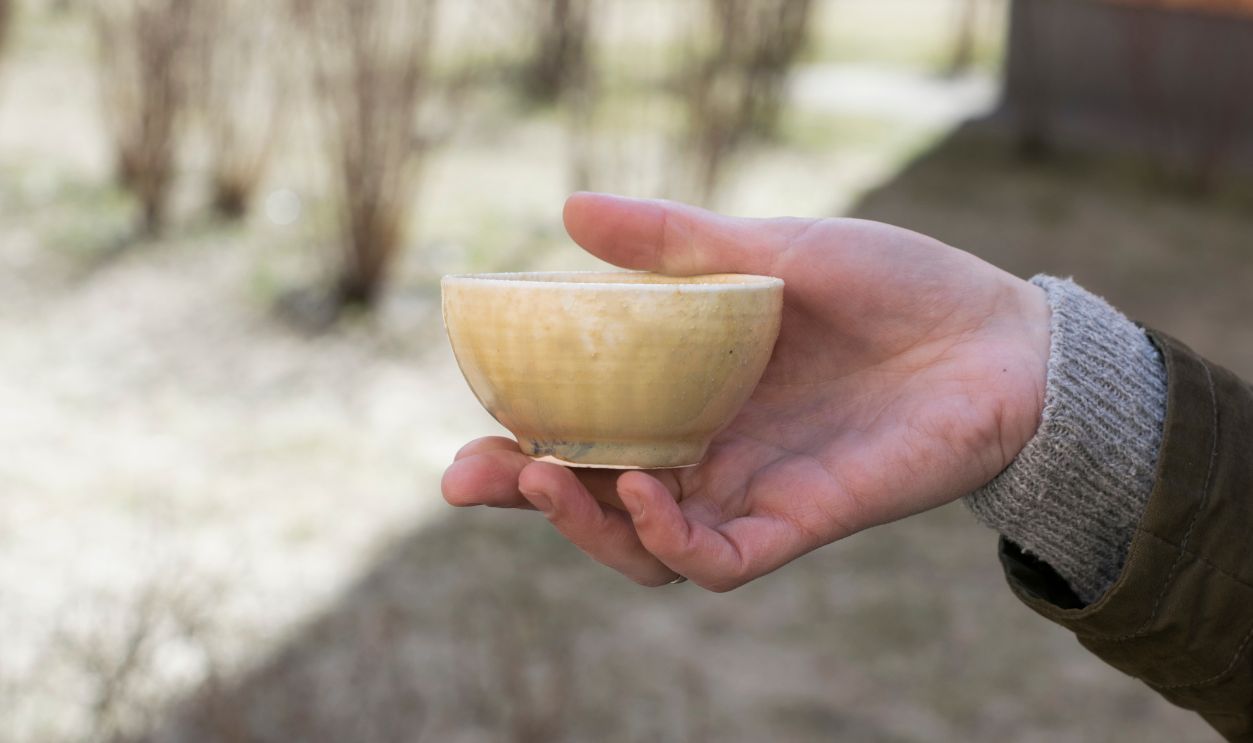
The family's $3 purchase turned out to be a small ceramic bowl measuring just over five inches across. Experts determined it had been crafted during China's Northern Song Dynasty, roughly 900 years earlier.
A Survivor From Another Era
The bowl was identified as a piece from China's Northern Song Dynasty, which ruled from 960 to 1127. Art historians consider Song Dynasty ceramics some of the finest ever produced, and surviving examples are highly prized today.
The Famous Ding Ware
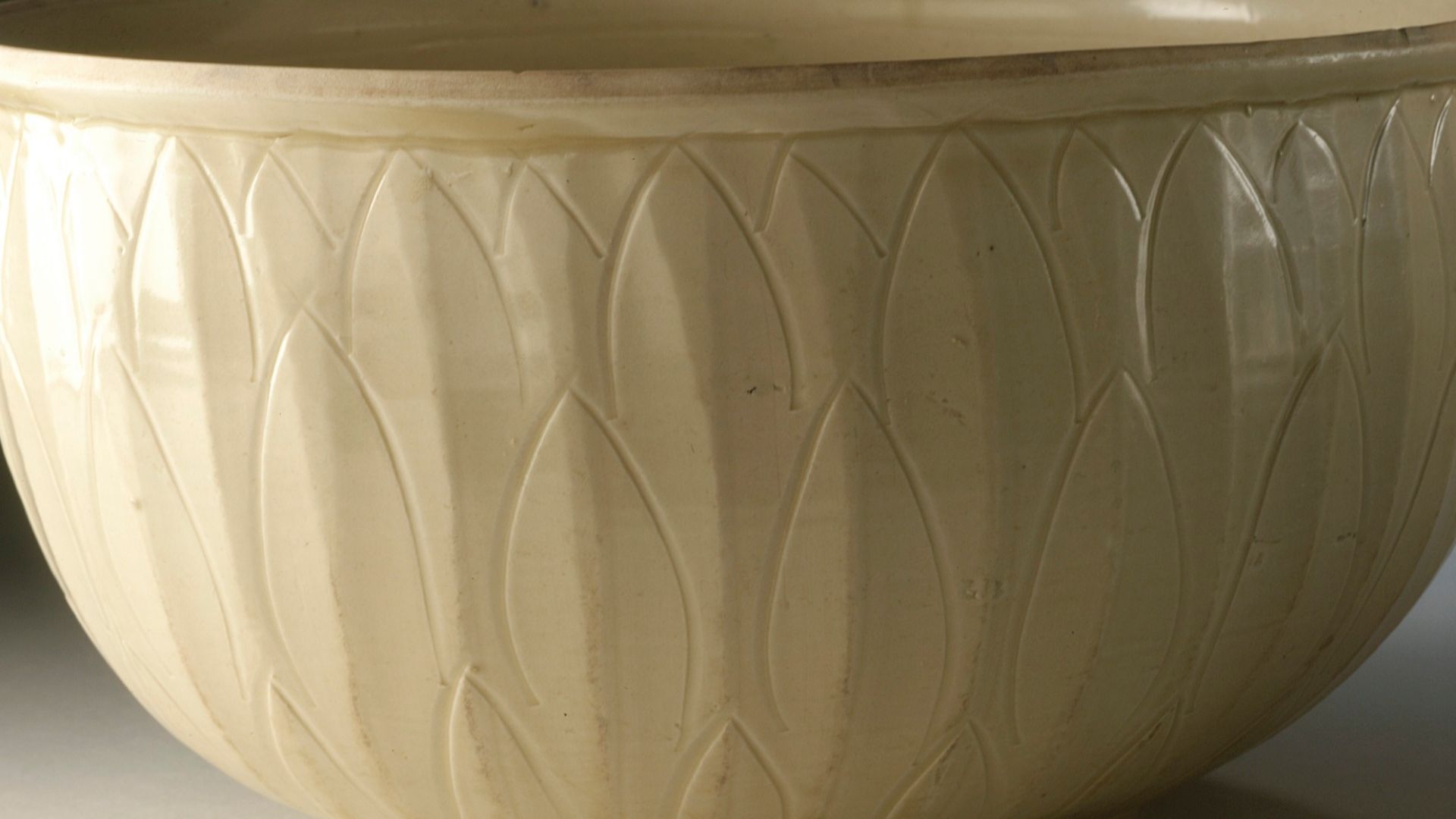
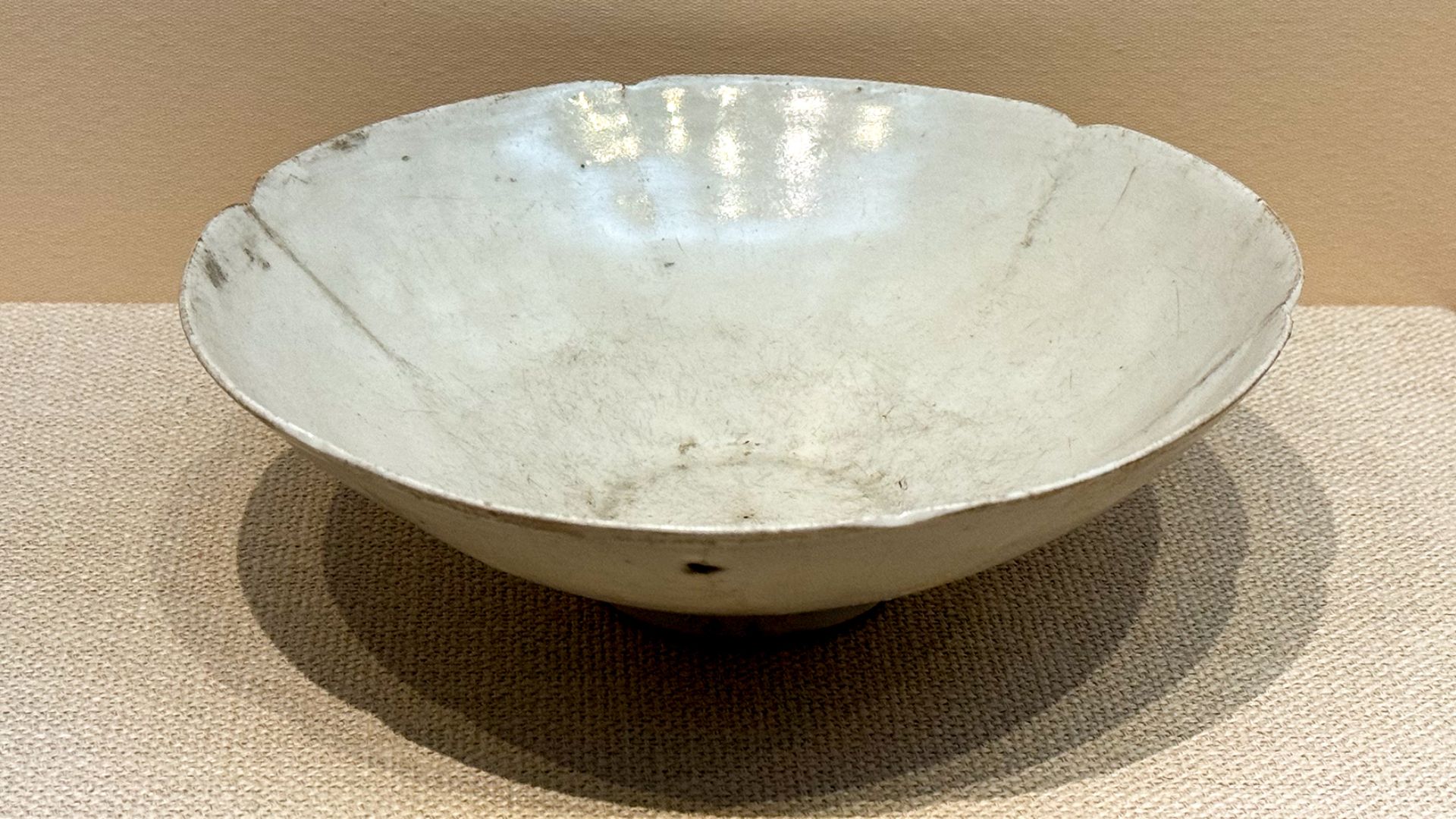
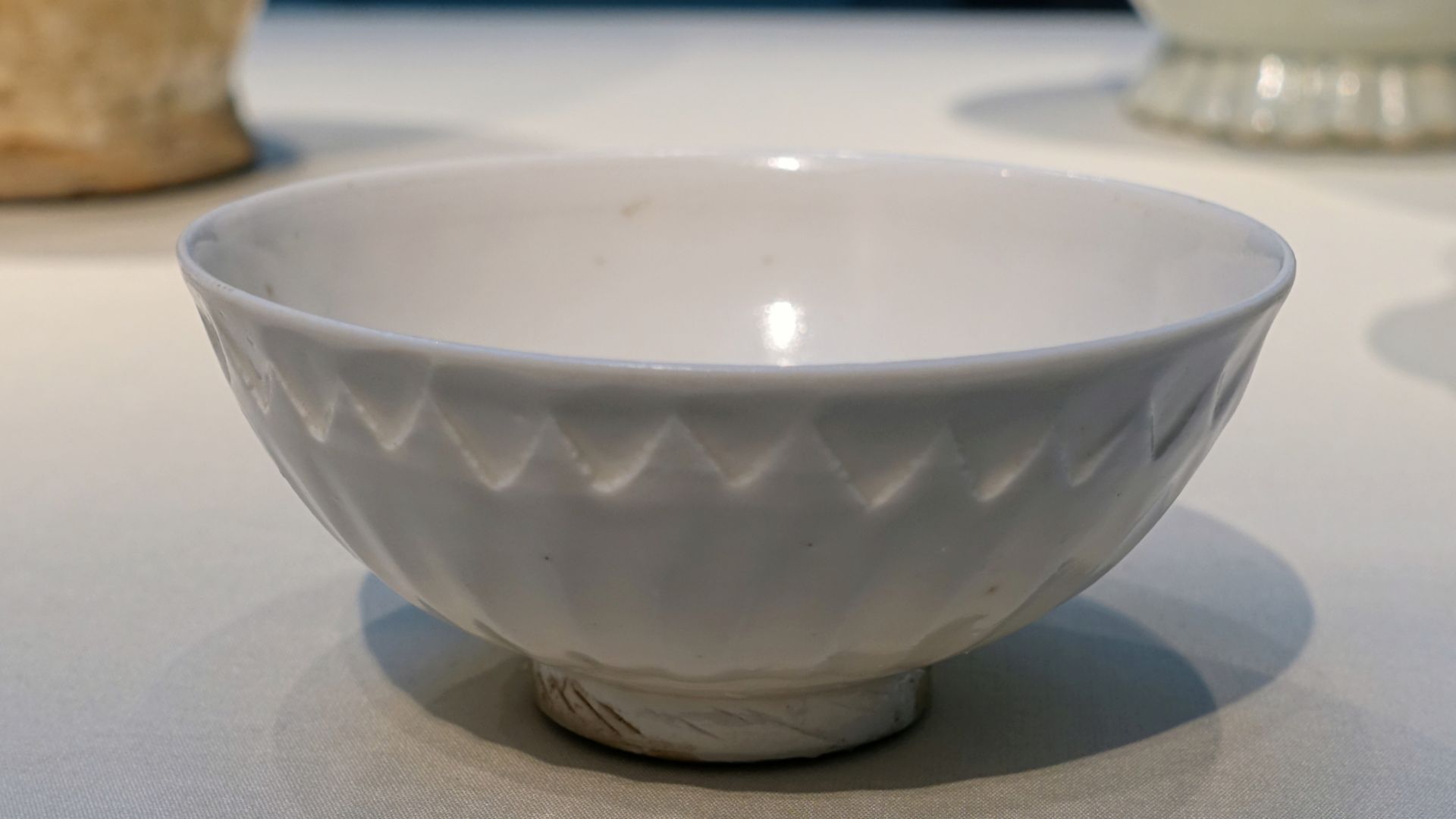
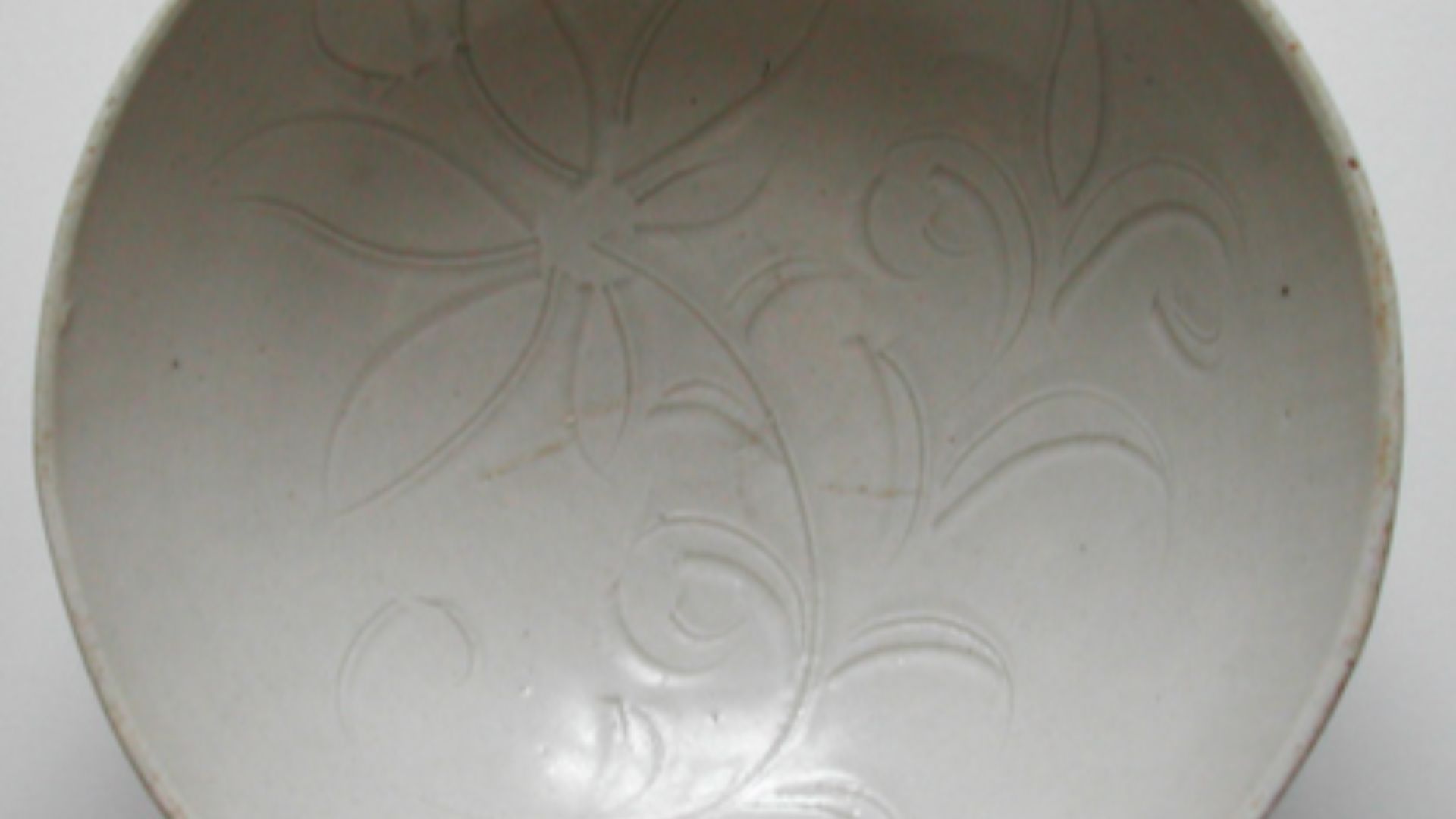
Experts determined the bowl was a rare example of Ding ware, a style of pottery produced in northern China. Ding ceramics were among the most highly regarded wares produced during the Song Dynasty and were known for their elegant ivory-colored glaze and exceptional craftsmanship.
 Windmemories, Wikimedia Commons
Details That Mattered
The bowl wasn't large or heavily decorated. In fact, its beauty came from its simplicity. Experts noted its thin walls, graceful shape, and creamy glaze. The rim featured a metal band, a common addition on Ding ware because the bowls were fired upside down, leaving the rim unglazed.

Nearly Museum Quality
As researchers compared the bowl to known examples around the world, they realized they were dealing with something truly special. This wasn't simply a valuable antique. It was the kind of object museums actively seek.
The British Museum Connection
Experts could find only one nearly identical bowl. It wasn't sitting in a private collection or another auction house. It was sitting inside the British Museum in London, one of the world's most respected institutions.
 Luke Massey & the Greater London National Park City Initiative, Wikimedia Commons
That's When Things Got Crazy
Once experts confirmed what the family had found, word quickly spread throughout the antiques world. Collectors immediately recognized how rare an opportunity this would be, and interest in the bowl began building quickly.
Nobody Knows How It Got There
One of the strangest parts of the story remains unanswered. Nobody knows exactly how a 900-year-old Chinese bowl ended up at a suburban New York yard sale. Somewhere along the way, its remarkable history appears to have been forgotten.
From Dynasty To Driveway
The bowl survived nearly nine centuries of wars, political upheaval, international travel, inheritance transfers, and changing owners. Yet somehow, it eventually landed on a folding table with a $3 price tag attached to it.
 derivative work: Augusta 89, Wikimedia Commons
The Auction Announcement
Sotheby's announced plans to auction the bowl in 2013. The story captured headlines around the world because it combined two things people love: hidden treasure and unbelievable luck.
 ajay_suresh, Wikimedia Commons
Better Than The Experts Expected
Before the auction, Sotheby's estimated the bowl would sell for between $200,000 and $300,000. Those numbers would have made it an incredible yard-sale find on their own. Instead, bidders had something much bigger in mind.
 Vanderbilt University , Wikimedia Commons
Bidding Begins
When auction day arrived, collectors from around the globe competed for the chance to own the bowl. Interest was strong from the start, and the price quickly climbed beyond Sotheby's estimate.

The Price Keeps Climbing
As the bidding continued, the numbers kept rising. What began as a $3 yard-sale purchase was turning into an international auction event, with collectors pushing the price higher and higher.
 LightField Studios, Shutterstock
The Final Hammer Falls
After intense bidding, the bowl sold for an astonishing $2.225 million. The little ceramic piece that had cost just $3 six years earlier had become a multimillion-dollar treasure.
 ART STOCK CREATIVE, Shutterstock
Doing The Math
The final sale price worked out to roughly 741,000 times the family's original investment. Few yard-sale finds in history have ever come close.

Why So Valuable?
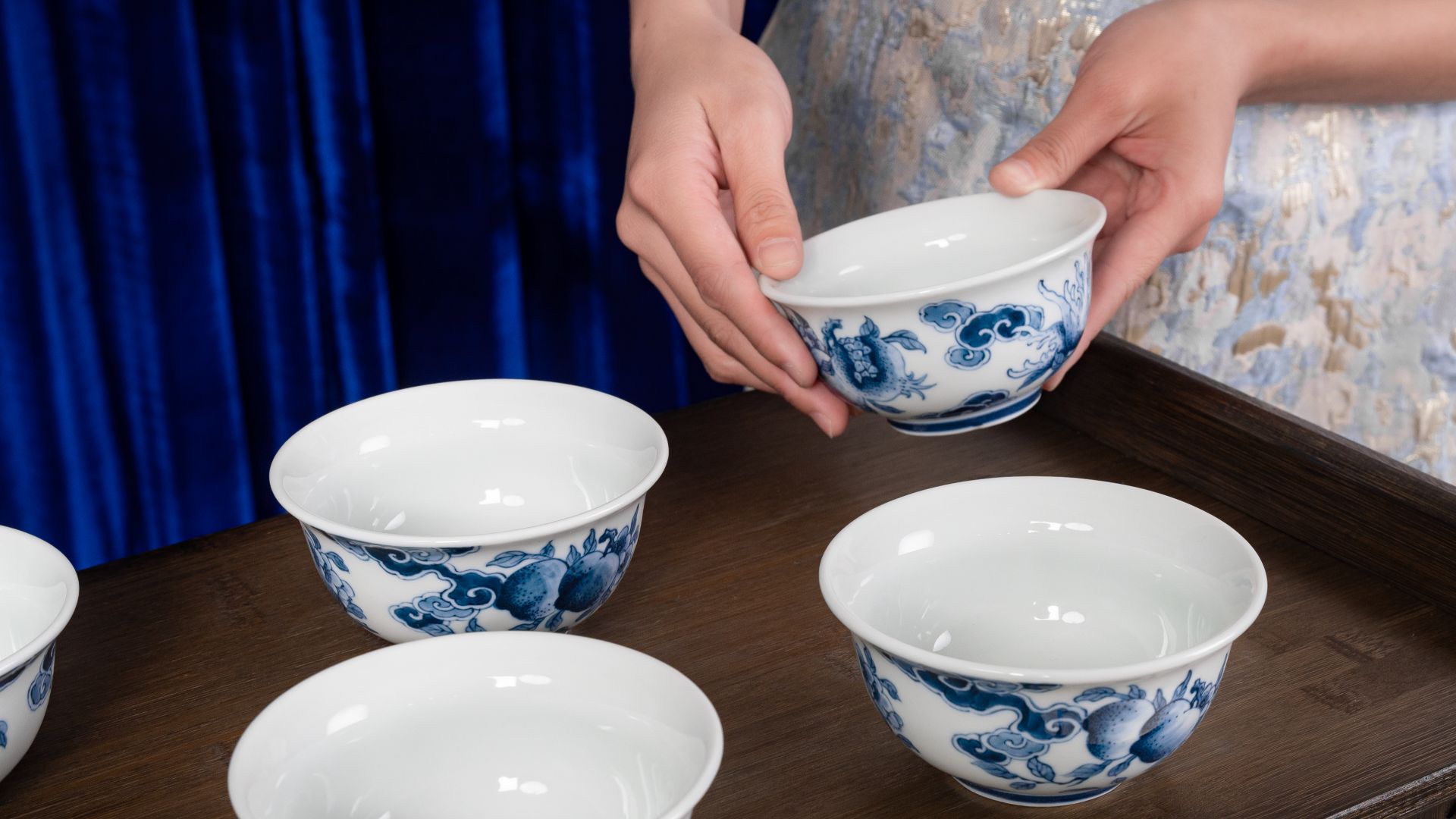
Age was only part of the story. The bowl's value came from its rarity, condition, historical importance, and connection to one of China's most celebrated ceramic traditions. Collectors are willing to pay enormous sums for pieces that check every box.
Hidden In Plain Sight
Perhaps the most amazing part is how ordinary the bowl appeared. Countless shoppers may have walked right past it at the yard sale. To most people, it looked like nothing more than a simple piece of pottery.
Every Treasure Hunter's Dream
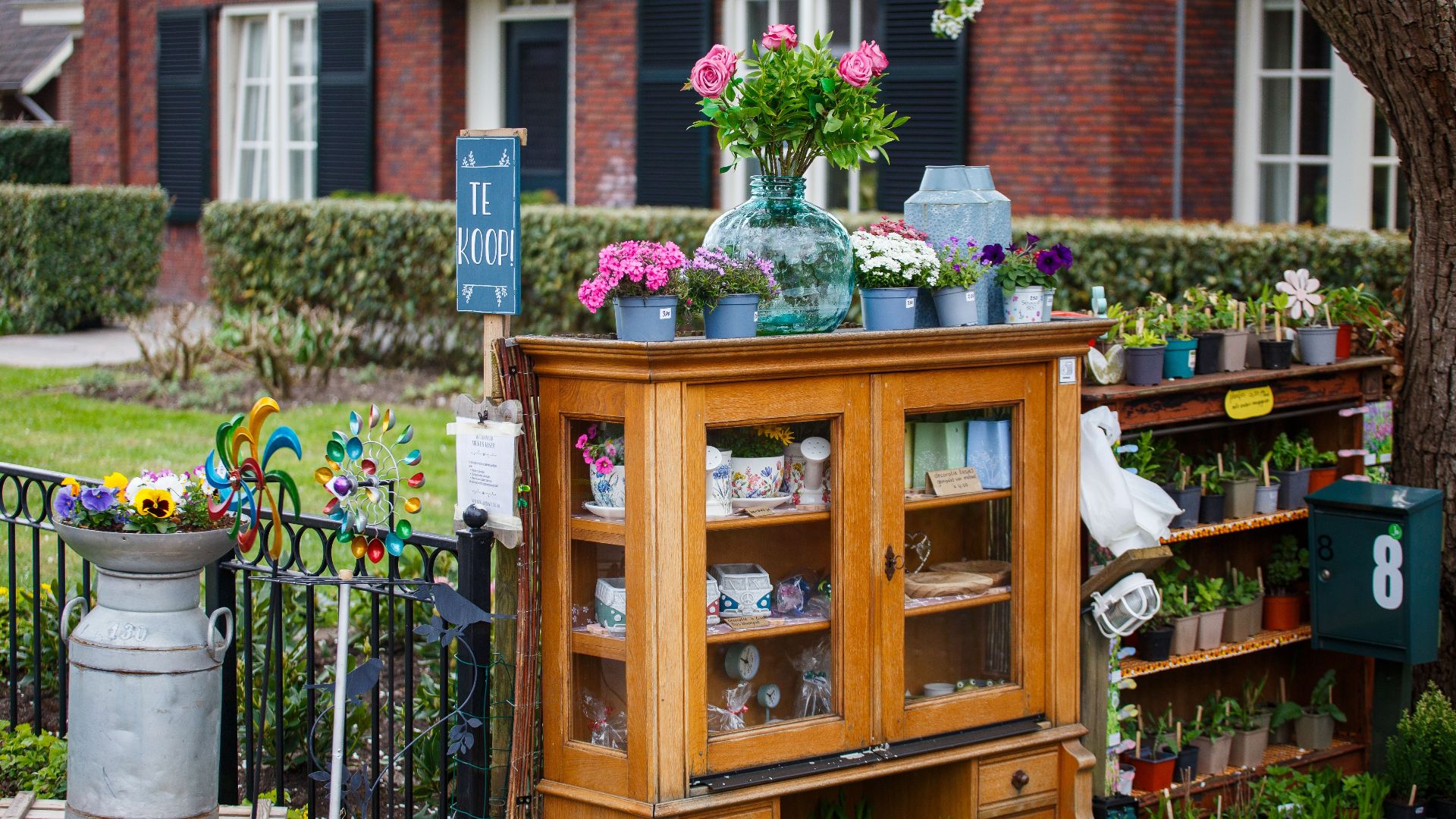
Anyone who enjoys browsing yard sales, flea markets, thrift stores, or estate sales has imagined finding something extraordinary. Very few people ever do. This family actually lived the dream.
The Legend Of The $3 Bowl
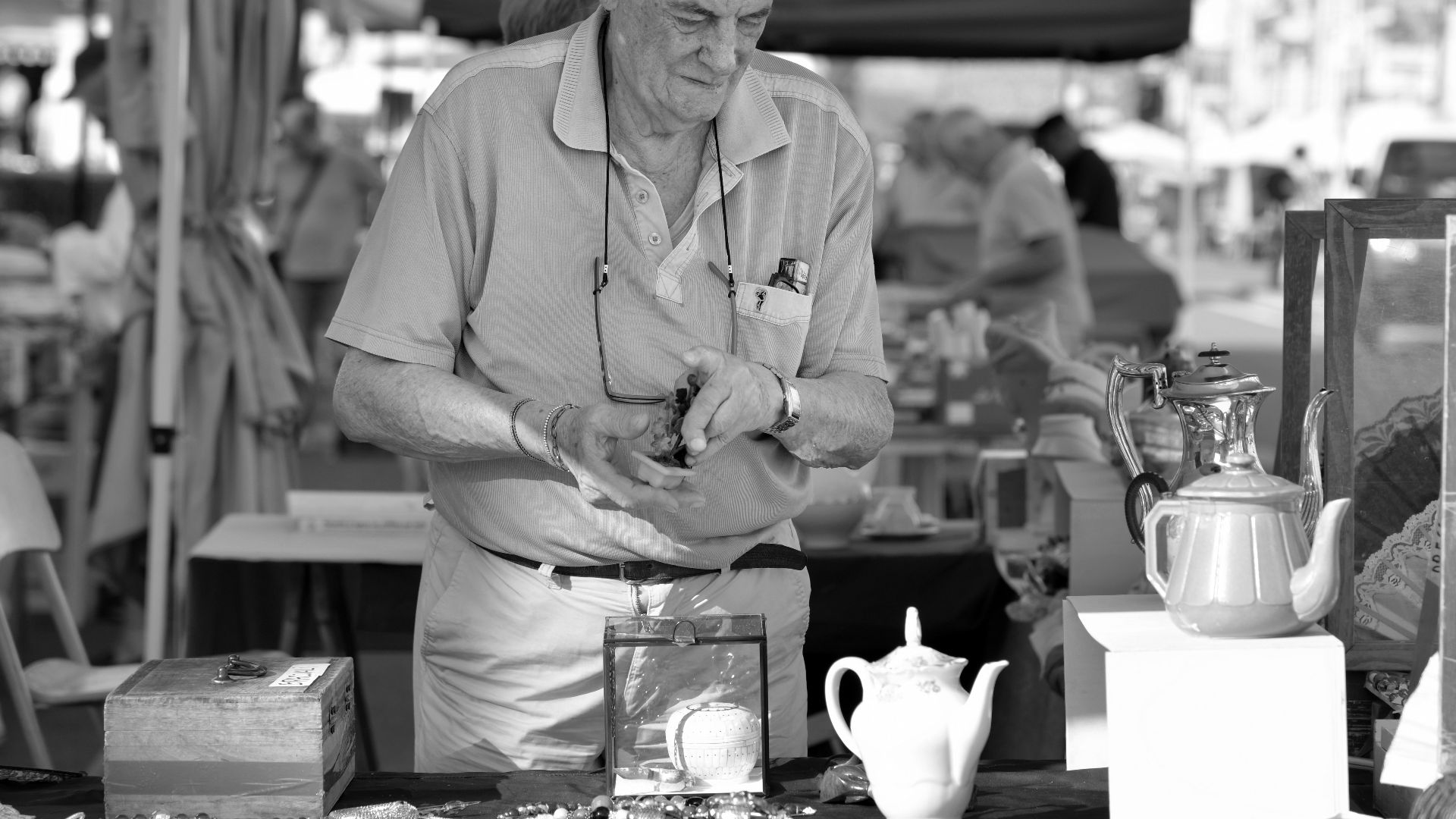
More than a decade after its sale, the story remains one of the most famous examples of hidden treasure ever discovered by ordinary people. All because someone decided to spend three dollars on something that looked interesting.
You Might Also Like: