Buying In A Neighborhood Where Crime Is Up Doesn't Have To Be The Be-All. End-All
When you bought your house, it felt like a win. The neighborhood had buzz, listings were competitive, and everyone—from your agent to your group chat—said you were smart to jump in when you did. It felt exciting. Validating. Responsible. Now? Your phone lights up with crime alerts, neighbors are tense, and recent home sales are making your stomach drop. It’s not just about money anymore—it’s about feeling safe, feeling settled, and wondering whether you made a huge mistake.

First, Don’t Panic (Even Though It Feels Personal)
When your neighborhood changes, it feels personal—like the rug was pulled out from under you. But housing markets don’t move on fairness or vibes. They move in cycles. Reacting out of fear often locks in losses, while slowing down gives you room to make smarter decisions. This isn’t about proving you were right or wrong. It’s about figuring out your next best move.

Separate Headlines From Reality On The Ground
Before assuming everything is falling apart, it’s worth asking what’s actually happening versus what feels amplified. Crime often feels worse because it’s pushed directly to our phones now. Home values can dip on paper even if demand hasn’t fully disappeared. Looking at real crime data, recent sales, and rental demand helps replace anxiety with clarity—and clarity changes everything.

Understand What’s Driving The Change
Neighborhoods don’t cool off randomly. Sometimes it’s a shift in policing, sometimes investor-heavy buying dries up, and sometimes broader economic stress starts showing up locally. The cause matters because some issues are temporary growing pains, while others signal longer-term challenges. Knowing which one you’re dealing with helps you decide whether to wait, adapt, or move on.
Get A Realistic Home Value Check
Online home estimates can feel comforting—or terrifying—but they’re rarely precise. A local real estate agent who actually works in your neighborhood, or an appraiser who sees the numbers clearly, can tell you what your home would realistically sell for today. That number might sting, but it’s power. You can’t plan around guesses.

Decide If This Is A Short-Term Or Long-Term Problem
One of the most important questions to ask yourself is how long you actually need this house to work for you. If you can stay put for several years, a temporary downturn may not matter much at all. If you were planning to move soon for work, family, or life reasons, flexibility becomes more important. Time changes everything in real estate.

Option One: Stay Put And Play Defense
If selling right now would mean locking in a big loss, staying may not be “giving up”—it may be playing the long game. Many neighborhoods wobble before stabilizing, and homeowners who can ride out the turbulence often fare better than those who bolt at the first sign of trouble.

Make Your Home Feel (And Be) Safer
Feeling unsafe takes a real emotional toll, so improving security isn’t just practical—it’s protective. Better lighting, visible cameras, reinforced doors, and smart alarms can significantly reduce risk and anxiety. These changes don’t just help you sleep better; they also make your home more attractive to future buyers or renters.

Get Involved Locally (Yes, It Actually Matters)
This part surprises people, but it matters more than you’d think. Neighborhoods improve faster when residents show up. Community meetings, local advocacy, and even just knowing your neighbors can change how resources are allocated and how problems are addressed. Stability doesn’t come from silence—it comes from participation.

Improve What You Can Control Inside The Property
You can’t fix a neighborhood overnight, but you can make your home stand out. Practical upgrades—like energy efficiency, modern finishes, or flexible layouts—help your property hold value even when the market is shaky. The goal isn’t to overspend; it’s to make your home adaptable and desirable.

Option Two: Rent It Out And Regain Flexibility
If selling feels like swallowing a loss you’re not ready to accept, renting can buy you time. It removes some of the emotional pressure while keeping your long-term options open.

Run The Numbers Honestly
Renting only works if the math makes sense. You’ll want to know whether rent can realistically cover your mortgage and ongoing costs, even if it doesn’t turn a profit. Breaking even is often good enough if it allows you to wait for better conditions.

Consider The “Accidental Landlord” Path
Most people don’t dream of becoming landlords—but many end up there temporarily. Renting for a few years, letting the area stabilize, and selling later from a stronger position is a common and often effective strategy. You don’t have to love it. You just have to survive it.

Option Three: Sell Strategically, Not Emotionally
Sometimes the healthiest move is to move on—but how you do it matters just as much as when.

Don’t Be The First To Panic-Sell
When fear hits a neighborhood, the first sellers usually take the biggest losses. If you decide to sell, doing it thoughtfully—pricing realistically, staging well, and marketing smartly—can make a real difference. A calm sale almost always beats a rushed one.
Explore Creative Exit Strategies
In softer markets, flexibility attracts buyers. Options like lease-to-own arrangements, seller financing, or targeting owner-occupants instead of investors can open doors that traditional listings don’t. Creativity can protect value when conditions aren’t ideal.
Watch For Early Signs Of Recovery
Neighborhoods often start improving quietly before prices catch up. New businesses opening, renovation permits increasing, and homes spending less time on the market can all signal that things are stabilizing. These small signs help guide timing and reduce guesswork.
Refinance If Rates Or Equity Allow
If interest rates dip or you still have enough equity, refinancing can lower your monthly burden and buy breathing room. Even small payment reductions can make staying or renting far more manageable during uncertain periods.

Protect Your Credit And Liquidity At All Costs
No matter which path you choose, protecting your financial foundation is non-negotiable. Staying current on payments, maintaining emergency savings, and avoiding high-interest debt will matter far more in the long run than squeezing out a perfect market move.
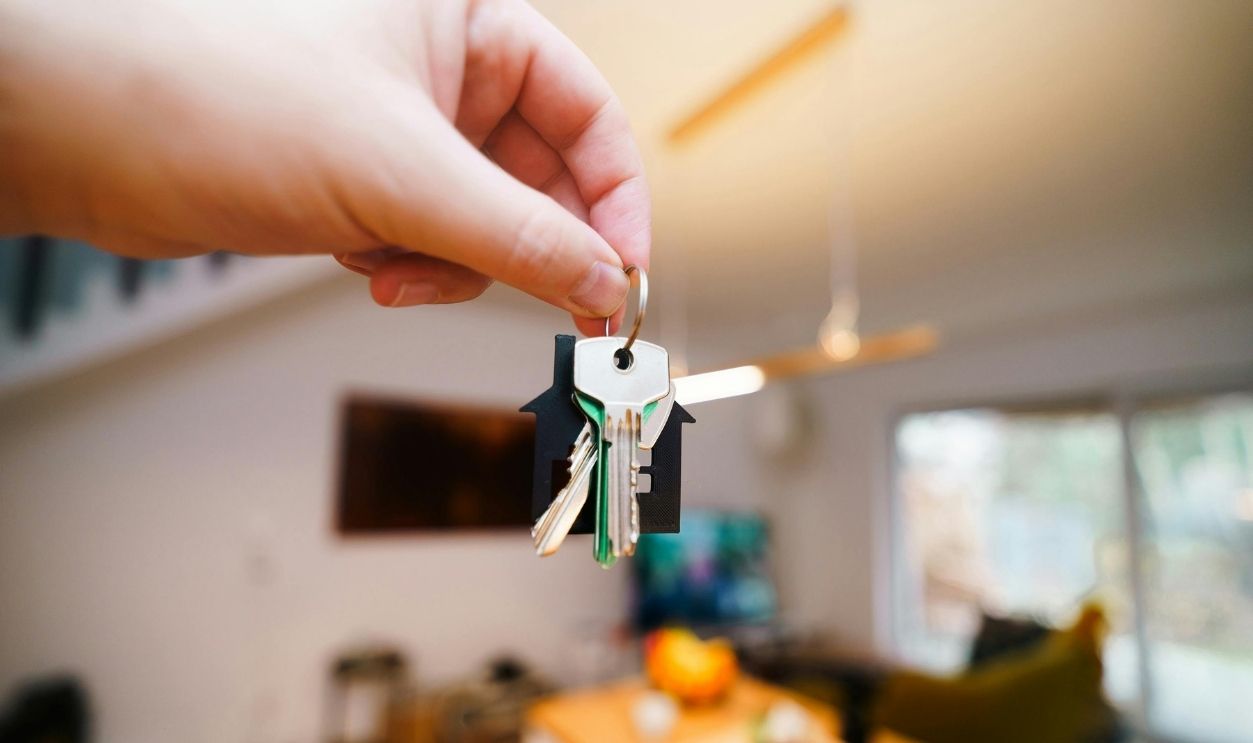
 Photo By: Kaboompics.com, Pexels
Reframe The Emotional Side Of Homeownership
Buying near a peak doesn’t mean you were reckless or naïve—it means you acted with the information you had. A home is shelter first and investment second, and neither defines your intelligence or worth. Markets shift. Life keeps moving.

Remember: Neighborhoods Are Stories In Progress
Some neighborhoods cool and never fully rebound. Others stumble, regroup, and come back stronger. The difference usually lies in infrastructure, engagement, and time—not panic. Today’s chapter doesn’t tell the whole story.

Build A Plan With Multiple Exit Ramps
The strongest position isn’t knowing exactly what will happen—it’s having options. Staying, renting, or selling should all remain on the table depending on how things evolve. Flexibility is how you stay in control when certainty is impossible.

When To Get Professional Help
If the stress feels heavy or the numbers feel overwhelming, getting help isn’t weakness—it’s strategy. Financial planners, housing counselors, and experienced local real estate professionals can help you see paths that are hard to spot when you’re emotionally close to the situation.

The Bottom Line: You’re Not Trapped
A changing neighborhood doesn’t doom your future. With good information, realistic expectations, and a flexible plan, you can protect yourself—and sometimes even come out ahead. Housing markets move in cycles, but homeowners who stay thoughtful and adaptable move forward with them.
You May Also Like:
Don't Just Throw Them Away—Important Documents That Everyone Should Remember To Shred