The Boy Who Was Already Thinking About Millions
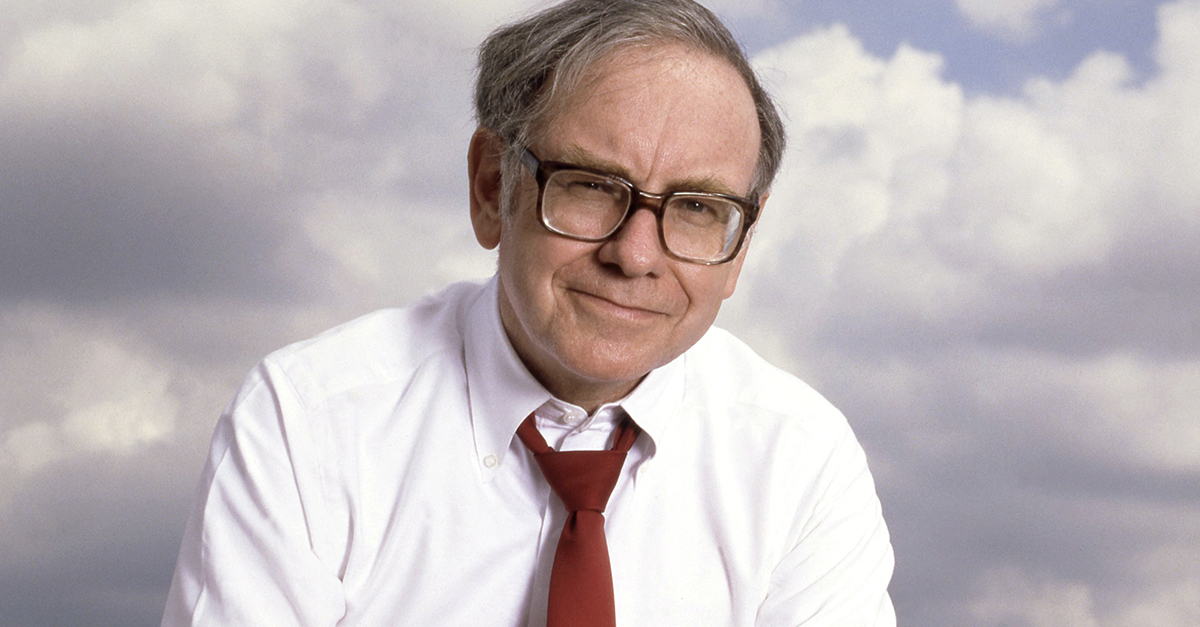
Most 10-year-olds in 1940 were more interested in toys than the stock market, but Warren Buffett was already fascinated by money. During a trip to New York City, he had lunch with a member of the New York Stock Exchange, an experience that helped shape his ambitions. Just two years later, at age 11, he would make his first stock purchase and begin one of the most remarkable investing careers in American history.
His Childhood Was Anything But Ordinary
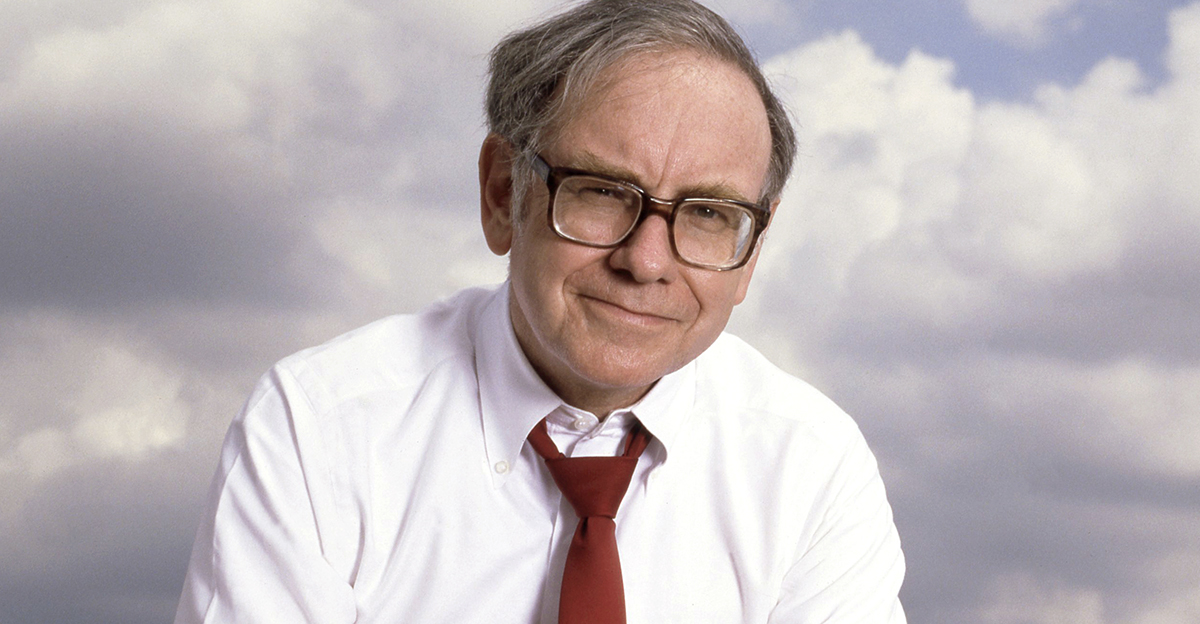
Warren Edward Buffett was born on August 30, 1930, in Omaha, Nebraska, as the United States struggled through the Great Depression. His father, Howard Buffett, worked in the investment business before entering politics, giving young Warren early exposure to financial markets. Growing up surrounded by economic uncertainty, Buffett developed an unusual fascination with how businesses made money and how wealth could accumulate.
He Started Making Money At Six
Buffett's entrepreneurial ambitions appeared long before he was old enough to invest in stocks. At approximately six years old, he was selling chewing gum and Coca-Cola, learning firsthand how buying products and reselling them could generate a profit. While the amounts were small, these experiences introduced him to the basic business principles that would eventually become central to his investing philosophy.
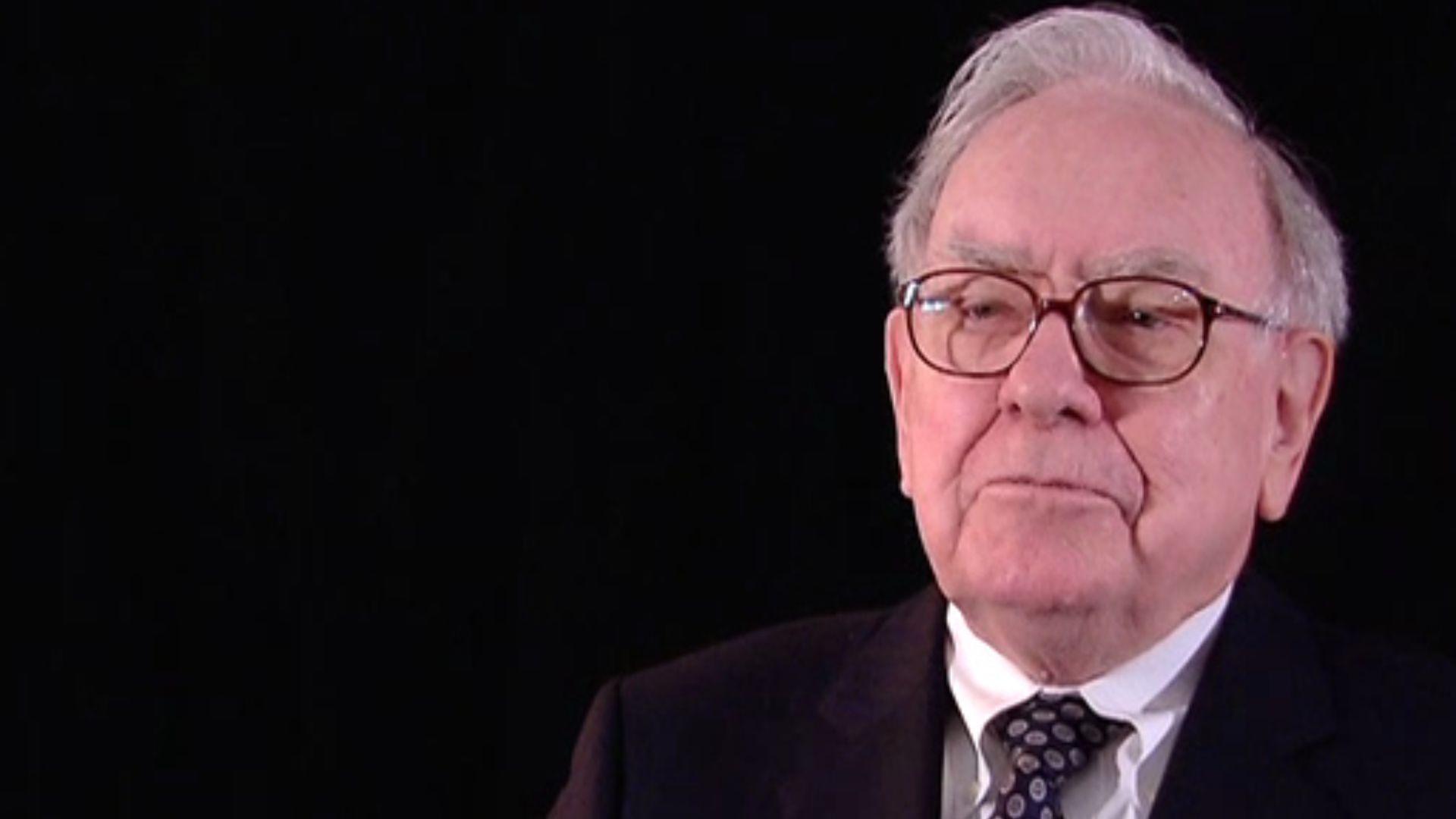
 Screenshot from Becoming Warren Buffett, HBO Documentary Films (2017)
One Book Captured His Imagination
At seven years old, Buffett discovered a book called One Thousand Ways To Make $1,000 at the Omaha Public Library. The book described different ways ordinary people could start businesses and earn money, and Buffett became fascinated by its possibilities. He later recalled practically memorizing it, an early indication that his interest in building wealth went well beyond a passing childhood hobby.
 Screenshot from Becoming Warren Buffett, HBO Documentary Films (2017)
His Father Offered An Unusual Birthday Present
When Buffett turned 10 in 1940, his father took him on a special trip to New York City. Howard Buffett had a tradition of taking each of his children on an East Coast trip when they reached that age. Warren was allowed to choose attractions that interested him, and his selections revealed just how differently he thought about the world.
 USA White House, Wikimedia Commons
His New York Wish List Was Remarkable
Rather than asking to visit famous tourist attractions, Buffett wanted to see the Scott Stamp and Coin Company, the Lionel Train Company, and the New York Stock Exchange. These destinations reflected his interests in collectibles, business, and financial markets. His father accommodated the requests, giving Warren an opportunity to experience the financial world he had previously encountered through books and his father's business.
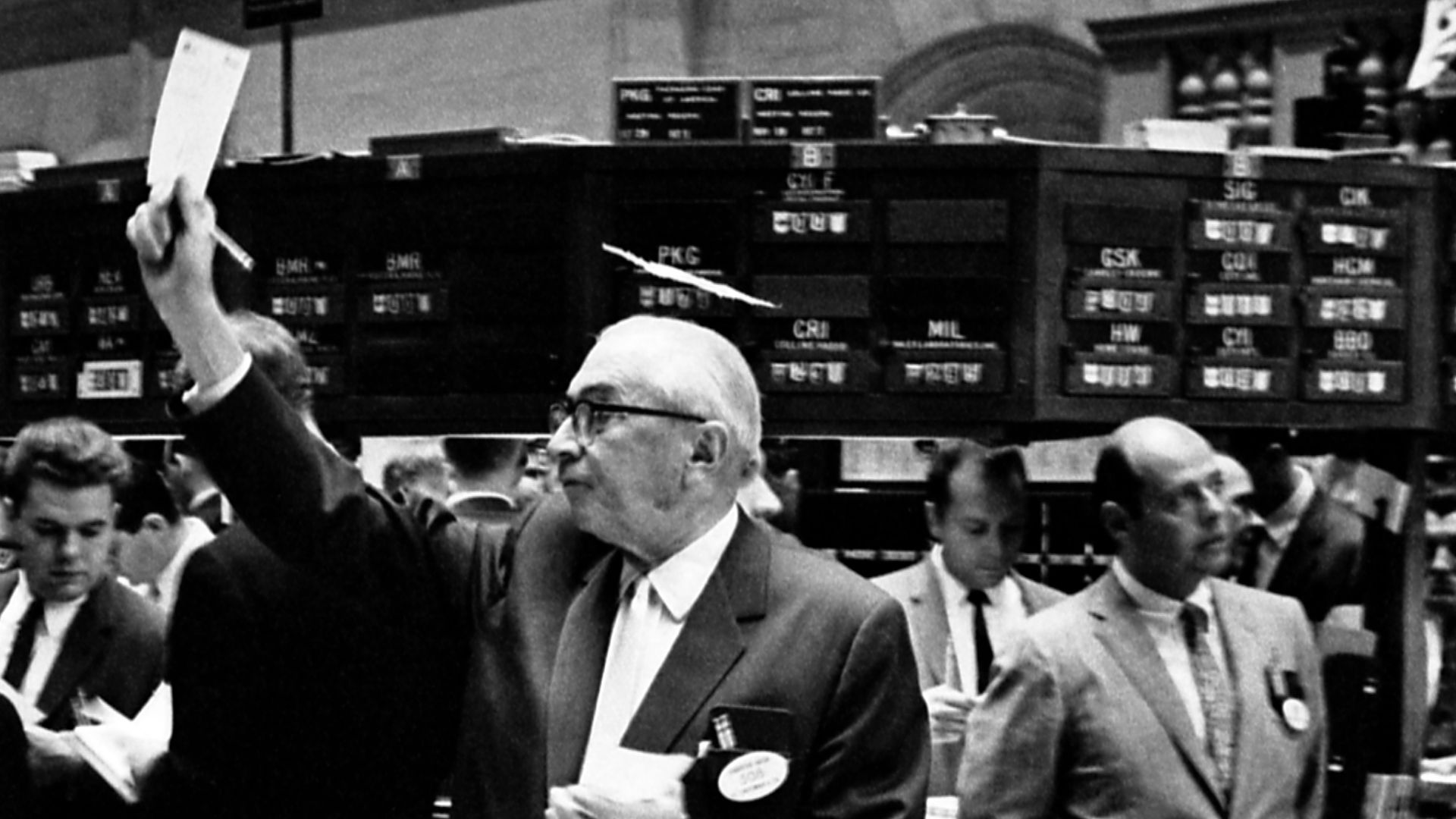 Thomas J. O'Halloran, Wikimedia Commons
He Met A Wall Street Powerhouse
During that New York trip, Howard Buffett introduced his son to Sidney Weinberg, a senior partner at Goldman Sachs. Weinberg was already an influential figure on Wall Street, but he took time to speak with the 10-year-old visitor about stocks. Buffett remembered the encounter decades later, and the relationship would eventually become part of Berkshire Hathaway's long history with Goldman Sachs.
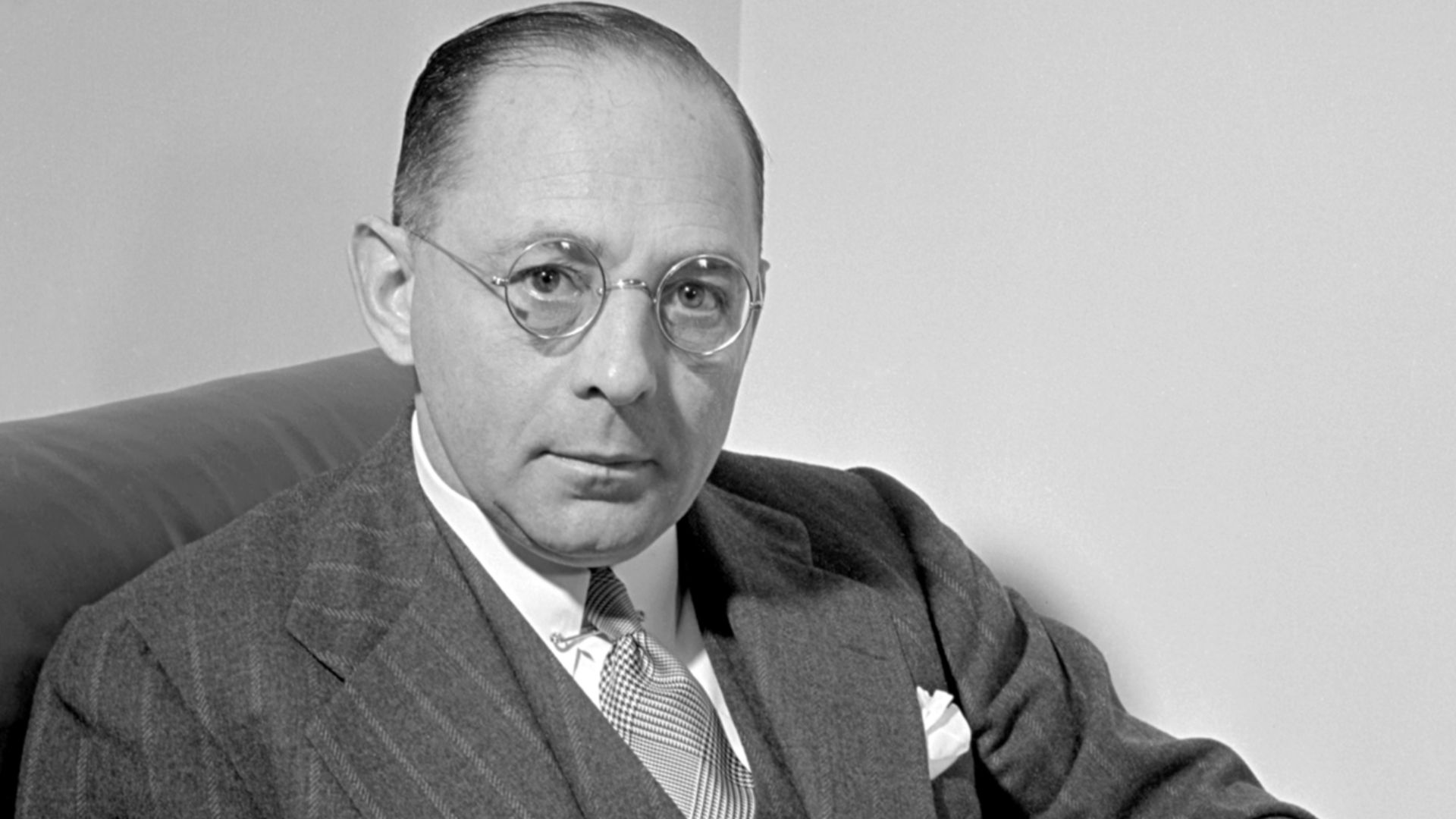 United States Office of War Information/Farm Security Administration, Wikimedia Commons
Then Came The Lunch That Changed Everything
The most memorable experience came during a visit to the New York Stock Exchange, where Warren and his father had lunch with At Mol, a Dutchman who was a member of the exchange. Buffett was impressed by the atmosphere and the apparent wealth surrounding the institution. One seemingly insignificant detail from that lunch would remain with him for the rest of his life.
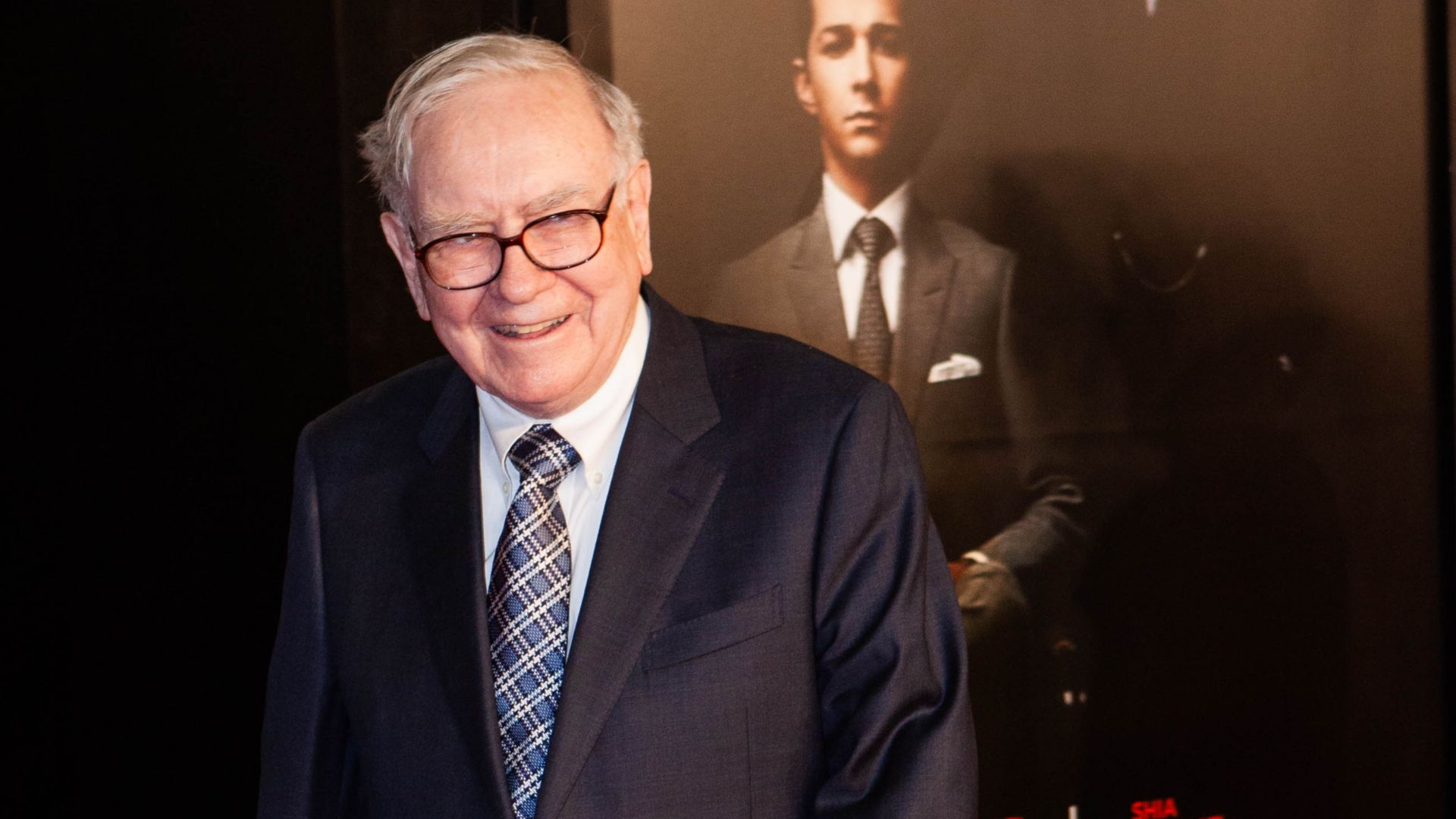 Anthony Quintano, Wikimedia Commons
A Custom-Made Cigar Made A Lasting Impression
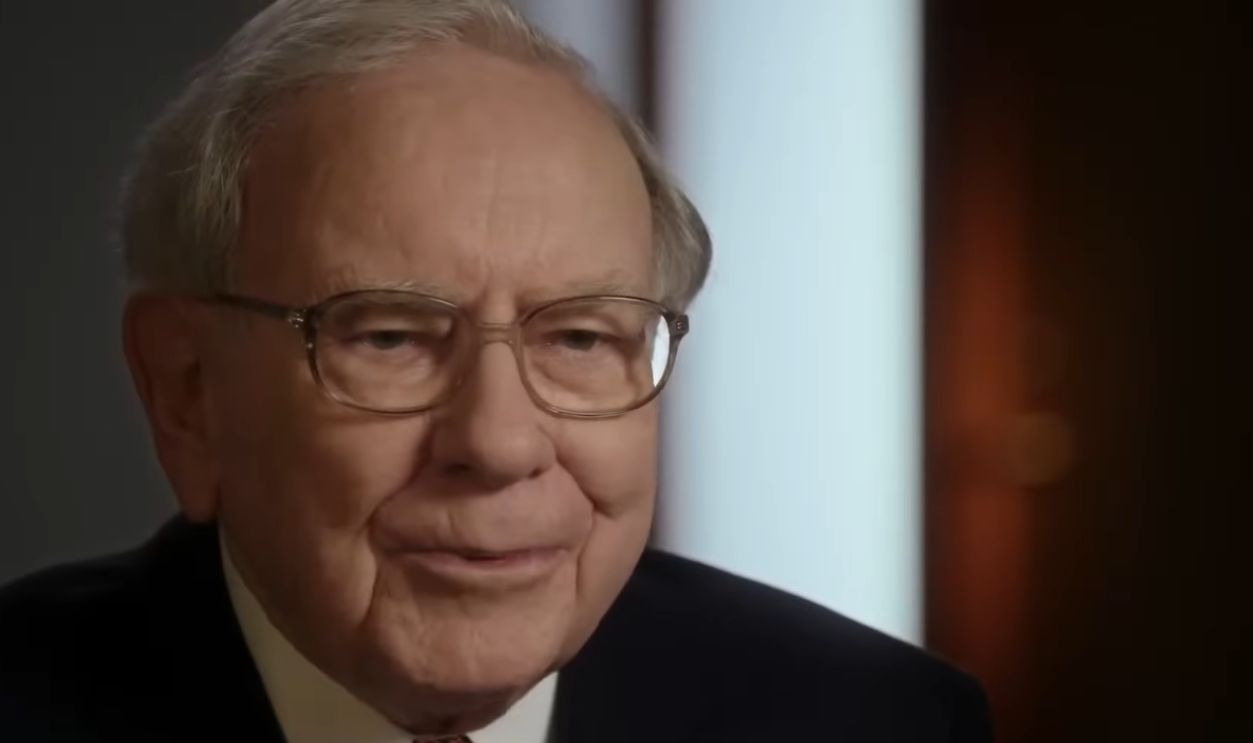
After lunch, Buffett watched a man approach their table carrying an assortment of tobacco leaves. The man allowed Mol to select his preferred leaves before preparing a cigar specifically for him. Young Warren was fascinated by the luxury of the arrangement, interpreting the personalized service as evidence of the extraordinary wealth associated with Wall Street.
 Screenshot from Becoming Warren Buffett, HBO Documentary Films (2017)
He Saw What Money Could Really Buy
Buffett's fascination with the cigar service was not about tobacco or expensive habits. As he later explained to biographer Alice Schroeder, he saw financial success as a way to achieve independence and control over his own life. The exchange visit helped crystallize that ambition, transforming his childhood interest in making money into something much more serious.
He Was Already Studying The Stock Market
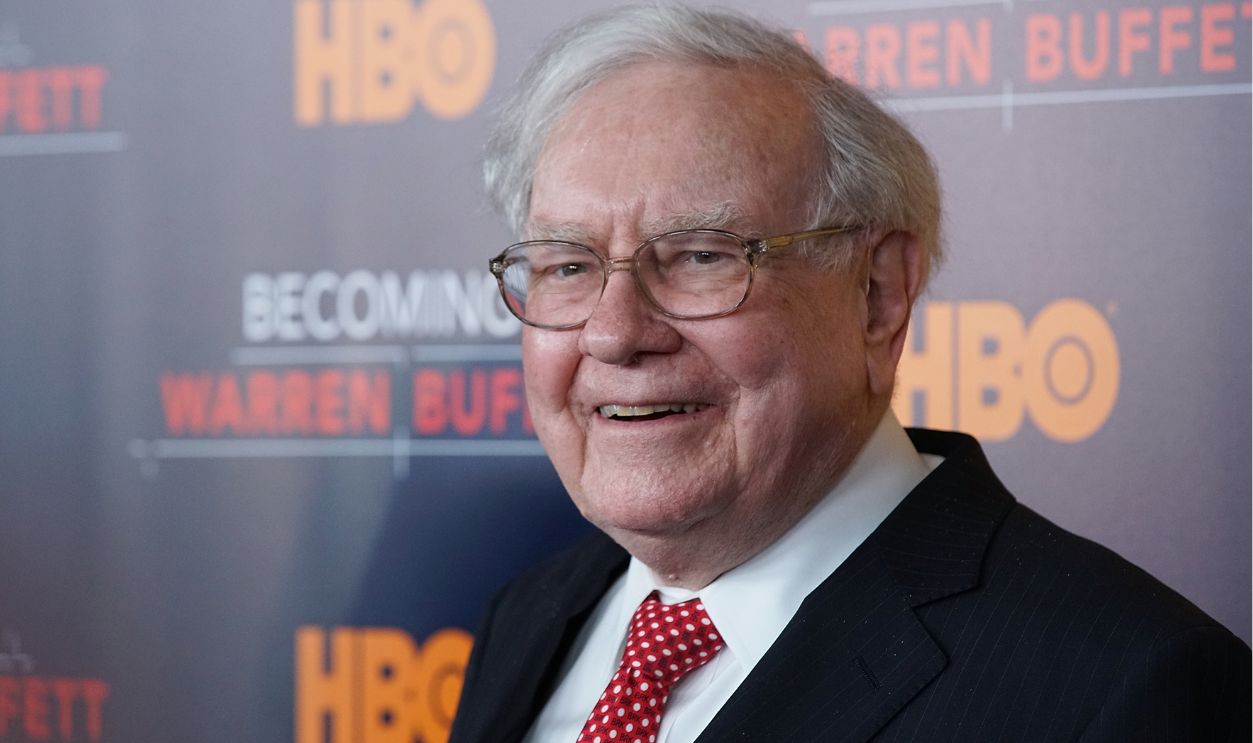
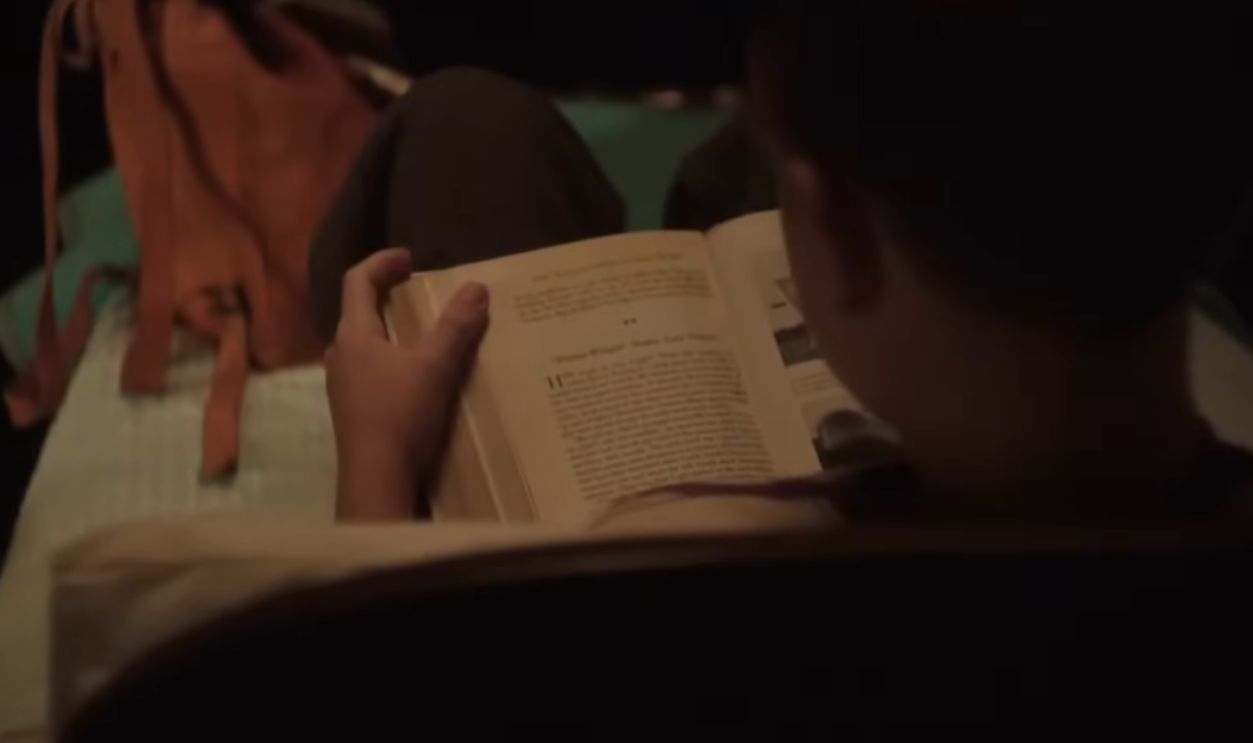
By the time Buffett began buying shares, he had spent years developing an interest in investments. He read extensively about the subject and spent time learning about the securities business that employed his father. In a 2011 interview with Vanity Fair, Buffett said he had read every investing book available at the Omaha Public Library by age 11.
 Screenshot from Becoming Warren Buffett, HBO Documentary Films (2017)
His First Stock Purchase Came During World War II
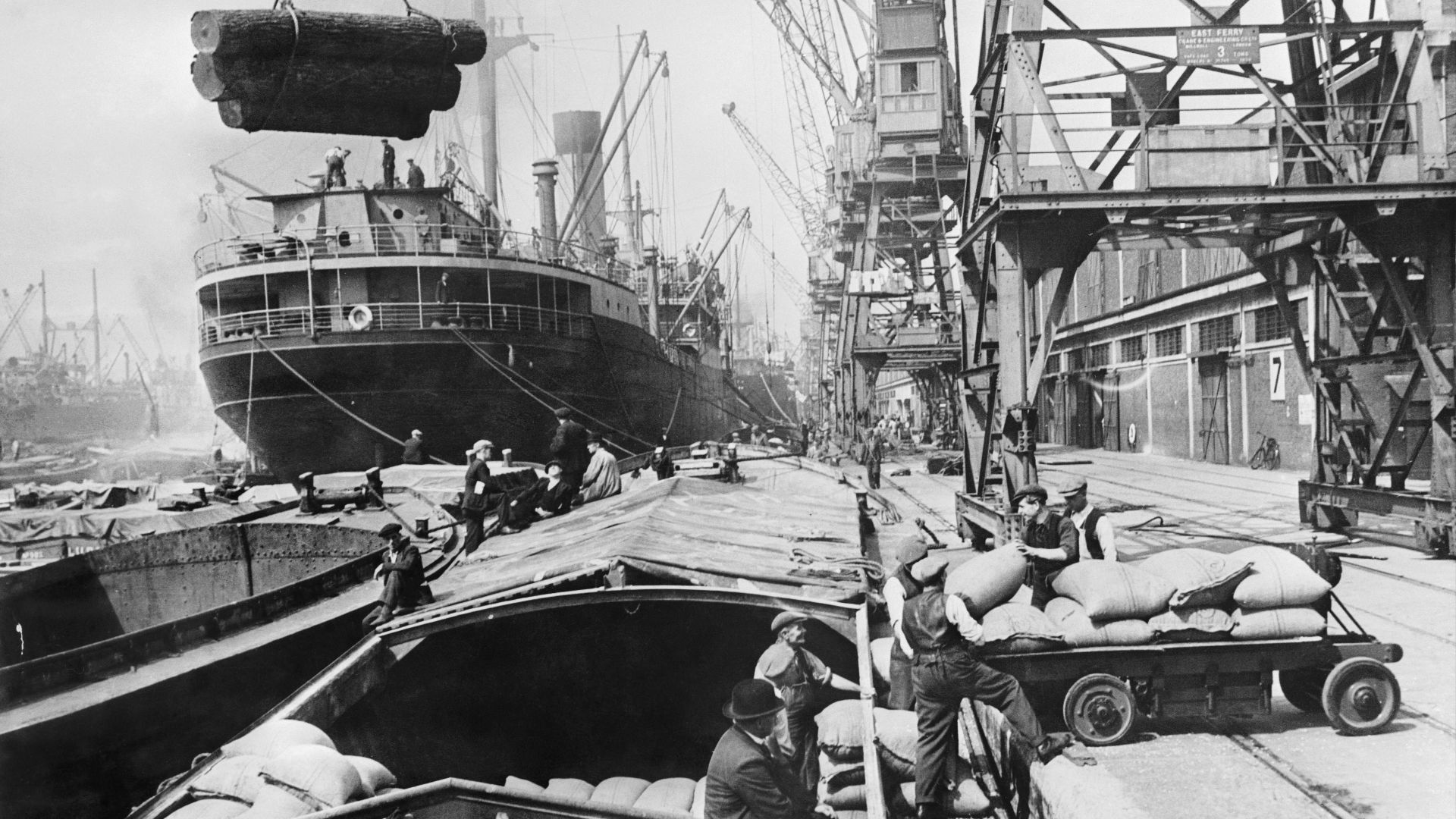
On March 11, 1942, an 11-year-old Buffett invested $114.75 of his savings in three shares of Cities Service preferred stock. The United States had entered World War II only months earlier, and financial uncertainty was widespread. Nevertheless, Buffett decided to put money he had accumulated since childhood into the stock market, officially beginning his investing journey.
 Ministry of Information Photo Division Photographer, Wikimedia Commons
His Sister Joined The Investment
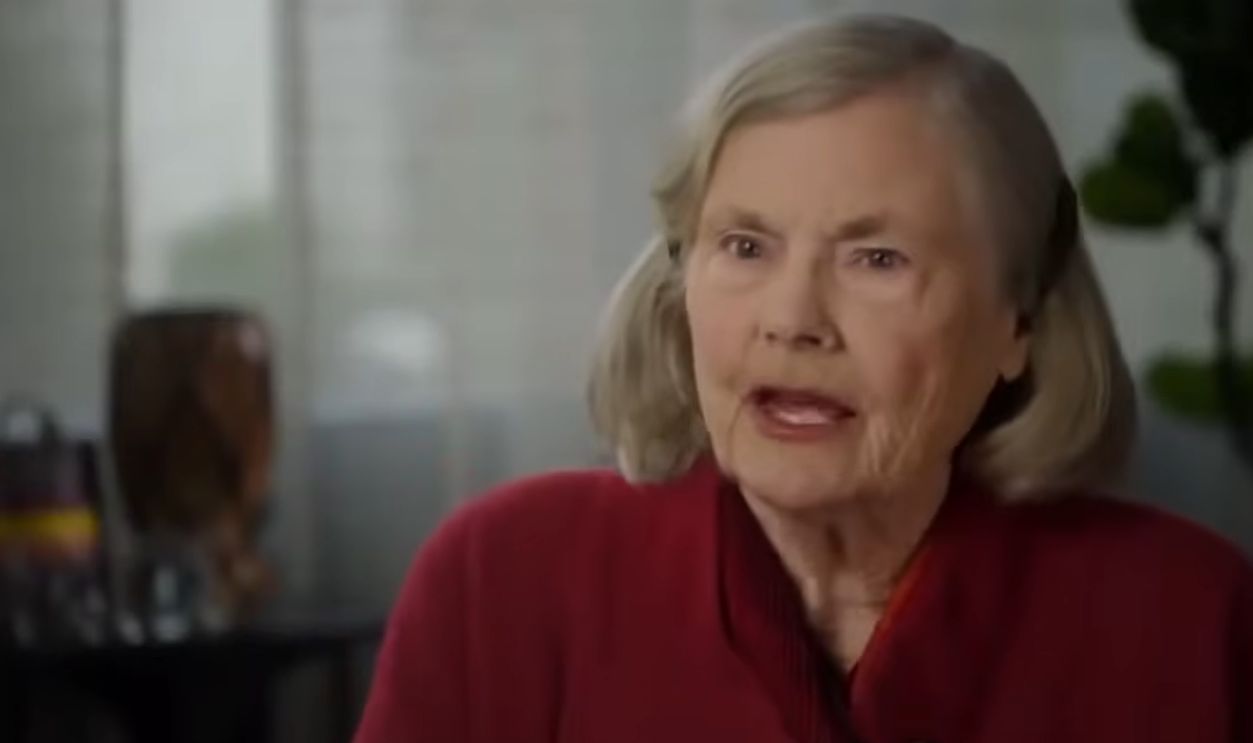
Buffett did not make that first investment entirely alone, because his sister Doris also purchased three shares of Cities Service preferred stock. Warren's three shares represented his own investment, while Doris held an equivalent position. The siblings were about to discover that owning stocks could be considerably more stressful than simply reading about them.
 Screenshot from Becoming Warren Buffett, HBO Documentary Films (2017)
The Stock Immediately Tested His Nerves
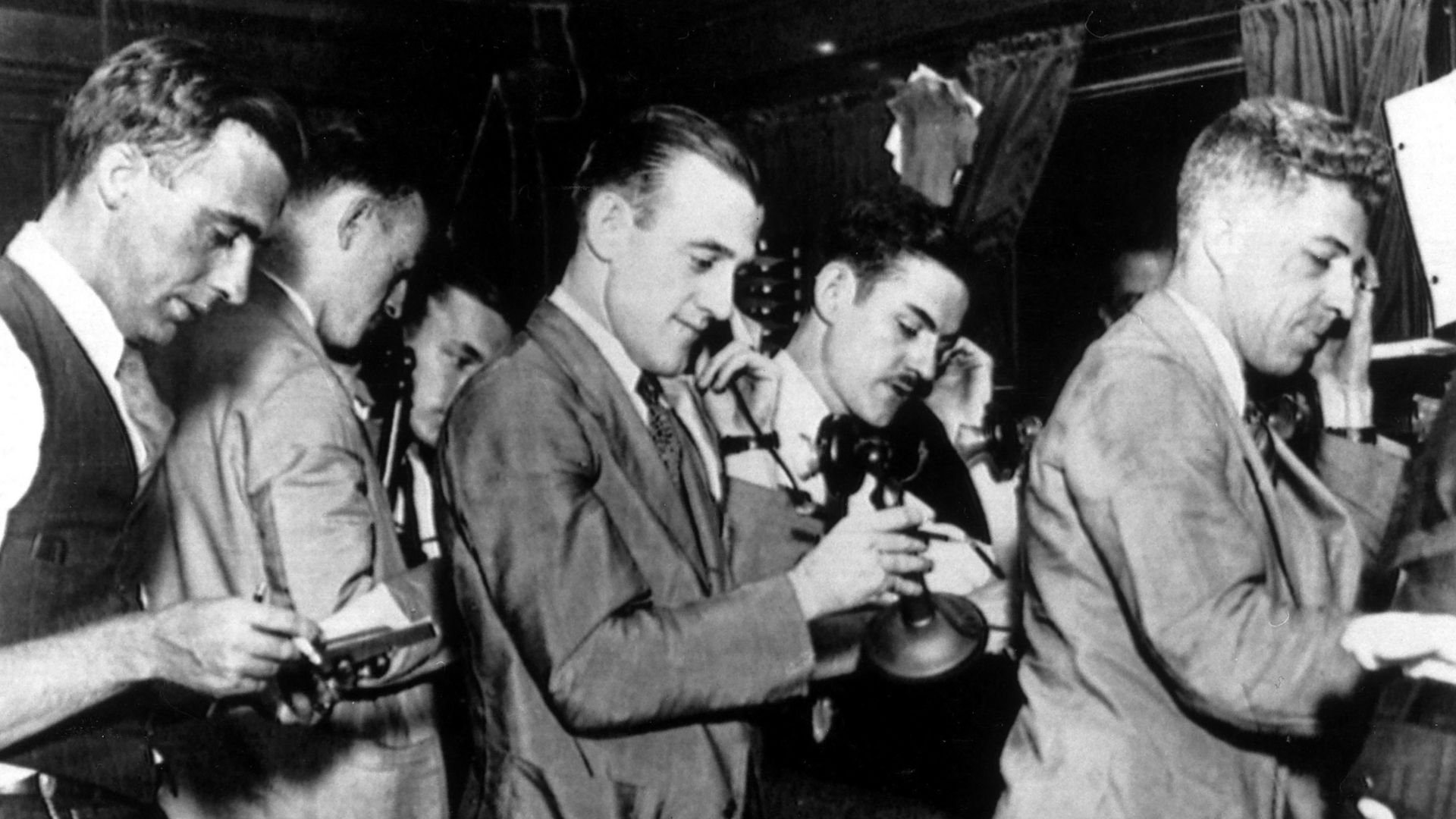
Buffett purchased his Cities Service shares at approximately $38 each, but the price subsequently declined to around $27. For an experienced investor, such a decline might have been an uncomfortable setback, but for an 11-year-old investing his savings, it was an especially memorable introduction to market volatility. The experience demonstrated that buying a stock did not guarantee an immediate profit, regardless of how confident an investor felt.
 Associated Press, Wikimedia Commons
He Sold As Soon As He Made A Profit
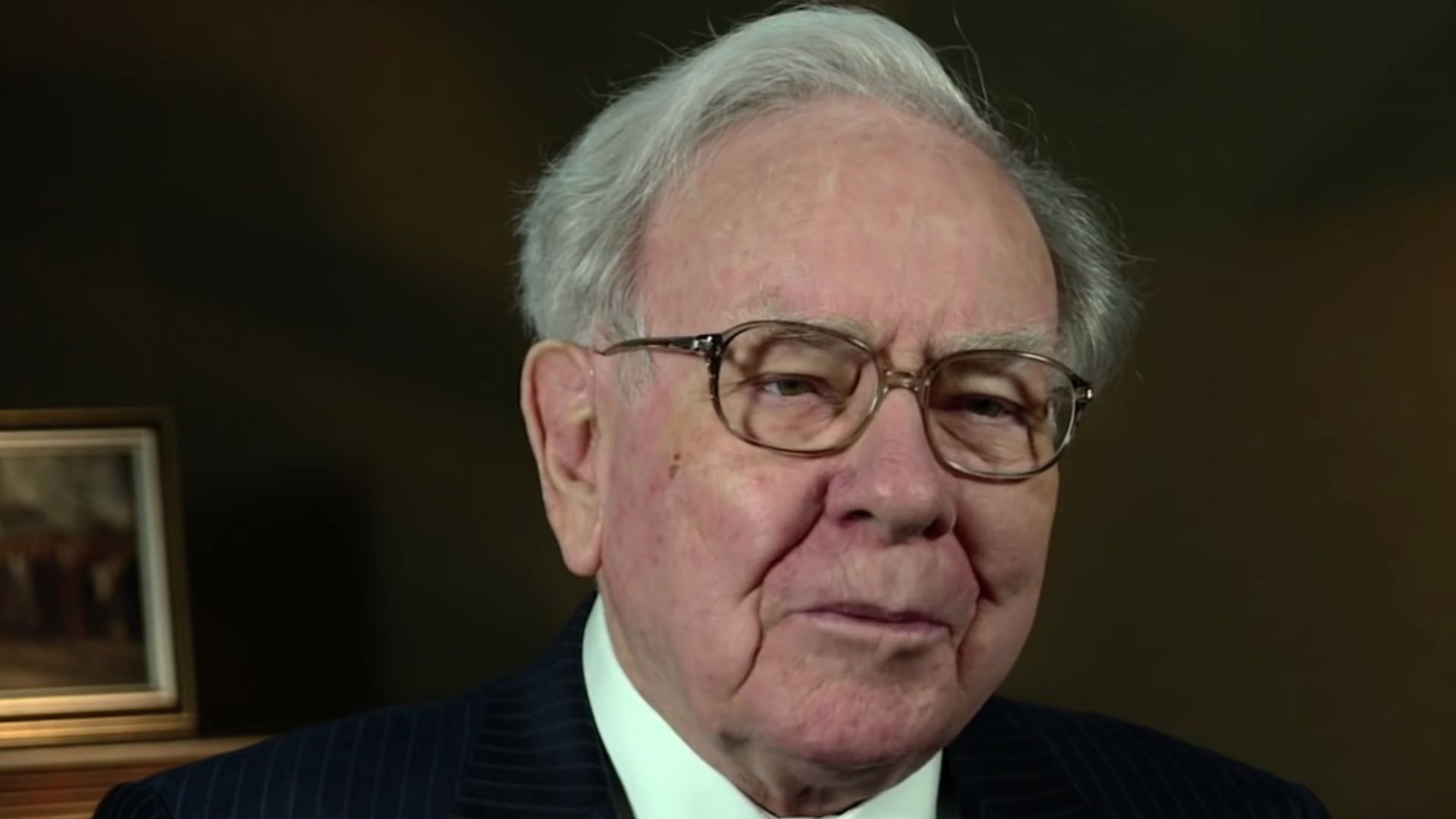
After falling, Cities Service eventually recovered, allowing Buffett to sell his shares for approximately $40 apiece. He had earned a modest profit and escaped the uncertainty that accompanied the earlier decline. At first, selling looked like a successful decision, but what happened afterward would teach Buffett an even more important lesson.
 USA International Trade Administration, Wikimedia Commons
Then He Watched The Stock Soar
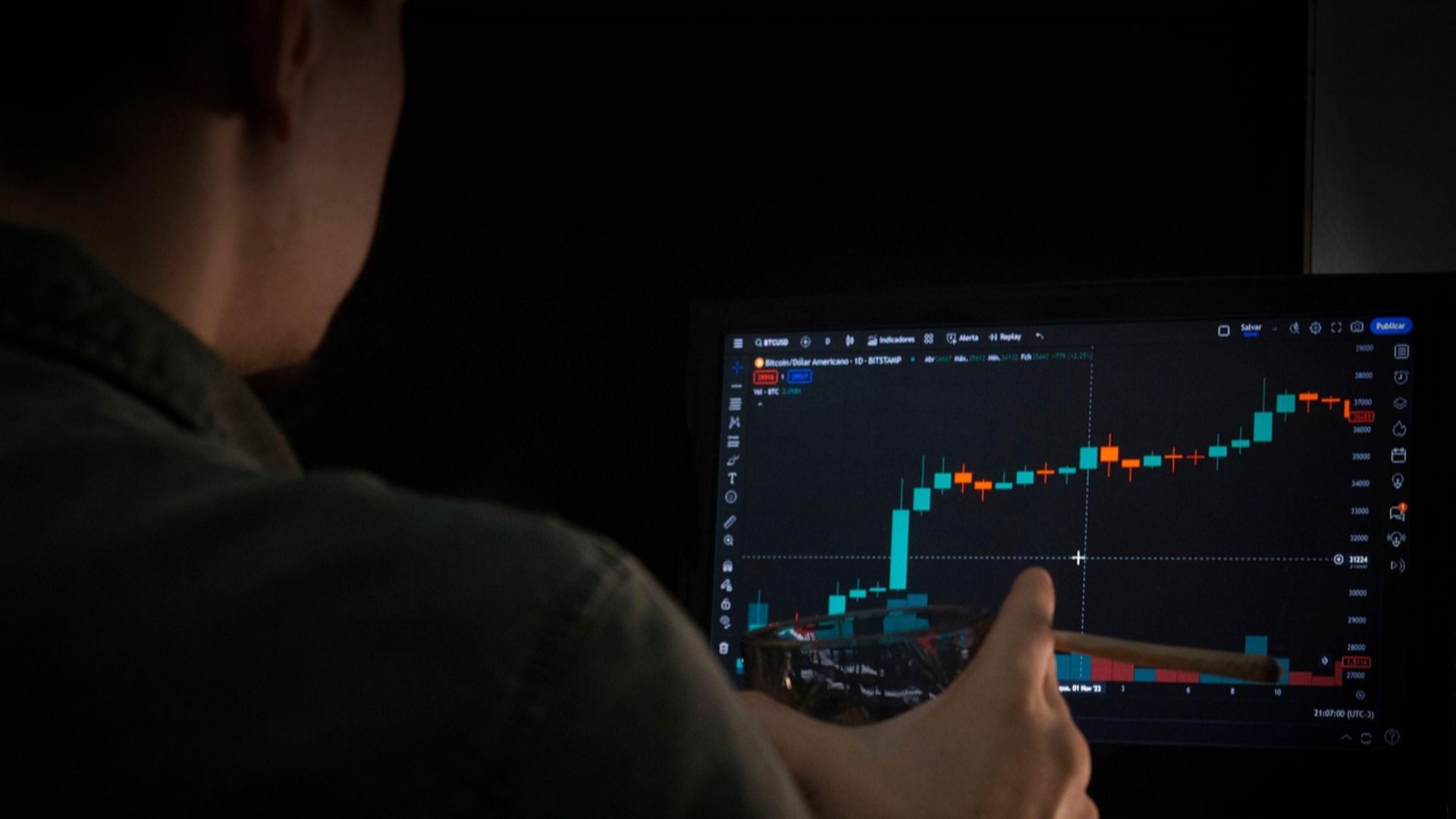
After Buffett sold his shares, Cities Service continued climbing and eventually reached approximately $200 per share. The young investor had secured a small gain but missed a much larger increase by selling early. Buffett later identified this experience as an important lesson about patience, a principle that would become closely associated with his approach to long-term investing.
He Was Running Businesses Before High School Ended
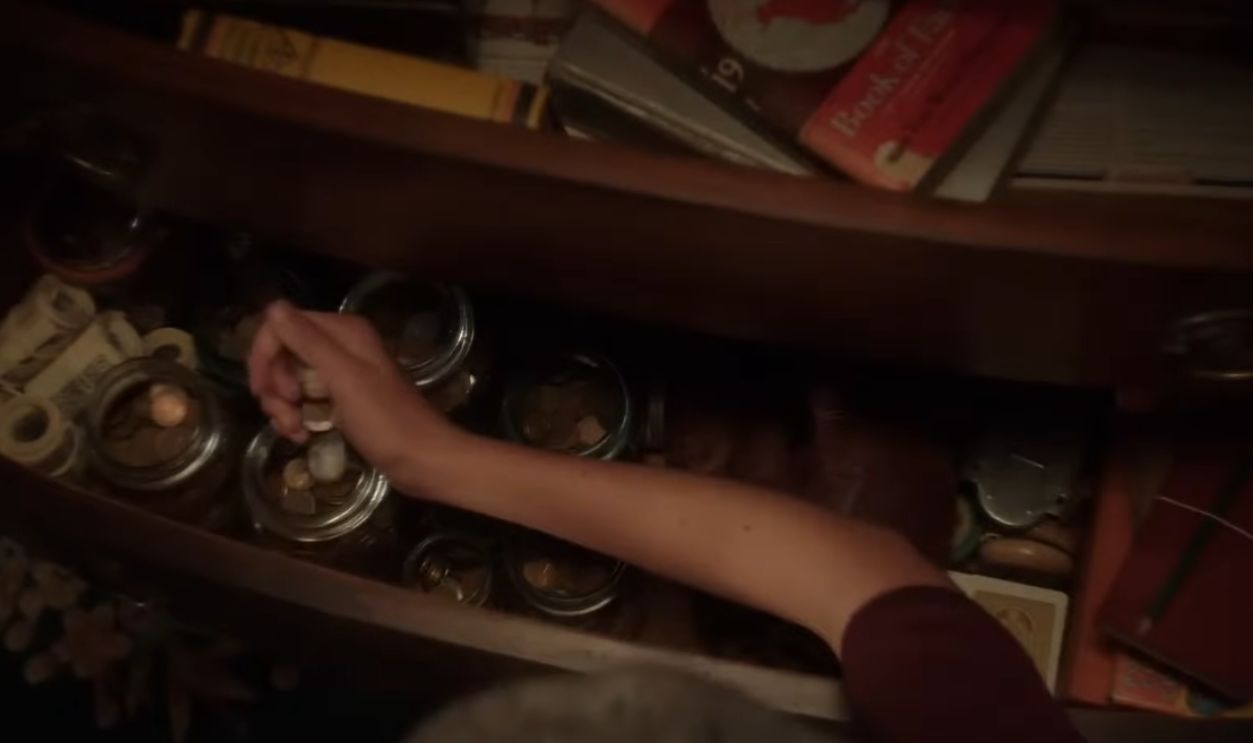
Buffett continued pursuing entrepreneurial opportunities throughout his teenage years, including newspaper delivery, magazine sales, and other small ventures. When his father entered Congress, the family moved to the Washington, D.C., area, where Warren continued finding ways to earn money. His newspaper routes eventually became a substantial source of income, reinforcing his appreciation for businesses capable of generating steady cash.
 Screenshot from Becoming Warren Buffett, HBO Documentary Films (2017)
He Even Invested In Farmland
During his teenage years, Buffett purchased approximately 40 acres of Nebraska farmland for $1,200. The property was worked by a tenant farmer, giving Buffett exposure to earning income from an asset rather than relying entirely on his own labor. It was an early example of a principle that would matter throughout his career: owning productive assets could generate returns beyond the original investment.
 Tony Webster, Wikimedia Commons
A Pinball Machine Became A Profitable Business
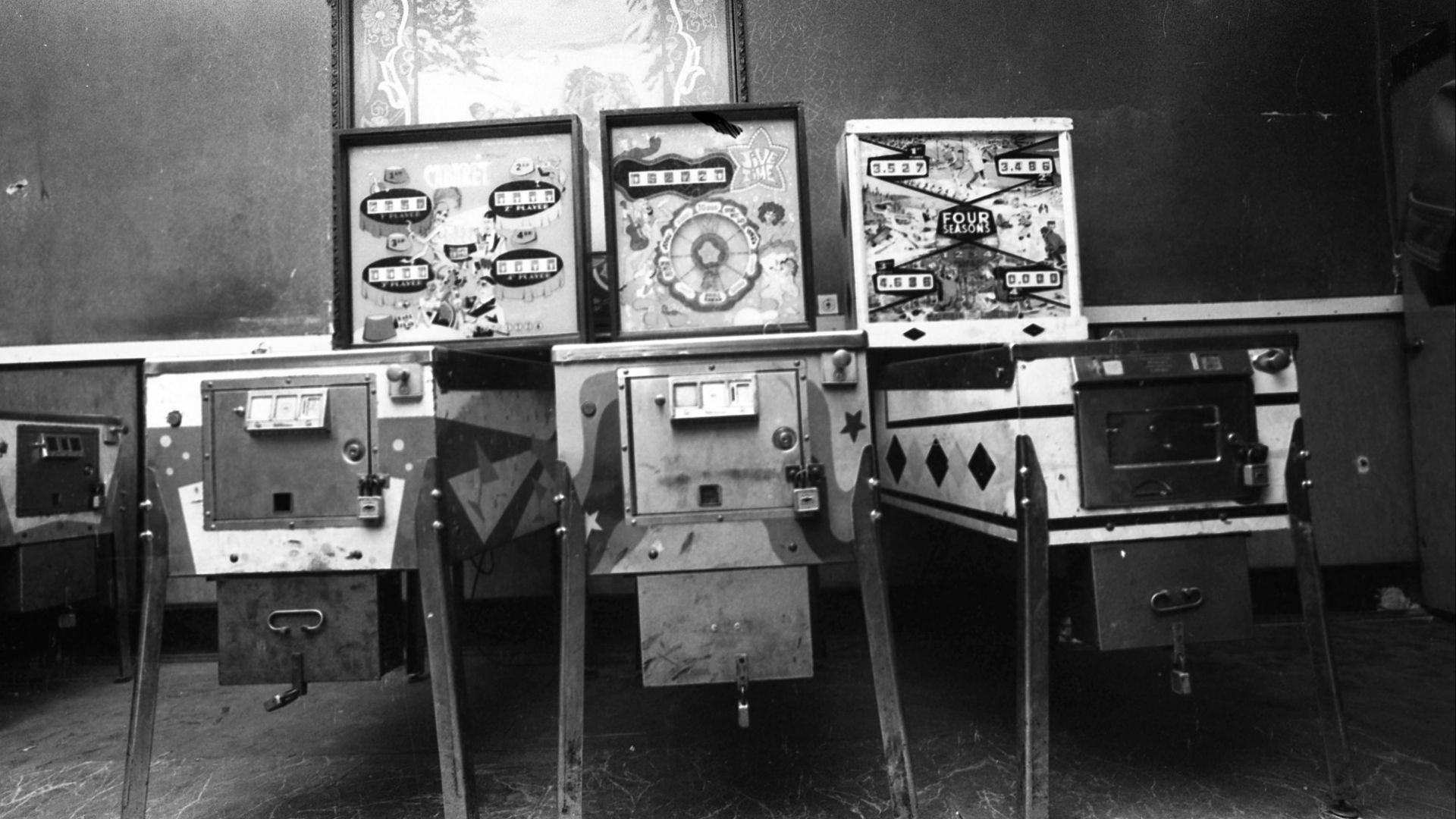
While attending high school, Buffett and a friend purchased a used pinball machine for $25 and installed it in a barbershop. The venture generated enough money to expand into additional locations, creating a small network of coin-operated machines. They eventually sold the business for $1,200, demonstrating Buffett's ability to identify an opportunity, reinvest profits, and turn a modest initial purchase into something more valuable.
He Had Nearly $10,000 Before His Career Began
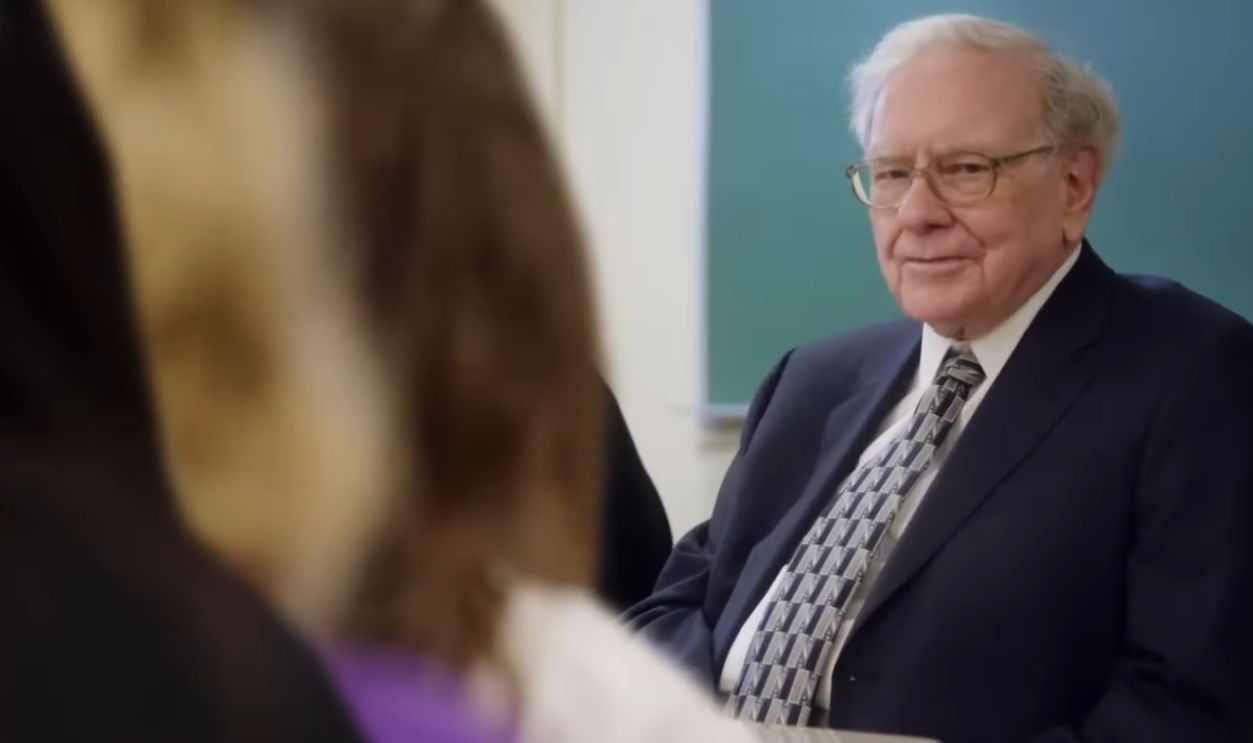
By the time Buffett completed his undergraduate education, he had accumulated approximately $9,800 through his businesses and investments. This was a substantial amount for a young man in the early 1950s, particularly considering that much of it came from relatively modest commercial activities. His success demonstrated how consistently saving earnings and pursuing profitable opportunities could build capital long before someone established a conventional career.
 Screenshot from Becoming Warren Buffett, HBO Documentary Films (2017)
College Introduced Him To A New Philosophy
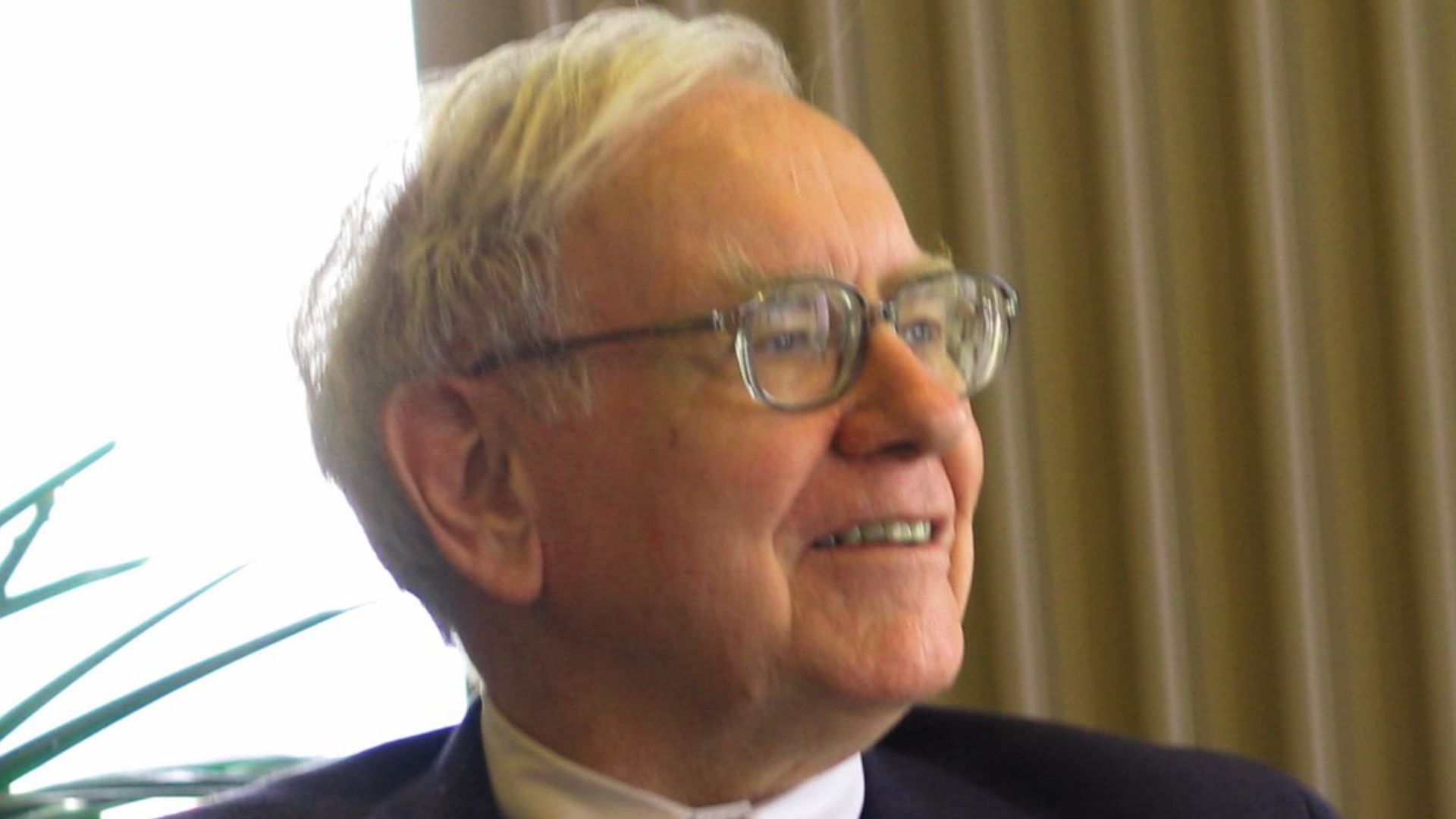
Buffett attended the University of Pennsylvania's Wharton School before transferring to the University of Nebraska, where he completed his undergraduate degree. His next educational move would prove particularly influential because he wanted to study under Benjamin Graham, the renowned investor and author of The Intelligent Investor. Buffett enrolled at Columbia University, where Graham's teachings provided a framework for evaluating investments based on their underlying economic value.
 Mark Hirschey, Wikimedia Commons
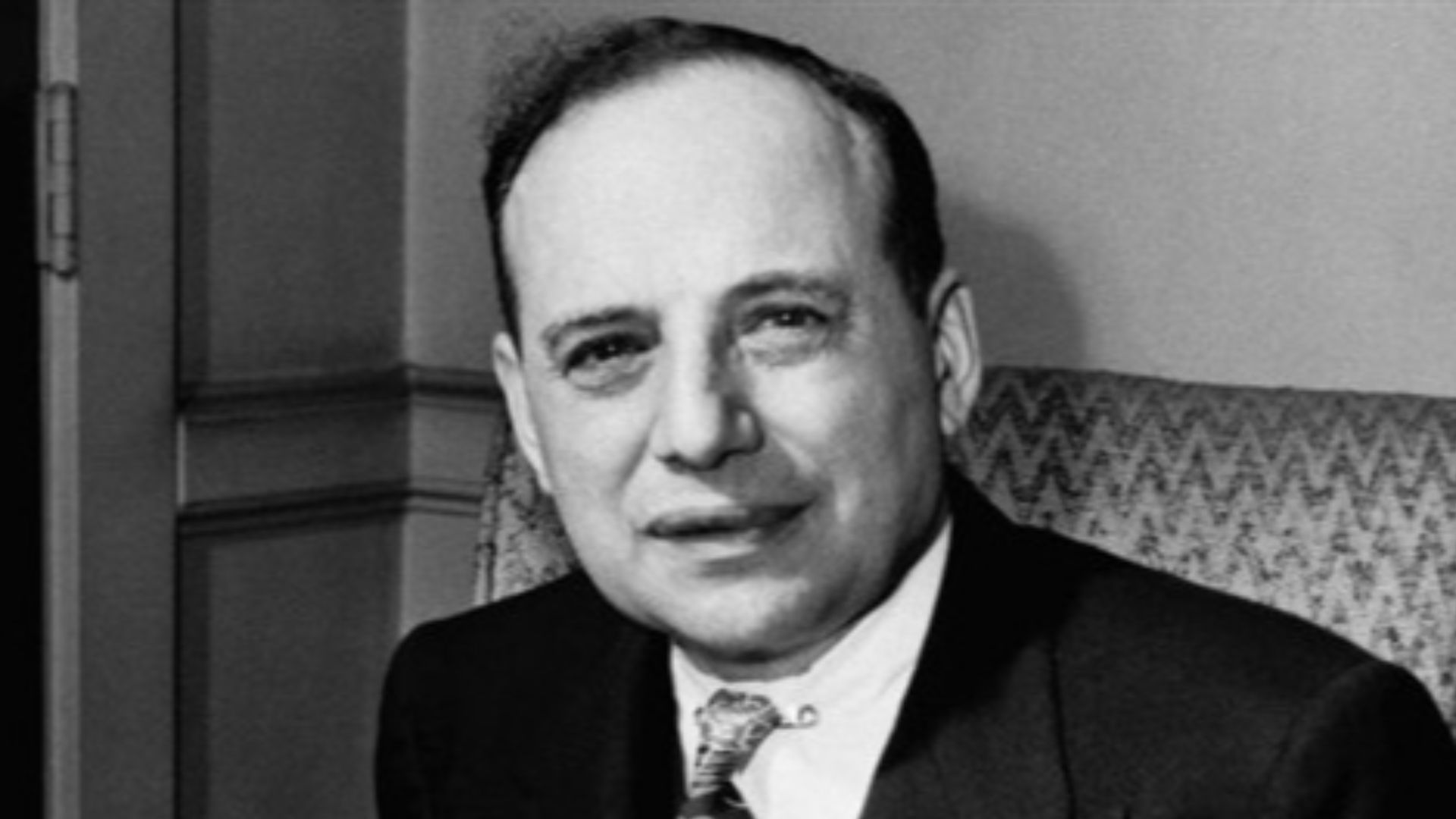
Benjamin Graham Changed How He Invested
Graham emphasized purchasing securities for less than their estimated intrinsic value, an approach that became known as value investing. This philosophy encouraged investors to focus on financial fundamentals rather than short-term market enthusiasm. For Buffett, who had already experienced the frustration of selling a rising stock too early, Graham's disciplined approach offered a more systematic way to make investment decisions.
 AnonymousUnknown author, Wikimedia Commons
A Saturday Visit Opened Another Door
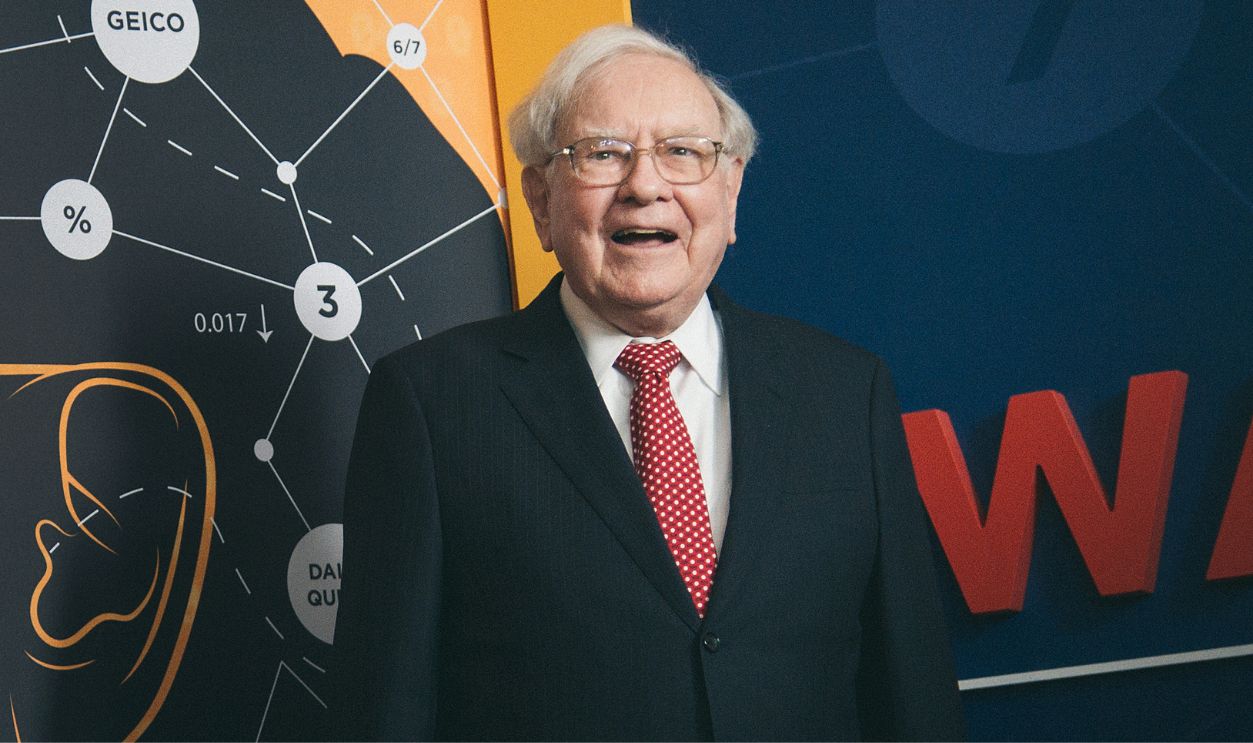
In 1951, Buffett discovered that Benjamin Graham was involved with an insurance company called GEICO and decided to investigate it personally. He traveled to Washington, D.C., and arrived at the company's headquarters on a Saturday, only to discover that the office was closed. Fortunately, a janitor directed him to executive Lorimer Davidson, who spent hours discussing the insurance business with the enthusiastic young investor.
 Marion S. Trikosko, Wikimedia Commons
That Meeting Became A Major Turning Point
Buffett's conversation with Davidson helped him understand GEICO's business model and convinced him to purchase shares in the company. Years later, Berkshire Hathaway would become deeply involved with GEICO, ultimately acquiring complete ownership in 1996. The relationship illustrated a habit Buffett developed early: studying how a business actually operated before committing money to it.
 Harrison Keely, Wikimedia Commons
He Launched His Own Investment Partnership
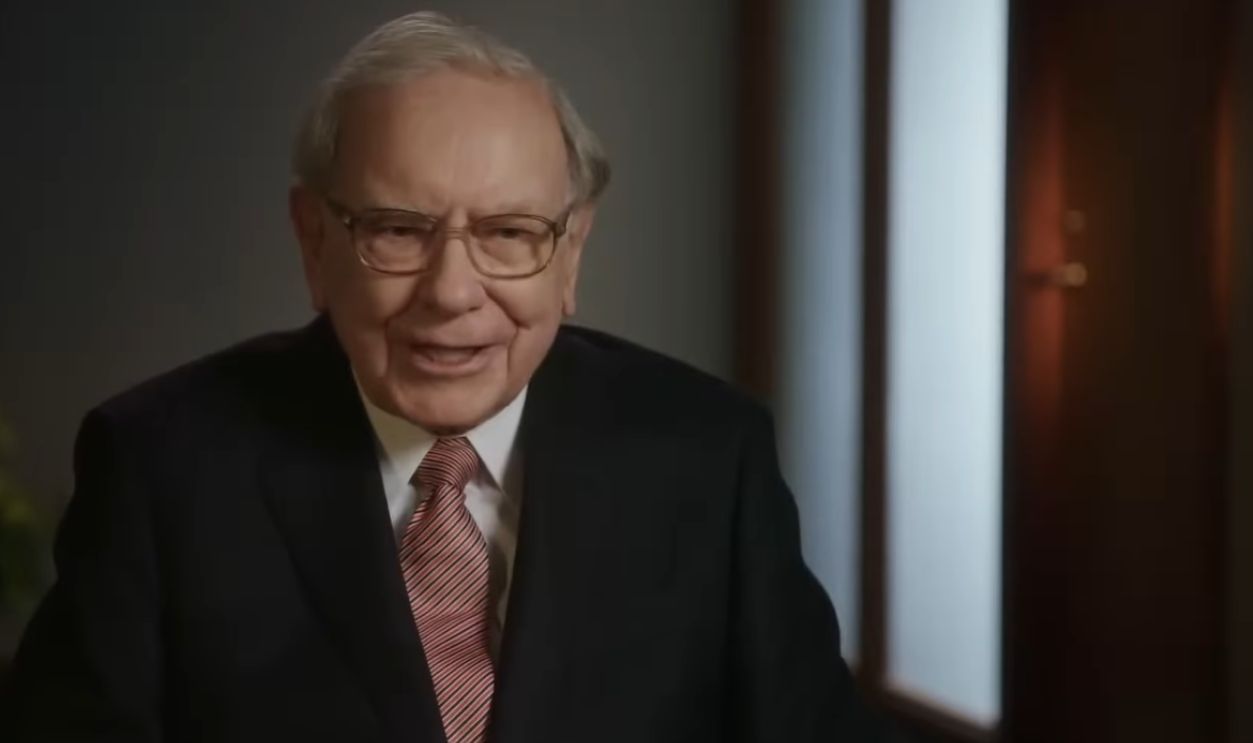
After working for his father's brokerage firm and then Benjamin Graham's investment company, Buffett returned to Omaha in 1956 to establish his own investment partnership. He began with $100 of his own money and approximately $105,000 contributed by seven limited partners. The arrangement gave him an opportunity to apply his investment principles professionally, managing capital while developing the track record that would eventually make him famous.
 Screenshot from Becoming Warren Buffett, HBO Documentary Films (2017)
Berkshire Hathaway Wasn't Originally A Success Story
Buffett began investing in Berkshire Hathaway in 1962 and gained control of the struggling textile business in 1965. He later acknowledged that purchasing the company had been a mistake because its underlying textile operations faced serious long-term economic problems. Rather than abandoning the corporate structure, Buffett gradually transformed Berkshire into a vehicle for investing in other businesses, ultimately creating one of the most recognizable companies in American finance.
 Screenshot from Becoming Warren Buffett, HBO Documentary Films (2017)
His Greatest Advantage Was Time
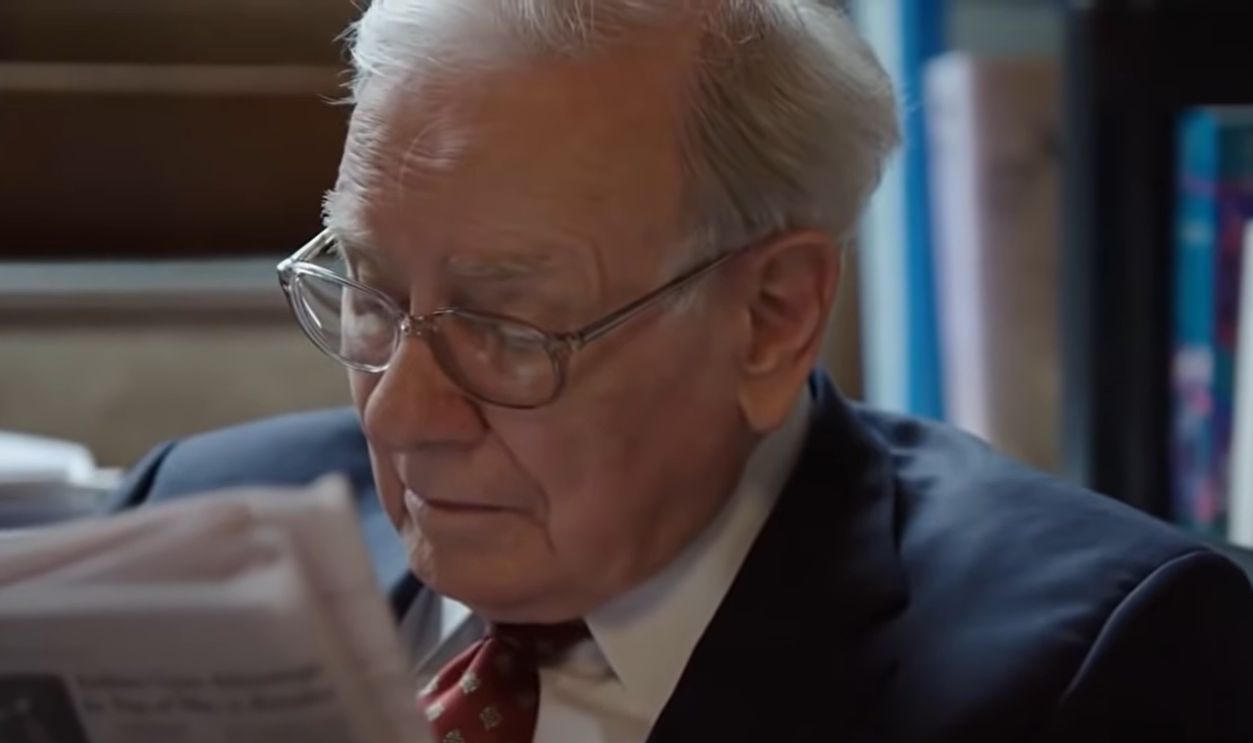
Decades after his first stock purchase, Buffett revisited that investment in his 2018 Berkshire Hathaway shareholder letter. He calculated that if his original $114.75 had instead been invested in a hypothetical no-fee S&P 500 index fund, with dividends reinvested, it would have grown to $606,811 before taxes by January 31, 2019. His calculation demonstrated the extraordinary potential of long-term compounding, although the comparison was hypothetical and such an index fund did not exist when he first invested in 1942.
 Screenshot from Becoming Warren Buffett, HBO Documentary Films (2017)
His Story Offers A Lesson For Ordinary Investors
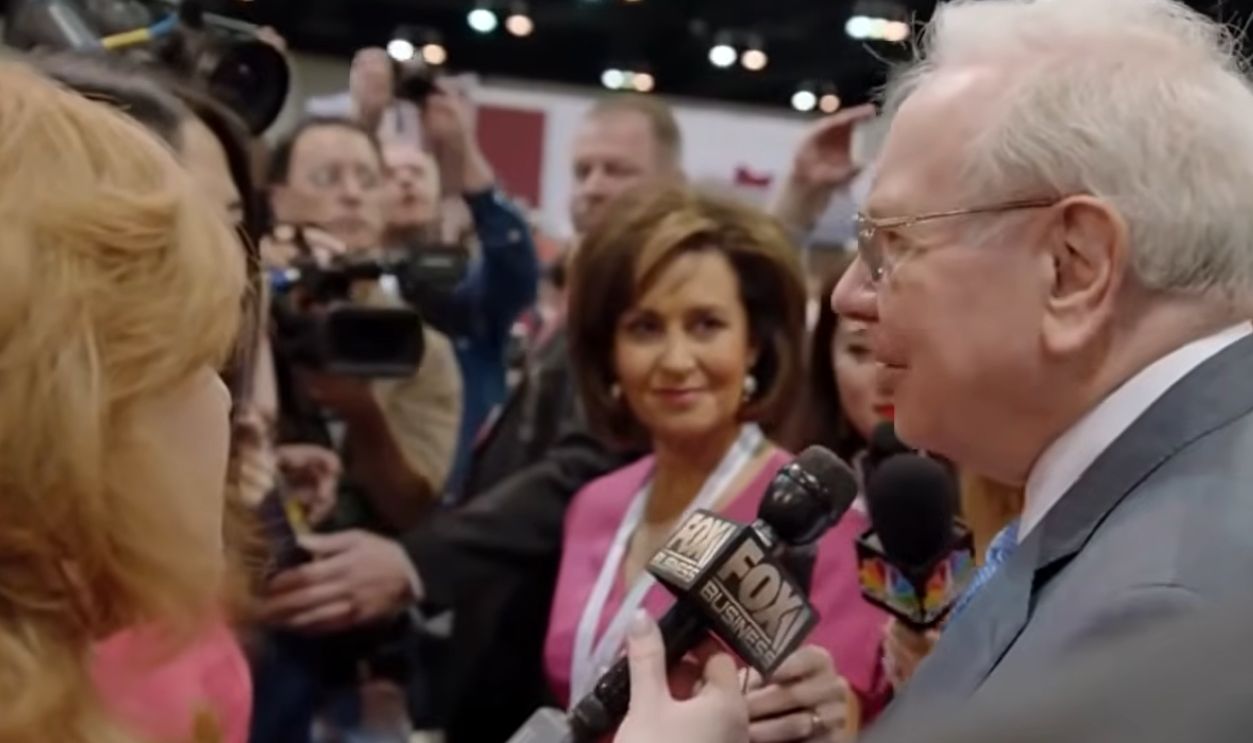
Buffett's childhood experiences show the value of learning about money early, consistently saving, and taking a long-term perspective, but investors do not need to imitate his individual stock selections. The Securities and Exchange Commission recommends that ordinary investors consider diversification, understand the risks of their investments, and pay close attention to costs, which can significantly reduce returns over time. A diversified, low-cost investment fund can offer a more practical starting point than concentrating savings in a handful of stocks, especially for people without Buffett's expertise or financial resources.
 Screenshot from Becoming Warren Buffett, HBO Documentary Films (2017)
The Most Important Investment Was His Education
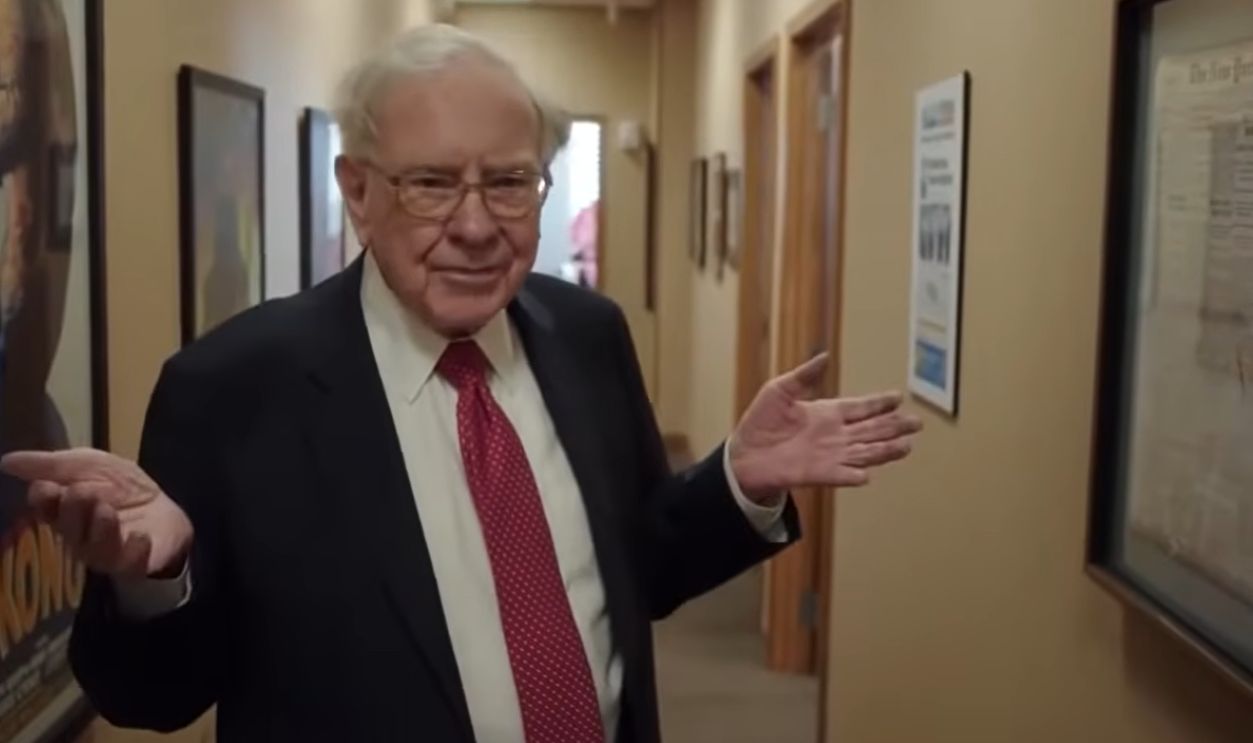
Buffett's path from selling chewing gum to leading Berkshire Hathaway involved decades of studying businesses, experimenting with investments, and learning from mistakes. The lunch with a New York Stock Exchange member at age 10 was memorable, but his willingness to keep learning was what helped turn that early fascination into a career. His extraordinary success cannot be guaranteed or easily replicated, yet the principles of patience, financial education, disciplined saving, and thoughtful investing remain useful for anyone hoping to build wealth over time.
 Screenshot from Becoming Warren Buffett, HBO Documentary Films (2017)
You May Also Like:
Warren Buffett's Most Indispensable Financial Advice
30 Things You Shouldn't Do With Your Money, According To Warren Buffett