A Little Deck Drama
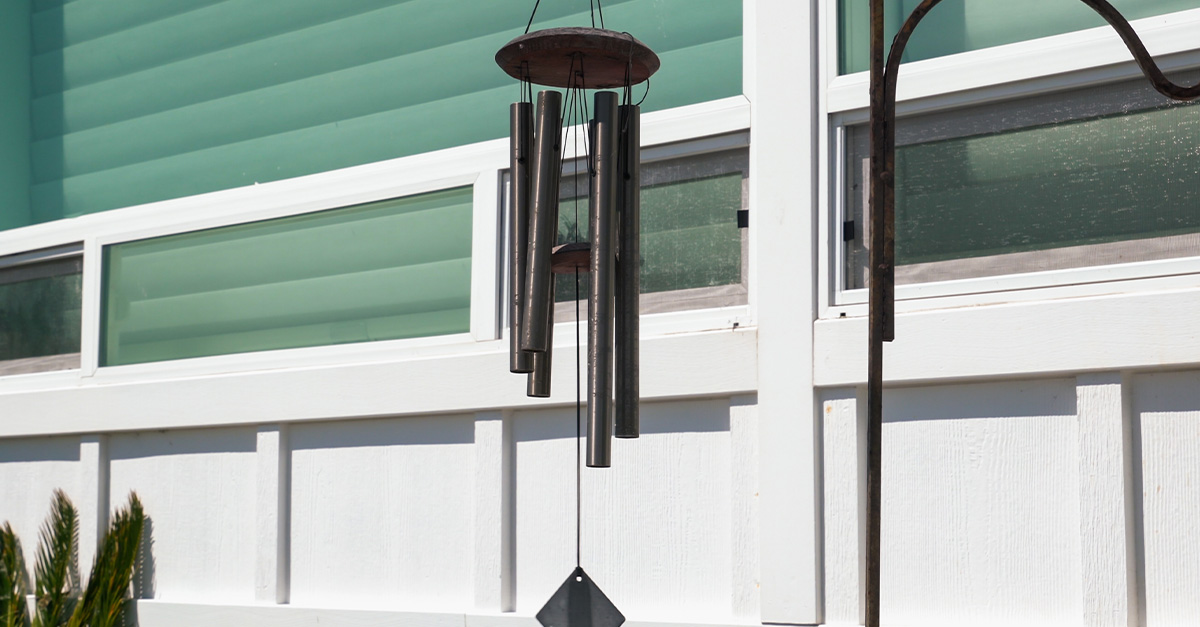
Few things make a deck feel more charming than a set of wind chimes catching the breeze, but that peaceful soundtrack can turn into a neighborhood debate fast when the HOA gets involved. If your association says nearby homeowners have complained about the noise, you do not necessarily have to rush outside and yank them down immediately. But you also should not ignore the warning, because HOA disputes have a way of getting louder than the chimes themselves.

Why Wind Chimes Spark Complaints
Wind chimes are one of those things people either find relaxing or absolutely maddening. What sounds like a soft, musical touch to you may sound like random clanging to a neighbor trying to work, nap, or enjoy a quiet evening. That difference in taste is exactly why these complaints happen so often in HOA communities.
The HOA’s Main Concern
Most HOAs are not trying to crush your decorating style. Their real concern is usually whether something on your property is disturbing other residents or violating community rules. When a complaint mentions noise, the board is often looking at it as a nuisance issue rather than a personal attack on your taste in outdoor decor.

Start With The Rules
Before you make any big move, pull out your HOA’s governing documents. Look for sections on noise, nuisances, outdoor decorations, and use of decks or balconies. Some associations specifically ban items that create repeated sounds, while others use broader language that gives the board room to decide what counts as a problem.

Vague Rules Still Matter
Even if the rules do not say the words “wind chimes,” that does not mean you are automatically in the clear. Many HOA documents include catchall language about anything that unreasonably disturbs other residents. That kind of wording may feel frustratingly vague, but it is often enough for an HOA to take action if multiple neighbors complain.

Complaints Usually Need Context
One complaint is not always the same as a serious violation. The board may have received one annoyed email, or they may have heard from several households over a period of time. Knowing whether this is a one-off grumble or a pattern can help you decide whether the issue is minor or likely to grow into a bigger fight.

Ask For Details Politely
It is completely reasonable to ask the HOA for more information. You can politely request to know whether the concern is about volume, frequency, time of day, or location. That does not make you difficult. It makes you informed, and informed homeowners tend to handle HOA disputes much better than people who respond on pure emotion.

Consider The Time Factor
Wind chimes that sound lovely on a calm afternoon may become a midnight percussion concert during strong wind. A neighbor who never notices them during the day may be losing sleep at night. Timing matters, and many HOA noise concerns become more serious when the disturbance happens during quiet hours.

Your Intent Is Not The Issue
You may have installed the chimes to make your deck cozy, not to irritate the entire block. Unfortunately, HOAs usually care more about the effect than the intent. Even if you meant no harm, the board may still expect you to fix the problem if the sound is bothering others.
Try Listening From A Neighbor’s View
Before deciding what to do, stand outside during a breezy time and really listen. Better yet, walk farther from your deck and hear what the chimes sound like from another angle. Sometimes homeowners do not realize how sharp or constant the sound is until they step away from their own space.

Size And Material Matter
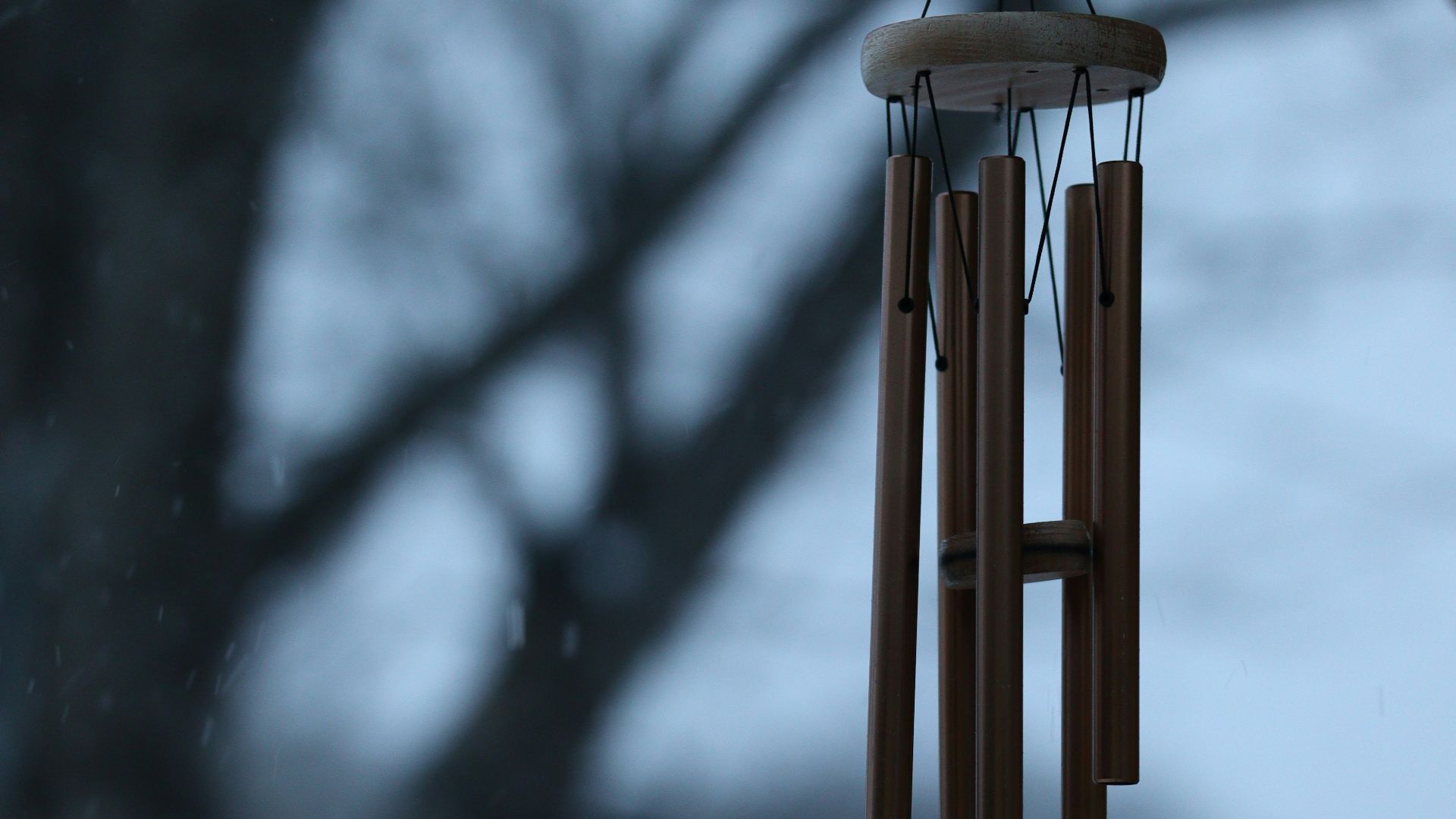
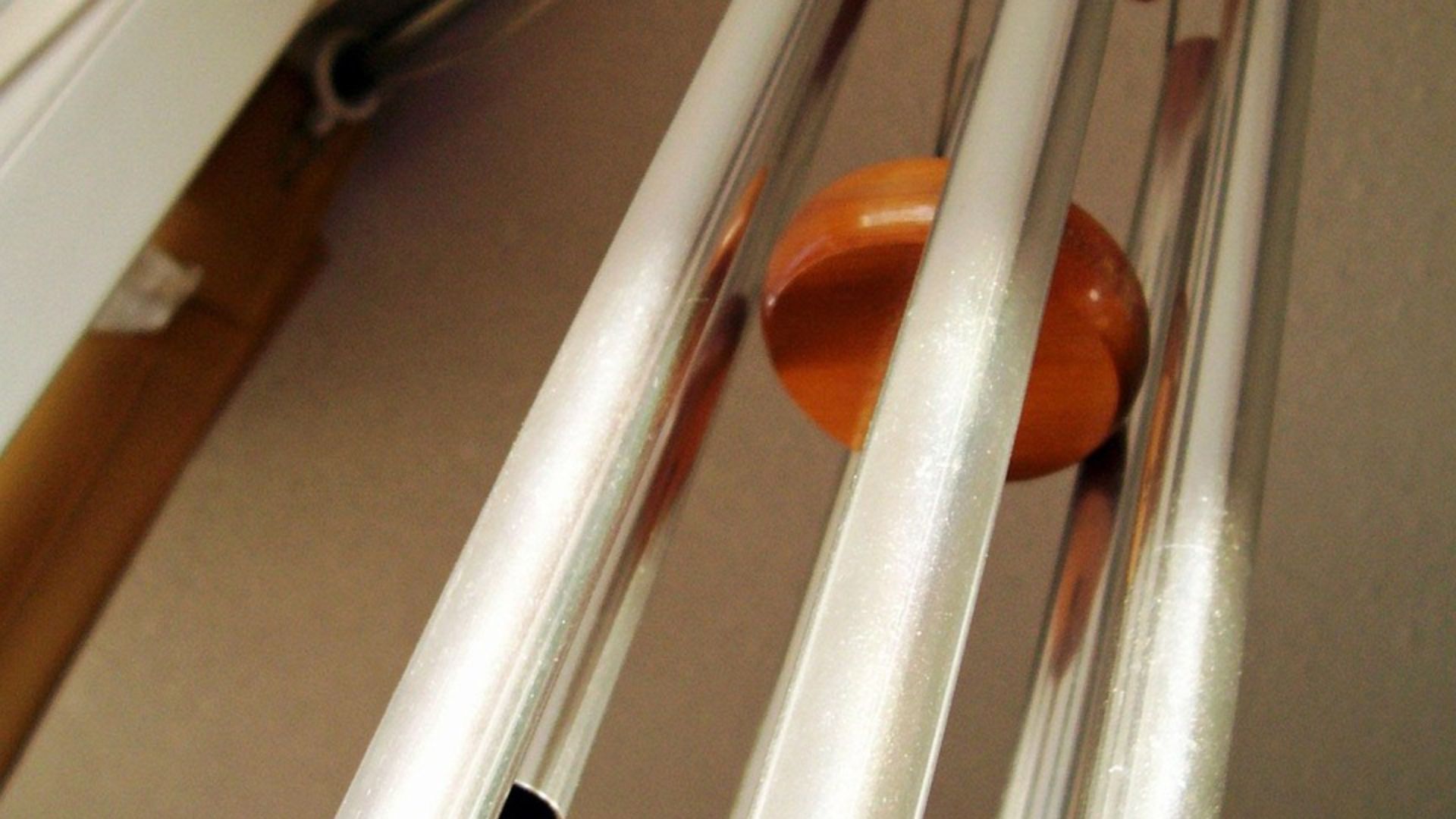
Not all wind chimes are created equal. Large metal chimes can be much louder and more piercing than smaller bamboo or wooden ones. If your set has a bright, echoing sound, the HOA may be reacting to the type of chime as much as the fact that it exists at all.
Placement Can Change Everything
Where the chimes hang matters more than most people think. A set placed near a shared fence, close to another deck, or in a wind tunnel corner of your home will probably create more issues. Moving them to a more sheltered spot may reduce the sound enough to solve the complaint without removing them completely.

A Small Adjustment Might Work
Sometimes this kind of problem has a surprisingly easy fix. You might bring the chimes inside at night, move them to a back corner, or only hang them when you are outside using the deck. A compromise like that can show the HOA you are acting reasonably, which often helps more than digging in your heels.

Ask Whether A Solution Is Possible
If you like the chimes and want to keep them in some form, ask the HOA whether there is a middle ground they would accept. Boards are often more flexible with homeowners who come in with solutions instead of arguments. A cooperative tone can turn a possible violation into a manageable conversation.

Do Not Ignore The Notice
Even if you think the complaint is silly, letting the HOA letter sit unanswered is usually a bad idea. Silence can make the issue look worse and may invite follow-up notices, fines, or a hearing. A calm response shows you take the concern seriously and gives you a better chance of controlling the outcome.

Fines Can Sneak Up Fast
In many HOA communities, unresolved violations can lead to fines or other penalties. What starts as a simple note about noisy decor can become an expensive annoyance if it drags on. That does not mean you must instantly surrender, but it does mean the practical cost of fighting may outweigh the joy of hearing the chimes.

Neighbor Relationships Matter Too
HOA issues are not just about rules on paper. They also affect the people living around you. Even if you technically could argue your case, preserving a decent relationship with your neighbors may be worth more than winning a debate over deck accessories.

This Is Not About Losing Your Style
Taking down wind chimes does not mean your deck has to lose all personality. You can still make the space feel warm and inviting with plants, string lights, outdoor rugs, lanterns, or other decor that does not travel through the air at 2 a.m. Style and peace can absolutely live on the same deck.
If You Think The HOA Is Overreaching
There are cases where an HOA may be too aggressive, especially if the rules are unclear or enforcement seems inconsistent. If other homes have similar items and you are being singled out, that is worth noting. In that situation, you may want to ask for clarification in writing and keep records of all communication.

Consistency Is A Fair Question
HOAs are supposed to enforce rules consistently. If your board allows other noisy decor, outdoor speakers, or similar items but suddenly focuses only on your chimes, you may have a fair argument. Still, raising that point works best when it is done calmly and backed by facts instead of frustration.

Documentation Helps
If this dispute continues, keep copies of notices, emails, and any response you send. Write down dates and what the HOA said. Good records can protect you if the issue escalates, and they also make you look organized and credible, which is never a bad thing in an HOA disagreement.

Think About The Real Goal
Ask yourself one honest question: do you want to keep the wind chimes, or do you want the problem to go away? Sometimes homeowners end up fighting because they dislike being told what to do, not because the item itself matters that much. Knowing your real goal can make the decision much easier.

The Low-Drama Option
If the complaint seems legitimate and the rules support the HOA, taking the chimes down is probably the easiest answer. It may feel annoying in the moment, but it often saves time, money, and neighborhood tension. Not every hill is worth climbing, especially when it is making tinkling sounds in the wind.

The Compromise Option
If you love the look and sentiment of the chimes, consider storing them and bringing them out only on special occasions. Another option is replacing them with a quieter version that gives you the same decorative feel without the constant soundtrack. This can be the sweet spot between compliance and enjoyment.
The Push-Back Option
If the HOA cannot point to a clear rule and the complaint seems flimsy, you can respectfully challenge the demand. Ask for the exact covenant, rule, or guideline the chimes violate, and request the complaint process in writing. That approach keeps the conversation focused on facts rather than feelings.

What Most Homeowners Should Do
For most people, the smartest move is to review the rules, respond politely, and try a practical fix first. That could mean relocating the chimes, limiting when they are outside, or removing them altogether. A flexible response often solves the problem quickly and keeps the HOA from turning a small issue into a full-blown feud.

The Best Sound Is Peace And Quiet
At the end of the day, wind chimes are a nice touch, but they are probably not worth a long-running battle with your HOA or your neighbors. If the complaints are real and the rules support the board, taking them down or modifying the setup is usually the wisest move. Your deck should be a relaxing retreat, not the opening act in the neighborhood’s latest drama.

You May Also Like:
My boss told me to fake a family death so I could attend a conference in disguise. Am I complicit?