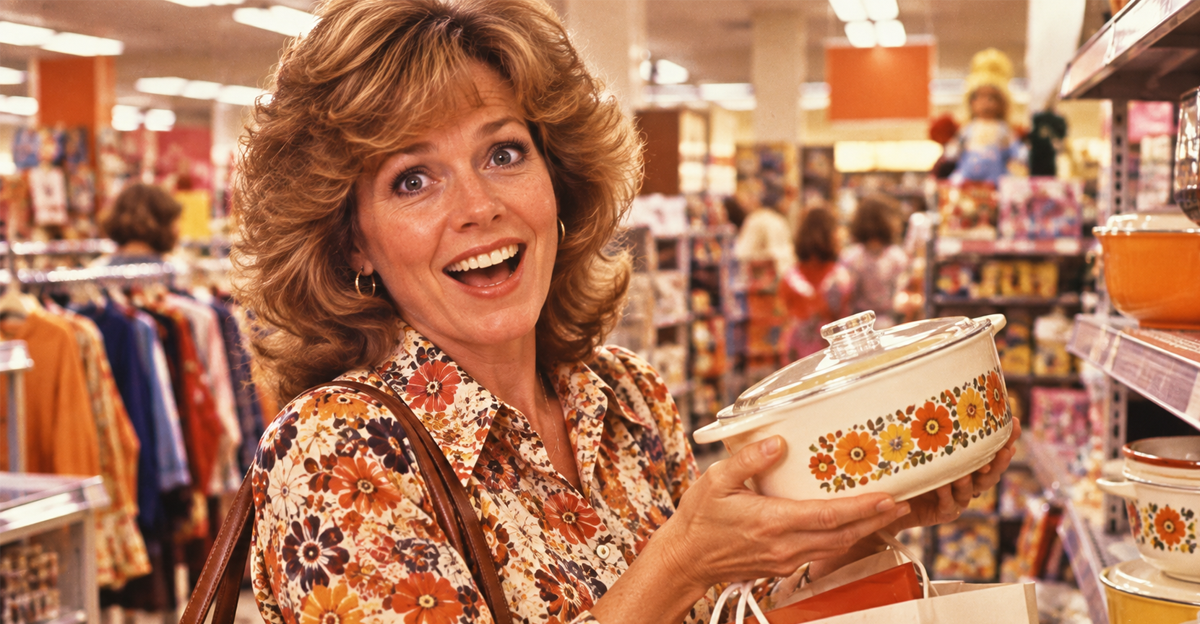
The Old Script Says Renters Are Losing
If your parents act like renting forever is a financial failure, they are following a script that shaped much of the late 20th century. For decades, homeownership was sold as the clearest sign of adulthood, stability, and wealth. But younger adults are living in a different economy, and that gap is where a lot of family tension starts.

The American Dream Got A Very Specific Address
Homeownership became a core part of U.S. culture after World War II, when federal policy and mortgage markets made buying more reachable for many families. The U.S. Census Bureau has tracked homeownership for decades, and it became one of the biggest symbols of middle-class success in the postwar years. That matters because many parents are not just giving advice. They are repeating what worked in the world they knew.

Buying Used To Feel More Possible
A lot of the judgment comes from memory. Older generations often remember a time when a starter home felt tough to get but still within reach. That does not mean buying was easy for everyone, and it definitely was not equally available across racial and income lines, but affordability was stronger than it is now by several key measures.

Prices Ran Ahead Of Paychecks
One big reason younger people push back is that home prices have risen faster than incomes. Data from the Federal Reserve Bank of St. Louis shows the median sales price of houses sold in the United States has climbed sharply over time. In many markets, wages have not kept up with housing costs, which makes the old advice sound less like wisdom and more like denial.

Mortgage Rates Changed The Math Fast
Even buyers who managed to save for a down payment have run into a brutal jump in borrowing costs. Freddie Mac reported that average 30-year fixed mortgage rates rose sharply in 2022 and stayed high compared with the ultra-low rates of 2020 and 2021. That kind of rate shock can add hundreds of dollars a month to a mortgage payment, turning an already expensive home into something many households simply cannot afford.

The Pandemic Housing Boom Reset Expectations
The pandemic years scrambled the housing market in ways that still have not faded. Zillow and other housing trackers showed a surge in home values from 2020 through 2022 as demand jumped and inventory stayed tight. For younger adults who were told to wait and save, waiting often meant chasing a market that kept moving further away.

Renting Is Not Automatically Throwing Money Away
This is one of the most repeated lines in personal finance, and it does not hold up as a universal rule. Rent pays for shelter, flexibility, and freedom from repair risk, just as mortgage interest, property taxes, insurance, maintenance, and opportunity cost are part of owning. The New York Times rent-versus-buy calculator became popular for a reason. It shows that the better financial choice depends heavily on how long you stay, local prices, taxes, investment returns, and mortgage rates.

A House Is A Home And A Liability
Parents often remember the wealth-building side of ownership and forget the carrying costs. Homeowners pay for maintenance, surprise repairs, insurance, taxes, and transaction costs when they buy and sell. The Consumer Financial Protection Bureau and other housing guides regularly warn buyers to look beyond the mortgage payment because the true cost of ownership is always bigger than it first appears.
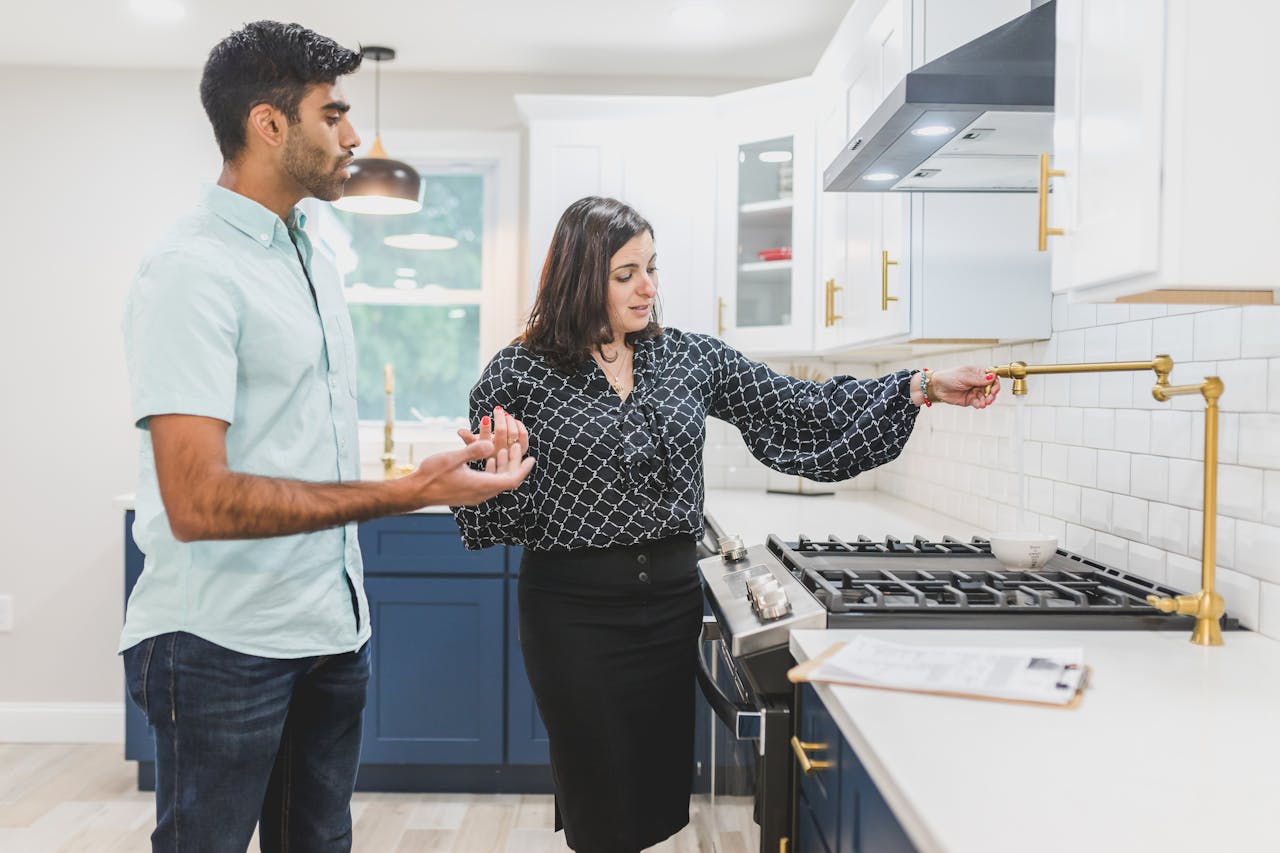
Starter Homes Are Not What They Used To Be
There is a practical problem with the old advice. The classic starter home is harder to find. Builders have spent years producing fewer lower-cost homes than the market needs, and the National Association of Realtors has repeatedly pointed to limited inventory as a key affordability problem. You cannot buy the affordable house your parents picture if that house barely exists where you live.

Younger Adults Are Delaying Homeownership For Clear Reasons
Student debt, higher rents, delayed marriage, later childbearing, and shaky early-career earnings all push major purchases further out. Researchers at the Urban Institute and Pew Research Center have documented how these life changes shape household formation and home buying. That does not mean younger adults are financially careless. It means the timeline of adulthood has changed.

Rent Burdens Make Saving Harder
One of the harshest parts of this debate is that high rent is often used as proof someone should buy, even though high rent may be the very thing stopping them from saving. Harvard's Joint Center for Housing Studies has repeatedly found that a large share of renters are cost burdened, meaning they spend more than 30 percent of income on housing. When that much income goes to rent, building a down payment can feel like trying to fill a bucket with a hole in it.
 Tima Miroshnichenko, Pexels.com
Parents Often Saw Lower Price-To-Income Ratios
The comparison many families make is emotionally powerful but financially messy. A parent may remember buying at three times household income, while younger buyers in expensive regions may face ratios far above that. That mismatch is one reason family advice can land as judgment instead of help.

Homeownership Still Builds Wealth, But Timing Matters
This part is worth stating clearly. Owning a home can still be a strong long-term way to build wealth, especially if you buy within your means and stay put long enough to spread out the transaction costs. The Federal Reserve has consistently found that homeowners tend to have much higher net worth than renters, but that does not mean buying is always the right move for every person at every moment.

Correlation Is Not A Commandment
Higher wealth among homeowners is real, but it does not settle the argument by itself. People who buy homes often already have higher incomes, more savings, and more family support than those who do not. In other words, ownership can help build wealth, but access to ownership is also shaped by the wealth you already have.

Family Help Quietly Shapes Who Gets To Buy
This is one of the least comfortable truths in the housing debate. Down payment gifts, inherited wealth, and parental support play a major role for many first-time buyers. The National Association of Realtors has reported that family financial help is part of the story for a meaningful share of younger buyers, which means a lot of the moralizing around renting ignores a hidden subsidy.

Mobility Has Real Financial Value
Renting can be a smart move for workers whose careers depend on flexibility. If changing cities, switching jobs, or adjusting household size is likely within a few years, renting can lower the risk of getting stuck with transaction costs or a weak local market. That is not failure. It is choosing housing that fits your life.

Not Every Market Rewards Buying Quickly
Real estate is local, which means blanket advice goes bad fast. In some cities, monthly ownership costs are far above comparable rent once taxes, insurance, and maintenance are included. In those places, investing the difference while renting may be a better short- to medium-term move than stretching to buy.

Insurance And Taxes Changed The Ownership Equation
Many older homeowners did not buy under today's insurance and tax pressures. In some states, property insurance premiums have climbed sharply, and property taxes can add another painful layer to monthly costs. These are not side issues. They can turn a seemingly affordable home into a budget stress test.

Maintenance Is The Expense People Love To Forget
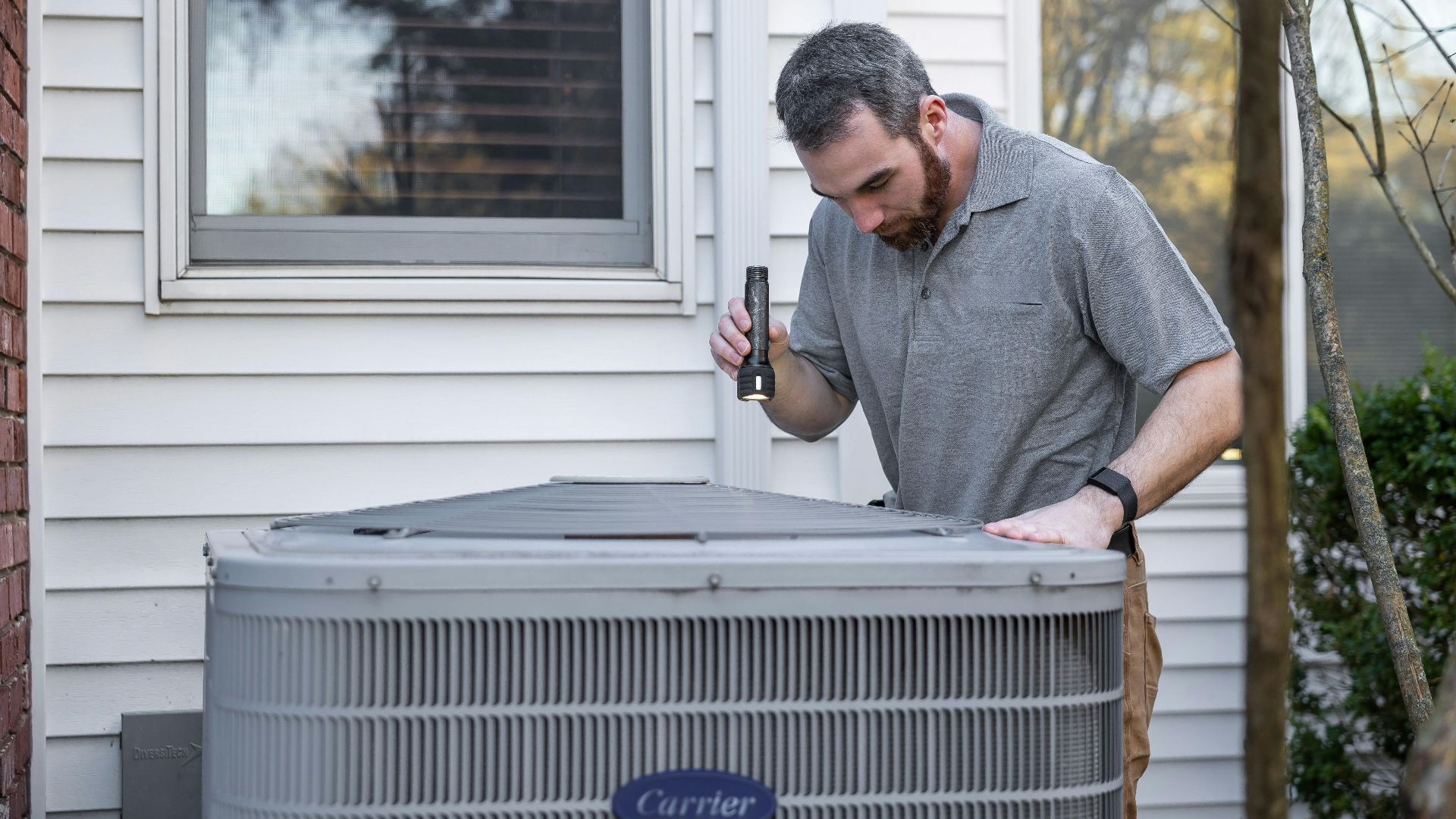
Roofs leak, water heaters fail, and HVAC systems seem to quit at the worst possible moment. Financial planners often suggest setting aside 1 percent to 4 percent of a home's value each year for maintenance and repairs, though actual costs vary widely. Renters are not dodging responsibility by avoiding those bills. They are choosing a setup where those risks fall on the landlord.
The Psychological Prestige Of Owning Is Still Powerful
Some of the judgment has less to do with math and more to do with identity. For many parents, owning a home meant they had made it. When younger adults question that standard, it can sound like they are rejecting not just advice, but the meaning older generations attached to their own sacrifices.

But Standards Can Age Out
Financial wisdom is not timeless just because people repeat it. Advice that worked in one era can become risky in another if prices, interest rates, labor markets, and family patterns change enough. The smarter rule is not "buy no matter what." It is "know your numbers and know your risks."

There Is Also A Fairness Problem In The Judgment
The history of U.S. homeownership includes unequal access shaped by discrimination, credit barriers, and policy choices. The Urban Institute and federal housing researchers have documented persistent racial homeownership gaps that did not happen by accident. So when people talk about buying as a universal badge of virtue, they flatten a much more complicated and unequal history.

What Counts As Financial Success Is Wider Than A Mortgage
A solid emergency fund, retirement savings, manageable debt, and career flexibility can matter just as much as a deed. Someone who rents, saves hard, and invests steadily may be in a healthier position than someone who is house-rich and cash-poor. A home can be part of a good financial life, but it is not the only version of one.

The Better Question Is Whether Renting Fits Your Plan
If you plan to stay mobile, live in a high-cost market, or focus on other goals, renting forever may be perfectly rational. If you want long-term stability in one area and can buy without draining your safety net, ownership may still make sense. The key is that the answer should come from your cash flow, timeline, and goals, not from an outdated family scoreboard.

How To Push Back Without Starting A Family War
It helps to keep the conversation anchored in numbers instead of feelings. Show the local price of homes, current mortgage rates, expected monthly costs, and what a down payment would actually take. Once the math is on the table, "just buy" starts to sound less like common sense and more like nostalgia.

If You Want To Buy Later, Renting Can Still Be A Strategy
Renting does not have to mean drifting. It can be a deliberate phase for building savings, paying off debt, improving credit, and waiting for a market or career move that puts you on stronger footing. In that sense, renting is not proof that you failed to launch. It may be the thing helping you avoid a very expensive mistake.

The Verdict On Outdated Standards
Yes, younger people are often being judged by standards shaped by a very different housing market. Homeownership still has value, but it is no longer a simple moral test of discipline or success. Renting forever may or may not be right for you, but treating it as automatic failure says more about old assumptions than about today's financial reality.