Movie Theaters Had A Problem Sitting In Everyone's Living Room
For decades, theaters had something your television could not compete with: scale. Then TVs got bigger, sound systems improved, and streaming made staying home ridiculously easy. Simply owning a larger screen was no longer enough. If theaters wanted people to leave the couch, the experience itself had to become worth the trip.
The Old Multiplex Came With Plenty Of Irritations
Going to the movies once involved a surprising amount of uncertainty. You bought a ticket without knowing exactly where you would sit, hurried into the auditorium, and hoped two decent seats were still together. Arrive late and you could spend the entire movie staring upward from the front row.
Then Theaters Tried Something That Looked Like Bad Business
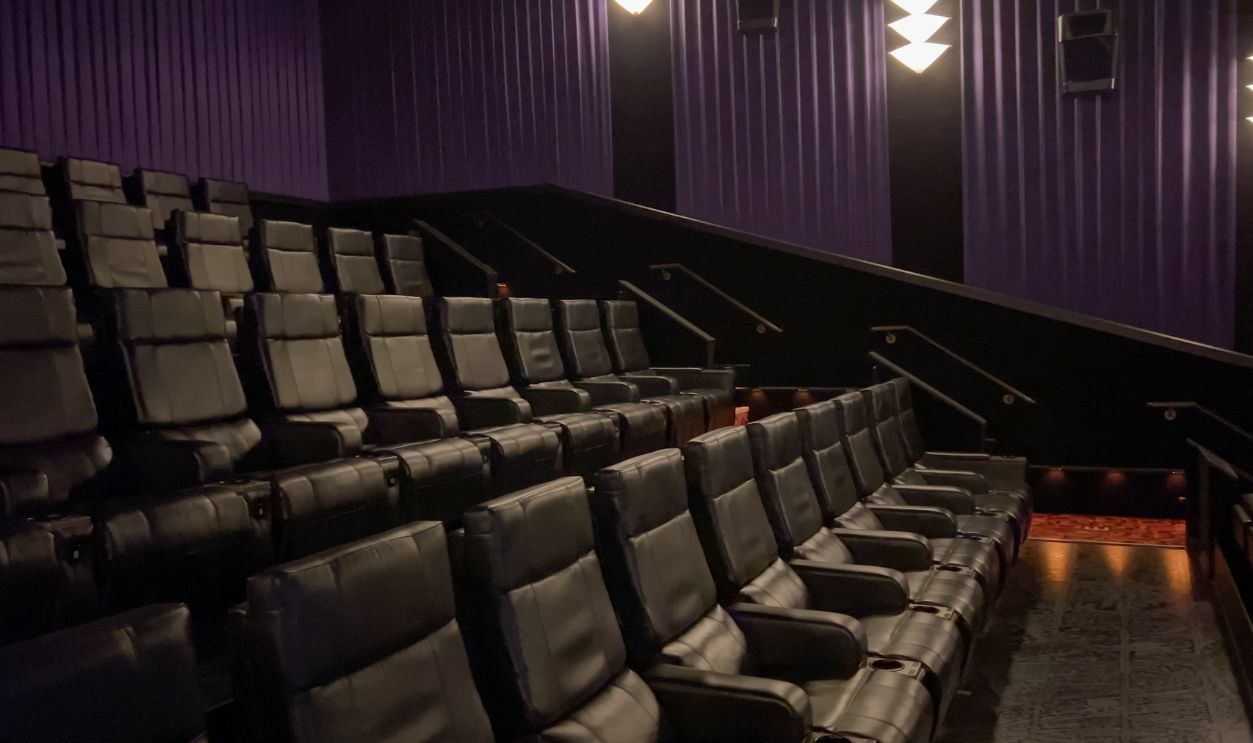
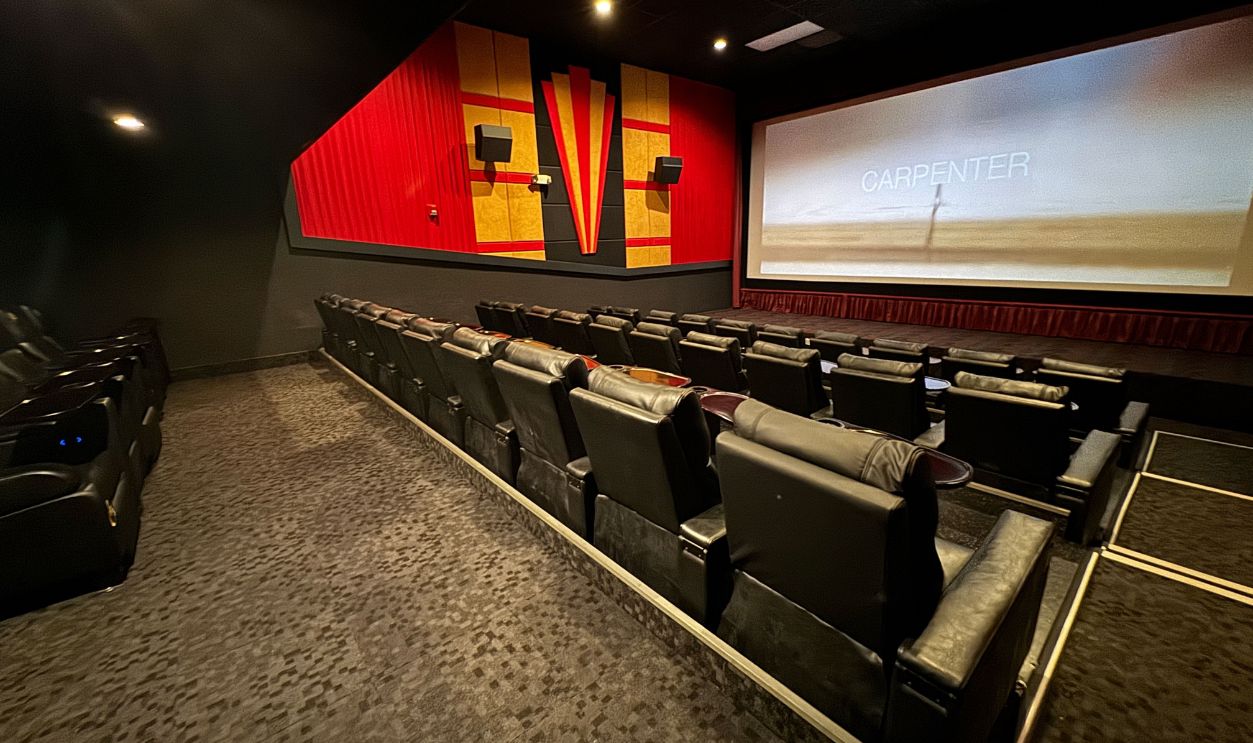
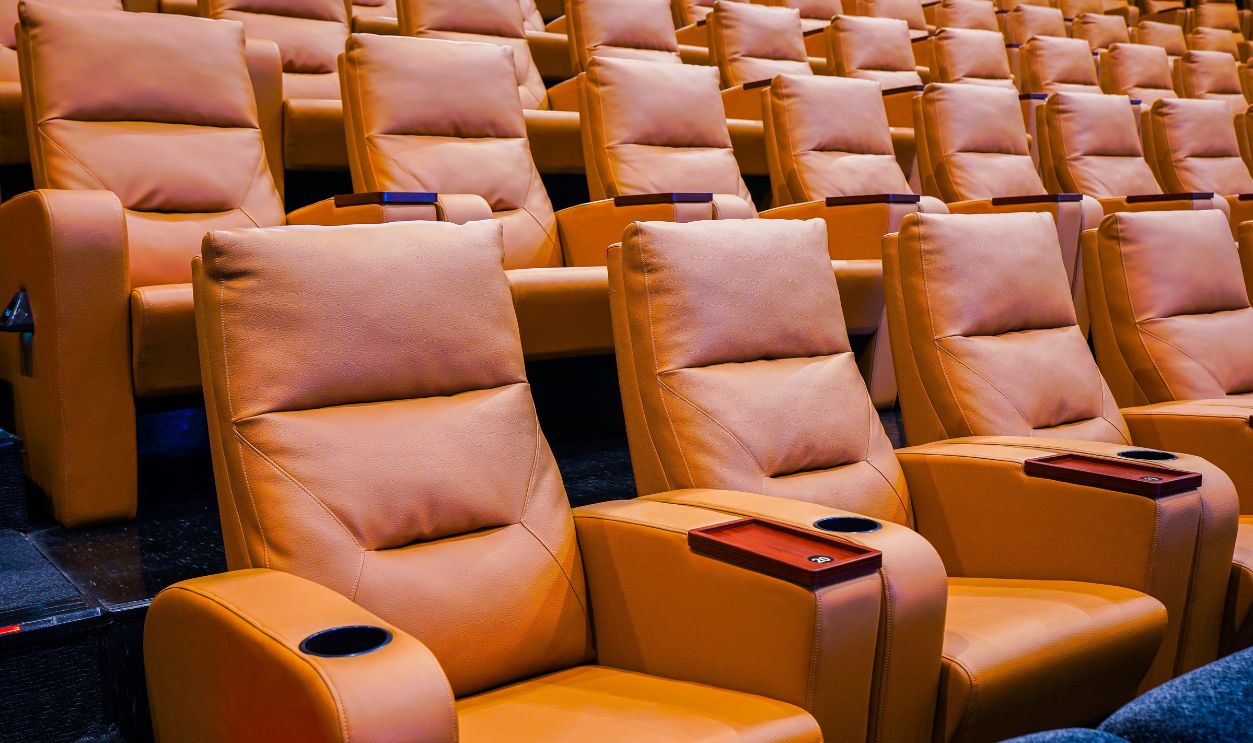
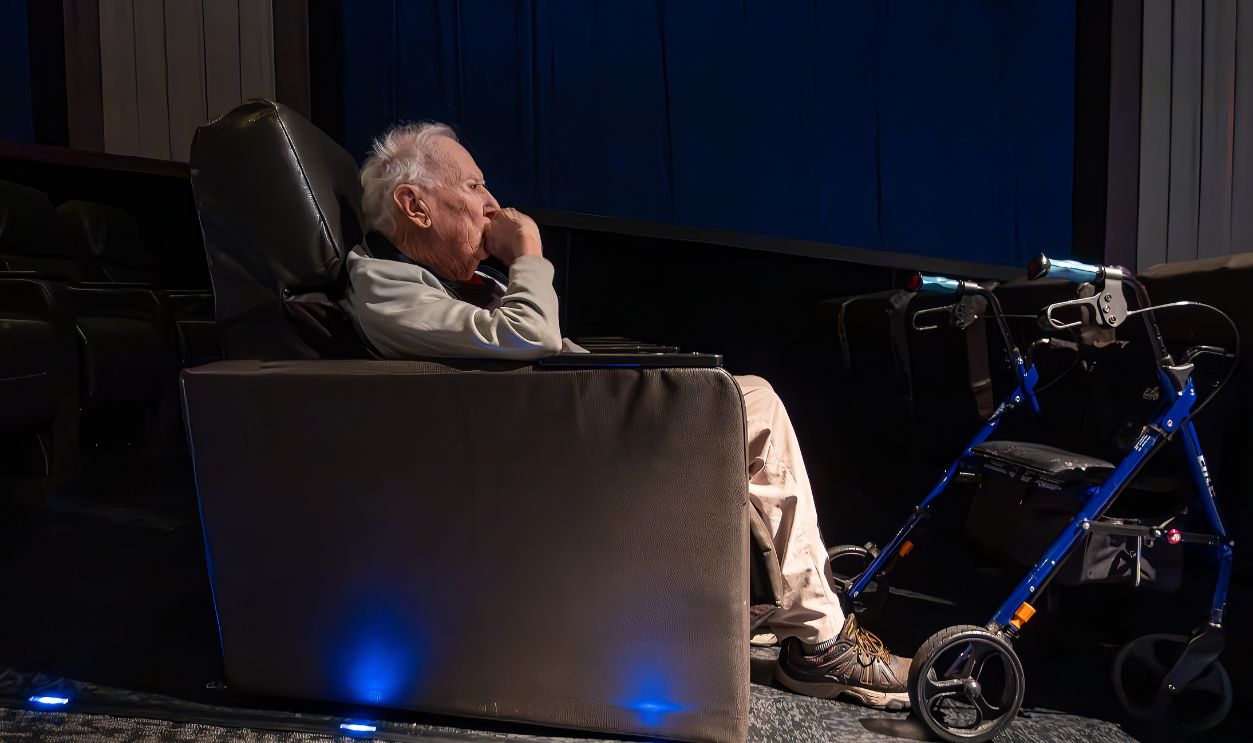
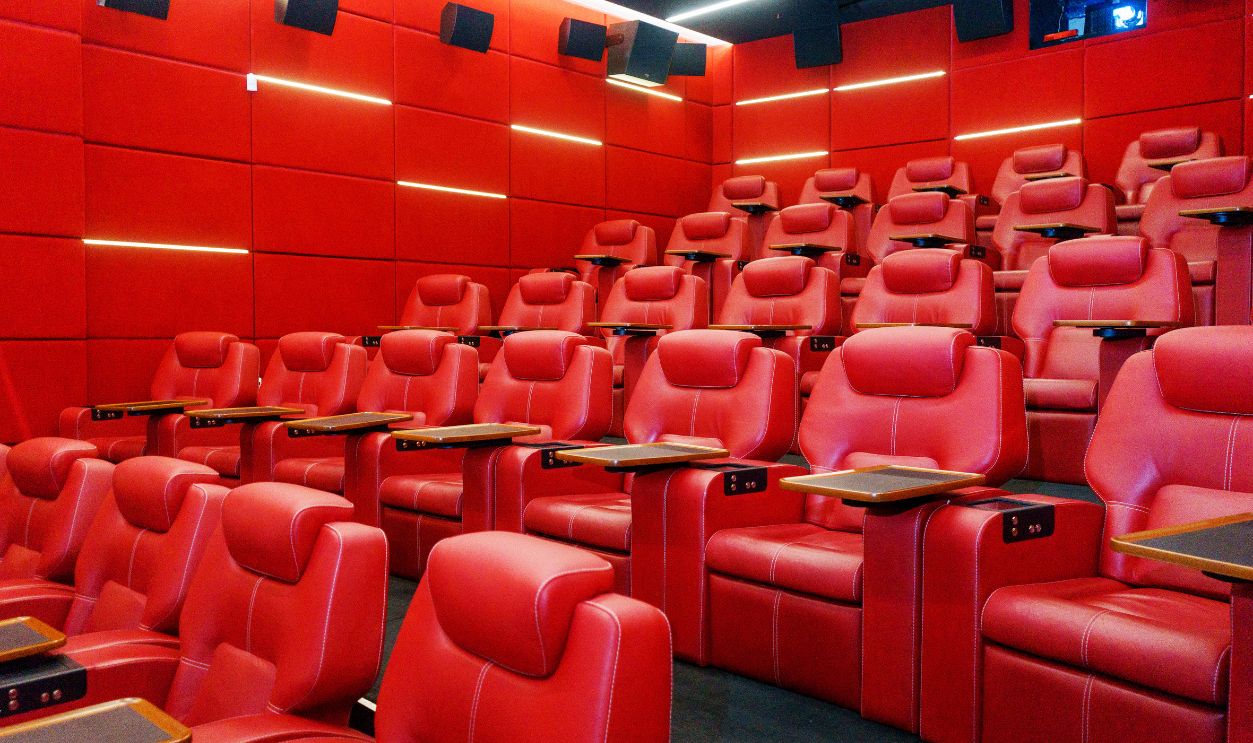
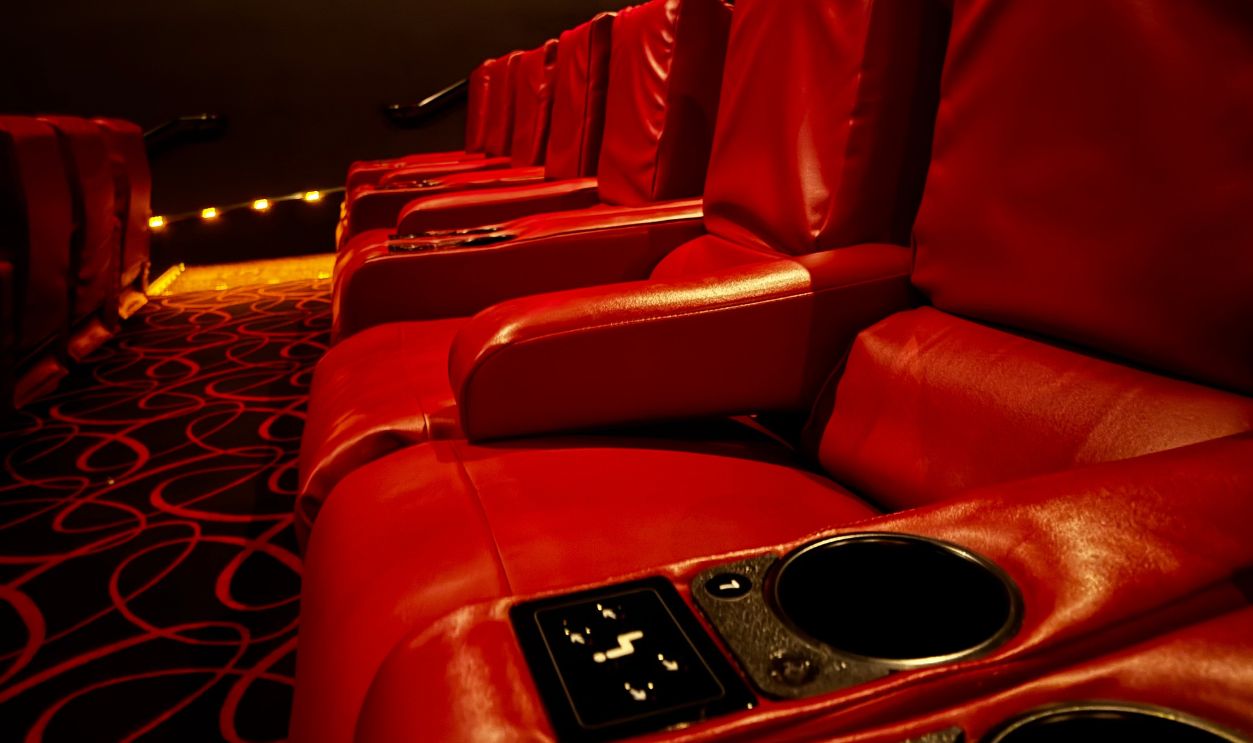
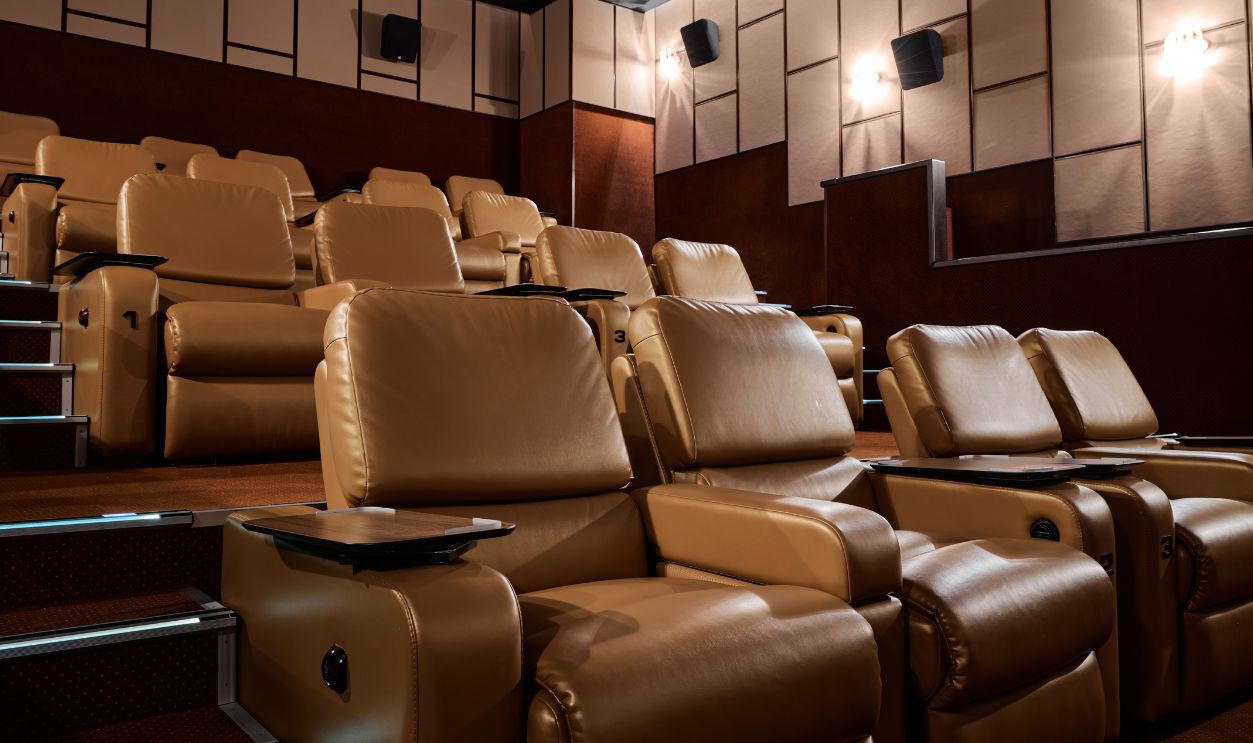
Traditional auditoriums were built around squeezing in as many seats as possible. Luxury recliners turned that logic upside down. They were huge, required much more space, and could wipe out entire rows. For a business selling tickets by the seat, deliberately removing seats looked almost reckless.
AMC Removed Seats And Attendance Went Up
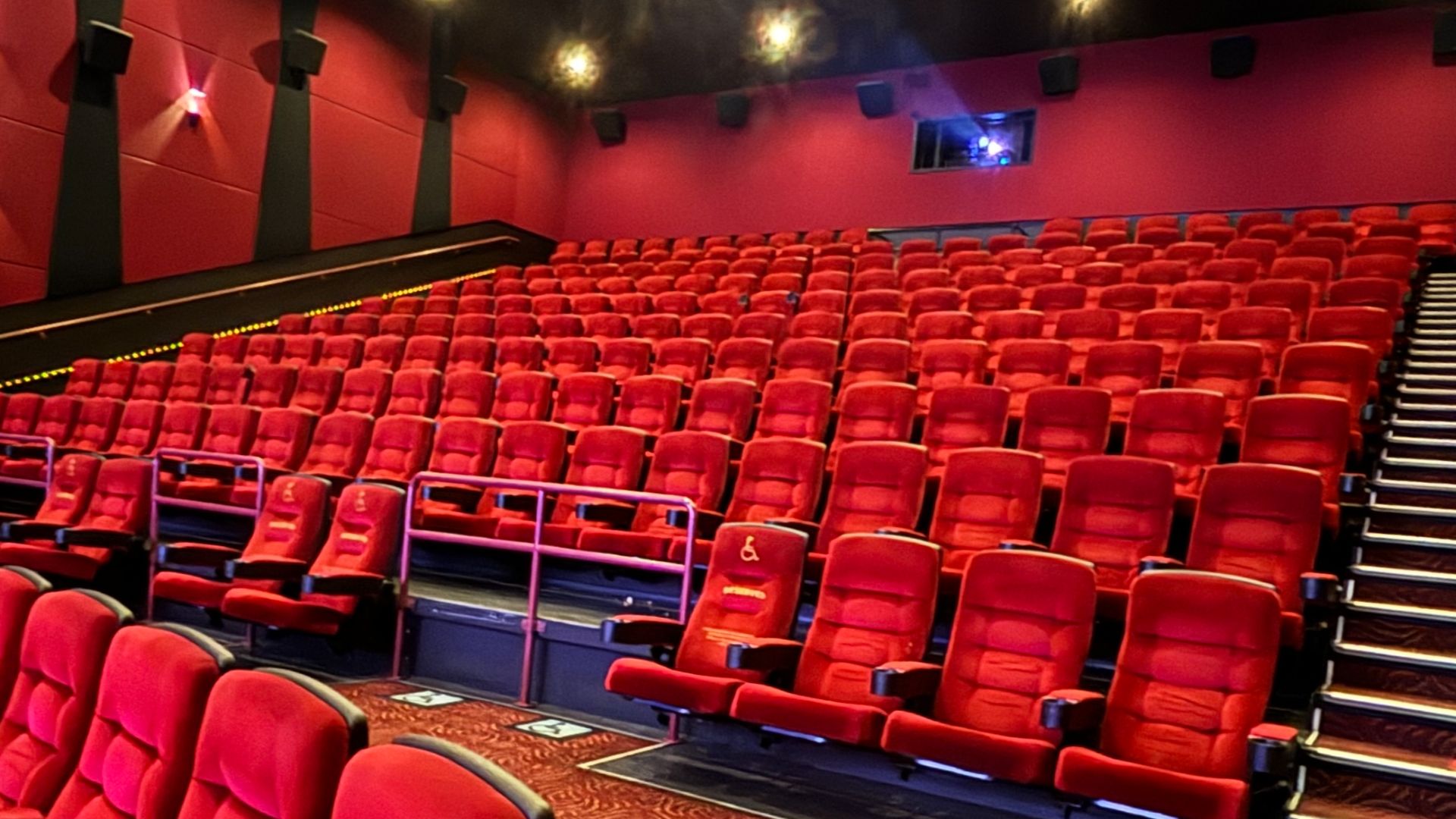
The experiment produced a surprise. AMC reported that early recliner renovations reduced seating capacity by roughly 64% on average, yet attendance at those remodeled theaters rose about 80%. The company had discovered that customers might prefer fewer, dramatically better seats to a crowded room full of ordinary ones.
 Alexis Doine, Wikimedia Commons
Suddenly, The Chair Was Part Of What You Were Buying
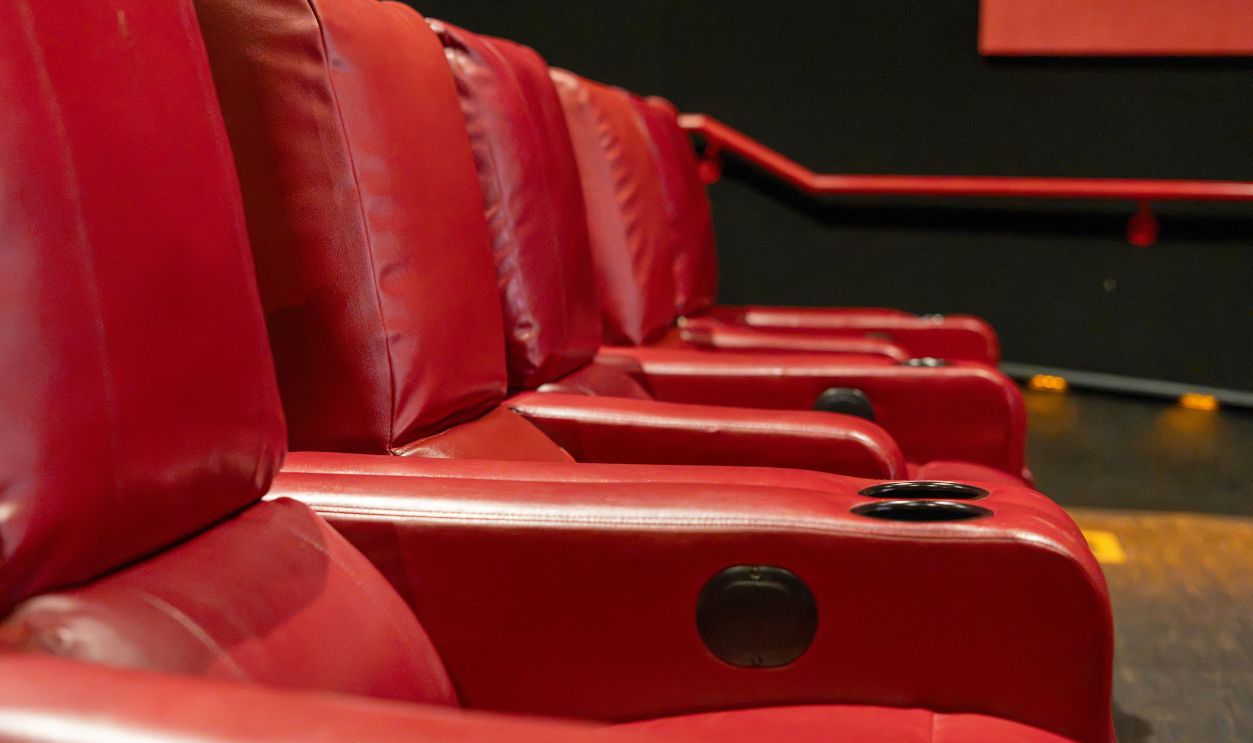
A movie ticket was no longer just permission to enter an auditorium. It could include an oversized electric recliner, more legroom, personal space, and a better view. AMC later noted that recliner locations could also support higher ticket prices. Comfort had become something theaters could actually monetize.
Reserved Seating Ended The Great Seat Scramble
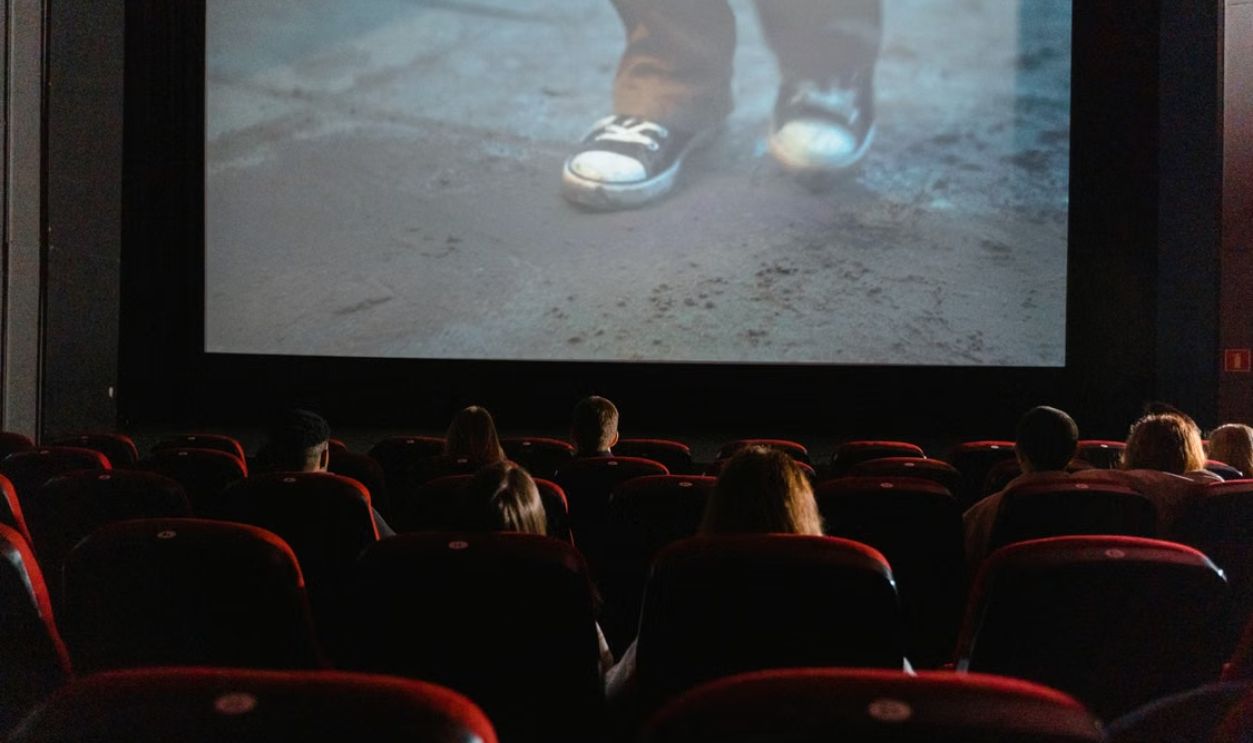
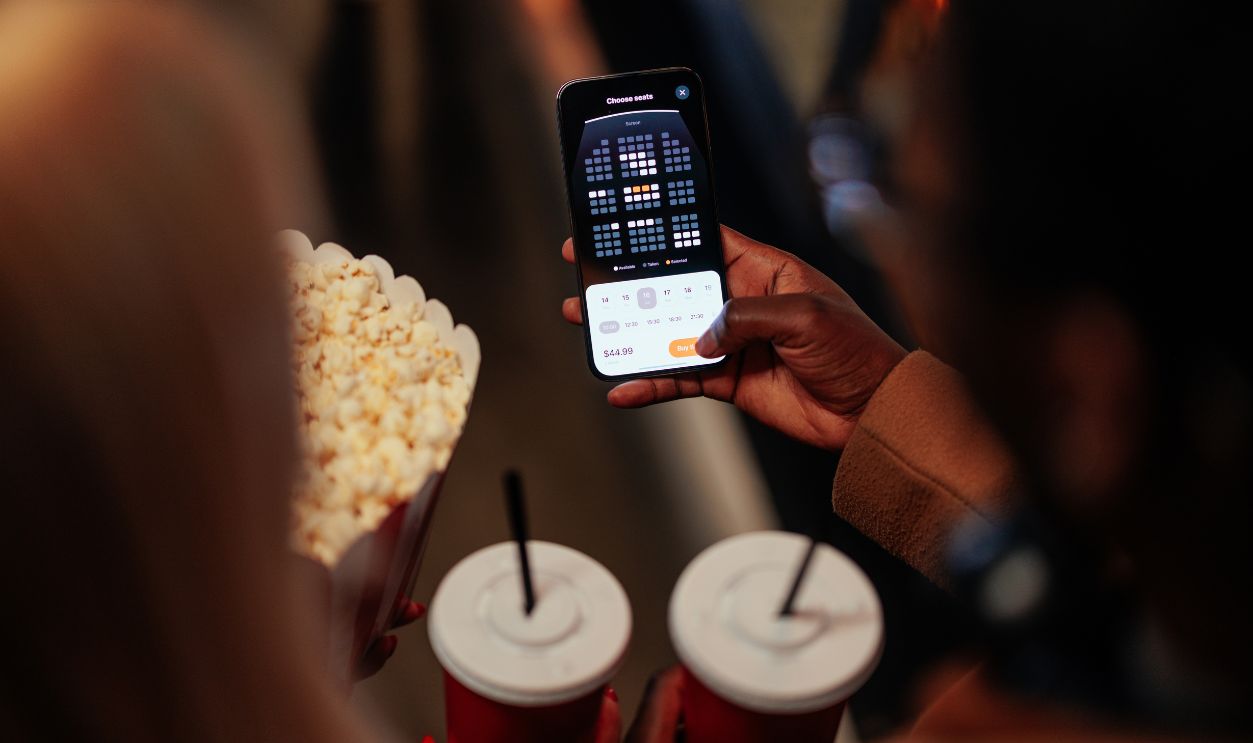
The next improvement attacked another familiar annoyance. With reserved seating, customers could choose their exact spot before arriving. AMC specifically described the system as reducing anxiety around crowded or sold-out shows. The frantic dash for the middle of the auditorium started disappearing.
The Phone Became The New Box Office
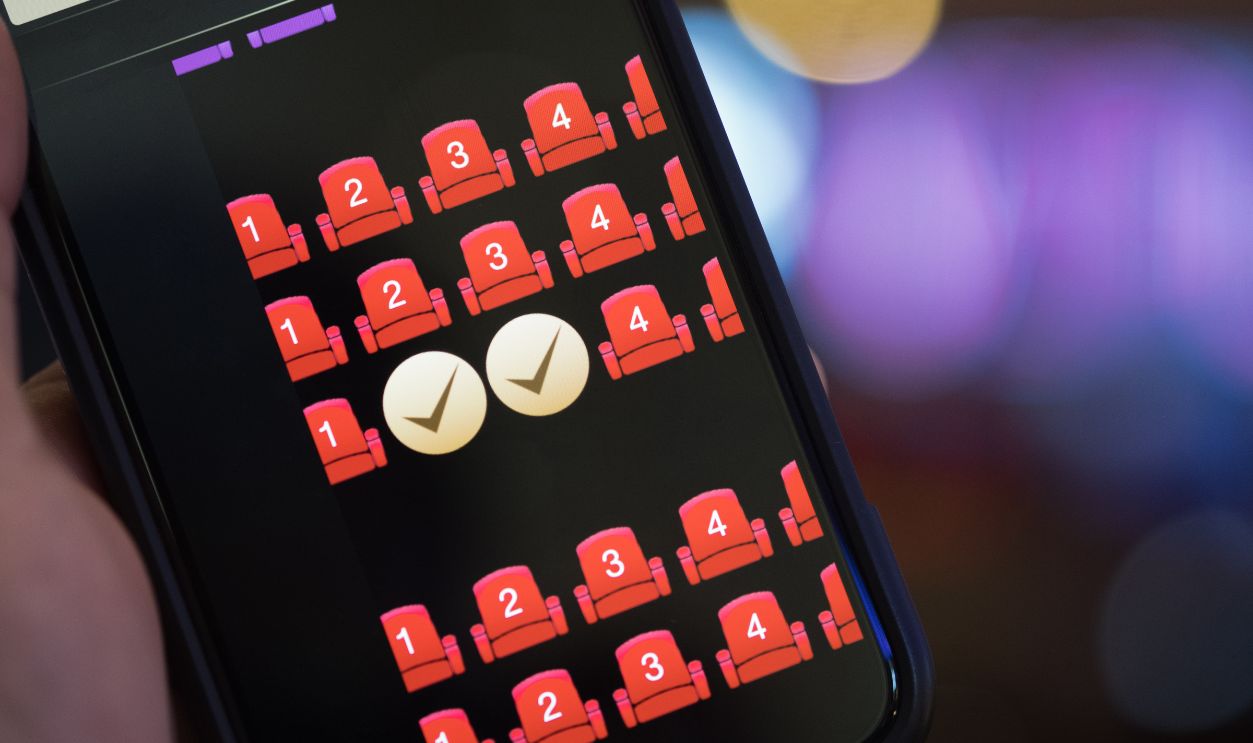
Reserved seating became even more useful as mobile ticketing spread. Instead of standing in line and then hunting for seats, customers could open an app, examine a seating chart, choose Row G, pay, and know that those seats would still be waiting when they arrived.
Advance Sales Gave Theaters Better Visibility Too
Online reservations did more than make customers comfortable. They gave theaters earlier information about demand for individual screenings. A seating chart filling up hours or days ahead offered a clearer picture of which movies and showtimes were attracting attention before the audience ever entered the building.
Then The Screen Itself Became Part Of The Upgrade
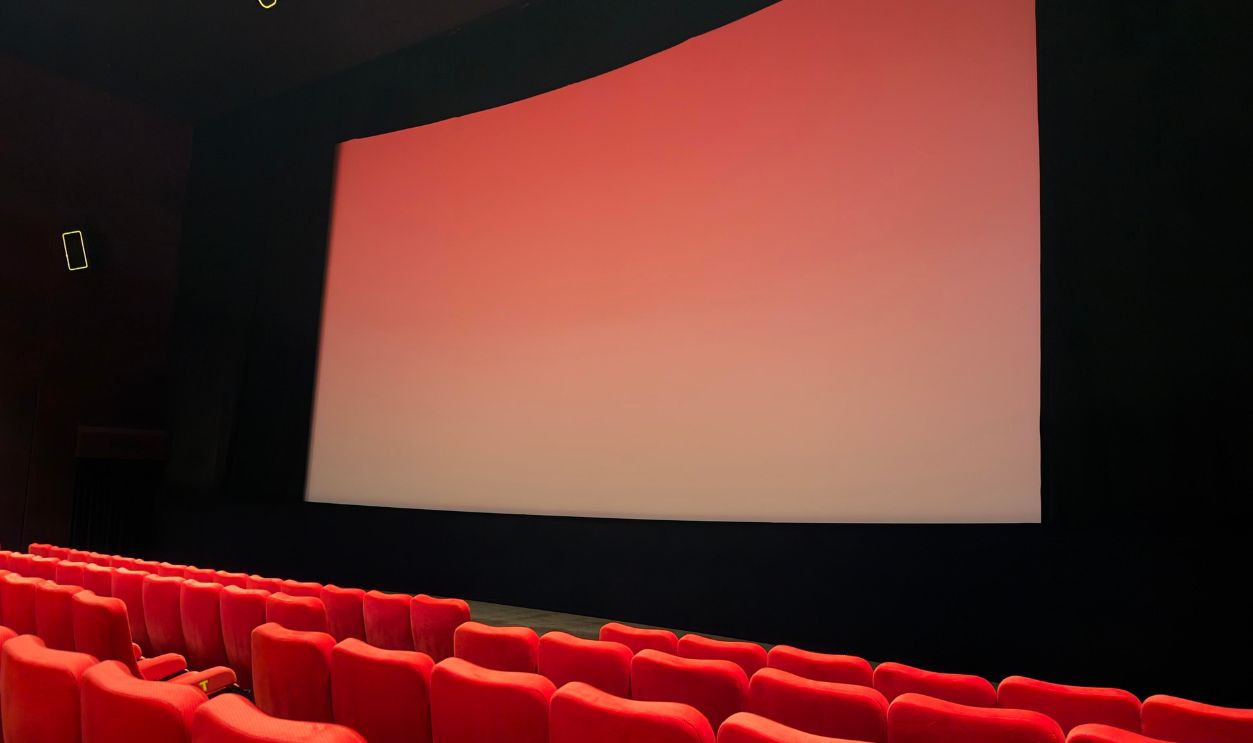
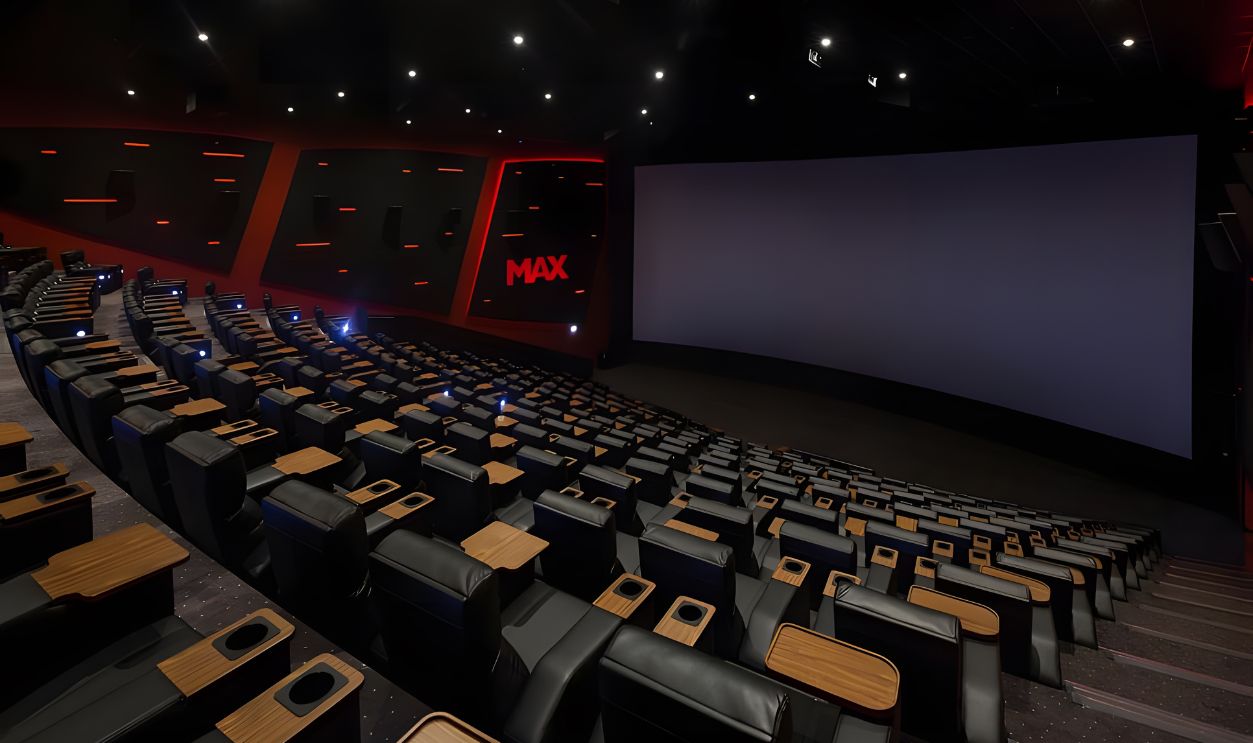
Better chairs solved the comfort problem. Premium large-format auditoriums attacked something harder: giving people a visual reason to leave home. Bigger screens, brighter projection, more powerful sound, and specially designed auditoriums promised an experience that even a very good television struggled to reproduce.
IMAX Turned Into A Mainstream Upgrade
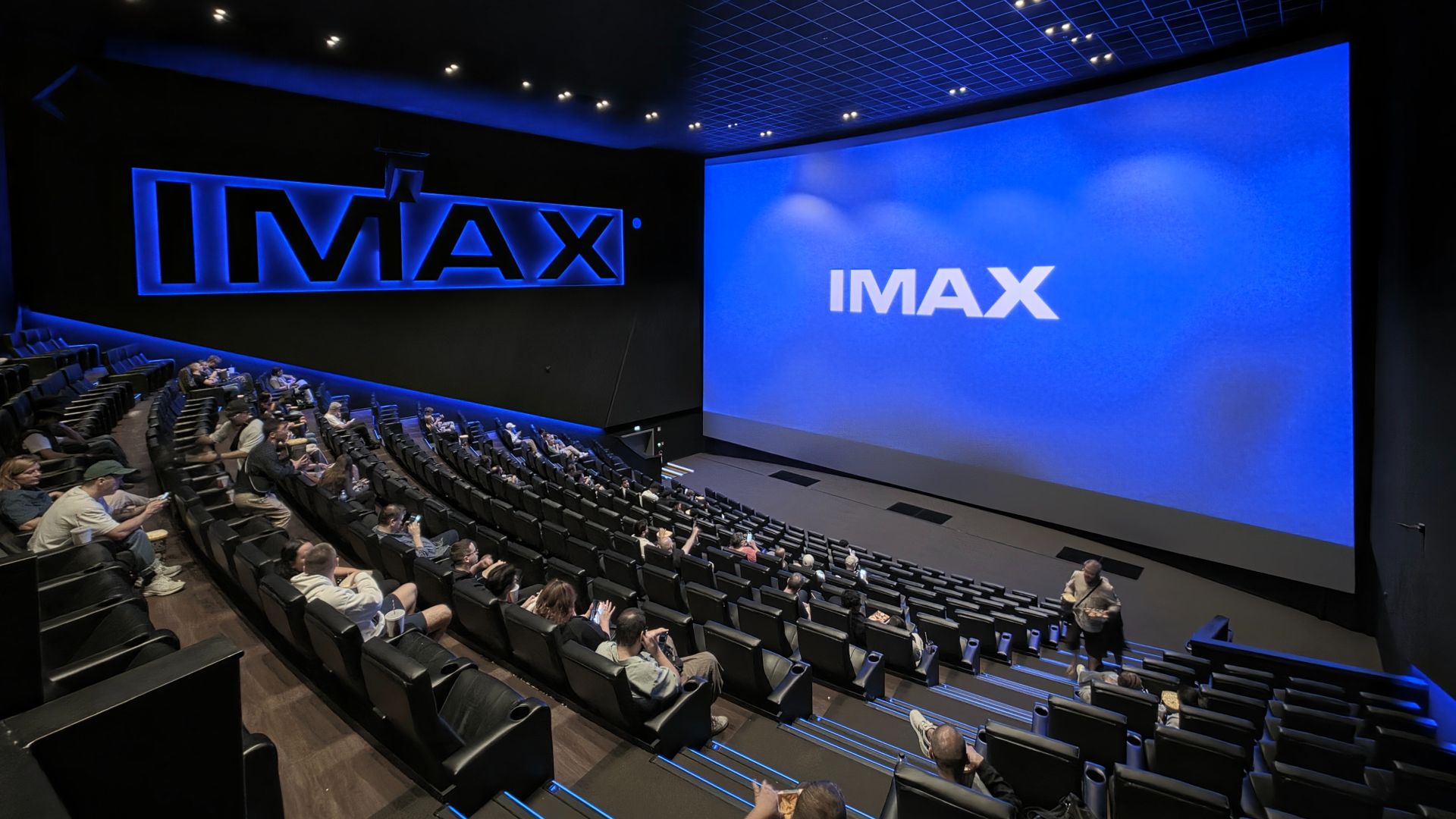
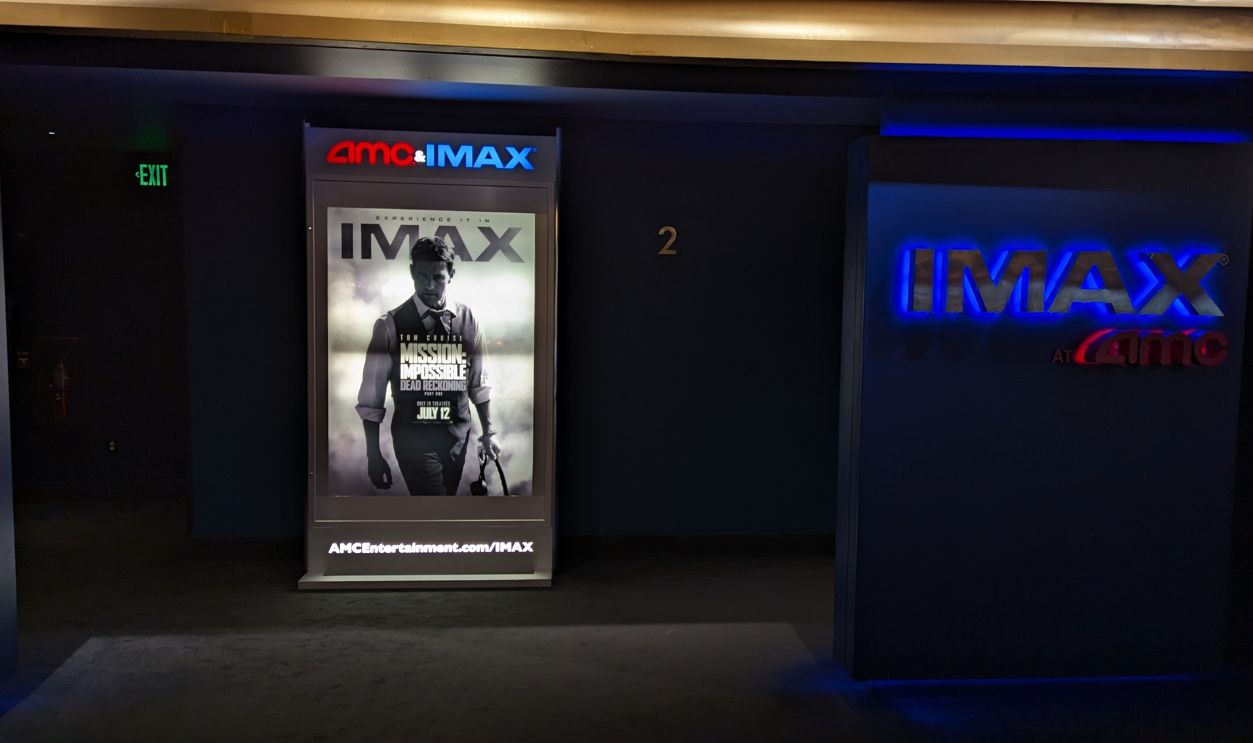
IMAX had existed for decades, but it increasingly became part of ordinary blockbuster moviegoing. Studios began promoting certain films around IMAX presentations, and customers learned to seek the format out. For a major release, choosing the theater could now include choosing which version of the movie to see.
 NutzerAusBerlin, Wikimedia Commons
Dolby And Theater-Owned Formats Joined The Fight
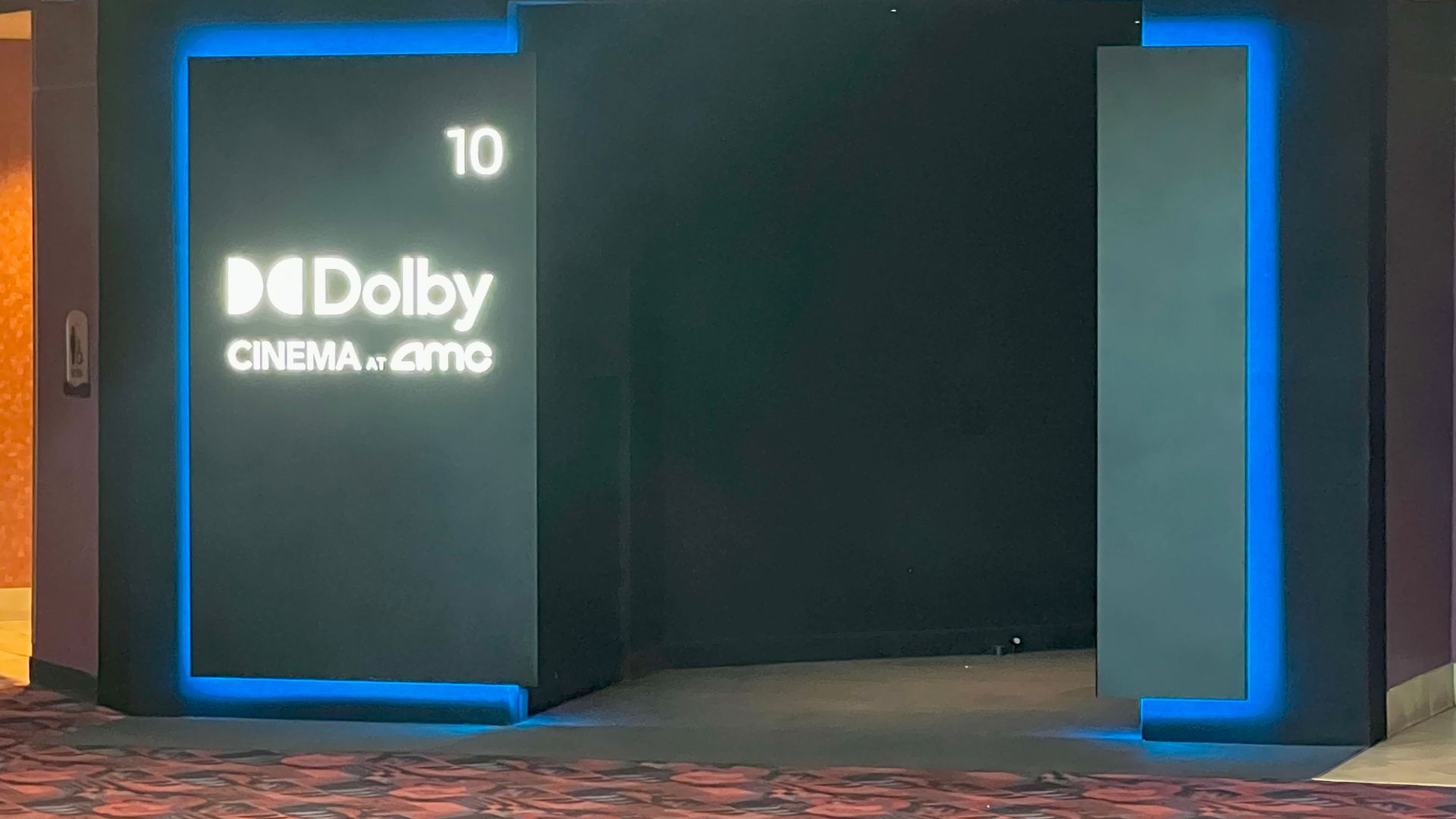
IMAX was not alone. Dolby Cinema combined premium projection, powerful sound, and upgraded seating, while major chains developed their own large-format brands. Cinemark, for example, continued investing in XD auditoriums. The technology varied, but every format made essentially the same promise: this screening is special.
 TaurusEmerald, Wikimedia Commons
Premium Formats Made The Surcharge Easier To Understand
Customers rarely enjoy paying more for something that looks identical. Premium formats gave the extra charge a visible explanation. The screen was larger. The sound was different. The seat was better. Instead of simply raising admission prices, theaters could sell an upgraded version of the experience.
More Premium Screens Kept Appearing
The investment did not stop after the pandemic. Industry reporting in 2025 said more than 200 premium large-format screens had been added worldwide since 2023, bringing the global total to nearly 6,000. North American operators were simultaneously pouring money into screens, sound, seating, and theater renovations.
Moviegoers Were Actually Choosing Them
The strategy would mean little if audiences ignored the upgrades. They did not. A 2025 Fandango survey found 77% of surveyed moviegoers had watched at least one movie in a premium format during the previous year. IMAX, RealD 3D, and Dolby Cinema were among the most commonly used.
IMAX Had Its Biggest Year Ever In 2025
The strongest evidence came at the box office. IMAX reported a record $1.28 billion in global box-office revenue in 2025, surpassing its previous high from before the pandemic. For the right movie, audiences were clearly willing to pay extra for a version they believed would feel bigger.
 Samantha Acampora, Shutterstock
Even The Location Of Your Seat Became Valuable
Reserved seating made something else obvious: not every chair in an auditorium is equally desirable. Once customers could see the entire room before purchasing, the perfectly centered seat became a visible commodity. Theater companies have experimented with pricing structures that reflect those differences in demand.
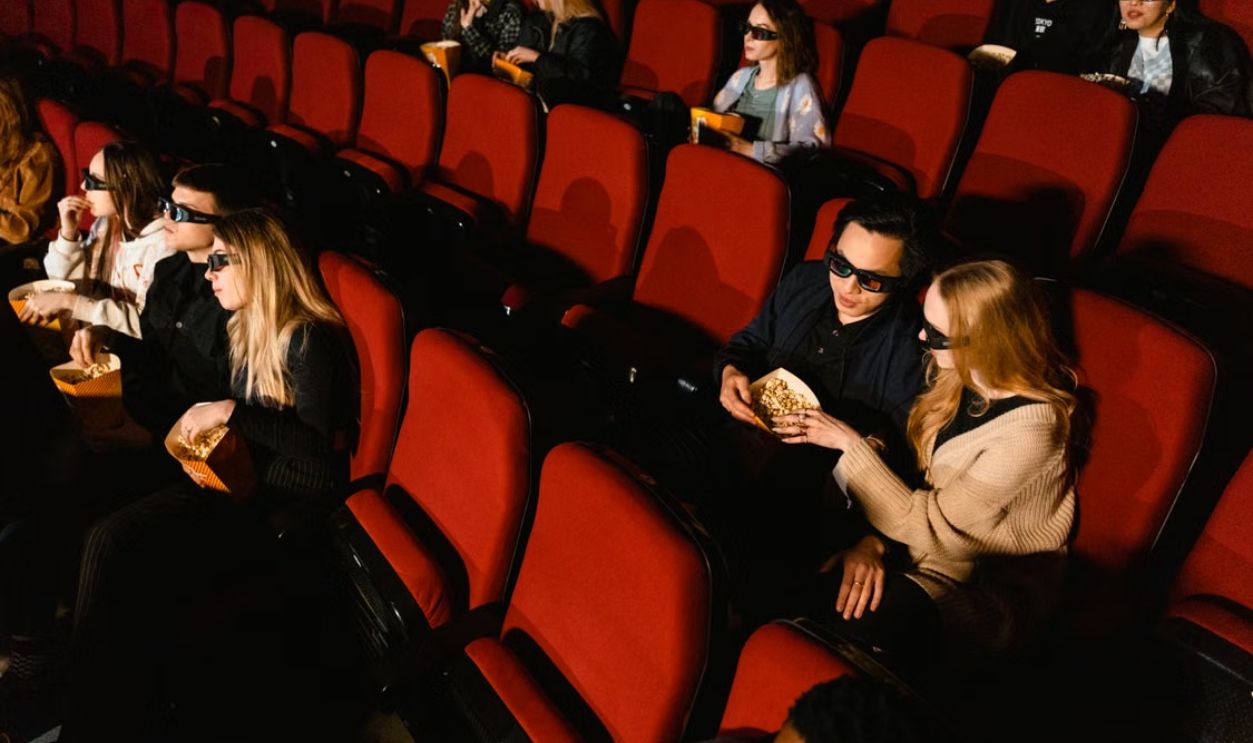
Recliners Helped Change What Theaters Could Sell
A customer settling into a spacious recliner is also easier to serve than someone squeezed into an old folding seat. Chains expanded dine-in concepts, drinks, premium concessions, and seat-side service. The movie became only one part of a potentially much larger night-out purchase.
 Alexanderstock23, Shutterstock
The Theater Started Competing With Restaurants Too
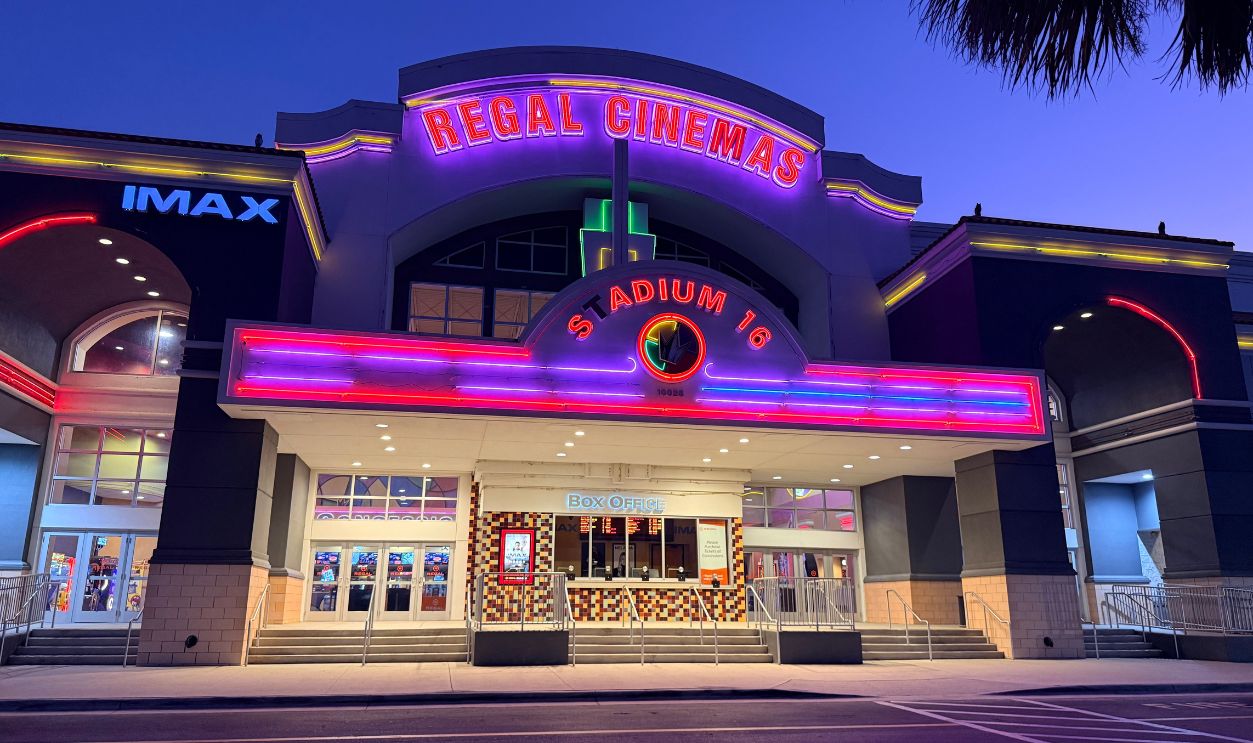
That was an important shift. Streaming had made watching a movie at home incredibly convenient. Theaters responded by making the outing itself more elaborate: dinner, cocktails, reclining seats, reserved spots, giant screens, and surround sound. They were no longer selling only access to a film.
 SimLibrarian, Wikimedia Commons
The Pandemic Made That Strategy Even More Important
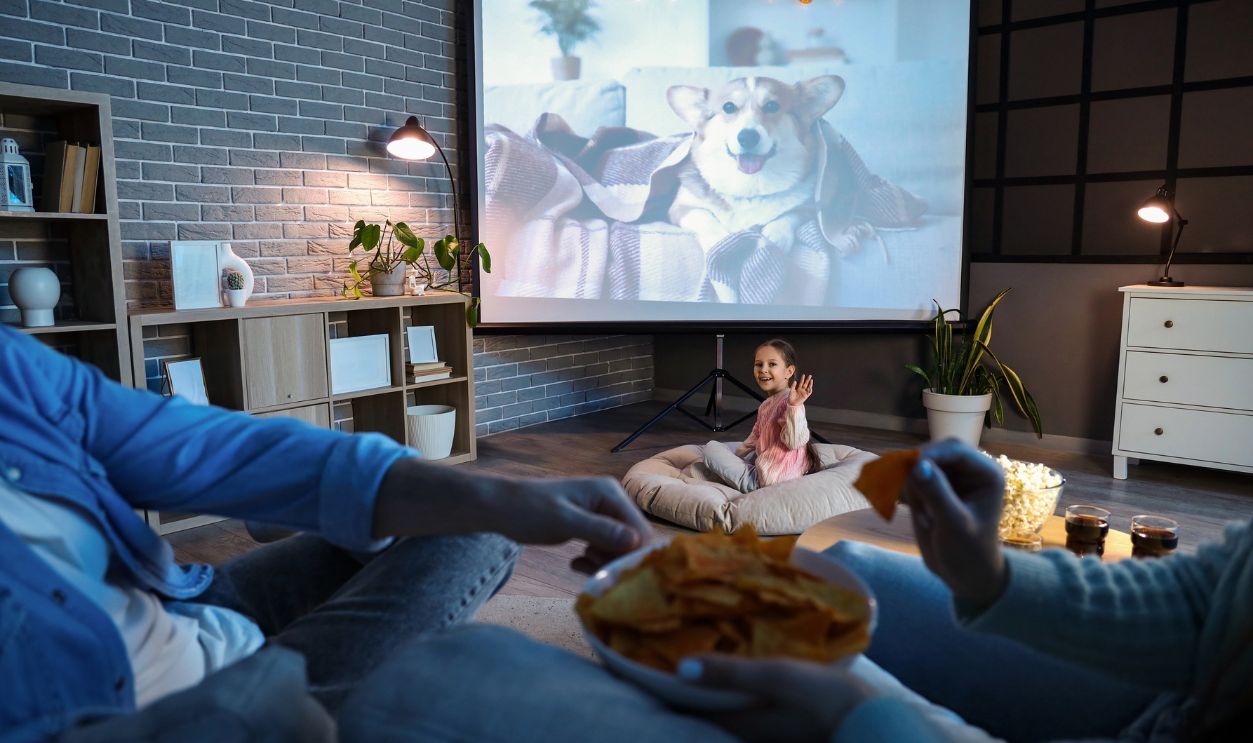
The pandemic devastated theatrical exhibition and strengthened at-home viewing habits that were already growing. When audiences returned, theaters had even less room to offer an experience that felt ordinary. If someone could watch comfortably at home, the cinema needed to offer something home could not easily duplicate.
Theater Owners Kept Spending Anyway
Rather than retreating, the industry continued renovating. A 2025 industry report said North American theater owners had invested more than $1.5 billion in the moviegoing experience during the preceding year, with money going toward projection, sound, seating, food, and other upgrades.
AMC's Recliner Experiment Became The New Normal
What once looked like a risky experiment is now embedded across the chain. By the end of 2025, recliner seating had been installed on more than half of AMC's US screens. Reserved seating, mobile ticketing, premium screens, and luxury chairs are no longer exotic extras at many multiplexes.
Fewer Seats Can Still Mean Better Business
The recliner story reveals how theater economics changed. The old model emphasized squeezing as many people as possible into a room. The newer model also asks how valuable each visit can become. A customer buying a premium ticket, upgraded food, and drinks can generate more revenue than someone buying only basic admission.
Premium Screens And Reserved Seats Solve Different Problems
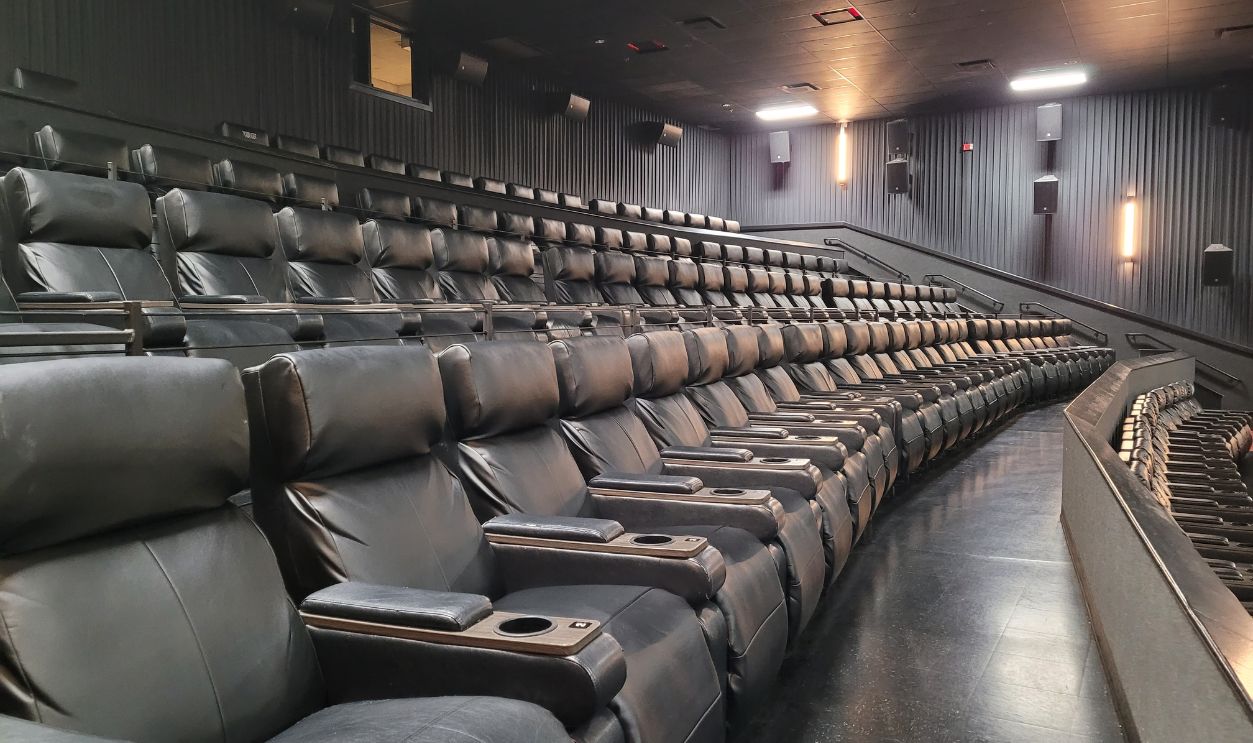
Reserved seating makes moviegoing easier. Premium formats make it harder to replace. One removes an old irritation; the other creates spectacle. That combination matters because theaters are competing against something incredibly powerful: the convenience of simply staying where you are.
Theaters Could Not Beat The Couch At Being A Couch
So they stopped trying. Home entertainment owns convenience. Theaters increasingly compete on scale, sound, communal excitement, luxury seating, food, and spectacle. The strategy is not to convince everyone to leave home for every film. It is to make enough movies feel like events that staying home feels like missing something.
You May Also Like:
Is Exercising At Home Cheaper Than A Gym Membership?
Baby Boomers Remember Paying To Develop Photos, But Millennials Will Be Shocked By How Much It Cost
Never-Ending Payments: Why They're Bad And How To Sidestep Them