The Grocery Aisle Suddenly Looked Wrong
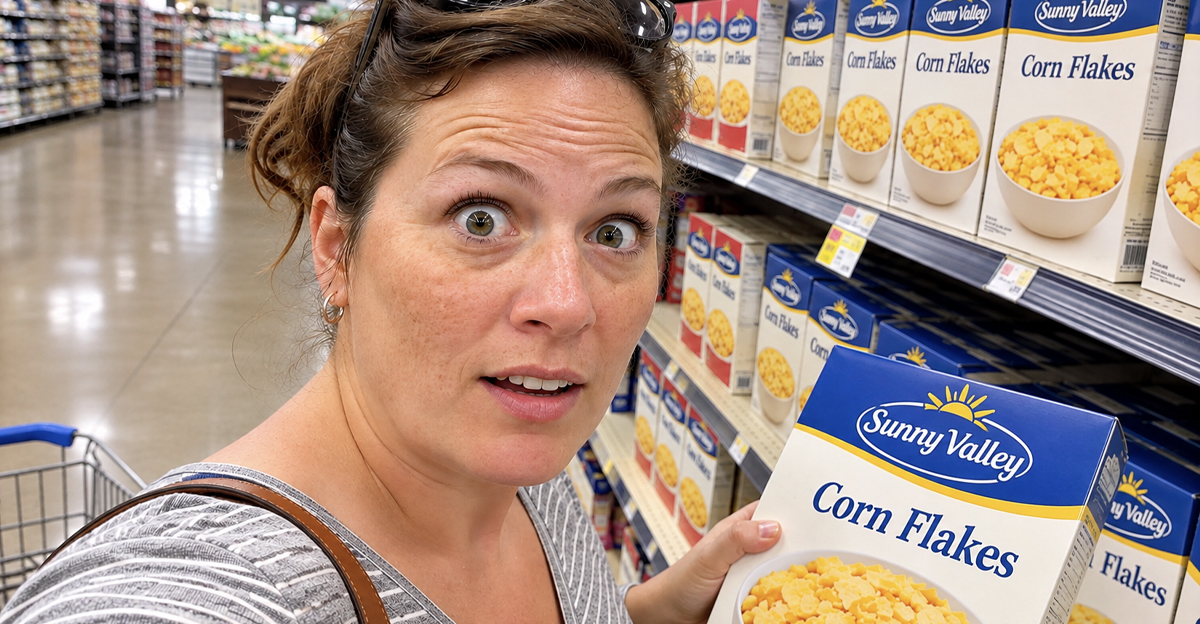
In the late 1970s, shoppers began finding strange new products beside the colorful cereal boxes and famous canned goods. The packages were plain. The lettering was black. Instead of a catchy brand name, some simply announced what was inside: “CORN FLAKES". “PEACHES". “TOMATO JUICE". And people started buying them.
Inflation Made That Plain Box Look Pretty Good
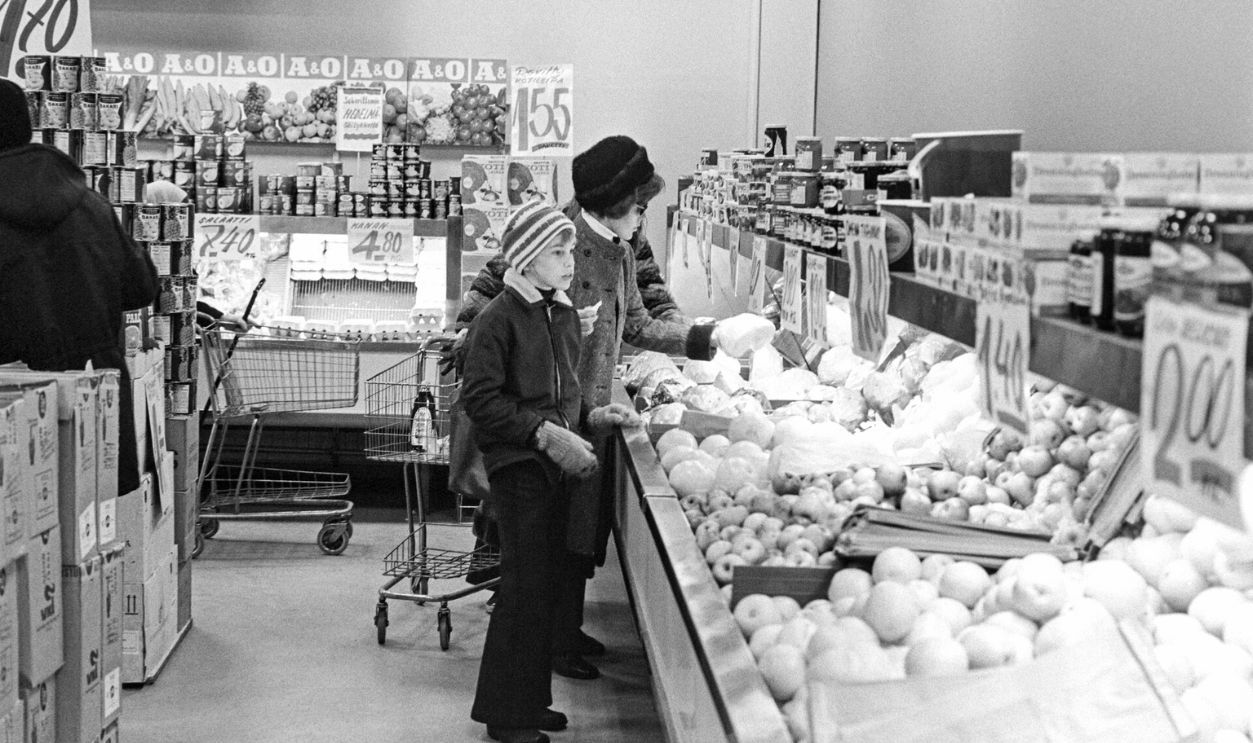
The timing mattered. Families were watching grocery bills climb, and suddenly a polished package did not seem quite as important as saving money. These new generics promised something refreshingly simple: forget the mascot, forget the television commercial, forget the fancy box. You were paying for the food.
 U. A. Saarinen, Wikimedia Commons
Jewel Helped Start The Craze
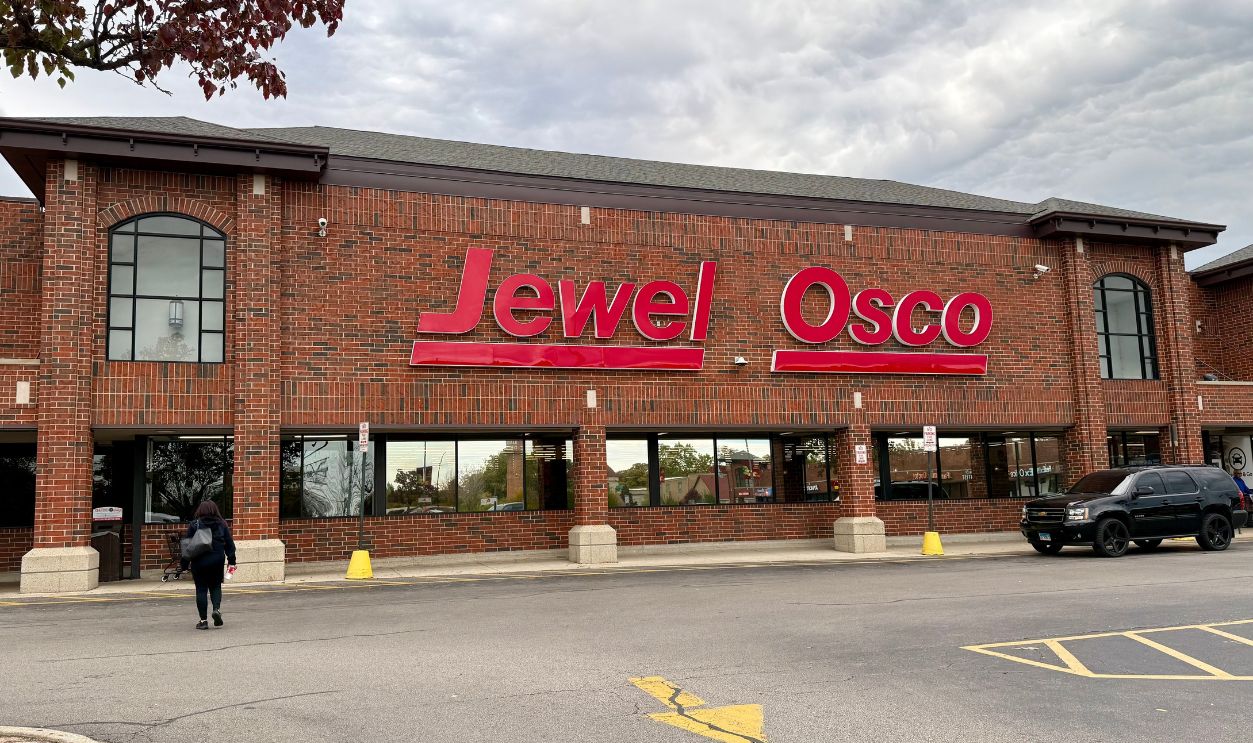
Chicago-area Jewel stores became one of the early champions of the idea. Their generic products looked almost defiantly cheap. There was no attempt to imitate the national brand beside them. That was the message. The package practically dared shoppers to ask why they were paying extra for a logo.
The Boring Packaging Was The Whole Point
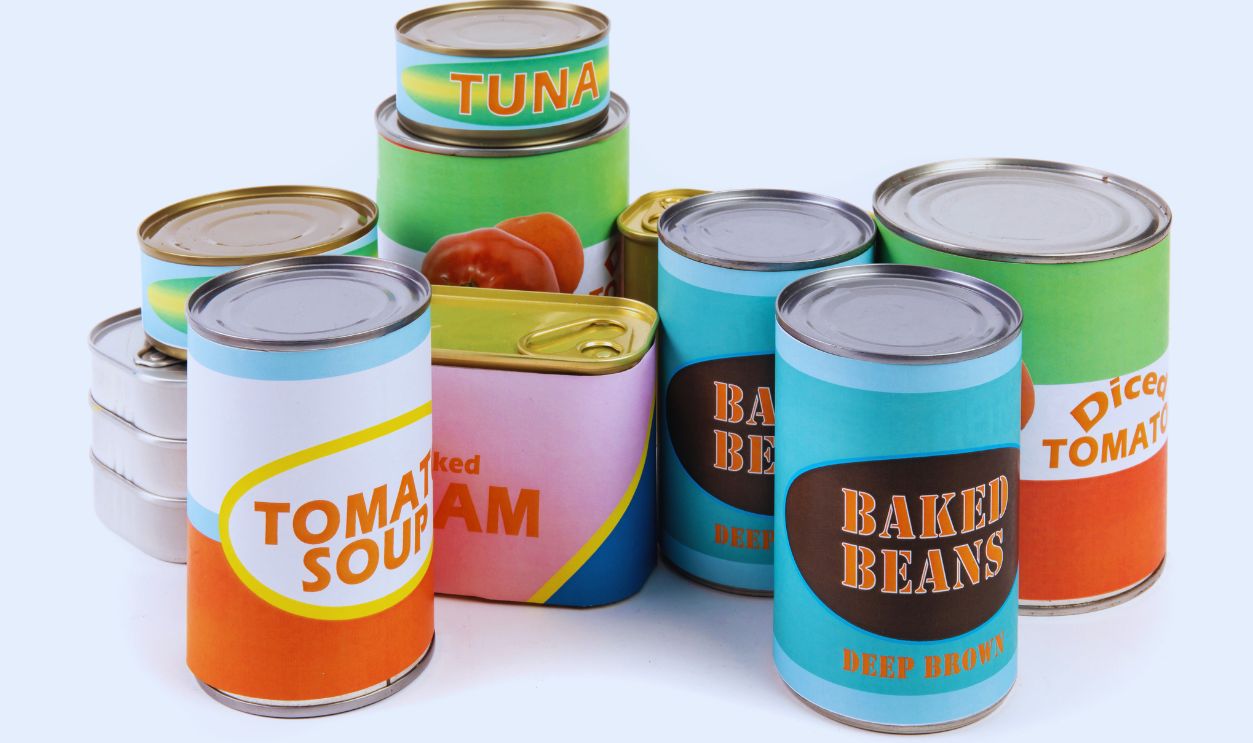
National food companies had spent decades trying to make groceries exciting. Generics did the opposite. No smiling cartoon character. No appetizing glamour shot. No clever slogan. A can of beans looked like a can of beans. To shoppers tired of watching prices rise, the lack of marketing could almost feel honest.
Then The Idea Started Spreading
Other supermarket chains quickly noticed what was happening. Plain-label groceries appeared in more stores and more cities. Suddenly the biggest food brands in America were not just competing with each other. They were competing with products whose entire sales pitch was: “This costs less, and maybe that's enough".
The Big Brands Had A Problem
For years, familiar names had sold more than food. They sold trust. Shoppers knew the cereal mascot, remembered the jingle, and recognized the package from across the aisle. Generics introduced an uncomfortable question: if the product inside was good enough, how much was that familiarity actually worth?
That Question Could Start A Price War
By 1979, discount grocery operations were forcing established supermarkets to react. In one Washington-area battle, major chains began cutting prices after a stripped-down competitor entered the market. The point was no longer theoretical. Cheap groceries could pressure the stores selling famous brands to get cheaper too.
Even Cheerios Got Pulled Into The Fight
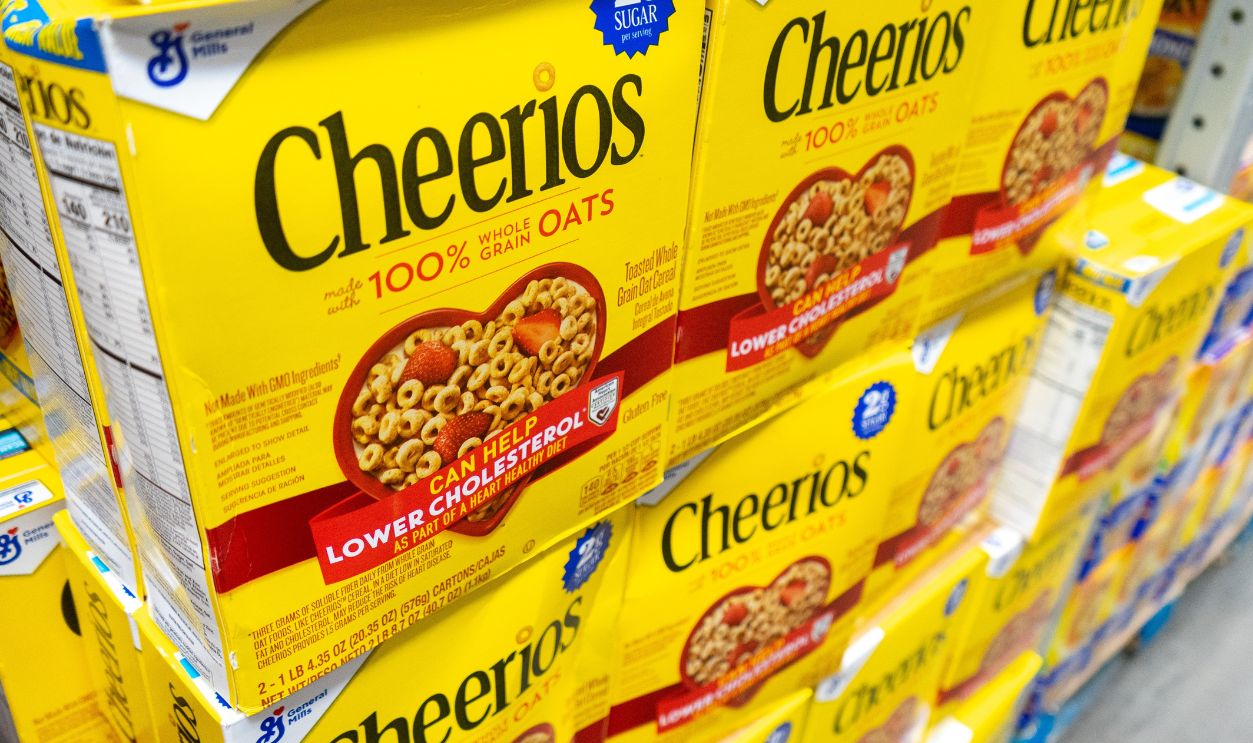
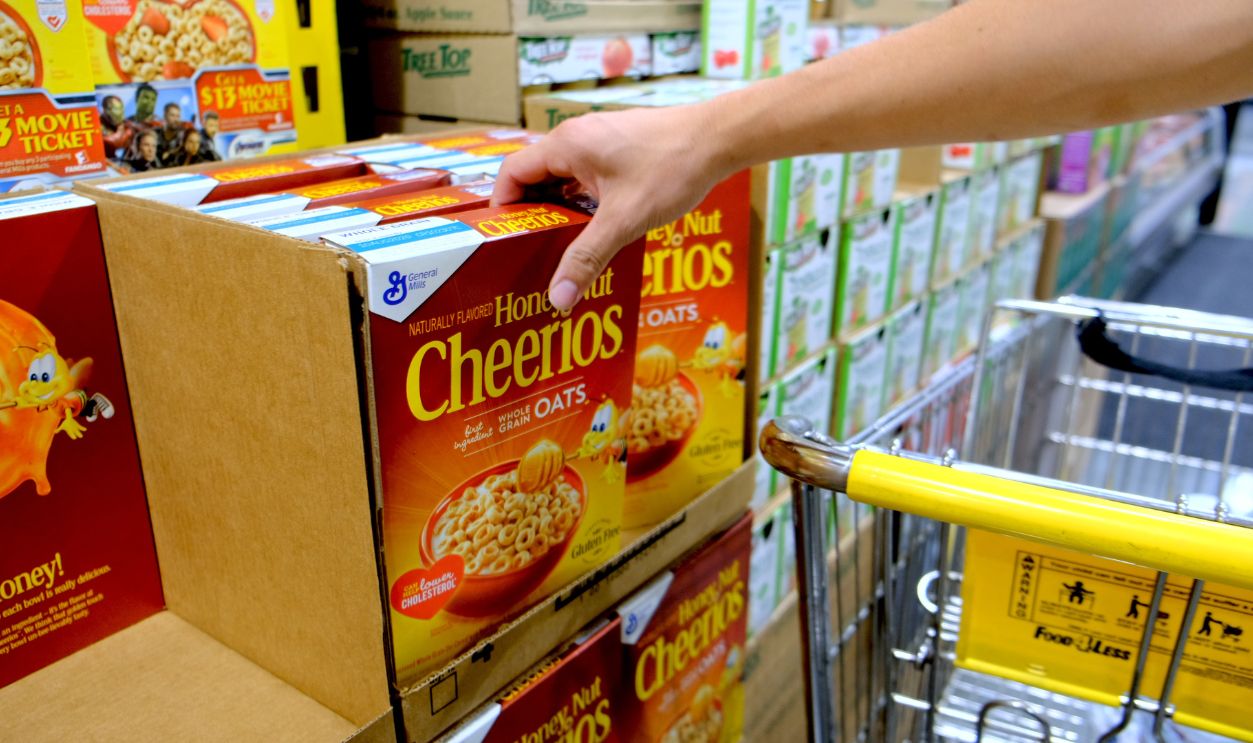
One contemporary comparison captured how strange things had become. After cutting its price, a major supermarket was selling a 15-ounce box of Cheerios for 99 cents, cheaper than the $1.09 price at the nearby no-frills operation. The discount challenger had forced an established chain to fight back on a household-name cereal.
Not Every Generic Was Great
The cheap products had weaknesses. Some shoppers thought the quality was noticeably worse. Others simply disliked buying groceries that looked like emergency supplies. The no-frills idea worked best when the savings felt bigger than the sacrifice. If the product seemed cheap in every sense of the word, shoppers could walk away.
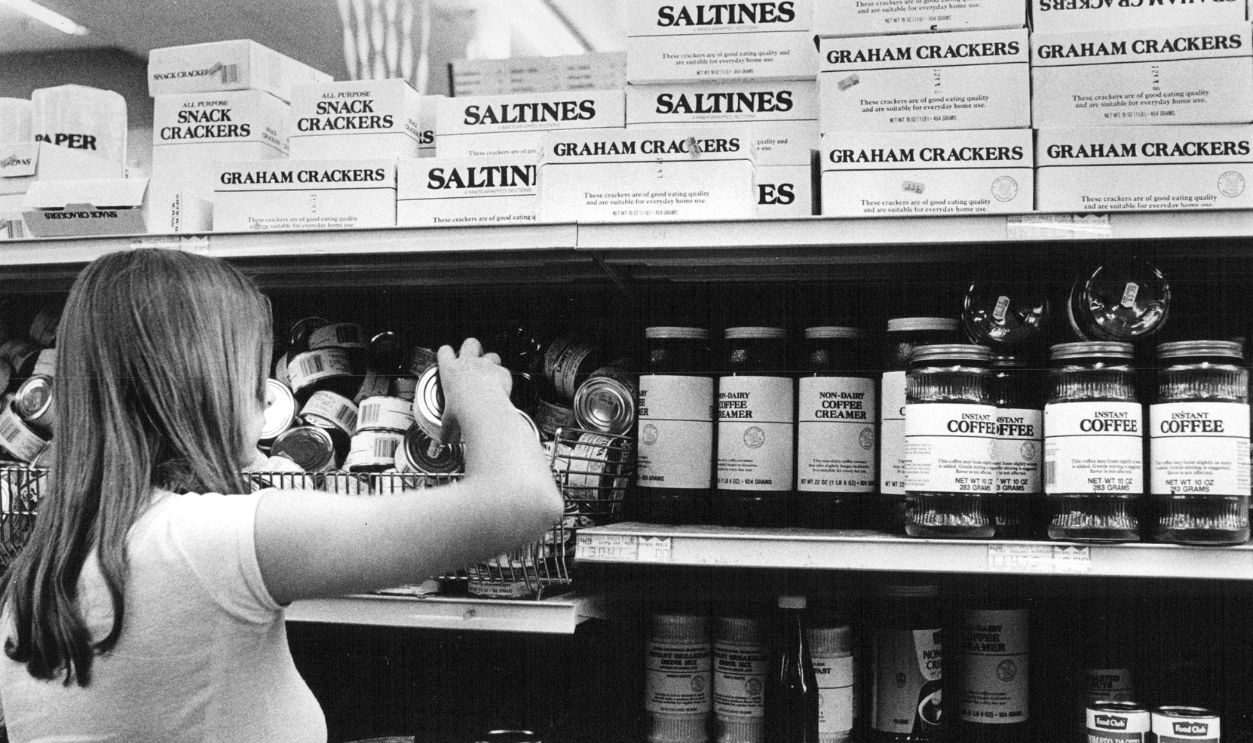
The First Generic Boom Eventually Faded
By the end of the 1980s, the stark black-and-white package had largely lost its novelty. The original generic craze had not conquered the grocery store. But supermarkets had learned something far more important than how to sell ugly cans: shoppers were willing to abandon famous brands when the price difference became convincing enough.
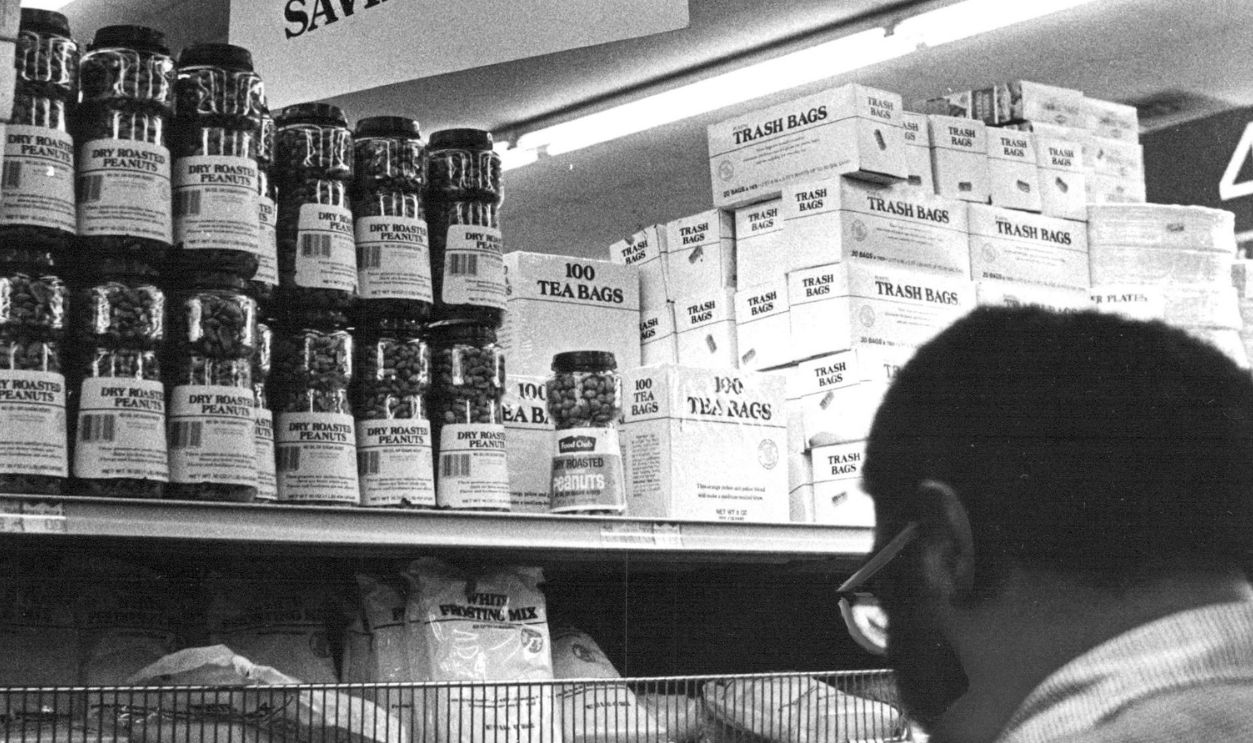
Supermarkets Did Not Forget That Lesson
Instead of abandoning the idea, retailers improved it. What if the cheaper product did not look cheap? What if the package was attractive, the quality was dependable, and the customer could save money without feeling like they were settling? That question helped transform the old generic into the modern store brand.
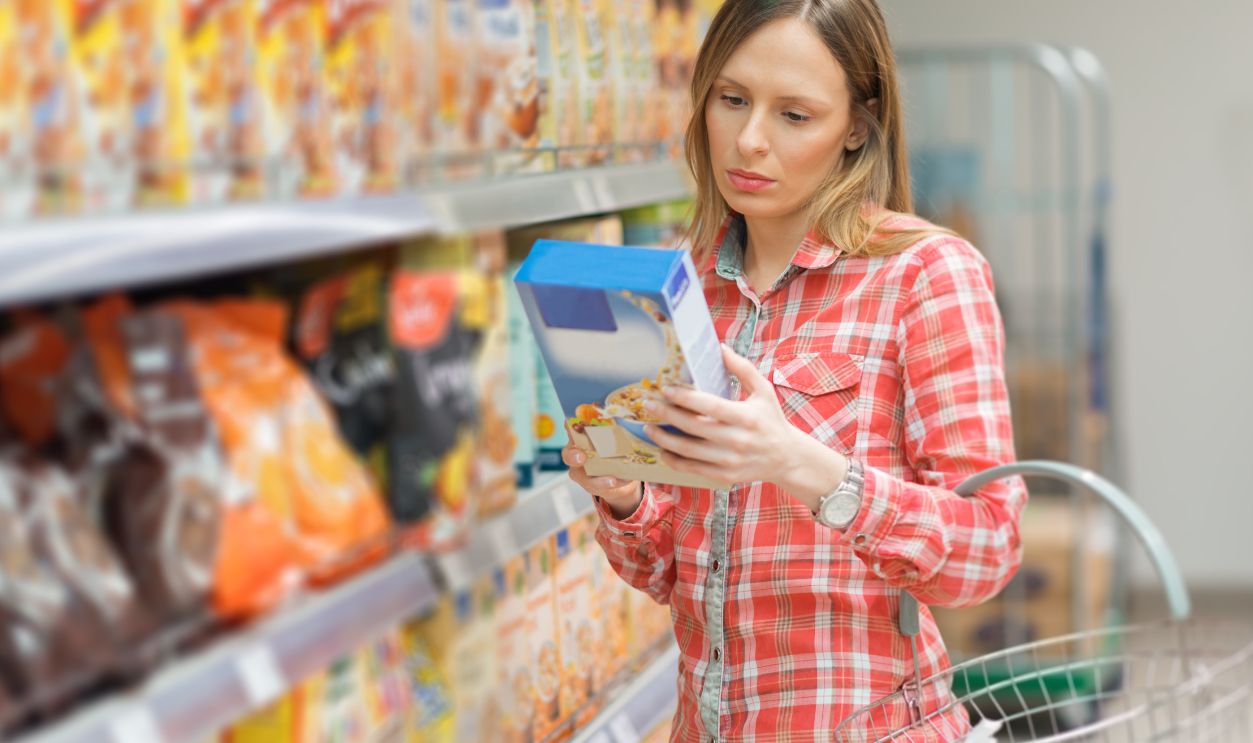
The Cheap Knockoff Got A Makeover
Store brands began looking less like consolation prizes. Packaging improved. Product ranges expanded. Retailers introduced organic foods, premium sauces, specialty snacks, and upscale frozen meals under their own names. The goal was no longer merely to be cheaper. It was to make shoppers genuinely want the alternative.
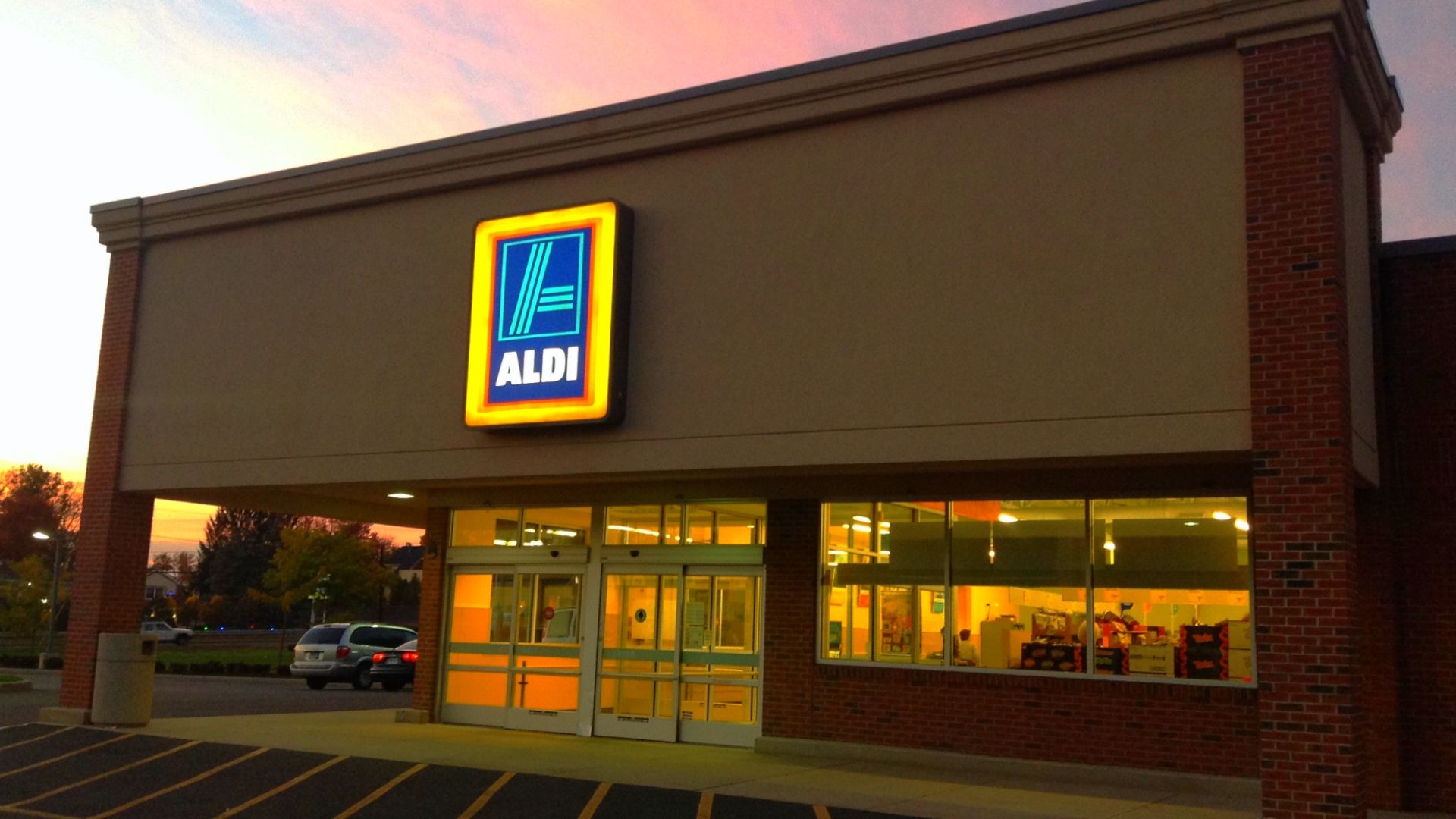
Aldi Built A Business Around The Idea
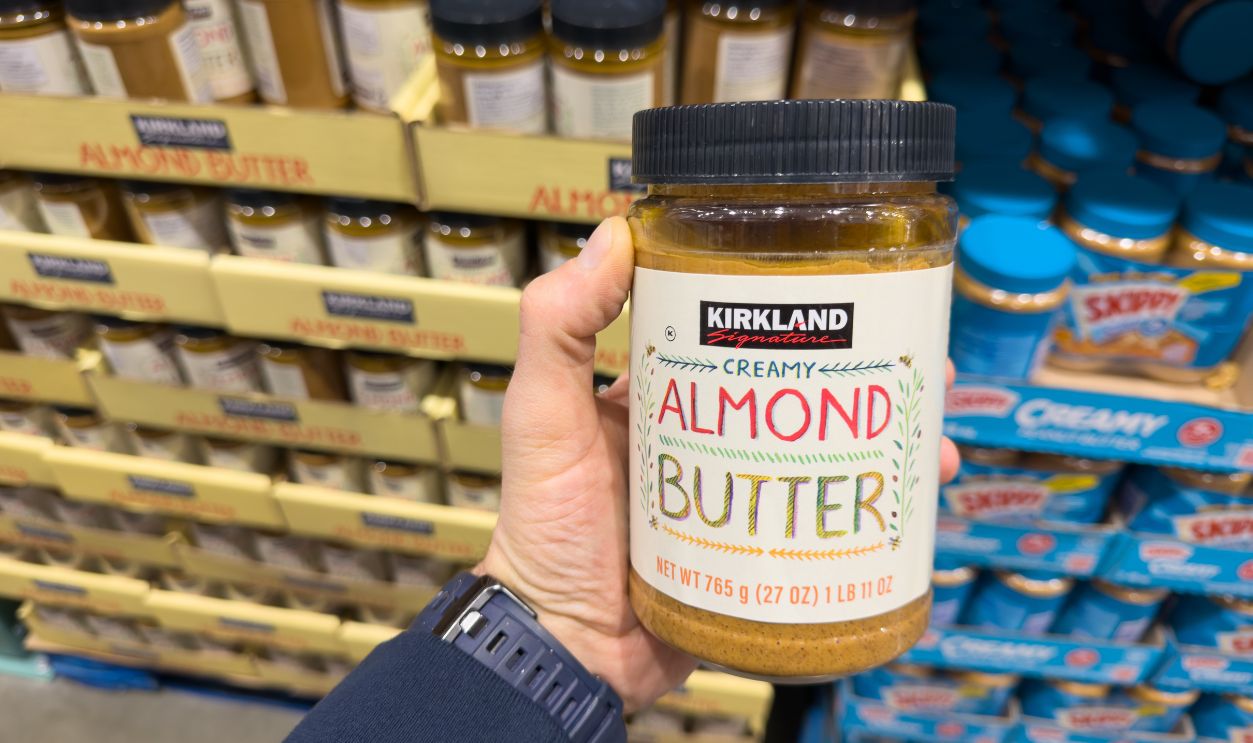
Aldi pushed that strategy especially far. Instead of filling its shelves with endless versions of the same product from competing national companies, it built much of its assortment around exclusive brands. Shoppers became accustomed to buying unfamiliar labels because the store itself became the name they trusted.
 Mike Mozart from Funny YouTube, USA, Wikimedia Commons
Then Store Brands Stopped Acting Like Copies
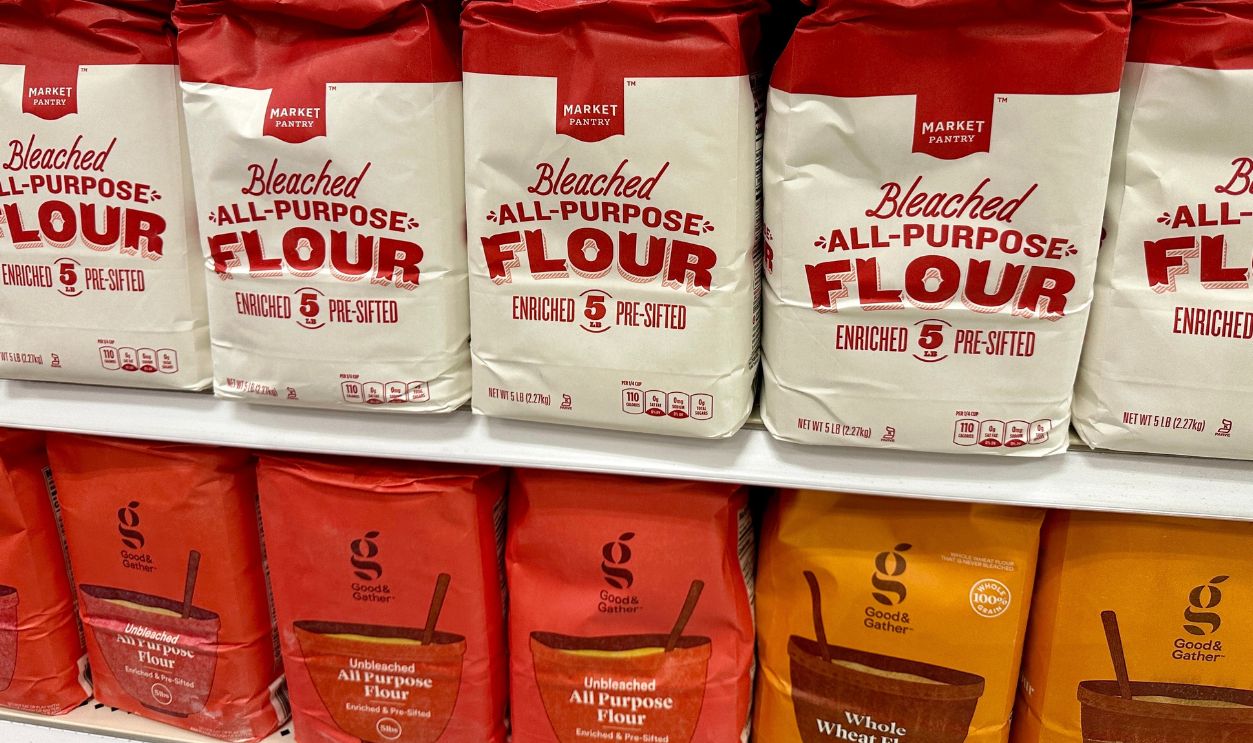
That evolution changed the game. Retailers increasingly created products that were not simply cheaper imitations of whatever the big manufacturer was selling. They developed their own flavors, recipes, packaging, and identities. A store brand could now compete on taste and novelty as well as price.
Walmart Made The Shift Impossible To Ignore
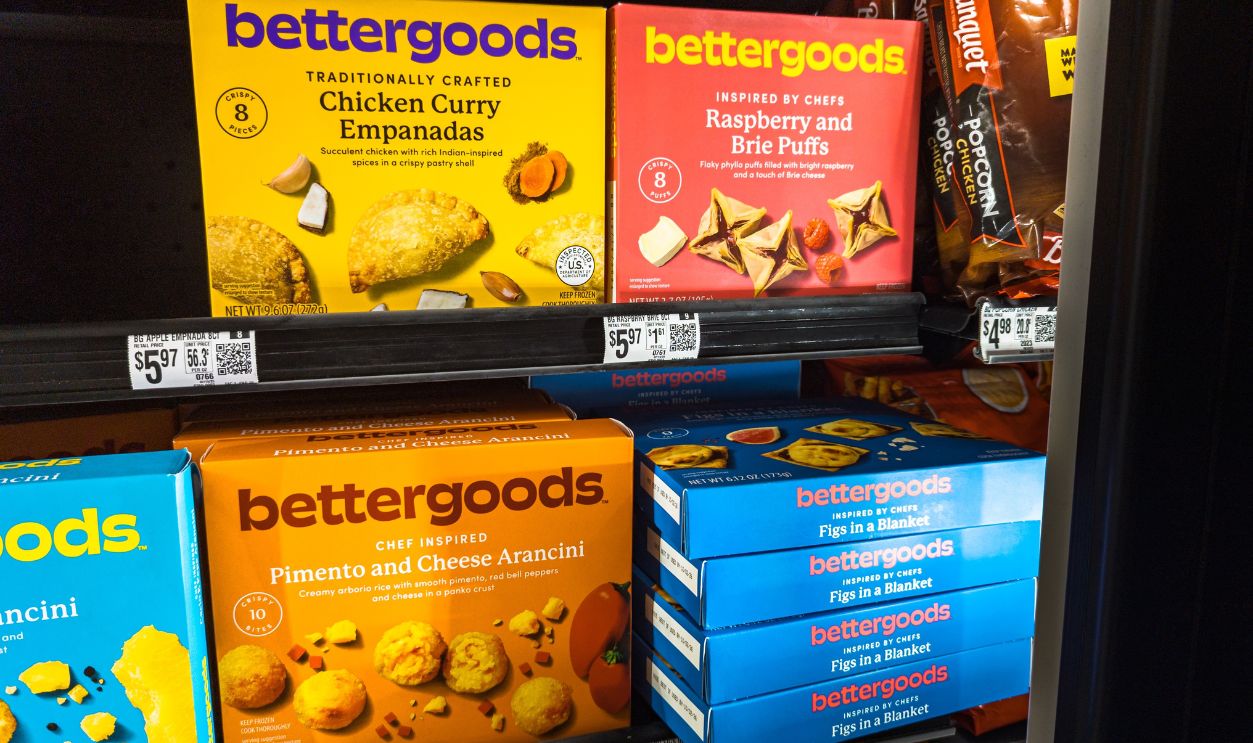
In 2024, Walmart introduced bettergoods, a major new food line built around hundreds of products ranging from familiar staples to more distinctive offerings. It was another sign that private labels were no longer being hidden on the bottom shelf. Retailers wanted shoppers to seek them out.
Then Grocery Inflation Changed The Mood Again
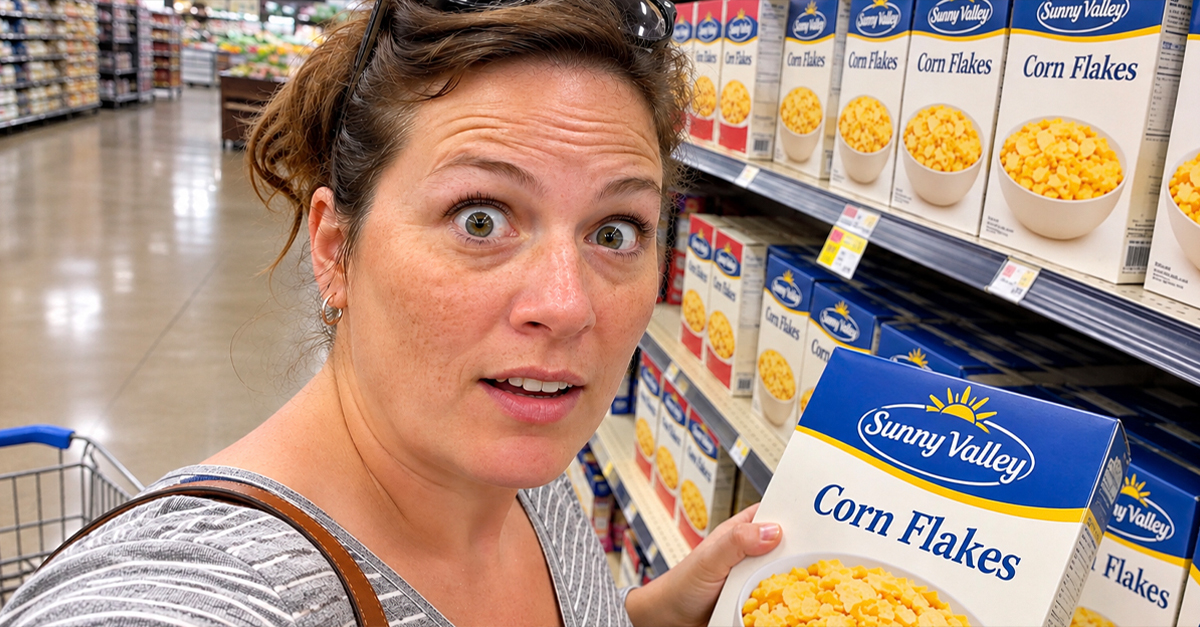
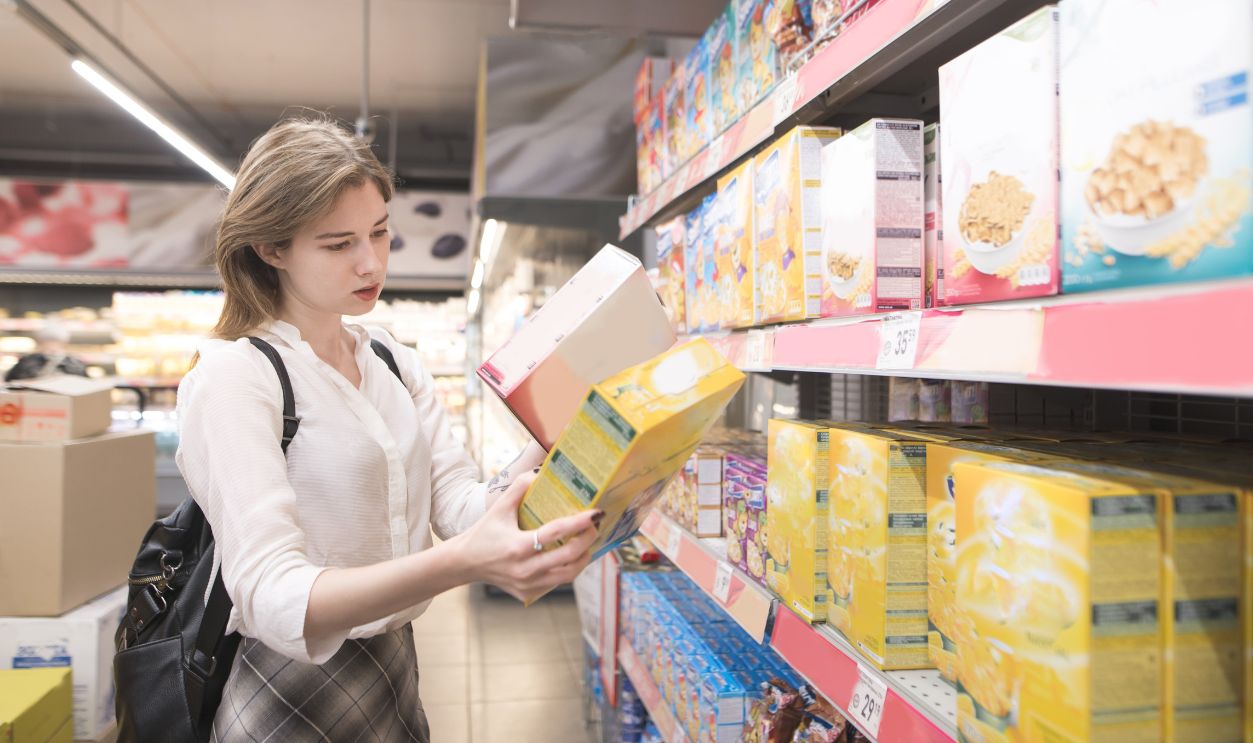
As food bills climbed in the 2020s, the old question returned with new urgency: is the famous logo really worth the extra money? Shoppers who might once have reached automatically for a familiar box began trying the one beside it. If the cheaper version tasted fine, the national brand had a problem.
 Hryshchyshen Serhii, Shutterstock
Store Brands Became A Giant Business
By 2025, US store-brand sales had reached a record $282.8 billion. That number matters because it shows how completely the idea had evolved. What began with intentionally drab cans had become one of the most powerful forces in the modern supermarket.
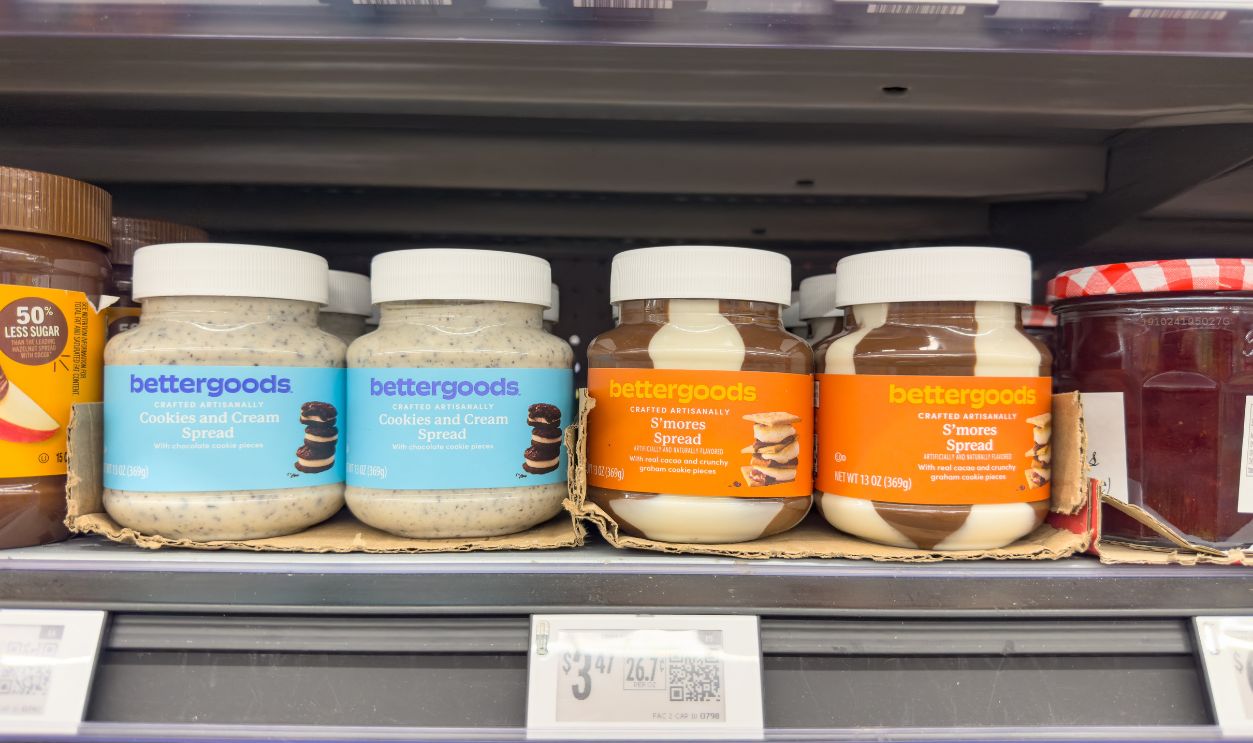
The First Switch Is The Dangerous One
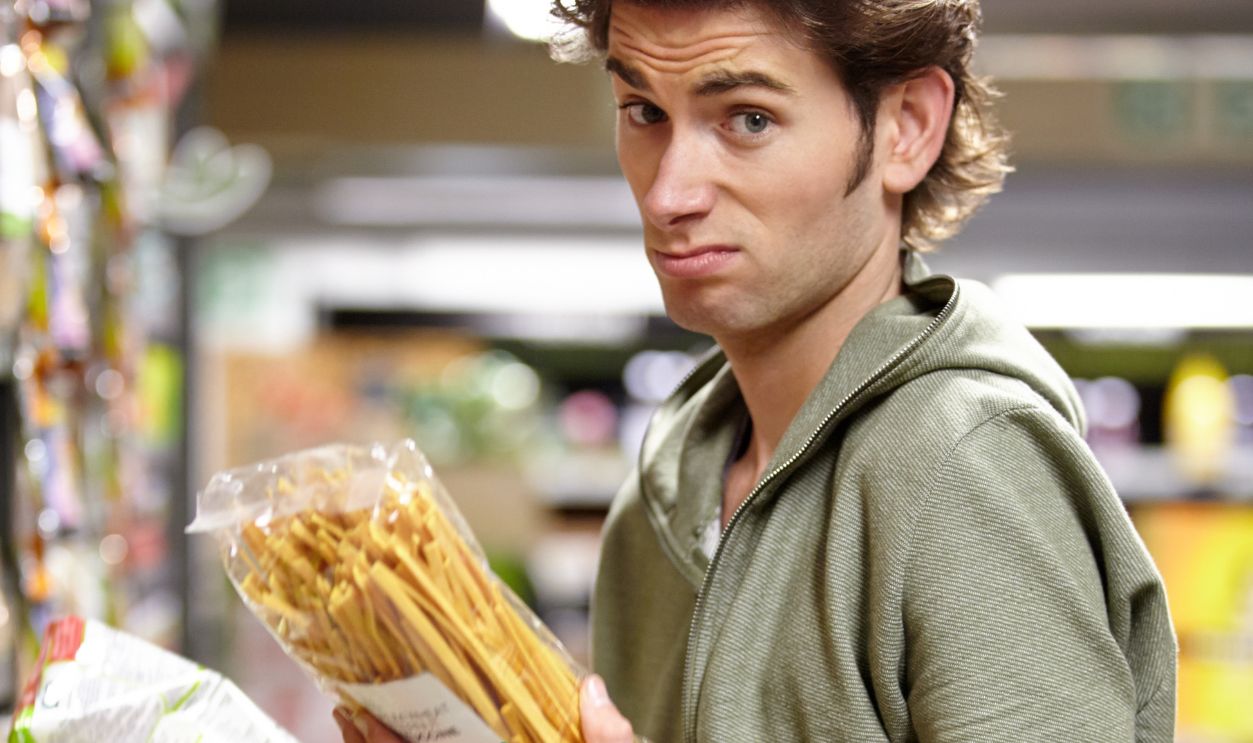
Brand loyalty can survive a small price difference for years. But once someone finally tries the cheaper pasta sauce, cereal, cheese, or crackers and decides it is perfectly good, something changes. The famous brand no longer has habit on its side. Now it has to convince that shopper to come back.
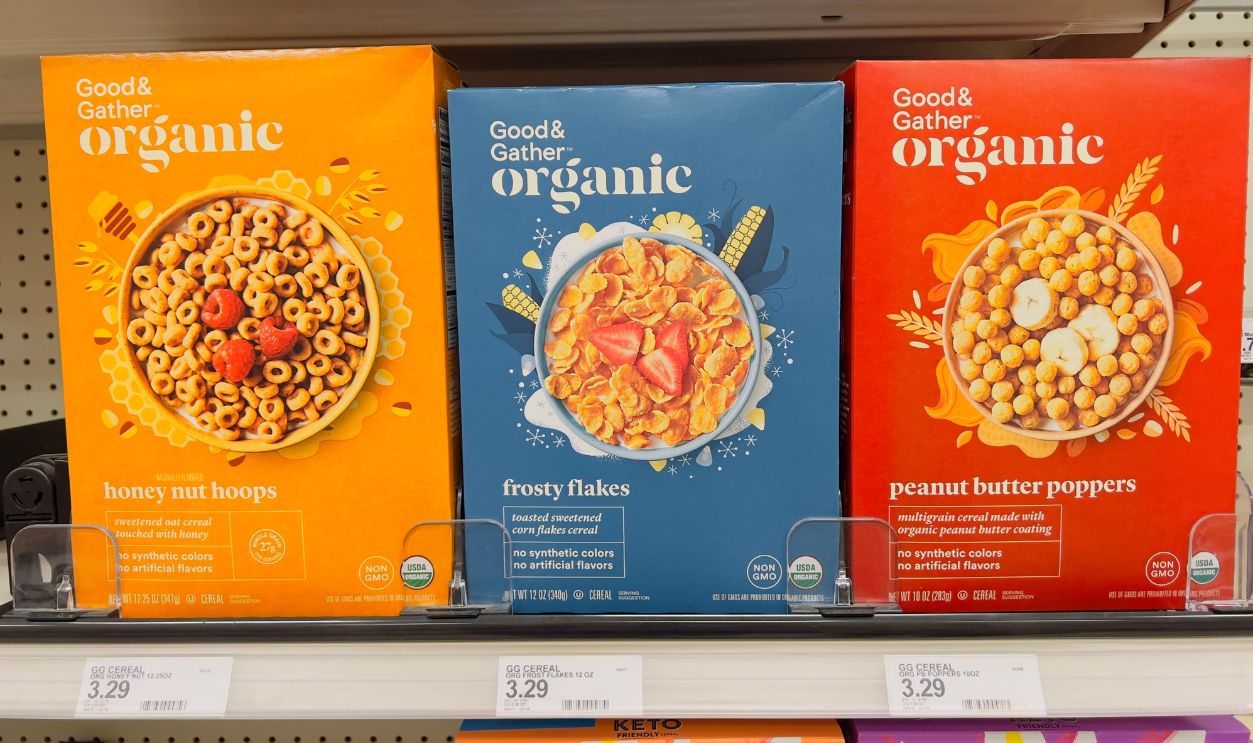
Big Food Could Feel The Pressure
Major manufacturers began talking openly about value and affordability. After years when higher prices helped drive sales growth, companies faced consumers who were becoming much more willing to trade down. Raising prices suddenly carried a new risk: the shopper might leave and discover they did not miss you.
General Mills Started Narrowing The Gap
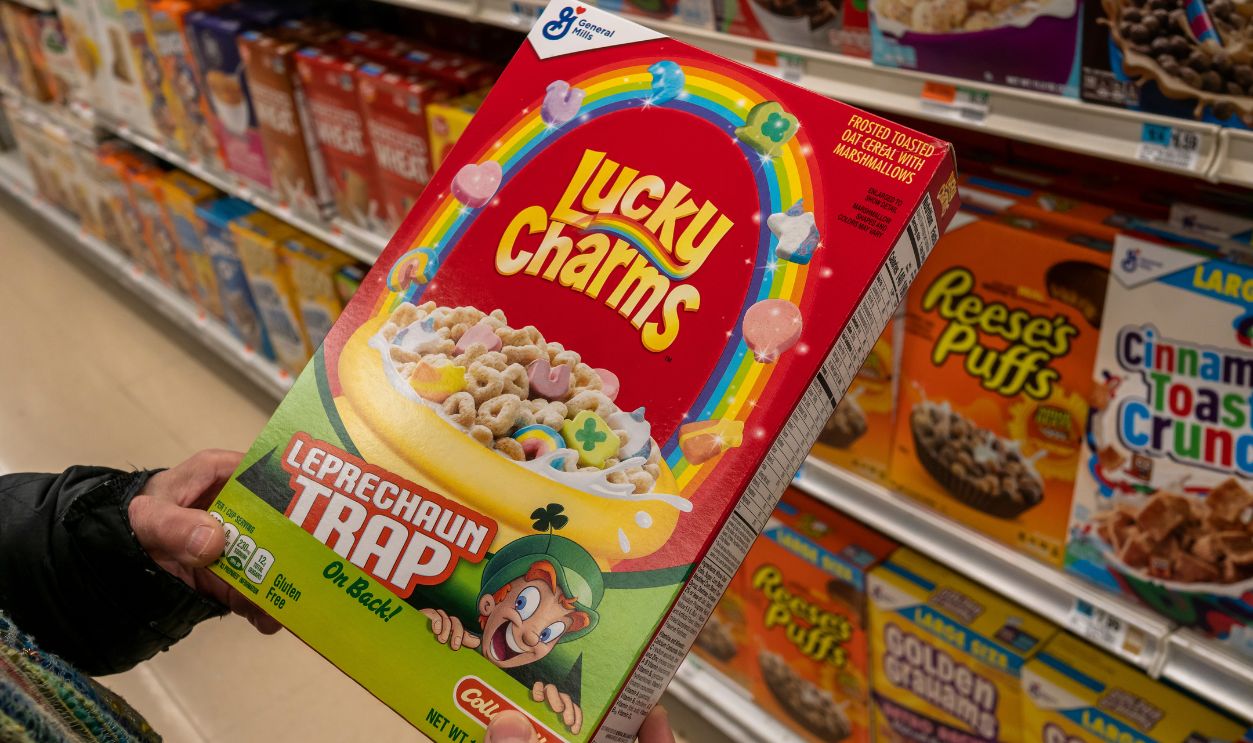
The company behind some of America's most recognizable grocery brands began adjusting prices across large parts of its business to make its products more competitive. The strategy was revealing. Instead of assuming the brand name alone would keep people loyal, the company was working to make the price feel reasonable again.
PepsiCo Went Even Further
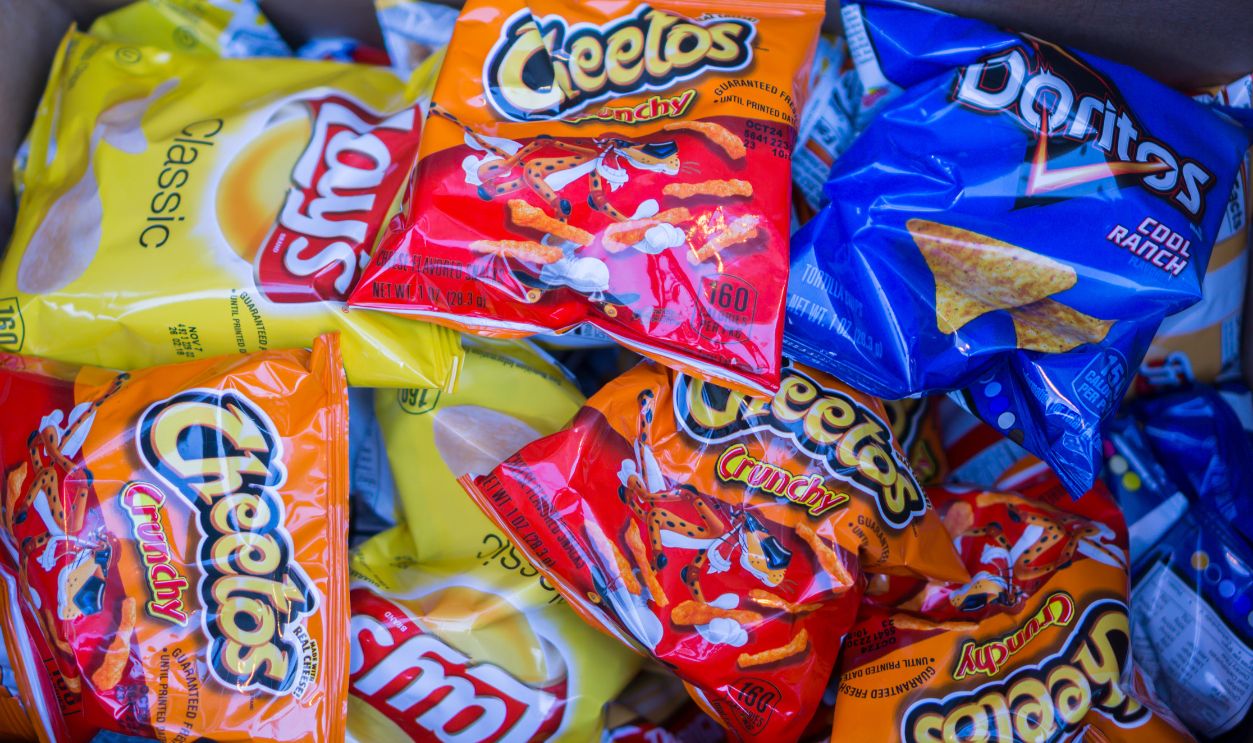
In early 2026, PepsiCo lowered suggested prices on major snack brands including Lay's, Doritos, Cheetos, and Tostitos, with some reductions approaching 15%. That was a remarkable reversal. One of the world's biggest snack companies was effectively saying that its famous brands had become too expensive for some shoppers.
And Cheaper Prices Started Bringing People Back
The company later said its affordability push was improving sales trends in its US food business. That is the heart of the price war. Store brands did not need to destroy famous products. They only needed to make those companies nervous enough about losing shoppers that cutting prices started looking better than holding the line.
This Is What A Grocery Price War Looks Like Now
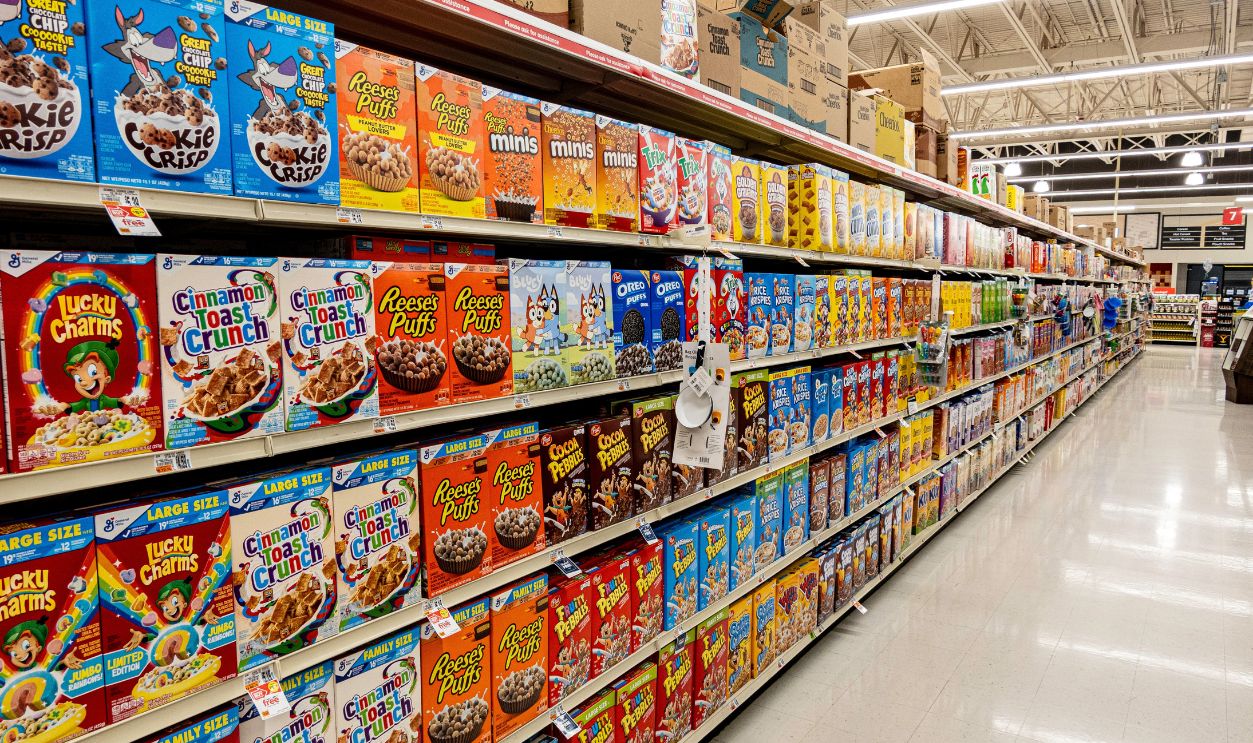
There are no executives standing in the cereal aisle shouting at one another. The battle happens quietly. A retailer launches a better store brand. A manufacturer adds a promotion. One side cuts a price. The other rolls out a loyalty discount. Shoppers barely see the strategy. They just notice that suddenly there are choices.
Famous Brands Still Have A Powerful Advantage
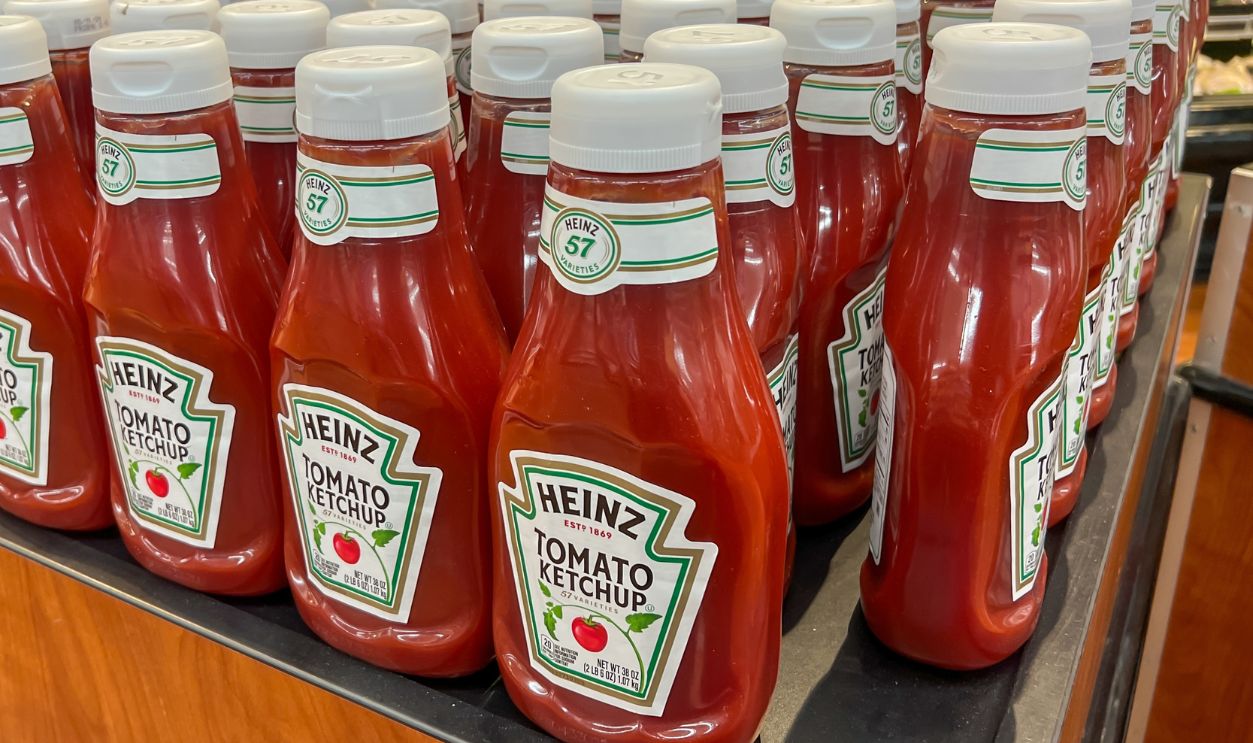
People do become attached to particular foods. Maybe one ketchup tastes right and every other one tastes wrong. Maybe the cereal reminds you of childhood. Maybe you simply trust the brand. That emotional familiarity is incredibly valuable, which is why national food companies have spent generations building it.
But Even Loyal Shoppers Have A Limit
A shopper may happily pay a little more for the product they know. The calculation changes when the gap becomes large enough. Eventually curiosity wins: “I'll try the cheaper one this time". For the national brand, those may be the most dangerous words in the entire grocery store.
The Generic Grocery Won By Growing Up
The original black-and-white packages mostly vanished, but their central idea survived. Shoppers did not necessarily want ugly groceries. They wanted value. Retailers eventually figured out how to give them lower prices without making the product feel second-rate, and that changed the balance of power on the shelf.
Now The Biggest Brands Have To Earn The Extra Dollar
That is the real legacy of the generic revolution. A famous name can still command a premium, but it can no longer assume shoppers will pay whatever appears on the tag. Every cheaper store-brand alternative asks the same question those plain packages asked nearly 50 years ago: what exactly are you getting for the extra money?
You May Also Like:
How Frozen Meals Went From A Novelty To A Billion-Dollar Grocery Business
Understanding Compound Interest: The Power Of Money's Growth