The Most Hated Part Of Movie Night Was Also Big Business
Before streaming, movie night came with a ticking clock. Forget that VHS tape or DVD on the coffee table for a few extra days, and your cheap rental suddenly cost a lot more. Customers hated late fees. Video stores, however, had hundreds of millions of reasons to keep them around.
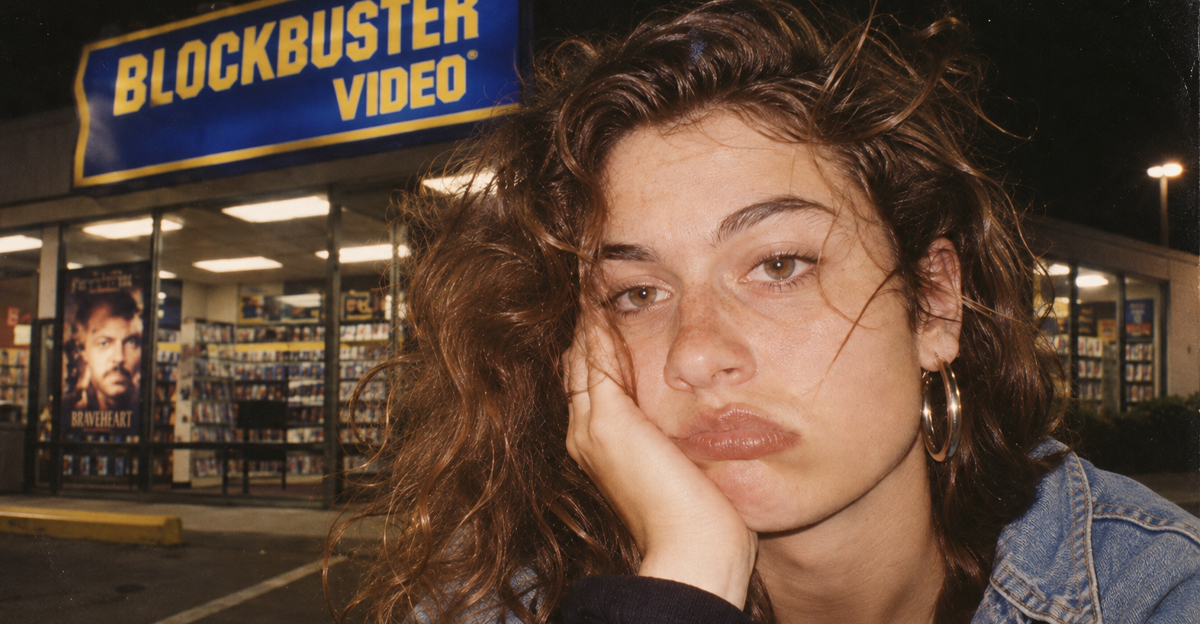
Video Stores Made About $1 Billion From Late Fees In 2003
That number sounds almost too ridiculous to be true. It isn't. A 2004 Associated Press report cited an industry estimate that retailers generated about $1 billion from late fees in 2003, roughly 10.4% of gross revenue. Forgetful movie fans had become an enormous business all by themselves.
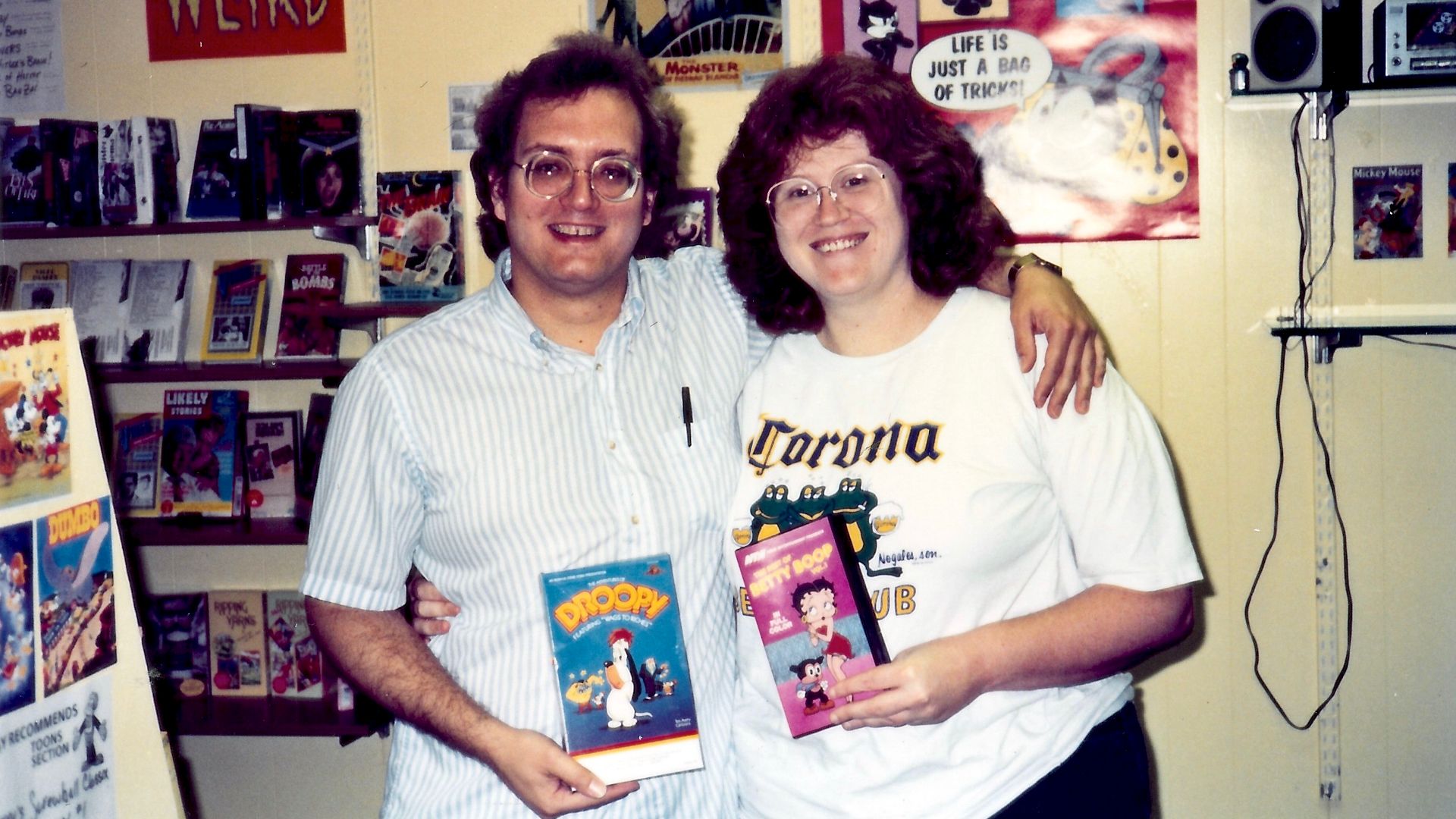
Blockbuster Collected $795 Million By Itself
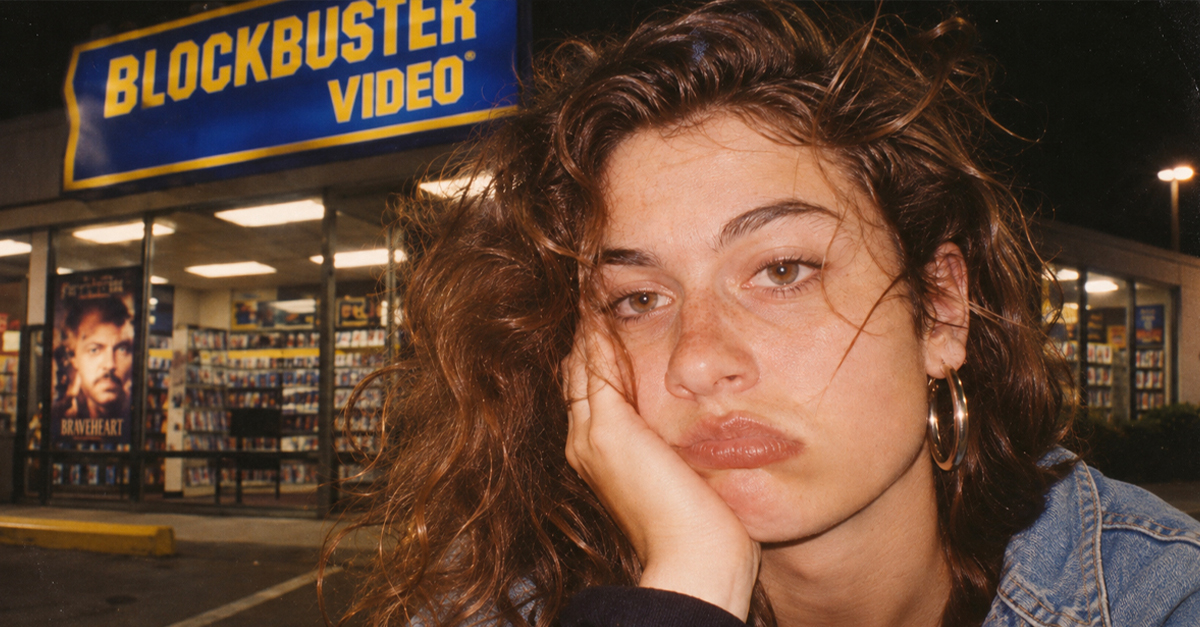
Blockbuster was the king of the late fee. Company figures reported at the time showed the chain collected approximately $795 million in late charges in 2000. A company spokesman said late fees had recently represented around 15% of its revenue. Procrastination was practically a product line.
 Tracy the astonishing, Wikimedia Commons
A Cheap Rental Could Become An Expensive Mistake
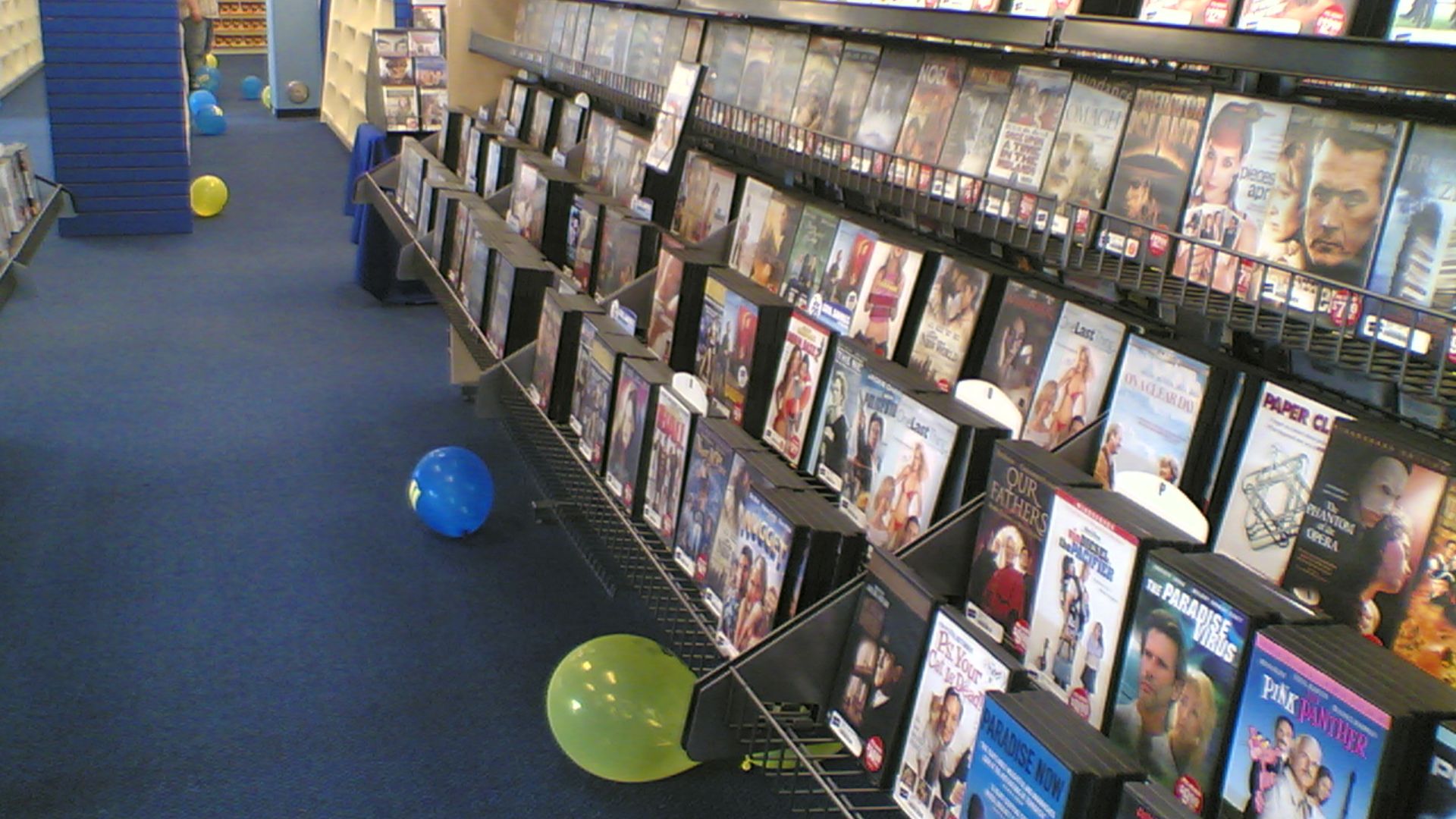
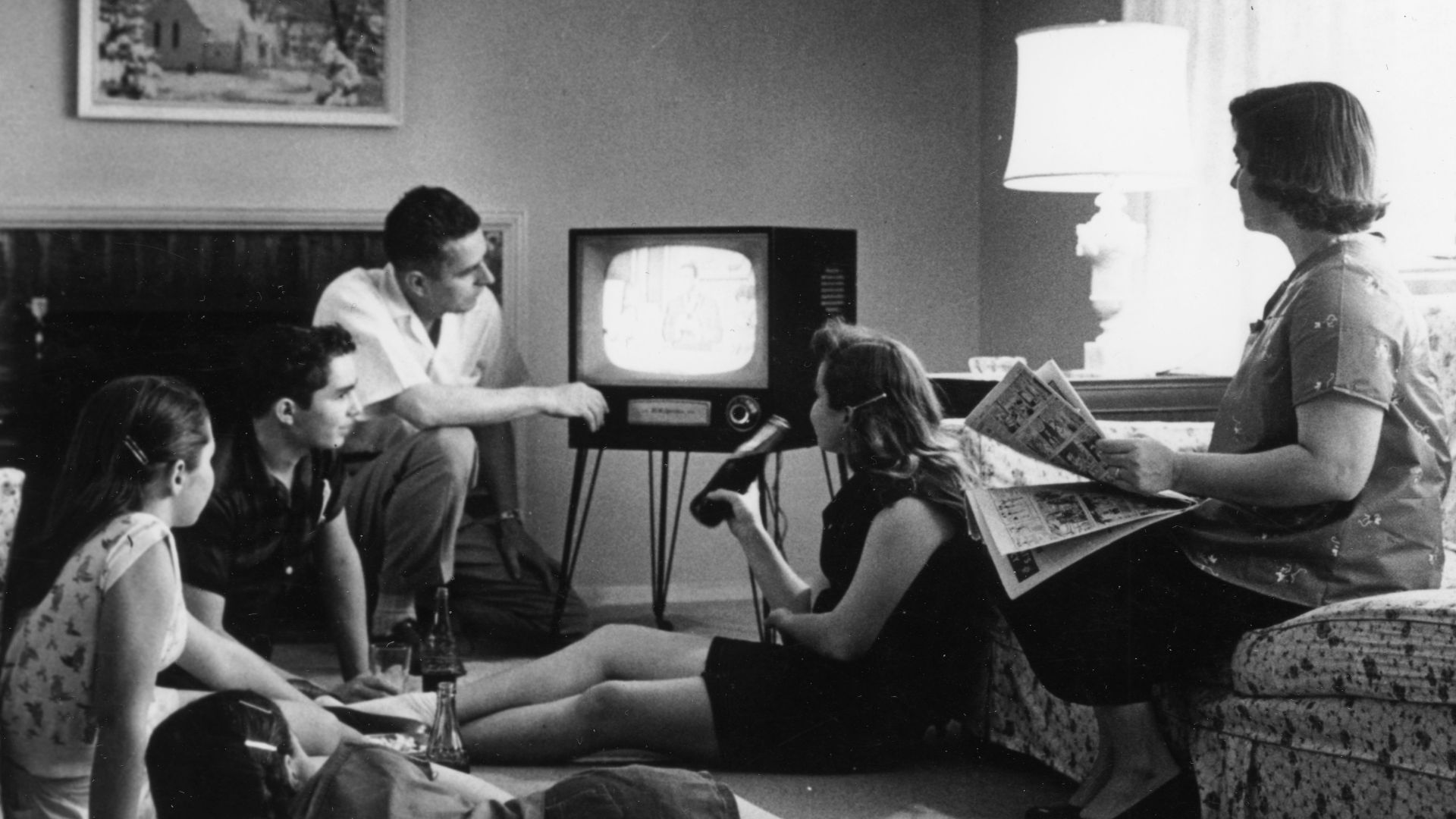
Anyone who rented movies back then probably remembers the panic. The tape was still beside the television. The due date was yesterday. Under older systems, daily penalties could quickly make a bargain rental painfully expensive. Blockbuster eventually changed the formula, but forgetting still meant paying.
 Evert F. Baumgardner, Wikimedia Commons
Blockbuster Was Everywhere
Part of the reason those fees became so enormous was simple: Blockbuster was almost impossible to escape. By the end of 2004, the company reported roughly 9,100 stores across the United States, its territories, and 24 other countries. The blue-and-yellow sign had become part of everyday life.
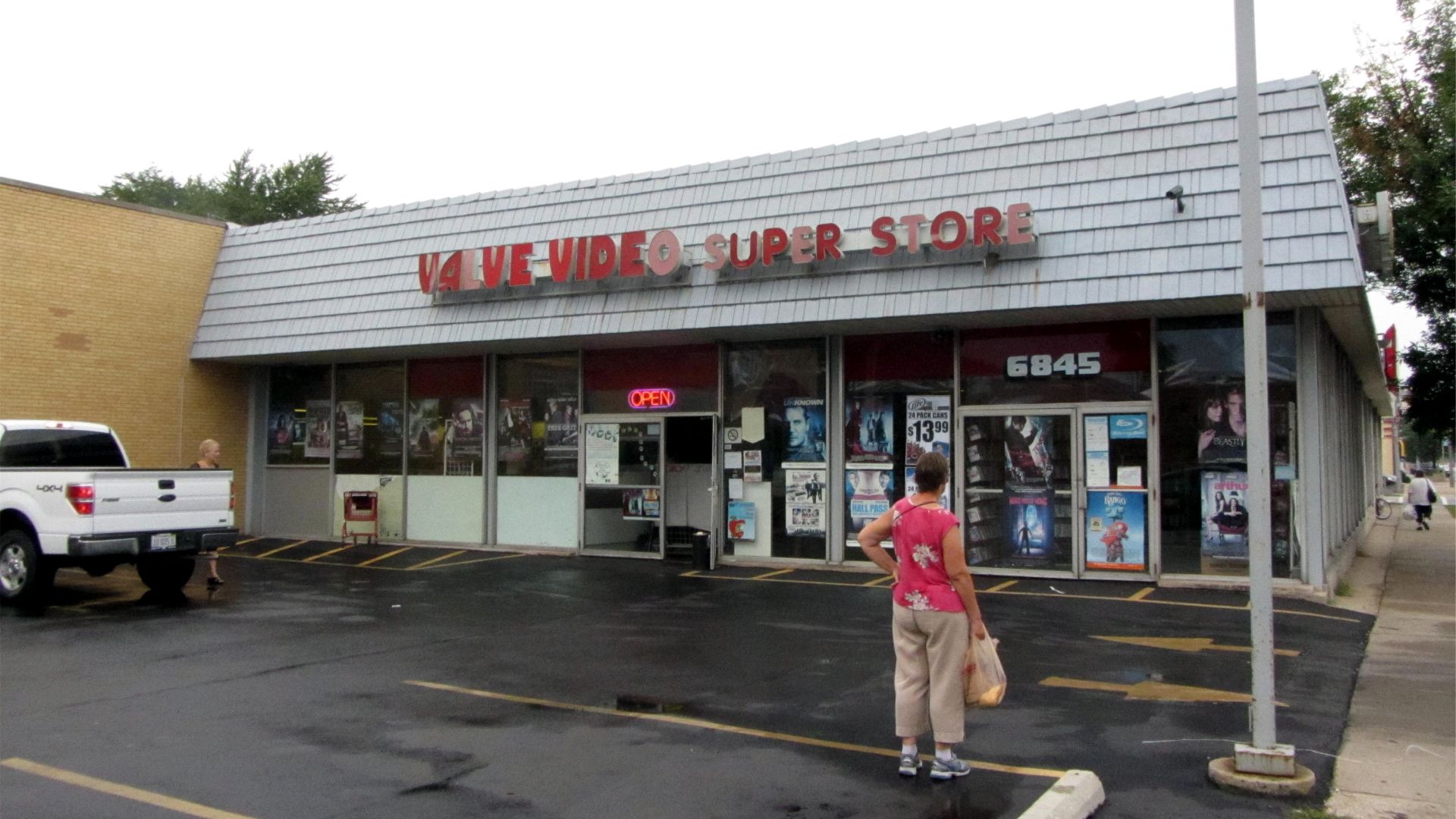 David Wilson from Oak Park, Illinois, USA, Wikimedia Commons
The Store Was Half The Fun
For a generation, Friday night started in the aisles. Families studied movie boxes. Teenagers argued over horror films. Someone always wanted the new release that was completely sold out. You might walk in looking for one movie and leave with three others, a video game, popcorn, and candy.
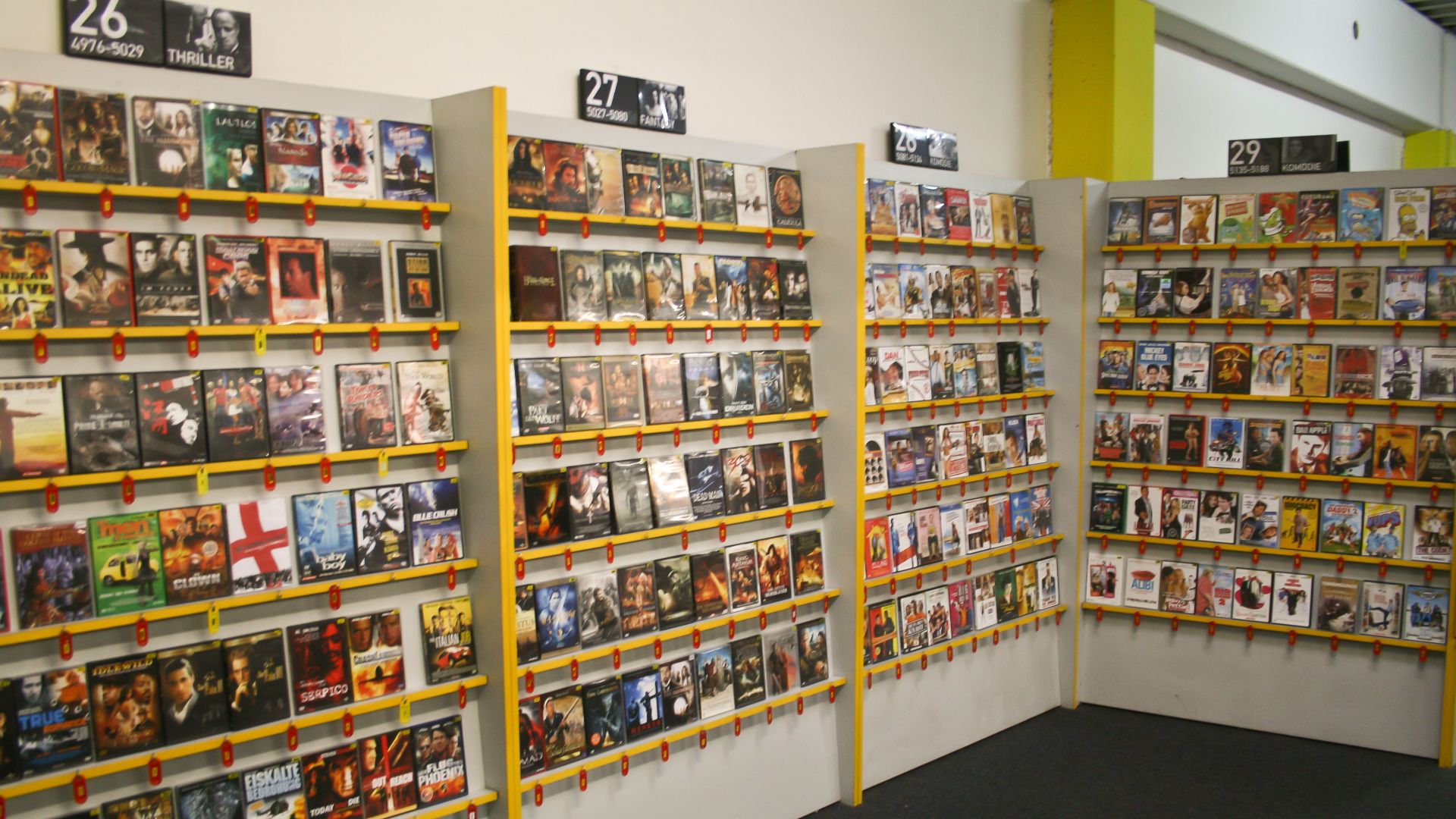 Arne Müseler, Wikimedia Commons
But The Fun Came With A Deadline
Physical rentals created a problem that streaming never would: the store needed its movie back. A copy sitting forgotten in someone's living room could not be rented again. Due dates kept inventory moving, while late fees gave customers a reason to return it. The system worked, but people increasingly hated it.

Then Netflix Started Mailing DVDs
Netflix arrived with an idea that sounded almost strange at the time: pick movies on a website and have the discs mailed to your house. The company traces its beginnings to 1997 and began delivering DVDs in 1998. Suddenly, movie rental no longer required wandering through fluorescent-lit aisles.
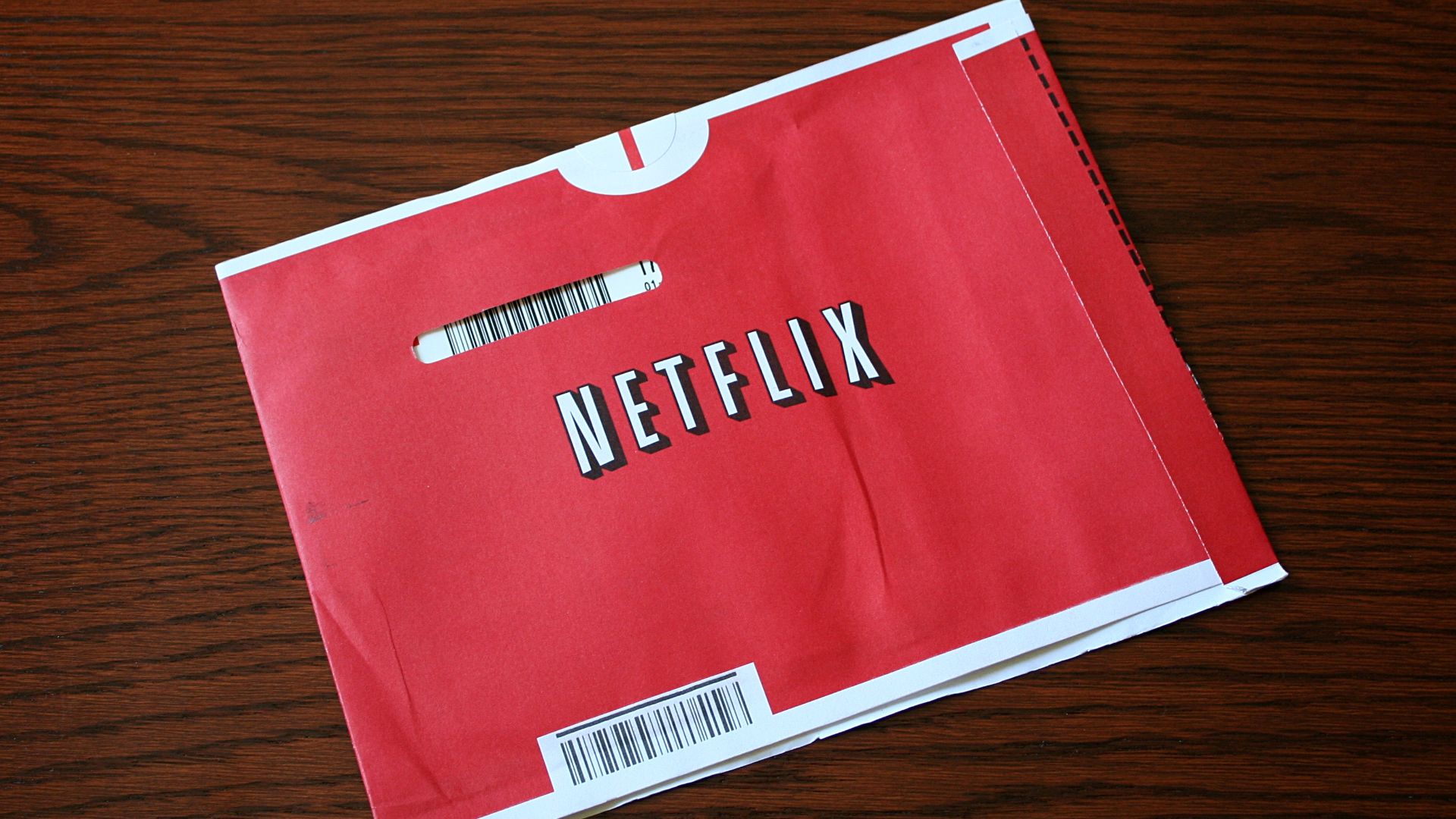 Marit & Toomas Hinnosaar, Wikimedia Commons
Then Netflix Went After The Part Everyone Hated
In December 1999, Netflix introduced a subscription plan with an irresistible selling point: no due dates and no late fees. Subscribers paid $15.95 per month for four DVD rentals and returned them through prepaid mailers whenever they were finished. The dreaded deadline was disappearing.

Soon It Got Even Simpler
Just a few months later, Netflix rolled out a $19.95 unlimited rental program. No per-movie charges. No shipping charges. No due dates. No late fees. Instead of punishing customers for keeping a movie too long, Netflix simply waited until they mailed it back before sending the next one.
Netflix Even Tried To Sell Itself To Blockbuster
Then came the meeting that would become business-school legend. Netflix co-founder Marc Randolph later said he and Reed Hastings approached Blockbuster in 2000 and floated a sale for roughly $50 million. Blockbuster passed. The story is real, but the dramatic version is mostly based on Randolph's later account.
 Gage Skidmore from Peoria, AZ, United States of America, Wikimedia Commons
The Famous Rejection Did Not Doom Blockbuster Overnight
Looking back, that meeting seems like the moment someone should have yelled, “Buy them!” But Netflix was still a tiny company, and nobody knew exactly how home entertainment would evolve. Blockbuster did not collapse because of one bad meeting. The trouble was much bigger than that.

Netflix Was Only One Problem
Blockbuster was being attacked from every direction. Retailers were selling cheap DVDs. Cable and satellite offered movies without a trip to the store. Online rental competitors were multiplying. Blockbuster itself acknowledged declining rental transactions and increasingly intense competition. The old model was starting to crack.

Blockbuster Tried To Fight Back Online
The company was not simply asleep at the wheel. In August 2004, Blockbuster launched its own US DVD-by-mail service while also promoting subscription programs in its stores. By March 2005, it said the online operation had more than 750,000 subscribers. Blockbuster knew the ground was moving.
Then Blockbuster Did Something Once Unthinkable
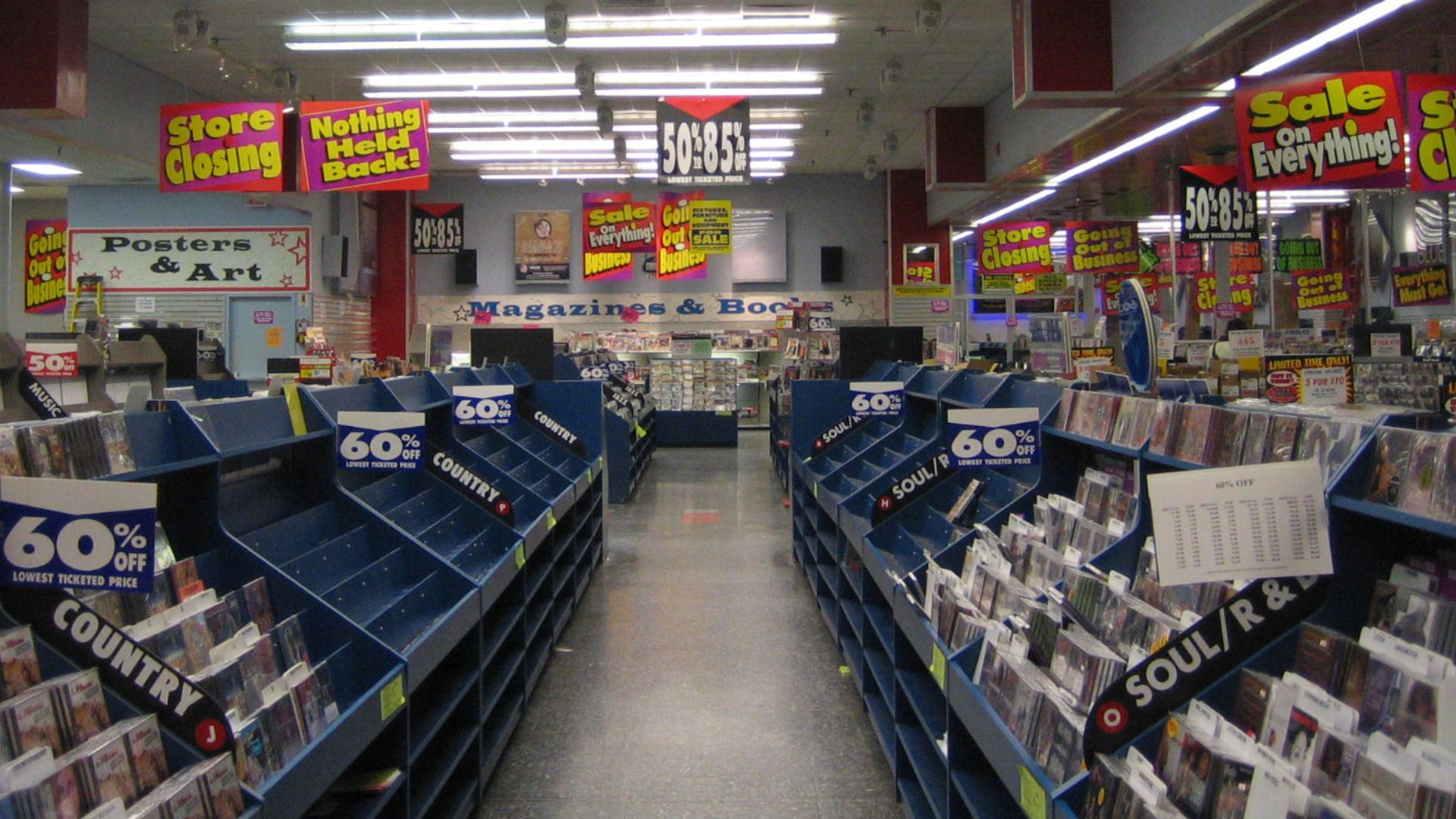
In December 2004, the chain announced that traditional late fees would disappear from participating US stores starting January 1, 2005. More than 4,500 company-operated and participating franchised locations were initially included. The fee customers had complained about for years was suddenly being marketed away.
 Joe Loong from Reston, USA, Wikimedia Commons
"No Late Fees" Did Not Quite Mean No Consequences
There was fine print. Rentals still had due dates and then a one-week grace period. Keep the item longer, and Blockbuster converted the rental into a purchase charged to your account. Return it within 30 days and the sale could be reversed, although you could still face a restocking fee.
 https://kaboompics.com/, Pexels
Giving Up Late Fees Hurt
Blockbuster knew exactly how much money it was putting on the table. The company initially estimated extended-viewing fees could have contributed $400 million to $450 million in 2005 revenue. Its later annual report said eliminating them ultimately reduced rental revenue by more than $500 million that year.
 IlliniGradResearch, Wikimedia Commons
Then Streaming Made The DVD Look Old-Fashioned Too
Netflix had already eliminated the video store. In 2007, it started eliminating the mailman. Its new instant-watching feature let subscribers stream movies directly at home. No drive. No envelope. No disc sitting beside the television waiting to be returned. The rental ritual was disappearing piece by piece.

Blockbuster's Biggest Advantage Became A Liability
Those thousands of stores once made Blockbuster seem untouchable. Later, they meant leases, employees, utilities, inventory, and enormous overhead while customers discovered they could get entertainment without leaving the couch. The empire built for the old system became much harder to carry into the new one.
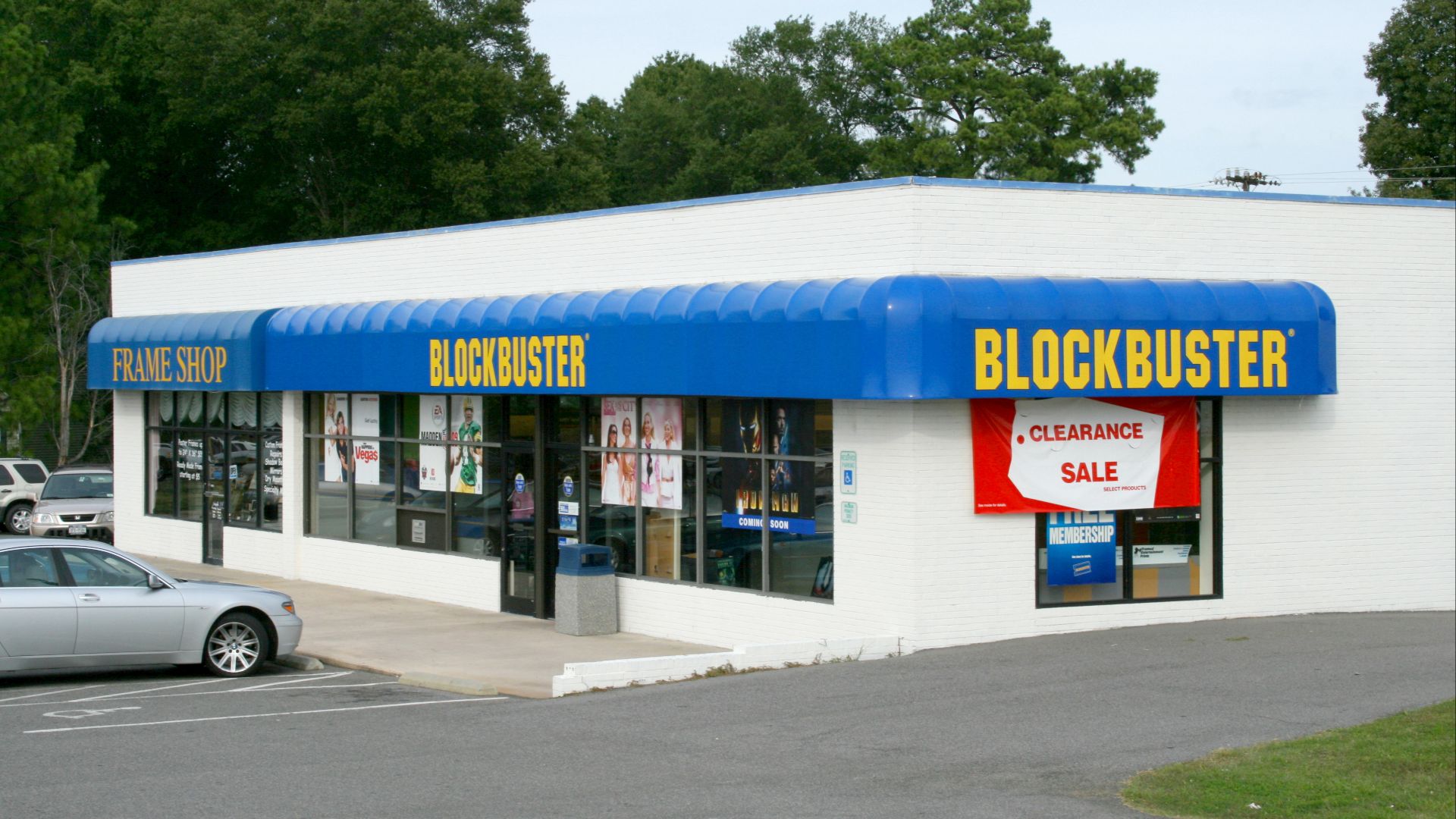
In 2010, The Giant Finally Filed For Bankruptcy
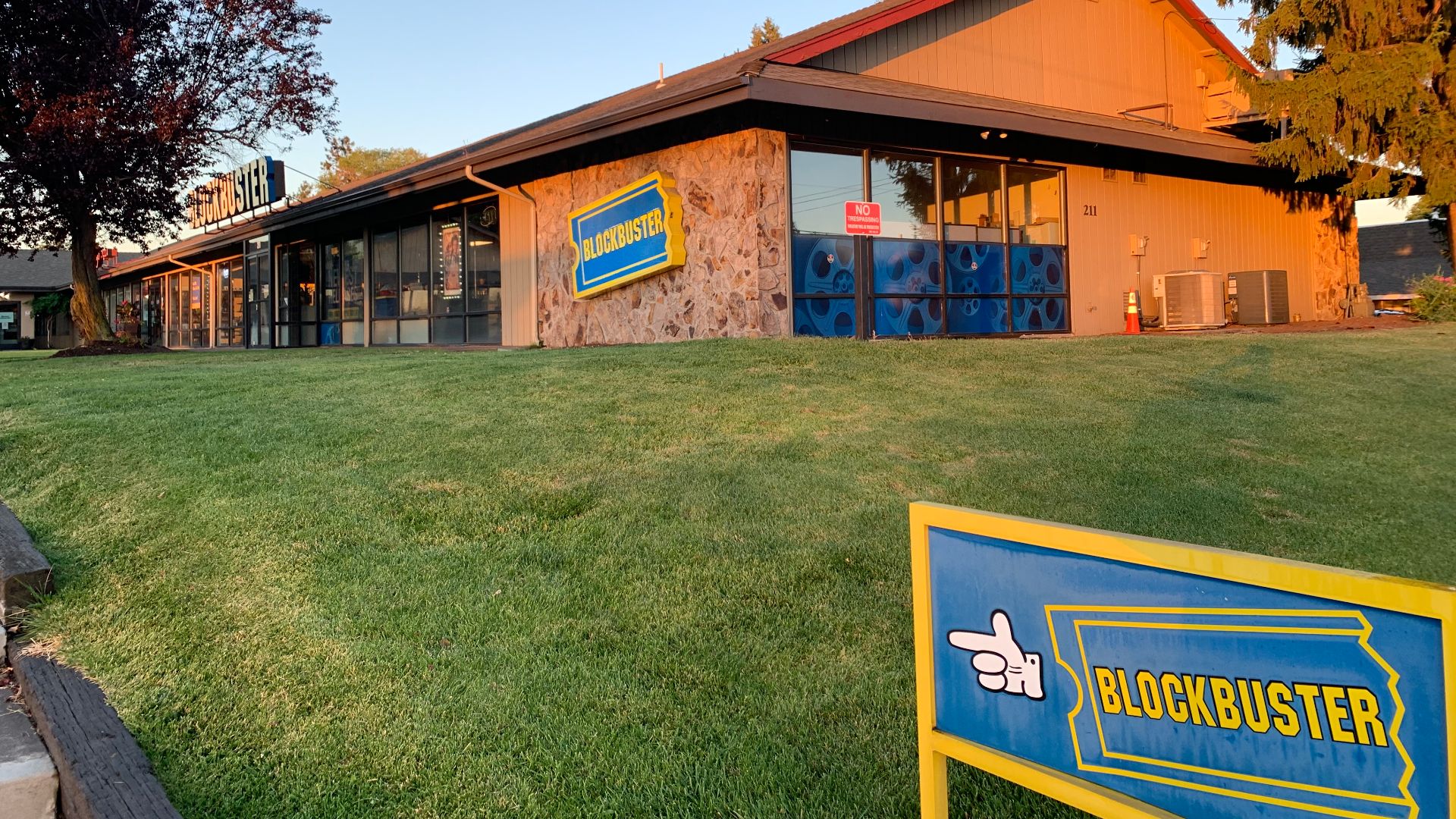
On September 23, 2010, Blockbuster and several US subsidiaries filed for Chapter 11 bankruptcy protection. The company kept operating while trying to reorganize, but the symbolism was hard to miss. A chain that had once dominated American movie nights was now fighting simply to survive.
 Ildar Sagdejev (Specious), Wikimedia Commons
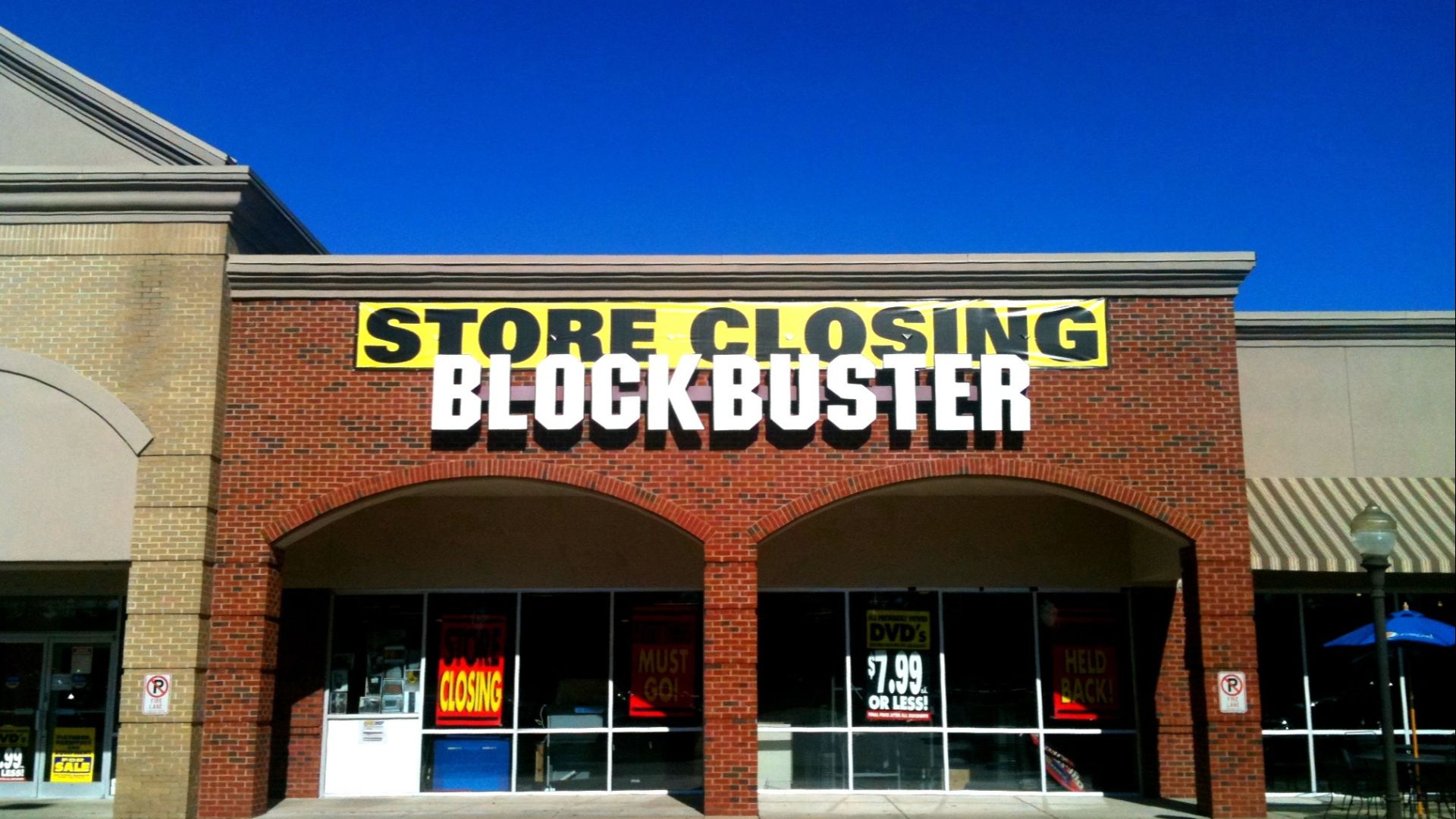
Dish Bought What Was Left
Dish Network acquired substantially all of Blockbuster's assets in 2011, but the retreat continued. In 2013, Dish announced that roughly 300 remaining company-owned US stores would close. Franchised stores were separate, but the Blockbuster most people remembered was effectively disappearing from the landscape.
 angelo Yap from NC, usa, Wikimedia Commons
Netflix Did Not Kill The Video Store All By Itself
The tidy version of history says Netflix showed up and Blockbuster died. Reality was messier. Cheap DVDs, cable, satellite, online rentals, streaming, debt, financial pressure, changing habits, and Blockbuster's own strategic decisions all played a part. Netflix was a major disruptor, not the only culprit.

The Real Product Was Convenience
What Netflix understood was that customers were not emotionally attached to returning plastic discs. They wanted movies. Netflix gradually removed everything standing between the viewer and the screen: the drive, the empty shelf, the due date, the late fee, the return trip, and eventually the physical disc itself.

That Billion-Dollar Number Is The Whole Story In Miniature
In 2003, video retailers made about $1 billion from something customers despised. Just a few years later, “no late fees” had become a selling point. That is what makes the number so revealing. The old industry was making a fortune from friction, while its challengers were figuring out how to make that friction disappear.
You May Also Like:
Money-Saving Landscaping Tips For Your Home
Whatever Happened To Layaway, The Shopping Habit That Kept Americans Out Of Debt?