
The “Basically Gambling” Take Shows Up A Lot
If your coworker says a 401(k) is “basically gambling,” he is voicing a real fear: markets can drop fast and headlines can make it feel random. But investing through a 401(k) is not the same thing as placing a bet on a coin flip. The biggest difference is that long-term retirement investing has decades of data, tax rules, and employer incentives behind it.
 Tima Miroshnichenko, Pexels, Modified
First, What A 401(k) Actually Is
A 401(k) is a workplace retirement plan authorized by the U.S. tax code. The “401(k)” name comes from section 401(k) of the Internal Revenue Code. Congress created the broader 401 framework in 1978, and the IRS clarified in 1981 that employees could make pre-tax salary deferrals, which helped launch the modern 401(k) system.

How 401(k)s Went From Loophole To Mainstream
The Revenue Act of 1978 added section 401(k) to the code, and it was signed into law by President Jimmy Carter. In November 1981, the IRS issued proposed regulations that explicitly allowed employees to contribute through salary reduction. That moment is widely cited as the inflection point that turned 401(k)s into a widespread benefit.
 Unknown authorUnknown author or not provided, Wikimedia Commons
Gambling Has Negative Expected Value
Most casino gambling is designed so the house has an edge, meaning the expected value is negative for the player over time. Investing in a diversified portfolio of businesses is different because public companies can generate profits and pay dividends over long periods. Stocks can still be risky, but the game is not mathematically stacked against you in the same way.

Markets Feel Random Day To Day
On short timelines, stock prices can move for reasons that feel irrational, including news, interest rate shifts, and investor sentiment. That emotional whiplash is what makes “it is gambling” sound plausible. Retirement investing is built around a longer timeline where the underlying growth of earnings tends to matter more than daily noise.
 United States Senate and Congress, Office of Senator Michael Bennet, Wikimedia Commons
What History Actually Shows
In 1926, the firm that became Ibbotson Associates began tracking U.S. market returns, creating one of the longest data sets used in finance. Those long-run records show that equities have historically outperformed cash and Treasury bills over multi-decade periods, though with bigger swings along the way. Past performance does not guarantee future results, but history is the best evidence we have for how markets behaved across wars, recessions, and booms.

The S&P 500 Was Created For A Reason
Standard & Poor’s introduced the S&P 500 index in 1957 to track 500 large U.S. companies in a systematic way. That index later became a common benchmark for “the stock market” in everyday conversations. Many 401(k) plans offer an S&P 500 index fund or a total market index fund because they aim for broad diversification at low cost.
 Hectordej7544, Wikimedia Commons
Diversification Is The Part People Skip
Gambling often means putting money on one outcome, like a single team or a single hand of cards. A typical 401(k) portfolio holds hundreds or thousands of companies through mutual funds or index funds. Diversification does not prevent losses, but it reduces the damage of any one company imploding.

The “Stock Market” Is Not One Single Bet
Many 401(k) menus include U.S. stocks, international stocks, bonds, and sometimes real estate or stable value funds. That mix matters because different assets can behave differently when the economy changes. A person who only thinks of meme stocks is not really picturing what most retirement portfolios look like.

Bonds Make It Less Like A Casino
Bonds are essentially loans to governments or companies, and they tend to be less volatile than stocks, even though they still carry risks. Adding bonds can smooth out the ride, especially as retirement gets closer. This is one reason target-date funds usually increase bond exposure over time.

Target-Date Funds Were Built For People Who Hate Picking Stocks
Target-date funds bundle stocks and bonds into a single fund that automatically shifts risk as the target retirement year approaches. These funds are common defaults in 401(k) plans, especially after policy changes encouraged default enrollment into diversified options. If your coworker does not want to “play the market,” a target-date fund is designed to be a hands-off approach.

What Changed In 2006 And Why It Matters
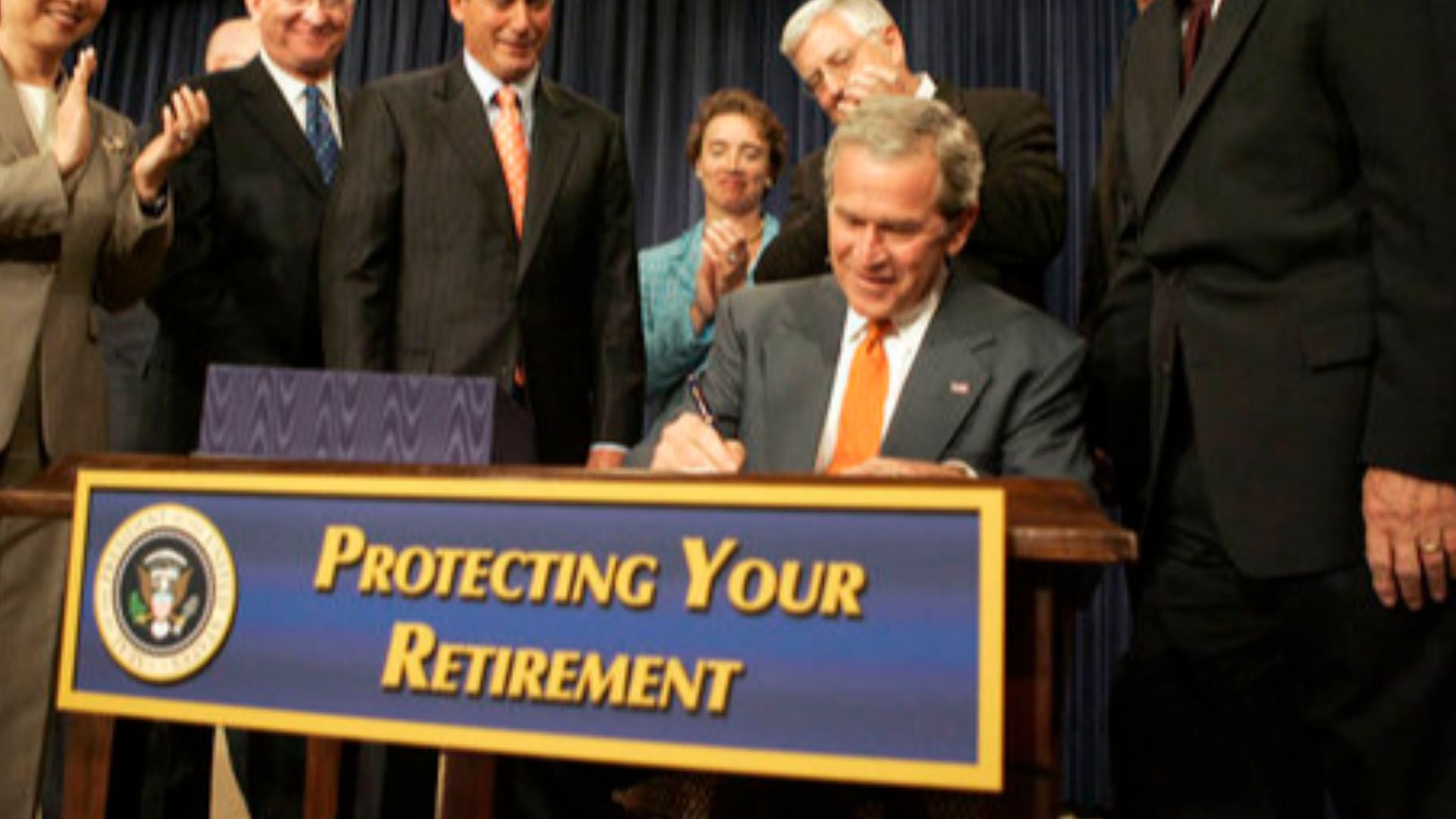
The Pension Protection Act of 2006 was signed into law on August 17, 2006. Among other things, it encouraged automatic enrollment and clarified “qualified default investment alternatives,” which often include target-date funds. That policy shift helped more workers get invested in diversified portfolios without having to make every decision from scratch.
 White House photo by Kimberlee Hewitt, Wikimedia Commons
The Employer Match Is Hard To Ignore
If a company matches contributions, refusing to contribute can mean turning down part of your pay. A match is not guaranteed forever and varies by employer, but it is common enough to be a major part of the 401(k) value. Calling the stock market “gambling” does not change the math of getting an immediate match.

A Quick Example Of The Match Math
If an employer matches 50% of contributions up to 6% of pay, contributing 6% gets you an extra 3% of pay from the company. That is an immediate return before the market does anything. Even a cautious investor might decide the match is worth capturing.

Taxes Are The Quiet Superpower Here
Traditional 401(k) contributions are generally made pre-tax, reducing taxable income in the year you contribute. Roth 401(k) contributions are made after tax, but qualified withdrawals in retirement can be tax-free if IRS rules are met. Either way, the account structure is designed to give you an advantage that a regular taxable brokerage account does not always offer.

The IRS Sets Clear Annual Contribution Limits
The IRS updates 401(k) contribution limits periodically, and they can change year to year. These limits are one reason a 401(k) is best thought of as a regulated retirement vehicle, not a free-for-all betting account. If your coworker wants specifics, the IRS publishes the limits and rules publicly.
 Joshua Doubek, Wikimedia Commons
Fees Are Where Investing Can Start To Feel Like A Scam
High fees can eat into returns, and some older 401(k) menus were packed with expensive funds. That concern is legitimate, but it is measurable and fixable by choosing low-cost index funds when available. The Department of Labor has published guidance to help workers understand and compare 401(k) fees.

Low-Cost Index Funds Changed The Game
In 1976, Vanguard launched the First Index Investment Trust, the first index mutual fund available to individual investors, later known as the Vanguard 500 Index Fund. The idea was simple: track the market at low cost instead of trying to beat it. That “boring” approach is a big reason modern 401(k) investing is less like gambling than people assume.

Trying To Time The Market Is The Gambling Part
Jumping in and out based on feelings or headlines can turn investing into something that resembles betting. Long-term retirement investing is usually built on regular contributions across many years, also known as dollar-cost averaging. You cannot control prices, but you can control behavior and consistency.

Crashes Are Real And They Are The Scary Part
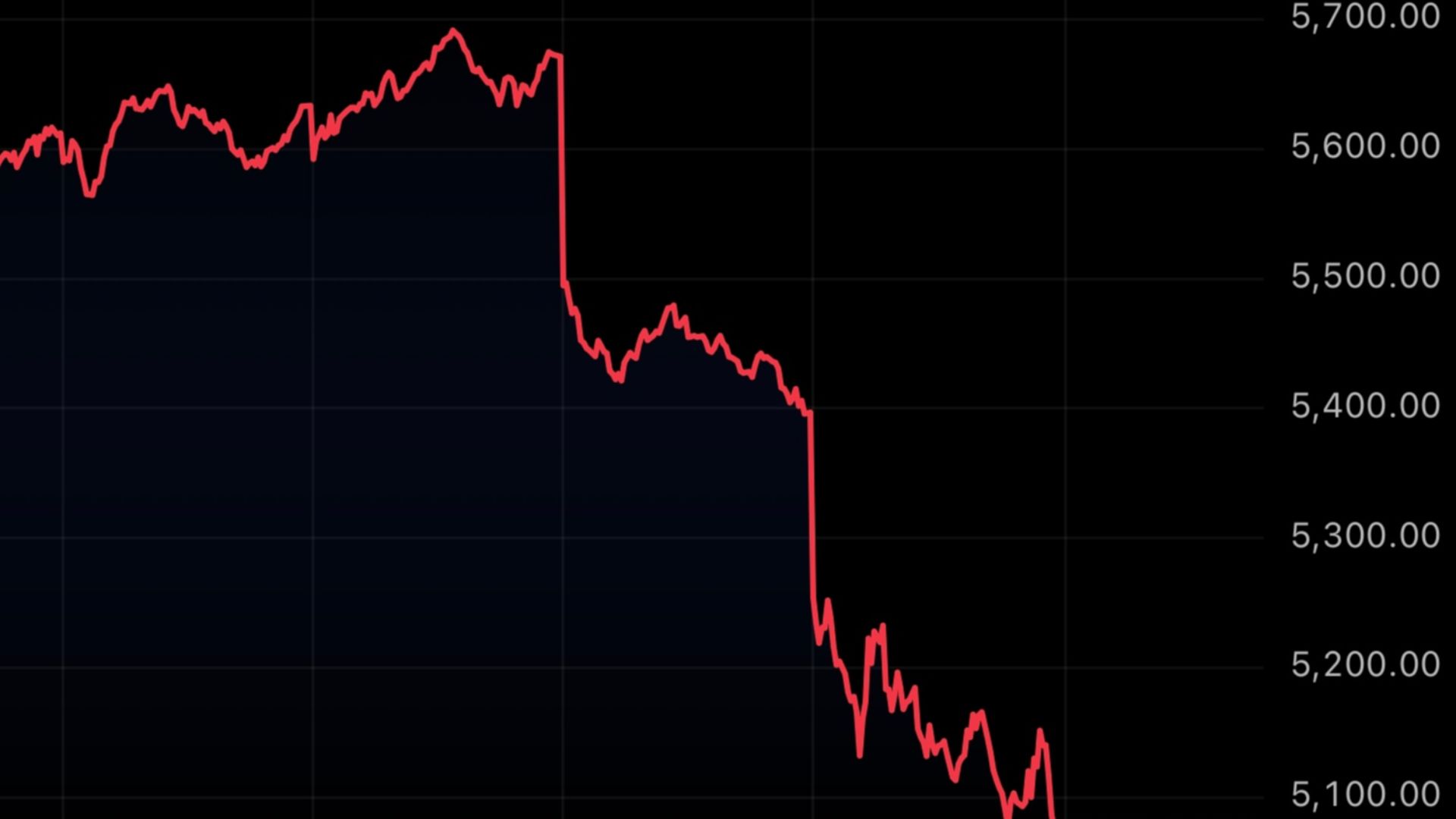
The market has had brutal drawdowns, including the 2008 financial crisis and the sharp pandemic drop in early 2020. Those episodes are why risk tolerance matters and why someone near retirement might not want an all-stock portfolio. The key point is that volatility is a known feature, not a hidden trick.
 Anastasiia Chepinska, Unsplash
Inflation Is A Quiet Threat To “Playing It Safe”
Keeping retirement savings in cash can feel safe because the number does not go down. But inflation can erode purchasing power over time, which is a real risk for long retirement horizons. This is part of why many retirement strategies include some exposure to assets that have historically had a chance to outpace inflation.

Sequence Risk Is Real, So The Plan Matters
Market losses right before or early in retirement can be more damaging than losses far from retirement. That is not gambling, but it is a reason to adjust risk as you age and to have a withdrawal plan. Target-date funds and diversified portfolios are partly designed to address this risk.

Behavior Beats Brilliance
Lots of people know the “right” answer and still panic-sell in downturns. A simple, automated 401(k) contribution can reduce the temptation to tinker. If your coworker is scared of bad decisions, automation can be a protective feature.

When Skipping A 401(k) Might Make Sense
If someone has crushing high-interest debt, no emergency fund, or a very short-term cash need, prioritizing liquidity can be reasonable. Also, if a 401(k) has no match and unusually high fees with poor fund choices, a worker might consider contributing enough to get benefits elsewhere first. This is less common today, but it still happens.

The Most Practical Middle Ground
For a skeptic, the compromise is often to contribute at least enough to capture the full employer match. Then choose a low-cost target-date fund or a broad index fund option, which reduces the feeling of “stock picking.” That approach keeps the decision simple and keeps the biggest freebies on the table.
 Anastassia Anufrieva, Unsplash
Questions Your Coworker Should Ask HR Today
He should ask whether there is a match, what the vesting schedule is, and what the cheapest diversified funds are in the plan. He should also ask where to find the fee disclosure, which plans are required to provide. These are concrete facts that cut through the “gambling” vibe fast.

If He Still Thinks It Is Gambling, Ask This One Thing
Ask whether he is objecting to volatility, to the idea of owning companies, or to the possibility of losing money. Those are different problems with different fixes, like adding bonds, using a target-date fund, or saving more cash alongside investing. Often, the “gambling” label is really fear of uncertainty without a plan.
 LinkedIn Sales Solutions, Unsplash
The Bottom Line
Your coworker is right that the market is risky, and risk can feel like a bet when you focus on the next six months. But skipping a 401(k) can mean missing employer match dollars and tax advantages that are hard to replicate elsewhere. For most workers, a diversified, low-cost, long-term approach is closer to disciplined ownership than a roll of the dice.