
When A Renovation Eviction Feels Like A Lie
Your previous landlord told you your apartment had to be vacated for major renovations. You packed up, paid moving costs, and took a different place with a higher rent. Now it’s been a year, the previous unit looks untouched, and the property is listed for sale. That timing feels suspicious and you’re right to question the legality of the situation.
 Krakenimages.com, Shutterstock; Factinate
Why Renovation Evictions Exist
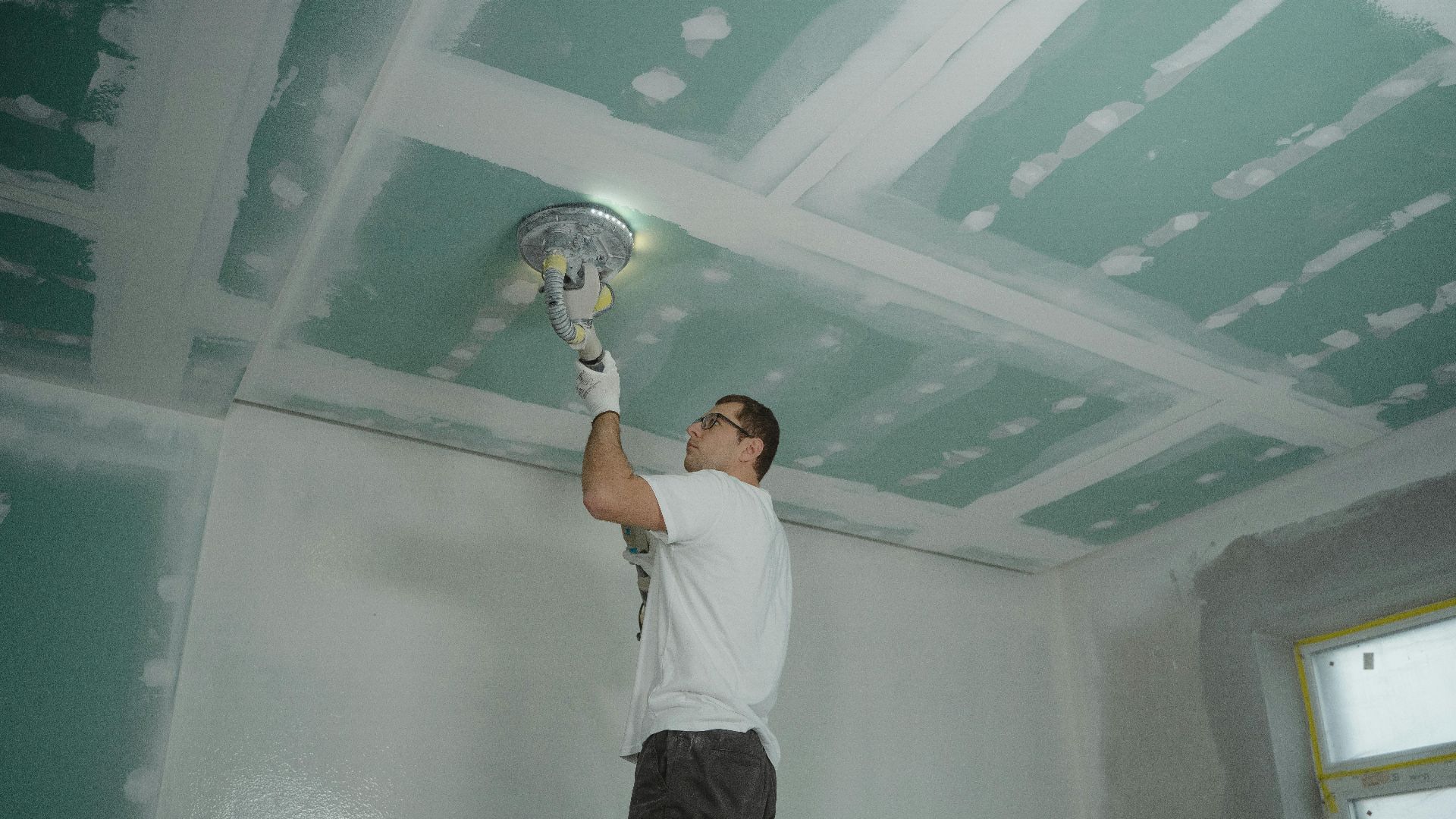
Renovation evictions allow landlords to perform work that can’t reasonably be done while a unit is occupied. Laws typically require serious, genuine, planned construction that affects the ability of people to live in the unit. Cosmetic upgrades or vague future plans aren’t usually enough. Understanding this intent is key to determining whether your eviction crossed a legal line.
Red Flags That Suggest Bad Faith
Several details of this situation raise concerns. No visible renovations seem to have taken place. It is not clear if the unit was ever relisted for rent. Instead, it is being sold. Many jurisdictions treat this pattern as a warning sign because it indicates the renovation claim may have just been a pretext rather than a real necessity.

Landlord Obligations After A Renovation Eviction
In most areas, landlords have to actually complete the stated renovations within a reasonable time. Some laws also require that the landlord offer the unit back to the former tenant once the work is completed. Skipping renovations entirely and listing the property for sale may be in breach of the conditions that justified the eviction in the first place.

Whether Compensation Is Legally Available
You may be entitled to compensation if the eviction was improper. Remedies can include such measures as: moving cost reimbursement; rent differential payments; statutory damages; or even penalties paid directly to you. The exact remedies depend on the local tenant protection laws, which is why location specific research matters a great deal here.

Rent Differential Claims
Some areas have tenant laws that let you recover the difference between your old rent and your new higher rent for a fixed period. The idea is that you shouldn’t be financially harmed by a landlord’s misrepresentation. These claims can become fairly hefty if your new rent is a lot higher than it was.
 Karolina Grabowska www.kaboompics.com, Pexels
Evidence To Strengthen Your Case
Documentation is key. Save your eviction notice, any renovation descriptions given, photographs showing that no work was done, real estate listings, and date records. Screenshots of the listing photos are especially useful. The more clearly you can show that no renovations ever occurred, the stronger your claim will be.

Timing Is Important
Courts and tribunals often look closely at the timing. Long delays with no construction activity are facts that work in your favor. If the unit went straight from vacancy to a sale listing, then that gap can undermine the landlord’s original explanation and support a finding of bad faith.

Selling The Property
In many jurisdictions, selling the property is not a lawful reason for a renovation eviction. If the landlord had the intention of selling all along, using renovations as justification could be breaking the law. This distinction can have a big effect on your eligibility for compensation or penalties.

If The Landlord Claims Plans Fell Through
Landlords sometimes argue that renovations were planned but later got cancelled. Decision makers look at claims such as these very closely. They may ask for contractor agreements, permits, financing proof, or timelines. If the landlord can’t show concrete plans, it often weakens their defense.

Filing A Complaint Or Claim
Many renters start with a housing tribunal or tenant board rather than court. These forums are set up to handle situations just like yours and often allow self-representation by disgruntled tenants. Filing deadlines matter, so don’t delay too long or it could affect your ability to recover damages.

Small Claims Court Is An Option
If local housing agencies don’t have the authority to award damages, small claims court might be your best bet. This route can allow recovery of specific financial losses such as higher rent or moving expenses. Documentation and a clear narrative are the most important things to bring to these proceedings.

Tenant Harassment Laws
Some jurisdictions classify false renovation evictions as a form of tenant harassment. Harassment laws can set in motion additional penalties past simple reimbursement. Even if you’ve already moved, these protections can still be applied retroactively if bad faith is proven.

What To Ask A Lawyer Or Tenant Advocate
If you talk to a lawyer of tenancy advocate, make sure you ask whether your eviction met legal renovation standards; what remedies apply; and whether statutory penalties exist. Tenant clinics often provide free or low cost consultations. Even a short review can help you get a clearer picture of the value and strength of your claim.

How Much Compensation Is Realistic?
Compensation ranges can vary widely from case to case depending on what area the place is in. Some renters get back a few thousand dollars in moving and rent differences. Others can receive payouts for statutory penalties that are much higher. Outcomes depend on local law, the evidence you present, and how clearly the landlord acted in bad faith.
 Karolina Grabowska www.kaboompics.com, Pexels
Is A Settlement Possible?
Some landlords prefer to settle once they’re confronted with evidence. A demand letter outlining your claim may encourage the landlord to the negotiating table. Settlements can get around tedious and expensive lengthy proceedings while still compensating you for financial harm and inconvenience.

What Not To Do Next
By no means should you confront the landlord emotionally in person or publicly online. For now, just stick to written communication and factual evidence. Don’t throw out any documents or screenshots. By the same token, don’t assume that the issue is too small to pursue. Tenant protection laws are set up precisely for situations like this.

These Cases Matter Beyond Your Situation
Bad faith renovation evictions are another contributor to chronic housing insecurity and rising rents. Many jurisdictions aggressively enforce these rules to discourage exactly this kind of abuse. Pursuing your claim not only helps your financial situation, but can also protect other renters from being on the receiving end of similar treatment.

Steps To Take Right Now
Start collecting evidence, confirm local tenant protection rules, and make a note of any filing deadlines. Think about contacting a tenant rights organization or housing lawyer. The fact that the unit stayed unchanged and was listed for sale suggests your claim deserves serious consideration.

The Bottom Line
If you were evicted for renovations that never actually happened and the building is now up for sale, compensation is a reasonable possibility. Laws often protect tenants from exactly this kind of scenario. By acting promptly, staying organized, and understanding your rights, you’ll stand the best chance of getting a fair outcome.

You May Also Like: