
Bad Timing And A Legal Mess
You told your landlord to hold off for a couple of days before cashing your rent check, but he deposited it anyway. The check bounced, but even though you quickly paid in cash, you’re now facing a lawsuit anyway. This situation feels unfair, but legally it hinges on proof, lease terms, and how courts treat bounced checks.

Next Time Postdate
If you know that your account is going to be short the money, you can give your landlord a check without the money being in your account. If you want to be sure that this doesn’t happen in the future, you can postdate the check until the day after you receive sufficient funds in your account. In this case it sounds like you had already issued the check and unexpectedly come up short in the meantime. Let’s look at your options.

Why Your Landlord Could Still Have A Case
Even if you asked your landlord to wait, most courts focus on what actually happened. A bounced check is typically treated as unpaid rent at that moment, regardless of any verbal agreements that were supposedly made. That means your landlord can legally claim nonpayment, especially if your lease doesn’t include any grace period or delayed deposit arrangement.

A Bounced Check Is Treated As Nonpayment
Under U.S. law, when a rent check is returned for insufficient funds, it’s generally treated as if rent was never paid. Landlords can pursue the full amount, fees, and sometimes legal action until the debt is properly resolved.

Paying In Cash Doesn’t Automatically Fix Everything
Even though you paid in cash afterward, that doesn’t necessarily erase the original violation. Courts often make a distinction between late payment and on time valid payment. Your landlord may argue that the rent was late or invalid when it was actually due, which can trigger penalties or legal claims.
The Lease Agreement Is Your Starting Point
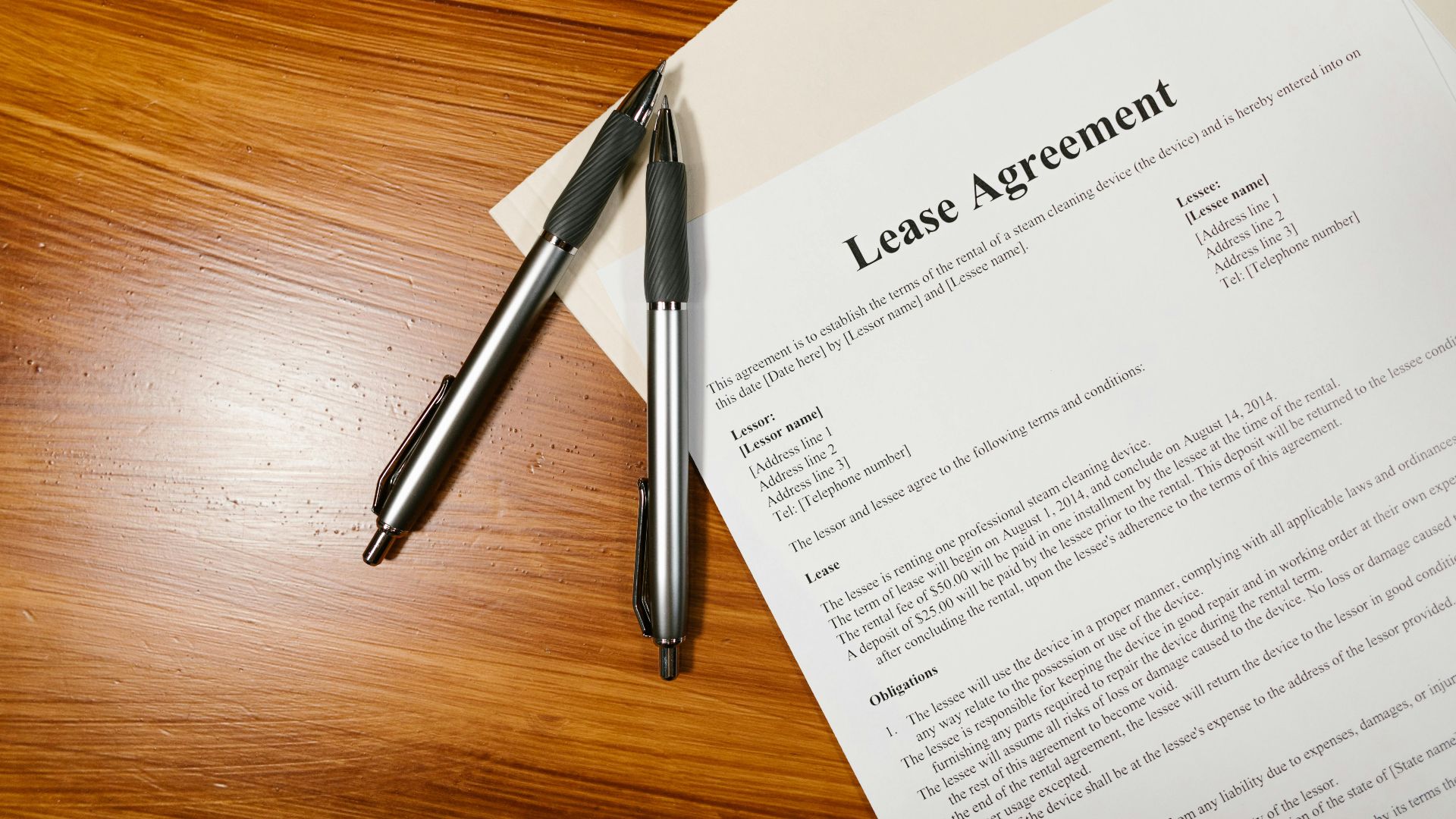
Your lease is critical here. It may specify how rent must be paid, what happens if a check bounces, and whether late fees or penalties apply. If your lease outlines the procedures for insufficient funds, those terms usually dictate what happens next.
Landlords Can Charge Fees For Bounced Checks
In most states, landlords are allowed to charge fees when a rent check bounces, often between 25 and 50 dollars, as long as the lease allows for it. These fees can be tacked onto what you already owe and may be part of the lawsuit.

Your Verbal Agreement May Not Hold Up
Even if you clearly told your landlord to hold his horses before cashing, verbal agreements can be hard to prove and often do not override written lease terms. Unless you have written evidence like texts or emails, your argument may not hold up very well in court.
 LinkedIn Sales Solutions, Unsplash
Proof Of Payment Is Absolutely Critical
Your strongest defense is documentation. You need receipts, bank records, or written confirmation to show that you paid the rent in cash and when you did so. Without this kind of proof, the landlord can claim that you still owe the money.
Ask For Proof The Check Actually Bounced
You’re also entitled to see evidence that the check was returned. Ask for documentation from the landlord or your bank showing the bounced transaction. This helps confirm the timeline and ensures the claim is legitimate.

Timing Matters More Than You Think
If you paid the cash quickly after the bounce, that may help your case. Courts often look at whether the tenant acted in good faith to fix the issue promptly, even if the initial payment failed.

The Lawsuit May Be About More Than Rent
The landlord got his money, so why is he suing you? The answer is that sometimes these cases include additional claims like late fees, bank charges, or even legal costs. A bounced check can trigger multiple financial consequences that you may not be aware of, beyond just the rent amount.

Some States Allow Landlords To Demand Cash After A Bounce
In certain states, once a check bounces, landlords can require future payments in cash or certified funds for a limited time. This reflects how seriously the law treats insufficient funds payments.

You May Have A Defense Based On Acceptance
If your landlord accepted the cash payment after the bounce, that could help you. In some cases, accepting payment may weaken a claim for eviction or nonpayment, depending on how the payment was handled and documented.

Courts Often Focus On Whether Rent Was Ultimately Paid
Judges often look at the practical outcome. If the landlord received full payment, your argument becomes a lot stronger, especially if there was no lasting financial loss. However, fees and timing issues can still complicate things.

Communication Records Can Help Your Case
If you have texts, emails, or messages showing you asked the landlord to delay cashing the check, those can support your side. While not always decisive, they can show your intent and good faith.

Consider Negotiating Before Court
It may be worth reaching out to at least see if you can resolve the dispute before it escalates. Many landlords are open to settling once they’ve been paid, especially if the remaining issue is just a matter of fees or technical violations.

Small Claims Court Is A Likely Venue
If the sum of money we’re talking about is relatively small, this case could end up in small claims court. These courts are less formal in their proceedings, but they focus heavily on documentation and straightforward facts rather than complicated and complex legal arguments.

You May Want Legal Advice
If the landlord is going after significant fees or damages, consulting a tenant attorney or legal aid organization can help you understand your rights and defenses based on your state’s laws.

Prevent This Situation In The Future
To avoid similar issues, consider using certified funds, money orders, or electronic payments when timing is tight. After a bounced check, many landlords will no longer accept personal checks anyway. As mentioned above, if you’re not sure of having sufficient funds, you can postdate the check until such time that there is enough.

What To Do Right Now
Gather your documentation, confirm the timeline, and review the details of your lease carefully. If you paid the rent in full, your goal is to prove that clearly and minimize additional penalties. With the right records, you may be able to reduce or dismiss the landlord’s claim.

You May Also Like: