The Grocery Debate Has One Big Flaw
Costco, Walmart, and your neighborhood grocery store can all offer great value, but figuring out which one actually saves your family the most money is harder than comparing receipt totals. Package sizes, promotions, membership costs, and even how you shop can completely change the math. The good news is that you do not need a complicated spreadsheet to settle the debate. A few simple comparisons can reveal where your grocery dollars go furthest and help you build a shopping strategy that could save you money week after week.
Start With The Same Shopping List
Choose roughly 20 to 30 foods your household buys repeatedly, rather than building a basket around whichever products happen to look attractive during one trip. FDA guidance also recommends planning meals, checking what is already at home, and writing a shopping list before buying groceries. Keeping the basket consistent turns a family argument into a repeatable financial experiment.
 Hryshchyshen Serhii, Shutterstock
Compare On The Same Day
Run the comparison during the same week, ideally on the same day, because grocery pricing and promotions change over time. USDA reported that U.S. food-at-home prices in June 2026 were 2.7% higher than a year earlier, while individual food categories moved at very different rates. A same-day comparison prevents normal price movements from influencing the result.

Unit Price Is Your Best Starting Point
Ignore the package price for a moment and calculate what each item costs per ounce, pound, fluid ounce, or count. The National Institute of Standards and Technology describes unit pricing as a value-comparison tool that helps consumers compare packages more consistently. Utah State University Extension similarly recommends dividing the total price by the quantity when a shelf label does not provide a unit price.

Make The Units Match
A price of $9.99 for one package and $5.99 for another reveals very little when the packages contain different amounts. Convert competing products to the same measurement, such as cents per ounce, before declaring a winner. NIST's current unit-pricing guidance encourages consistent units precisely because standardized measurements make comparisons easier for shoppers.

Costco Makes Bigger Packages Worth Measuring
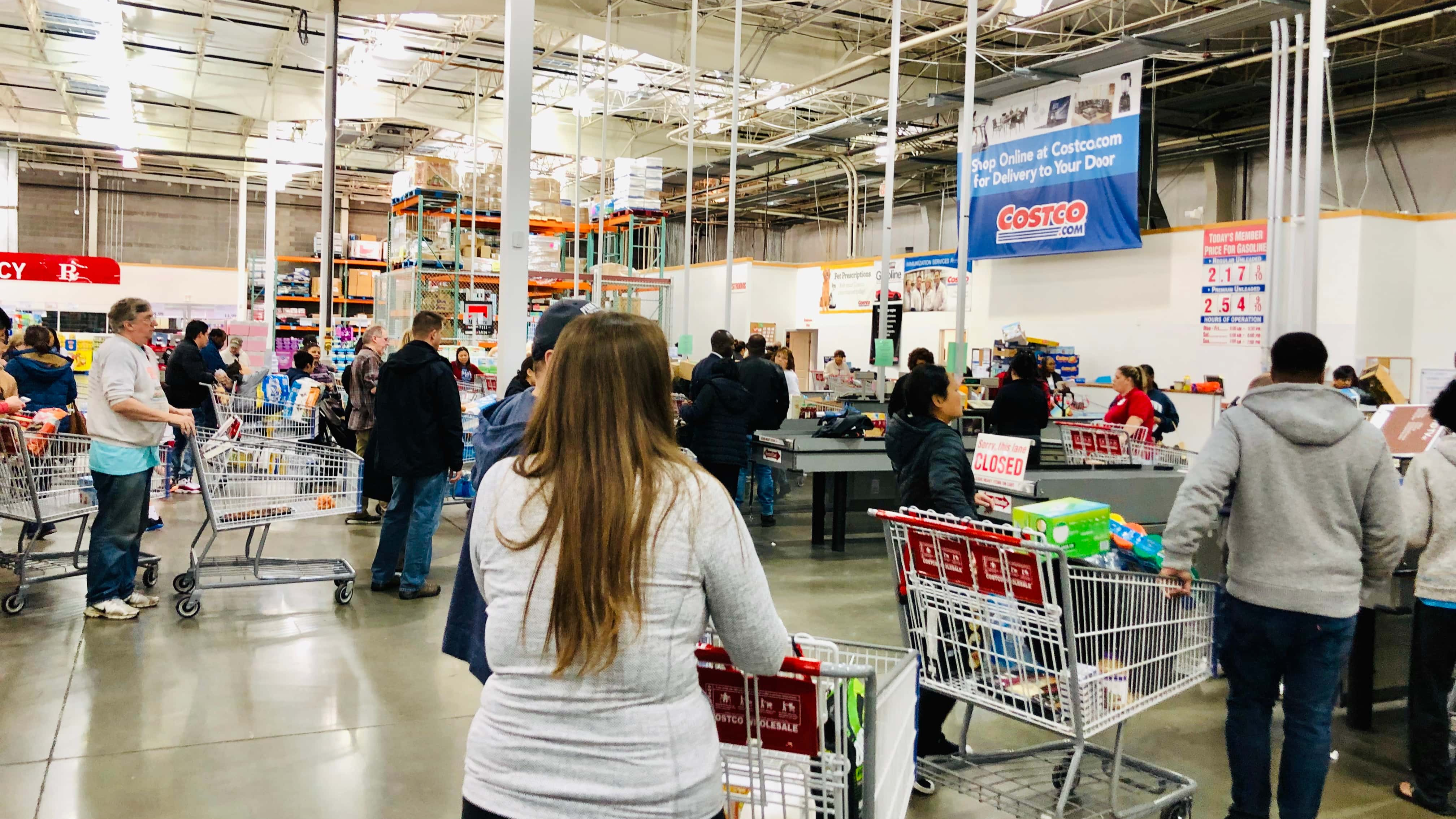
Costco's warehouse format makes unit-price calculations especially useful because many purchases come in larger quantities. The important question is how much usable product your household receives for every dollar spent, rather than simply how much the package costs at checkout. That approach lets Costco's larger formats compete fairly with the smaller packages commonly available elsewhere.
Walmart Makes Store Brands Easy To Test
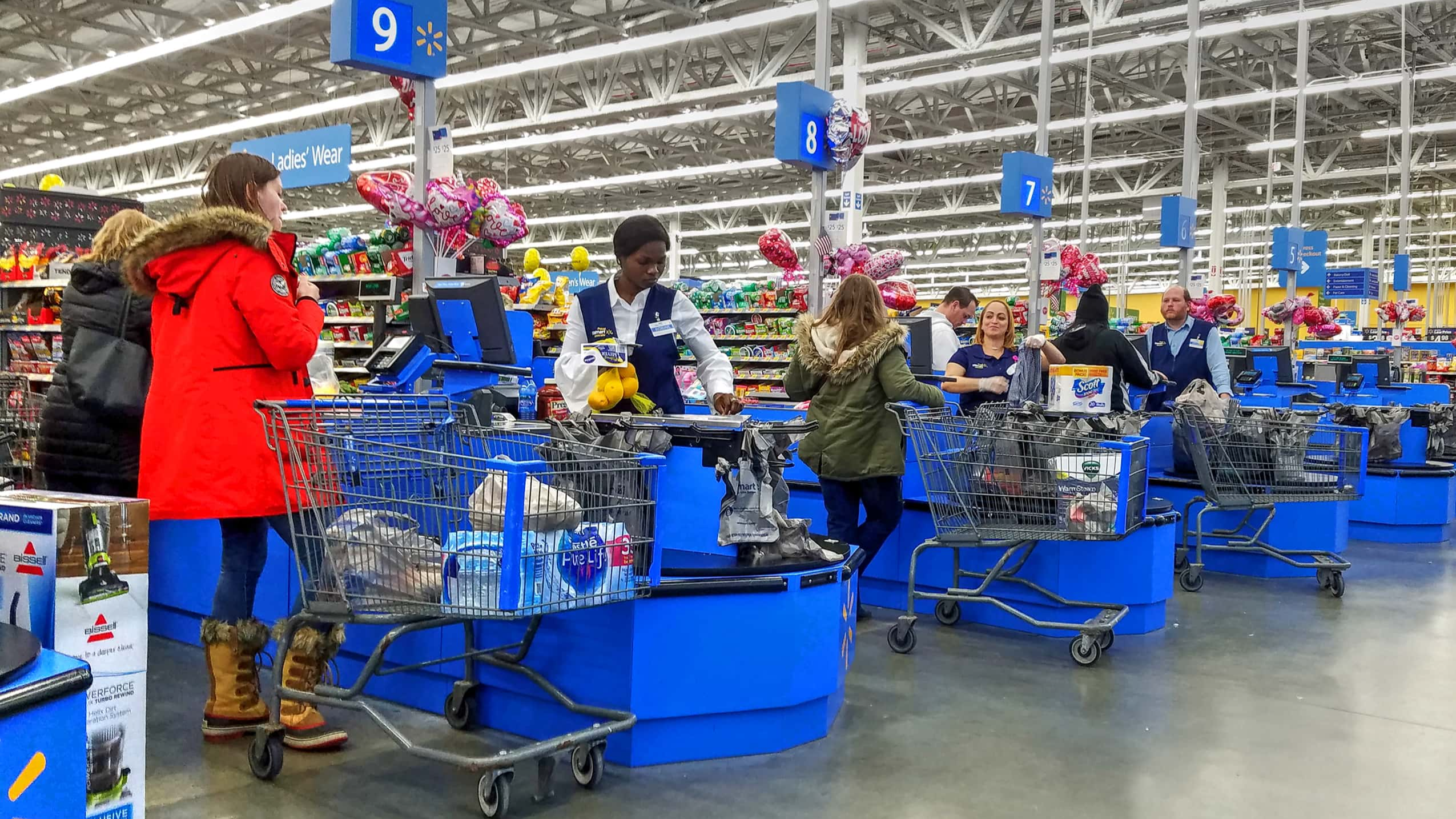
Walmart's Great Value line covers a broad assortment of everyday foods, including pantry, refrigerated, frozen, and beverage categories. Walmart describes Great Value as its largest private brand and said in April 2026 that the brand is found in nine out of 10 U.S. households. Include comparable Great Value products when your family is comfortable buying the store-brand version of an item.
Give Your Local Store The Same Opportunity
Your neighborhood supermarket should compete using the products your family would genuinely purchase there, including its store brands and any discounts available to you. Enter the final price you would actually pay rather than an unrelated national average. That gives the local store credit for the specific value available in your own ZIP code and shopping routine.
 Boxed Water Is Better, Unsplash
Compare Like With Like
A premium organic product should not automatically be compared with a conventional product if your household specifically intends to buy organic. The same rule applies to package form, flavor, ingredients, and other characteristics that matter to your family. The goal is to find the lowest cost for an acceptable substitute, not simply the lowest sticker price in the aisle.

Decide Which Brands Are Interchangeable
Before seeing prices, mark every item as either brand-specific or flexible. Flexible categories can include any store or national brand your household considers an acceptable substitute, while brand-specific items should be compared using that same product whenever possible. Setting this rule first keeps personal preferences from shifting after everyone sees the totals.

Check Serving Information Too
Package size and serving size are different measurements, so both can be useful when evaluating how quickly a household will consume something. FDA says Nutrition Facts labels show the serving size and the number of servings per container, with serving sizes reflecting amounts people typically consume rather than recommended portions. For foods your family portions consistently, cost per serving can complement cost per ounce.

Let Bulk Buying Earn Its Savings
A large package creates financial value when your household can actually use what it purchases. FDA recommends buying only what you need and cautions consumers to be careful when buying bulk foods with a limited shelf life. Your Costco comparison therefore becomes stronger when you track both the attractive unit price and the quantity your family realistically expects to consume.

Your Freezer Changes The Equation
A household with useful freezer space can preserve many foods purchased in larger quantities. FDA says properly handled food kept frozen at 0 degrees Fahrenheit remains safe indefinitely, although quality can decline during extended storage. Dividing meat, bread, or other suitable foods into practical portions can help a family capture the value of larger packages.

Measure What Your Household Actually Uses
Suppose a larger package has the best unit price and your family consumes every ounce. Count the entire unit-price advantage in its favor. If your household routinely uses only part of a package, calculate cost per amount actually consumed so the comparison reflects your real budget.

Track Waste For A Few Weeks
FDA recommends paying attention to how much food a household discards and checking the refrigerator regularly to keep track of ingredients. A simple tally can reveal which package sizes fit your household especially well. That information is financially meaningful because purchasing a favorable unit price works best when the food is ultimately used.

Add Costco Membership To The Math
As of August 2026, a Costco Gold Star membership costs $65 per year, while an Executive membership costs $130 per year before applicable sales tax. A fair grocery comparison should allocate some or all of that fee to Costco purchases, depending on how much value your household receives from the membership outside groceries. If groceries are the membership's main purpose, add the annual membership fee to your expected yearly Costco grocery spending to calculate a more realistic annual cost.

Executive Rewards Can Change The Total
Costco Executive members earn an annual 2% Reward on qualifying purchases, subject to Costco's terms and exclusions. Costco currently says the reward is capped at $1,250 per 12-month period. Costco's own illustration shows about $3,252 in qualifying annual purchases producing approximately $65 in reward value, equal to the current $65 annual Executive upgrade fee.

Compare Shopping Channels Carefully
Make sure everyone is quoting prices from equivalent shopping channels. Costco says prices on Costco.com can differ from local warehouse pricing because of warehouse promotions and shipping costs. Walmart says pickup and delivery items carry the prices of the store that fulfills the order, while prices can vary among Walmart locations.

Costco Same-Day Is A Separate Comparison
Costco states that Same-Day Delivery item prices are marked up above local warehouse prices to help cover delivery service costs. That means a Costco Same-Day cart should generally be compared with other delivery options, while in-warehouse Costco prices should be compared with in-store prices elsewhere. Keeping channels aligned gives every retailer a fair opportunity to demonstrate its value.

Include Promotions You Would Really Use
Count a coupon, digital offer, or promotion when it is genuinely available to your household and applies to an item already on your list. Record the actual checkout price after the discount instead of comparing a promotional price at one store with a regular shelf price that you would not need to pay elsewhere. Repeat the experiment across several shopping trips so one especially attractive promotion does not determine the entire family verdict.

Test Store Brands As Their Own Basket
Run two versions of the experiment if your family enjoys both national brands and store brands. One basket can require identical national-brand products, while another allows acceptable store-brand substitutes such as Walmart's Great Value products and comparable private-label choices elsewhere. This shows whether one retailer shines for your specific branded purchases while another creates additional value when the family is flexible.
 Centre for Ageing Better, Unsplash
Put Produce On A Practical Scale
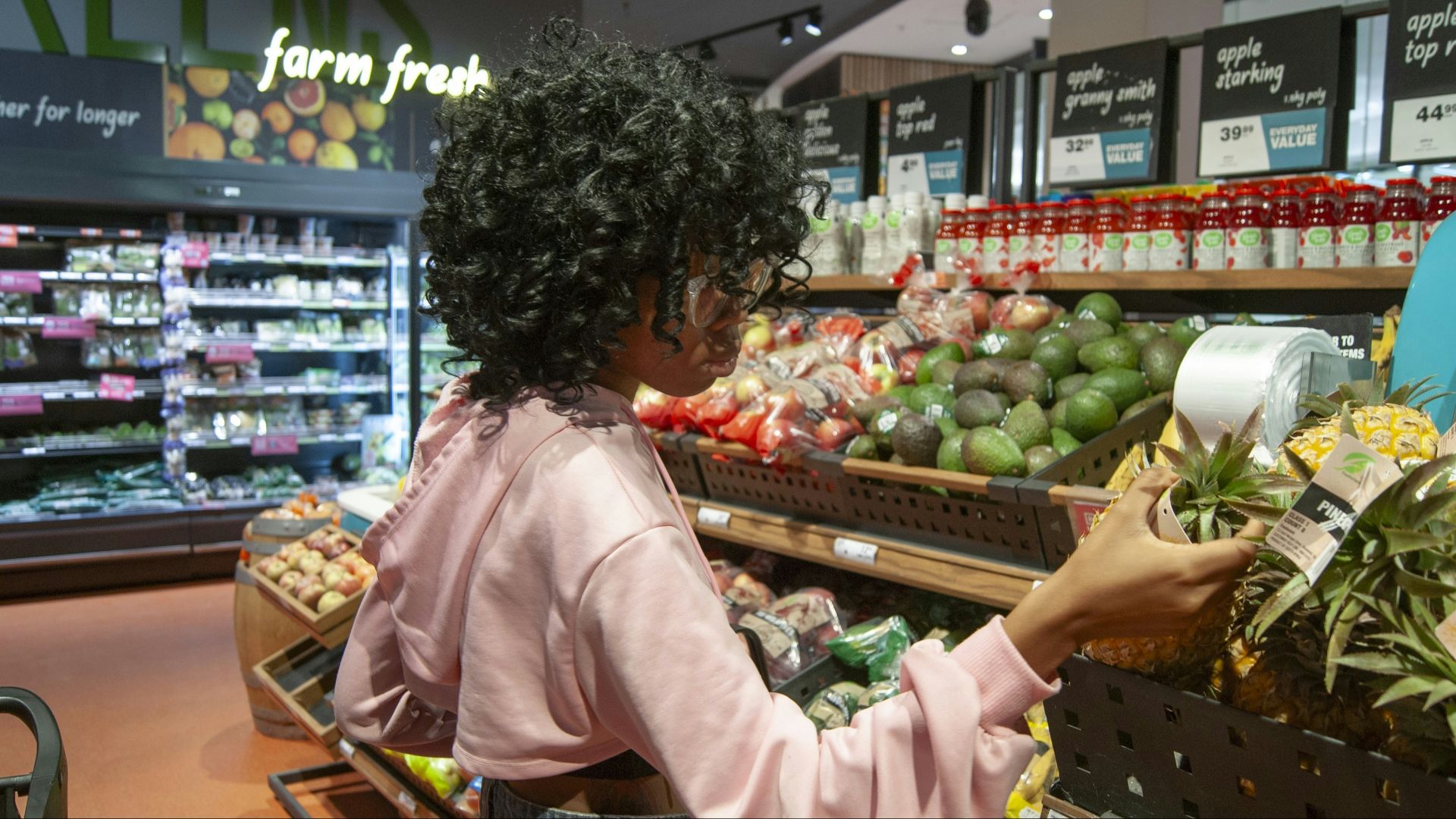
Compare produce using the same unit, such as price per pound or price per individual item when appropriate. Then buy the quantity your household expects to eat, because FDA recommends planning purchases around what will actually be used. This lets families consider both a favorable price and a package quantity that matches their normal meals.
Do The Same With Meat
Meat comparisons should use the same cut or another substitute your household considers equivalent, measured on a per-pound basis. Category prices can move differently from the overall grocery market, which makes current local prices more informative than memories from earlier shopping trips. USDA reported, for example, that beef and veal prices in June 2026 were 11.8% higher than a year earlier even while overall food-at-home prices were up 2.7%.

Remember That Inflation Changes Winners
USDA's July 2026 outlook projected food-at-home prices to rise 2.7% in 2026, but its forecasts differed significantly among grocery categories. Fresh fruit, fresh vegetables, beef and veal, fish and seafood, and several other groups were projected to rise faster than their longer-term historical rates, while eggs and fats and oils were projected to decline for the year. A store that leads your basket today therefore deserves another test later rather than a permanent family crown.

Put Convenience Into Dollars
Price comparison does not have to stop at groceries. Record mileage, transportation expenses, and any delivery or service charges that actually apply to your shopping method, then decide whether your family wants to assign a dollar value to shopping time. Treat that figure separately from merchandise prices so everyone can see both the pure grocery winner and the all-in household-cost winner.

Create A Household Price Book
A spreadsheet or note on your phone can track item, package size, unit price, store, promotion, and purchase date. After several trips, you will have your own local pricing history rather than relying on general assumptions about Costco, Walmart, or a neighborhood supermarket. Updating the list periodically is especially useful because USDA data show grocery categories can experience very different price movements over time.

Score Each Store By Category
Instead of demanding one overall champion, identify where each retailer delivers the most value for your family's basket. Costco may earn a strong score on products your household uses comfortably in larger quantities, Walmart can compete across a broad Great Value assortment, and a local grocer can score highly wherever its current prices and offers fit your list. A category-by-category approach turns the comparison into a shopping strategy rather than a brand contest.

Try A Split-Basket Strategy
The financially strongest answer may be buying different parts of the list from different stores when the additional trip makes sense for your household. Use your price book to identify meaningful recurring savings rather than making an extra stop for a tiny one-time difference. The result can preserve the particular advantages your family appreciates at Costco, Walmart, and its favorite neighborhood grocery store.

Let Three Months Settle The Argument
Run the same basket comparison once a month for three months and calculate each store's average cost. Include unit prices, discounts actually used, Costco membership allocation, shopping-channel costs, and any meaningful food waste. At that point, your family will have something much more persuasive than opinions: a customized record showing which shopping combination works best for the way you actually eat and spend.

You May Also Like:
Sources: 1, 2, 3, 4, 5, 6, 7, 8, 9, 10, 11, 12, 13, 14, 15, 16, 17, 18