An Unexpected Arrival
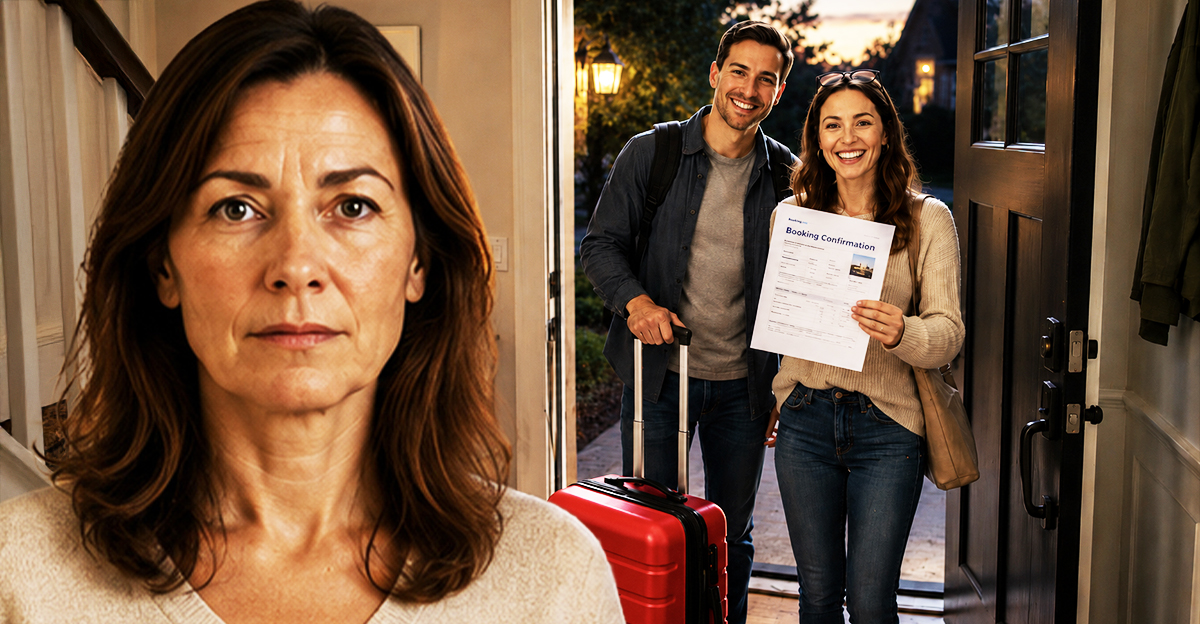
You finally close on your new home, unpack your belongings, and start settling in. Then strangers begin arriving at your front door carrying reservation confirmations for a vacation rental that no longer exists. While unsettling, this situation is usually caused by an outdated online listing that was never removed after the property changed ownership.
Stay Calm And Safe
Your first priority is safety. You are not obligated to allow anyone into your home simply because they claim to have a reservation. Speak through a locked door if necessary, remain polite, and avoid escalating tensions. Most guests are confused, not malicious.
Verify The Situation
Ask visitors to show you their reservation confirmation. Look for the booking platform involved, reservation dates, host information, and any contact details. Understanding exactly where the listing appears can help you report it more effectively and demonstrate that you are the property's lawful owner.

Document Every Visit
Keep a written record of each unexpected guest who arrives. Note the date, time, booking platform, and any information they provide. Photos of reservation confirmations can also be helpful. Good records may prove useful if the problem continues for weeks or months.

Contact The Booking Platform
Reach out to the booking website as soon as possible. Explain that you recently purchased the property and that an unauthorized or outdated listing remains active. Request immediate removal of the listing and provide documentation proving your ownership of the home.

Gather Proof Of Ownership
Most booking platforms will ask for evidence before taking action. Prepare copies of your deed, closing documents, tax records, or title paperwork. Having these documents ready can speed up the verification process and help prevent repeated requests for additional information.
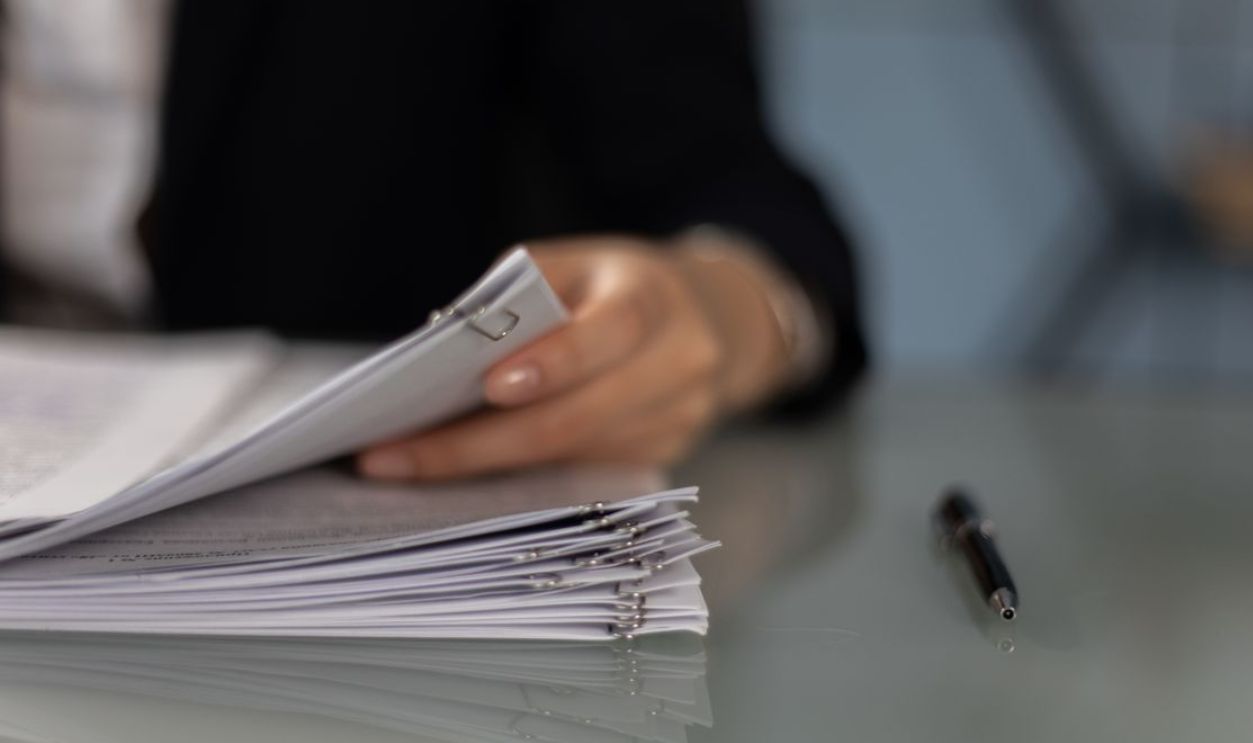
Search For Duplicate Listings
The problem may not be limited to one website. Search your address across multiple vacation rental platforms, travel sites, and search engines. Sometimes listings are copied or syndicated to partner websites, allowing an outdated rental advertisement to appear in several places.
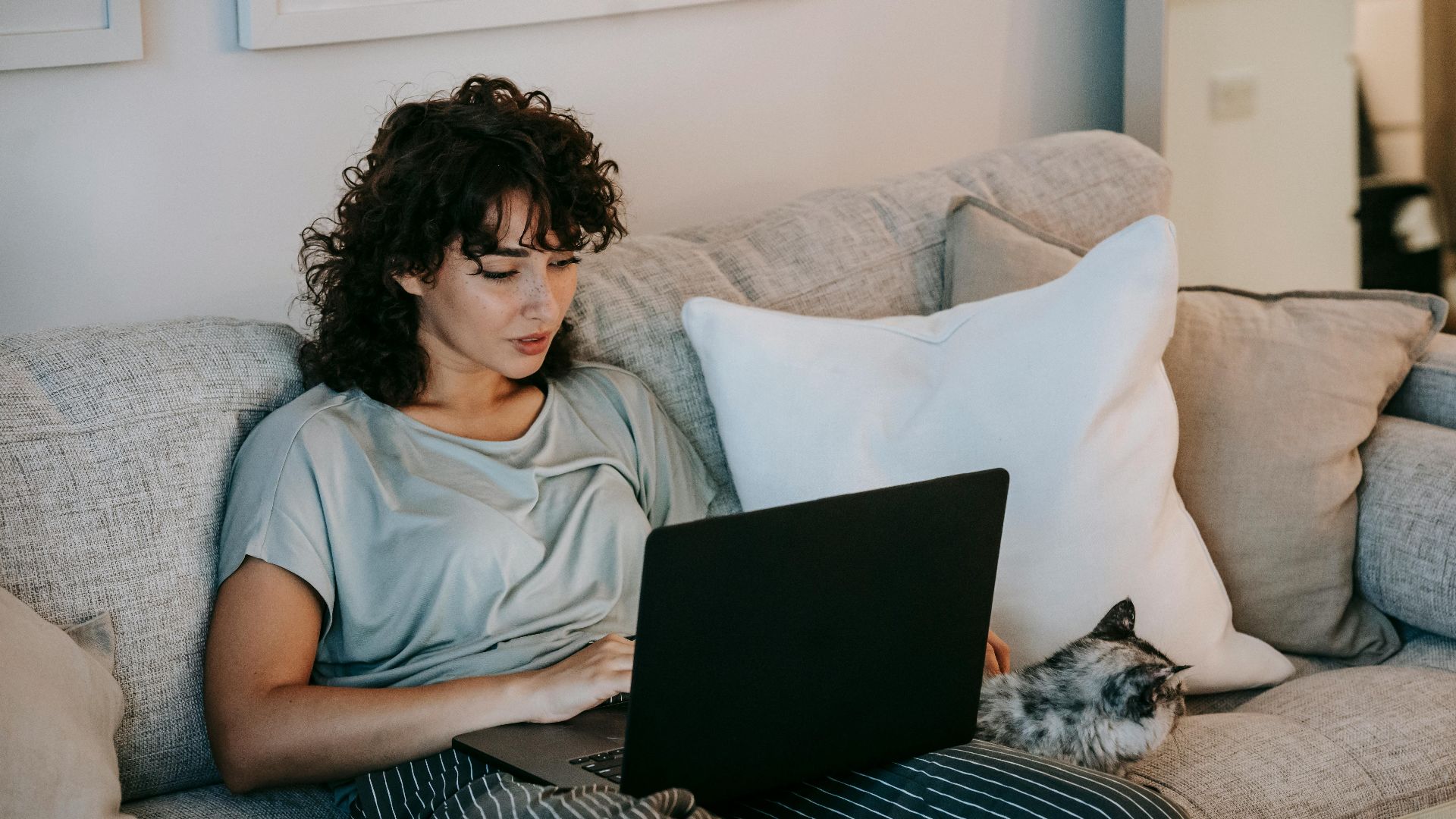
Contact The Previous Owner
If possible, reach out to the former owner. In some cases, they simply forgot to deactivate a listing after the sale. A direct request from the former host can sometimes resolve the issue more quickly than waiting for a platform investigation.

Notify Your Real Estate Agent
Your real estate agent may be able to assist. Agents often maintain contact with sellers, brokers, and closing attorneys. They may help identify who created the listing or facilitate communication that leads to a faster resolution.
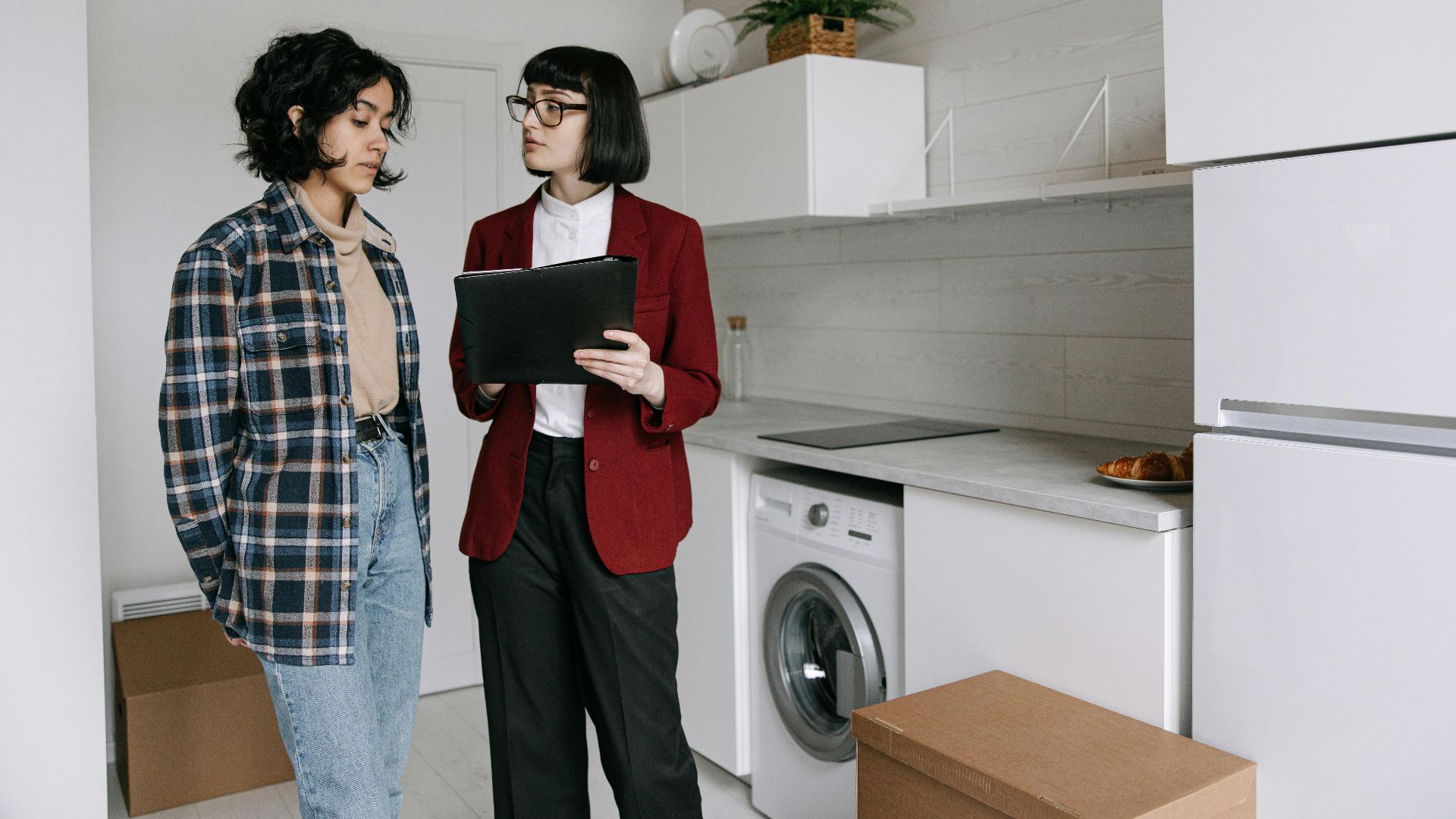
Inform Your Closing Attorney
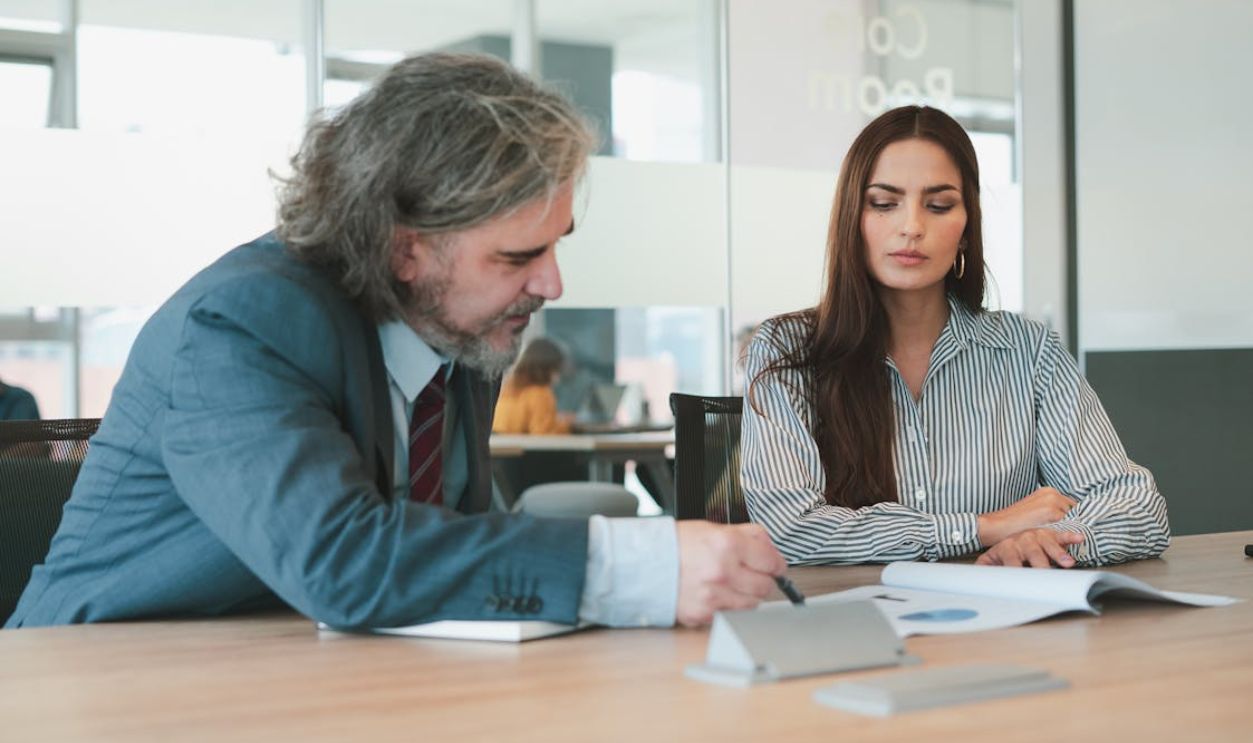
If you used a real estate attorney during the purchase, consider notifying them about the situation. They can advise you regarding property rights, potential liability concerns, and whether additional legal steps might be appropriate under your state's laws.
Post A Temporary Notice
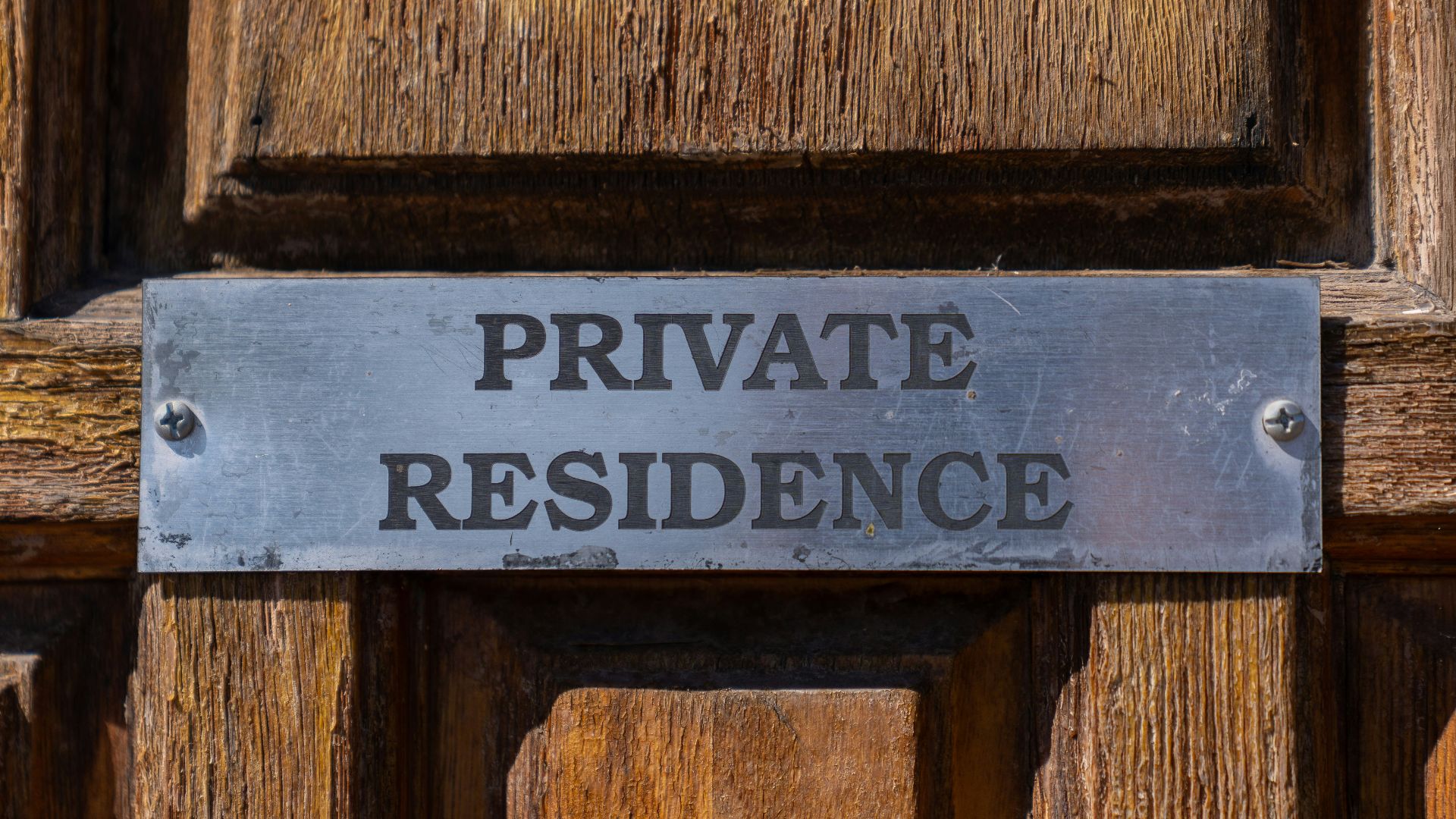
A temporary sign near your entrance can prevent awkward encounters. Clearly state that the property is a private residence and is not available as a vacation rental. Include instructions advising guests to contact their booking platform for assistance.
Protect Personal Information
Guests may believe they have rented the property legitimately and could become curious about its occupants. Avoid sharing personal details, financial information, or family schedules. Keep conversations focused on the fact that the listing is unauthorized and must be addressed through official channels.

Do Not Accept Payment
Some stranded travelers may offer money in hopes of salvaging their trip. Accepting payment could create confusion regarding occupancy rights or guest expectations. Politely decline and direct them back to the booking platform for refunds and alternative accommodations.
 Jesus Monroy Lazcano, Unsplash
Avoid Informal Agreements
Even if you feel sympathetic, allowing strangers to stay temporarily can create legal complications. Occupancy rules vary by state, and short-term arrangements sometimes generate unexpected liability issues. It is generally safer to avoid informal lodging agreements altogether.

Strengthen Home Security
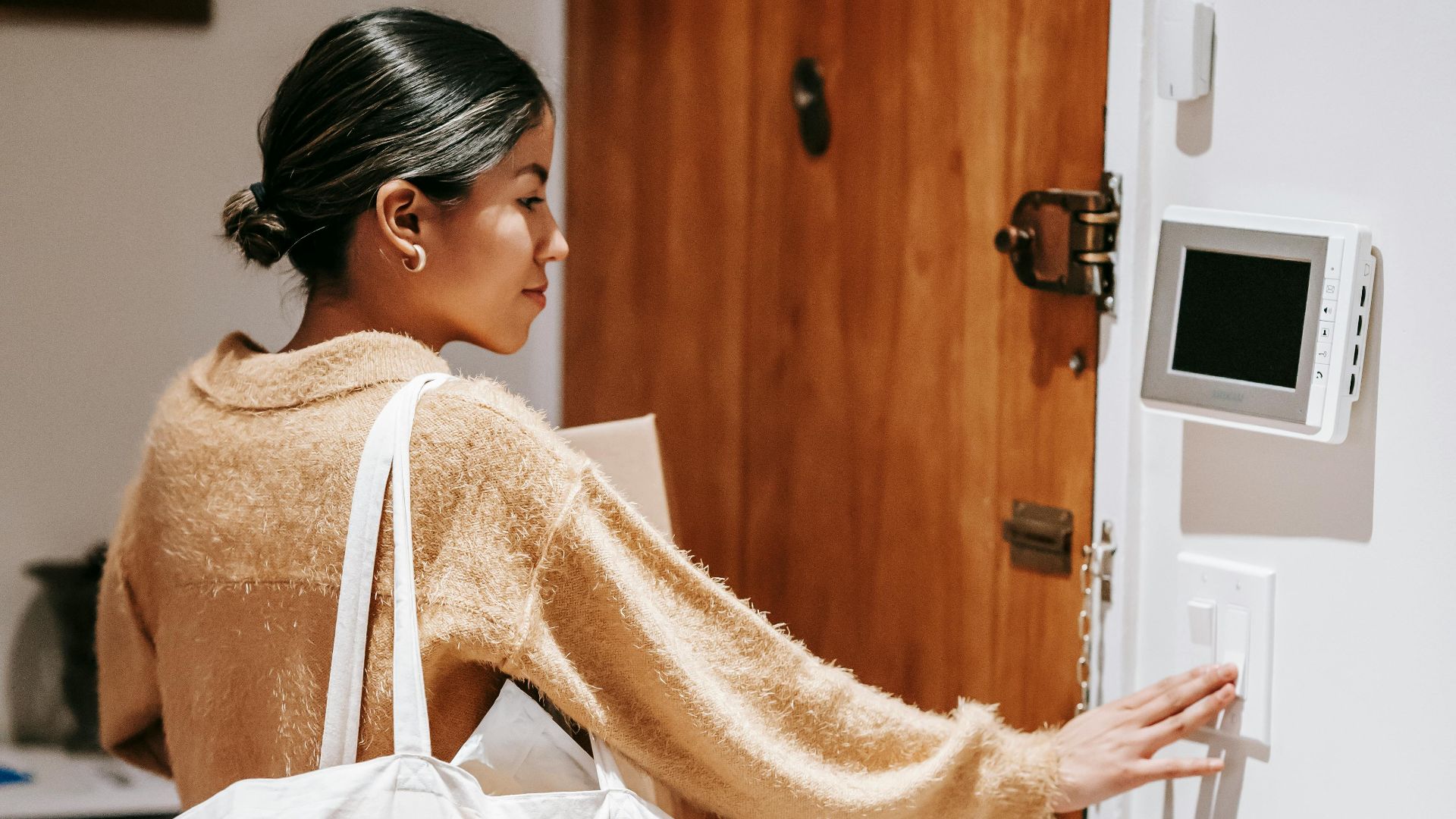
Consider reviewing your home's security measures. Ensure locks were changed after closing, install cameras if appropriate, and verify that any keypad codes associated with previous owners have been disabled. These precautions can provide peace of mind while the issue is being resolved.
 Sebastian Scholz (Nuki), Unsplash
Check For Smart Access Devices
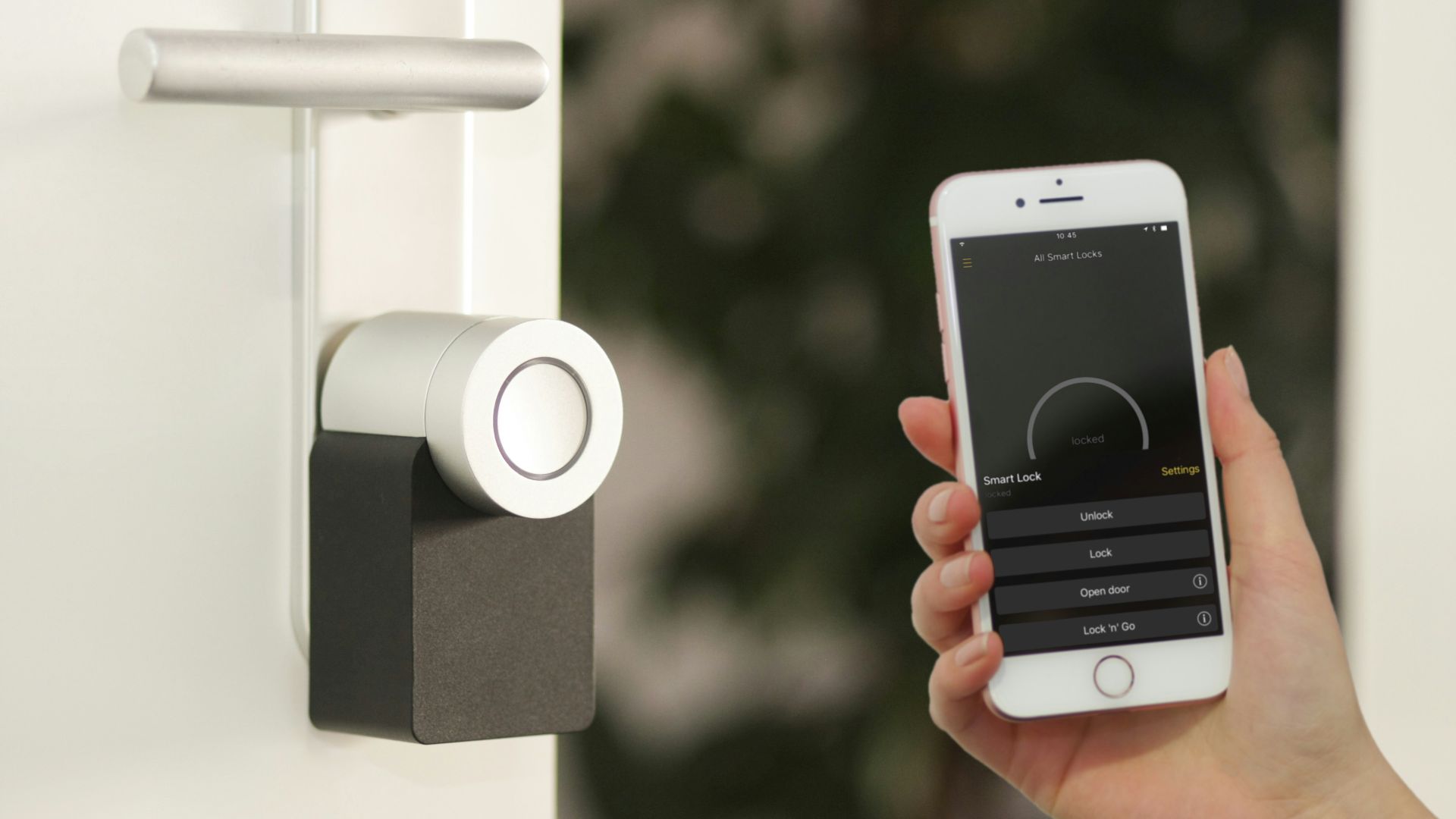
Many vacation rentals use electronic locks, lockboxes, or smart home systems. Inspect the property for devices that may still provide access. Remove or reprogram any equipment left behind to ensure former guests cannot enter using old instructions.
Monitor Future Reservations
Some guests book weeks or months in advance. Even after a listing is removed, future travelers may already hold reservations. Continue documenting arrivals and communicate with the platform if additional guests continue appearing after removal has supposedly occurred.

Understand Liability Concerns
Generally, you are not responsible for honoring reservations made by a former owner. However, liability questions can become more complicated if someone is injured on your property. Maintaining homeowner's insurance and promptly addressing unauthorized access risks remains important.

Contact Local Authorities If Needed
Most situations end with a polite conversation. However, if visitors refuse to leave, become threatening, or attempt to enter the property, contact local law enforcement. Trespassing laws typically protect homeowners from unauthorized entry attempts.

Notify Neighbors
Your neighbors may notice unfamiliar people wandering around in the vicinity. Let trusted neighbors know about the situation so they understand why visitors are occasionally appearing and can alert you if they observe suspicious activity while you’re away.

Watch For Identity Confusion
Sometimes an old rental listing includes photos, descriptions, or contact information that remain online for years. Incorrect online information can create confusion beyond guest arrivals, potentially affecting deliveries, service appointments, or other property-related communications.

Escalate If Necessary
If a booking platform fails to act, escalate your complaint. Request supervisory review, submit ownership documents again, and maintain records of all communications. Persistence often becomes necessary when dealing with large companies that process thousands of listings.

Consider A Formal Demand
In rare cases, legal counsel may recommend sending a formal demand letter requesting removal of the listing. Such letters can demonstrate the seriousness of the situation and may encourage faster action from responsible parties.
Be Patient But Persistent
These situations are frustrating because they intrude on the privacy and enjoyment of your new home. Fortunately, most unauthorized listings are eventually removed once ownership is verified. Consistent follow-up and thorough documentation usually produce results.

Take Bold Steps To Reclaim Your Peace Of Mind
A new home should feel like a fresh start, not an accidental hotel. By documenting incidents, contacting booking platforms, securing your property, and understanding your rights, you can usually stop the unwanted arrivals and enjoy your home without further disruption.

You May Also Like: