
When Cash Isn’t An Option And Cards Cost More
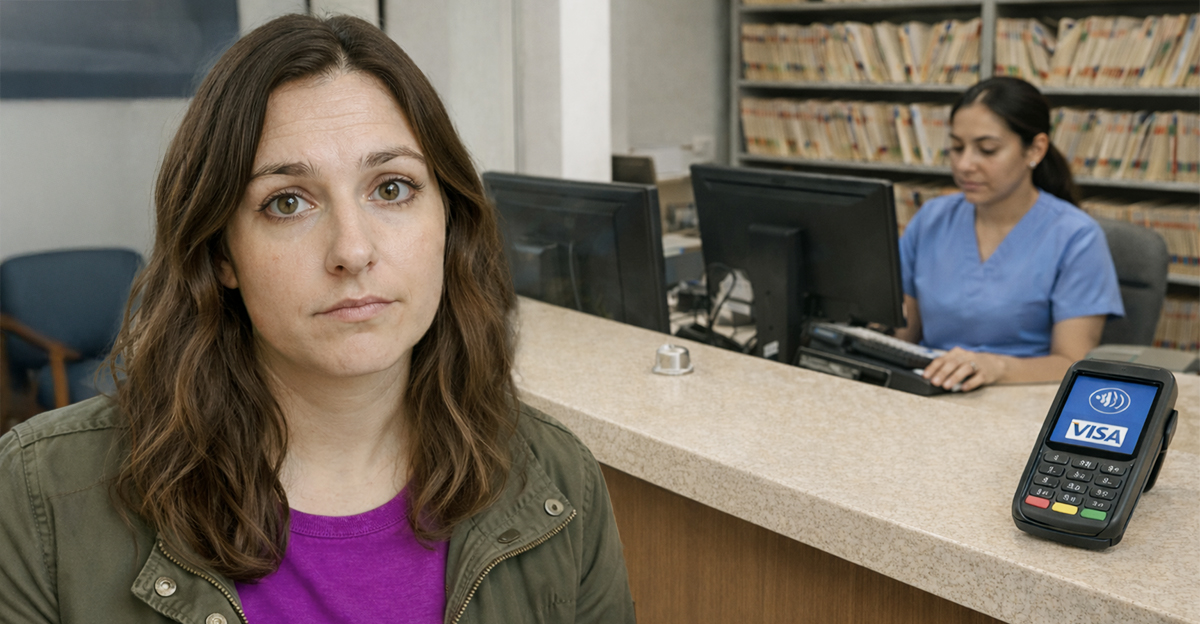
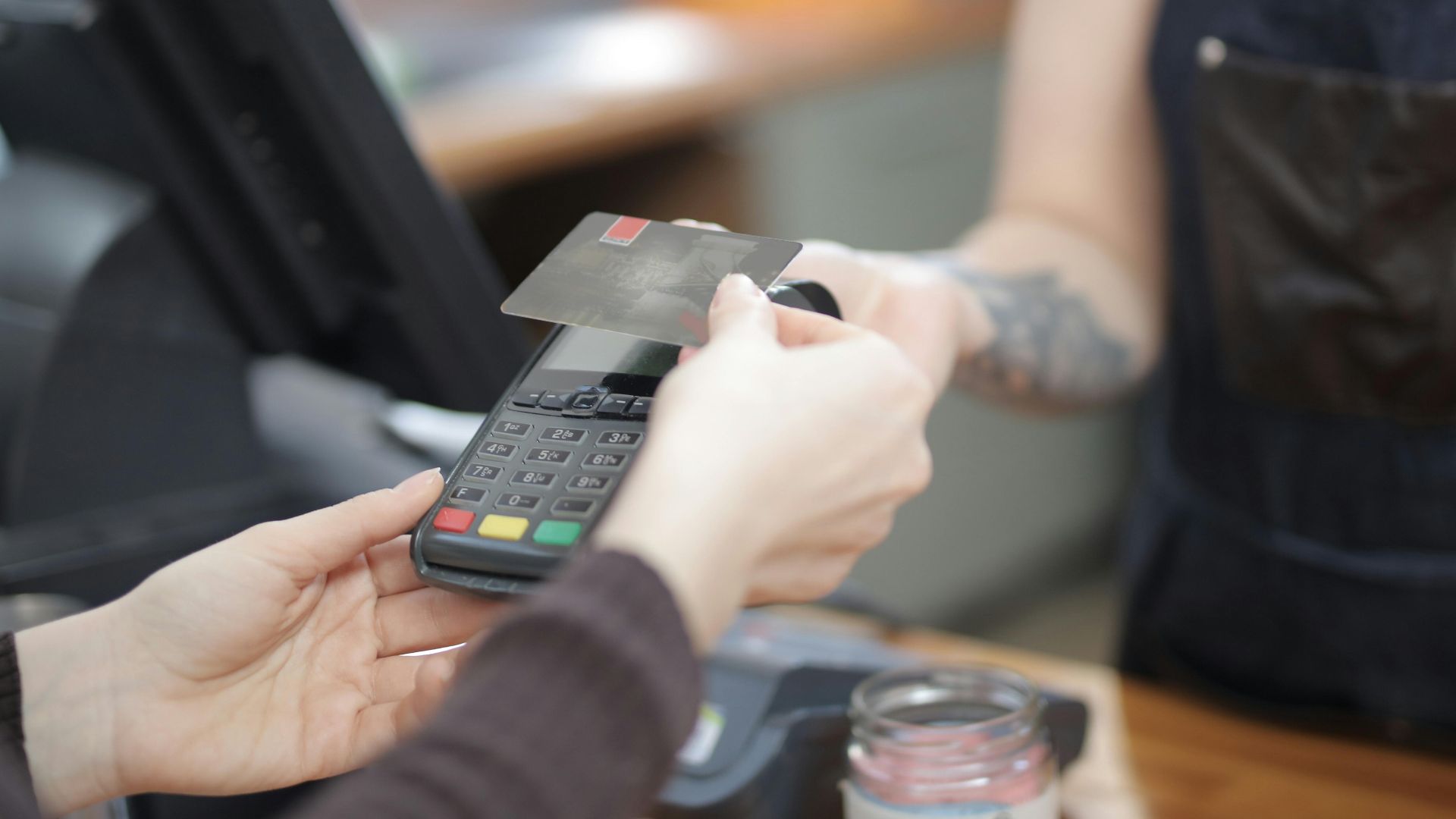
You walk up to the counter at your doctor’s office ready to make your $50 insurance copay with cash. To your surprise, they told you they don’t accept cash. Shifting gears, you offered to pay with your credit card. Then you got a further surprise. A 3% surcharge gets added to your bill. Now you’re paying more with no fee-free option. It feels unethical, and you’re right to question it.
Why Businesses Are Going Cashless
More and more businesses these days are ditching cash altogether. Handling physical money involves security risks, employee training, and bank deposits. Digital payments are faster and easier to track. Some owners go cashless in order to cut down on the chance of theft or just simplify operations. That shift has made “card only” policies more and more common across restaurants, shops, and service providers.

The Real Reason Behind Card Surcharges
When you pay with a credit card, the business pays processing fees to banks and card networks. These fees usually range from about 2–4% of the transaction. Instead of absorbing those costs themselves, some businesses pass them directly to the customer through a surcharge.
Are Credit Card Surcharges Legal?
In most U.S. states, yes, businesses are allowed to charge a credit card surcharge. However, the rules are not simple. There are limits, disclosure requirements, and a patchwork of state laws that specify exactly what is allowed and what crosses the line.
The 3% Rule You Keep Seeing
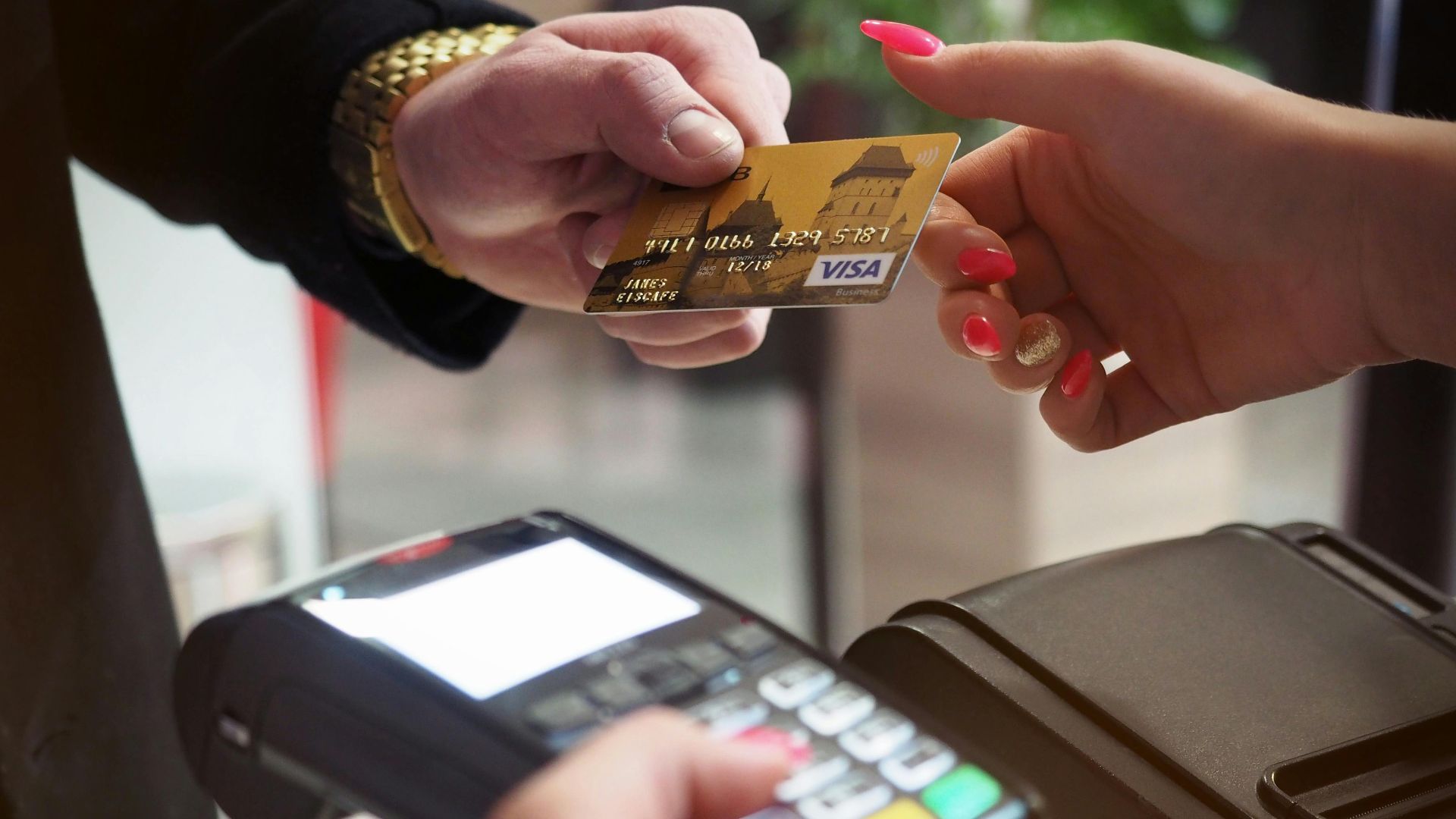
That 3% fee you were charged is not random. Visa generally caps surcharges at 3%, while federal and card network rules often limit them to no more than the actual processing cost. So a 3% charge is usually within the permitted range.

Businesses Cannot Just Add Fees Silently
Even when surcharges are legal, businesses must clearly tell you about them before you pay. That means visible signage or upfront disclosure. If the fee only appears after the transaction starts, that could violate consumer protection rules.
Debit Cards Are A Different Story
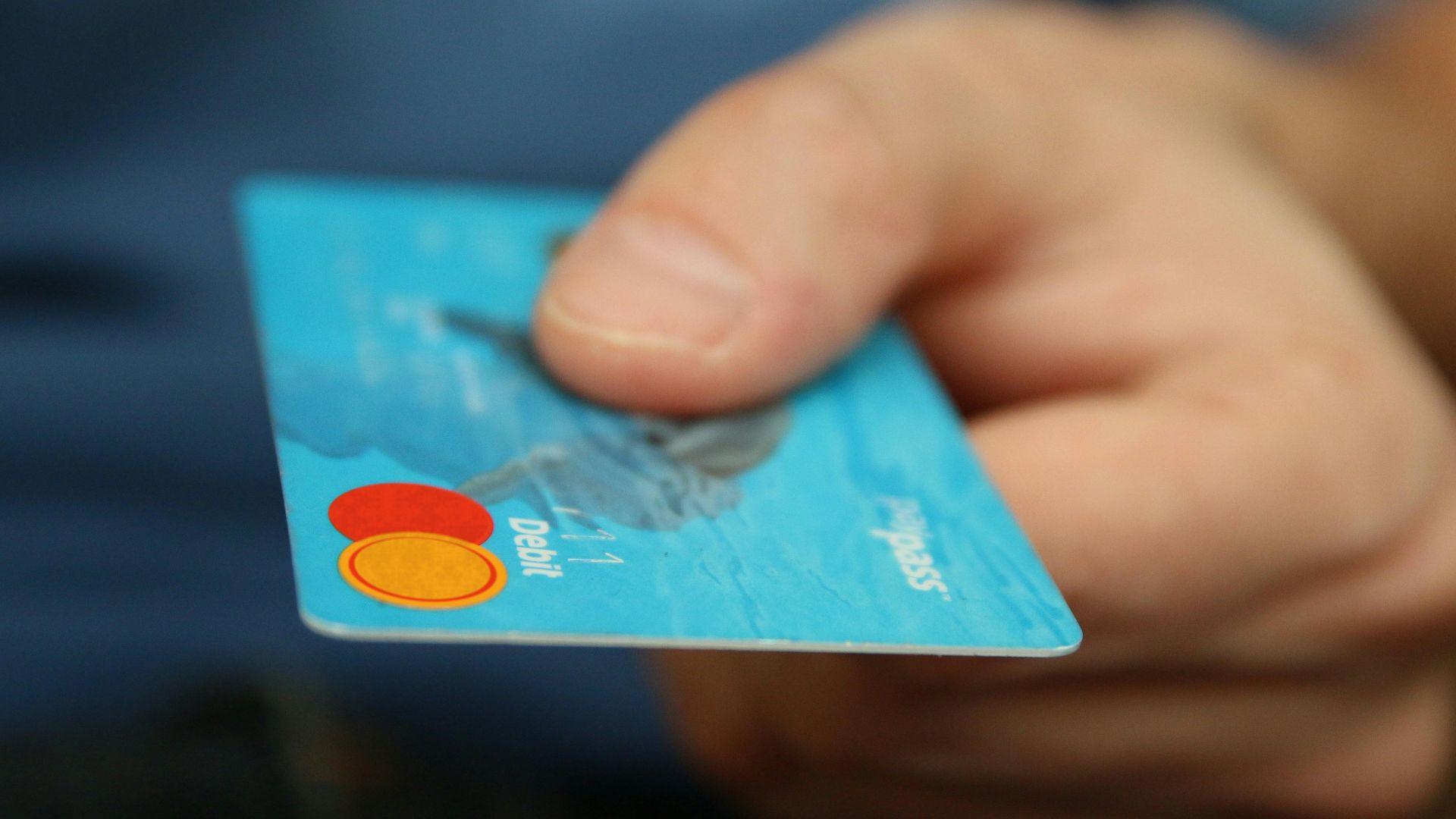
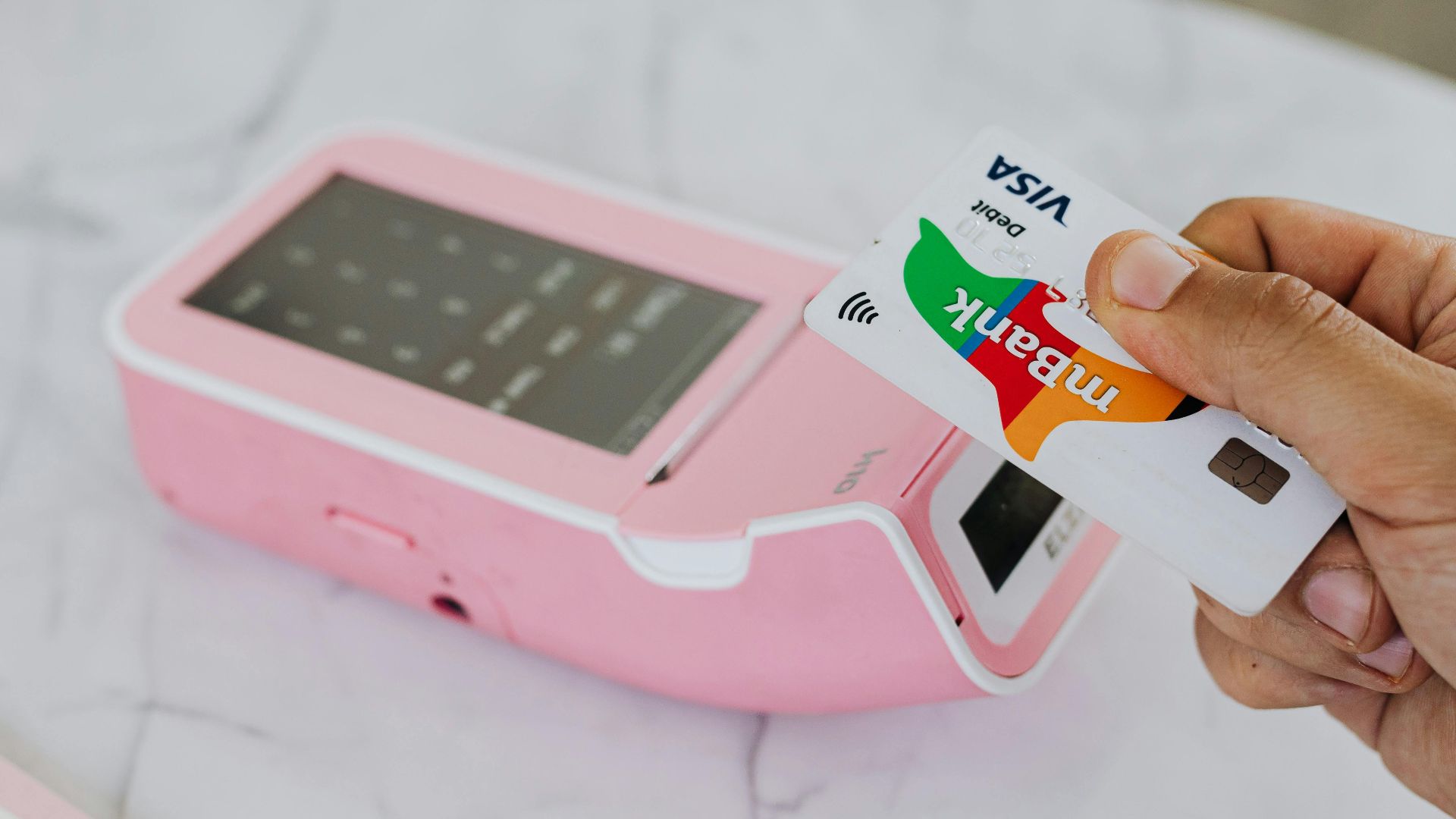
Here is a key detail that many people miss. Businesses generally can’t apply surcharges to debit card transactions under federal rules. So in the future you could use your debit card.

Can A Business Refuse Cash Entirely?
Surprisingly, in many places, yes. There is no universal federal law that requires businesses to accept cash. Some cities and states require it, but many do not. That means a business can legally go cashless depending on where it operates.
Where Cashless Policies Are Actually Illegal
Certain areas have pushed back. Places like New York and Washington, D.C. have passed laws that require many retailers to accept cash payments. In those locations, refusing to accept cash could be a violation, especially for in-person transactions.

The Key Issue With No Fee Free Option
This is where your situation gets tricky. If a business is cashless and also adds a surcharge, and you’re unable to pay with a debit card, you effectively have no way to avoid the fee. That raises fairness concerns and, in some cases, legal issues depending on how and when the pricing is disclosed.
Pricing Transparency Is Everything
If every payment method includes a fee, the total price has to be clearly presented upfront. Businesses cannot advertise one price and then tack on unavoidable fees later. That can be viewed as misleading or deceptive under consumer protection laws.

Cash Discount Vs Card Surcharge
There is an important distinction in how pricing is framed. A business can offer a discount for paying cash, or it can add a surcharge for using a card. Courts have treated these differently, especially in cases involving how prices are displayed to customers.
The Supreme Court Weighed In
A key 2017 Supreme Court case (Expressions Hair Design v Schneidermann) confirmed that businesses can charge different prices for cash and credit, as long as the full price is clearly communicated. That ruling helped shape modern surcharge practices across many states.

State Laws Can Completely Change The Answer
Some states still restrict or ban credit card surcharges completely. Others allow them under strict conditions. So the exact legality of your situation depends heavily on whereabouts you are. That’s frustrating.

Why This Feels So Frustrating
From your perspective, it feels like a trap. You’re denied the ability to pay cash, then penalized for using the only other option available. Even if it’s technically legal, the setup often feels unfair, which is why it sparks so many complaints.

What You Can Do In The Moment
If you encounter this situation, ask questions before paying. Is the surcharge clearly posted? Does it apply to all cards? Is there any fee-free option like debit or cash alternative? Sometimes just asking a few questions can lead to the fee being waived.
When To Push Back
If the fee wasn’t disclosed in advance, you have grounds to dispute it. You can request a refund or file a complaint with your state’s consumer protection office or attorney general.

File A Complaint If Needed
Most states have consumer protection agencies that handle pricing and fee disputes. If a business isn’t transparent or appears to violate surcharge rules, you can submit a complaint. These agencies often look into patterns of unfair practices.

How To Avoid These Situations
Look for signage before you order or pay. Some businesses clearly state “card only” and disclose fees at the entrance or checkout. If you didn’t see that information, assume there could be a surprise and ask before committing.

Bottom Line On Your Situation
Yes, a business can often refuse cash and charge a credit card surcharge. But they have to follow strict rules about disclosure, limits, and card types. If any of those rules were broken, you may have a valid complaint and a path to getting your money back.

You May Also Like:
I tried to pay with cash at a store and they actually refused it. Isn't that illegal?
The $2 Bill Is Legal Currency—But Using It Still Makes Cashiers Nervous