The Real Question Is About Risk
Pet insurance is not designed to make every veterinary visit cheaper. Its main purpose is to protect a household from unpredictable bills that could otherwise force a difficult financial decision. The right choice depends less on whether insurance produces a profit and more on whether your family could comfortably absorb a major emergency.
 Inside Creative House, Shutterstock
Start With Your Emergency Fund
Before comparing policies, look at the cash you already have available. A family that could pay a several-thousand-dollar veterinary bill without using credit has more freedom to self-insure. A household with limited savings may benefit more from transferring some of that financial risk to an insurer.
Veterinary Emergencies Can Escalate Quickly
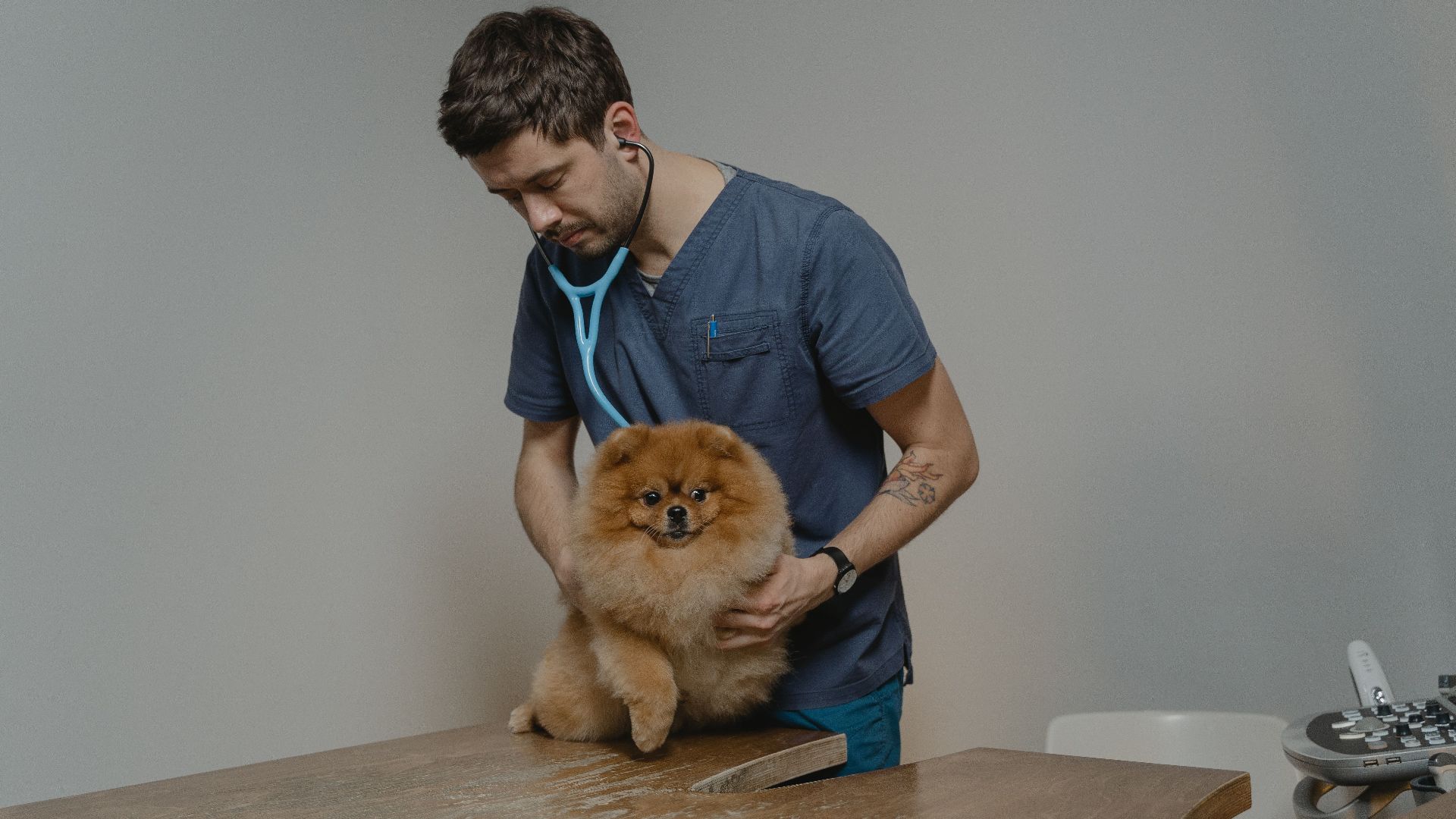
A routine examination may be manageable, but emergency treatment can involve bloodwork, imaging, hospitalization, surgery, and medication. Emergency veterinary expenses can range from roughly $150 to more than $5,000, depending on the situation. Complex procedures and prolonged treatment can cost considerably more.
Insurance Usually Covers The Unexpected
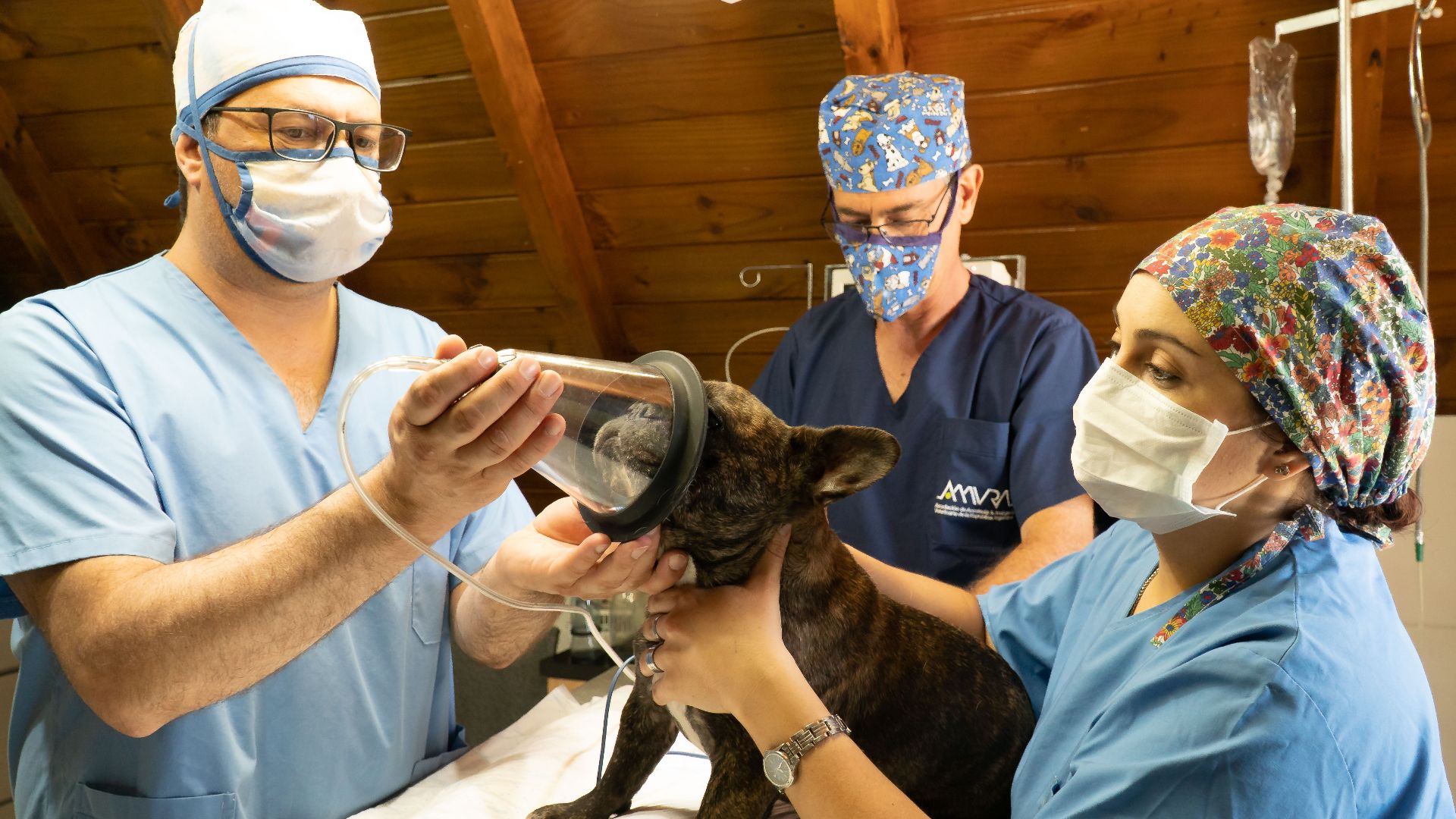
Standard accident-and-illness policies generally cover eligible treatment for injuries and diseases. That may include broken bones, swallowed objects, infections, allergies, arthritis, cancer, diagnostic testing, surgery, and medication. Exact benefits vary widely, so the sample policy matters more than the marketing page.
Routine Care Is Usually Different
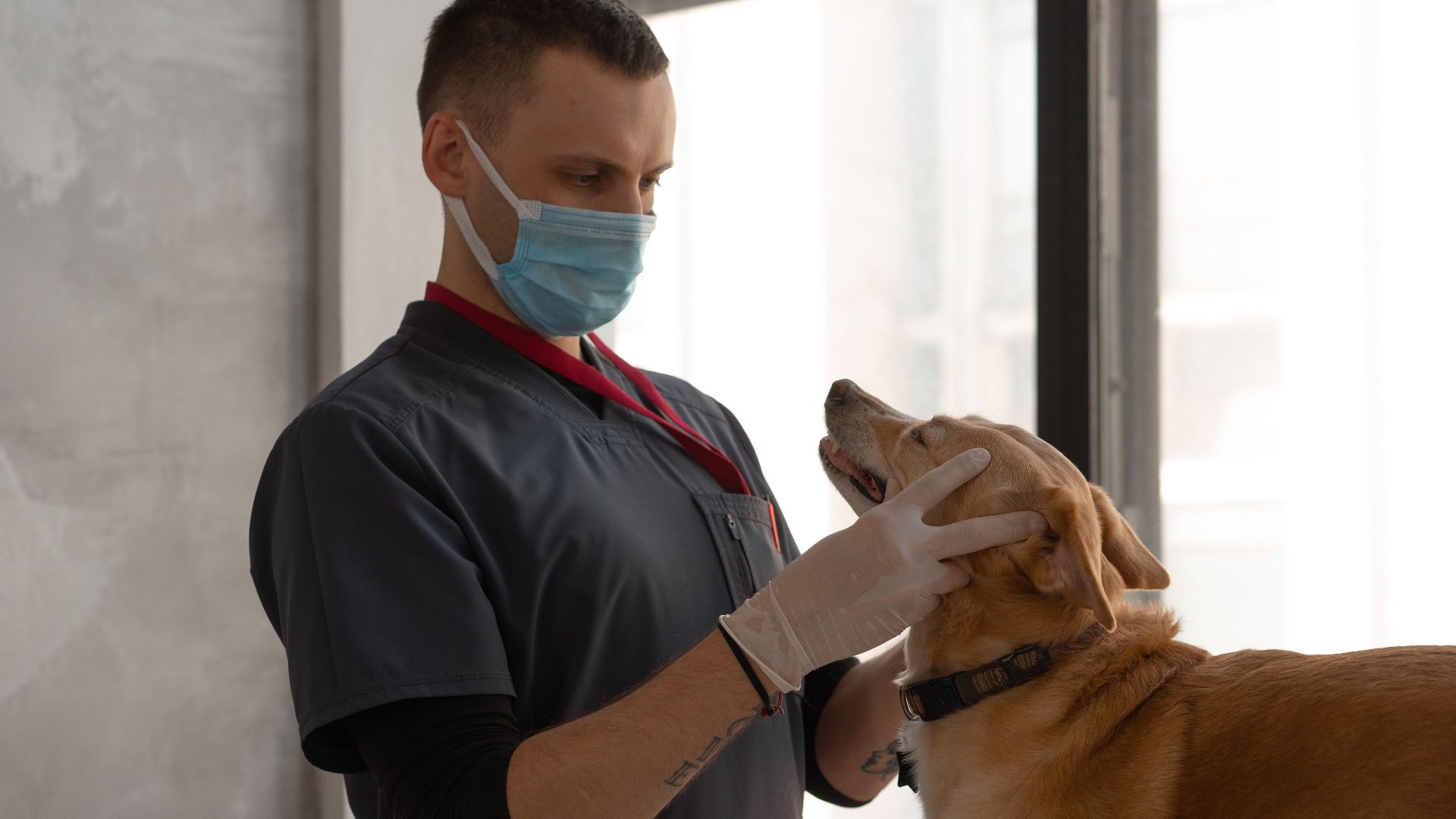
Vaccinations, annual checkups, flea prevention, and routine dental cleaning are commonly excluded from standard insurance. Some companies sell wellness add-ons that reimburse a scheduled list of preventive expenses. These add-ons should be judged as budgeting products, not as protection against financial catastrophe.
Pre-Existing Conditions Are The Biggest Catch
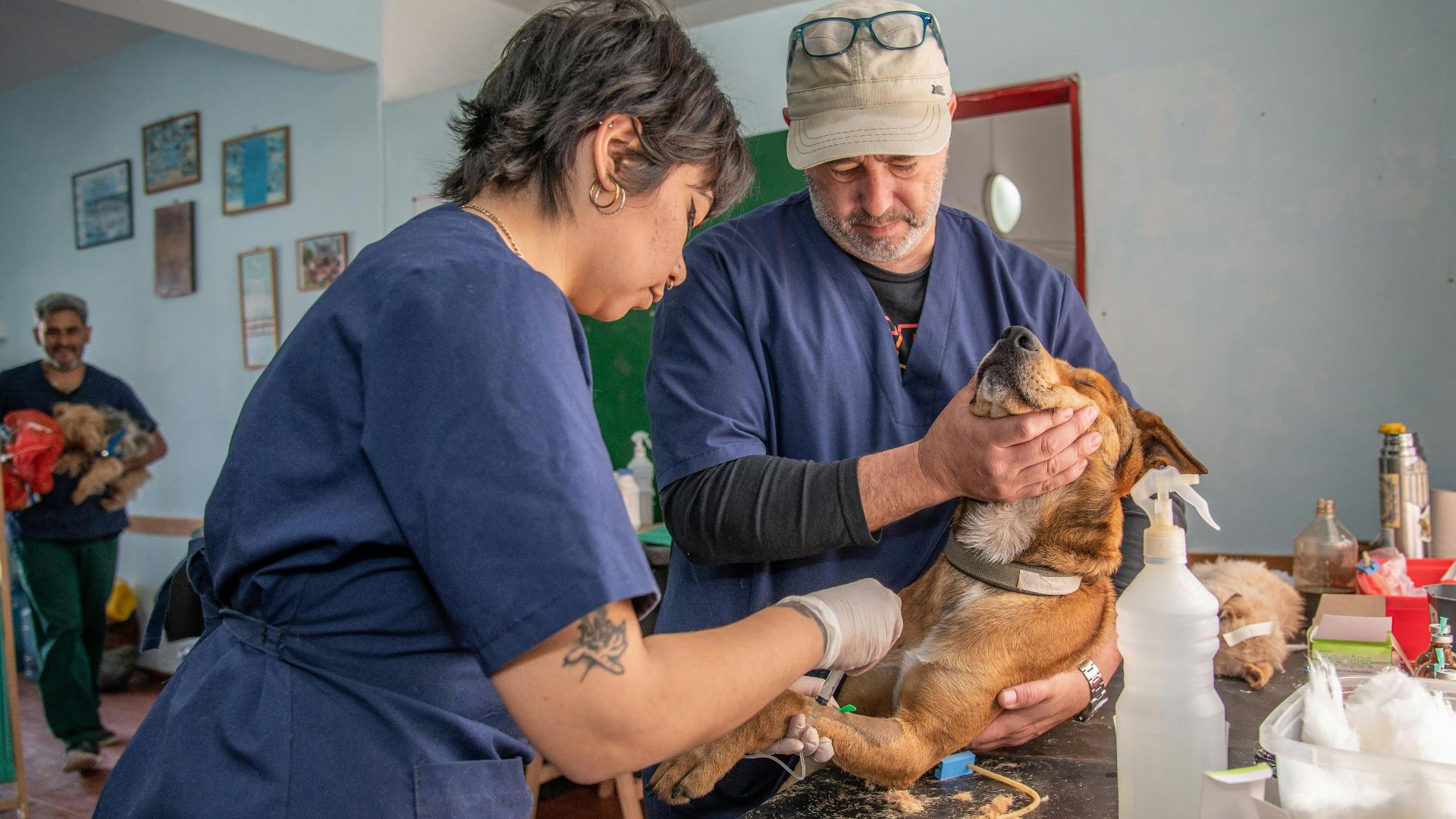
Most pet insurance does not cover medical conditions that existed before the policy began. An insurer may also classify symptoms documented before enrolment as evidence that a condition was already present. Buying coverage while a dog is young and healthy can therefore preserve more meaningful protection.
Waiting Periods Matter Too
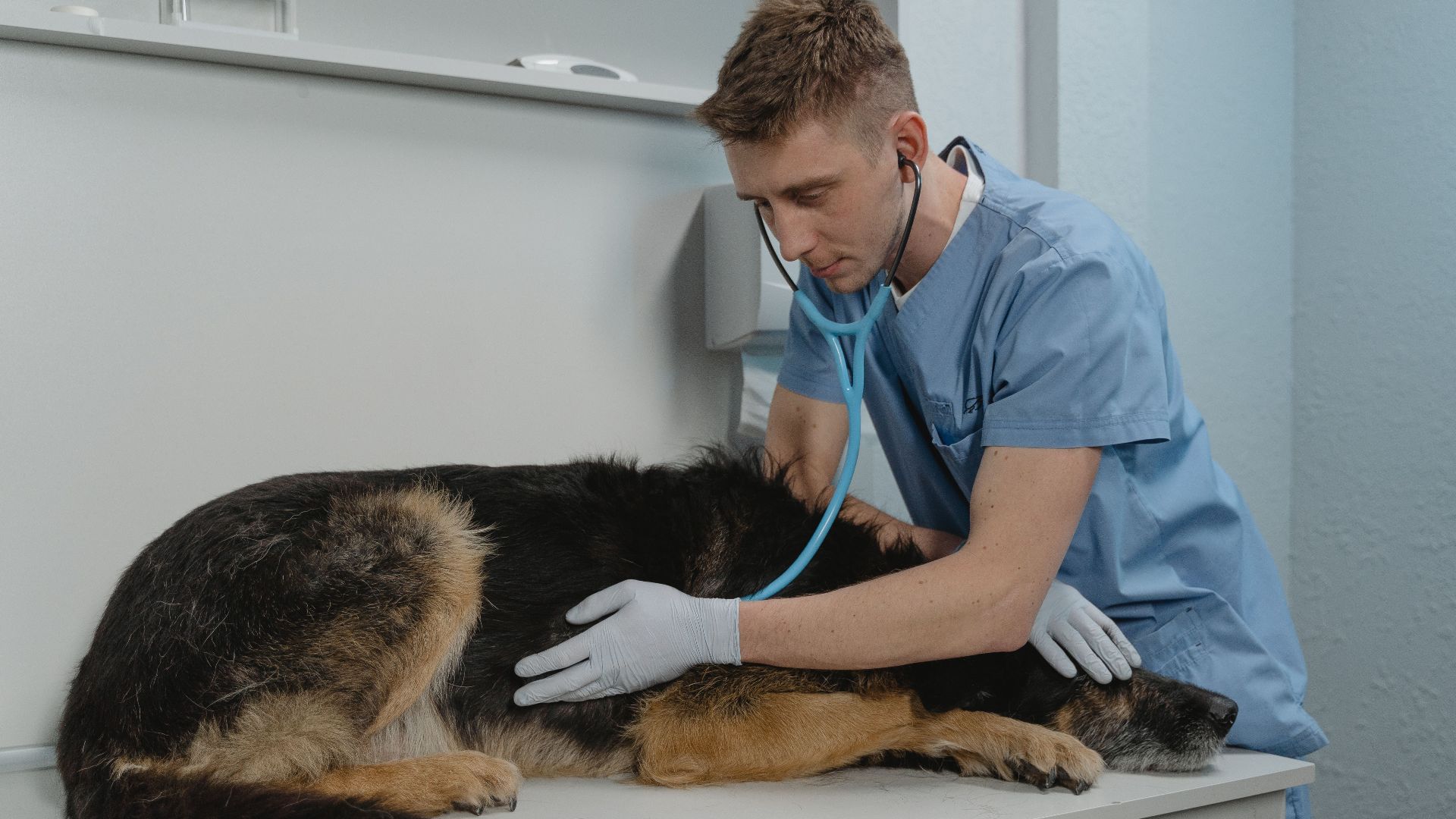
Coverage usually does not begin immediately after enrolment. Policies may impose separate waiting periods for accidents, illnesses, and orthopedic conditions. A problem that develops during that period may be excluded, even if the formal diagnosis arrives later.
You Normally Pay The Vet First
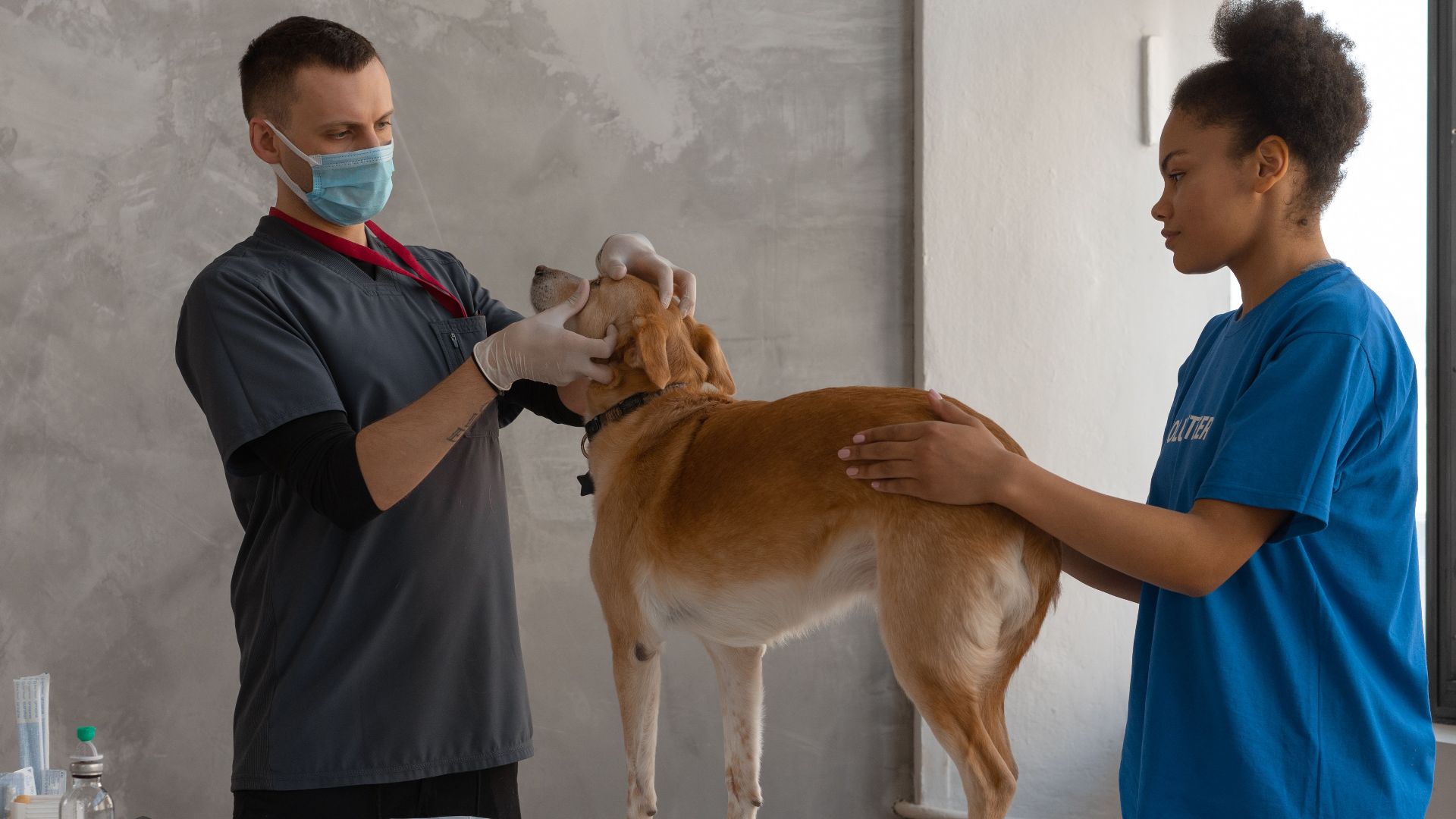
Many pet insurance policies operate through reimbursement. The owner pays the veterinary clinic, submits the claim, and waits for the insurer to reimburse the eligible portion. A few companies offer direct payment arrangements, but availability may depend on the insurer and clinic.
That Creates A Cash-Flow Problem
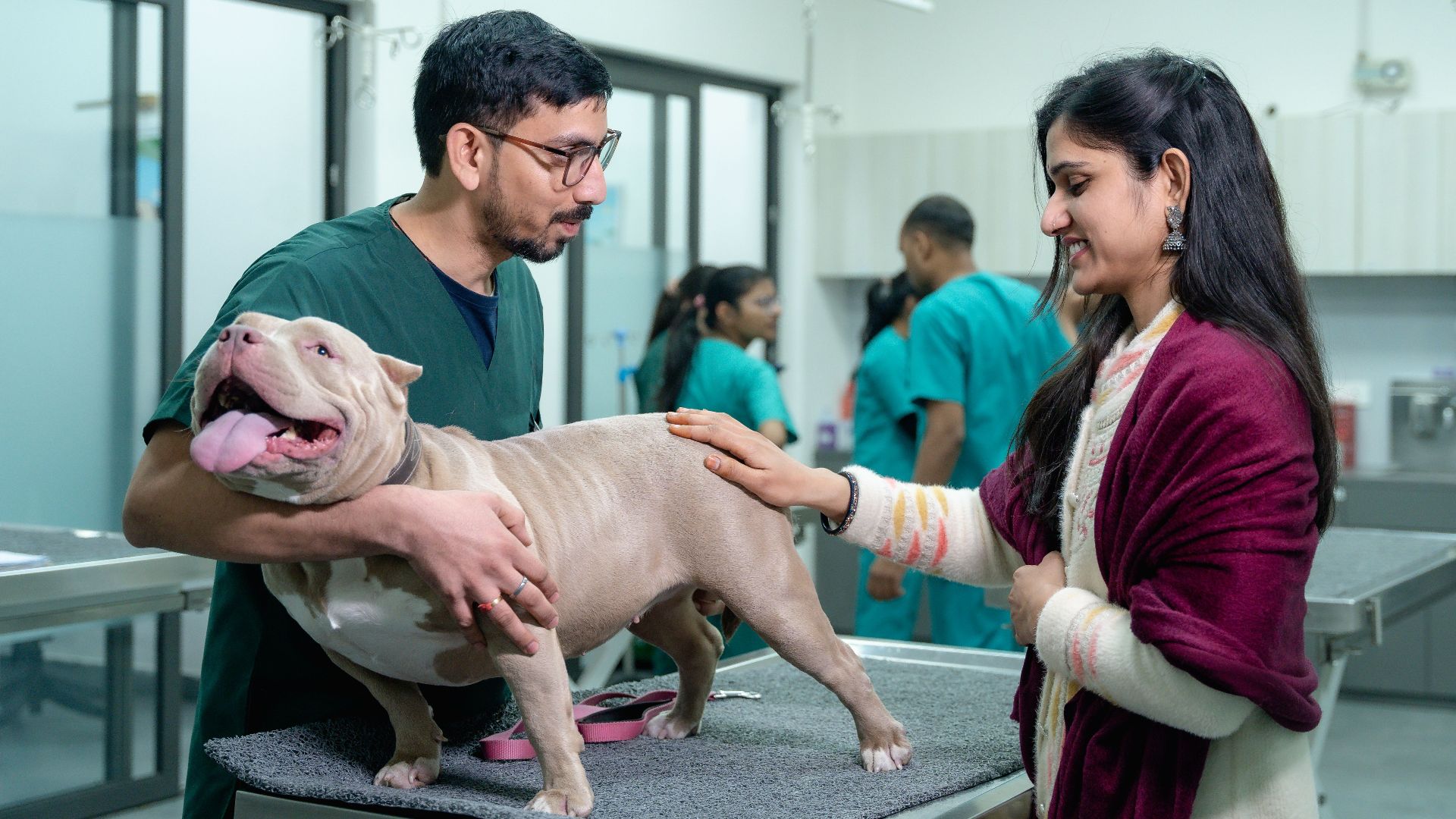
Insurance does not necessarily remove the need for emergency savings. You may still need enough available credit or cash to cover the original invoice before reimbursement arrives. Families considering insurance should maintain at least a modest pet emergency fund alongside the policy.

Deductibles Change The Math
The deductible is the amount you must pay before reimbursement begins. Some policies use one annual deductible, while others apply a deductible to each condition or incident. An annual deductible is often easier to understand when a dog needs treatment several times during the same policy year.
Reimbursement Is Not The Same As Full Coverage
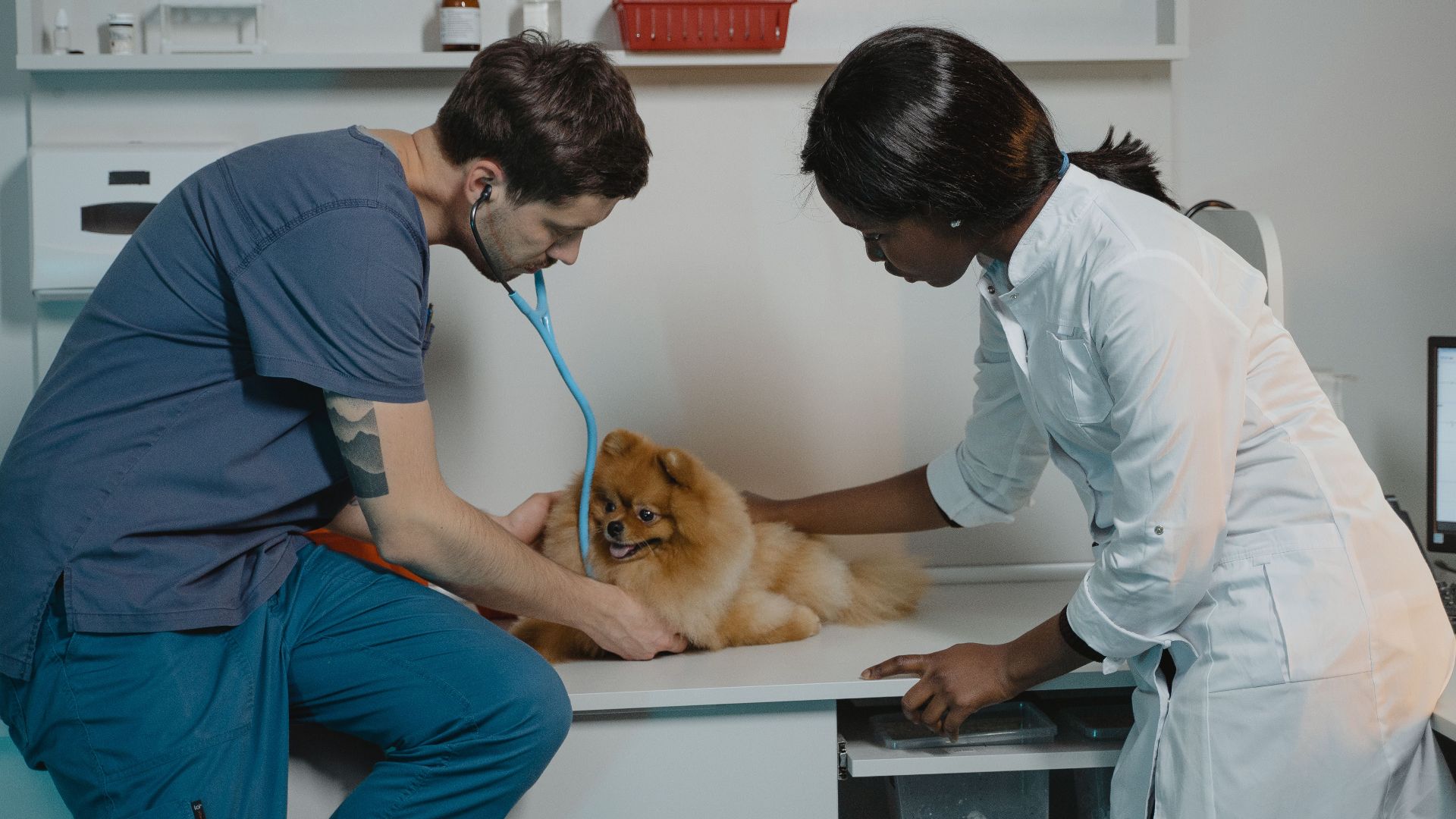
After the deductible, insurers commonly reimburse a percentage of eligible expenses rather than the entire bill. A policy might cover 70%, 80%, or 90%, depending on the option selected. You remain responsible for the deductible, the uncovered percentage, and any services the contract excludes.
Consider A Simple Example
Suppose your dog receives $5,000 in eligible treatment under a policy with a $500 annual deductible and 80% reimbursement. After the deductible, $4,500 remains, and an 80% reimbursement would equal $3,600. Your share would be $1,400, plus any excluded charges.
Annual Limits Can Restrict Protection
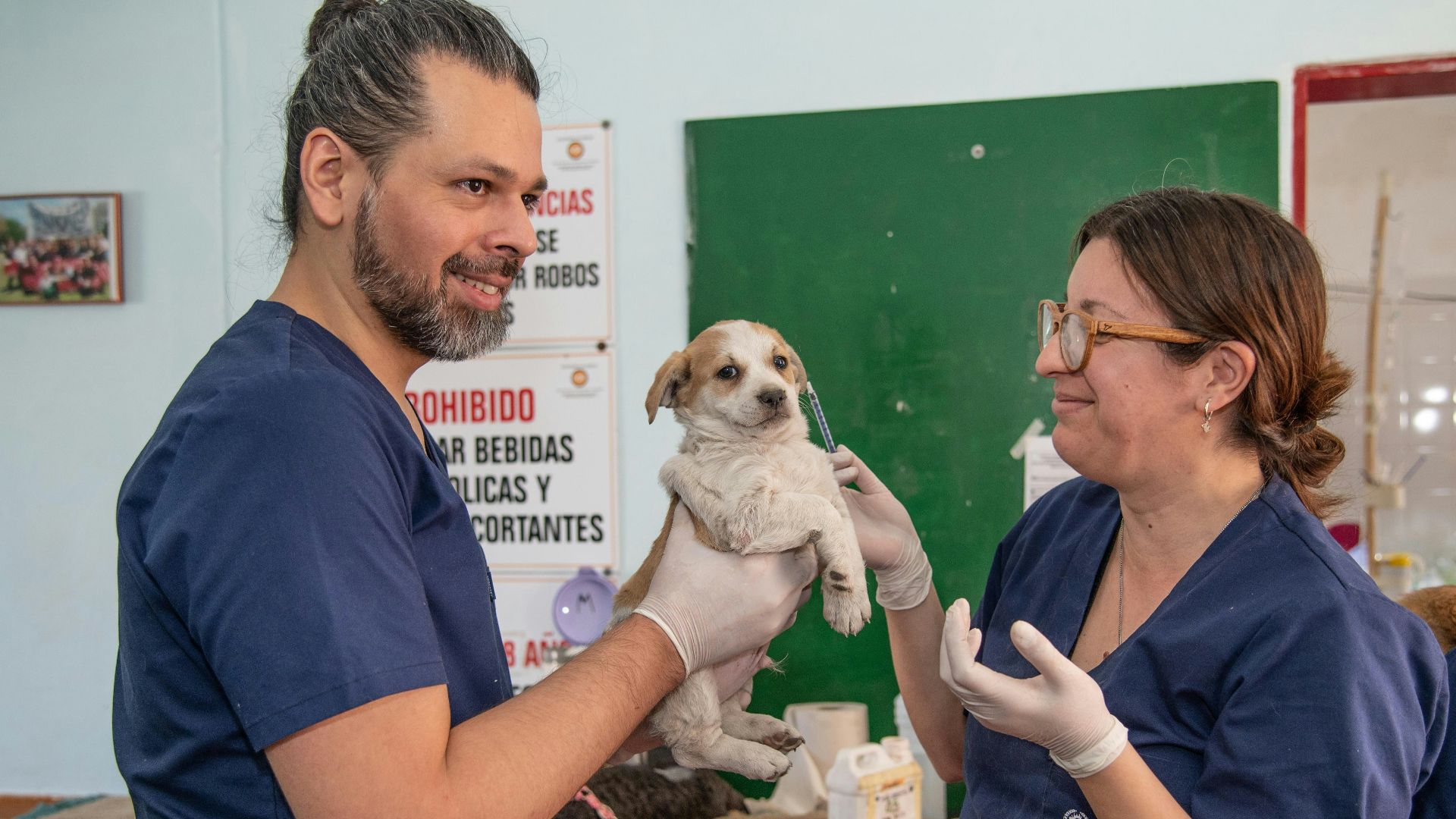
Some policies cap reimbursement at $5,000 or $10,000 per year. Others offer much higher or unlimited annual benefits in exchange for a higher premium. A low annual limit may be adequate for moderate emergencies but less useful during cancer treatment, major orthopedic surgery, or repeated hospitalization.

Premiums Depend On Your Dog
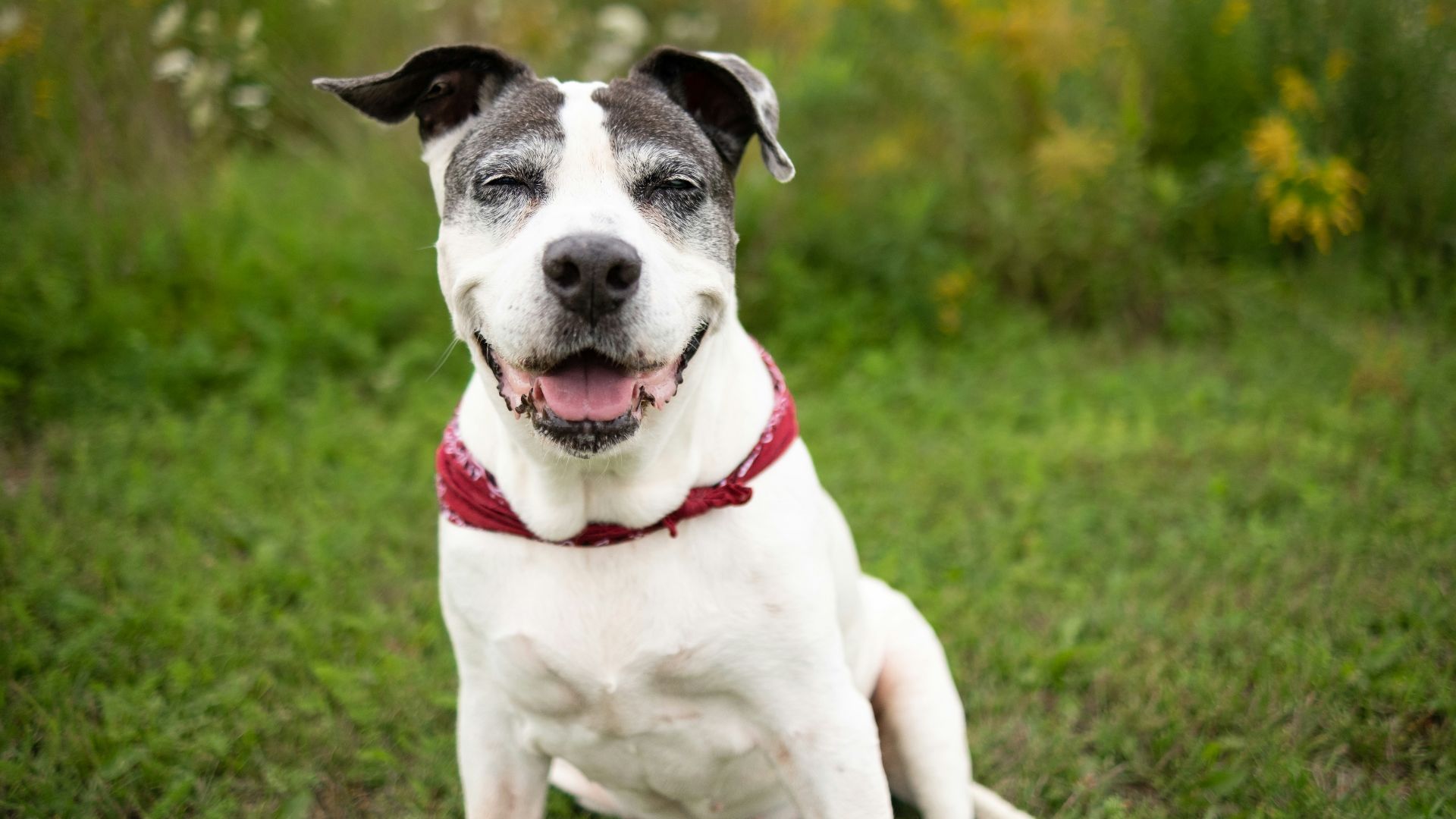
Insurers generally consider the dog’s age, breed, location, and selected coverage. Older dogs usually cost more to insure because health claims become more likely. Certain breeds may also attract higher prices because of documented risks involving joints, breathing, skin, or inherited disease.
 VetriScience Laboratories, Unsplash
Premiums Can Rise Over Time
A low introductory premium does not guarantee that the policy will remain inexpensive. Rates can increase as the dog ages and as veterinary costs rise in the local market. Families should test whether the plan would still fit their budget after several years of increases.
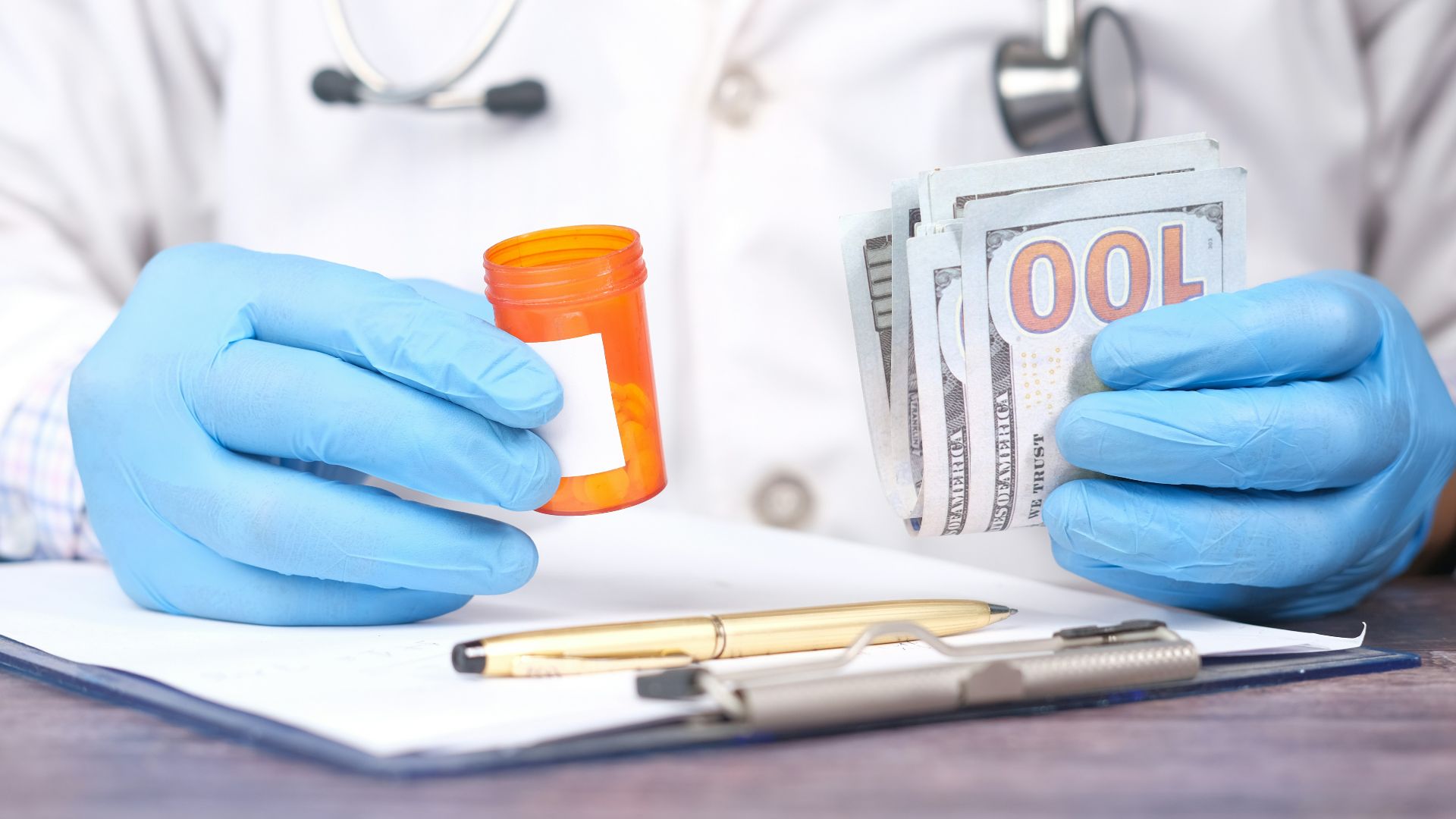
Switching Insurers Can Be Costly
You can shop around at renewal, but moving to a new company may create new pre-existing-condition exclusions. An illness covered by your current insurer could be treated as pre-existing by the replacement insurer. That makes long-term policy quality especially important when enrolling a young dog.
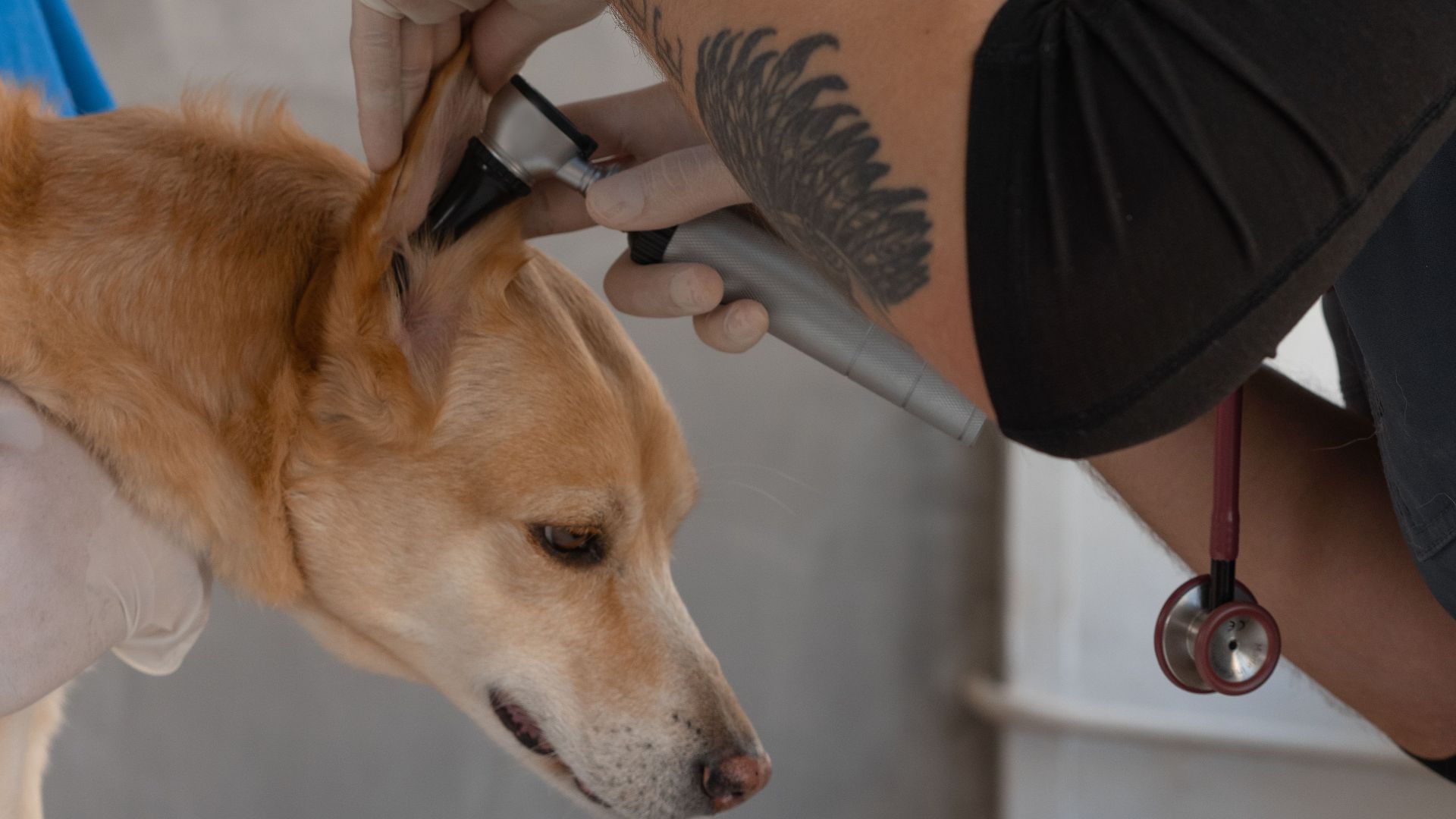
Breed Risk Deserves Attention
A family adopting a breed with elevated orthopedic, respiratory, spinal, or skin risks should investigate those conditions before choosing a plan. Some policies restrict hereditary or congenital conditions, while others cover them if they were not previously diagnosed. Read the exact language rather than assuming every illness is included.
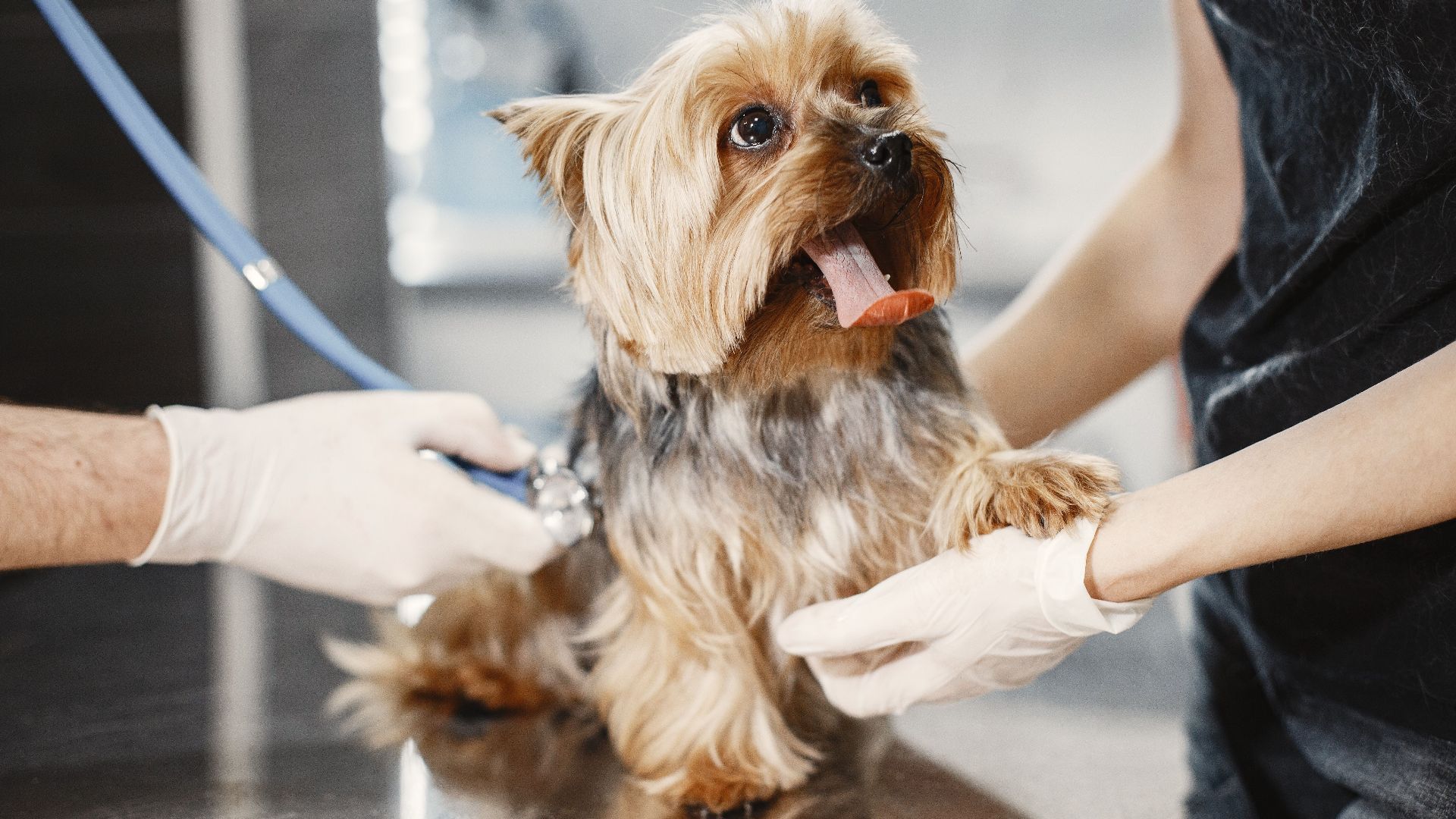
Check Orthopedic Rules Carefully
Knee ligament injuries and hip problems can generate substantial treatment costs. Some insurers impose extended waiting periods or special exclusions for orthopedic conditions. This provision can materially affect the value of coverage for large, active, or predisposed breeds.
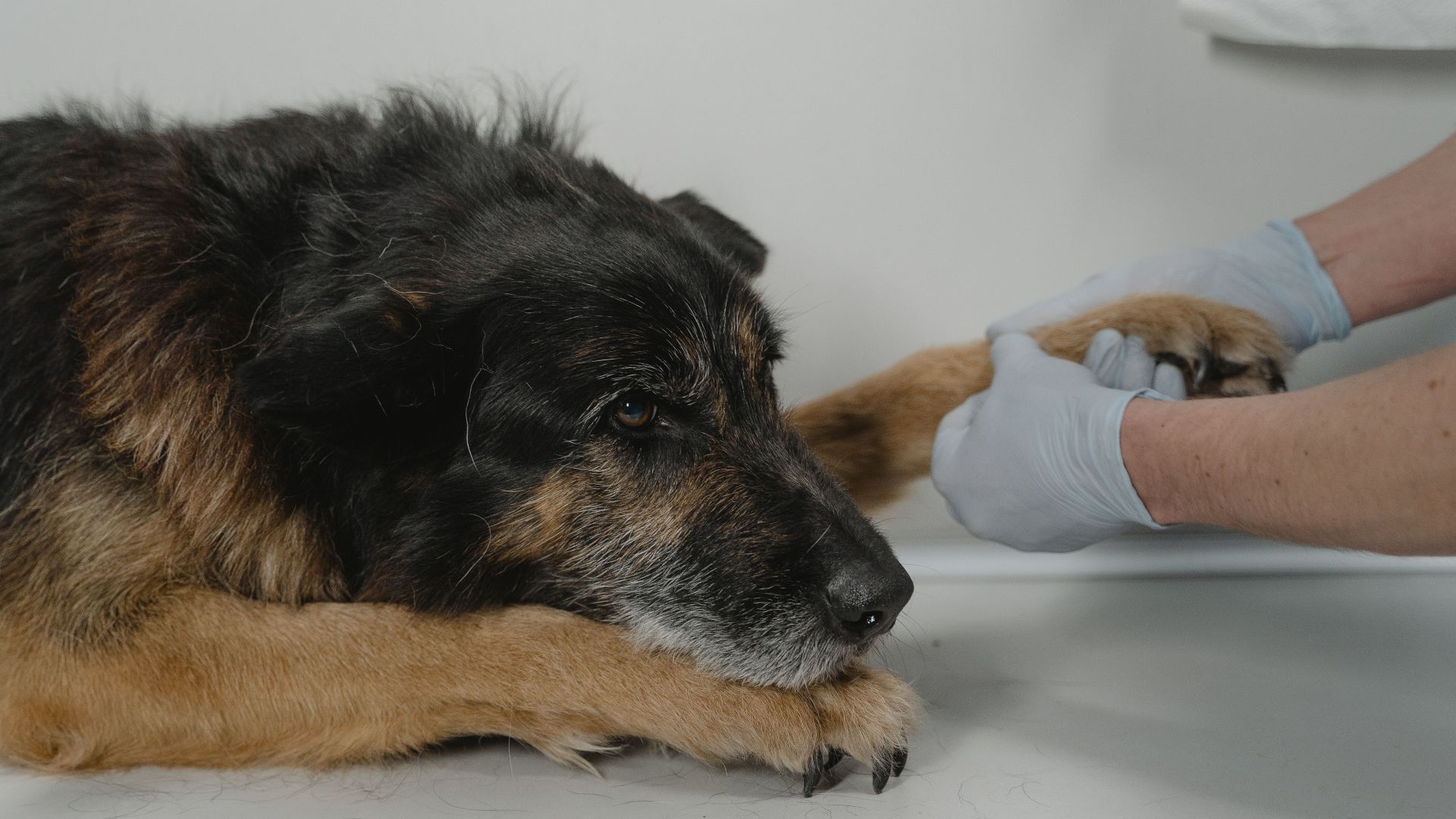
Examination Fees May Be Excluded
A policy can cover treatment while excluding the veterinarian’s examination or consultation fee. Prescription diets, rehabilitation, behavioral treatment, dental disease, and alternative therapies may also be included by one insurer and excluded by another. Comparing benefit categories line by line prevents unpleasant surprises.
Self-Insurance Gives You Flexibility
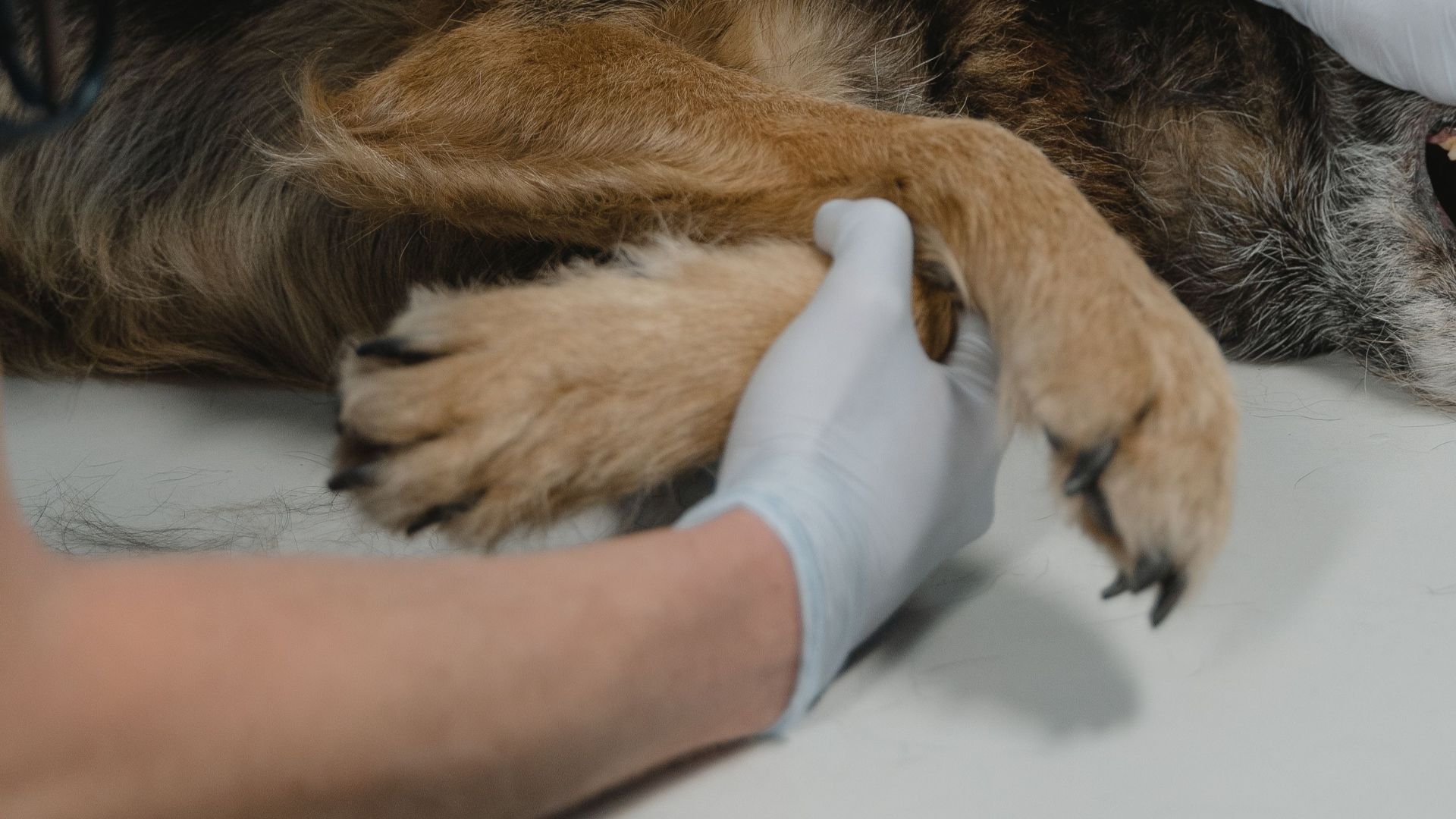
Saving independently lets you use the money for any veterinary expense without filing a claim. There are no exclusions, waiting periods, or reimbursement disputes. The weakness is that a major illness may arrive before the account has had enough time to grow.

Saving Requires Real Discipline
A plan to “just save up” only works if the contributions are automatic and protected from other spending. Set up a separate high-interest savings account and transfer money into it every payday. Treat the contribution as a fixed cost of owning the dog, not as leftover money.

Test The Worst-Case Scenario
Ask what you would do if a $7,000 or $10,000 treatment were recommended during the dog’s first year. Would you pay from savings, use a credit card, borrow, or decline treatment? The answer reveals whether self-insurance is a practical strategy or merely an optimistic one.
A Hybrid Approach Often Works Best
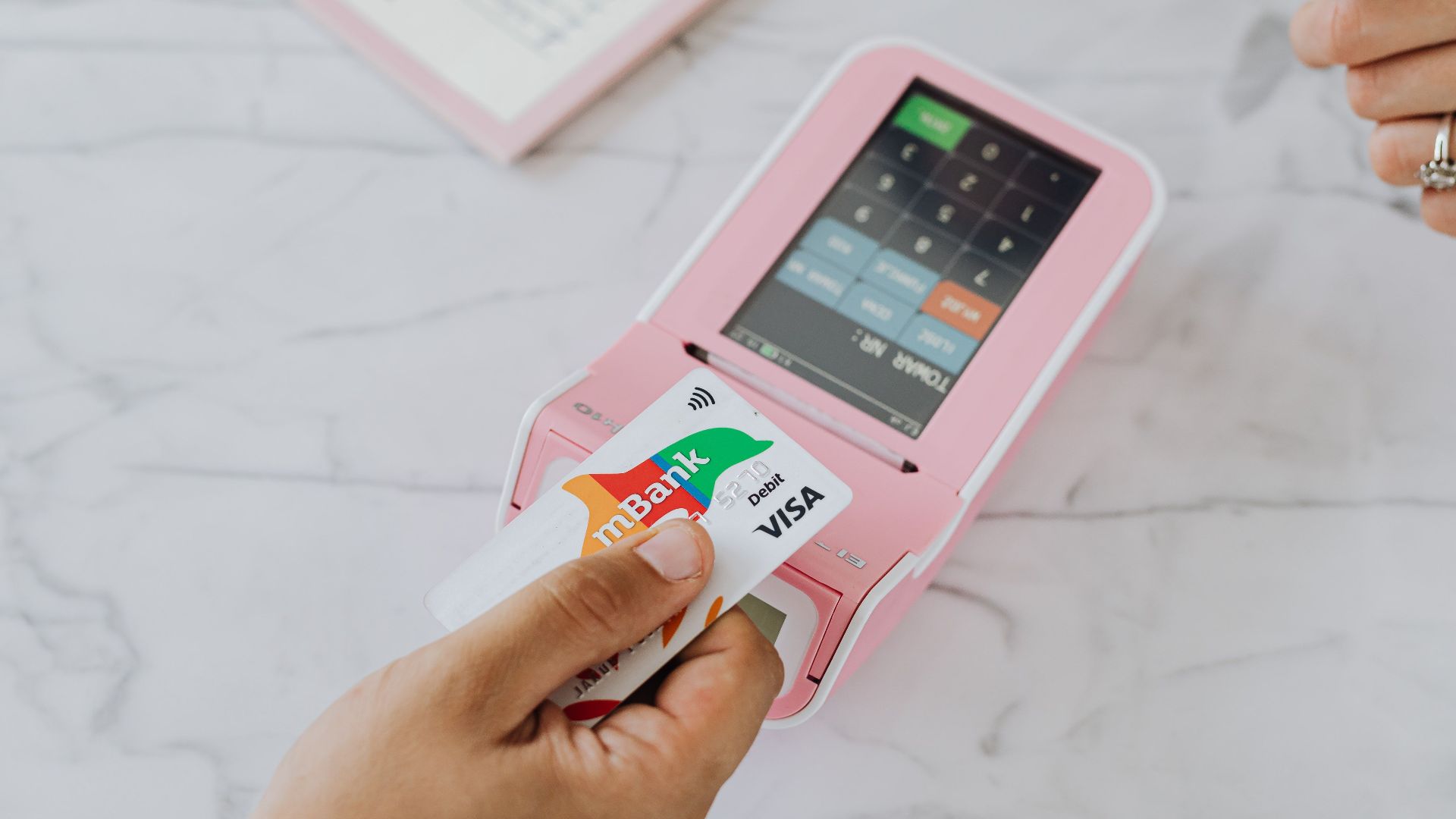
Many families can combine a higher-deductible accident-and-illness policy with a dedicated savings account. The higher deductible may reduce the monthly premium, while the savings account covers routine care, deductibles, and smaller claims. Insurance remains available for the large bills that would seriously disrupt the household budget.

Skip Coverage You Can Easily Fund
You probably do not need insurance for every vaccination, checkup, or predictable preventive treatment. These costs can usually be estimated and included in a monthly pet budget. Insurance is generally more valuable when it protects against low-frequency, high-cost events rather than routine spending.
Compare Policies On Equal Terms
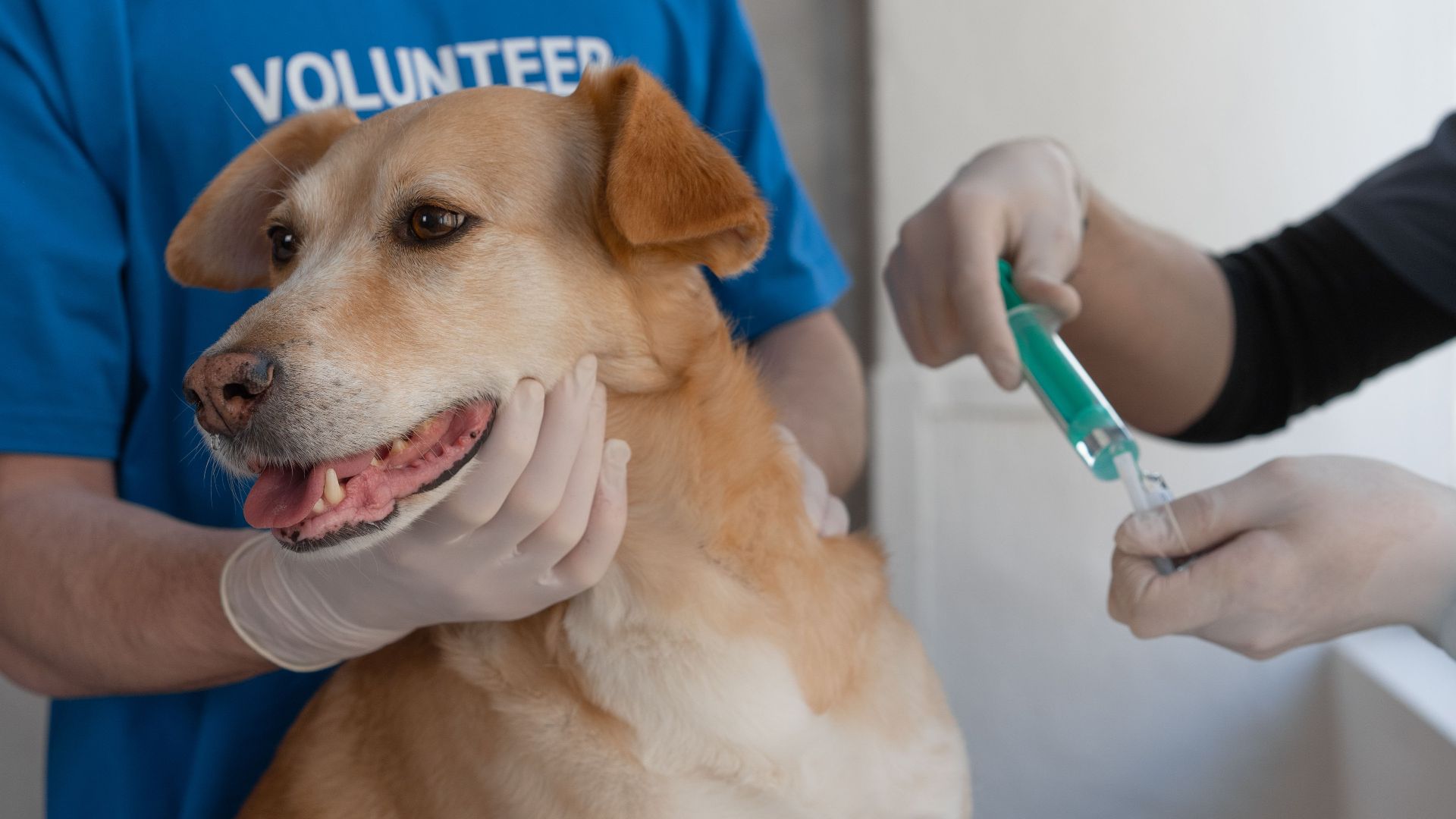
Request quotes using the same deductible, reimbursement percentage, and annual limit. A cheap policy may look attractive only because it offers less protection. Compare waiting periods, exclusions, examination-fee coverage, dental provisions, hereditary conditions, claim procedures, and renewal rules.

Read A Sample Policy Before Buying
The policy contract should explain what counts as a pre-existing condition, when coverage begins, how deductibles work, and which treatments are excluded. Save a copy of the document that applies when you enroll. Marketing summaries are useful, but the contract determines whether a claim is payable.

Ask Your Veterinarian For Context
A local veterinarian can explain which emergencies and chronic conditions commonly affect the breed you are considering. The clinic may also provide typical prices for examinations, diagnostic imaging, surgery, hospitalization, and dental treatment. Those figures can make your insurance-versus-savings comparison much more realistic.
The Best Choice Depends On Your Cushion
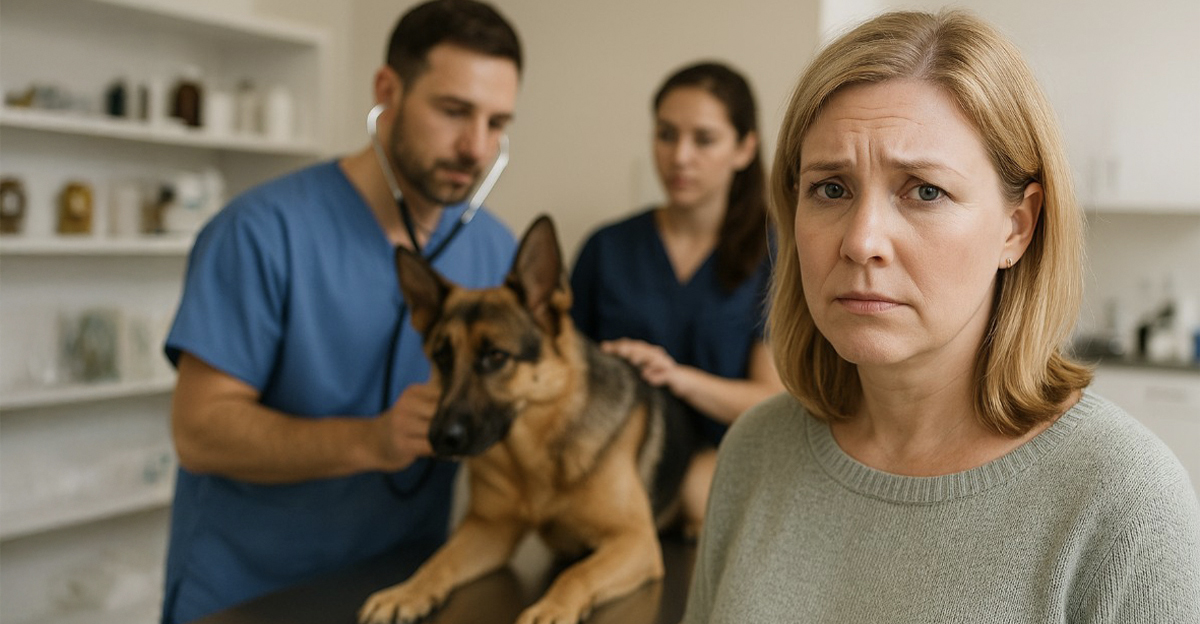
Pet insurance is most compelling when a large veterinary bill would create debt or restrict treatment choices. Self-insurance is more reasonable when you already have substantial liquid savings and can replenish them after a costly event. Neither approach eliminates expense, but both can prevent panic when planned properly.

The Practical Verdict
For many families, the strongest answer is not insurance or savings alone. Buy a straightforward accident-and-illness policy with a deductible you can afford, then build a separate fund for routine care and uncovered costs. This approach gives your family protection against a financial shock without expecting insurance to pay for every dollar.

Make The Decision Before Adoption
Get quotes for the exact breed, age, and postal code you are considering before bringing the dog home. Add premiums, food, training, grooming, licensing, boarding, routine veterinary care, and monthly savings to your household budget. If those costs still fit comfortably, you can adopt knowing that your financial plan supports the commitment.

You May Also Like:
How To Rebuild A Depleted Emergency Fund