
Over Before It Even Began
You paid upfront for a yoga studio membership that promised to open by a certain date. But when you visited last week, the studio was empty, the door was locked, and there was no sign that anyone had even been there. There is no contact information left behind, no website update, and no sign explaining what went wrong. You’re worried that your money is gone and flummoxed as to what steps to take next.
 Master1305, Shutterstock; Factinate
This Happens More Often Than You Think
New fitness studios often fail before they open due to funding issues, lease disputes, or mismanagement. Prepaid memberships are often used to raise cash, and when the business goes under suddenly, customers are left to scramble with little information left to go on.
 www.localfitness.com.au, Wikimedia Commons
Confirm The Closure
Before you assume the worst, confirm that the studio has actually shut down. Check social media pages, registration emails, the business website, and local business filings. Sometimes openings are postponed without proper communication, although the silence is a disturbing sign.

Get Documentation Together
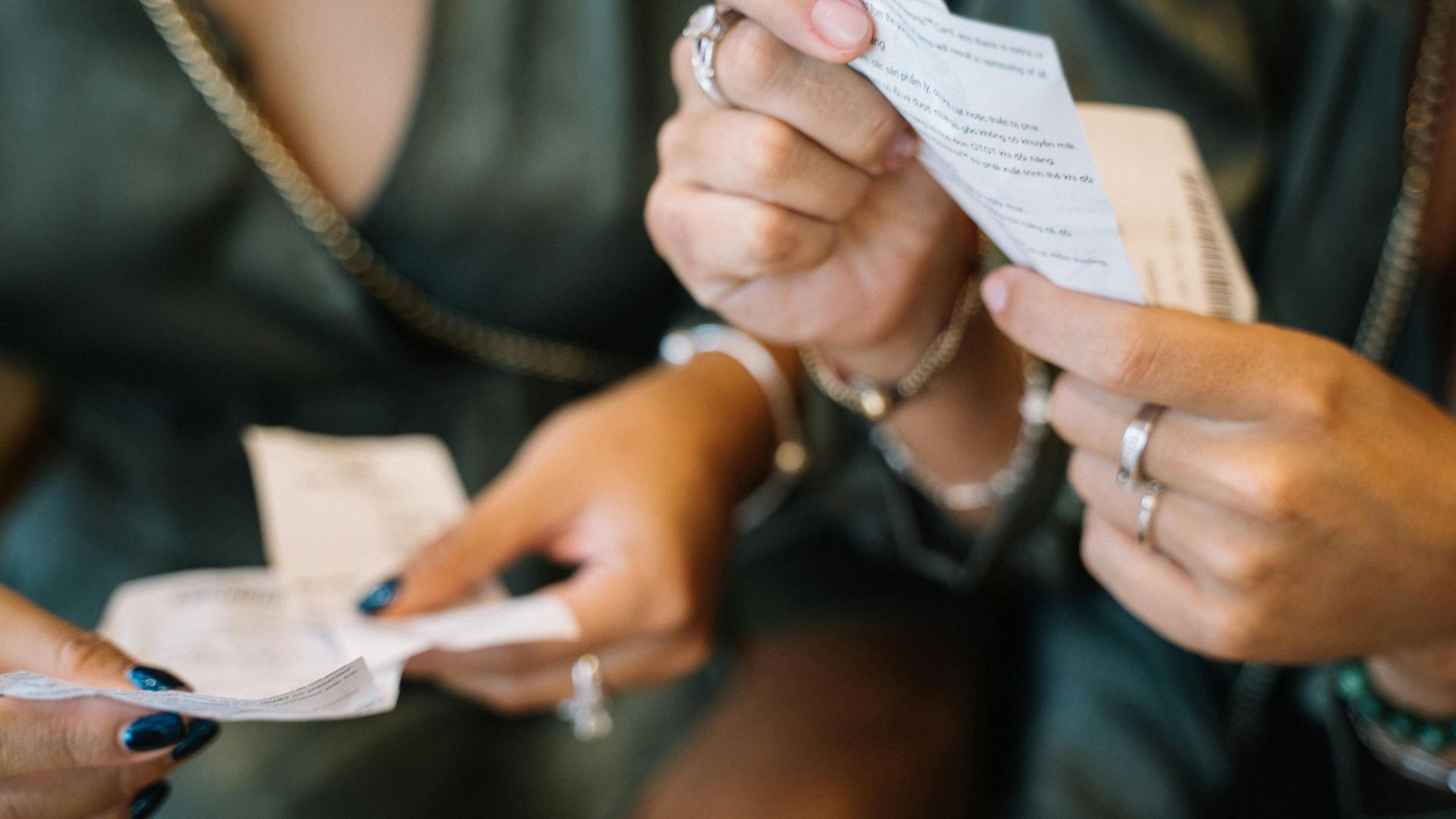
Collect your receipt, contract, emails, credit card statement, and any promotional materials promising an opening date. Careful documentation strengthens your case when you need to dispute charges or file a complaint. Keep screenshots and copies in case online information disappears.
Review The Contract Terms
Look closely at the agreement you signed when you prepaid. Some contracts include clauses about delays, refunds, or nonrefundable fees. Even if the contract limits the amount of those refunds, consumer protection laws may still apply when services are never delivered.

Non-Performance Changes The Rules
When a business fails to provide any service at all, many consumer protections still apply regardless of the language written into the contract. Charging for services that never start may qualify as nonperformance, which is treated differently than simple dissatisfaction with a service.
Contact The Studio If You Can
Try every available contact method listed in your paperwork or online listings. Send emails and messages asking for clarification or a refund. Even if no one gets back to you, records of those attempted contacts show a good faith effort on your part.

Dispute The Charge With Your Payment Provider
If you paid by credit card, contact your card issuer immediately. Many cards allow chargebacks when goods or services are never delivered. Time limits apply here, though, so don’t delay in contacting them. Debit cards and digital wallets may also offer you some options to dispute the charges.

Cash Payments Are Harder To Recover
If you paid in cash or by check, your chances of getting your money back are more remote but by no means impossible. You may have to pursue the business owner directly or file a complaint with local consumer protection agencies to document the loss.
Look For Signs Of Bankruptcy
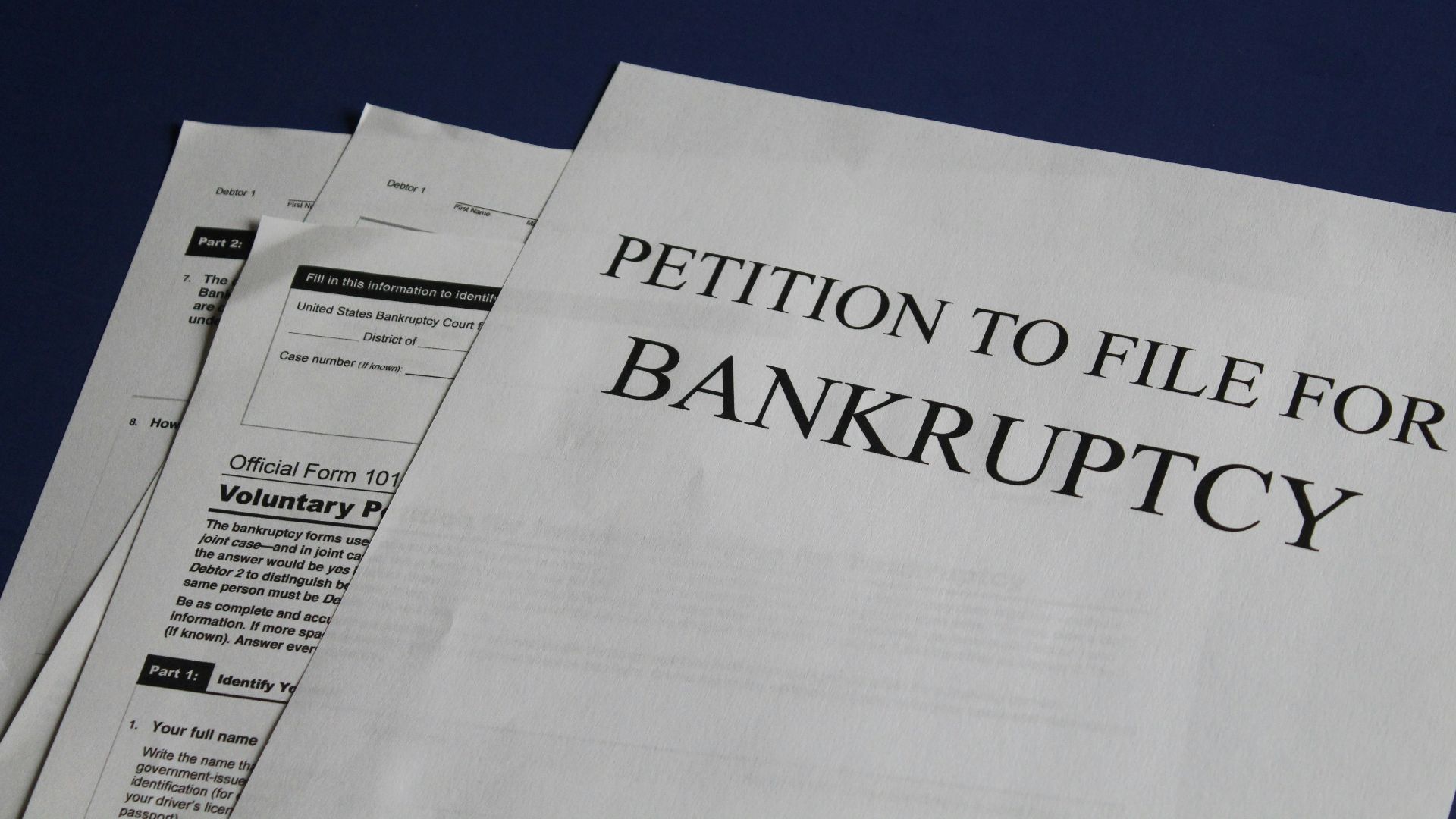
Check to see whether the studio filed for bankruptcy. If so, you may be listed as an unsecured creditor. While recovery of your money is far from guaranteed in this case, filing a claim at least preserves your place in the process.
File A Consumer Complaint
File a complaint to your state or provincial consumer protection office, attorney general, or business bureau. Complaints such as these can set investigations in motion and sometimes even prompt refunds if multiple customers were affected.

Check Your Local Small Claims Options
Depending on the size of the amount, small claims court may also be an option. You typically don’t need a lawyer, and the filing fees are modest. Winning doesn’t guarantee payment, but it does generate legal pressure.
Beware Of Refund Promises With Nothing To Back Them Up
If the business pops up again later promising refunds, ask for timelines and confirmation in writing. Vague assurances without documentation are often just a stalling tactic before further delays or the company’s total permanent disappearance into the ether.
Consider If Fraud Is Involved
If the studio collected your membership money knowing it wouldn’t open, it may go beyond poor management into deceptive business practices. This distinction matters both for regulators and credit card disputes alike.

Learn From This Experience
Prepaying for services that don’t yet exist carries an inherent risk. Future situations may call for smaller deposits, monthly billing, or waiting until the doors actually open. Caution protects your wallet without eliminating opportunities.

Watch Your Credit And Bank Statements
Monitor your accounts for any additional charges. Some failed businesses will make an attempt to implement recurring billing even after closing. Report any unauthorized charges immediately.

Talk To Other Customers
Search online reviews or community forums to see if other people are affected as you were. Group complaints carry a lot more power with regulators and may reveal useful information about the owners.

Emotional Frustration Is Normal
Feeling angry or embarrassed at being duped is a common reaction when prepayments go wrong. Remember that a lot of people are caught in similar situations. Focus on recovery steps instead of ruthlessly blaming yourself.

Act Promptly Not Passively
Delays really cut down on your chances of recovery. Chargebacks, complaints, and legal options all depend on you taking action within a certain timeframe. Treat the situation with urgency even if the amount feels modest.

Before You Move On
If a business you’ve advanced money to never opens, you may have stronger refund rights than you think. Gather records, dispute the charges promptly, involve consumer authorities, and act decisively. While there’s no guarantee of success, taking immediate steps is what’ll give you the best chance of getting your money back.

You May Also Like: