
The Sign Most People See Only Tells Half The Story
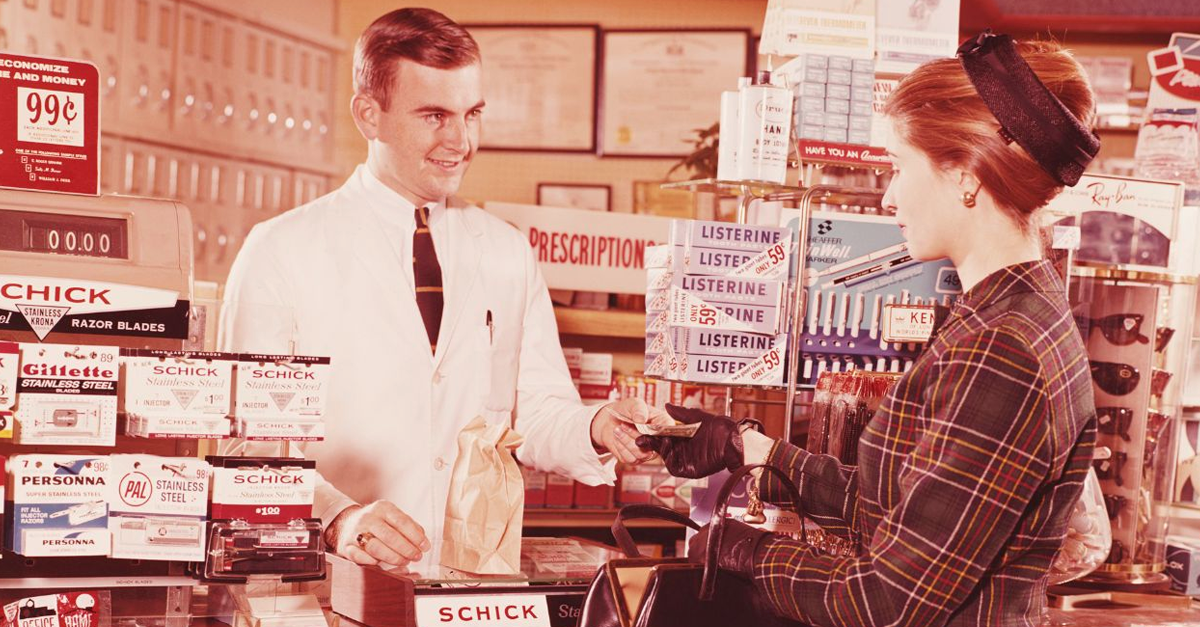
Those bright sale signs are designed to catch your eye but they don't actually tell you the best price a lot of the time. That's where the little number on the actual grocery label comes in. That's where you want to look to know how much you're actually paying for.
The Small Number Most Shoppers Should Check
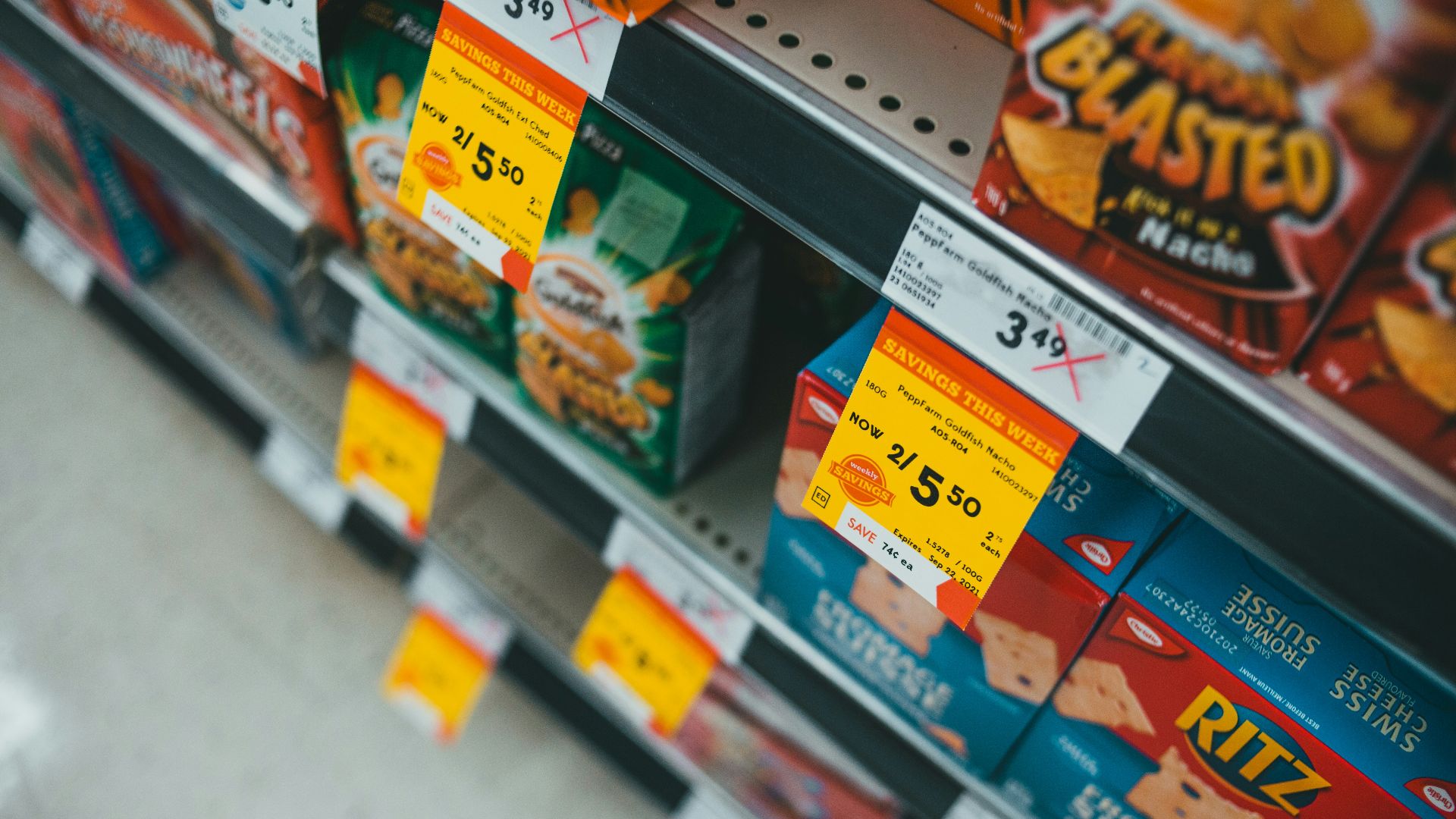
Look closely at the shelf label beneath a product, and you'll often find a price per ounce, pound, quart, or individual item. This is called the unit price. Unlike the package price, it lets you compare products of different sizes on a common basis.
Two Prices, Two Different Questions
The regular price tells you how much money you'll spend at checkout. The unit price tells you how much you're paying for a specific quantity of the product. Both numbers matter, especially when choosing between a smaller package and a larger one that costs more upfront.
A Sale Price Doesn't Guarantee A Bargain
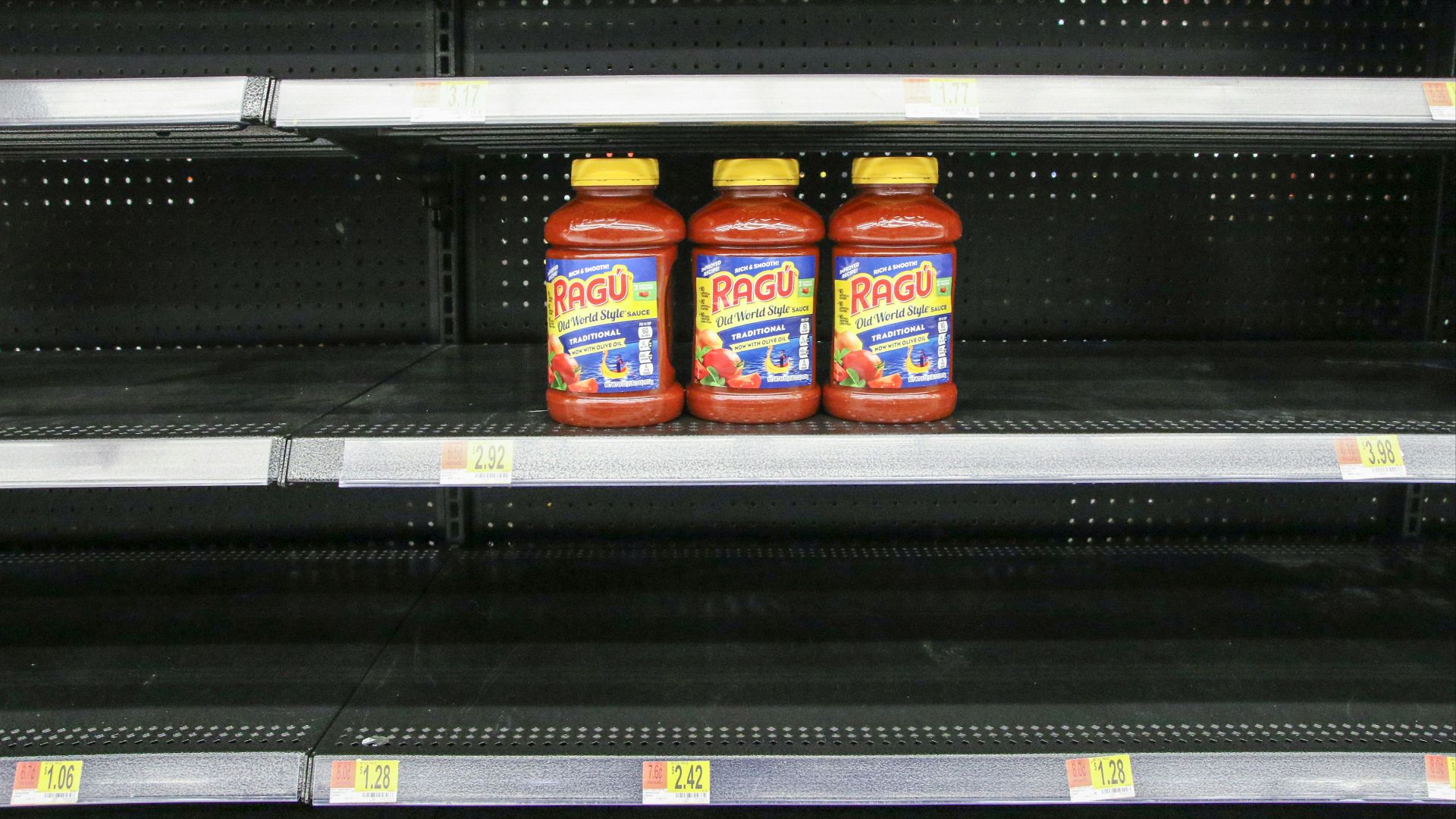
Imagine finding your favorite pasta sauce marked down beside another brand selling at its regular price. The discounted jar might still cost more per ounce than its competitor. Comparing the unit prices reveals which product actually costs less for the same quantity of sauce.
That Percentage Discount Can Be Misleading
Suppose a 15-ounce product drops 10% from $4.50 to $4.05, making its sale price 27 cents per ounce. Another brand costs $4 for 20 ounces, or 20 cents per ounce. Despite the advertised discount, the second product remains considerably cheaper by weight.

Bigger Packages Aren't Always Cheaper
Supermarkets frequently offer products in several package sizes, but buying the largest isn't automatically the most economical choice. A smaller package can sometimes have a lower unit price. Comparing the labels is more reliable than assuming the biggest box or bottle offers the greatest savings.
Sometimes The Middle Size Wins
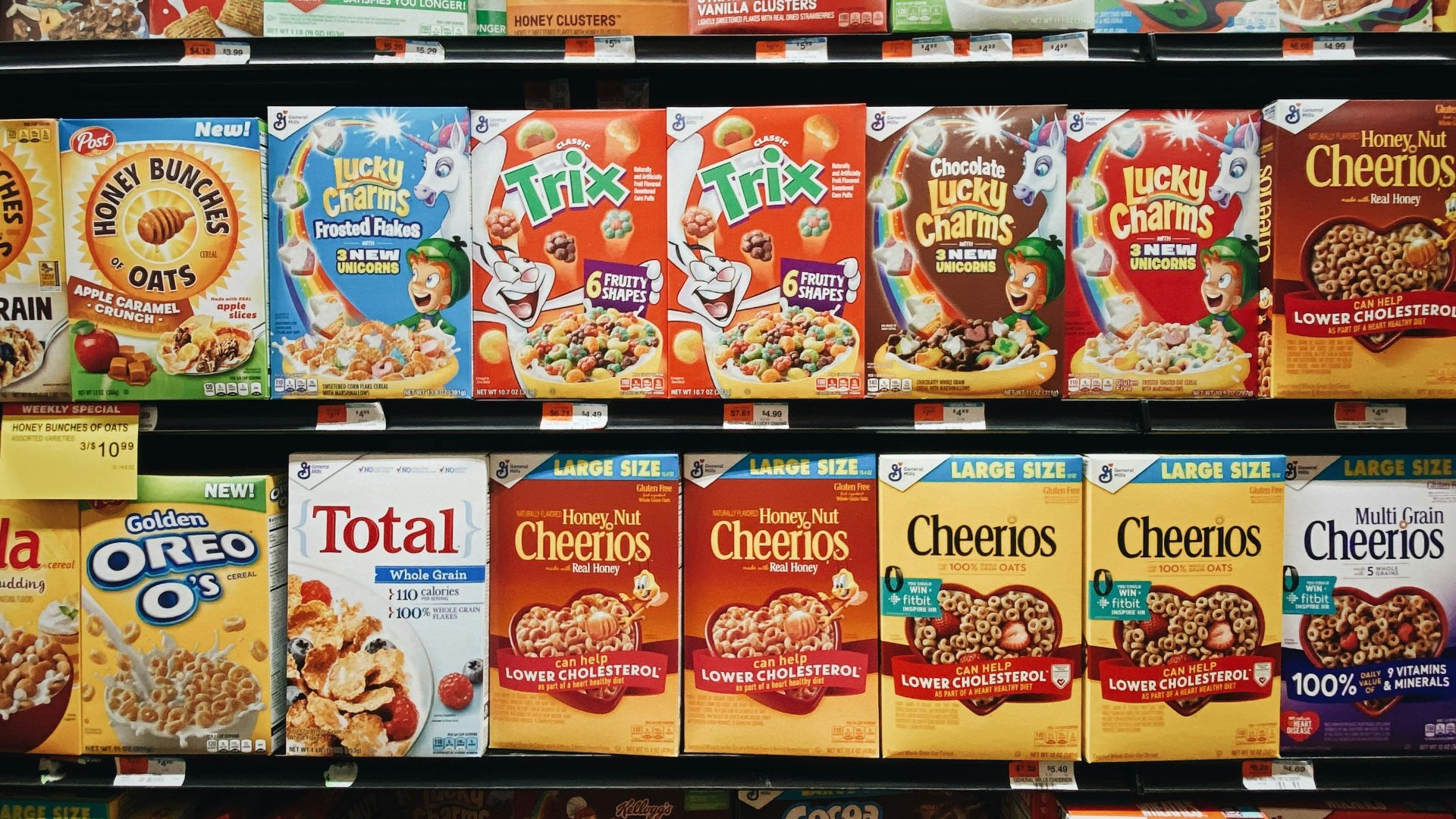
Erie County's consumer protection office illustrates this with cereal priced at 18 cents per ounce in a small box, 15 cents in a medium box, and 16 cents in a large box. The medium package offers the lowest cost per ounce, despite not being the largest.
Store Brands Deserve A Closer Look
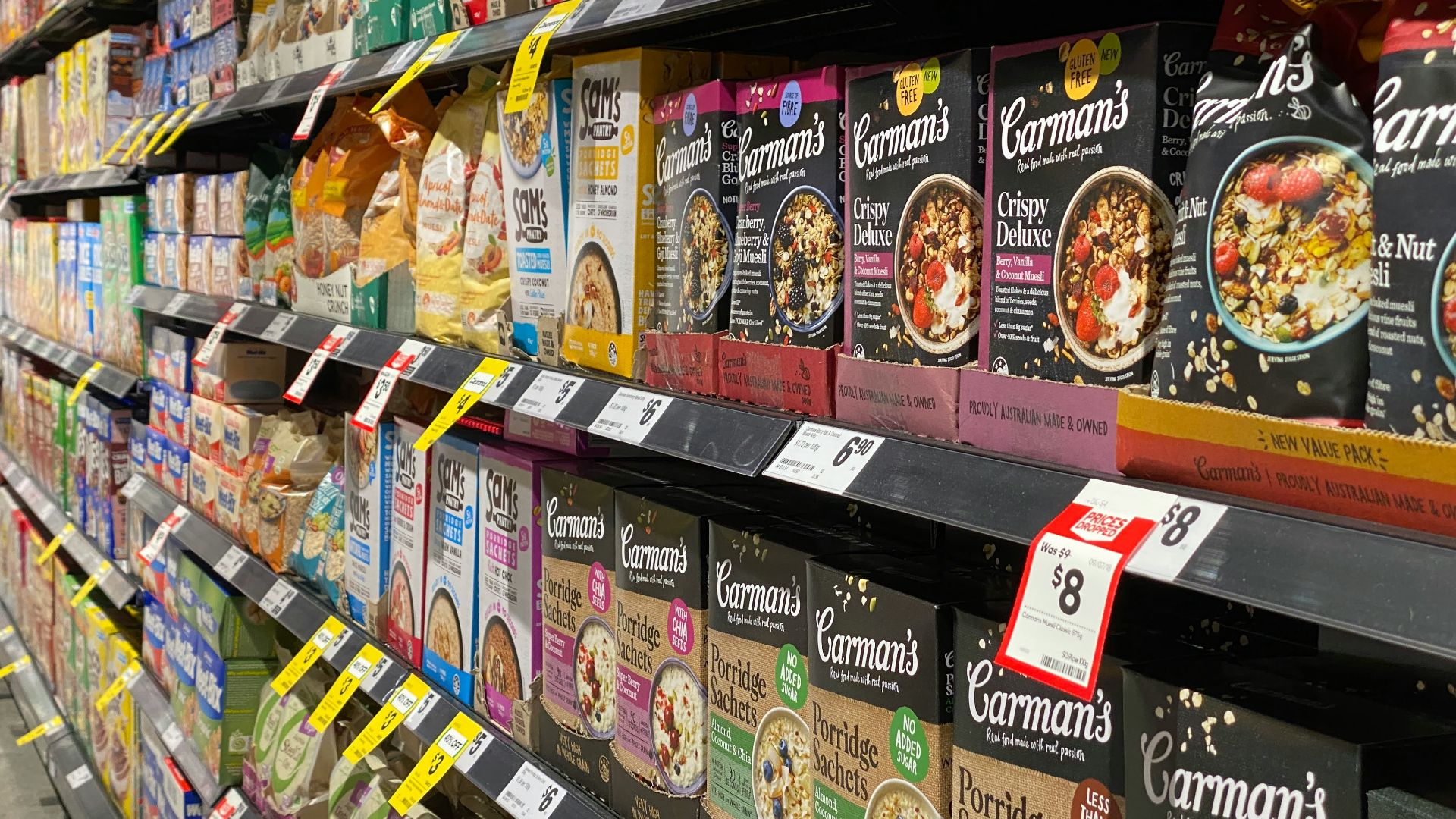
A familiar national brand may be on sale while the supermarket's own version sits nearby at its regular price. Comparing their unit prices can reveal which costs less. Rutgers Cooperative Extension recommends comparing different brands of the same type of product, not just different package sizes.

You Can Calculate The Number Yourself
If a shelf label doesn't provide a unit price, divide the selling price by the quantity inside. For example, a $3 package containing 12 ounces costs 25 cents per ounce. A phone calculator makes it easy to compare that result with competing products.

The Measurement Matters As Much As The Price
A unit price is only useful when you're comparing the same measurements. A product priced per pound cannot be directly compared with one priced per ounce without conversion. The National Institute of Standards and Technology recommends consistent measurement units within each product category to make comparisons easier.

One Pound Contains Sixteen Ounces
One pound contains 16 ounces, so a $4-per-pound unit price works out to 25 cents per ounce. That puts it on equal terms with an item labeled 28 cents per ounce. A simple conversion prevents mismatched labels from disguising the cheaper choice.

Ounces And Fluid Ounces Aren't The Same
Don't confuse ounces of weight with fluid ounces of volume. Dry goods such as nuts are commonly compared by weight, while beverages are compared by liquid volume. Use matching types of measurements before declaring one container a better buy.

Beverage Packaging Can Complicate Comparisons
Soft drinks are sold in two-liter bottles and cans marked in fluid ounces, which makes their package prices difficult to compare at a glance. NIST recommends one consistent unit price across these products. Check for a per-liter or per-fluid-ounce comparison.

Similar Boxes Can Hold Different Amounts
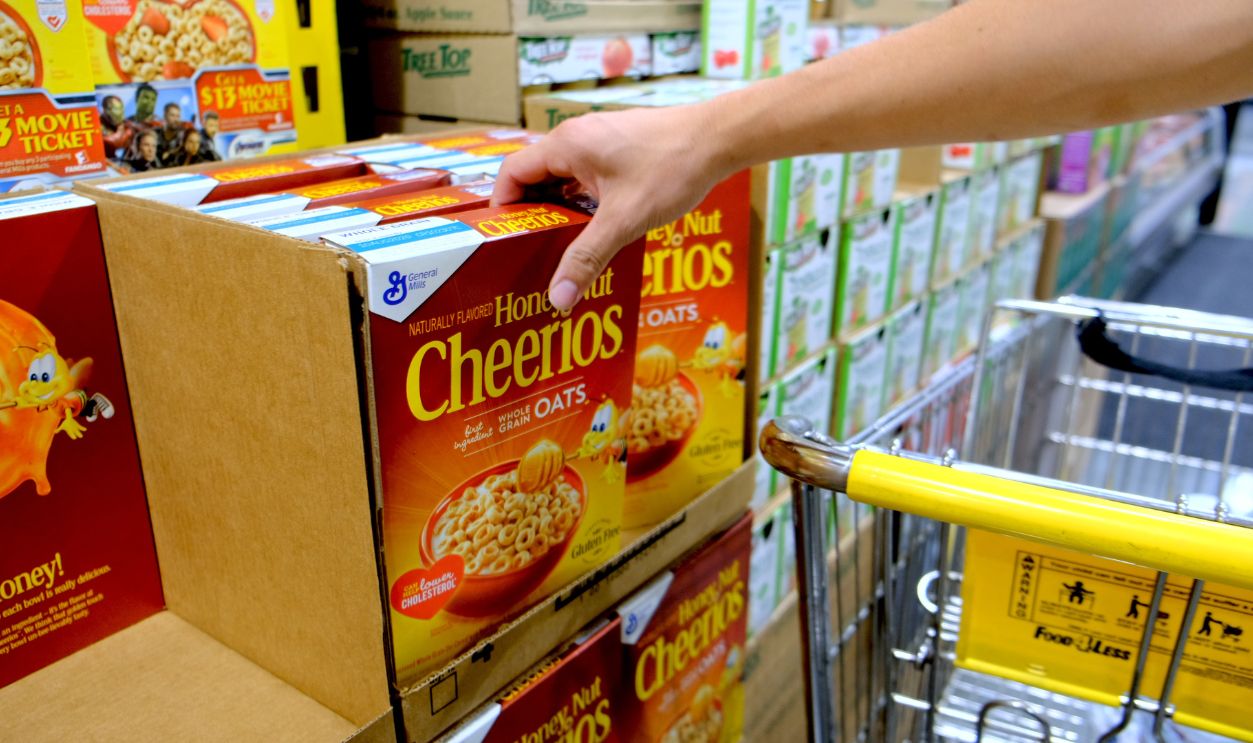
Cereal boxes that appear similar can contain different quantities. Canada's Office of Consumer Affairs specifically notes that box size does not always tell shoppers how much food they are buying. The weight and unit price make the comparison more reliable.
Shrinkflation Leaves A Mathematical Clue
The Federal Trade Commission warns that familiar products can shrink without an obvious change in their packaging. If a product's price stays the same while its contents decrease, its unit price rises. That is how unit pricing helps expose shrinkflation.

Your Previous Shopping Trips Offer Another Clue
A current unit price alone cannot tell you whether a product has shrunk since your last shopping trip. For that, you need an earlier price or package quantity to compare against. Keeping track of regularly purchased staples can reveal gradual price increases.

Buy One, Get One Free Requires Another Calculation
A buy-one-get-one-free sign sounds appealing, but the real unit price depends on what you pay and how much product you receive. If two 10-ounce packages cost $5 altogether, the promotion costs 25 cents per ounce. Compare that figure with nearby alternatives.

Two For Five Doesn't Always Mean Buying Two
A sign advertising two items for $5 doesn't always mean you must purchase both. Some stores allow one for $2.50, while others specify a different single-item price. Check the conditions before putting an unnecessary second item in your cart.

Some Multibuy Deals Really Do Require More
Other promotions have pricing tiers that genuinely change the price per item. A sign might offer one product at its regular price but lower the cost of each when two are purchased. NIST recommends showing unit prices for every such pricing scenario.

Loyalty Discounts Create A Second Price
A loyalty discount is not the same as the price available to every customer. The store may display regular and members-only prices for the same product. Compare the unit price you actually qualify for, especially against regular-priced alternatives from competing brands.

Digital Coupons Can Change The Math Again
A digital coupon may cut the selling price without changing the regular unit price printed on the shelf. NIST recommends showing a separate unit price for coupon offers. If yours is missing, divide the discounted amount you qualify for by the package quantity.

The Endcap Isn't Proof Of Savings
A prominent display at the end of an aisle isn't proof that its products are the cheapest. Consumer guidance warns that such displays can feature items at regular price. Compare the displayed item's unit price with alternatives elsewhere in the aisle.

Paper Towel Rolls Can Be Difficult To Compare
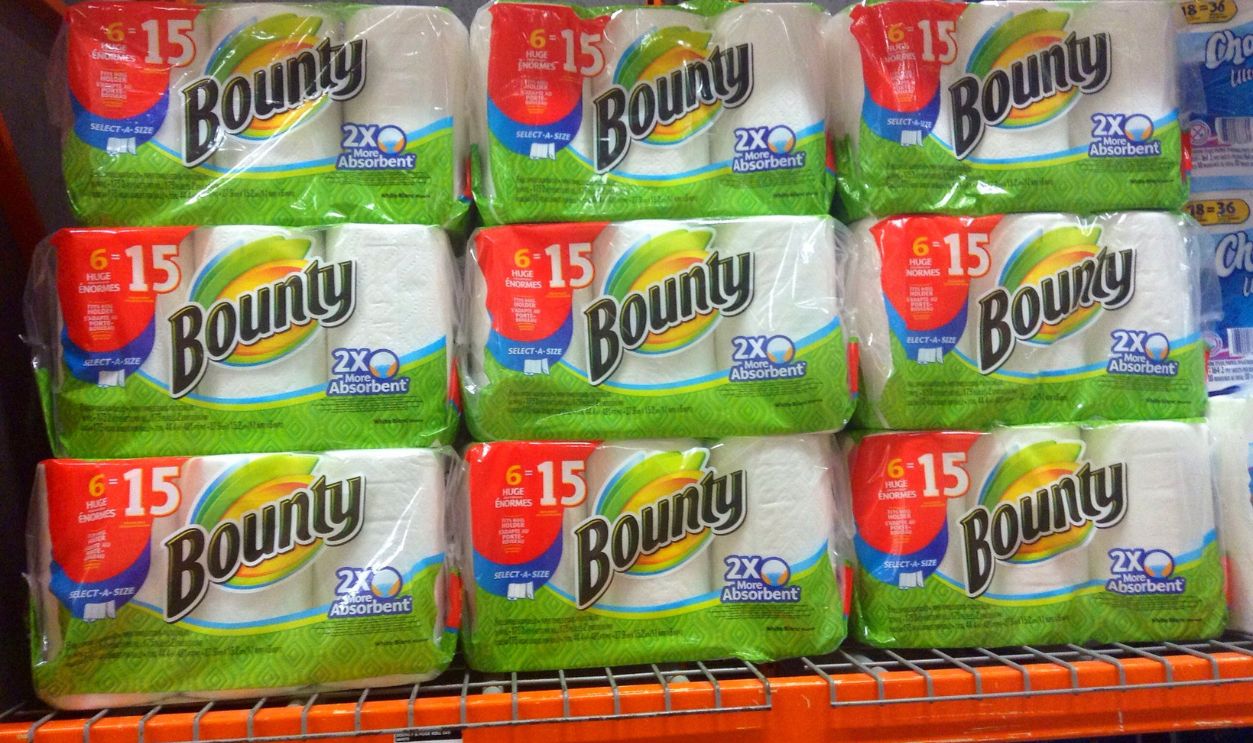
Paper towels illustrate why package counts can be misleading. Two packs might contain the same number of rolls but different amounts of paper. Because area is a recognized unit-pricing measurement, comparing their cost per square foot gives a more meaningful quantity comparison.
The Bulk Bin Might Offer Better Value
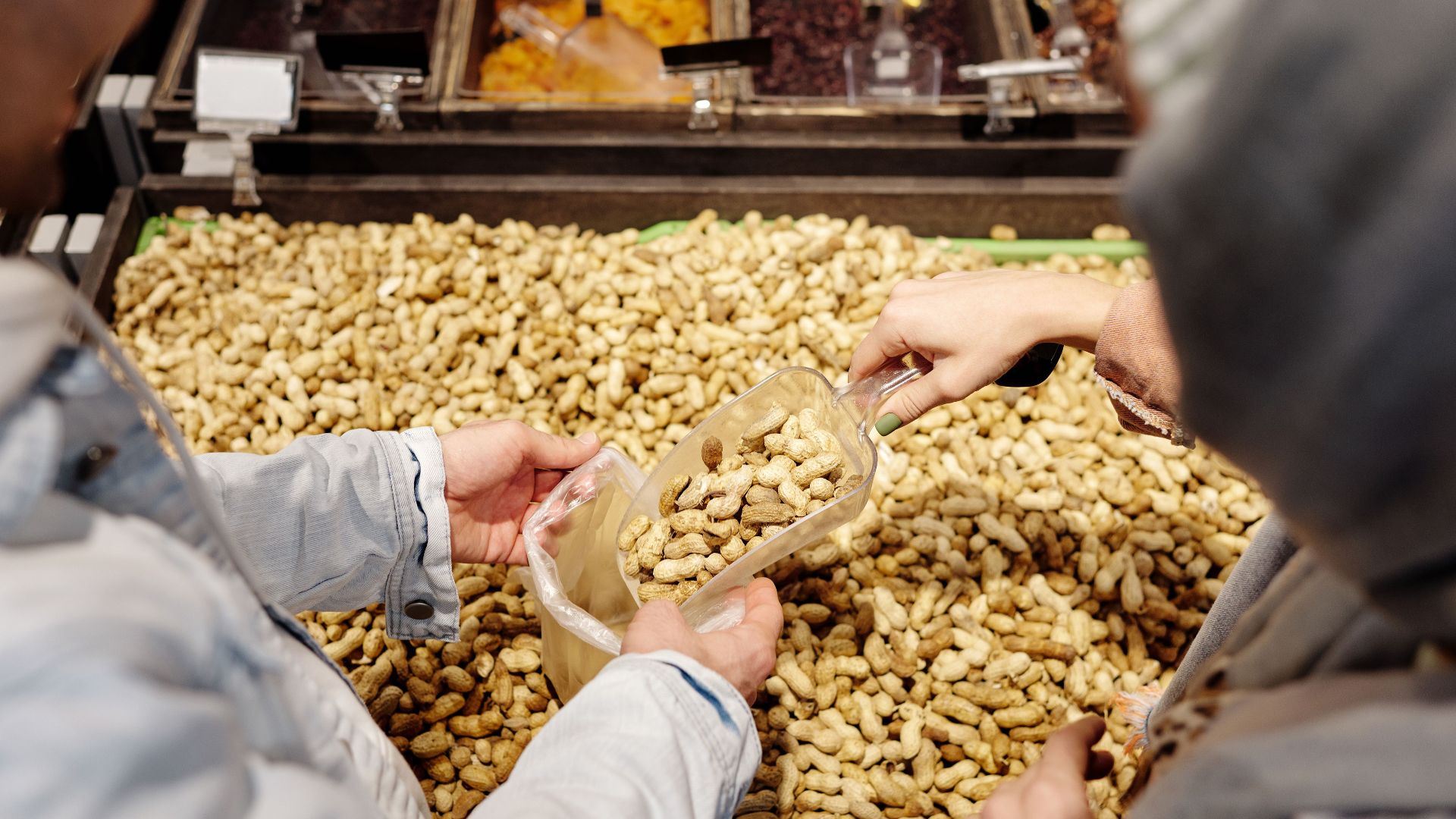
Products sold loose from bulk bins can sometimes cost less than packaged alternatives. Erie County's consumer protection office illustrates this with bulk corn flakes costing 9 cents per ounce. Comparing that figure with boxed cereal demonstrates why shoppers should check the bulk section before choosing.
Fresh Produce Requires A Different Comparison
Produce creates another comparison problem because the same type of food may be sold by weight, by bag, or individually. Apples sold individually cannot be directly compared with a bag without checking its contents. Convert to cost per apple or per pound when practical.

Online Shopping Has Unit Prices Too
Online grocery shopping can make unit prices difficult to locate among product pictures and descriptions. NIST recommends that websites and shopping apps display the unit price near the product's selling price. Before adding a discounted item to your online cart, look for that secondary figure.

A Low Unit Price Can't Save Spoiled Food
The cheapest unit price loses its advantage if part of the food spoils before you use it. Rutgers advises shoppers to consider whether their households will finish larger packages and whether they have safe storage space. Plan purchases around what you'll actually eat.

The Total Price Still Matters To Your Budget
A family-size purchase can be economical per ounce but expensive at checkout. Rutgers explicitly asks shoppers to consider whether the total retail price fits their budgets, even when the unit price looks attractive. Paying less per unit isn't helpful if the purchase disrupts your spending plan.

Unit Price Doesn't Measure Food Quality
Unit price measures cost, not the nutritional quality or taste of what you're buying. Rutgers notes that a low unit price doesn't report a food's nutritional value. Use the Nutrition Facts label to compare serving sizes and nutrients alongside the cost.

The Last Check Happens At Checkout
Unit-price labels aren't mandatory nationwide, and rules differ by state. Wherever they're available, make sure the product and size match the shelf label. Compare the checkout price with the posted offer and keep your receipt. If the store won't resolve a discrepancy, contact your state weights and measures authority.
 Hryshchyshen Serhii, Shutterstock