
The Christmas Shopping Dilemma
Christmas shopping can put considerable pressure on the family budget, especially when the kids have expensive items on their wish lists. Buy Now, Pay Later offers promise to make those purchases more manageable by spreading the cost over several payments. While these plans can genuinely save you money compared with certain other borrowing options, they can also encourage spending that your household cannot comfortably afford.

What Exactly Is Buy Now, Pay Later?
Buy Now, Pay Later, commonly abbreviated as BNPL, is a financing arrangement that allows shoppers to receive merchandise before paying its entire purchase price. Instead of paying everything upfront, customers repay the lender according to an agreed schedule. These offers are available through numerous online retailers and physical stores.

How The Four-Payment Model Works
One of the most common BNPL arrangements divides a purchase into four equal installments. The initial payment is generally collected at checkout, with the other three payments scheduled at two-week intervals. Under this arrangement, the purchase is typically paid off within six weeks.
Your Husband Isn't Necessarily Wrong
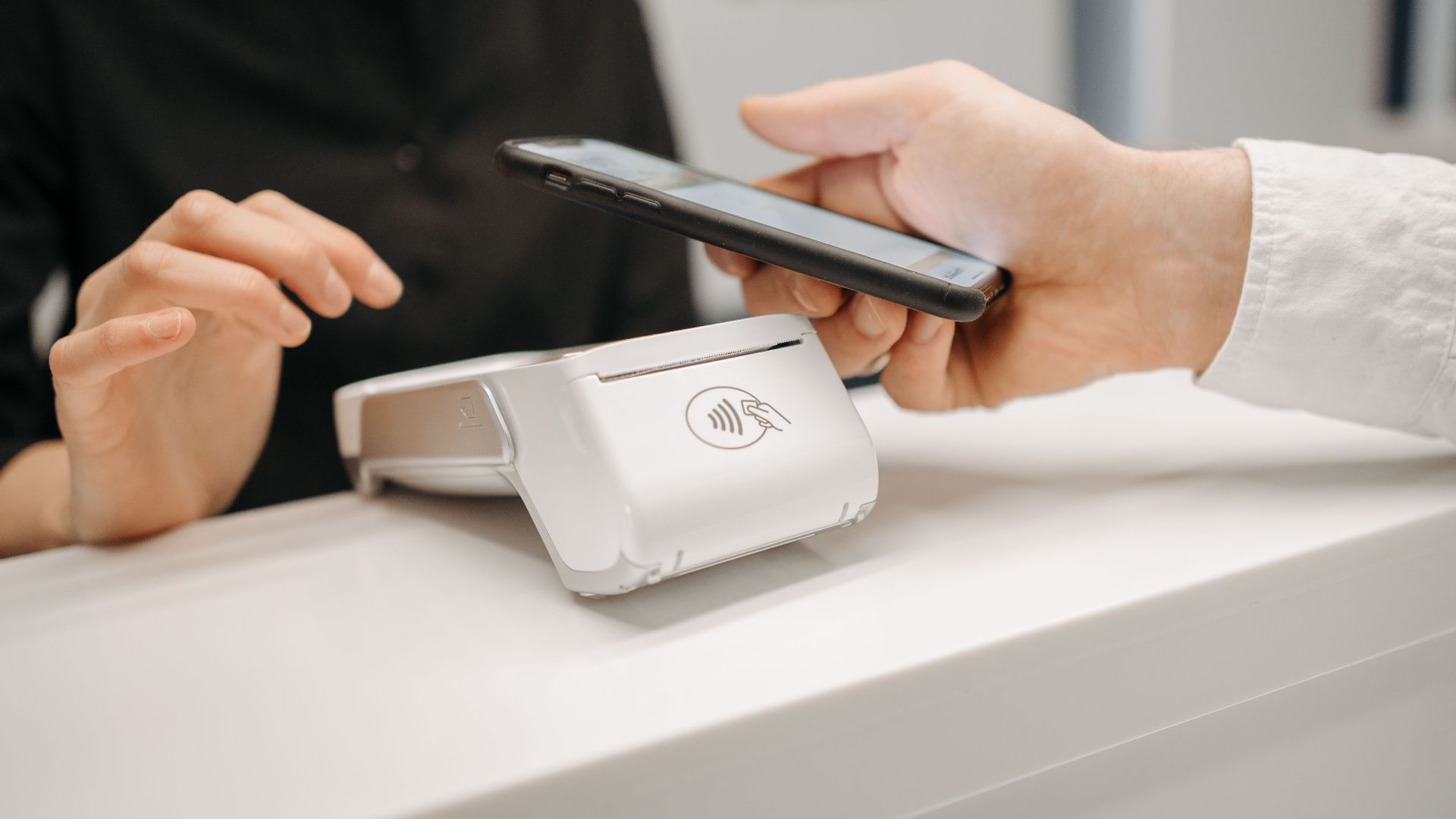
Some BNPL plans genuinely offer interest-free financing without additional fees when payments are made as agreed. If you purchase $400 worth of Christmas gifts through a qualifying interest-free, fee-free arrangement, you could pay four installments of $100 without spending anything extra. The important question is whether the particular offer your husband wants to use meets those conditions.
 Evgeny Atamanenko, Shutterstock
Not Every Offer Is Interest-Free
The Buy Now, Pay Later label covers several different financing arrangements, including loans that extend over longer periods. Some of these arrangements charge interest, which increases the overall cost of your purchases. Never assume that a financing offer is free simply because it appears alongside an interest-free installment option.

Look Beyond The Monthly Payment
Imagine that a retailer offers to finance $600 worth of Christmas gifts through 12 monthly payments of $55. Although $55 per month sounds manageable, you would ultimately pay $660 for those presents. Always compare the total repayment amount with the original purchase price before accepting an offer.

Interest-Free Doesn't Mean Risk-Free
Even when a financing arrangement charges no interest, there may be penalties for failing to follow its repayment schedule. The Federal Trade Commission warns that some providers charge fees for late payments, transactions, or changes to payment arrangements. These potential expenses deserve just as much attention as the advertised interest rate.

Late Fees Can Change Everything
Suppose you finance $200 worth of presents through an interest-free installment plan and subsequently incur a $10 late fee. Your purchase has suddenly become 5% more expensive, despite the absence of interest charges. This hypothetical example illustrates how quickly the financial advantages of an installment plan can disappear.
 Krakenimages.com, Shutterstock
Your Bank Could Charge You, Too
The financing company isn't necessarily the only business that could charge you additional fees. If an automatic installment payment is processed when your checking account has insufficient funds, your bank could impose an overdraft or insufficient funds charge, depending on its policies. Maintaining enough money in your account throughout the repayment period is essential.

The Problem With Automatic Payments
Automatic payments can make managing installment loans more convenient, but they also require careful budgeting. You might forget that a Christmas shopping payment is scheduled for the same day as your electricity bill or mortgage payment. Set calendar reminders and review your bank balance before each scheduled withdrawal to reduce the possibility of financial problems.

Small Payments Can Encourage Bigger Purchases
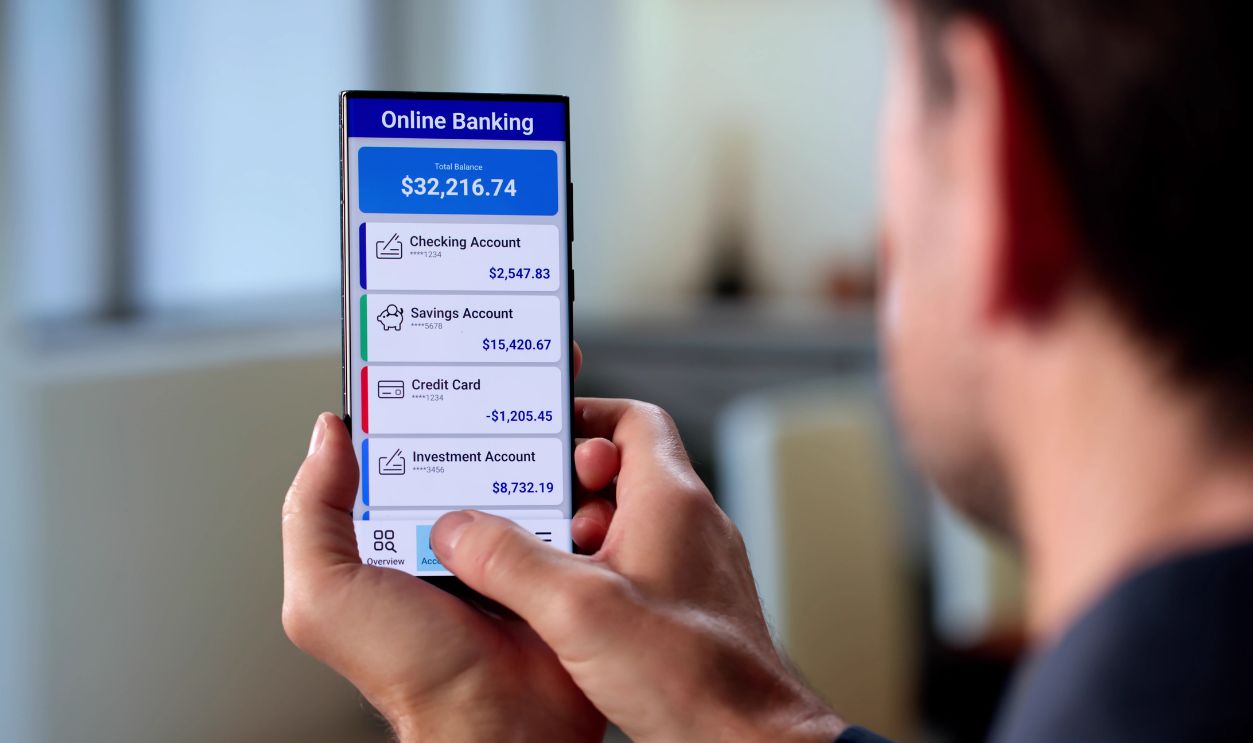
There is another reason your husband's Christmas shopping strategy could ultimately become more expensive. Research published in the Journal of Marketing found that shoppers adopting installment payment services tended to purchase more frequently and spend more per purchase. Dividing a price into smaller amounts can make an expensive item feel more affordable than it otherwise would.
The Psychology Of A Christmas Bargain
A $300 video game console might seem extravagant when you consider its entire price. However, four payments of $75 could make the same purchase feel much more reasonable. Before choosing an installment plan, ask yourselves whether you would still purchase the item if you had to pay its full price immediately.

When Multiple Purchases Become A Problem
Financing one Christmas present might be perfectly manageable, but financing several purchases creates additional obligations. A Consumer Financial Protection Bureau study published in January 2025 found that approximately 63% of BNPL borrowers in its 2022 data had overlapping installment loans at some point during the year. Managing multiple repayment schedules can make it harder to maintain an accurate picture of your household finances.

How Quickly Christmas Debt Can Accumulate
Imagine financing a $400 gaming console, $200 worth of toys, and $200 worth of clothing through separate four-payment arrangements. Your initial expenditure could be just $200, leaving another $600 in outstanding debt. If the repayment schedules align, you would need to find an additional $200 every two weeks until the purchases are paid off.

January Could Be More Expensive Than Expected
A typical six-week installment arrangement initiated shortly before Christmas will extend into the new year. By January, the excitement surrounding the presents may have faded, but the payments will remain. Before borrowing, consider how these obligations will affect your ability to cover regular expenses once the holiday season ends.

Approval Doesn't Mean You Can Afford It
Receiving approval for an installment loan should never replace an honest assessment of your household budget. In 2022, the CFPB found that participating BNPL lenders approved 78% of applications from consumers with subprime or deep subprime credit scores. A lender's willingness to extend credit does not guarantee that accepting it is financially advisable.

Could Christmas Shopping Hurt Your Credit Score?
Credit reporting practices vary between financing companies and individual loan products. Some arrangements may involve credit checks or reporting your repayment history to credit bureaus. Ask the lender exactly how its particular financing offer could affect your credit before agreeing to anything.

What Happens If You Cannot Repay The Loan?
Failing to make your scheduled payments could have consequences beyond additional fees. A lender might suspend your account or eventually transfer the unpaid balance to a collection agency. If information about that outstanding debt reaches a credit reporting company, it could negatively affect your credit score.

Returning Christmas Presents Can Get Complicated
Sometimes children receive duplicate gifts, clothing that doesn't fit, or toys that fail to work properly. Returning something purchased through an installment service may require coordination between the retailer and the financing provider. Check whether payments must continue while a refund is being processed, and do not assume that returning merchandise automatically cancels your loan.

Is It Better Than Using A Credit Card?
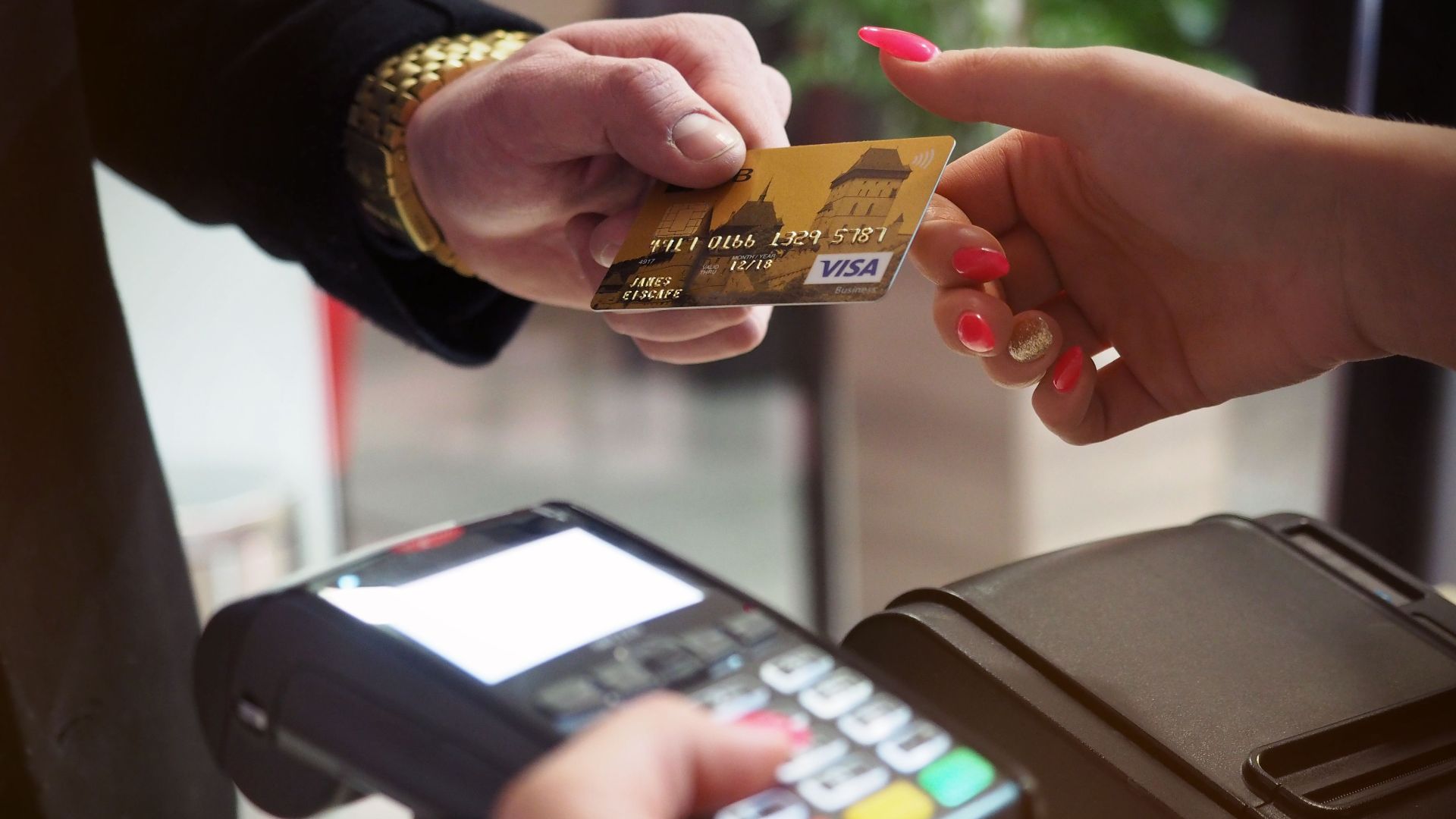
An interest-free installment arrangement can be less expensive than carrying an interest-bearing credit card balance. However, if your credit card offers a purchase grace period and you qualify for it, paying your statement balance in full by the due date can also allow you to avoid interest. Compare the costs and repayment requirements of both options rather than assuming that one is always superior.
Be Careful About Combining Two Forms Of Debt
Some installment providers allow borrowers to make repayments using a credit card. If those charges become part of an interest-bearing credit card balance, an originally interest-free purchase could still generate borrowing costs. Avoid using one form of debt to repay another unless you have carefully considered the financial consequences.

Start With A Christmas Spending Limit
Before deciding how to pay for the children's presents, agree on the maximum amount your household can afford to spend. Review your income, regular bills, existing debts, and savings commitments. Remember to account for other holiday expenses, including festive meals, decorations, travel, and gifts for extended family members.

Make A List Before Visiting The Stores
Decide which presents you intend to purchase and assign a spending limit to each child. Compare prices between retailers and include applicable sales taxes and delivery charges in your calculations. Having a predetermined shopping list can help prevent attractive financing offers from influencing your purchasing decisions.
 simona pilolla 2, Shutterstock
Give Your Budget A Stress Test
Consider what would happen if your car needed repairs, your heating bill increased, or your next paycheck was smaller than anticipated. Would you still be able to make every installment payment without borrowing additional money? If an unexpected expense would immediately derail your repayment plan, reducing your Christmas budget would be the safer choice.

Read The Fine Print Together
Before your husband accepts the financing offer, sit down together and review the loan agreement. Identify the interest rate, total repayment amount, payment dates, potential penalties, and refund procedures. Make sure you both understand the financial commitment rather than relying on the retailer's promotional language.

Keep The Money Available If You Can
One relatively low-risk approach to interest-free financing is to use it only when you already have enough money to cover the entire purchase. For example, if you have $500 specifically allocated to Christmas gifts, you could reserve that money in a separate account while making scheduled installments. This approach reduces your dependence on future paychecks, although paying upfront may be simpler.
When You Should Avoid Buy Now, Pay Later
If your household is already struggling to cover groceries, housing costs, or existing debt payments, financing Christmas presents is probably not a wise decision. Even an interest-free loan creates another financial obligation competing for limited household resources. Consider purchasing fewer gifts or selecting less expensive alternatives instead.

There Are Other Ways To Make Christmas Special
An expensive Christmas does not have to be the standard your family tries to meet every year. Consider giving each child one carefully selected main present alongside smaller gifts, secondhand books, or inexpensive family activities. You can also look for refurbished electronics from reputable sellers rather than financing brand-new versions.

Start Saving For Next Christmas
Once this holiday season is over, consider establishing a dedicated Christmas savings fund. Setting aside $50 each month for 12 months would give you $600 to spend without taking out an installment loan. Keeping these savings separate from your everyday spending money can make it easier to preserve them for their intended purpose.

Turn The Disagreement Into A Financial Conversation
Rather than arguing about whether Buy Now, Pay Later is inherently good or bad, focus on what you can comfortably afford as a couple. Your husband may appreciate the flexibility of installment payments, while you are understandably concerned about the household's future expenses. Agreeing on a spending limit and reviewing the actual financing terms can help address both concerns.

So, Are You Wrong?
You are not wrong to be concerned, although Buy Now, Pay Later does not automatically make purchases more expensive. A genuinely interest-free and fee-free arrangement can cost exactly the same as paying upfront, provided you meet its terms and do not increase your spending. However, if financing is the only way your family can afford the Christmas presents you have selected, reconsidering your shopping budget is likely the better financial decision.

You May Also Like:
Whatever Happened To Layaway, The Shopping Habit That Kept Americans Out Of Debt?
Payment Methods That Can Cost Shoppers More Than They Realize
Pricing Tricks That Make $100 Feel Cheaper Than It Really Is