
Making A Problem For Yourself
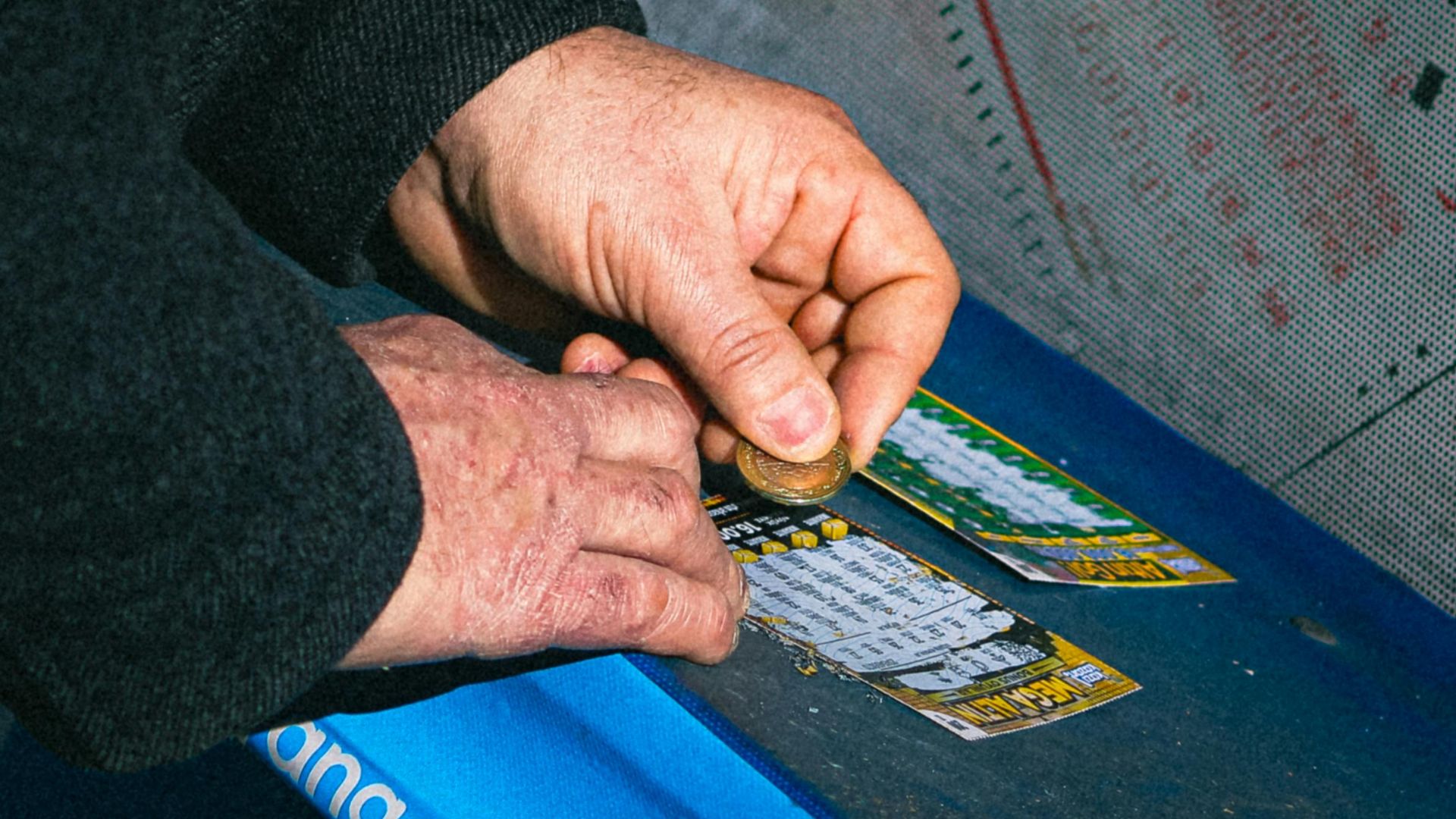
You won $14,000 dollars on a scratch ticket. Without even thinking about it, you shared the news with a friend. But instead of congratulating you on your win, she immediately suggested that you should use your winnings to pay for a European trip together for the two of you to repay her for years of lunches and small favors. Now you feel awkward, guilty, and unsure of whether you somehow really do owe her a vacation.

What A Windfall Is And Isn’t
A lottery win is a personal windfall, not a group prize pool to be doled out to all your friends and relatives. The money belongs to you, not your social circle. The fact that it arrived out of the blue doesn’t make it communal property, nor does it obligate you to settle imaginary debts in return for past acts of generosity.
“All Those Lunches” Weren’t A Contract
Buying lunches without keeping score doesn’t create a retroactive debt. Unless you explicitly agreed that those meals were loans to be repaid later, they were gifts. Gifts don’t magically turn into invoices once someone else comes into a bit of good luck.

The Amount Of The Ask Is A Red Flag
A European trip would almost certainly cost several thousand dollars. That request is wildly out of proportion to the value of a few occasional lunches. When someone brings the conversation straight to an expensive reward, it’s generally a sign of entitlement rather than good-natured teasing.

It’s OK To Be Uncomfortable
Your discomfort matters. If you feel pressured, then it’s a sign something is off. True friends celebrate your good fortune without attaching price tags. If a request leaves you anxious or resentful, then it demands that you set a firm boundary instead of reluctantly going along with people just to avoid conflict.

It’s Not About Generosity
You may be stressing out about whether refusing makes you cheap. It absolutely does not. Generosity is voluntary. Extortion dressed up as friendship is another thing entirely. You’re the one who gets to choose how, whether, and when to share your money, and you don’t have to make any justifications or apologies for it.

Money Doesn’t Rewrite The Terms Of Friendship
Your friendship most likely didn’t contain luxury travel reimbursement clauses before you lucked out with this scratch ticket. A change in your finances also doesn’t rewrite the rules of friendship. If someone only recalculates your closeness when money appears, that’s worth noticing and filing away for future reference.

The Uncomfortable Truth You’re Avoiding
Part of the problem here is that you are even entertaining this idea at all. By not shutting it down promptly, you’re leaving room for negotiation and guilt to creep in. Hesitation is what invites pressure. Though it may lead to raised eyebrows or some awkwardness, a clear “no” response shuts down other people’s entitlement faster than polite deflection.

What You Don’t Owe Her
You do not owe an explanation of your budget, future plans, or financial priorities. You don’t owe proof that the money will be spent responsibly. And you definitely don’t owe an international vacation because of a few lunches. It’s entirely up to you

A Simple Direct Response Works Best
Over-explaining invites debate. A simple statement like, “That’s not something I’m comfortable paying for,” should be a more than sufficient explanation for someone who calls herself your friend. You don’t need to justify your decision with numbers, emotions, or competing obligations of any kind.

You Can Still Be Kind
There’s nothing wrong with acknowledging your friend’s past generosity, but any gestures along these lines should be kept small and intentional. Buying dinner, covering a modest outing, or even giving a thoughtful gift is a far cry from funding an overseas trip. Be kind, but remember to keep it proportionate.

Beware The Slippery Slope
One other important concept to keep in mind is that if you give in once, you teach people that your windfalls are negotiable. Today it’s Europe. Tomorrow it’s loans, investments, or emergencies that you’ll be expected to bankroll. Early boundaries stop you from setting a precedent for long term resentment and repeated requests under the false presumption that you’re now rolling in wealth.

It's Also About Privacy
There’s a lesson in here about sharing financial news. People often feel entitled to money that they know exists. It may eat away at them knowing that the money is there, and that they could put it to so much better use than you could! But you’re allowed to put a stop to any discussions of the win. “I’m not really talking about the money anymore” is a complete sentence.
Her Reaction Will Tell
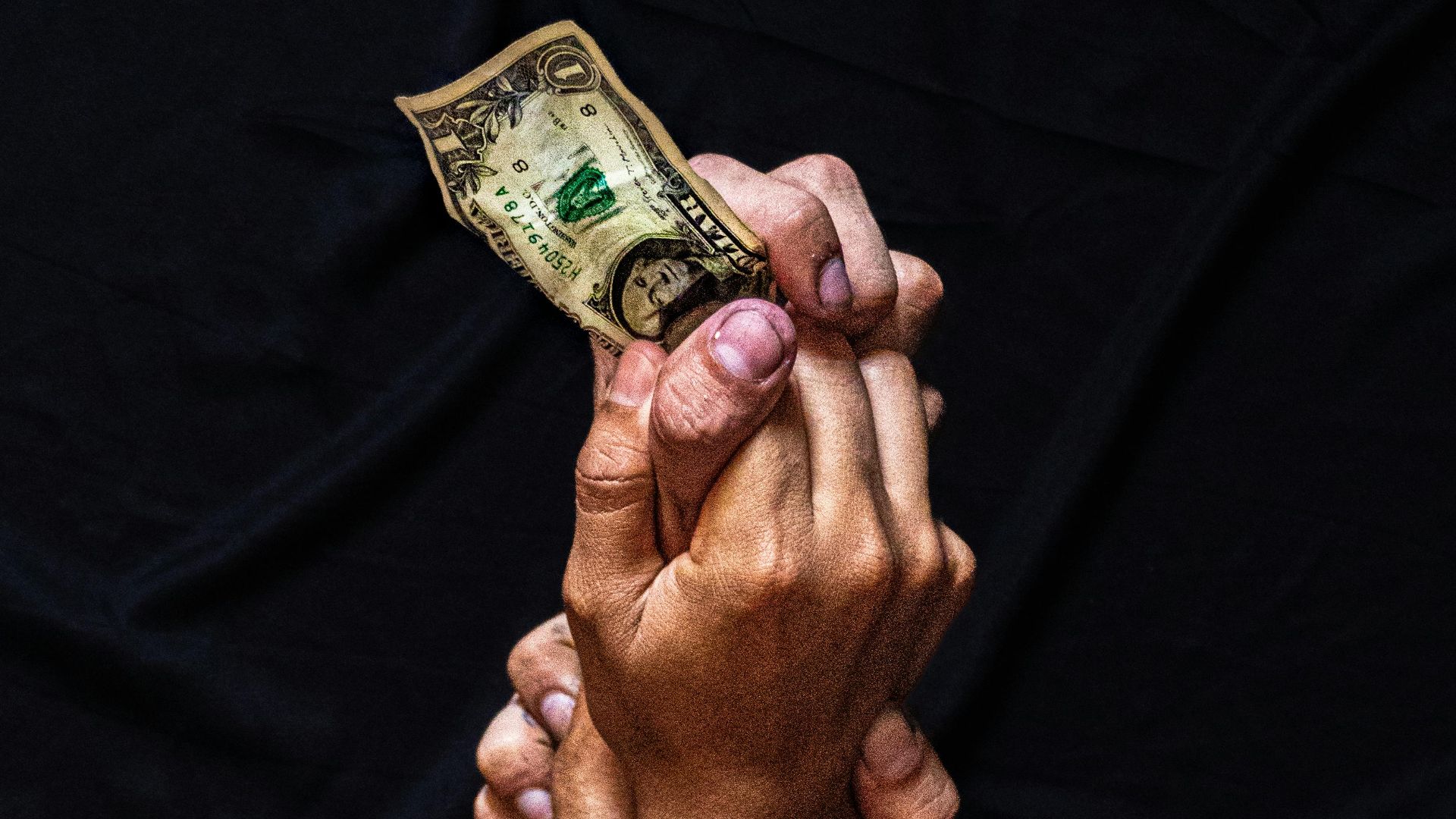
A reasonable friend might feel a moment of embarrassment and drop the subject. They may even offer you an apology for being overly presumptuous. An unreasonable one will sulk, argue, or escalate. How she responds to your boundary-setting will provide you with valuable feedback on the health of the friendship.

Guilt Isn’t A Financial Obligation
Feeling guilty doesn’t mean you did something wrong. Guilt often appears when expectations are misplaced but emotionally persuasive. It’s great to feel compassion and gratitude for what someone else has done without having to feel like you need to surrender your autonomy or your bank balance.

Keep The Win In Perspective
$14,000 dollars is a meaningful sum of money, but it is not a life changing one. A European trip would power through a significant portion of it. Do you want to go to Europe? Or is that something that other people are telling you that you “must” do? Using your entire windfall to satisfy someone else’s expectations is a major formula for long-term regret.

Make A Plan Before You Open Your Mouth
Before you respond, make up your mind how you want to use the money. Whether it’s savings, debt repayment, or you simply want to treat yourself, a clear decision will strengthen your resolve. Vague plans with no specifics make it easier for others to fill in the gaps with ideas for spending the money that benefit them.

You’re Not Cheap For Saying No
Saying no doesn’t erase your generosity in other areas of life. It's just a reflection of the fact that you know and appreciate the difference between kindness and obligation. Money boundaries aren’t moral failings.

What The Situation Is Really About
This problem you’re having with your friend isn’t really about lunches, or Europe. It’s about whether your friend truly respects your own autonomy. Healthy relationships survive clearly asserted boundaries. Unhealthy ones burn with resentment of them.

Last Word Before You Respond
You’ve won some money, not the friendship lottery. You don’t owe a vacation in exchange for past lunches and other favors. Be polite, be firm, and change the subject. If the friendship cools off because you made a responsible decision about how to handle your money, that tells you exactly what kind of foundation the friendship was built on.

You May Also Like:
My friend got a lift kit put in his truck instead of paying me back what he owes me. Now what?