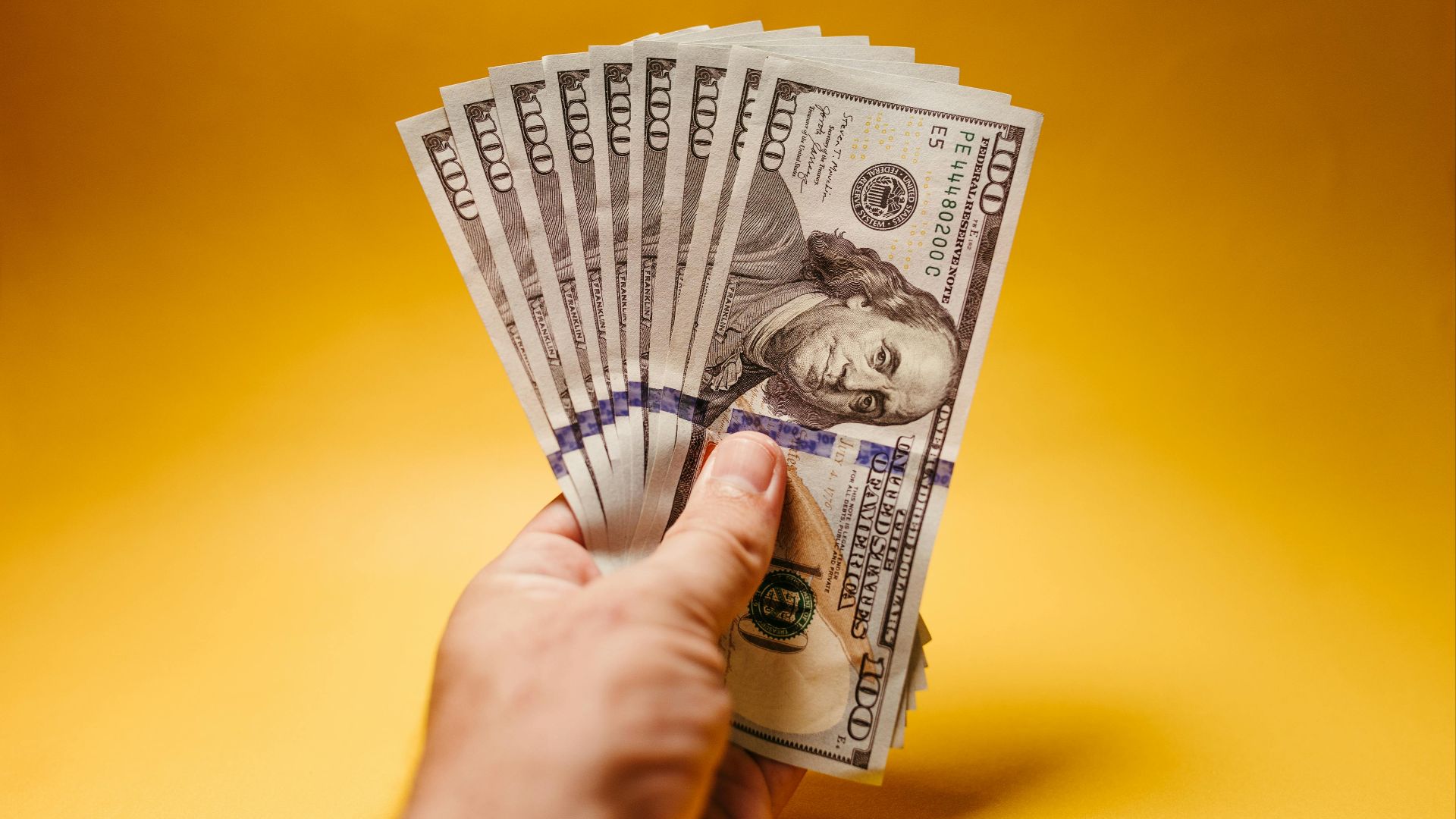
Not All $100 Bills Are Worth $100
Most people spend their $100 bills without a second glance, but some are worth far more than you’d expect. Collectors are on the hunt for special bills with “fancy” serial numbers, and your wallet might be hiding one.

What Is A Fancy Serial Number Anyway
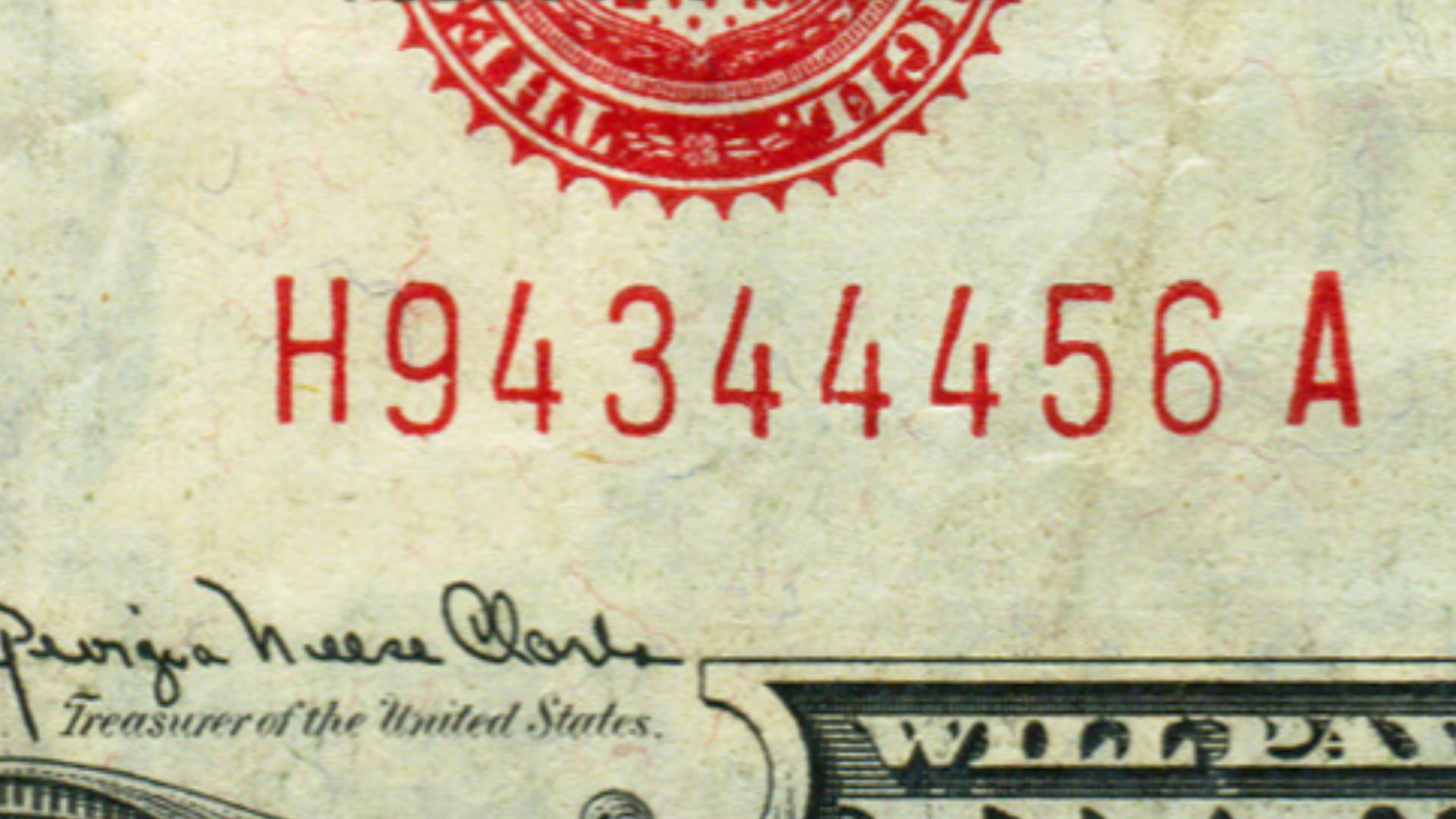
A fancy serial number is any sequence that stands out due to repetition, order, symmetry, or rarity. Collectors hunt for these unique combinations, and if your bill has one, its actual value could be far more than what’s printed on the face.
 George Roberts, Wikimedia Commons
You Don’t Need To Go To The Bank
You don’t have to dig through a vault to find fancy serial numbers. These rare bills show up in everyday transactions, whether at the ATM or even in your birthday card. It’s all about knowing what to look for.
Why The Blue $100 Bills Are Popular
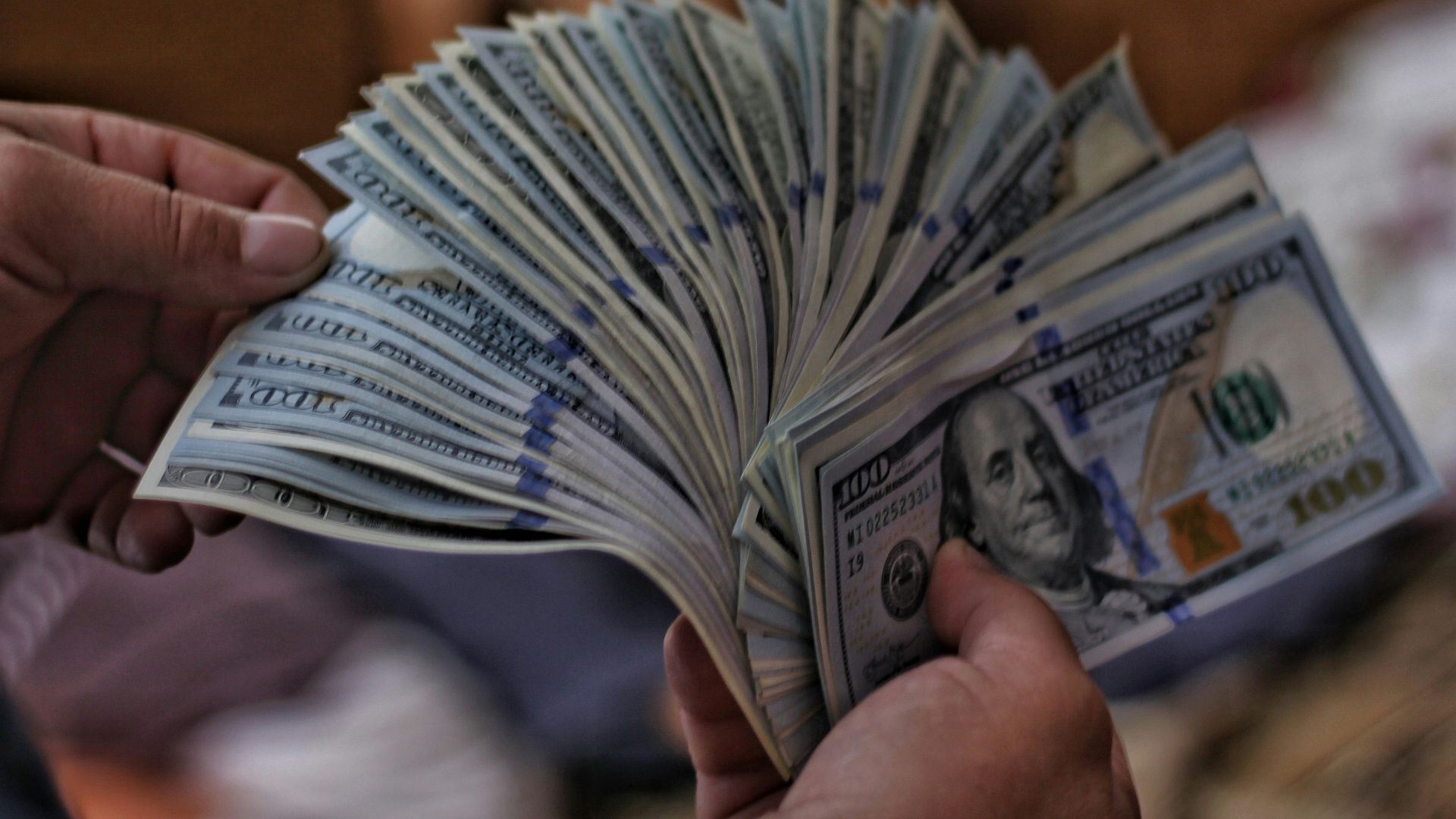
The redesigned blue $100 bill has a strong appeal among collectors. Its modern look, added security features, and relative newness make it a hot target for fancy serial number hunters, especially since many of these bills are still in near-perfect condition.
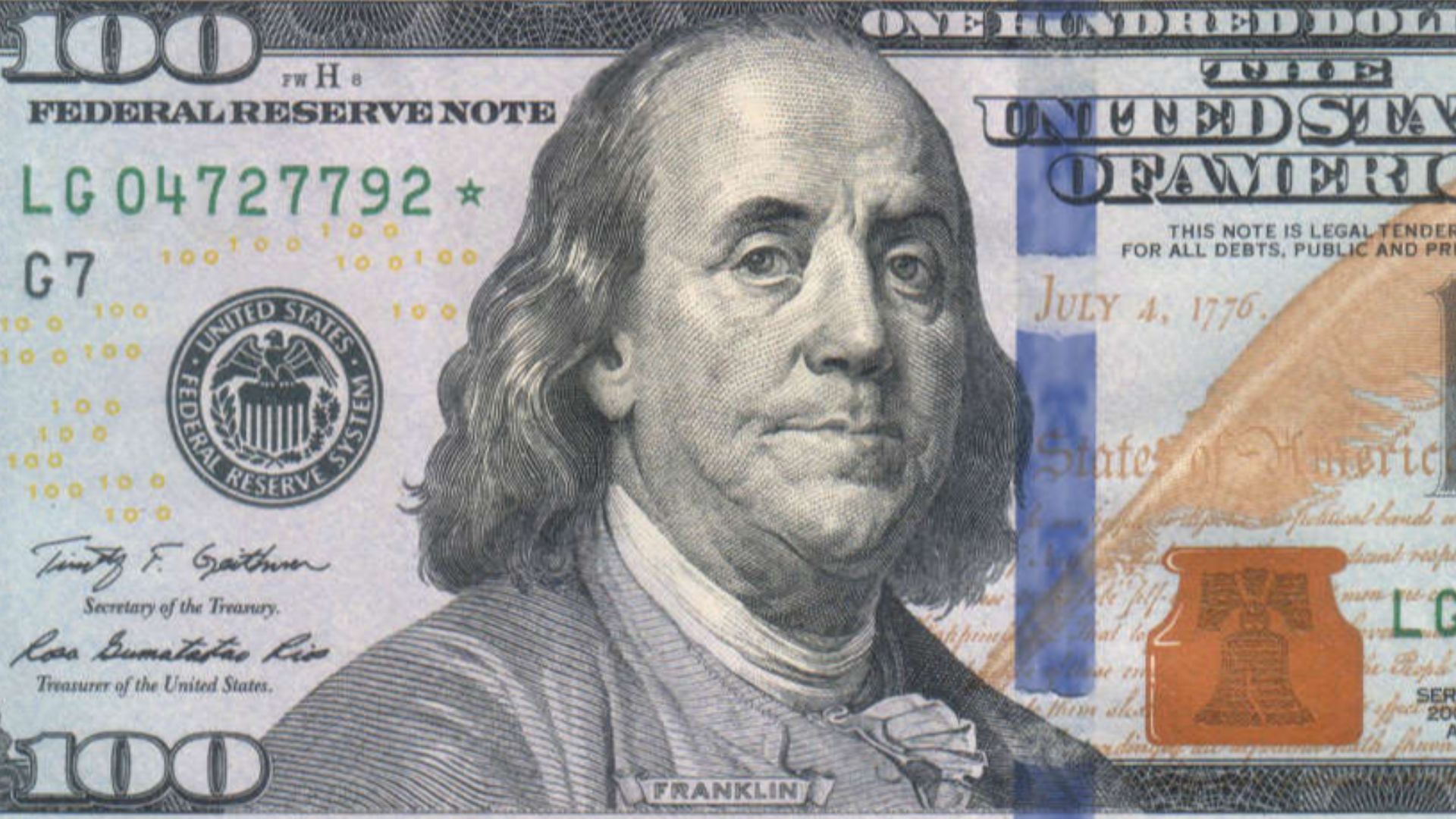 Bureau of Engraving and Printing, Wikimedia Commons
Solid Numbers Are A Big Deal
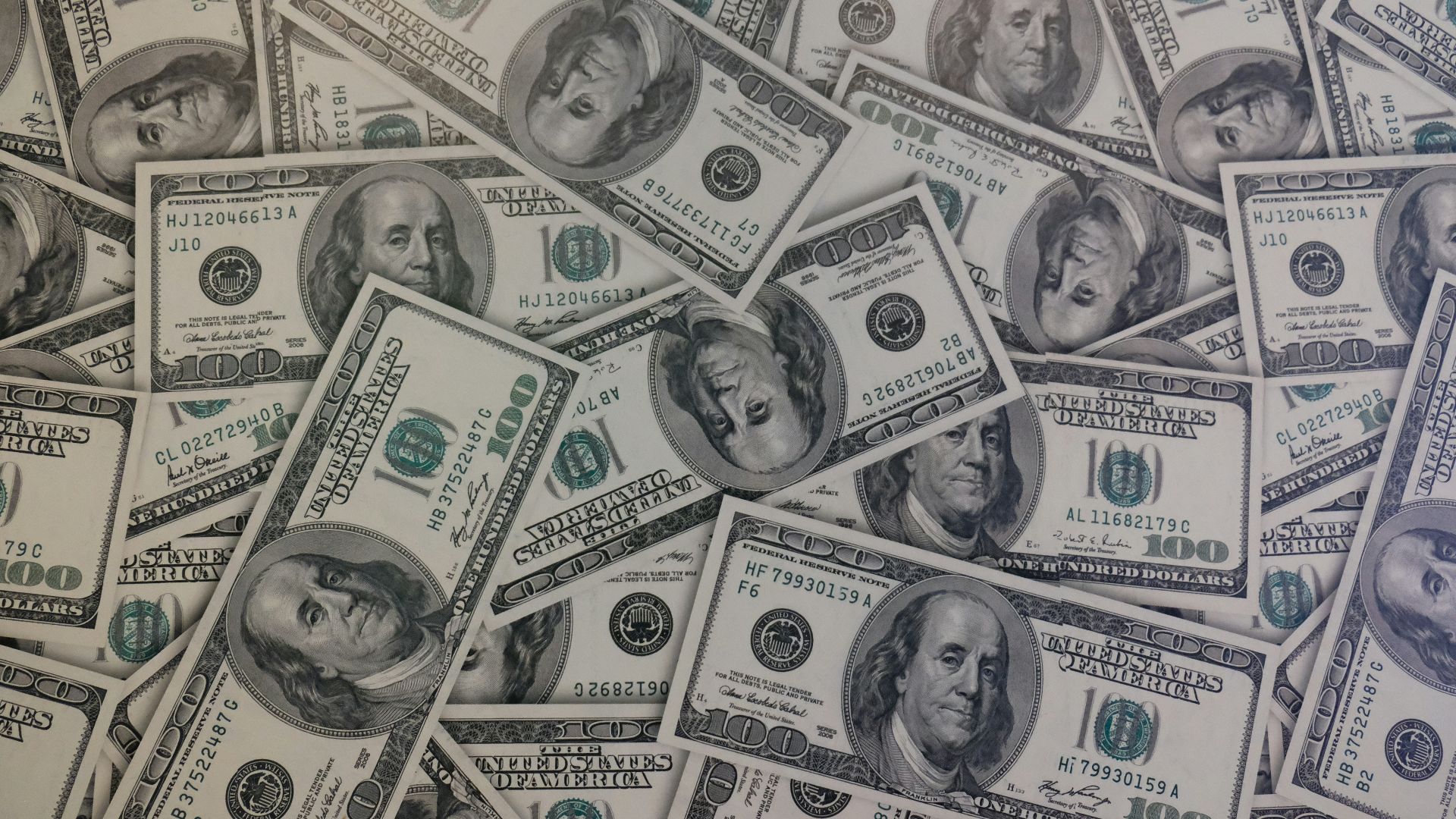
Bills with the same digit repeated eight times, like 11111111 or 99999999, are known as “solids”. They’re extremely rare and highly desirable. If you come across one of these, don’t spend it. They’ve sold for thousands in the collector market.
Low Numbers Can Mean Big Profits
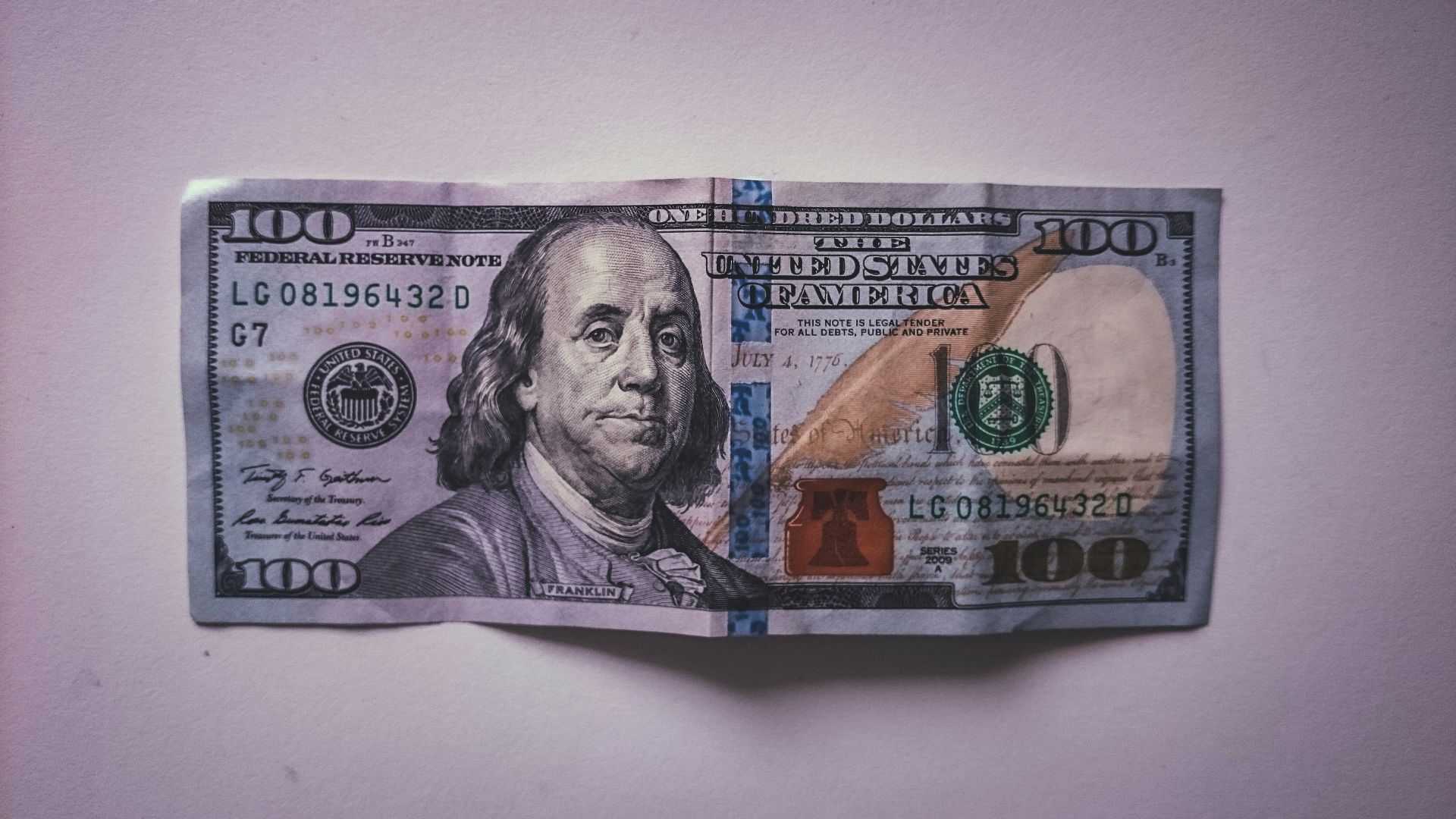
Collectors love bills with serial numbers that start with several zeroes—especially something like 00000005. These were among the first printed in a series and often command premium prices. The fewer the digits, the higher the price tends to climb.
Don’t Ignore The High-End Numbers
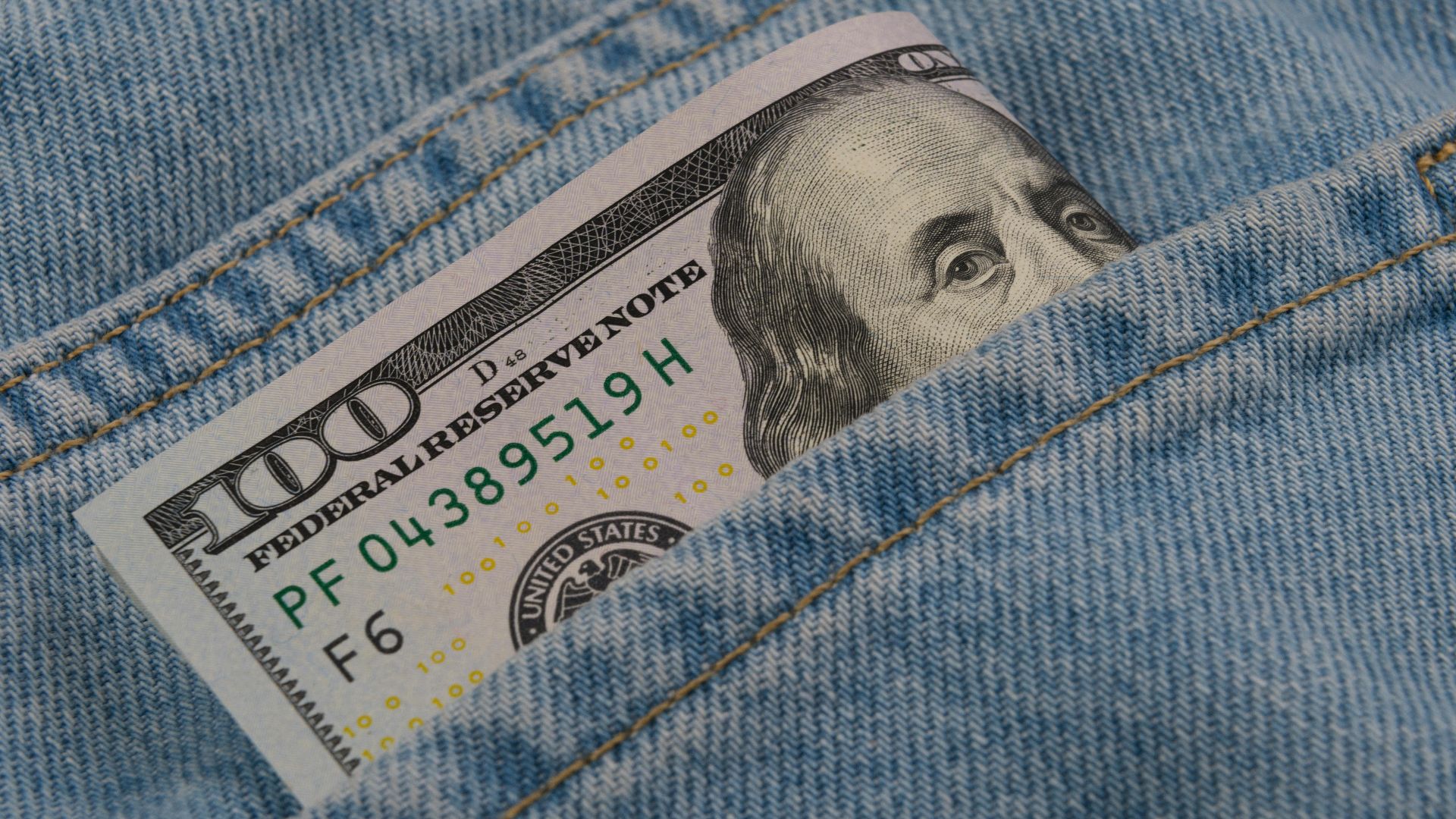
Just like low numbers, high ones such as 99999994 or 99999999 can also be extremely valuable. The notes mark the end of a printing run and are just as rare. Many collectors love bookending their collections with high and low pairs.
Birthdays Hidden In The Numbers
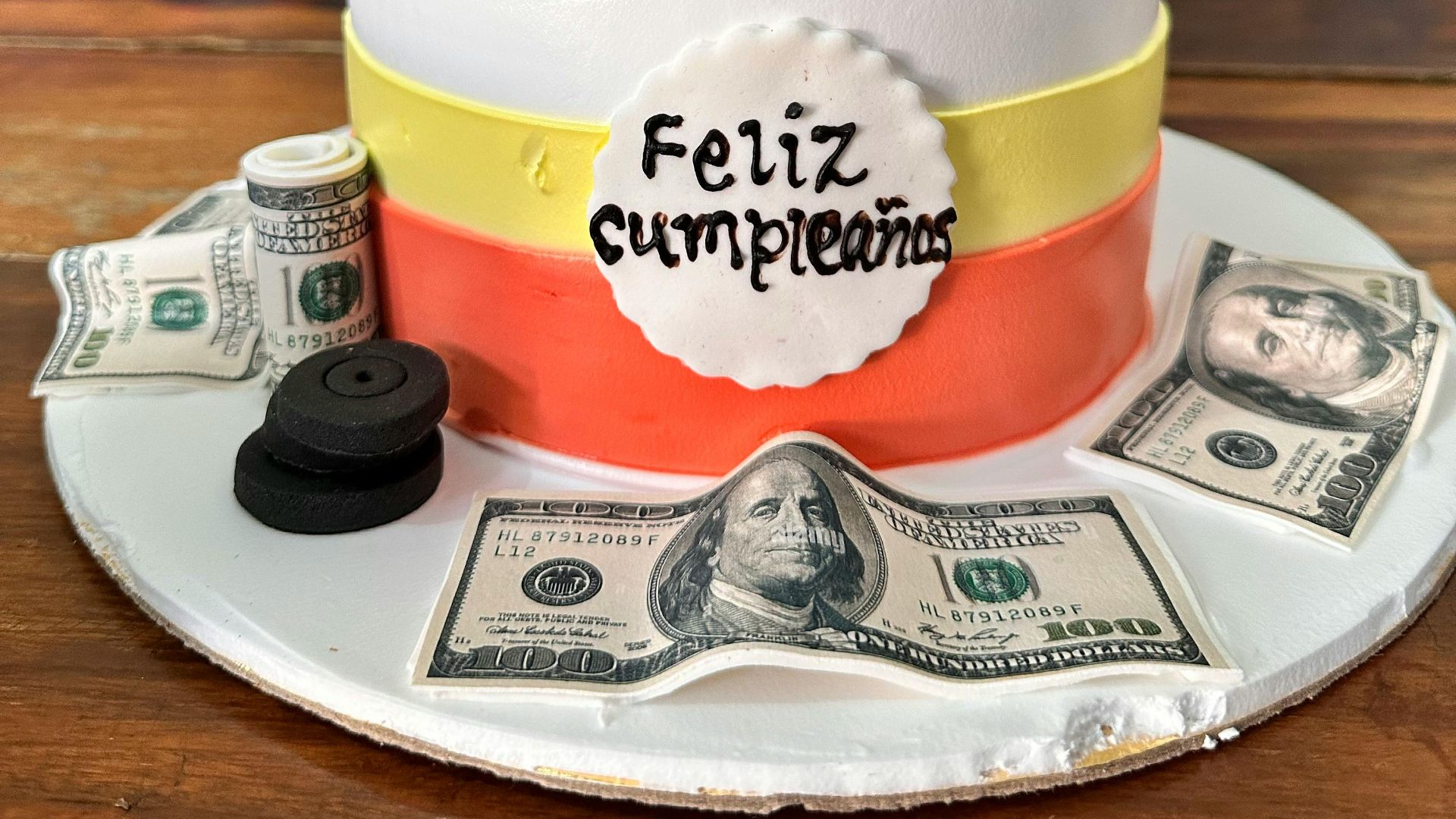
A “birthday note” contains a date in MMDDYYYY format, like 07041976 for July 4, 1976. These appeal to both collectors and individuals looking for a meaningful gift. If you find one with a significant date, hold onto it. Value depends on demand.
Palindromes Are Easy To Spot And Sell
Radar notes are bills whose serial numbers read the same forward and backward, like 12344321. They’re visually satisfying and often sell for several times face value. The patterns are relatively easy to spot with a quick glance.
 Beepee12499, Wikimedia Commons
Repeater Numbers Draw Extra Attention
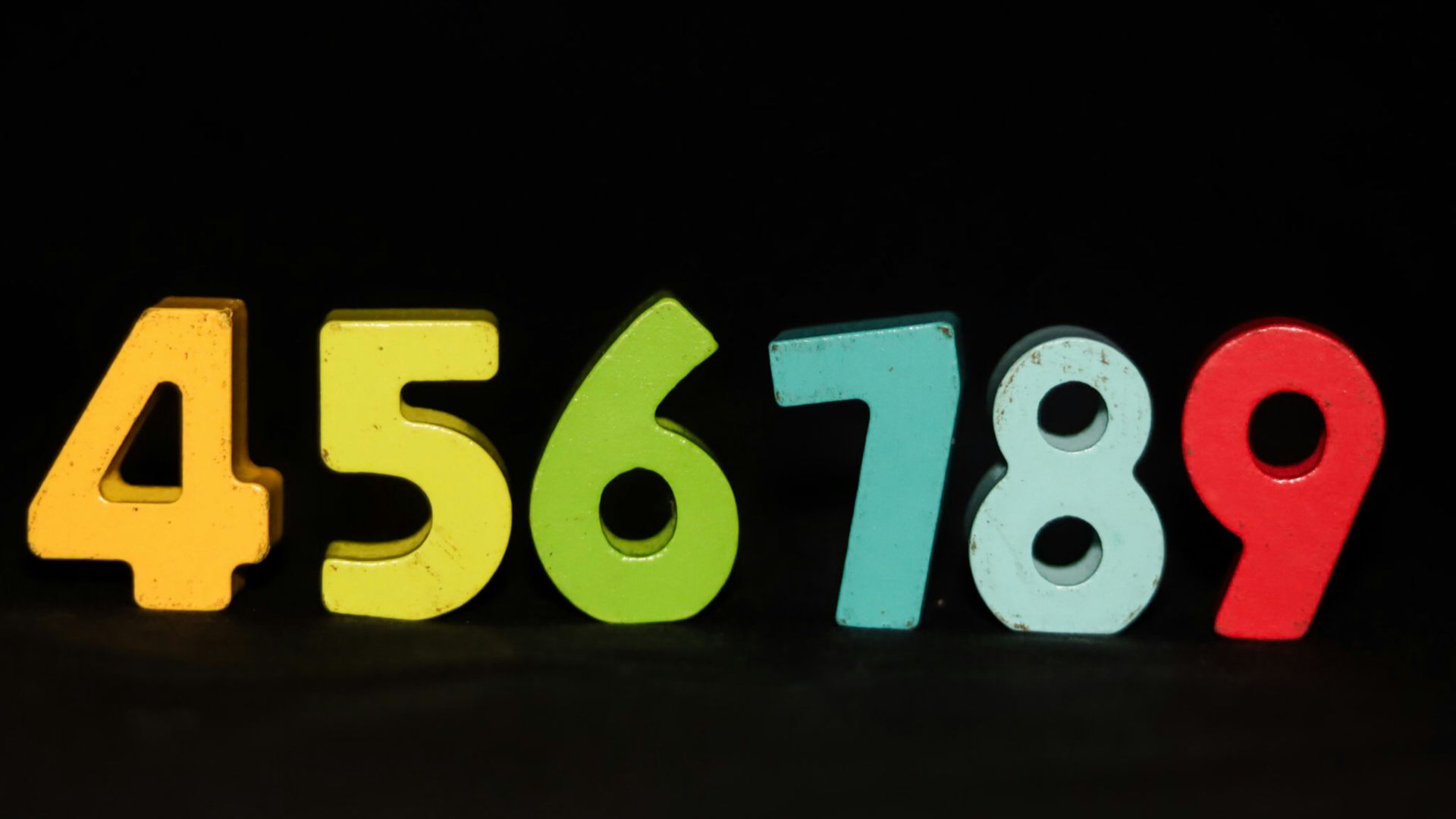
Repeater serial numbers repeat the same sequence across the full number, like 12341234. A “super repeater” might look like 45454545. They’re visually appealing, rare enough to be collectible, and tend to do very well at auctions or on collector forums.
Binary Notes For The Digitally Inclined
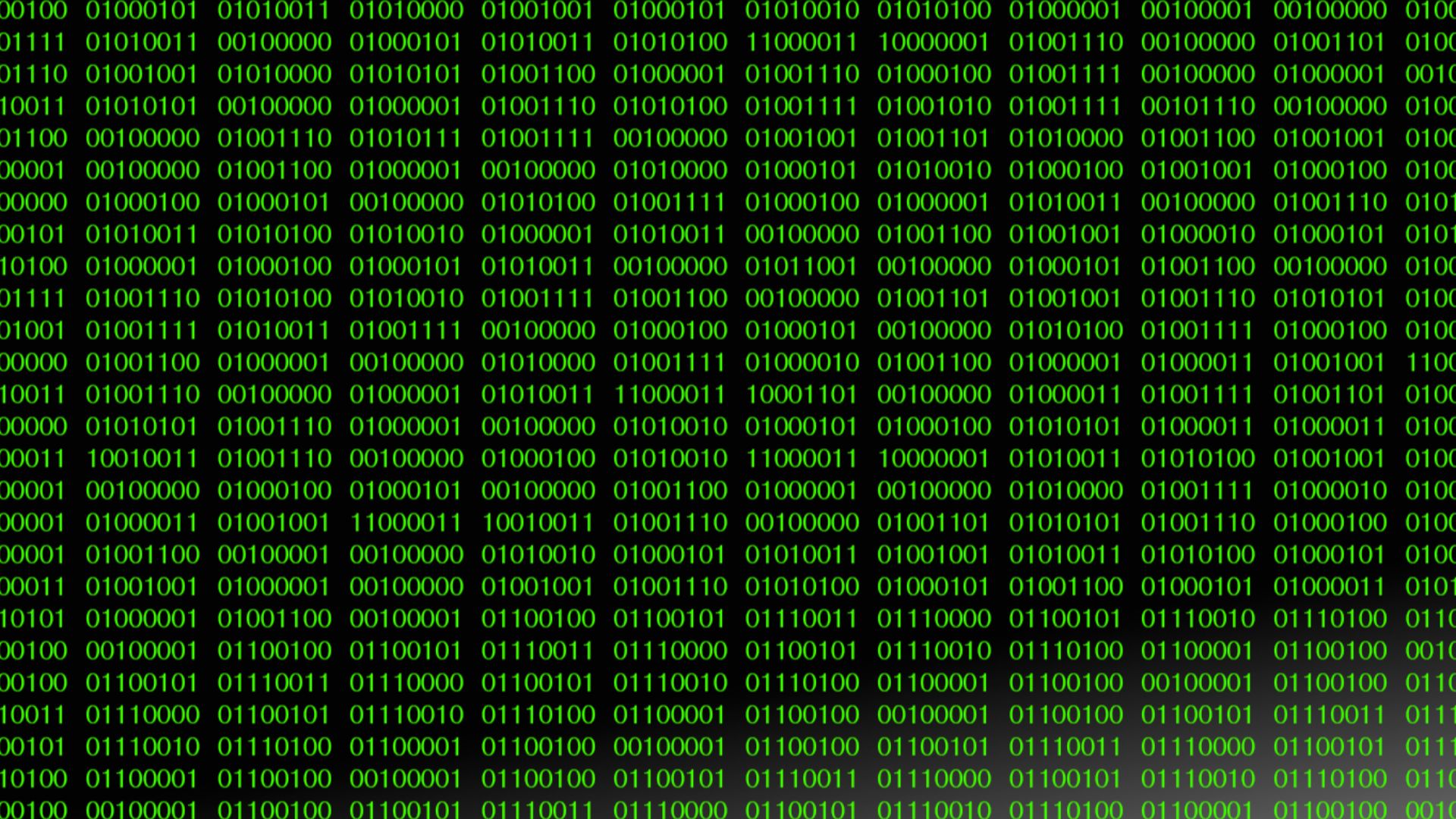
Binary serial numbers use only two digits, such as 01010101 or 22552255. They’re quirky and appeal to both collectors and tech enthusiasts. If your bill has only two different digits repeating in a cool pattern, you may be holding something special.
Star Notes Add Built-In Rarity
A star (*) at the end of the serial number means the bill is a replacement note, printed to take the place of a damaged one. These are automatically rarer, and when combined with a fancy number, they can be especially valuable.
Combine Rarities For Maximum Value
The real money comes when multiple rare traits overlap. A star note with a low number, a radar, or a birthday date could be worth hundreds—or even thousands. The more unique characteristics your bill has, the better chance it has of selling high.
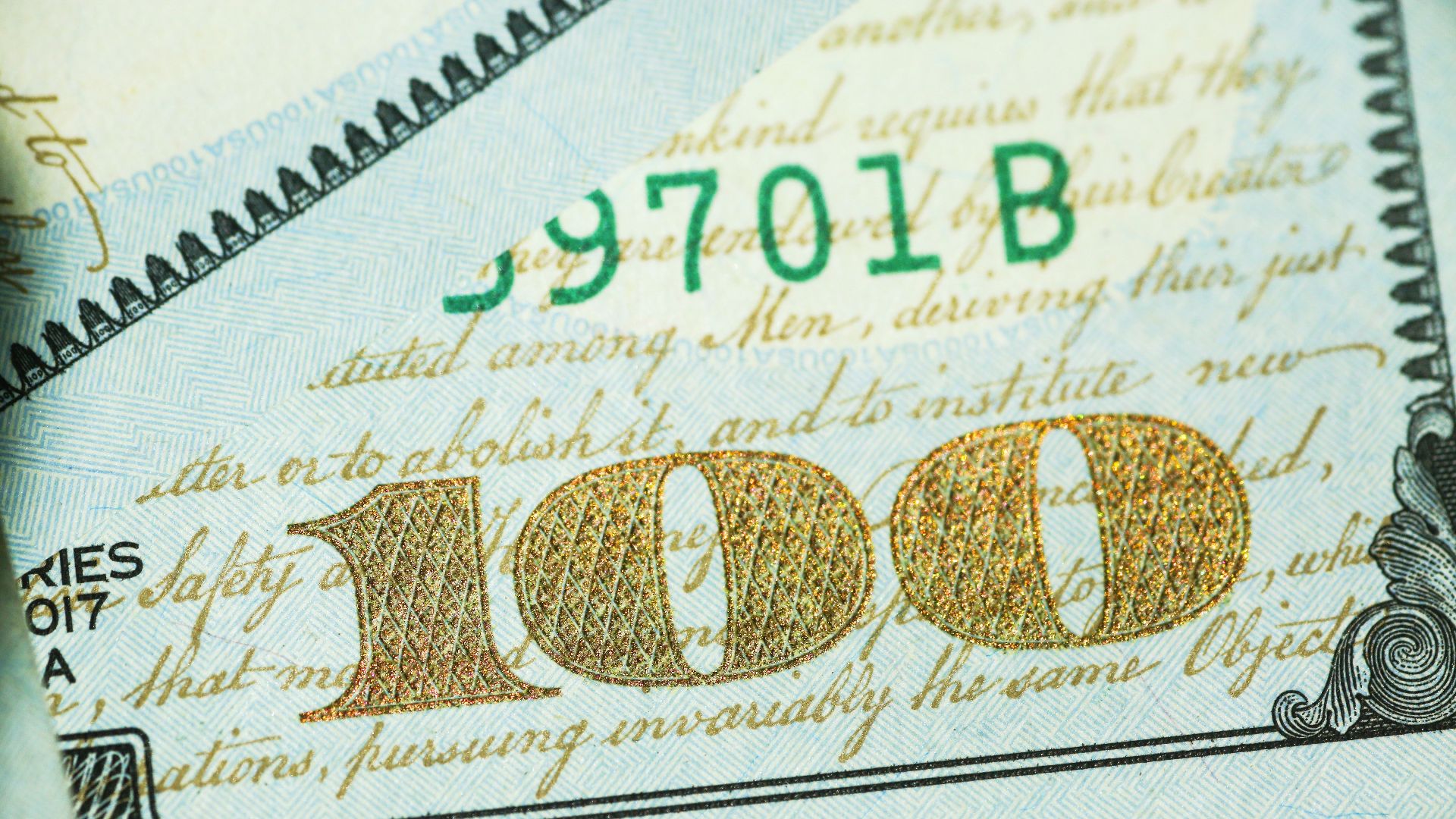
Condition Matters Just As Much
Even the fanciest number can’t rescue a bill that’s torn or stained. Collectors value pristine or “uncirculated” bills the most. If your rare note has seen too much action, its value drops fast. Keep it protected from day one.
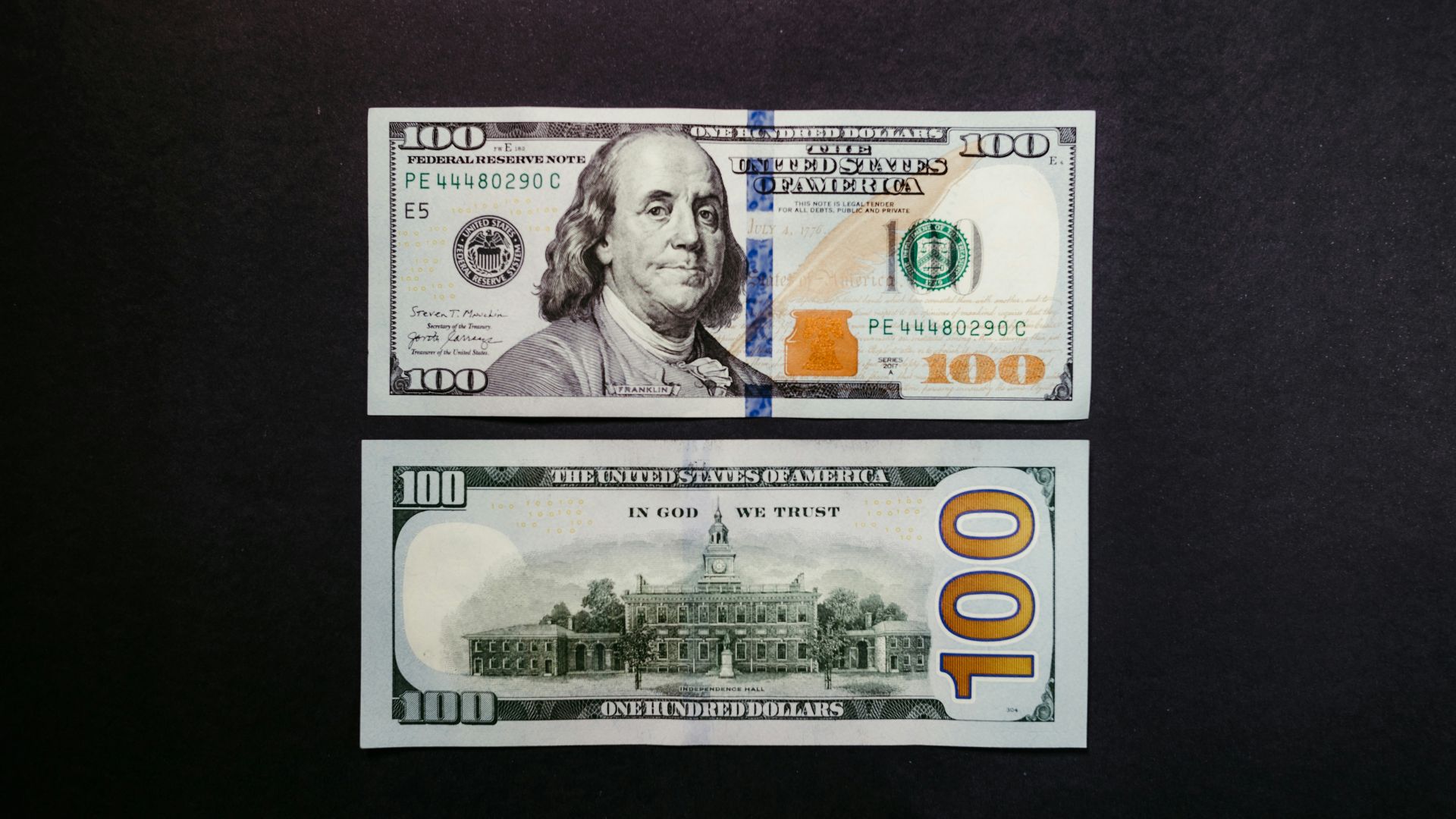
What Uncirculated Actually Means
Uncirculated bills are crisp, clean, and free of any folds, creases, or damage. Basically, they look like they just left the printing press. If you find a fancy serial number, don’t stuff it in your wallet. Store it with care from the start.
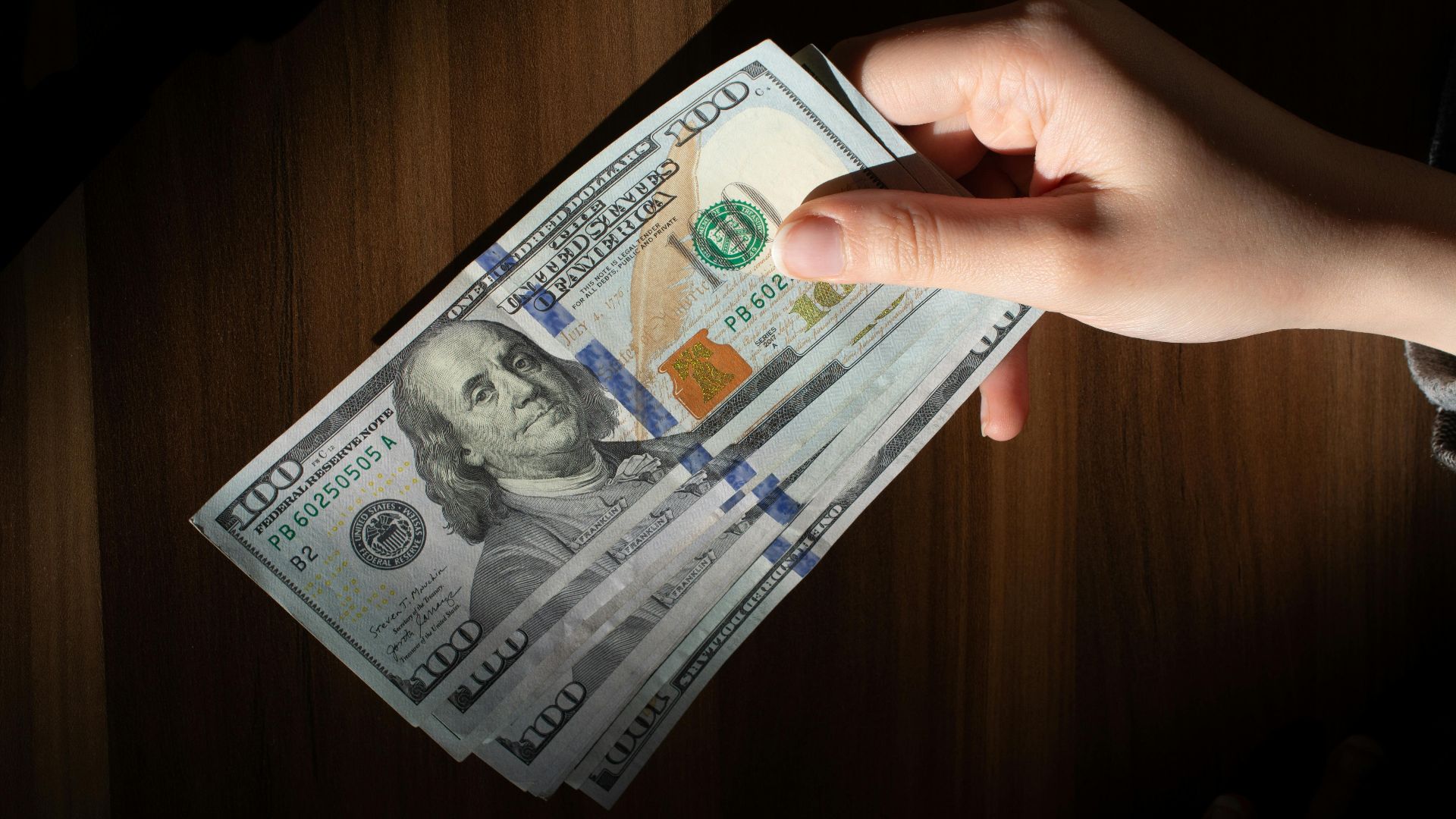
Where To Check Your Serial Numbers
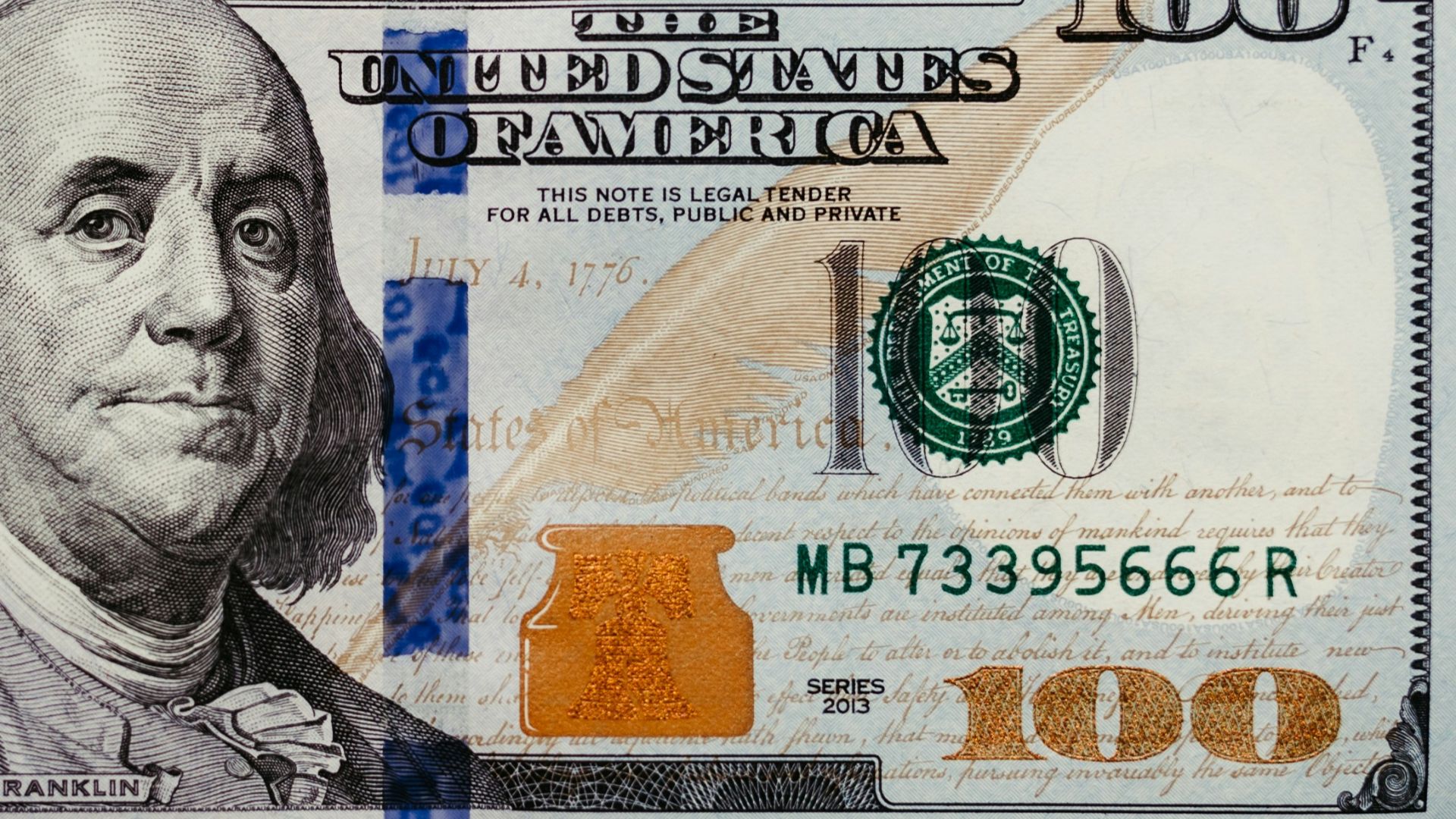
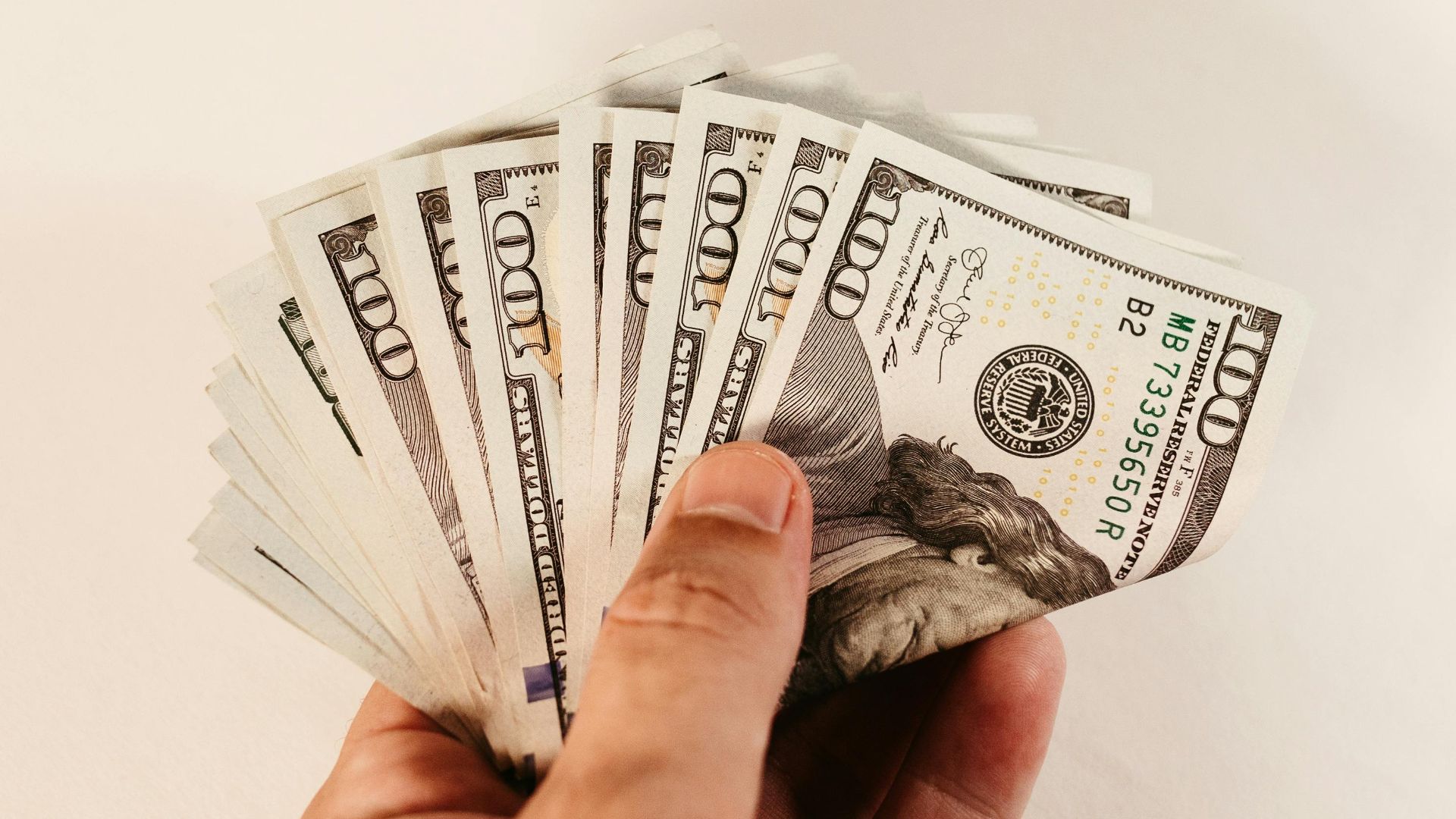
You’ll find the serial number printed twice on the front of every $100 bill—once in the top left corner and again in the bottom right. Each is an 8-digit number. Scan slowly. Patterns like 00001111 or 12121212 can be easy to miss.
Use Online Resources For Help
Websites like FancySerialNumber.com or collector forums can help you assess value. You’ll also find grading tips, real-time auctions, and examples of rare patterns. It’s a great way to learn what’s truly rare versus what just looks interesting.

Double-Check With Collectors
If you’re unsure about what you’ve found, ask a collector. You can upload photos to online currency communities or visit a local coin and currency shop. Many are happy to give insight, especially if you’re holding something unusual or rare.

Real Sales Show Real Value
These aren’t just hypotheticals. Bills with fancy serial numbers regularly sell for $300 or even $2,500, depending on condition and rarity. Search eBay or auction sites for proof. This isn’t just a theory; it’s a profitable niche.

Where To Sell Your Rare Bill
Try online platforms like eBay, Etsy (for birthday notes), or collector-specific sites. For higher-value bills, consider auction houses or dedicated currency marketplaces. Always include crisp photos and clear details about condition and serial number when listing.

Don’t Accidentally Spend It
It’s happened more than once—a rare bill gets used to pay for fast food. If you suspect you have something valuable, keep it separate. Put it in a protective sleeve or envelope and avoid mixing it with your everyday cash.
How To Store Fancy Bills Safely
Use plastic sleeves designed for currency, similar to trading card holders, to avoid damage. Keep the bills flat, away from sunlight, and in a dry environment. A drawer or glove box won’t cut it, as humidity and friction can ruin your rare find.
Involve The Whole Family
Teach kids and teens to check bills for patterns. It’s a fun and free way to explore math and investing. You never know when someone in the family might spot a treasure in their change. Make it a habit after every cash run.

Even Common Patterns Can Be Profitable
Not every pattern is worth a fortune, but even mildly rare ones can go for $20, $50, or more. And let’s be honest—it’s still a win if you turn $100 into $150 just for paying attention to a few numbers.
Your Wallet Might Be Hiding A Gem
Every time you get a $100 bill, you have a chance to find something special. It only takes a second to check, and the potential reward can be huge. Before you spend that crisp blue hundred, make sure it’s not secretly worth thousands.