Check Your Change Twice
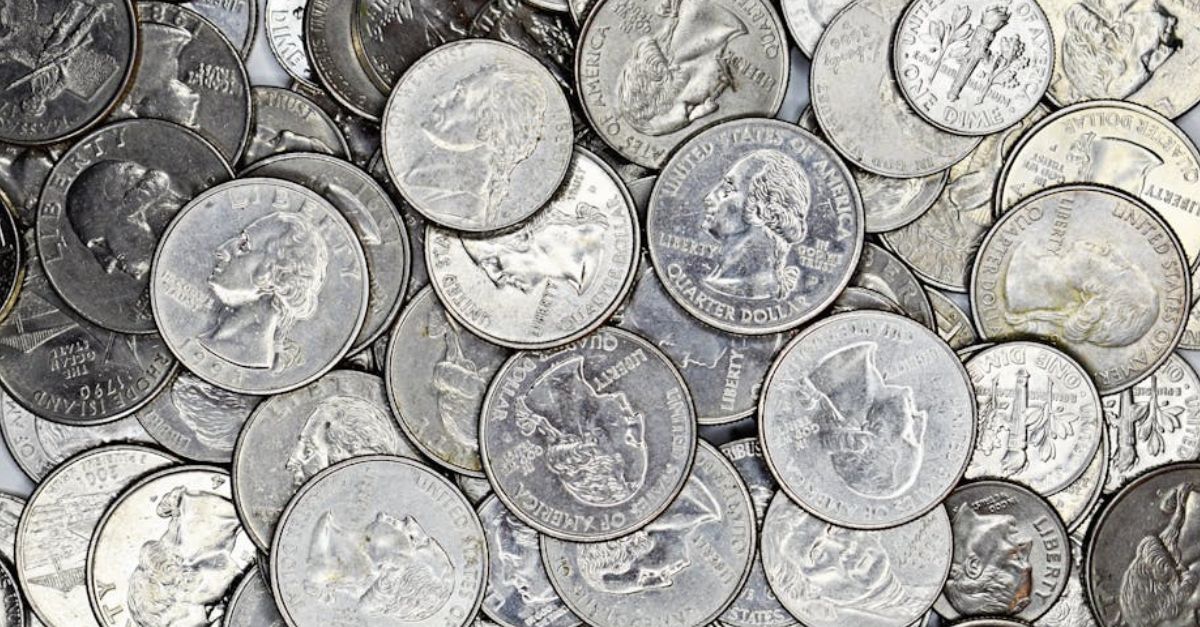
Loose change rarely stays boring for long. Some quarters carry quiet stories, strange mistakes, or production quirks that time turned into serious value. A few still hide in collections and old drawers. Take a closer look before spending yours. One small coin could change the story.
 RDNE Stock project, Pexels, Modified
1796 Draped Bust Quarter
Just imagine holding the very first U.S. quarter ever made. Only 6,146 were struck in 1796, and history was rough on them. Heavy circulation and melting reduced survivors to roughly 650. Today, prices stretch from about $7,000 to nearly $3 million for pristine examples.
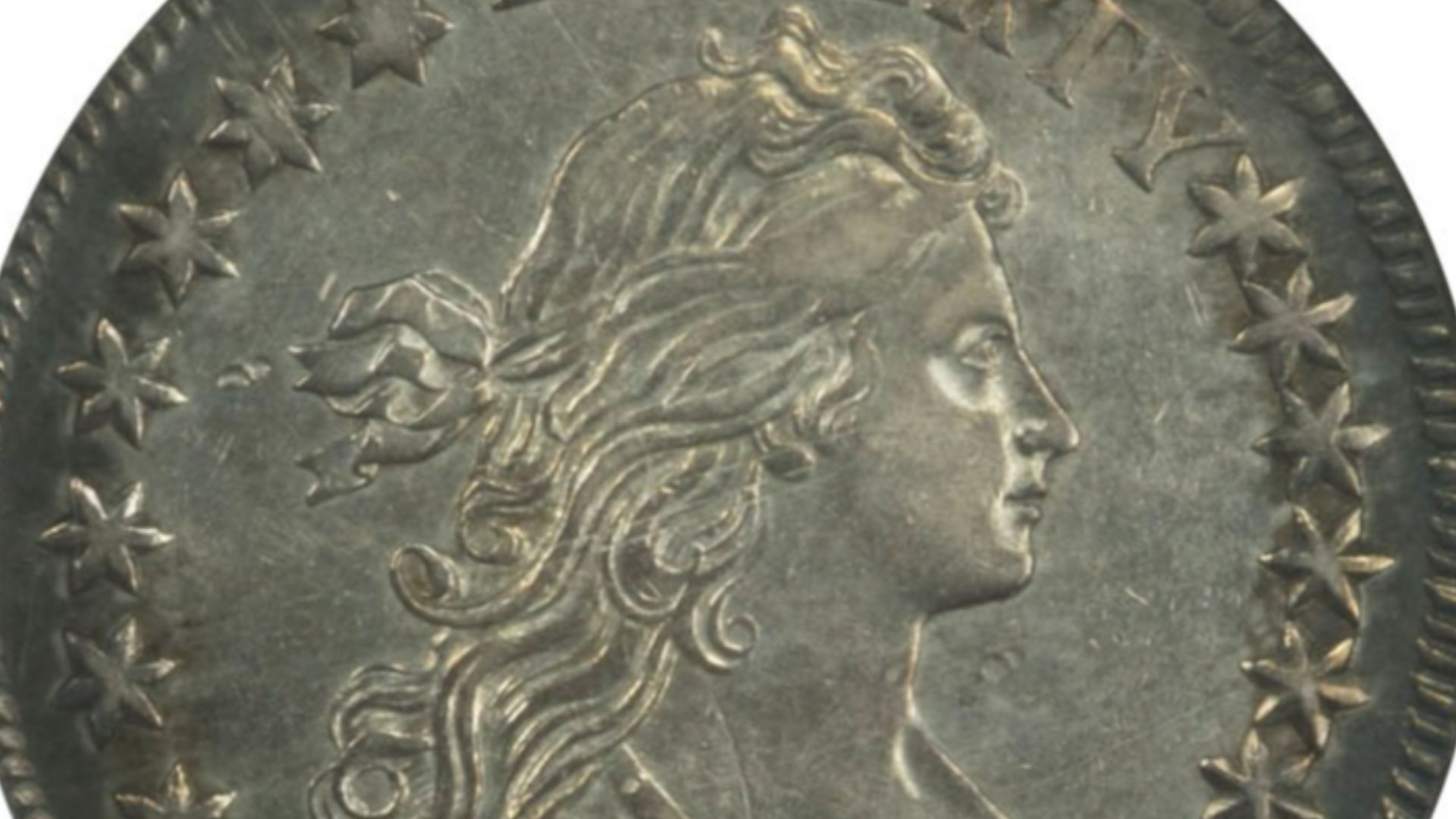 Coin: Robert Scot, Image by Lost Dutchman Rare Coins, Wikimedia Commons
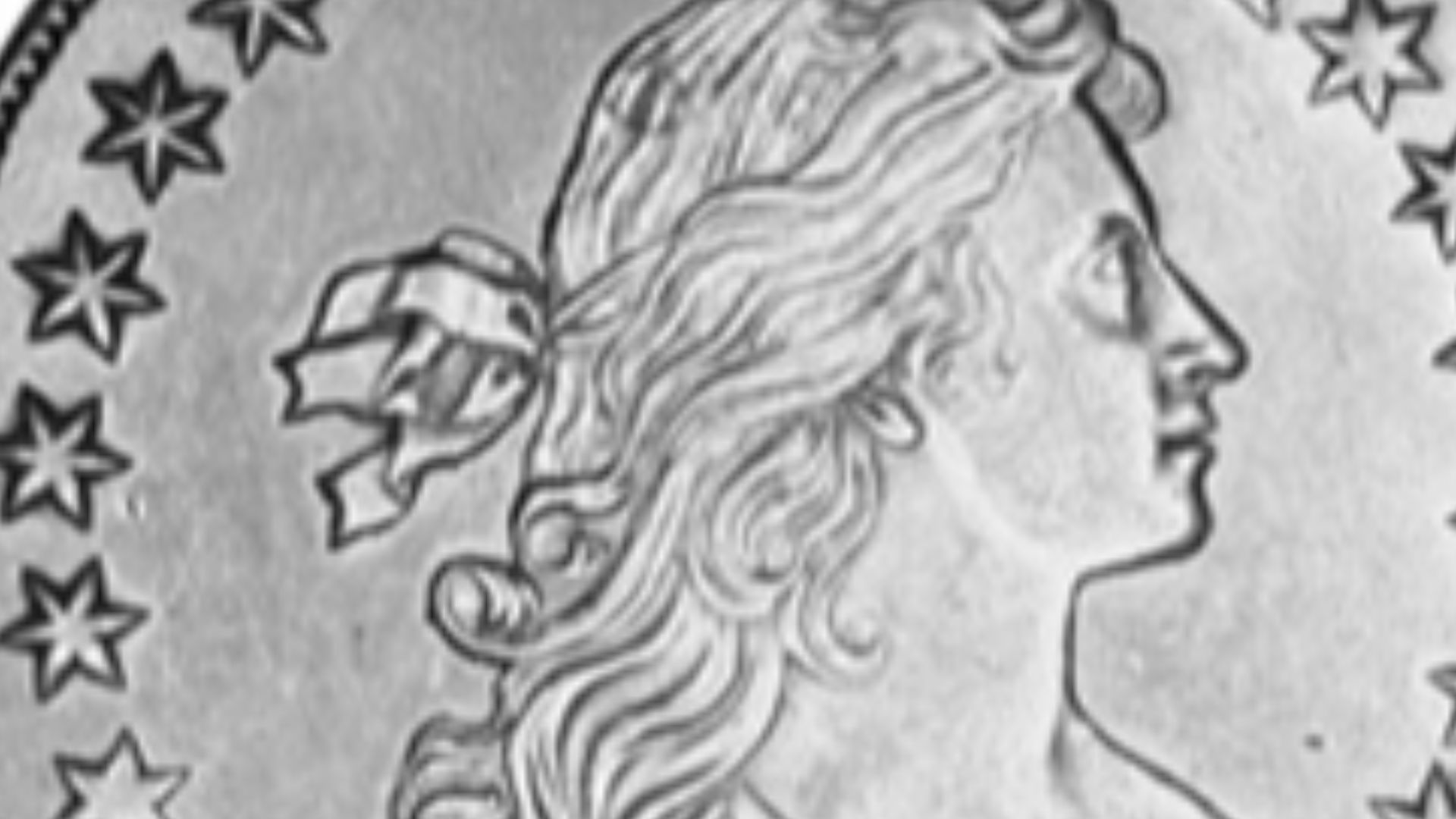
1804 Draped Bust Quarter
After an eight-year production gap, the Mint resumed quarter strikes in 1804 with just 6,738 coins. Survival rates collapsed due to export and melting, leaving fewer than 400 examples. Consequently, values span roughly $3,100 for circulated ones and climb beyond $546,000 in Mint State.
1823/2 Capped Bust Quarter
Die reuse created this famous overdate, where a 2 hides beneath the 3. About 17,800 were struck, yet time erased most. Collectors now chase a handful of survivors, which pushes values from around $37,500 into the $350,000 range for top condition coins.
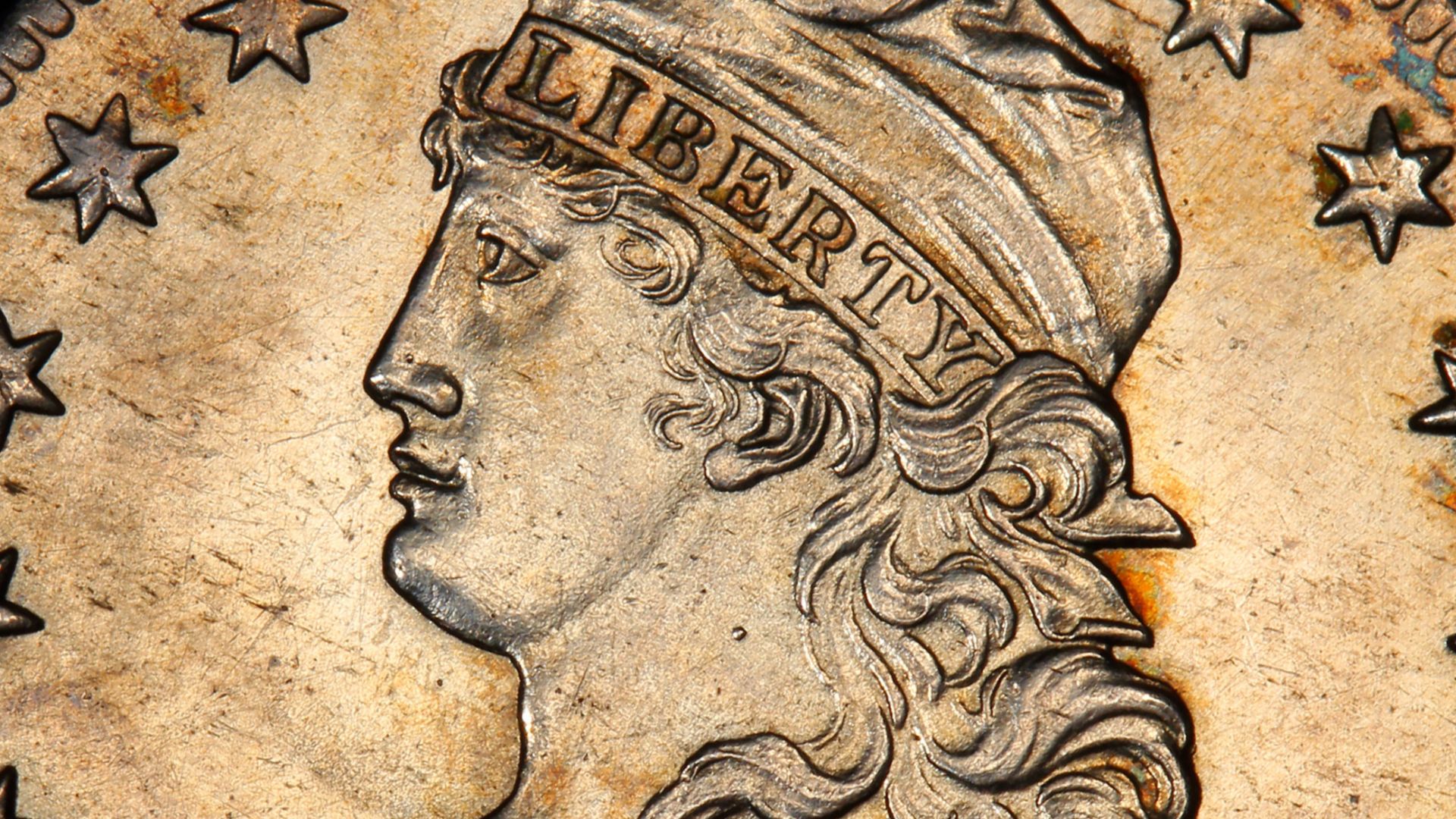 National Museum of American History , Wikimedia Commons
1853 Arrows And Rays Quarter
The 1853 arrows and rays design signaled a weight reduction after silver prices surged. Over 15 million were minted, yet exports and melting thinned high-grade survivors. Circulated pieces remain affordable, while pristine examples command prices exceeding $87,000 due to historic importance.
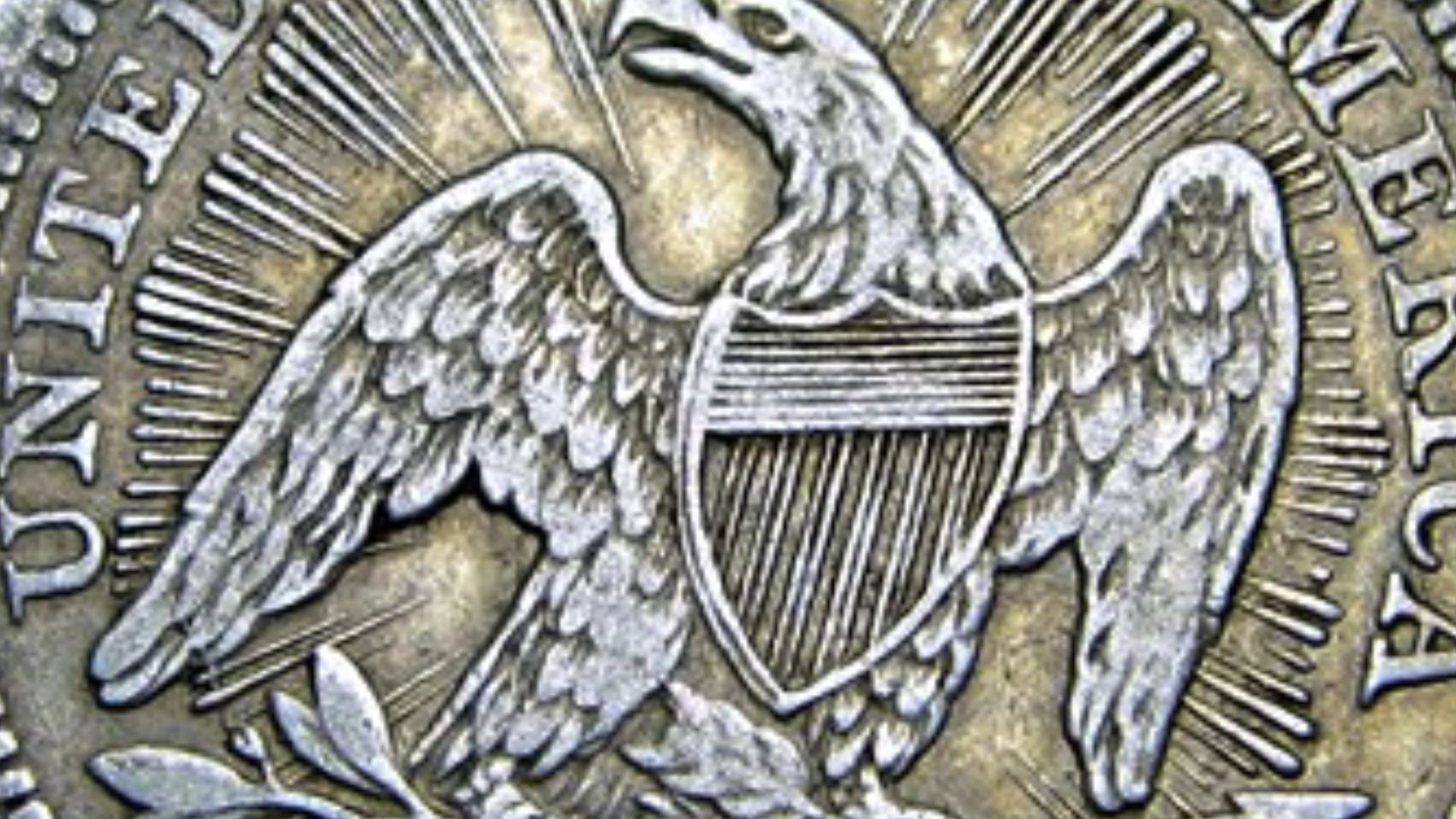 Bobby131313, Wikimedia Commons
1870 CC Seated Liberty Quarter
Carson City minted just 8,340 of these during its first year, then promptly lost most to frontier life. Saloons, pockets, and melting pots were unforgiving. Fewer than 300 remain, which explains why even worn examples start near $10,000 and climb fast.
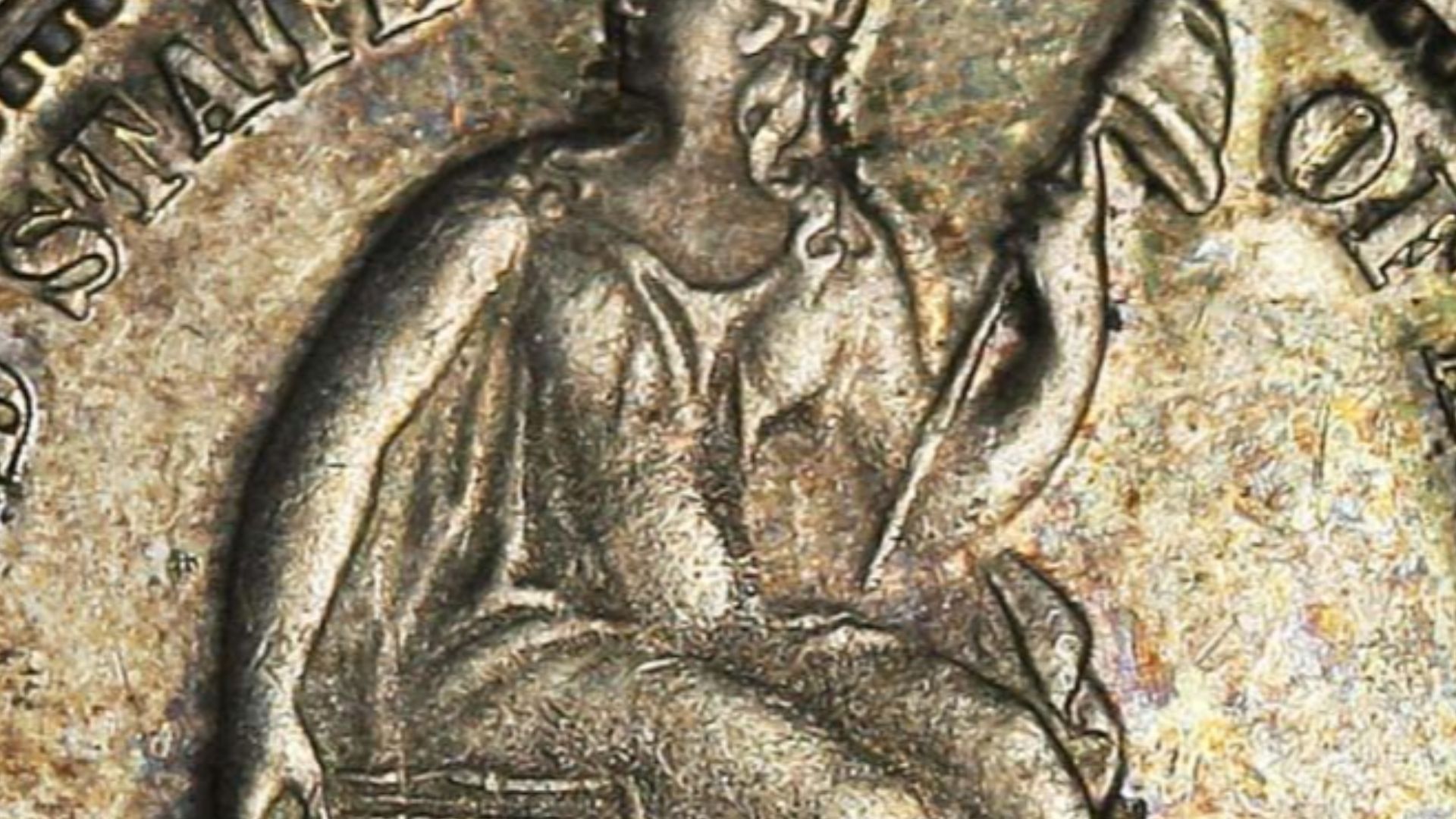 Lost Dutchman Rare Coins for image, Christian Gobrecht for coin, Wikimedia Commons
1896 S Barber Quarter
Back when San Francisco mintages quietly shrank, only 188,039 of these left the presses. Circulation was unforgiving, and survival numbers hover near 2,000 today. As a result, high-grade examples regularly land between $20,000 and $40,000.
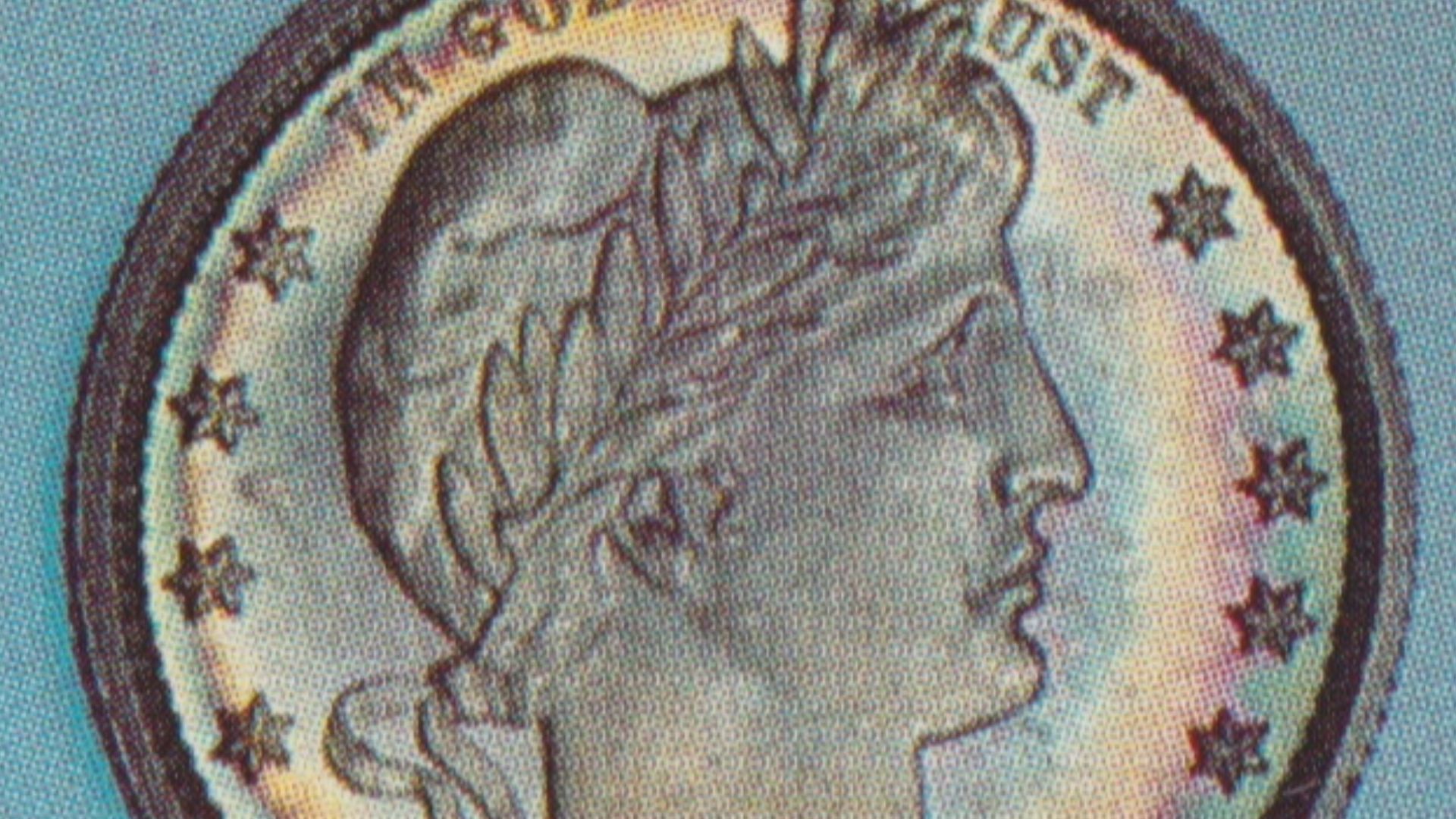 photographer from MTB, Wikimedia Commons
1901 S Barber Quarter
Scarcity defines this issue. Just 72,664 were struck, then pushed straight into heavy use. Losses piled up quickly. Today, collectors fight over survivors, with prices rising from a few thousand to well beyond $475,000 in pristine condition.
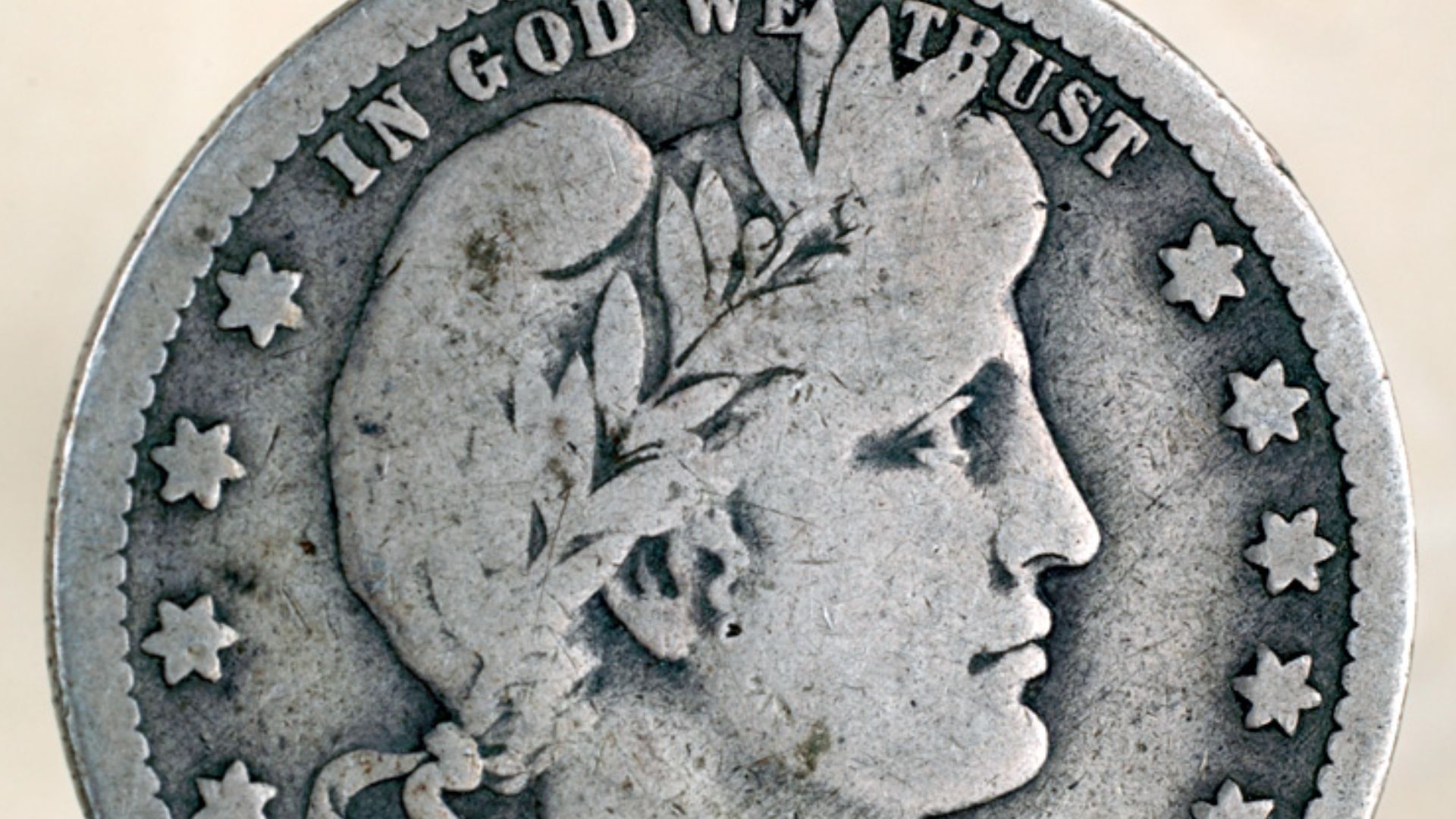 Philippe Giabbanelli, Wikimedia Commons
1913 S Barber Quarter
Final issues tend to attract attention, and this one earns it. Total output amounted to 40,000 coins before the design ended. Attrition was severe. Consequently, the remaining pieces trade from roughly $1,000 up to $145,000 as the condition improves.
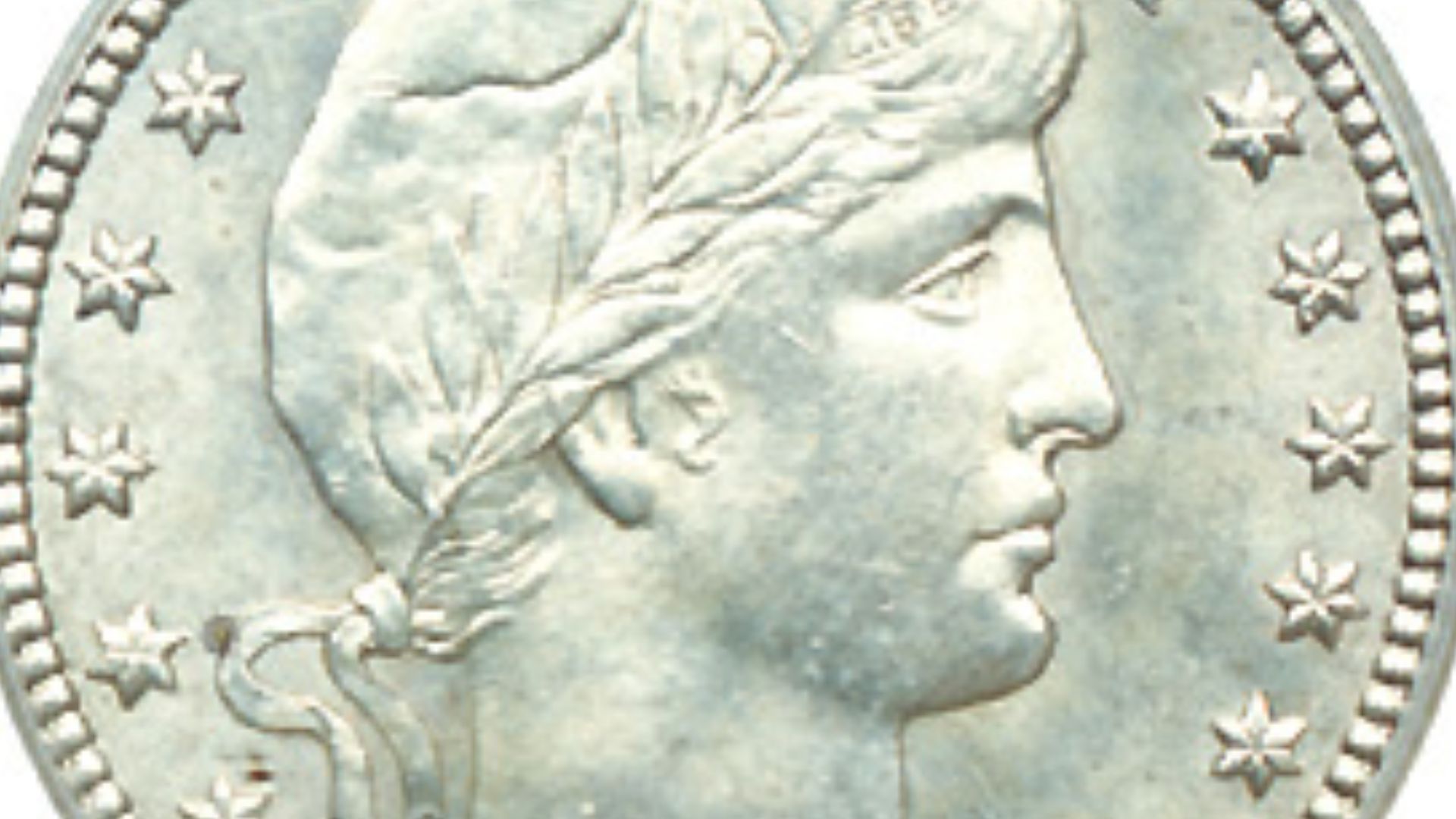 Unknown authorUnknown author, Wikimedia Commons
1916 Standing Liberty Quarter
Liberty debuted boldly in 1916, yet production stopped almost as soon as it began. Just 52,000 entered circulation before changes followed. Time did the rest. Survivors are few, and values now open near $3,000, climbing sharply in Mint State.
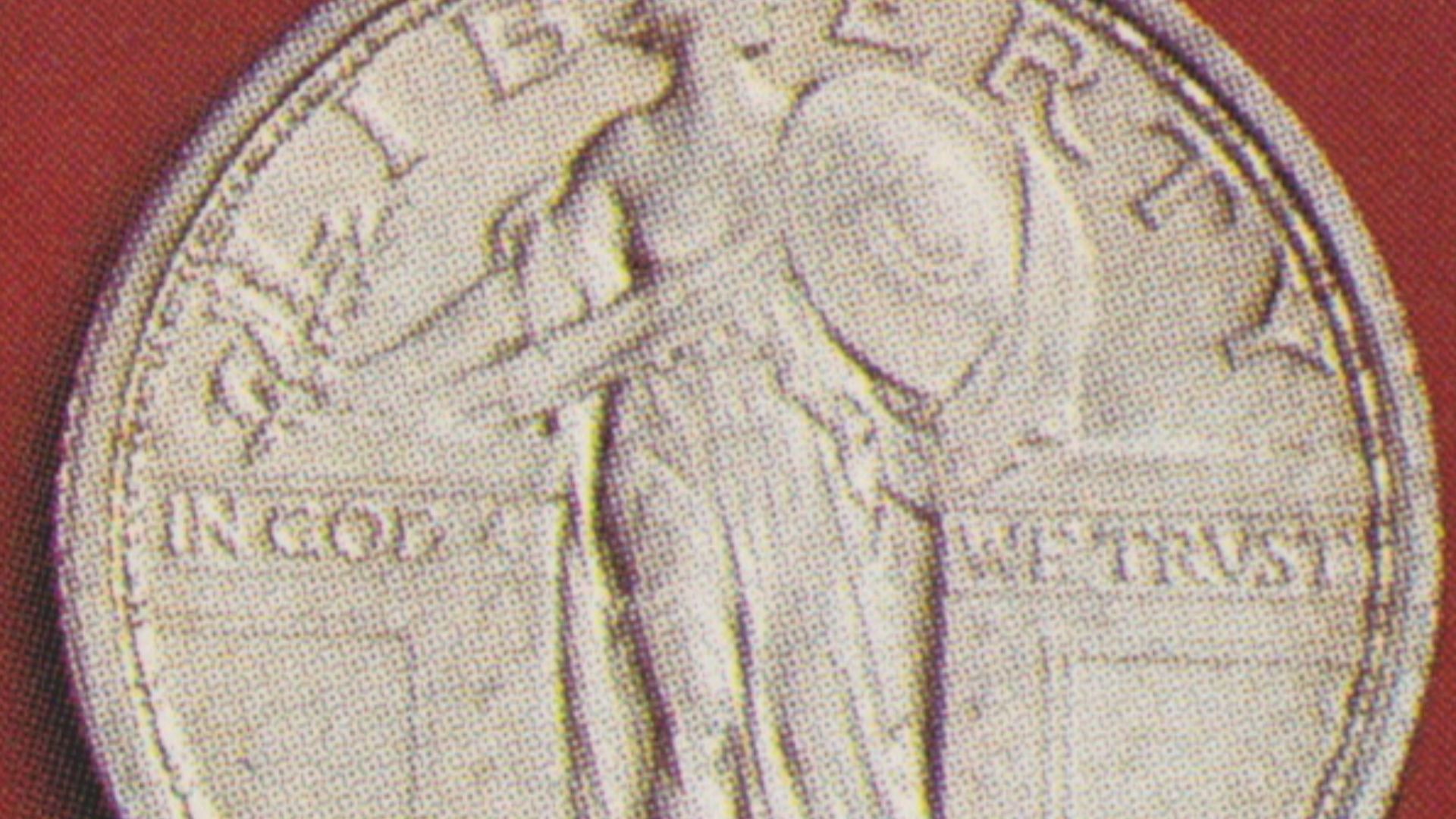 Unknown authorUnknown author, Wikimedia Commons
1932 D Washington Quarter
Depression era output fell hard. Denver struck only 436,800 quarters that year. Circulation claimed most of them. Collectors now treat this as a core key date, with higher grade examples pushing well past the $10,000 mark.
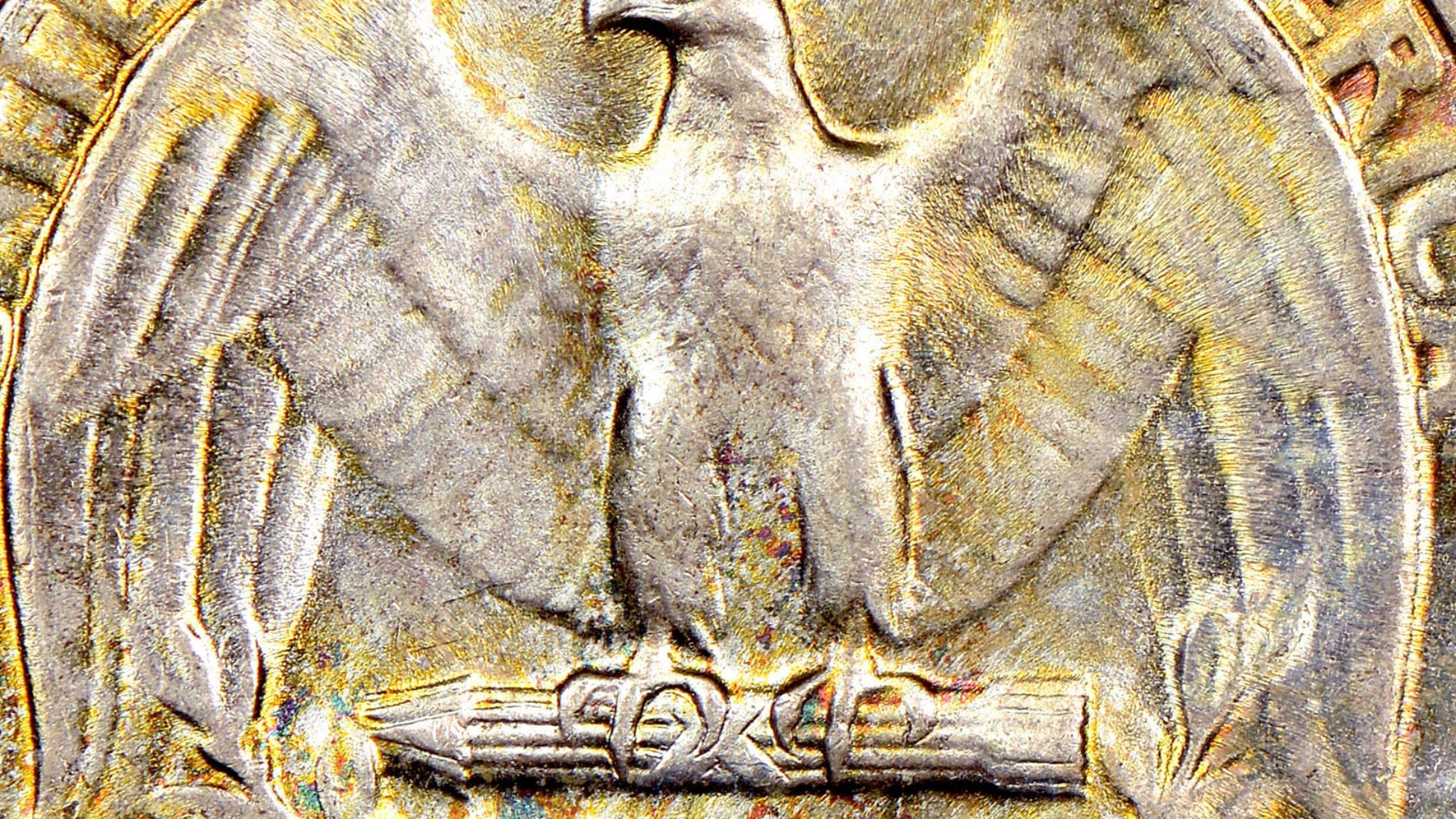 Numismatic Guaranty Corporation, Wikimedia Commons
1932 S Washington Quarter
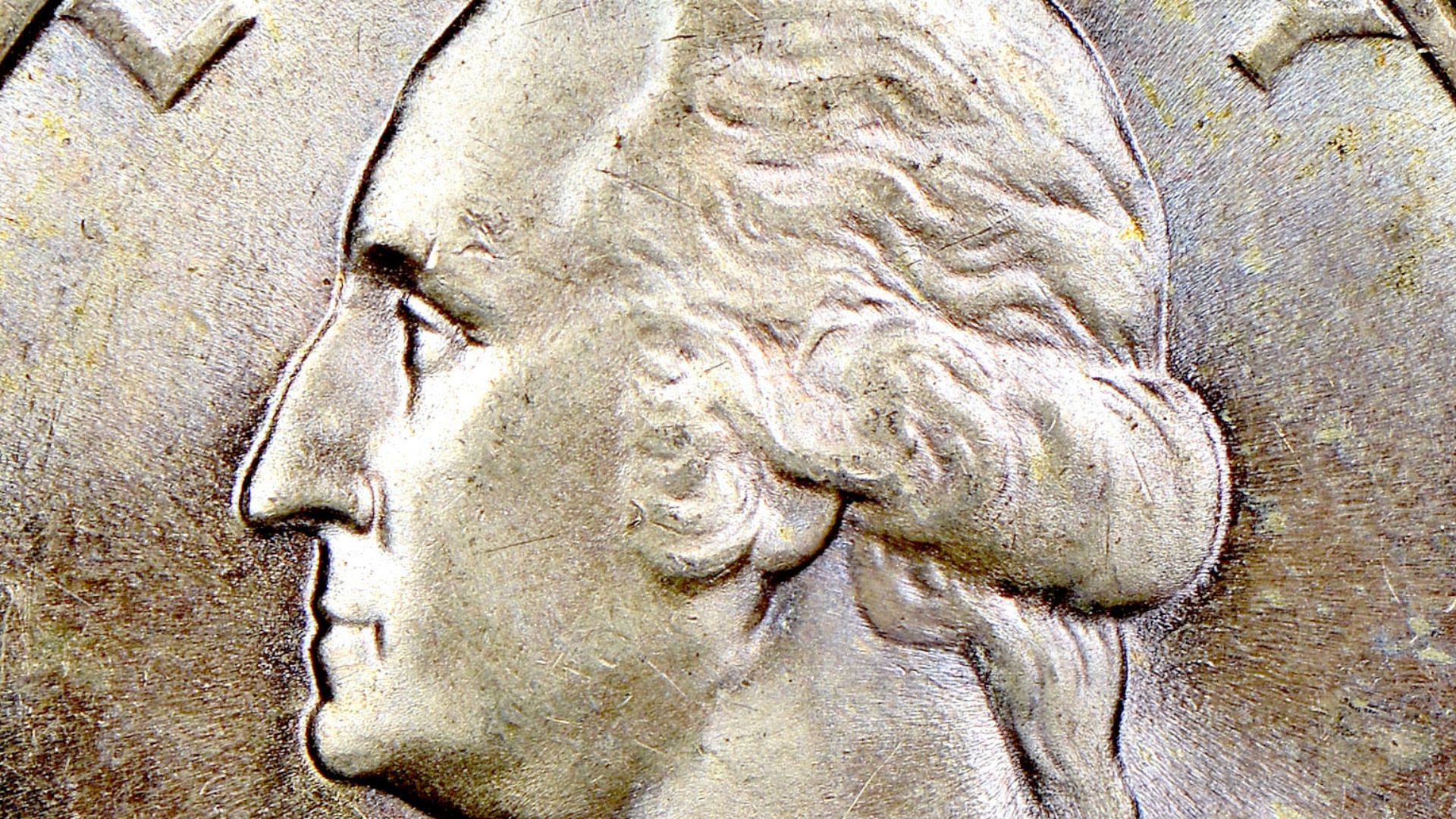
Bad timing turned this quarter into a star. San Francisco recorded a mintage of 408,000 during the Depression, then circulation chewed through most of them. Survivors stay scarce. Consequently, collectors now chase examples that range from four figures to several thousand in strong condition.
 Numismatic Guaranty Corporation, Wikimedia Commons
1943 P Washington Doubled Die Obverse Quarter
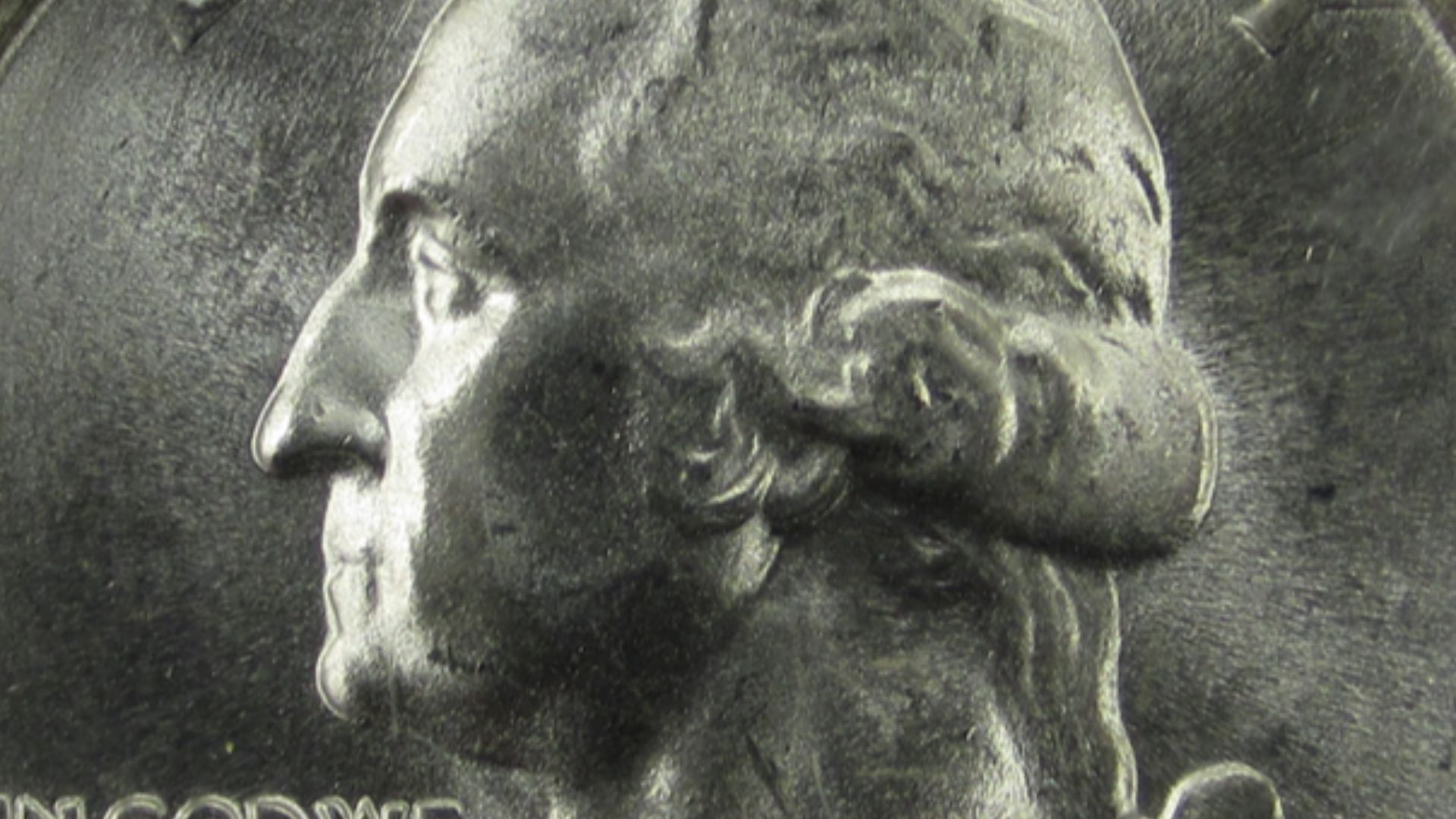
How does a common wartime quarter become collectible? A doubled obverse holds the answer. Die overuse created visible doubling that slipped past inspectors. Few noticed at the time. Authenticated pieces now trade in the hundreds, sometimes more, depending on clarity.
 Brandon Grossardt for the image; John Flanagan for the coin design., Wikimedia Commons
1964 D Washington Quarter
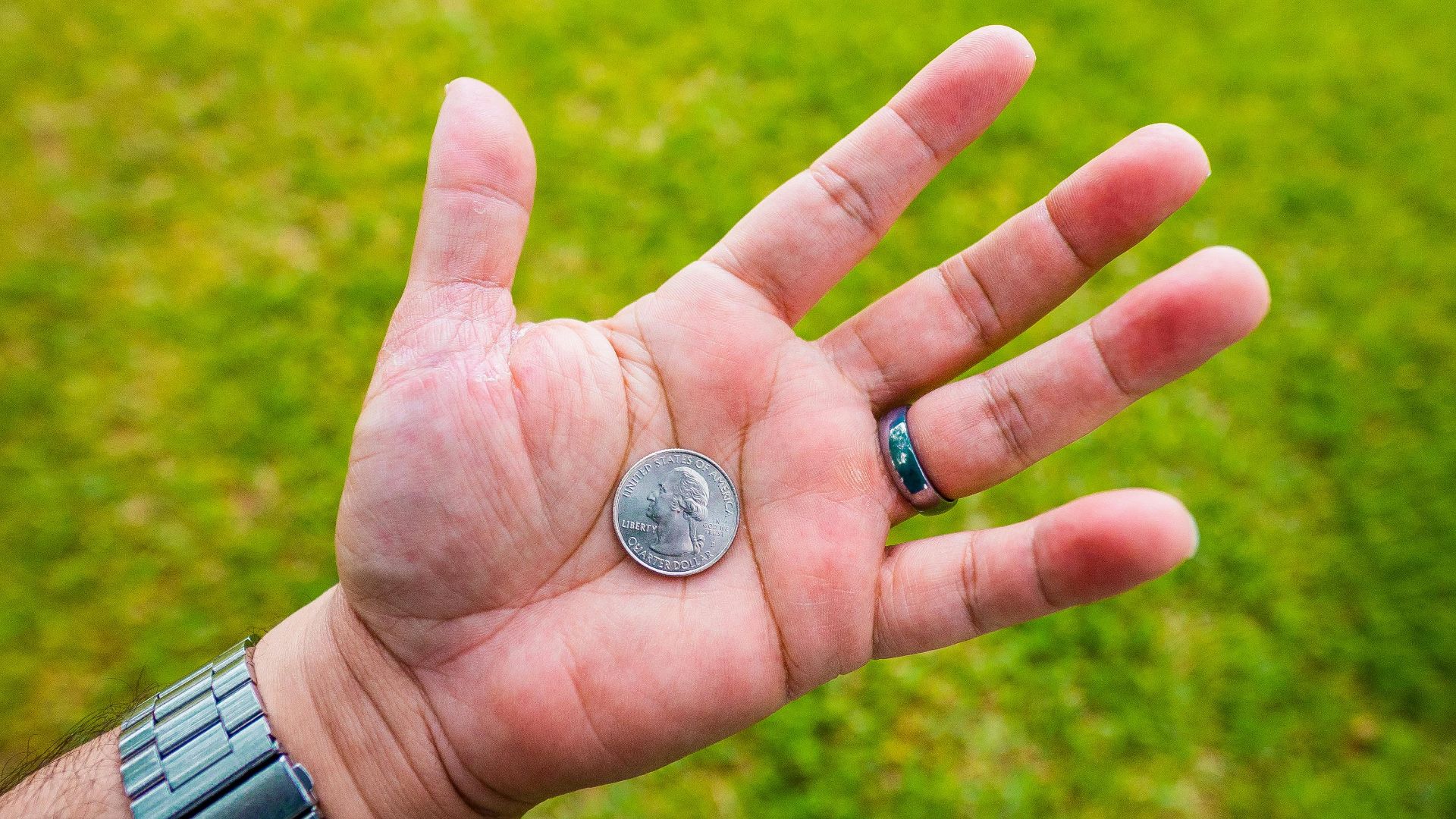
Think of this coin as a closing door. Massive production marked the final year of silver quarters, yet melting erased countless examples. High-grade survivors feel like echoes from another era. Today, top specimens sell far above melt, which rewards patience and careful preservation.
1970 S Proof Struck on Canadian Quarter
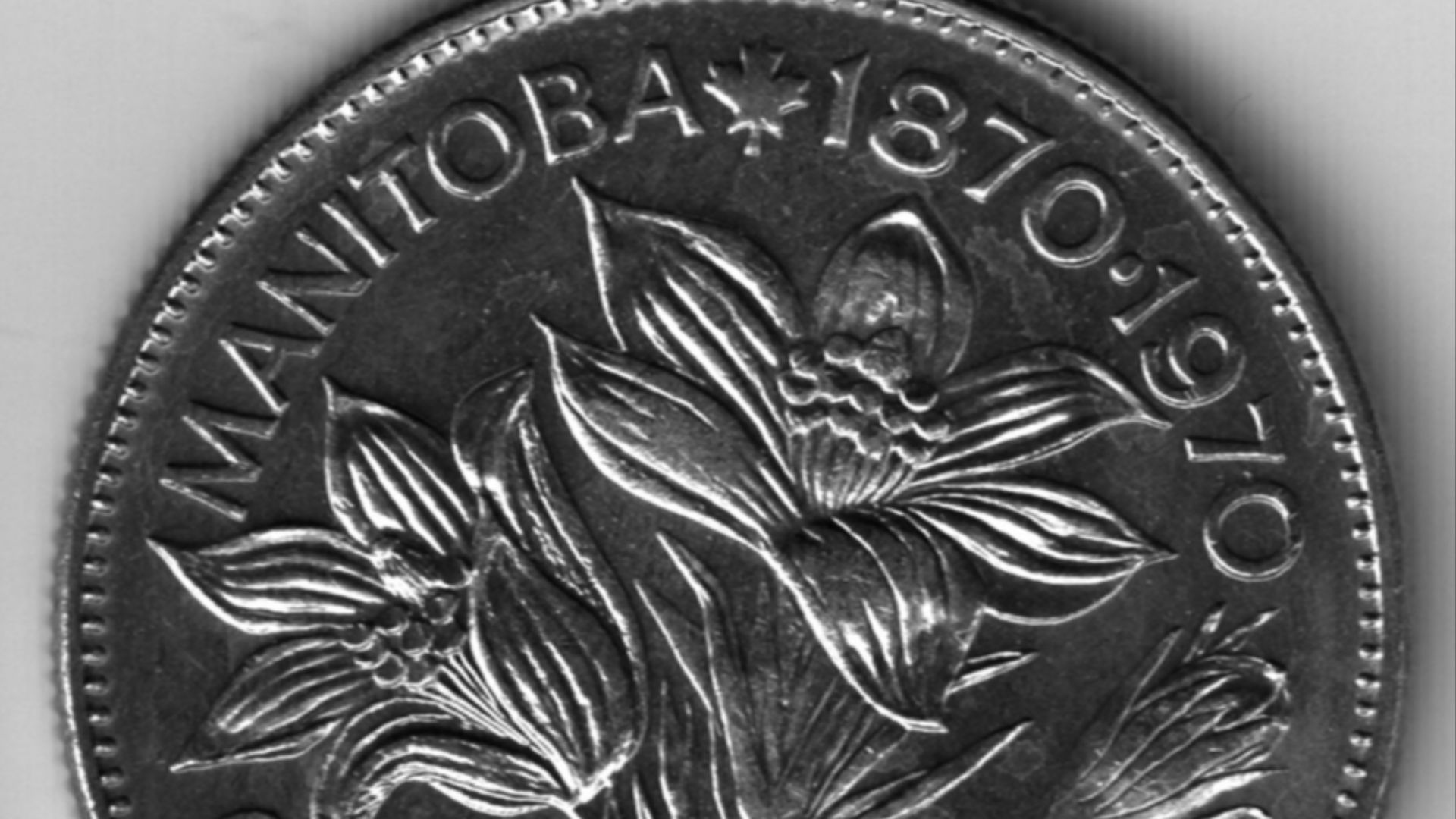
Mistakes can be charming. This proof landed on a 1941 Canadian quarter by accident, blending two countries into one oddity. Only two examples exist. Collectors also value the surprise factor by pushing prices from several thousand to well beyond that when demand heats up.
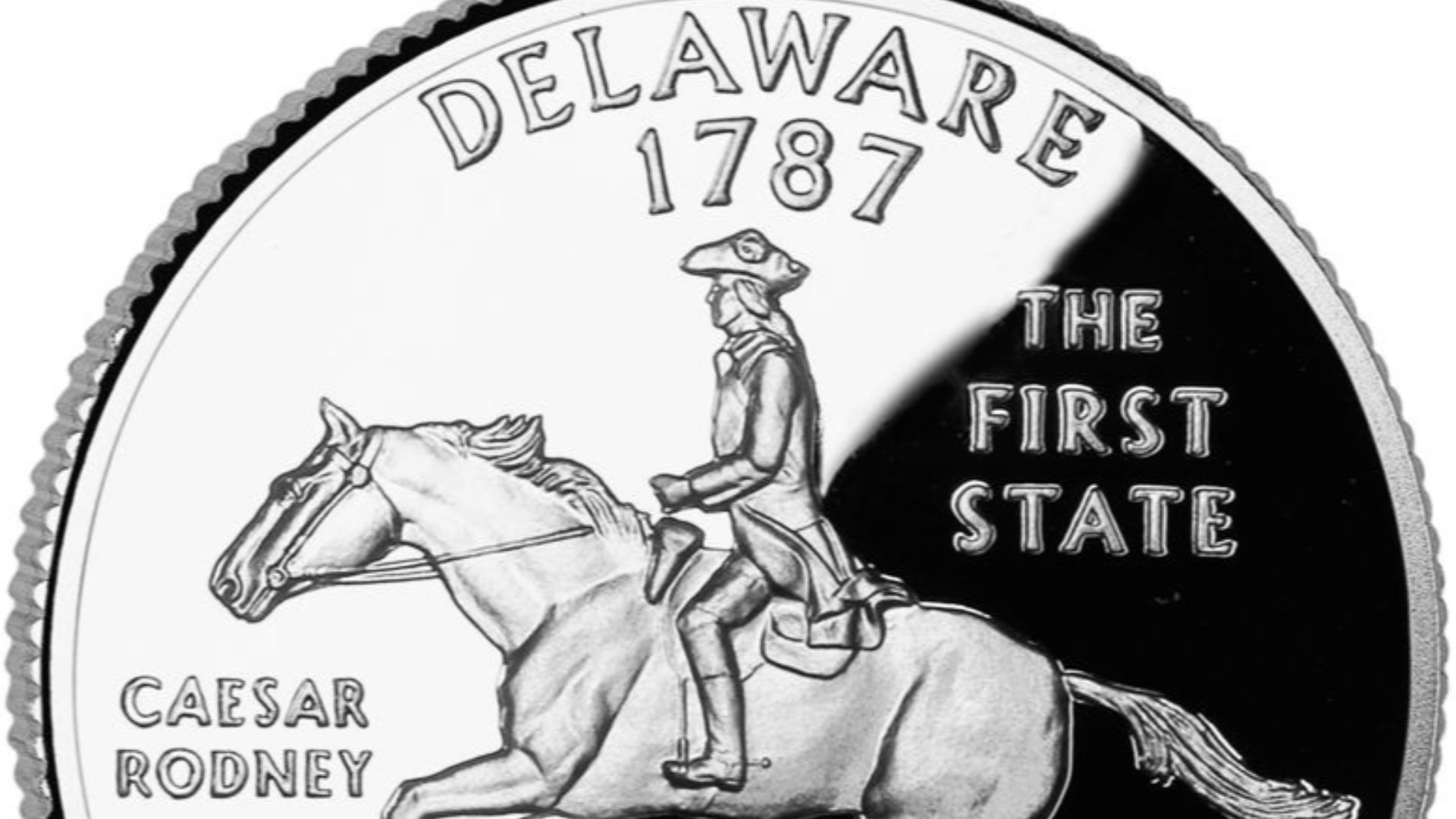
1999 P Delaware Spitting Horse Quarter
State quarters pulled everyone into the hunt, and this odd crack kept attention high. A die flaw appears to shoot from the horse’s mouth. Millions circulated, yet clear examples stayed scarce. Strong pieces now trade for hundreds, which proves pocket change sometimes punches above its weight.
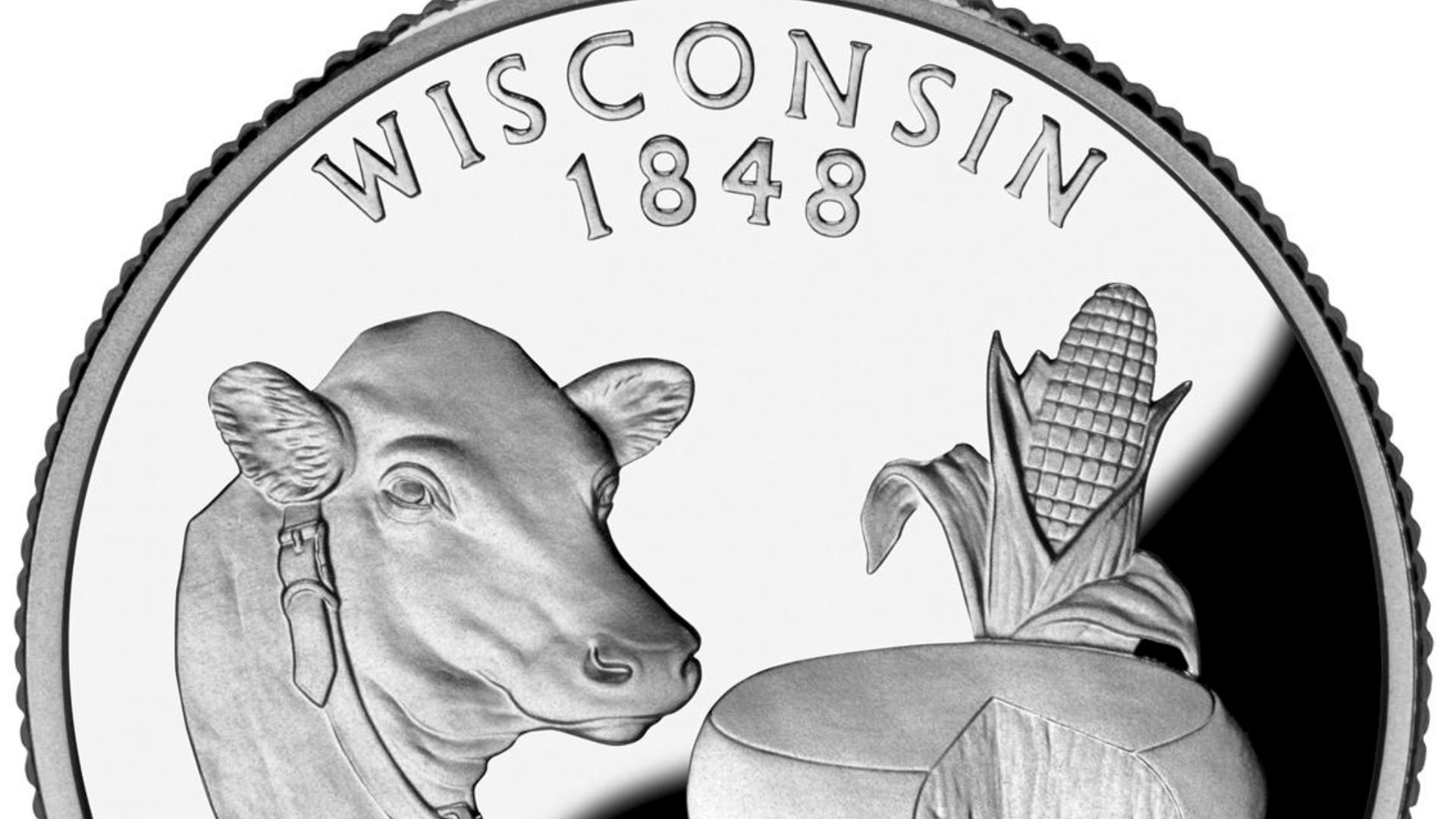
2004 D Wisconsin Extra Leaf Quarter
Two die varieties changed this quarter’s fate. An extra leaf appears on the corn husk, created by a gouge during die preparation. Detection stayed limited, and as a result, strong examples now sell for several hundred dollars, far beyond face value.
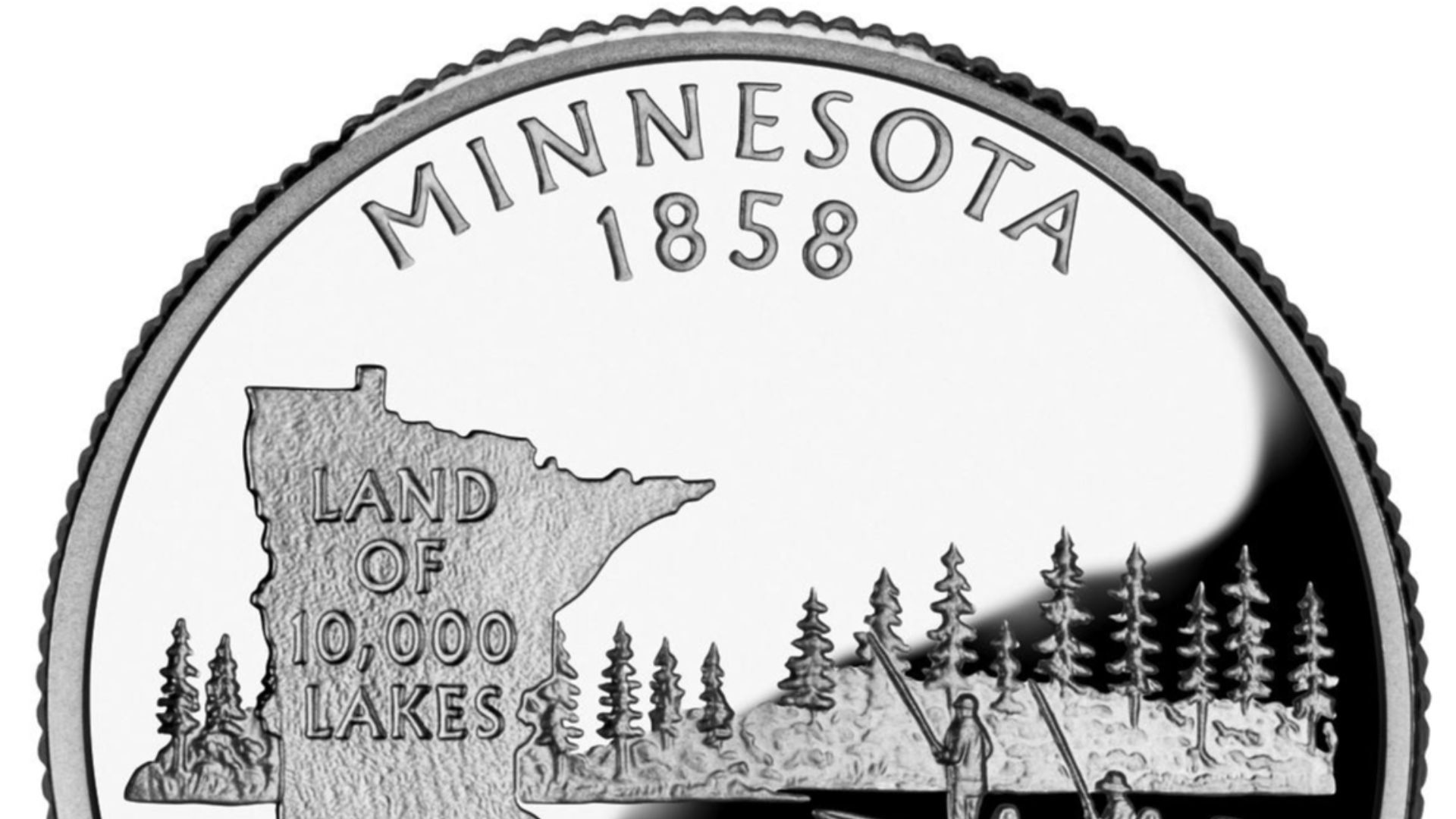
2005 P Minnesota Doubled Die Quarter
At first glance, the design feels familiar. Look closer, and extra trees emerge across the horizon. Multiple doubled die varieties surfaced quietly, then vanished into circulation. Today, the clearest examples pull surprising premiums from collectors who enjoy subtle finds.
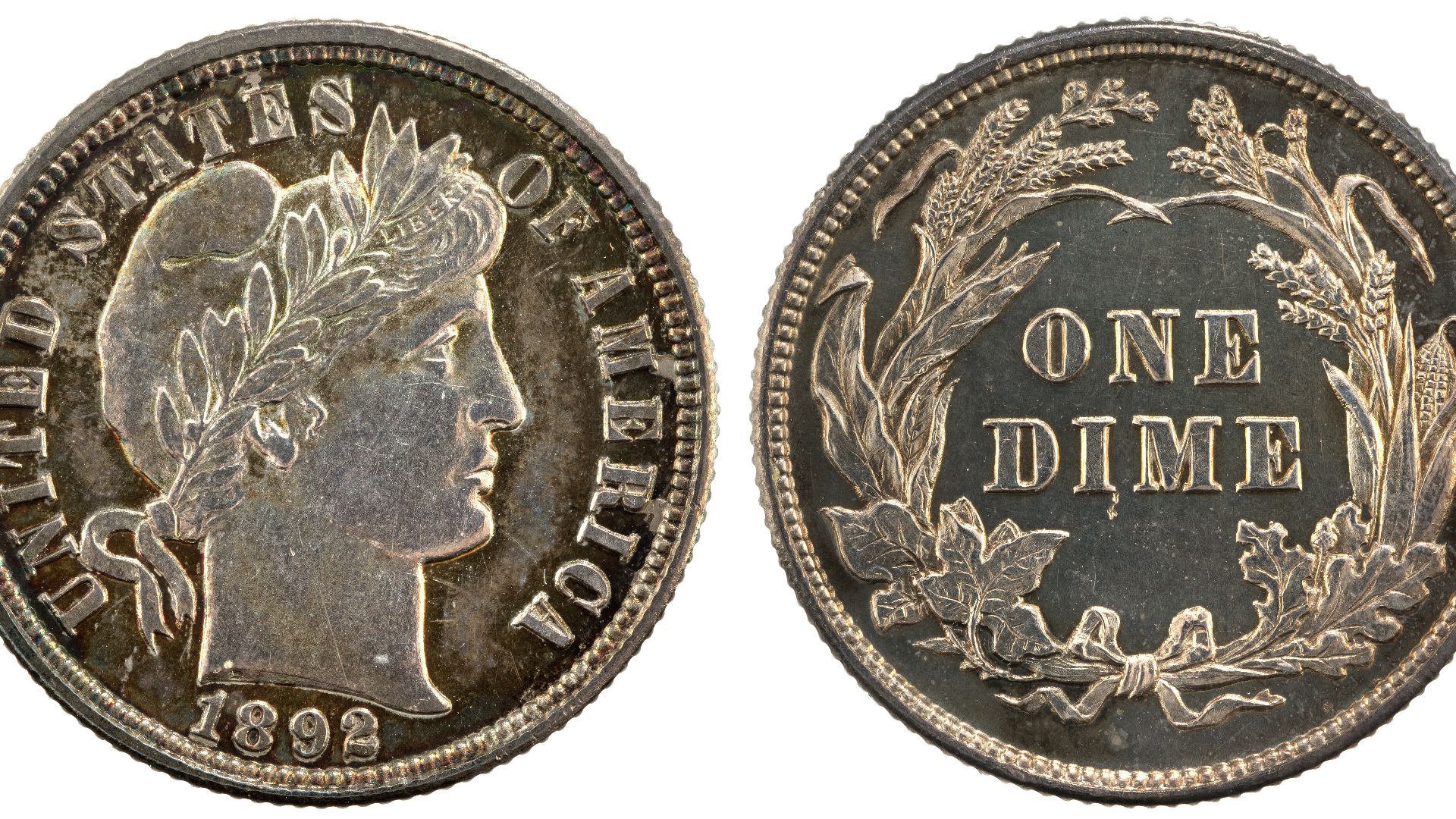
1892 Barber Quarter
First-year issues always test patience. Millions entered circulation, yet few escaped heavy use. High-grade survivors feel elusive by design. Consequently, collectors seeking a clean type coin often pay far more than expected for strong Mint State examples.
 US Mint (coin), National Numismatic Collection (photograph by Jaclyn Nash), Wikimedia Commons
1917 Standing Liberty Type One Quarter
Design changes split production midway through 1917. Early pieces lacked stars beneath the eagle and featured Liberty without armor. That version disappeared quickly. Survival rates remain lower than later issues, which explains steady demand and modest but reliable premiums.
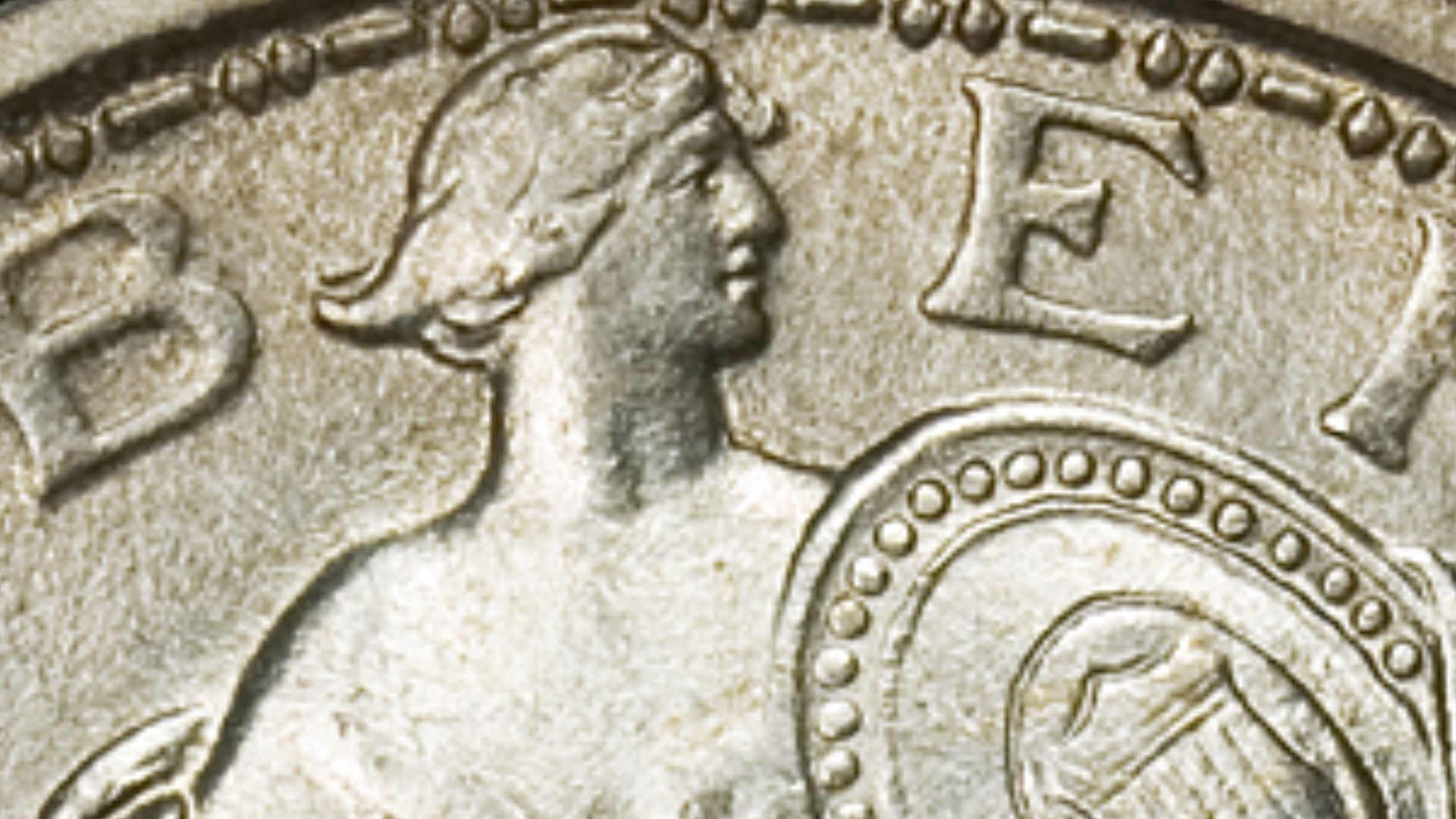
1927 S Standing Liberty Quarter
San Francisco output dropped sharply late in the series. Circulation finished the job. Few coins survived with full details, and collectors still feel that absence. Well-preserved examples now command strong prices, carrying echoes of the late twenties into the present.
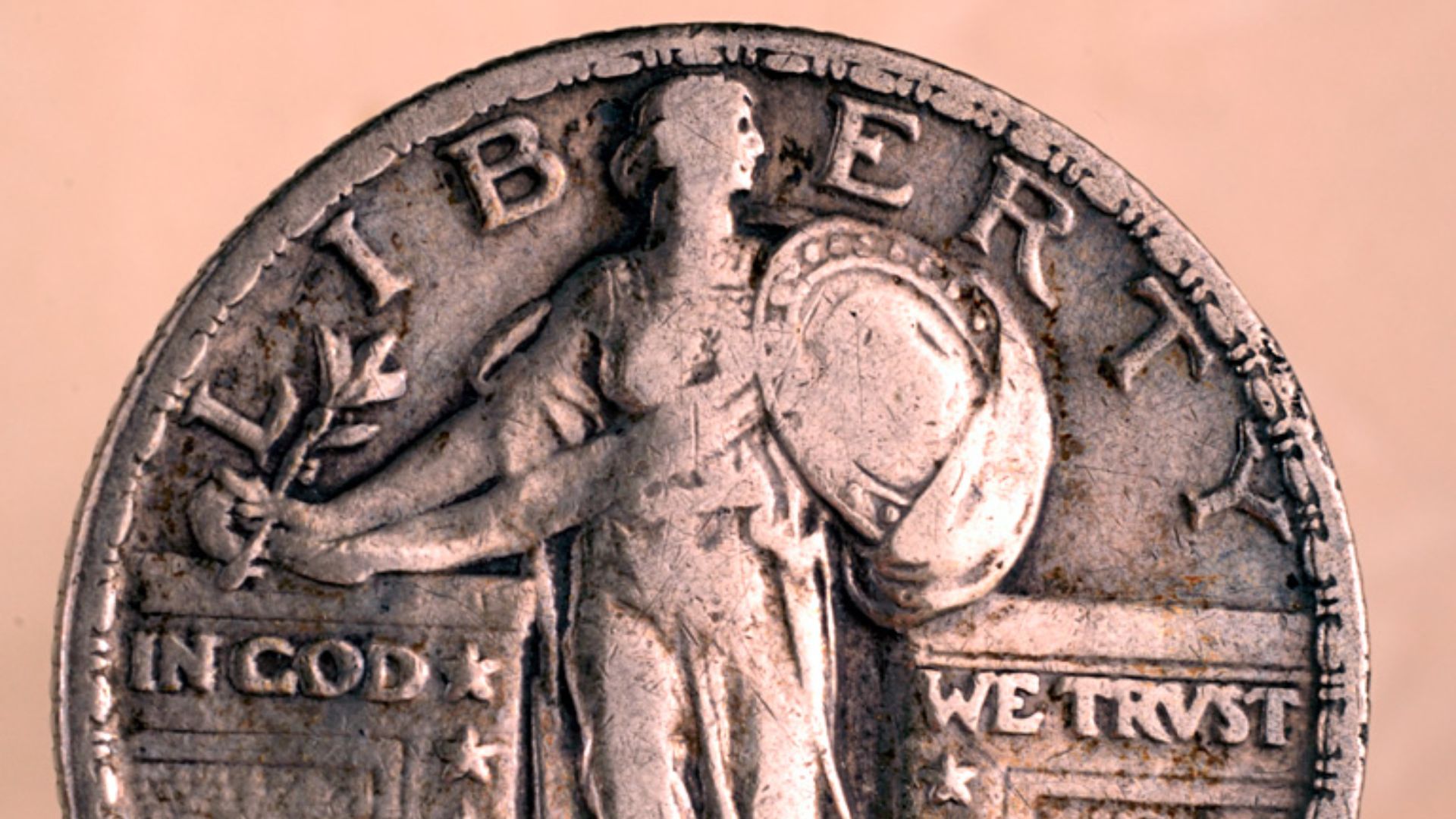 Philippe Giabbanelli, Wikimedia Commons
1936 D Washington Quarter
Denver output stayed modest at just over five million. Circulation handled the rest. Clean examples feel scarce today, especially with sharp details intact. Consequently, collectors pay noticeable premiums for higher grades, even though worn pieces still appear with some regularity.
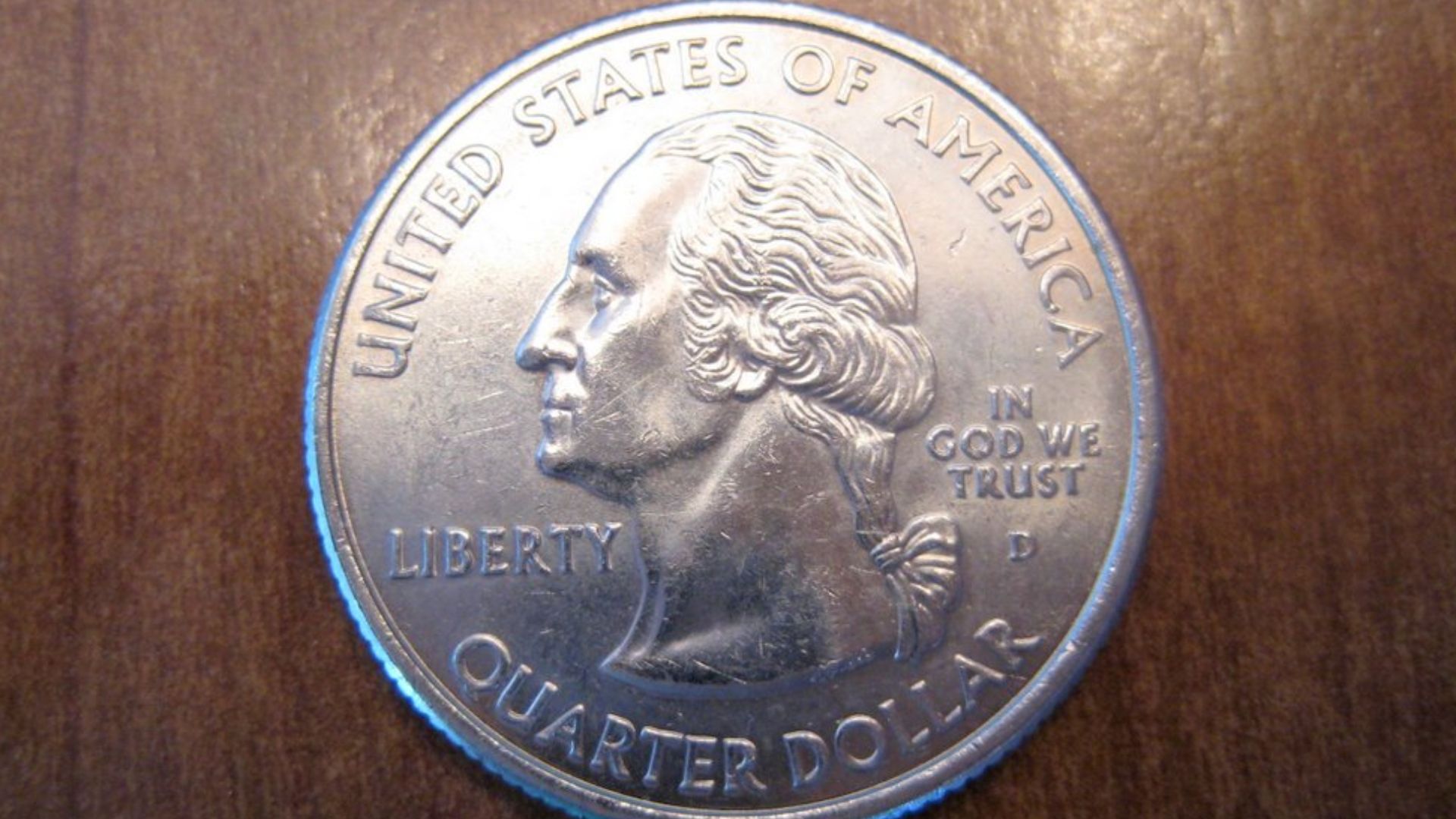 Laura from Lakeville, MN, Wikimedia Commons
1937 S Washington Quarter
Why does a relatively young coin feel elusive? San Francisco produced 1.65 million quarters that year, yet weak strikes and steady use thinned survivors. As grades rise, availability drops fast, pushing values well beyond expectations for a standard issue.
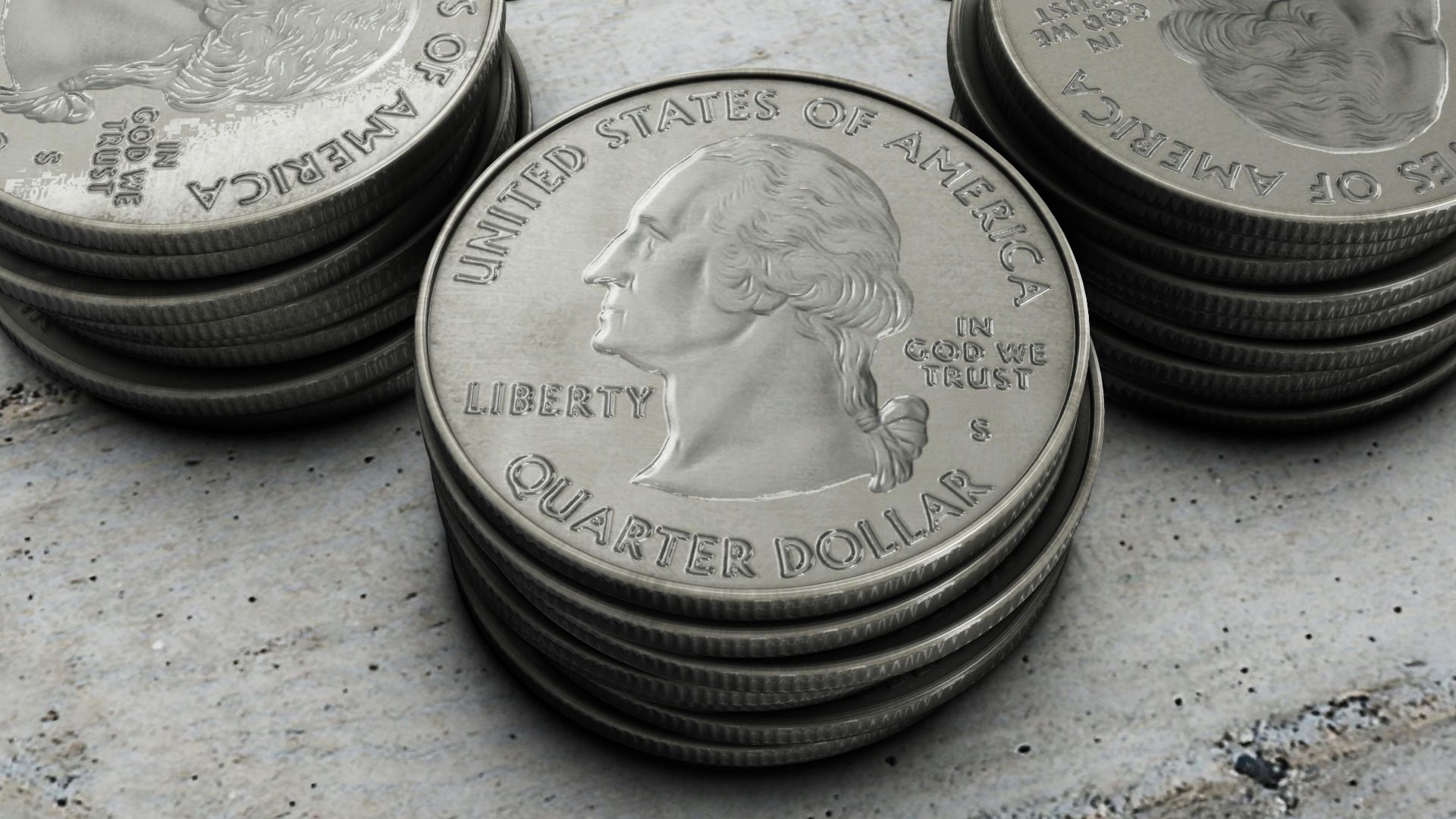
1955 D Washington Doubled Die Obverse Quarter
Postwar speed met imperfect quality control. Doubling crept onto the obverse, then slipped quietly into circulation. Few noticed. Today, that oversight delights collectors, since authenticated examples trade far above face value, even though the design looks ordinary at first glance.
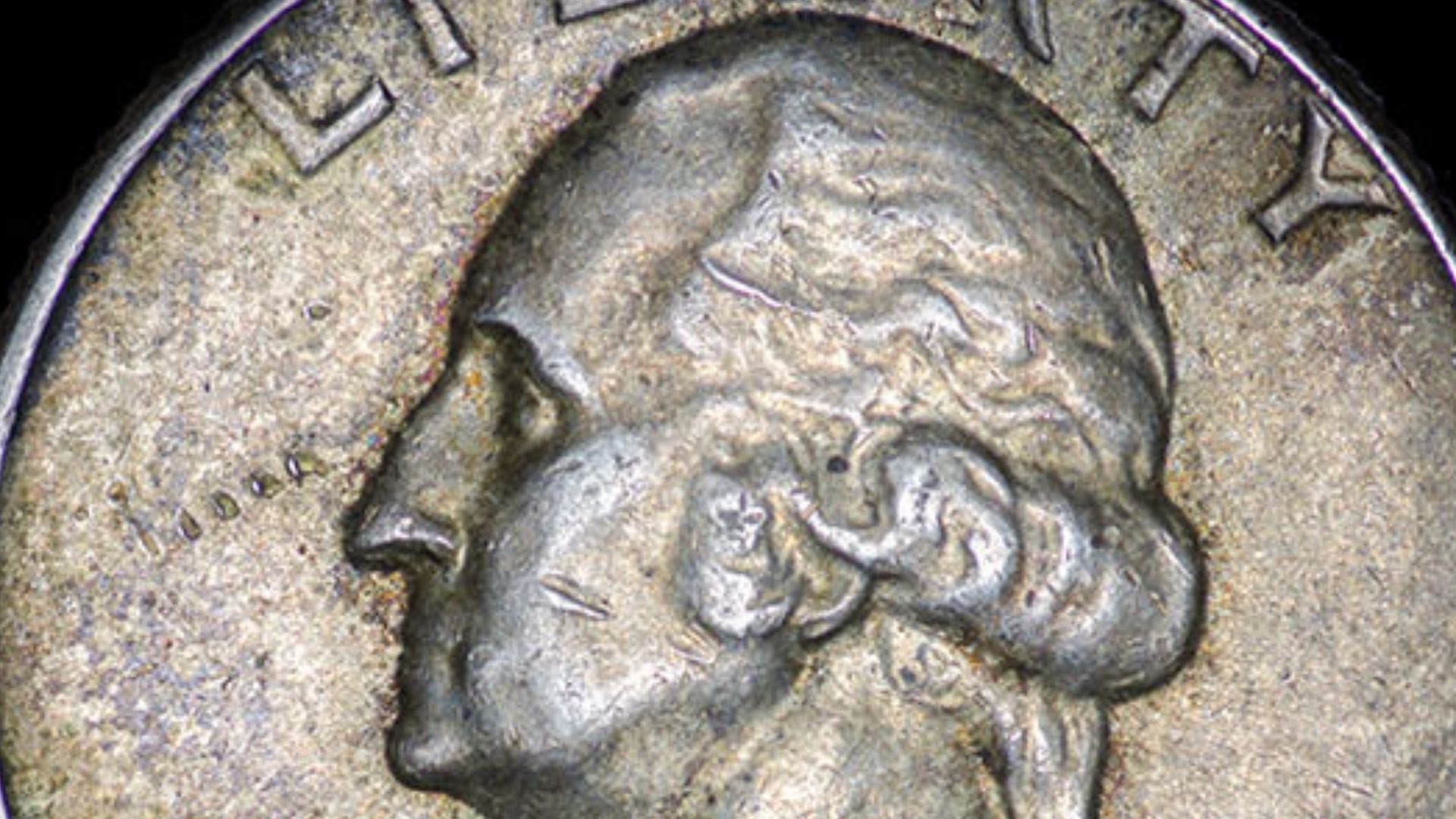 Angel M. Felicisimo from Merida, Espana, Wikimedia Commons
1965 Washington Quarter On Silver Planchet
A metal change caused confusion inside the Mint. One silver blank found its way under a 1965 die. Almost none survived. Known vintage examples now command five-figure prices, capturing a brief moment when two eras collided unexpectedly.
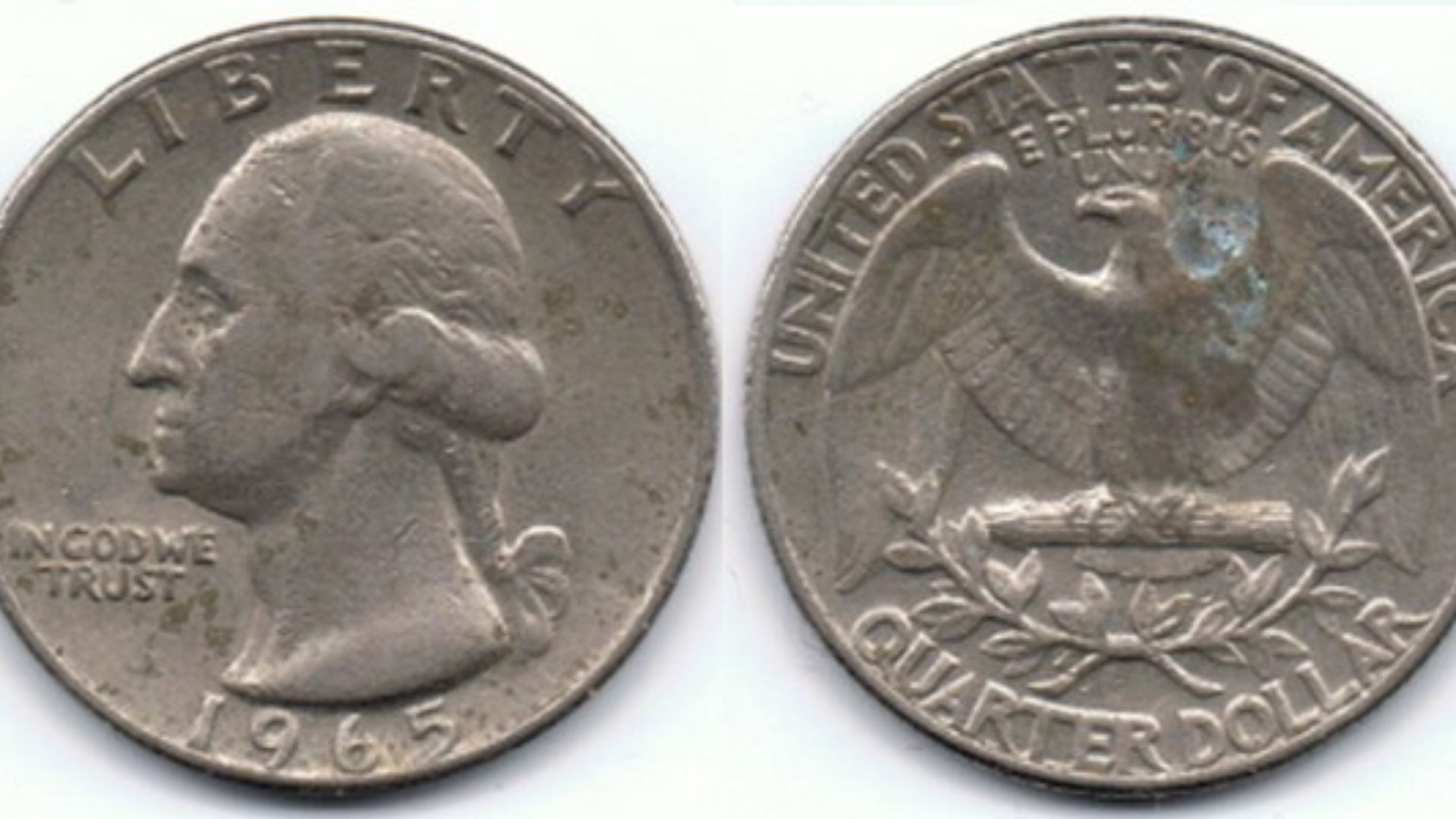 Nicholas Gemini, Wikimedia Commons
1996 W Washington Quarter
Most people never saw this quarter in pocket change. Distributed through anniversary sets, the West Point mintmark stayed hidden for years. Once discovered, demand followed quickly. Today, uncirculated examples sell comfortably above face value, especially with strong surfaces.
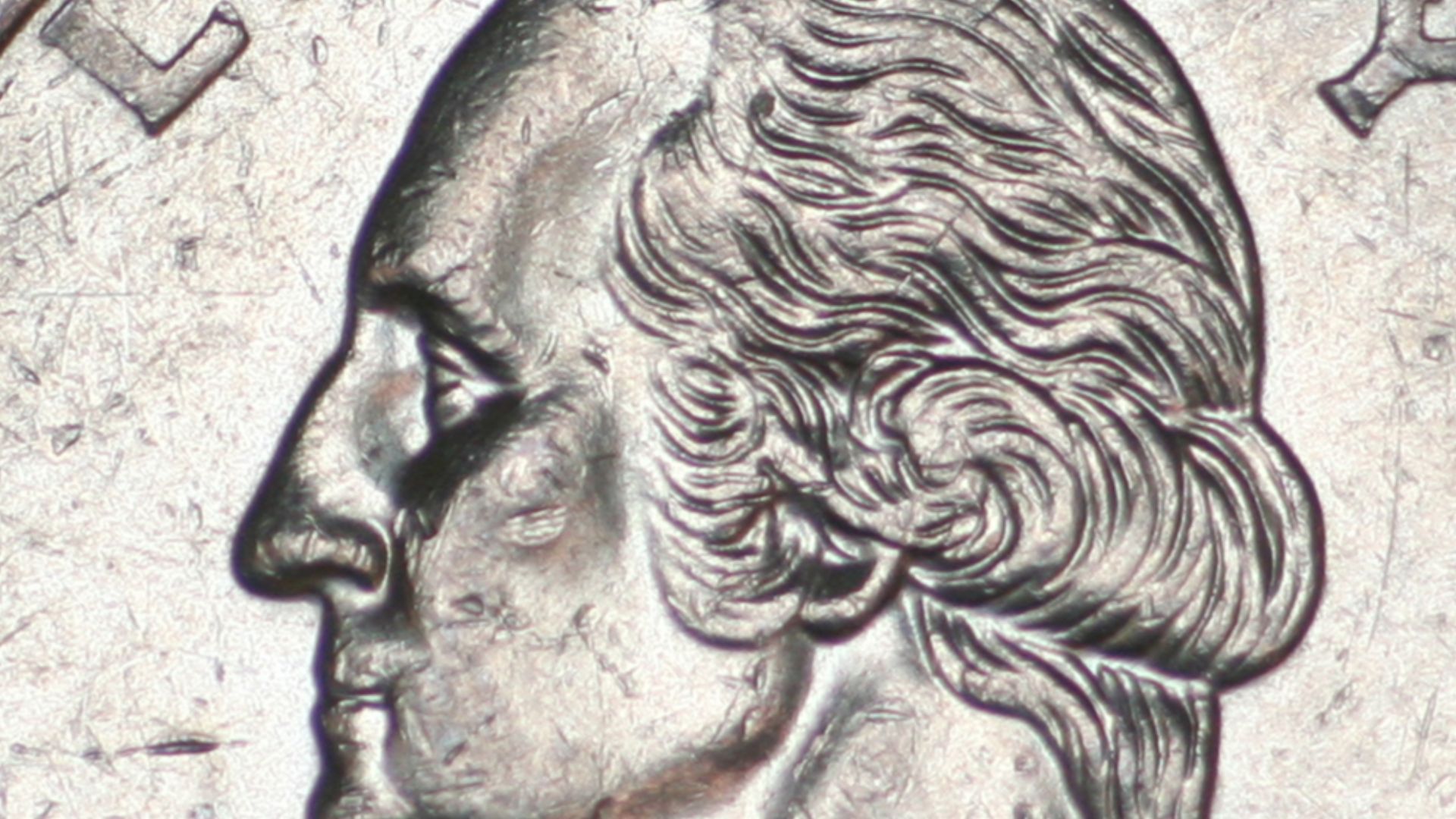 Matthias from Seattle, WA, US, Wikimedia Commons