
When The Numbers Don't Add Up Anymore
You think you’ve planned it all out, but retirement has a way of surprising you. Small habits and everyday choices can quietly drain savings. Some leaks are slow, others sudden—but together they chip away at the comfort you worked for.

Buying Expensive Luxury Vehicles
That dream “retirement reward” vehicle looks great at first. However, insurance, maintenance, and rapid depreciation start draining savings almost immediately. Luxury cars shed value fast, and the retiree who buys one ends up watching cash disappear even faster.

Paying High Investment Advisory Fees
Plenty of retirees assume pricey advisors magically deliver better returns, but those fees quietly nibble away at the money meant for actual living. The worst part is that many fees are actually negotiable. And no, higher costs don’t automatically mean wiser guidance, just a lighter wallet.

Ignoring Senior Discounts Everywhere
All it takes is one question—“Got a senior discount?”—yet most retirees skip it like it’s optional. Stores, restaurants, and even airlines have hidden deals they never advertise. Ask, and you save. Don’t ask, and you’re basically tipping the universe for no reason.

Neglecting Exercise And Healthy Eating
Skipping fitness and nutrition may seem minor, but the costs surface quickly. Poor habits trigger medical bills Medicare won’t cover, while staying active boosts energy for family and helps avoid surprise expenses that quietly drain retirement savings.

Unnecessary Home Remodeling Projects
One “harmless” upgrade can snowball into half the house getting redone, usually for no real improvement in daily life. DIY attempts can also backfire fast. Fixing mistakes costs more than hiring pros, which turns a fun project into a savings-draining side quest.

Financially Supporting Adult Children
The heart says, “help them,” yet the calculator screams, “please don’t”. Gifts and loans often never come back, and grown kids moving home only raises household costs. Retirement security doesn’t stand a chance when support continues long after the final paycheck.

Carrying Credit-Card Debt
High-interest debt hits harder when the income is fixed, and every monthly statement feels heavier than the last. As the balance grows, the stress grows right along with it and quietly shrinks savings. Credit-card companies love lifelong interest payers, while your retirement budget absolutely does not.

Owning Multiple Cars
After retirement, having more than one car often feels unnecessary. Insurance, registration, and upkeep keep draining money even when those vehicles barely move. Letting them sit around is like paying for parking you don’t need, slowly eating into savings.

Falling For Scams And Fraud
Scammers treat retirees like their best potential customers. They disguise themselves as banks, Medicare, or friendly “experts” to offer fake guarantees and too-good-to-be-true investments. One wrong click or call can erase decades of disciplined saving, well, no magic undo button included.

Investing In Overly Aggressive Stocks
High-risk investing feels exciting… until the market dips and the recovery window is tiny. Retirees have less time to bounce back, which makes aggressive stock choices a gamble. Balanced portfolios may not be thrilling, yet they definitely help people sleep better.

Refusing To Downsize The Family Home
Though the old family house feels comforting, the bills don’t share that sentiment. Bigger homes drag in higher taxes and endless maintenance. Downsizing frees real cash and cuts chores, yet sentimental ties keep many retirees paying for space they don’t actually use anymore.

Moving To A Larger, Costlier House
Every now and then, a retiree imagines a fresh start in a bigger place. Still, upsizing brings heavier mortgages and more upkeep than expected. Those extra costs pile up fast. Many realize too late that the “dream home” is really a savings vacuum.

Shopping Impulsively As A Hobby
Extra free time can send retirees into “why not?” shopping mode. Small purchases snowball into real spending fast, especially when boredom meets an easy checkout button. Online stores make buying instant, turning harmless browsing into a quiet drain on money meant for long-term comfort.

Taking Up Expensive New Hobbies
Hobbies are great until the price tag is bigger than the fun. Golf fees, boating costs, and other luxury pastimes can blow past any budget. When expenses spin out of control, savings shrink instead of supporting the lifestyle those hobbies were supposed to enhance.

Keeping Unneeded Life Insurance Policies
Some retirees hang on to life insurance for peace of mind, even when the coverage isn’t needed anymore. Premiums keep draining a fixed income and taking money from actual priorities. Many don’t realize certain policies can even be sold for cash through life settlements.

Overpaying For Car Or Home Insurance
Insurance policies left untouched for years quietly cost more than they should. Retirees stay loyal to the same insurer and forget to compare prices or update coverage. Over-insuring becomes an invisible money leak. Discounts and bundling can help, if anyone bothers to check.

Giving Too Much To Charity Impulsively
A touching story can push retirees into donating more than they planned. Impulsive giving feels good in the moment, but strains a retirement budget fast. You should always set up planned giving to keep donations steady without overspending, while still supporting causes that matter.

Maintaining A Second Or Vacation Home
It’s easy to picture yourself enjoying a quiet getaway; however, vacation homes come with their own agenda. They demand taxes and year-round upkeep, even when no one is there. What starts as a relaxing retreat can quietly shift into double responsibilities.

Claiming Social Security At Age 62
It’s tempting to start benefits right at 62, but those early payments stay smaller forever. Since Social Security lasts for life, the timing matters—a later start often means more monthly income and greater financial comfort throughout retirement.

Missing Spousal Social Security Strategies
Although couples can boost total income just by coordinating when each spouse claims benefits, many overlook these strategies. Spousal and survivor benefits help most when one partner has spent years at home. Missing them means leaving real money behind that could’ve stretched retirement dollars further.

Skipping Medicare Supplement Plans
That first round of medical bills surprises a lot of retirees who assume Medicare covers the whole menu. Copays, deductibles, dental visits, and vision costs slide right into the budget. Supplement plans help plug those gaps, each with different perks.

Dining Out Multiple Times Per Week
A retiree might spend the week savoring dinners out, only to realize later that the receipts tell a different story. Frequent restaurant meals turn into a stealth expense. Home cooking and community programs stretch money further. Still, the simple pleasure of eating out keeps the habit hard to break.

Overpaying Taxes On Withdrawals
Pulling money from the wrong account—or too much at once—comes with a tax bill that surprises plenty of retirees. Different accounts follow different rules, and one large withdrawal can shove you into a higher bracket. Smart, tax-efficient strategies help savings last instead of disappearing into unexpected payments.

Never Rebalancing The Investment Portfolio
Markets move constantly, and your portfolio moves right along with them. Skip rebalancing long enough, and you end up holding more risk or less growth than you ever intended. Although automated tools can help, a simple yearly check-in keeps your investments from drifting off-course.

Cashing Out Pensions As Lump Sums
That big one-time payout looks exciting, but lump sums tend to disappear faster than retirees expect. Spending speeds up, taxes kick in if the money isn’t rolled over correctly, and long-term needs get ignored. Pension annuities, meanwhile, deliver a steady income and keep the budget far more predictable.

Starting A Money-Losing Business
Retirement inspires all kinds of passion projects. Well, turning hobbies into businesses doesn’t always mean turning profits. New ventures carry real risk, and when income doesn’t show up, savings vanish fast. Enthusiasm alone can’t cover losses.

Chasing Cryptocurrency Or Meme Stocks
Fast-money trends lure plenty of retirees into risky territory. Cryptocurrency trades every minute of the day, and meme stocks rise and fall in dramatic bursts. It only takes one poorly timed decision to lose real money. Therefore, long-term, stable investments tend to protect retirement income better.

Underestimating Future Inflation
Prices start creeping up slowly, then suddenly everything costs more than you remember. Utilities, travel, and especially healthcare all feel the squeeze. Inflation quietly chips away at purchasing power until budgets tighten year after year. Without planning for rising costs, savings run short long before retirees expect them to.

Not Doing Comparison-Shopping For Anything
Everyday expenses stretch a retirement budget, and paying the first price you see only squeezes it further. Whether it’s groceries, repairs, or basic services, comparing options usually reveals better deals. A little price-checking can protect your savings, yet plenty of retirees overlook this easy opportunity.

Missing Available Tax Deductions
Tax season hides money in plain sight for retirees who don’t review their expenses closely. Medical costs and property taxes often qualify for deductions. With tax laws changing regularly, staying updated helps you keep more hard-earned savings where they belong.
 Volodymyr Hryshchenko, Unsplash
Paying For Unused Club Memberships
Club memberships feel worthwhile at first, but interest fades while the fees remain. Retirees sometimes forget to cancel, letting money disappear month after month. Social reasons may have inspired the sign-up, yet reviewing memberships each year helps remove costs that no longer match how they spend their time.

Buying From High-Pressure Sales Pitches
Free lunches and flashy presentations can be surprisingly persuasive. High-pressure sales tactics push retirees toward timeshares, annuities, and other expensive products they don’t really need. Taking a step back before deciding helps avoid costly regrets and keeps savings away from impulse-driven commitments.

Keeping Full Cable TV Packages
Cable bundles linger long after people stop watching most of the channels. Many retirees stick with old packages out of habit, even though cheaper streaming options offer nearly identical entertainment. Those monthly costs add up quietly and become yet another avoidable drain on retirement money.

Taking Luxury Vacations Without Budgeting
Dream vacations look irresistible, but international trips and high-end resorts get expensive fast without a plan. Travel costs fluctuate, and retirees who skip budgeting always overspend before they realize it. Though rewards points can help, skipping discounts or deals turns a great trip into a pricey surprise.

Paying For Disability Insurance Post-Retirement
Disability insurance is great until you’re no longer working. Then it just becomes a bill that hangs around out of habit. Many retirees pay premiums for coverage they can’t even use. Canceling it plugs an easy leak and puts that money back where it belongs.

Refusing To Adjust Pre-Retirement Lifestyle
Some retirees glide into retirement as if the paycheck never stopped, keeping the same habits, hobbies, and spending pace. The math, unfortunately, has other plans. Savings drain faster, and fun future priorities get squeezed out. A fresh budget helps, but only if you’re willing to actually use it.

Unused Subscriptions And Memberships
Subscriptions have a talent for disappearing into the background while your money doesn’t. Many retirees continue paying for services they haven’t used in ages. One honest bank-statement check is usually all it takes to shut down the leaks and reclaim the cash.
 Mike van Schoonderwalt, Pexels
Frequently Upgrading Tech Gadgets
A retiree might spot a shiny new device and think, “Why not?” The funny thing is, older gadgets usually handle email, photos, video chats, and browsing without any trouble. Most daily routines don’t require the latest upgrade at all.

Skipping Preventive Medical Checkups
You may shrug off minor issues or strange aches, and routine checkups slowly fall off the radar. Medicare and supplement plans usually take care of those preventive visits to save you trouble in the long run. When those visits are skipped, medical problems grow until they turn into expensive treatments.

Giving Away Inheritance Money Early
It feels great to help family now, but giving out future inheritance too early can backfire in a big way. If unexpected expenses show up later, retirees are the ones left scrambling. Large early gifts drain savings quickly and make it harder to stay flexible when life changes.

Taking High-Interest Personal Loans
Fast loans look convenient, but steep interest rates make them costly for retirees on fixed incomes. Repayments eat into savings every month, shrinking money needed for essentials. Credit unions sometimes offer lower rates, though many retirees commit to expensive loans before comparing options and end up paying far more.

Booking Travel At Peak Prices
Holiday trips and peak-season vacations come with inflated price tags. Retirees who book without comparing dates or deals pay much more than necessary. Off-season travel stretches budgets further, yet many still choose high-demand periods and overspend before realizing how quickly the costs cut into their savings.

Staying 100% In Old Employer Stock
Holding only employer stock leaves retirees exposed to a single company’s fortunes. If that business underperforms, savings can collapse. Diversifying across stocks, bonds, and even real estate spreads risk and protects the portfolio.

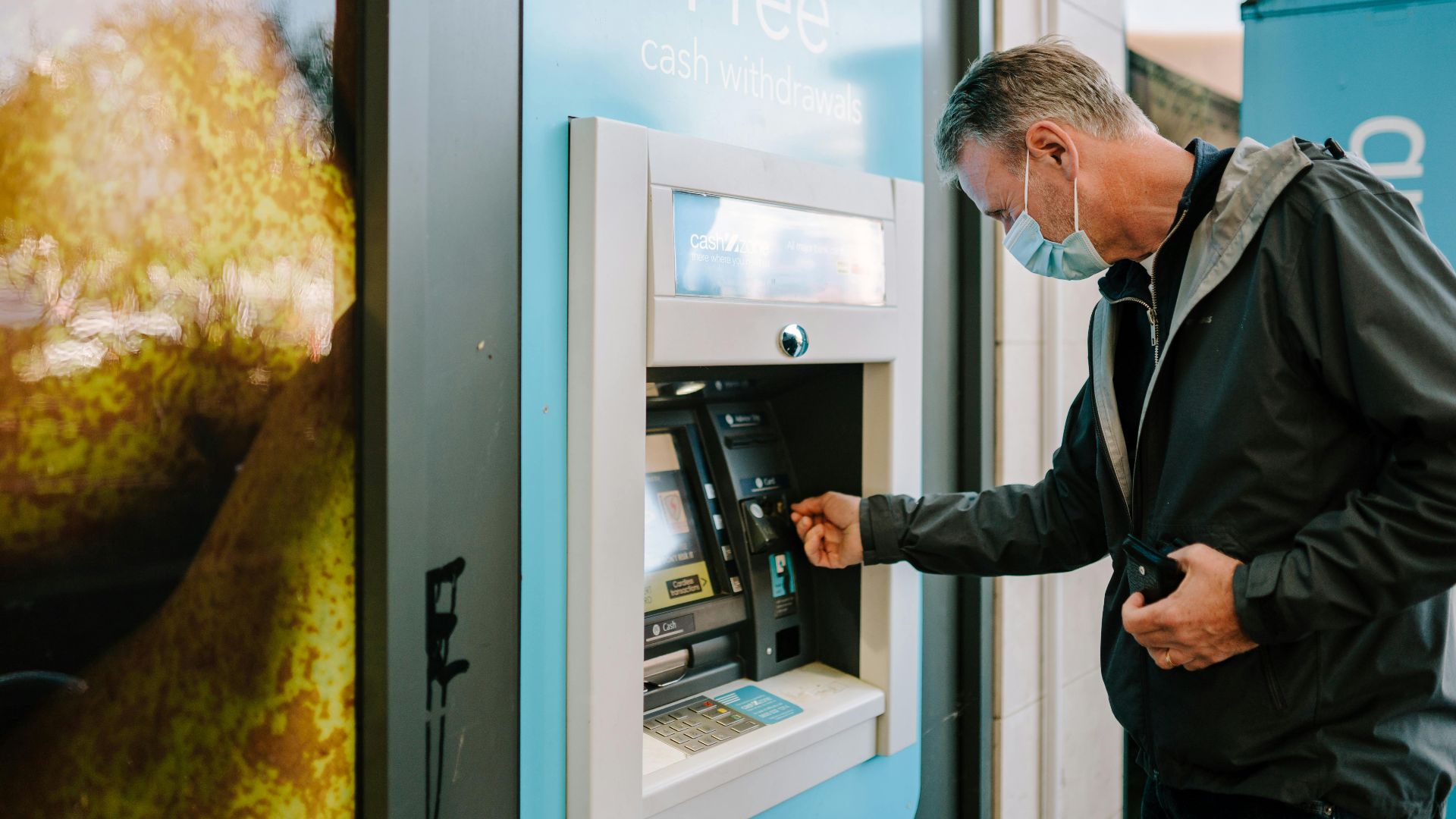
Ignoring Bank And ATM Fees
A few dollars here and there from out-of-network withdrawals seem harmless, but those ATM fees add up across the year. Monthly account charges pile on, too. Retirees who overlook these small costs lose more than they expect, even though credit unions often offer accounts with much lower fees.
 Centre for Ageing Better, Pexels