
A shared fence can get complicated fast
Buying a house with a shared fence might seem simple—it's just a fence what could go wrong? Well, it's all fun and games until your neighbor neglects their side and suddenly wants you to pay for upgrades. Thankfully, the rules around who pays for what are clearer than most people think. And yes, you have real options.

Start by figuring out whether it’s truly a shared fence
Not every fence between properties is legally shared. Sometimes it’s entirely on one person’s land. Before discussing money, check your property survey or closing documents. If the fence sits on their land, you’re not obligated to contribute at all.

Check your state’s “good neighbor fence laws”
Yes, “good neighbor fence laws” are a real thing. Many states require neighbors to share maintenance costs for boundary fences. But those laws typically cover repairs, not upgrades. Each state defines this differently, so a quick look at your local rules can immediately clarify how much responsibility you actually have.

Local building codes can override everything
Your city or county may have rules about fence height, materials, and setbacks—and many upgrades require a permit. If your neighbor’s plan doesn’t meet code or needs your consent for a permit, you can legally block or alter the project before it starts.

Maintenance and upgrades aren’t the same thing
Legally, maintenance means fixing damage, restoring the fence to its original state, or replacing worn-out boards. Upgrades—like taller panels, decorative designs, premium lumber, or specialized materials—are optional. You can decline upgrades without violating any shared-fence laws.

Document the current condition of both sides
Take photos of the fence from every angle. If your neighbor hasn’t maintained their side—vines, rot, water damage, leaning panels—that documentation could show the repair needs are due to their neglect, not shared responsibility. Photos often end arguments before they start.

Ask your neighbor for a detailed written estimate
Many disputes calm down once the actual numbers appear. A written quote shows whether they’re paying for a simple repair or trying to slip in a premium upgrade. It also gives you a solid starting point for negotiation or compromise.

You’re not required to pay for luxury choices
If your neighbor wants cedar instead of pine, metal posts instead of wood, lattice tops, or a higher privacy wall, that’s their preference—not your legal obligation. You’re generally responsible only for repairing or replacing what already exists.
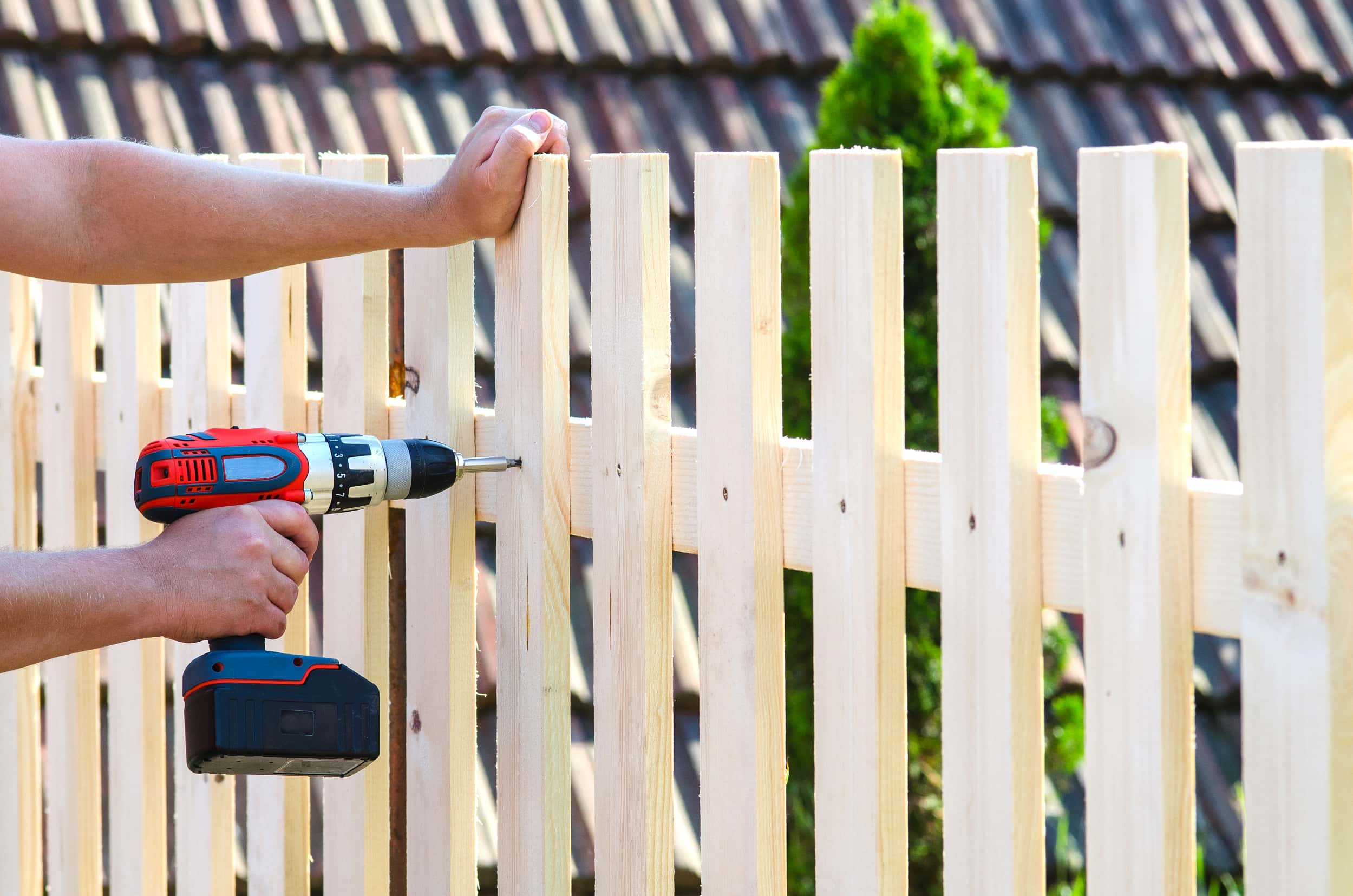
Offer to split only necessary repairs
If the fence truly needs repair, a fair compromise is offering to split the cost of restoring it to its previous condition. This shows you’re reasonable without agreeing to fund a more expensive look your neighbor wants.
 Photo By: Kaboompics.com, Pexels
Notice-to-repair laws may protect you
Some states require neighbors to give formal written notice before doing any shared-fence work. If your neighbor skips this step, they may lose the right to demand cost-sharing entirely. This is a powerful tool when someone tries to surprise you with a bill.

If the damage is from their neglect, you may owe nothing
When damage is caused by their sprinkler system, climbing plants, termite issues on their side, or years of ignored upkeep, you may not be required to pay anything. Many states assign responsibility based on who caused the deterioration.

Check local HOA or CC&R rules
If you’re in an HOA, the rules may be spelled out already—sometimes in surprising detail. CC&Rs might dictate the height, materials, or shared costs. These rules can support your position or override state defaults, so it’s worth a quick read.

Get any agreement in writing
If you do agree to share costs, write down who pays what, the exact materials, the contractor, and the timeline. Fence fights often come from mismatched expectations, and a simple written agreement protects both of you from “I thought you said…” moments.

Ask for comparable materials, not upgrades
If you’re willing to contribute, insist on like-for-like. That means replacing a wooden fence with similar wood—not an expensive upgrade. This keeps the project fair and prevents your neighbor from unilaterally choosing high-end materials and sticking you with the bill.
 RealPeopleStudio, Shutterstock
Consider getting your own estimate
A second quote can be a game-changer. Contractors may suggest cheaper, equally durable options or confirm that the repairs don’t require a full replacement. It also prevents your neighbor from picking the priciest contractor and expecting you to pay half.

Check whether the fence actually needs replacing
Neighbors sometimes push for a full rebuild when only a few boards are damaged. A contractor, inspector, or even a handy friend can confirm whether repair—rather than replacement—is the appropriate and cheaper solution.
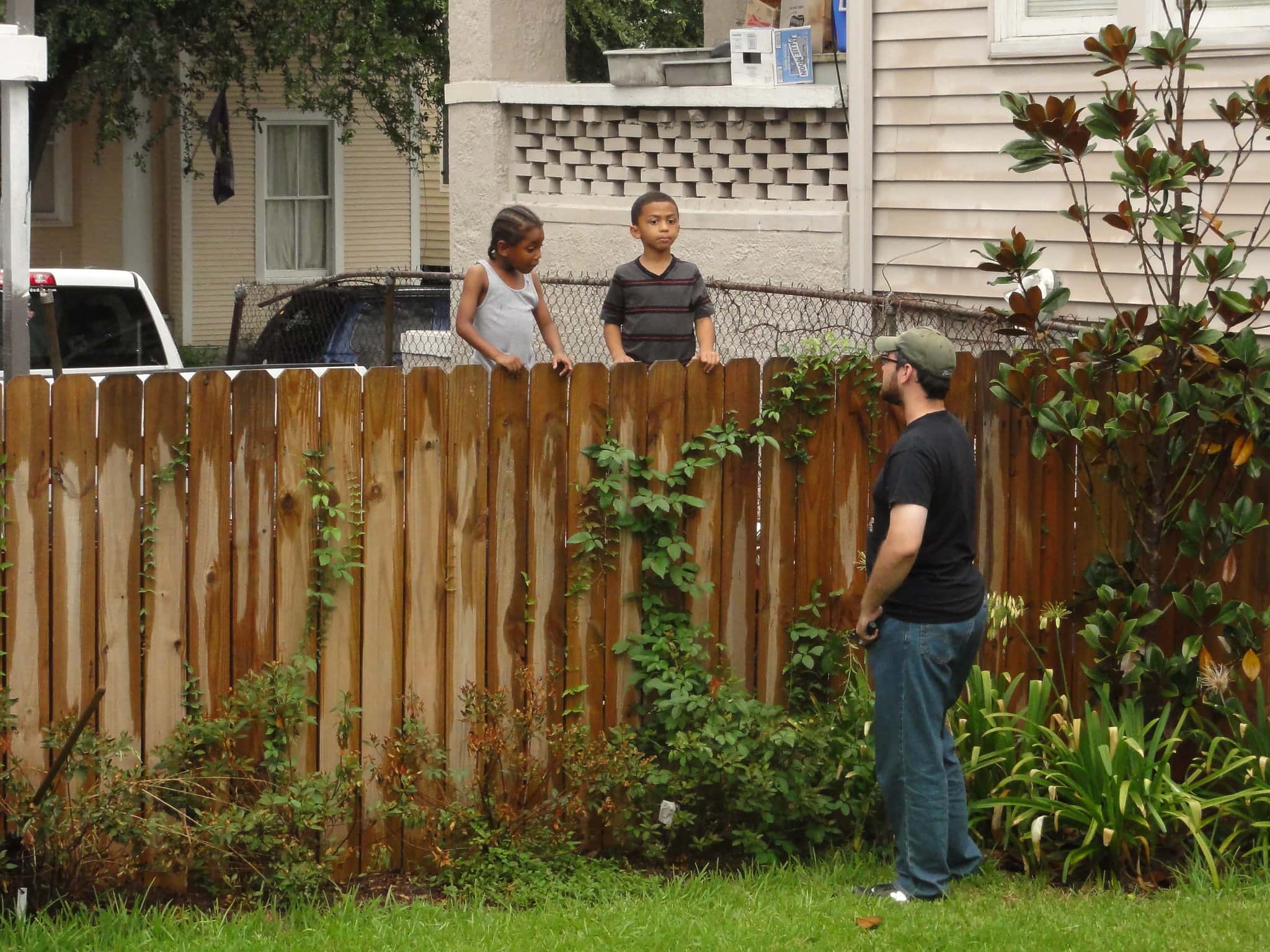
Equal-benefit standard in some states
A few states follow a rule that both homeowners must receive equal benefit from the project for cost-sharing to apply. If your neighbor wants something that mostly benefits their privacy or design preferences, you can legally refuse to pay.

Insurance may cover certain types of damage
If the fence was damaged by a storm, fallen tree, or similar event, your homeowner’s insurance—or theirs—may cover the repair. When insurance is involved, cost-sharing laws may not apply at all, which can save you both money and arguments.

Offer alternative solutions if you don’t want to pay
You can say no to upgrades while still staying friendly. Offer to handle cleanup on your side, repaint your portion, or let your neighbor move forward with their preferred fence as long as they cover the full cost. Options keep things calm.
 Supavadee butradee, Shutterstock
Use city or county mediation if discussions stall
Most cities offer free or low-cost mediation for neighbor disputes. It’s less stressful than legal action and often resolves things in a single session. Mediators are trained to keep emotions low and focus on reasonable, fact-based solutions.

If your neighbor threatens legal action, stay calm
Fence disputes almost always fall under small claims court. Judges focus on state law, written agreements, and documentation—not personal opinions. If you’ve documented your side, stayed reasonable, and refused only upgrades, the law is usually on your side.

You can always build your own fence on your own land
If the shared fence situation becomes unbearable, one extreme option is installing your own fence slightly inside your property line. It costs more upfront, but it ends the argument forever and puts full control in your hands.
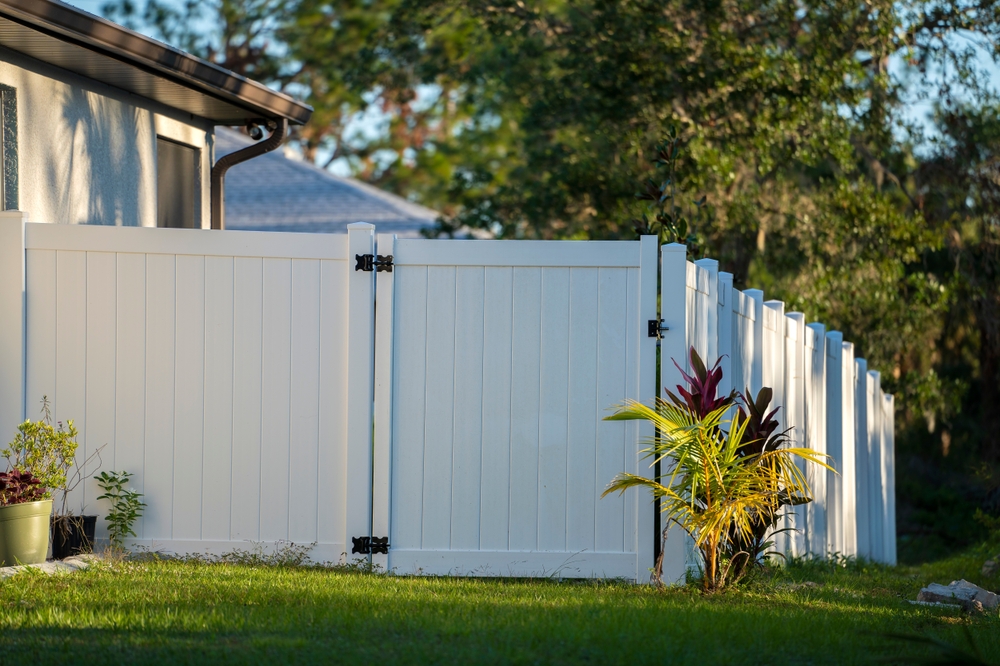
Avoid removing the fence without full agreement
Removing a boundary fence without mutual consent can lead to legal trouble. Even if it’s old or damaged, make sure both parties agree—or that the law clearly supports removal—before taking anything down. It’s one of the biggest homeowner missteps.
 Amnaj Khetsamtip, Shutterstock
Most neighbor fence disputes resolve with a calm conversation
Once you explain the difference between repairs and upgrades—and back it up with documentation—most neighbors back off the request for shared upgrade costs. Staying calm, reasonable, and clear usually leads to a fair solution without damaging the relationship.

Bottom line: you usually have more options than you think
Your neighbor can’t force you to pay for enhancements, luxury materials, or changes they personally want. You decide what’s reasonable, what’s legally required, and what fits your budget. With clear communication and good documentation, you’re in a strong position.
 Cast of Thousands, Shutterstock
You Might Also Like:
The neighbor's dog damaged our yard, and our insurance will not help. Should I take them to court?
My neighbor's tree fell on my roof, and their insurance will not pay. Am I stuck with the bill?