The Tap Screen Surprise
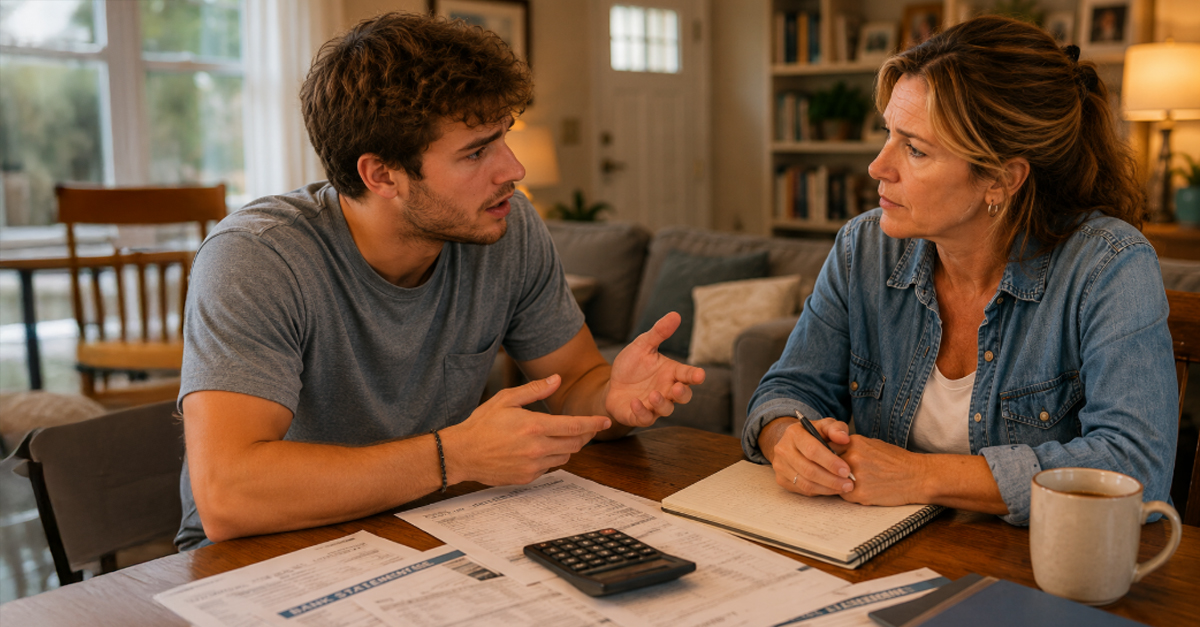
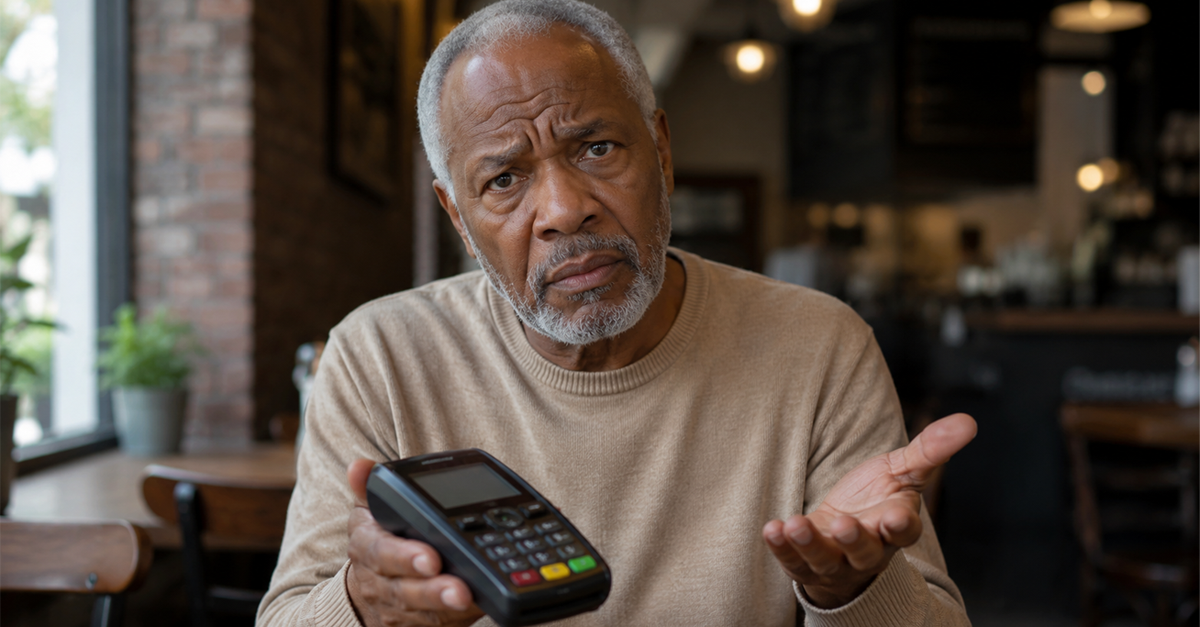
You tapped your card, added a tip, and walked away thinking the transaction was done. Then your banking app showed a higher charge than the amount you remember approving. Sometimes it is just a temporary hold or payment processing delay, but hidden fees, double tips, and even shady billing tactics can also be to blame.
Why The Final Charge Can Change
Card transactions are not always finalized instantly. Businesses sometimes place temporary holds on your card before the real amount settles. This is common in restaurants, hotels, gas stations, and ride-sharing apps.
The temporary amount can differ from the final posted charge. Tips, taxes, currency conversions, or delayed adjustments can all affect the number that eventually appears on your statement.
 Vodafone x Rankin everyone.connected, Pexels
The Difference Between Pending And Posted Charges
A pending charge is not always the final amount. Banks often show an estimated transaction first, especially when a tip is involved. The final posted charge may appear a day or two later.
This delay confuses many consumers. Someone may think they were overcharged when the transaction is simply still being processed.

Restaurants Are The Biggest Source Of Confusion
Restaurants commonly authorize your card for the meal subtotal before the tip is finalized. After you leave, the server adds the tip and submits the final amount. The total that posts later is often higher than the first number you saw.
This process is legal and widely used. However, customers sometimes forget what they tipped or misread the original amount.

Digital Tip Screens Changed Consumer Behavior
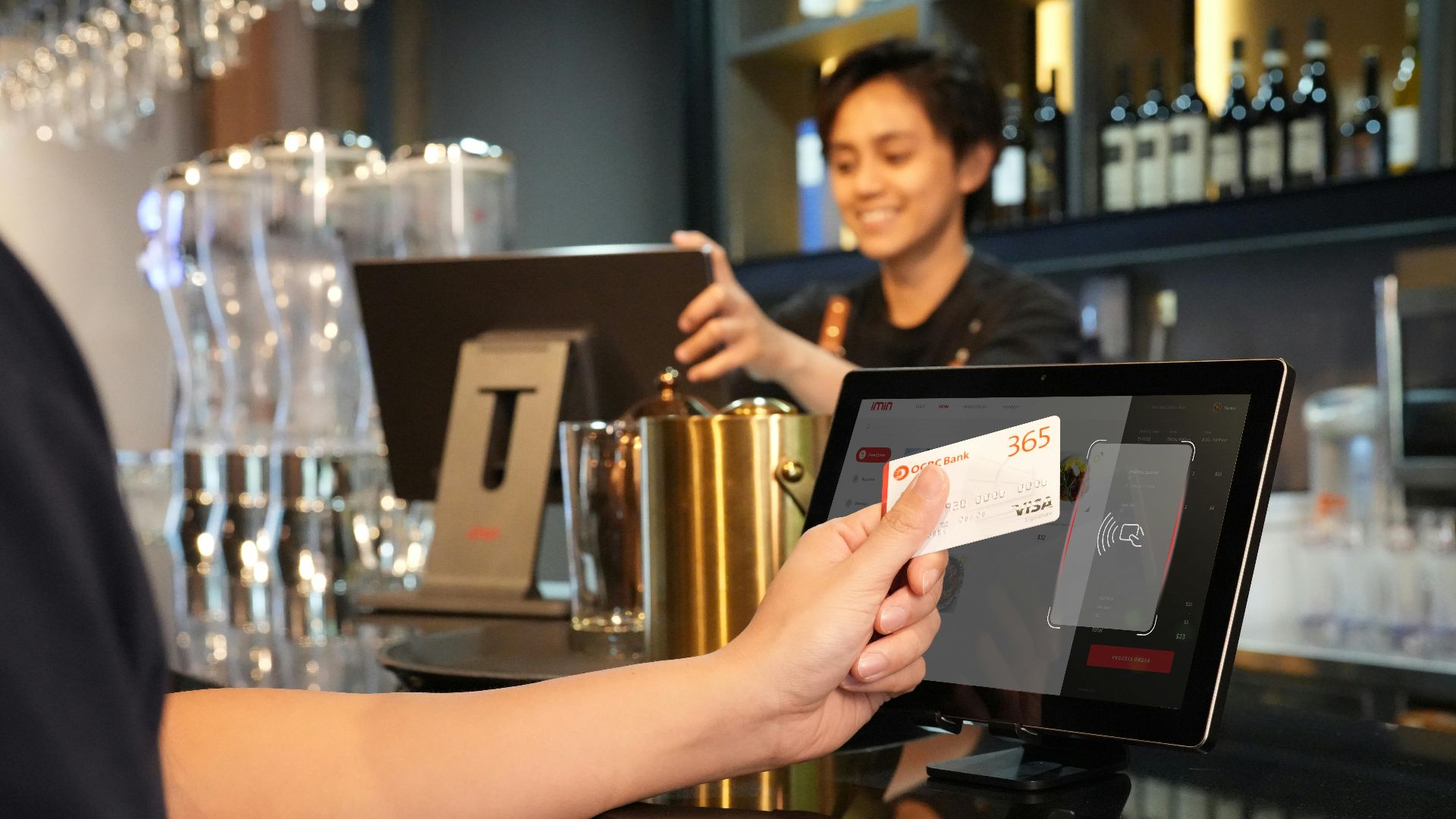
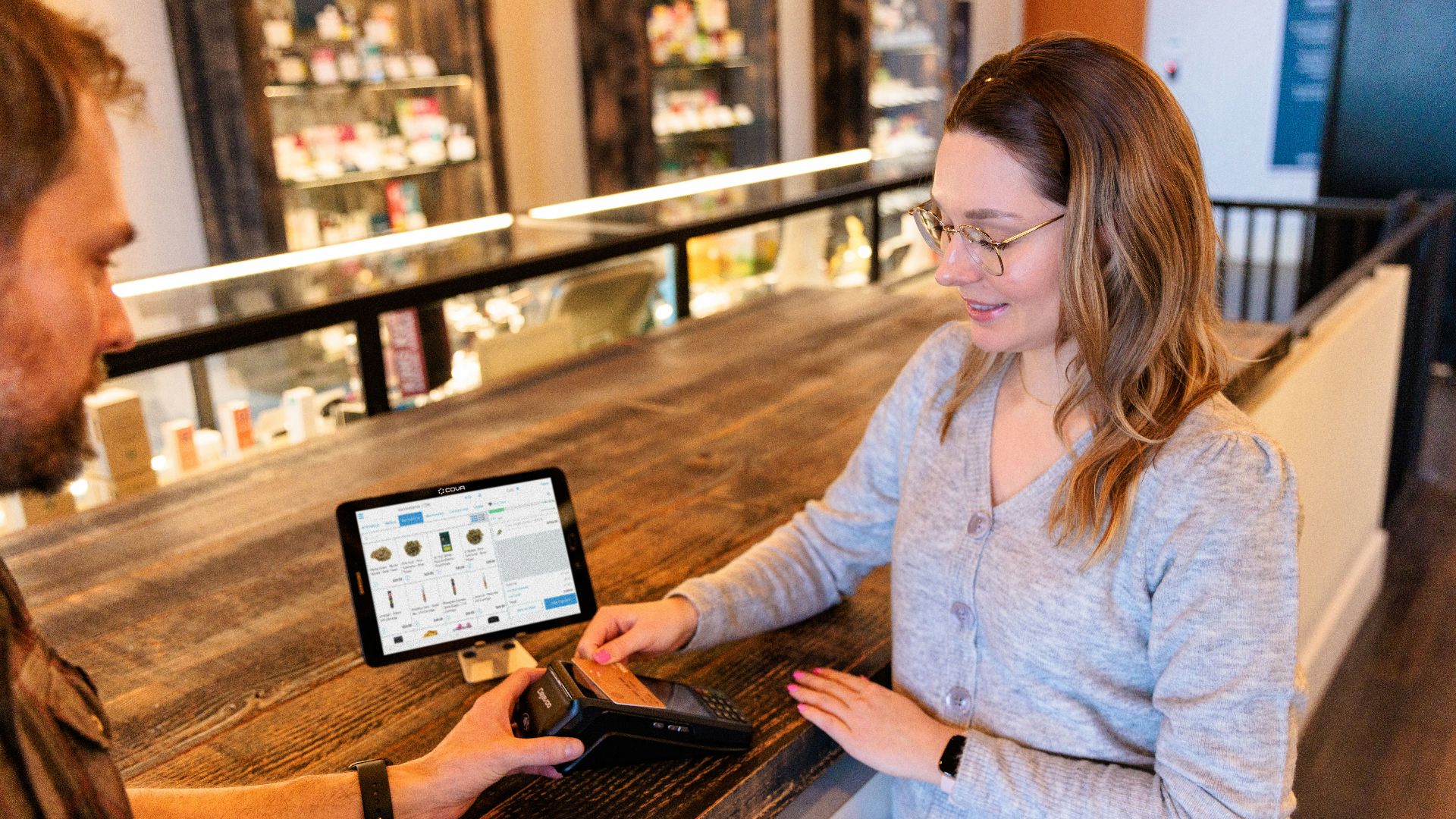
Tablet checkout systems exploded in popularity during the pandemic. Businesses started using touchscreens that automatically suggest tips of 18%, 20%, or even 25%. Many customers feel rushed or pressured during the process.
These systems also increase the chances of input mistakes. A rushed tap can accidentally add a much larger gratuity than intended.
Accidental Double Tips Happen More Than You Think
Some payment systems ask for a tip on the machine and then still provide a paper receipt with another tip line. Customers sometimes add a second gratuity without realizing they already tipped electronically.
This can lead to an unexpectedly high final charge. It is one of the most common complaints tied to modern payment terminals.
Hidden Service Fees Add To The Confusion
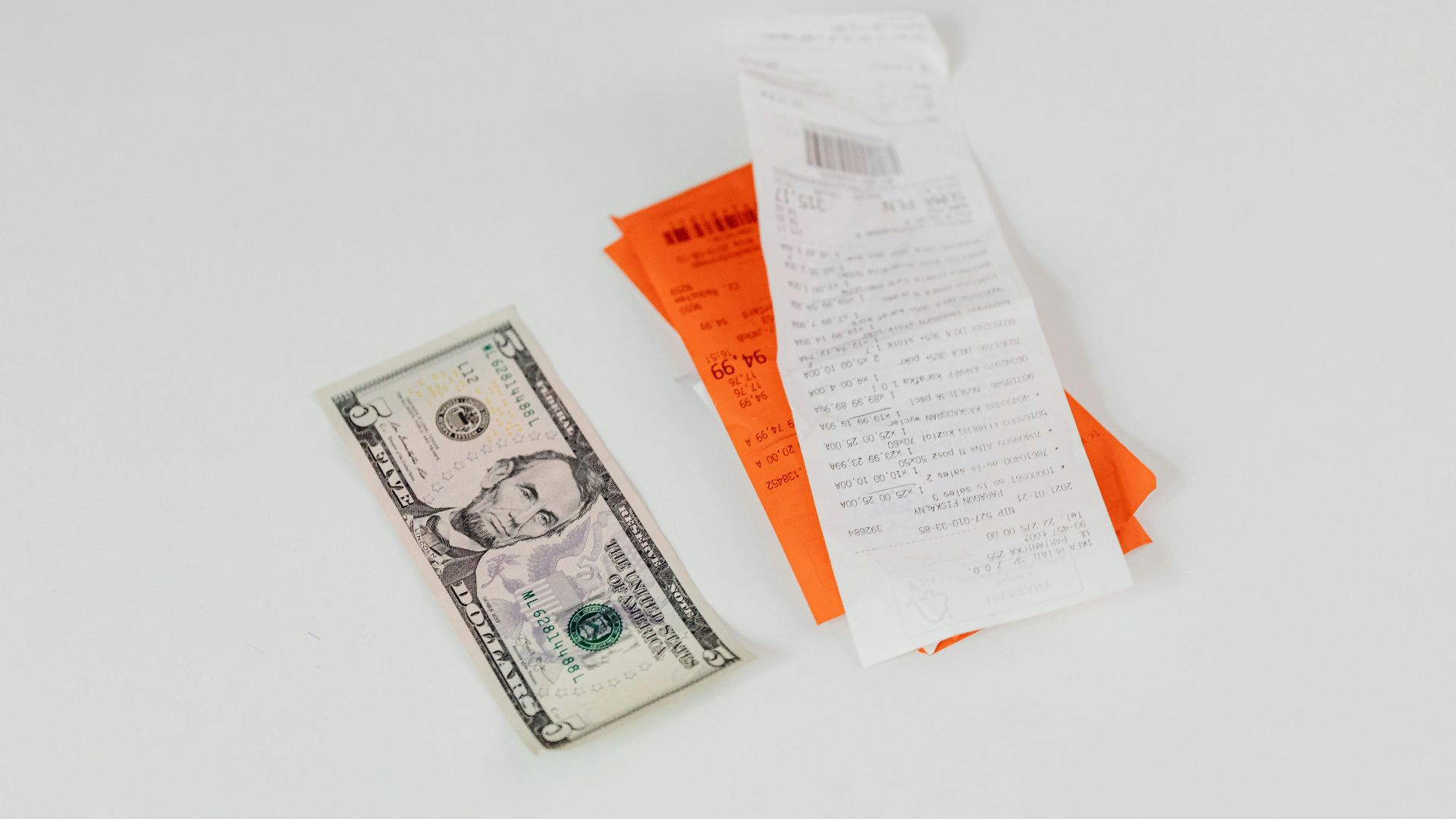
Some businesses now add service charges, kitchen fees, or automatic gratuities before customers even reach the tip screen. If you do not carefully read the receipt, you may end up tipping on top of an existing fee.
This practice is legal in many jurisdictions as long as the fee is disclosed. Still, critics argue that the pricing structure can mislead consumers.

Hotels Frequently Use Temporary Holds
Hotels are notorious for placing large authorization holds on debit and credit cards. The hold often covers estimated room costs plus potential incidentals like minibar purchases or damages.
Consumers sometimes mistake these holds for duplicate charges. In reality, the extra amount usually disappears after checkout once the final bill is processed.

Gas Stations Can Trigger Massive Temporary Charges
Pay-at-the-pump transactions often create large pre-authorizations. Some gas stations temporarily hold $100 or more before determining how much fuel was actually purchased.
The final charge usually adjusts within a few days. Debit card users are especially vulnerable because the hold can temporarily reduce available bank funds.

Delivery Apps Add More Than Just Tips
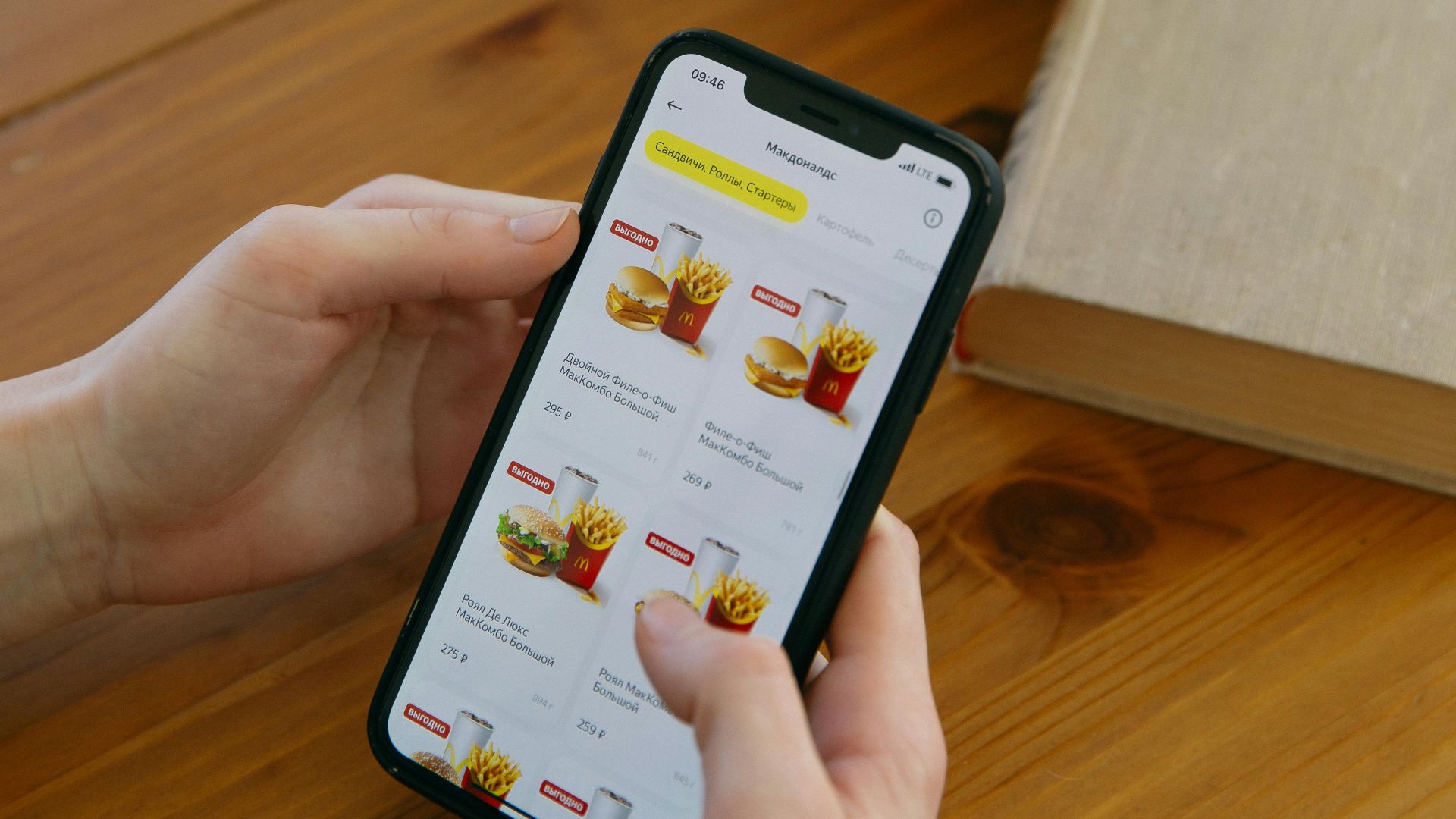
Food delivery platforms often stack fees on top of tips. Customers may pay delivery fees, service charges, small order fees, and regulatory charges before gratuity is even added.
The final total can look dramatically higher than expected. Consumers should review the checkout breakdown carefully before approving payment.
Some Businesses Use Deceptive Tip Tactics
Not every surprise charge is innocent. Consumer advocates have warned about misleading payment interfaces that make it difficult to decline a tip or clearly see the total.
These designs are sometimes called dark patterns. They rely on confusion or social pressure to encourage customers to spend more.

Fraud Can Still Happen
Although many billing surprises are legitimate, real scams do occur. Dishonest employees may alter tip amounts after customers leave. Card skimming devices can also capture payment information for fraudulent charges later.
Consumers should always review statements carefully. Quick reporting increases the chances of reversing unauthorized transactions.

Debit Cards Carry Higher Risks
Using a debit card exposes your actual bank balance to temporary holds and fraudulent charges. If a merchant overcharges you, the missing money may not return immediately.
Credit cards generally offer stronger consumer protections. Federal law limits liability for unauthorized credit card charges in the United States.

How To Spot A Tip Alteration
Compare your receipt with the posted transaction amount. If the total differs from what you approved, contact the business immediately. Honest mistakes can happen during manual entry.
If the merchant cannot explain the discrepancy, notify your bank or card issuer. Documentation is extremely important during disputes.

Save Your Receipts For A Few Days
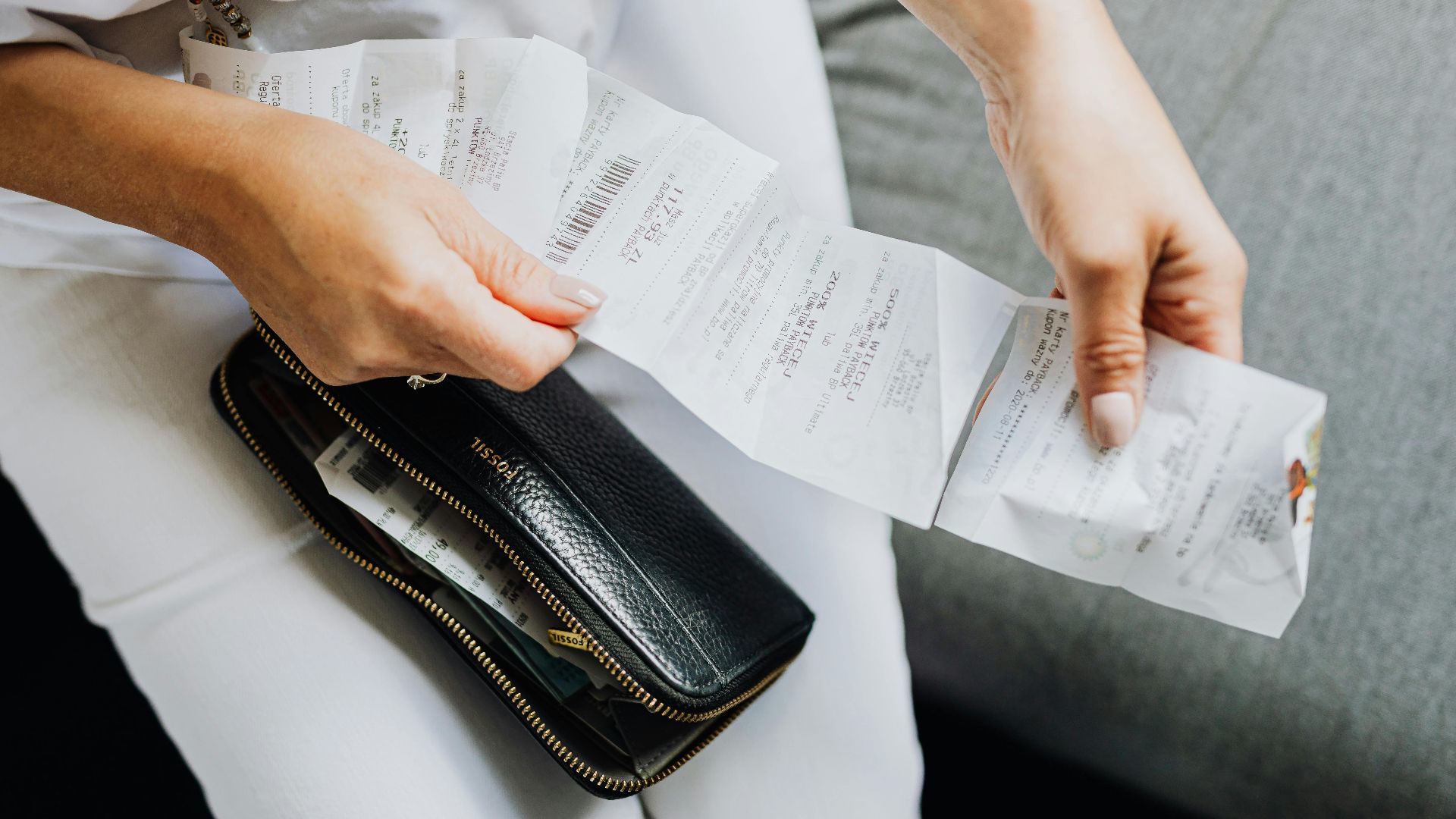
Many people throw away receipts immediately after paying. That can become a problem if the final posted amount changes later. Keeping receipts for several days gives you proof if a dispute arises.
Digital receipts can help simplify tracking. Screenshots also work well for documenting transactions.
Mobile Banking Alerts Can Protect You
Most banks allow customers to enable real-time purchase notifications. These alerts can help you spot suspicious charges within minutes of a transaction.
Fast detection matters. Fraud investigations are generally easier when reported quickly.

Tipping Fatigue Is Becoming Real
Surveys show that many consumers feel overwhelmed by constant tipping prompts. Self-checkout kiosks, coffee shops, and retail counters increasingly request gratuities for minimal service.
This fatigue can lead to rushed decisions and accidental overpayments. Financial experts recommend slowing down and reviewing every screen carefully.
The Psychology Behind The Tip Screen
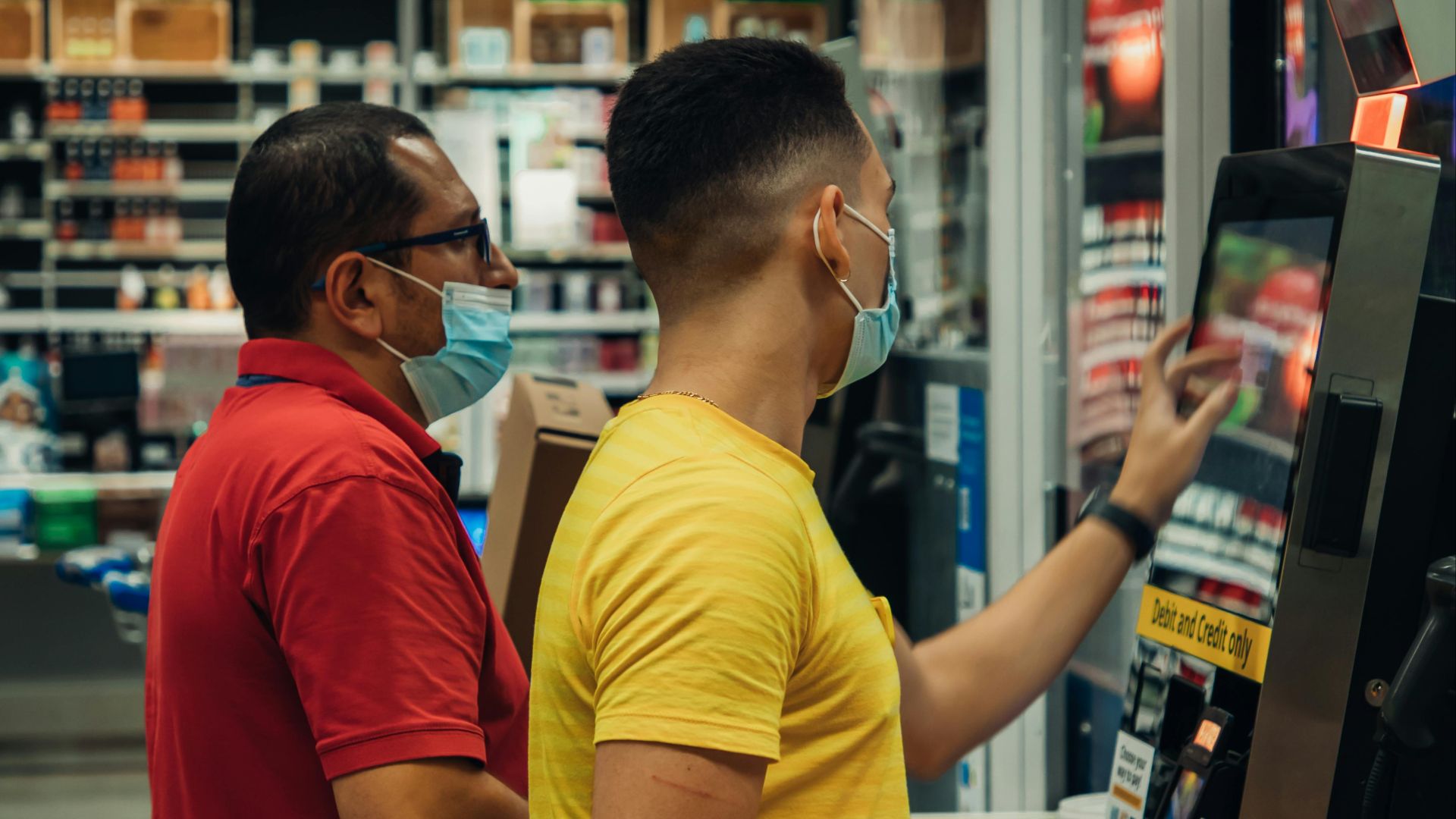
Payment screens are designed to move quickly and minimize hesitation. Bright colors, large buttons, and suggested percentages subtly influence customer behavior.
Social pressure also plays a role. Many consumers feel uncomfortable selecting a low tip option while an employee watches nearby.
Cash Still Avoids Some Problems
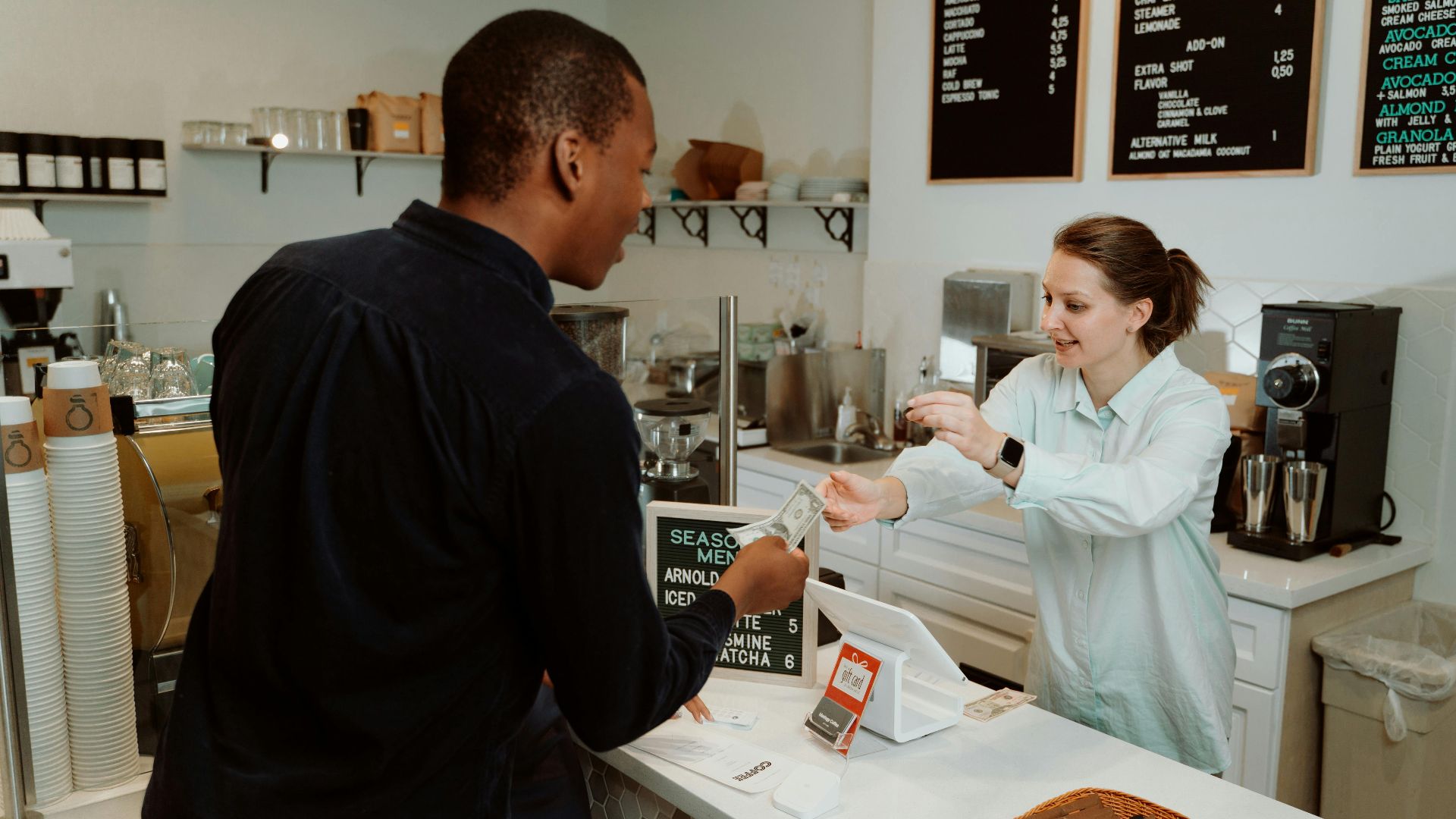
Cash payments eliminate digital tipping confusion and temporary authorization holds. The amount exchanged is immediate and final.
However, cash has drawbacks too. It lacks fraud protections and may be less convenient for modern consumers.
Contactless Payments Add Speed But Reduce Awareness
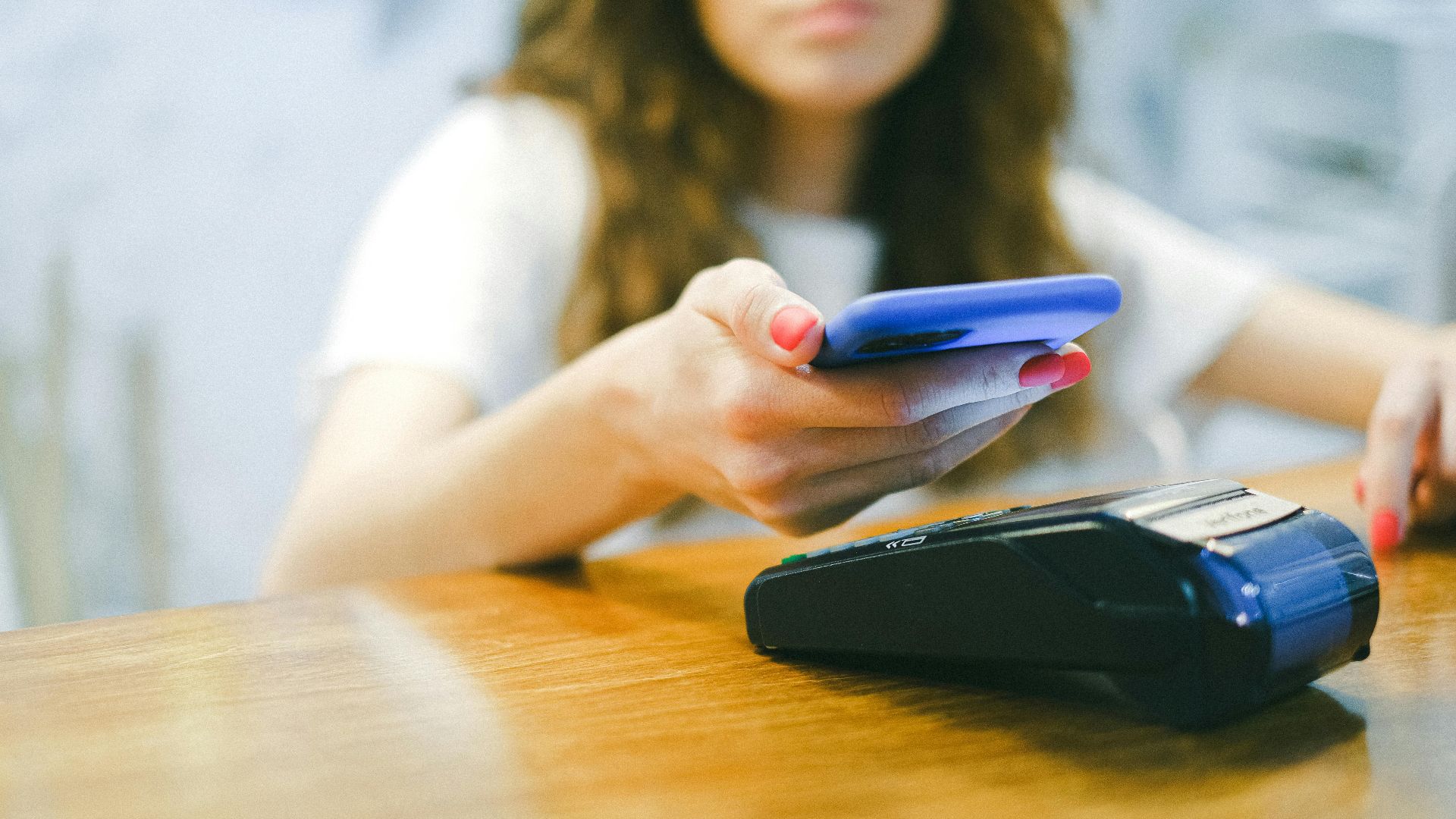
Tap-to-pay technology makes transactions incredibly fast. Unfortunately, speed can reduce attention to detail. Customers may approve payments without carefully reviewing the amount on screen.
Experts recommend pausing briefly before tapping. A few extra seconds can prevent costly mistakes.
Disputing A Suspicious Charge Is Easier Than Many Think
Consumers have the right to challenge unauthorized or incorrect charges. Most credit card issuers provide dispute tools through mobile apps or online banking portals.
Federal protections may apply depending on the payment method. Banks generally investigate claims within specific timelines.

Chargebacks Can Hurt Businesses Too
Not every disputed charge is fraudulent. Businesses can lose revenue and face penalties when customers initiate chargebacks. This creates tension between merchants and consumers during billing disputes.
Clear receipts and transparent pricing help reduce misunderstandings. Good communication benefits both sides.

What To Do Immediately After An Overcharge
Start by gathering receipts, screenshots, and bank transaction records. Contact the merchant calmly and request clarification about the amount charged.
If the explanation does not make sense, escalate the issue to your bank or card issuer. Monitor your account closely afterward for additional suspicious activity.

Smart Habits Can Prevent Future Surprises
Always review the full total before approving payment. Double-check whether gratuity or service charges are already included. Avoid rushing through digital tip screens.
Using credit cards instead of debit cards can also provide stronger fraud protection. Small habits can significantly reduce financial headaches.

The Bottom Line On Tip Screen Shock
A higher final charge does not automatically mean you were scammed. Payment processing systems are complicated, and temporary adjustments are common. Still, consumers should stay alert because errors and deceptive practices do occur.
Careful review, saved receipts, and fast reporting remain the best defenses. In the age of digital tipping, paying attention matters more than ever.

You May Also Like: