
Stuck with $25K in mold damage? Here’s to do
Owning a home isn’t supposed to feel like a courtroom strategy session. However, this isn’t true for all homeowners, and some could be staring at a remediation bill the size of a down payment. Mold disclosure laws exist for a reason, and when sellers hide problems, a financial hit shouldn’t be the final word. Knowing about all options—legal, financial, and practical—can help those in need figure out what’s next with clarity instead of panic.

Confirm Whether Your State Requires Sellers To Disclose Mold
Disclosure rules differ wildly across the country. Some states require detailed statements about water damage and mold, while others only expect sellers to disclose what they “knowingly” hid. Pull up your state’s statutes because the strength of your claim hinges on whether nondisclosure violated a legal duty.
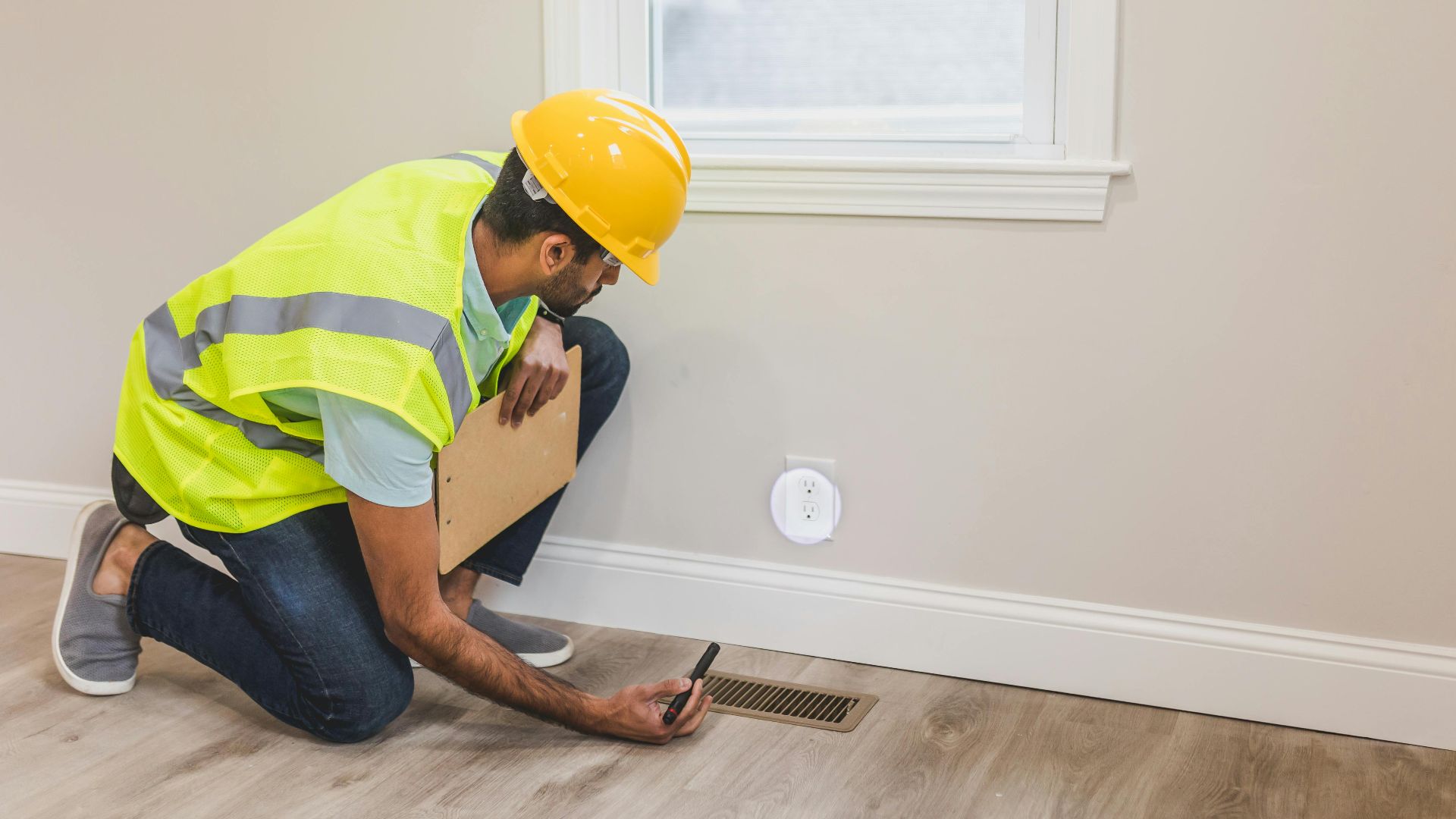
Review Your Seller’s Disclosure Form For Red Flags
Look closely at the form the seller completed. Many include checkboxes about leaks, flooding, and environmental hazards. Any “no issues” claims near plumbing, basements, or roof repairs could strengthen your argument.

Gather Documentation Showing Mold Preexisted Your Ownership
Inspection reports, remediation assessments, contractor notes, and lab results help establish that the mold problem didn’t appear after you moved in. The stronger the timeline, the harder it becomes for the seller to argue that your lifestyle or maintenance caused the contamination.

Ask Your Remediation Company For A Written Causation Statement
Professionals often document how long mold has been present based on colony growth and structural deterioration. Their written assessment can help connect the dots between undisclosed water damage and the extensive work now required to make the home safe.

Contact Your Home Inspector About Missed Indicators
Inspectors can’t see behind walls, but they must report visible warning signs. If your inspector missed clear evidence—like staining or active leaks—you may have grounds to pursue compensation from their errors and omissions insurance.

Consult A Real Estate Attorney Before Taking Action
A consultation doesn’t commit you to a lawsuit, but it helps you understand the strength of your claim. Attorneys familiar with local disclosure disputes can advise whether negotiation or litigation gives you the best chance of recovering your remediation costs.

Consider Sending A Formal Demand Letter First
Demand letters often prompt sellers to settle privately rather than face legal exposure. The letter typically outlines evidence and proposed reimbursement. This step signals seriousness without immediately escalating to a lawsuit.

Explore Mediation To Avoid Court Costs
Mediation can create a structured environment for resolution without the expenses of litigation. If both parties agree to participate, a neutral facilitator can help negotiate repayment, partial compensation, or other remedies that address your financial burden.

Check Whether Homeowners' Insurance Covers Any Part
Most policies exclude mold resulting from long-term moisture issues, yet some cover sudden pipe failures or hidden leaks. Even partial recovery—like coverage for damaged drywall or flooring—can offset remediation expenses you already absorbed.
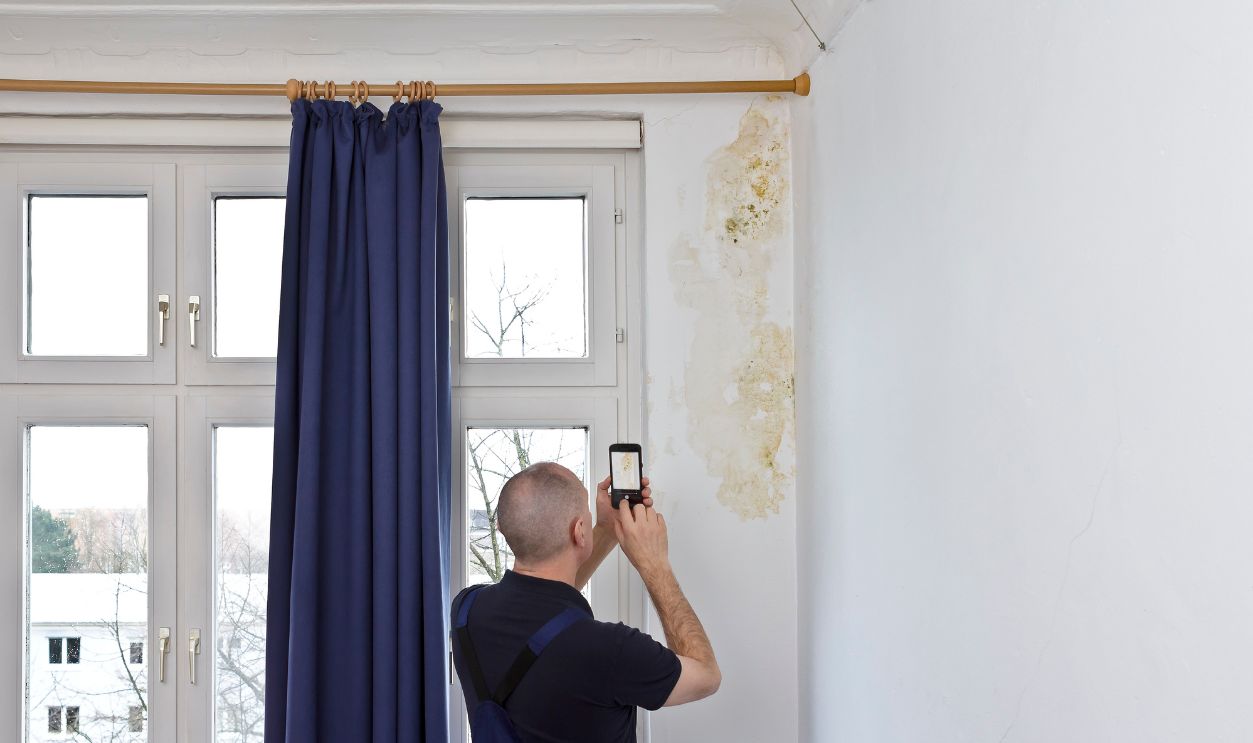 Agenturfotografin, Shutterstock
Ask Your Insurer About Supplemental Mold Riders
Some insurers provide optional mold coverage that you may not realize you purchased. Review your declarations page or ask directly. If you have a rider, you may be entitled to reimbursement for at least part of the cleanup.

Investigate Whether The Seller’s Home Warranty Applies
If a home warranty transferred with the sale, it might cover appliance or system failures that contributed to moisture buildup. While warranties rarely fund mold removal directly, they sometimes pay for repairs that prevent recurring contamination.

Ask Neighbors About Any Past Water Problems
People living nearby often remember repairs, floods, or previous owners discussing leaks. Their recollections won’t replace formal evidence, but casual neighborhood history can support a pattern of nondisclosure or suggest the seller knew more than they claimed.

Determine If Your Real Estate Agent Had Any Knowledge
Agents must disclose material facts they’re aware of, even if the seller stays silent. If your agent had hints about water intrusion or prior remediation attempts, you may have a separate recourse pathway through their professional liability coverage.

Calculate All Mold-Related Damages Precisely
A strong case requires clear accounting. List remediation bills, temporary housing costs, personal item losses, medical evaluations if needed, and future prevention expenses. Detailed financials demonstrate the full scope of harm you experienced.

Research State Laws On Fraud And Misrepresentation
If the seller intentionally concealed a known defect, you may have grounds for a fraud claim. Courts treat fraudulent nondisclosure more seriously than simple oversight, which may increase your chances of recovering damages beyond remediation.

Learn The Statute Of Limitations In Your State
These timelines determine how long you have to pursue action. Some states start the clock at the sale date, while others begin when the defect was discovered. Understanding the deadline ensures you don’t lose rights by waiting too long.
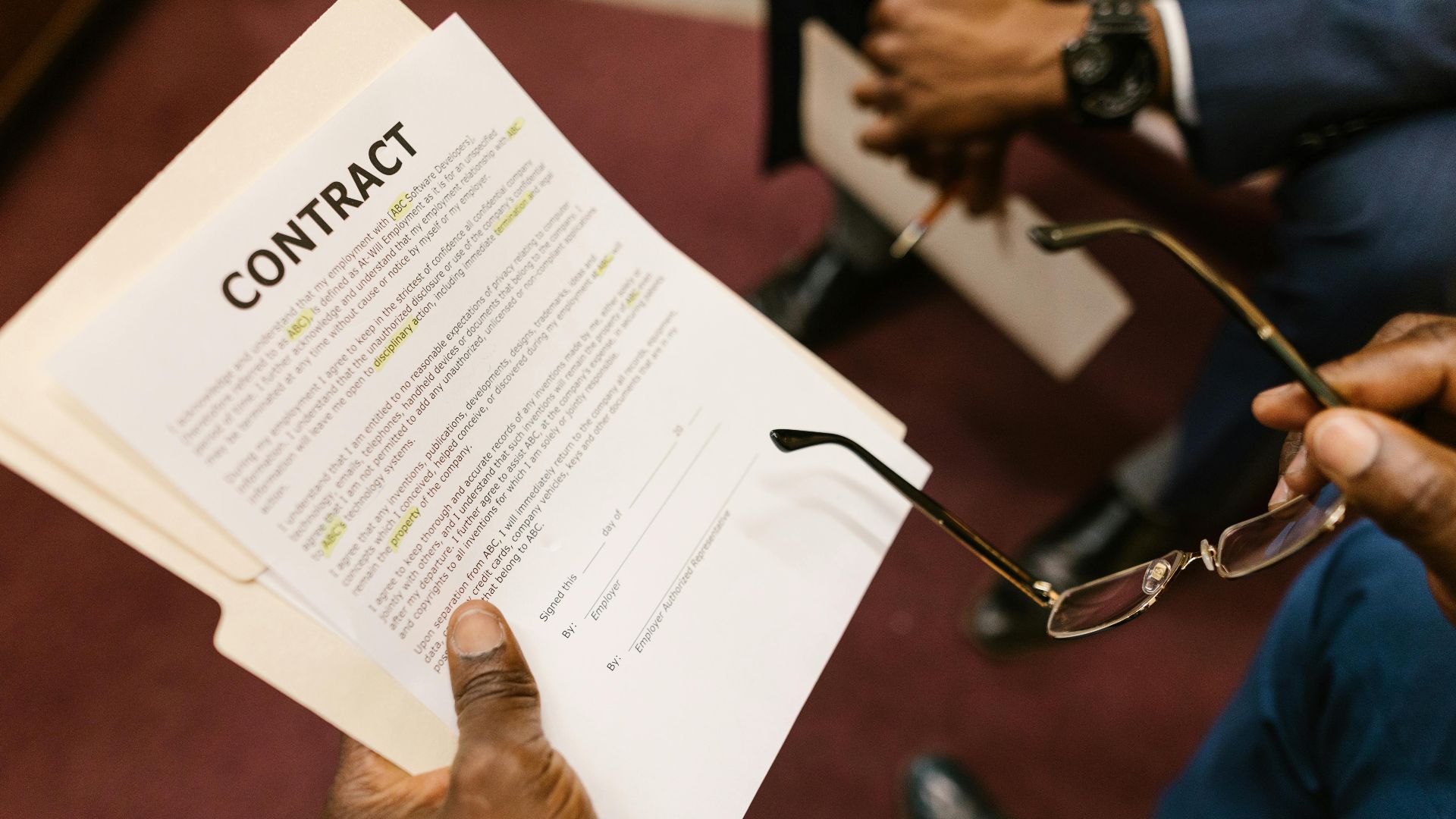
Consider Small Claims Court For Partial Recovery
If your total losses exceed the court’s cap, you can still file for the maximum allowable amount. Small claims can be faster and require no attorney, especially useful if you want to recoup at least part of the remediation cost.

Evaluate Whether Suing Is Worth The Emotional Cost
Even with a strong case, lawsuits take time and energy. Balancing stress, legal fees, settlement odds, and projected recovery helps determine whether pursuing the seller is financially and personally worthwhile.

Look Into State Housing Or Consumer Protection Agencies
Some states provide complaint channels for undisclosed housing defects. These agencies may not issue compensation directly, but they can launch investigations or encourage negotiated resolutions that push sellers toward accountability.

Document Any Health Impacts From Exposure
If mold aggravated respiratory issues or caused symptoms requiring medical attention, professional records support claims of harm. Health-related evidence may broaden the scope of recoverable damages if litigation becomes necessary.

Assess Whether Contractor Estimates Support A Claim
Legal cases often hinge on whether damages are considered reasonable. Multiple estimates showing similar costs help validate your remediation expenses. Courts look favorably on homeowners who verify pricing with reputable contractors.

Keep All Communication With The Seller Organized
Store texts, emails, and real estate messages. If the seller made statements minimizing leaks or denying earlier issues, that history can help establish inconsistent claims and intent. This piece of evidence will support your claim.

Explore Financing Relief If Recovery Takes Time
Home equity lines or payment plans from remediation companies can reduce financial strain while you pursue reimbursement. Temporary cash-flow solutions ensure you can stabilize the home while exploring legal options.

Understand That Many Mold Cases Settle Quietly
Most sellers don’t want a public record of nondisclosure. If your evidence is solid, settlement becomes more likely than trial. Quiet agreements commonly cover part or all of remediation, especially when intentional concealment seems plausible.

Use What You’ve Learned To Protect Future Purchases
Your experience, though expensive, sharpens your instincts. Future inspections with moisture tests and detailed contract reviews reduce risk dramatically. Knowledge helps ensure the next home you buy doesn’t carry a hidden $25K surprise behind its walls.