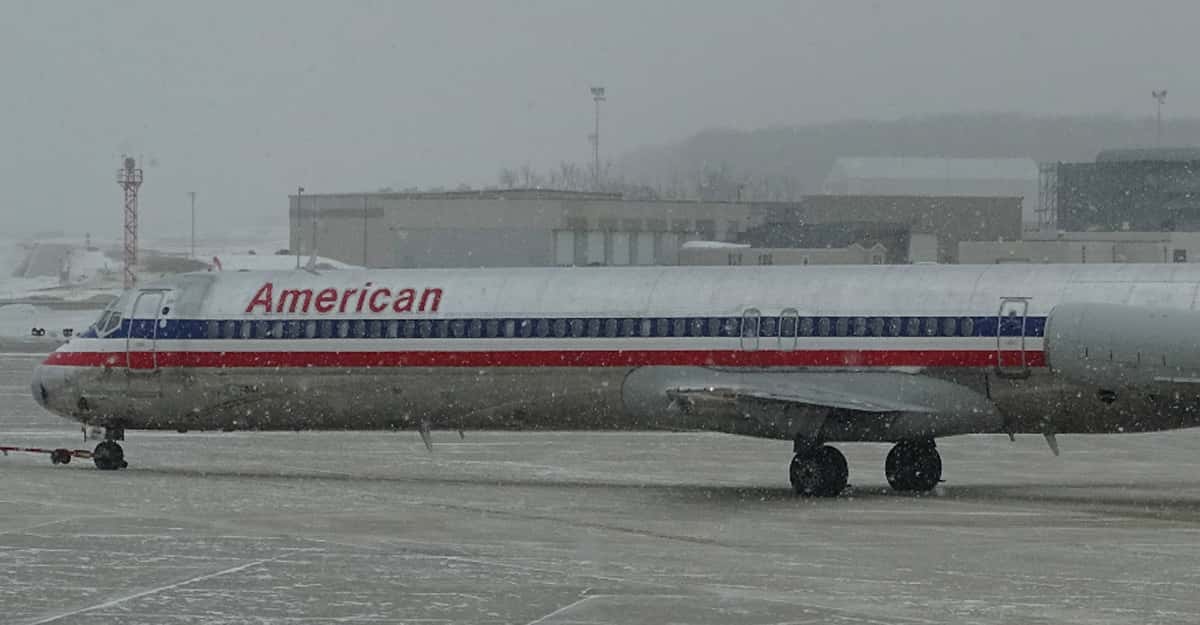
When Images Revealed The Divide
Photographers didn't need to explain the divide of the 1930s—their cameras captured it in stark detail. While some dined in luxury and lived untouched by hardship, countless others stood in breadlines and fought simply to survive. Together, these images became a lasting record of one of history's most striking contrasts.

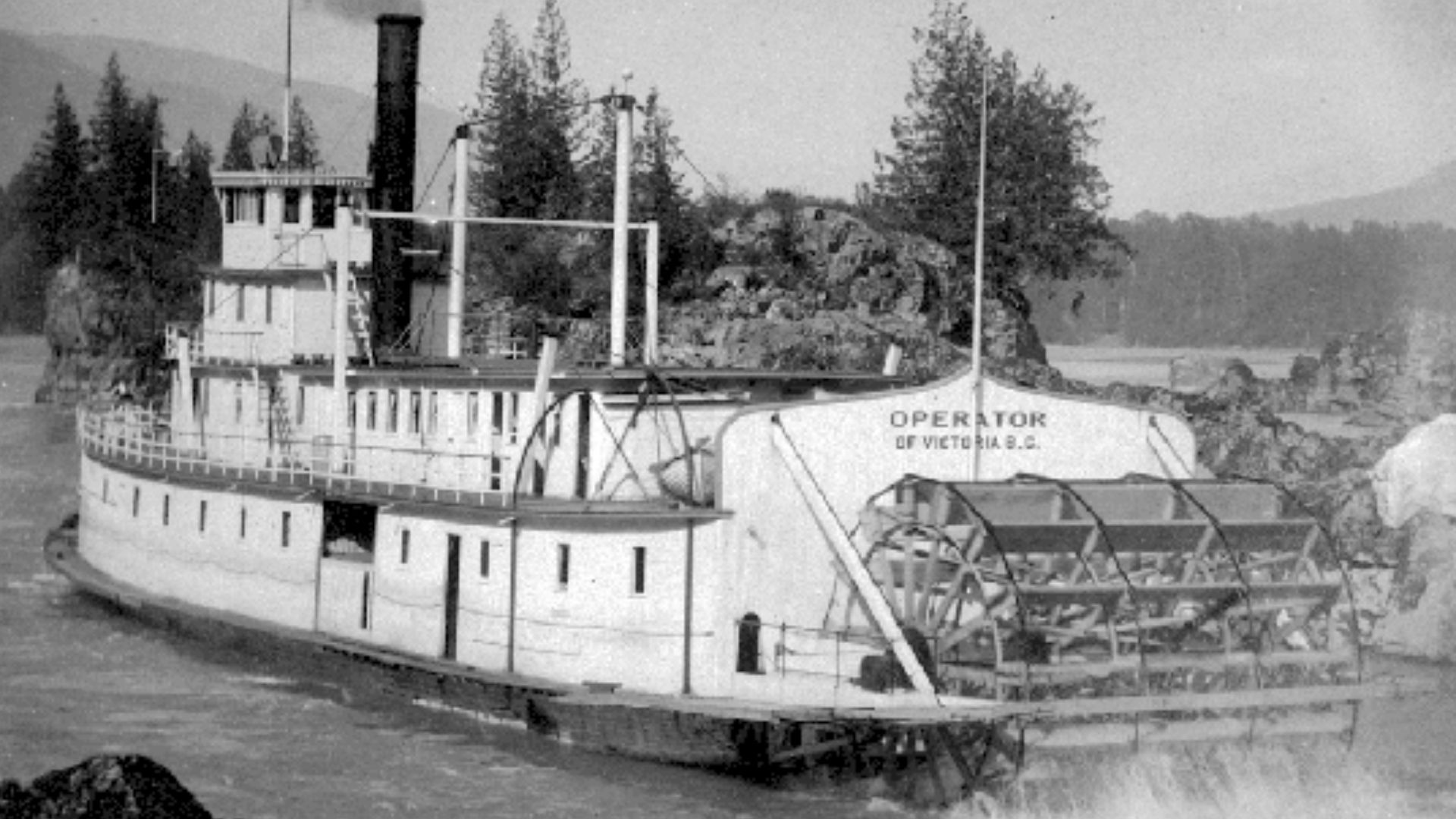
Pushing Up The Skeena
Between 1900 and 1930, Indigenous men poled boats upriver along British Columbia’s Skeena River. Their work was backbreaking, and their communities were often excluded from Depression-era relief. This image reminds us that wealth gaps also cut across culture and identity.
Explorer Basks In Elite Applause
When Richard Byrd returned from flying over the South Pole, he was honored with parades and prestige. His expeditions, backed by government and private funding, showed how resources continued to flow into celebrated elite ventures.
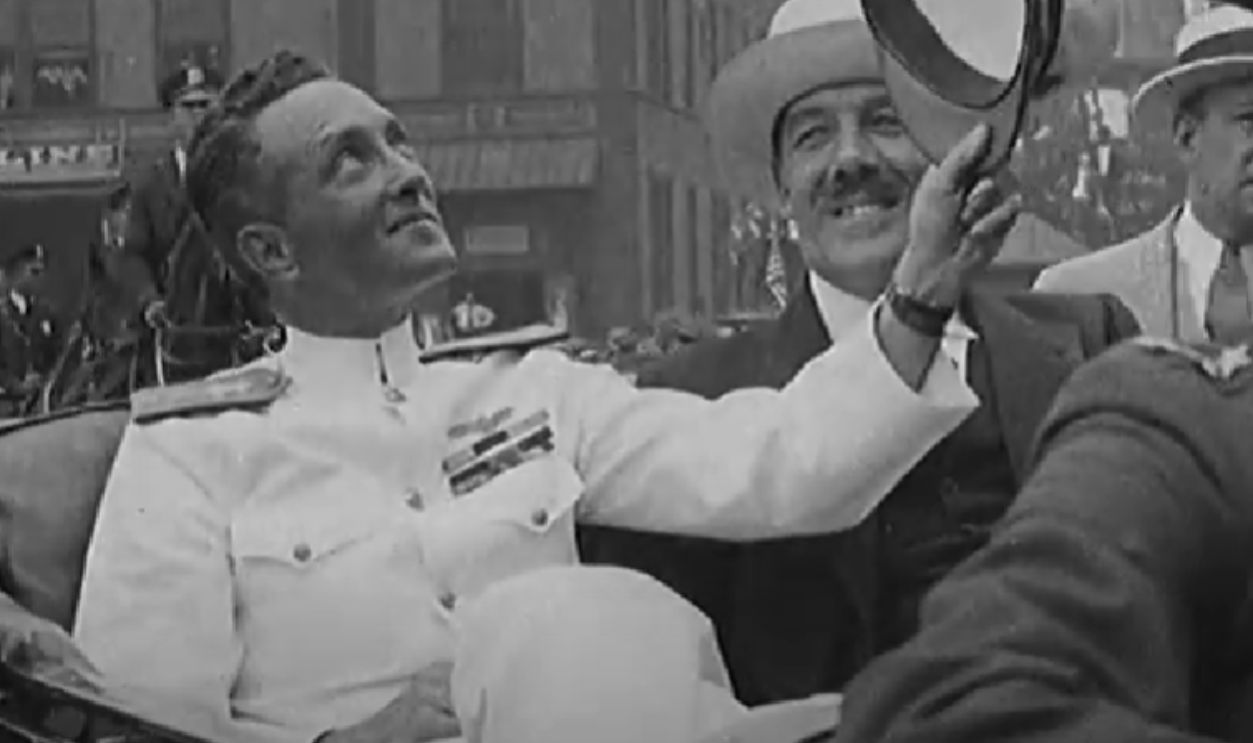 Back From The South Pole (1930) by British Pathe
Foundry Work Burns Long Hours
Inside American foundries, workers endured high heat and dangerous conditions to keep production alive. With little protection or bargaining power, many labored without benefits by risking injury for modest pay during mass unemployment.
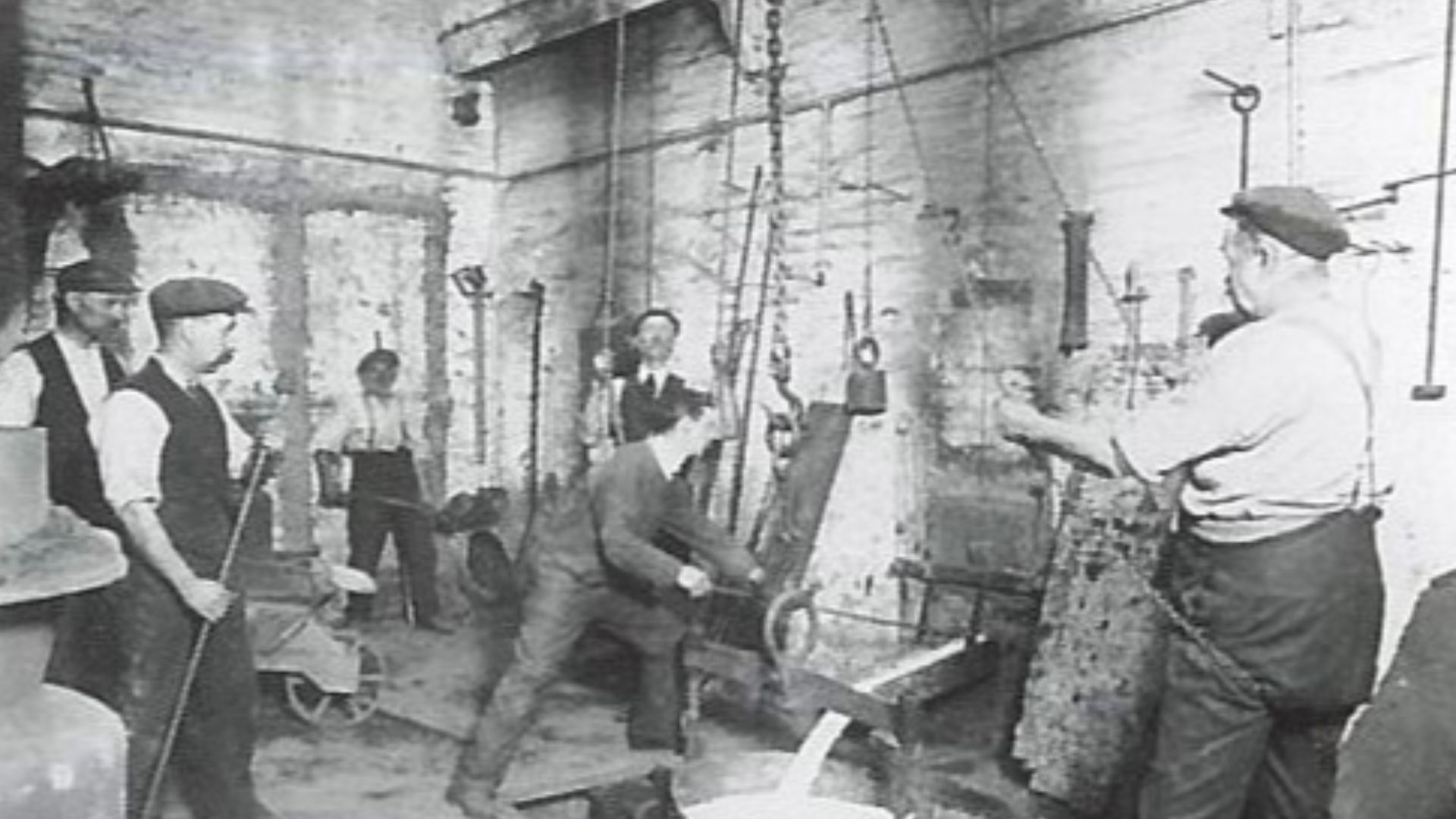 Unknown photographer, c1920., Wikimedia Commons
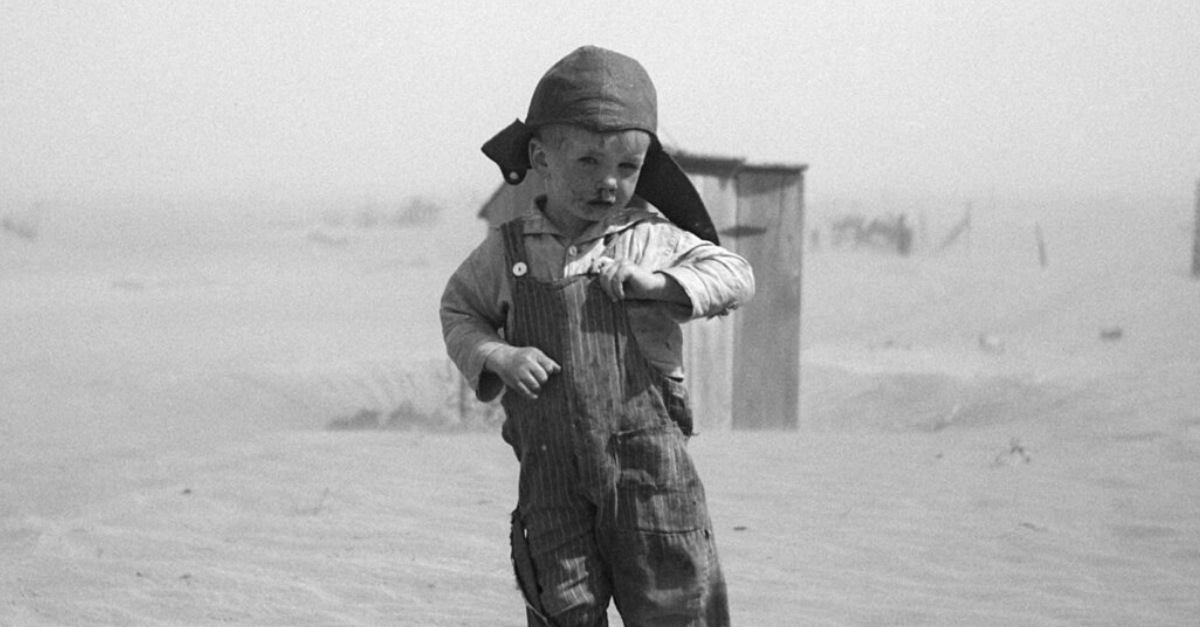
Farm Life Wilts Without Rain
In 1930, Lewis Wickes Hine photographed young drought victims in Floyd County, Kentucky. The American Red Cross distributed food orders while the boys stood silently nearby, with the quiet toll of long-neglected need visible.
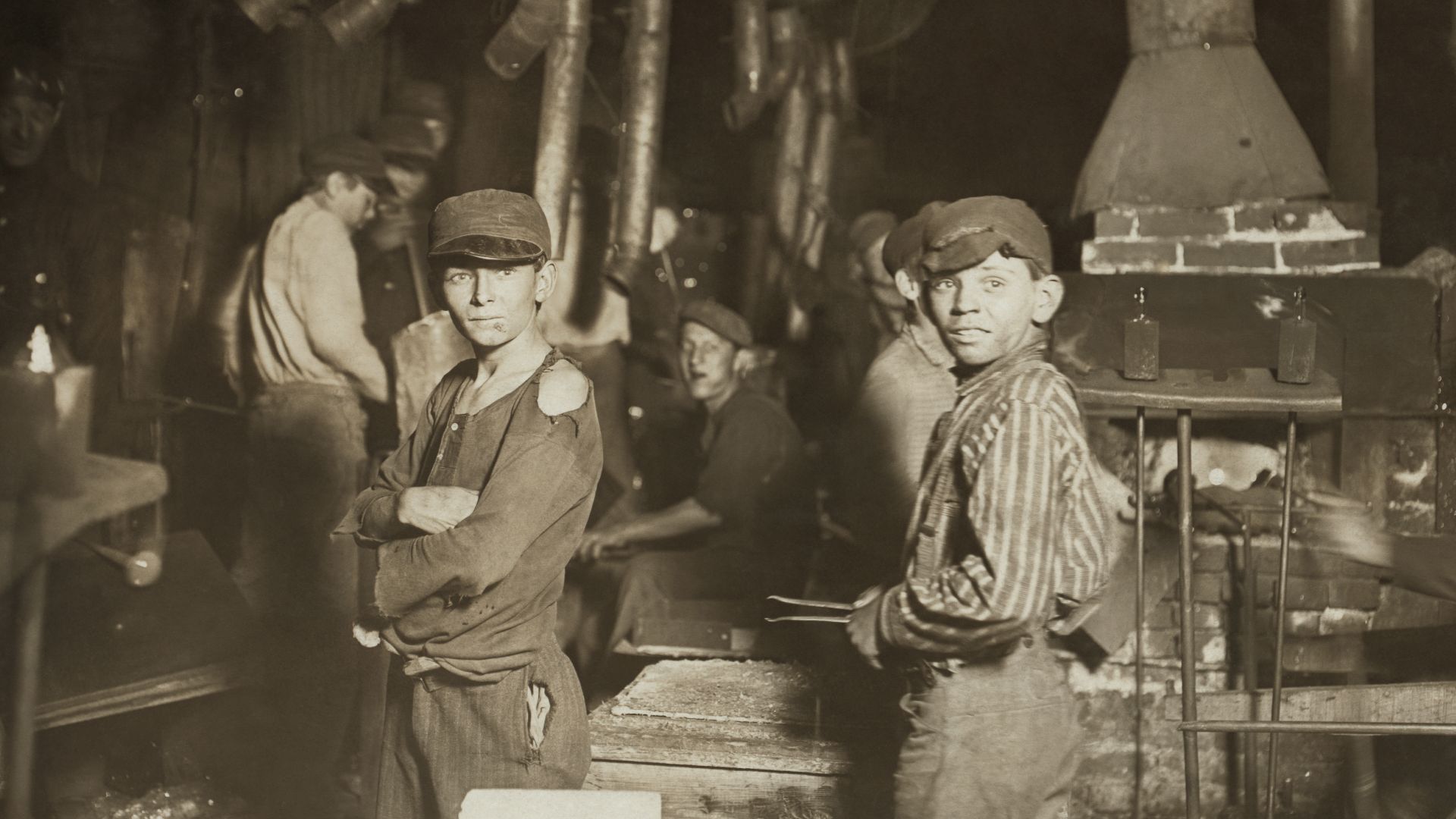 Lewis Wickes Hine. Restored by Michel Vuijlsteke, Wikimedia Commons
Wealthy Tourists Eye The Stars
At the Sea Spray Club in Palm Beach, wealthy vacationers peered through telescopes for amusement. Their leisure stood in stark contrast to widespread displacement, which reminded the public that luxury tourism thrived even amid national economic collapse.
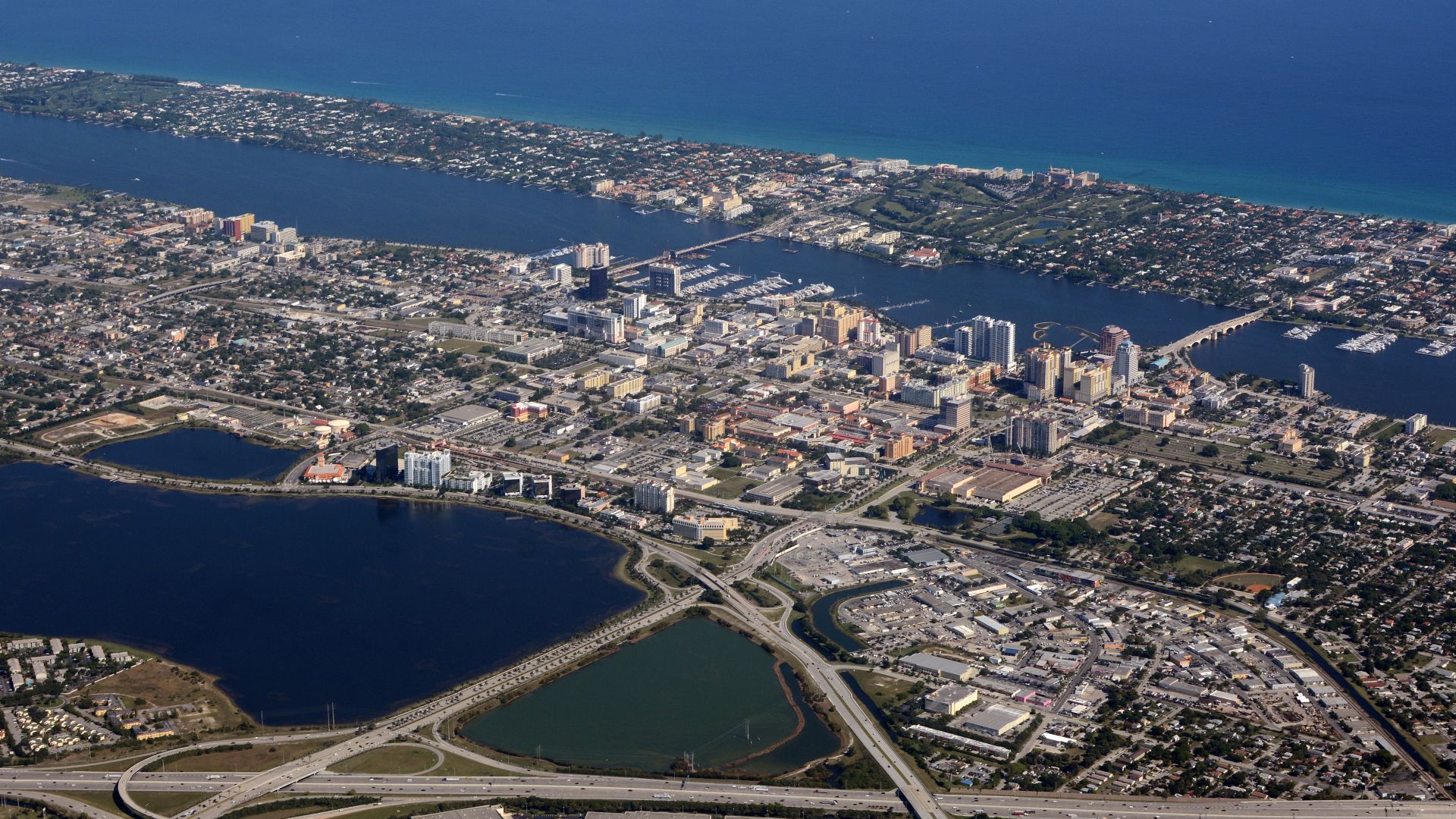 Don Ramey Logan, Wikimedia Commons
Chicago Soup Line Stretches Wide
In 1931, Al Capone opened a soup kitchen in Chicago to feed thousands daily. Photos of endless lines wrapping the block revealed the scale of urban hunger. For many jobless Americans, this was the only meal they could count on.
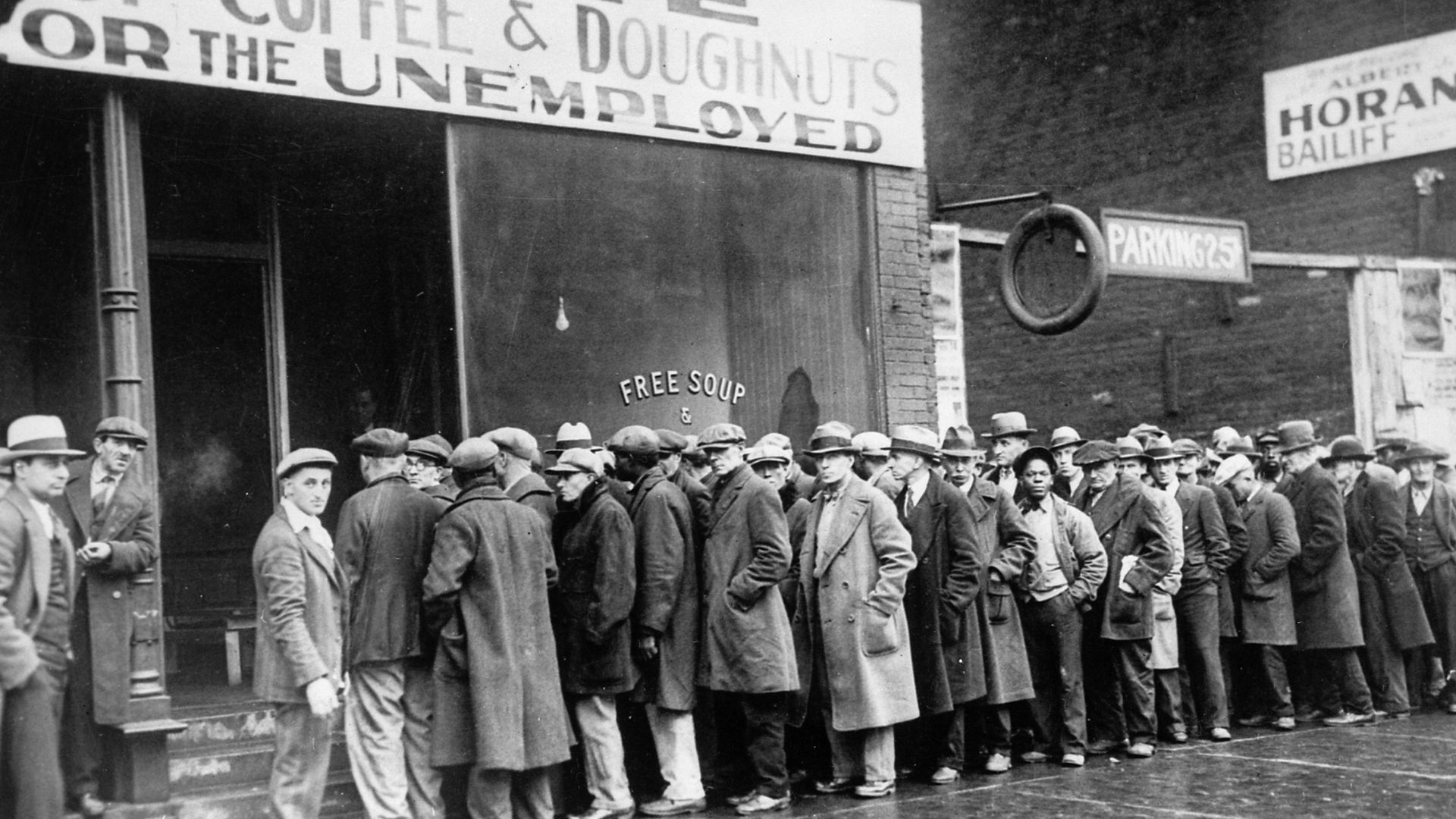 Unknown authorUnknown author or not provided, Wikimedia Commons
Dust Bowl Kids Wait For Relief
In 1930, photographer Lewis Wickes Hine captured a stark scene in Floyd County, Kentucky, where young boys from a drought-stricken mountain community gathered as the American Red Cross distributed food orders. Their quiet expressions revealed more than words could, offering a glimpse into the hardship and neglect that had weighed on the region for years.
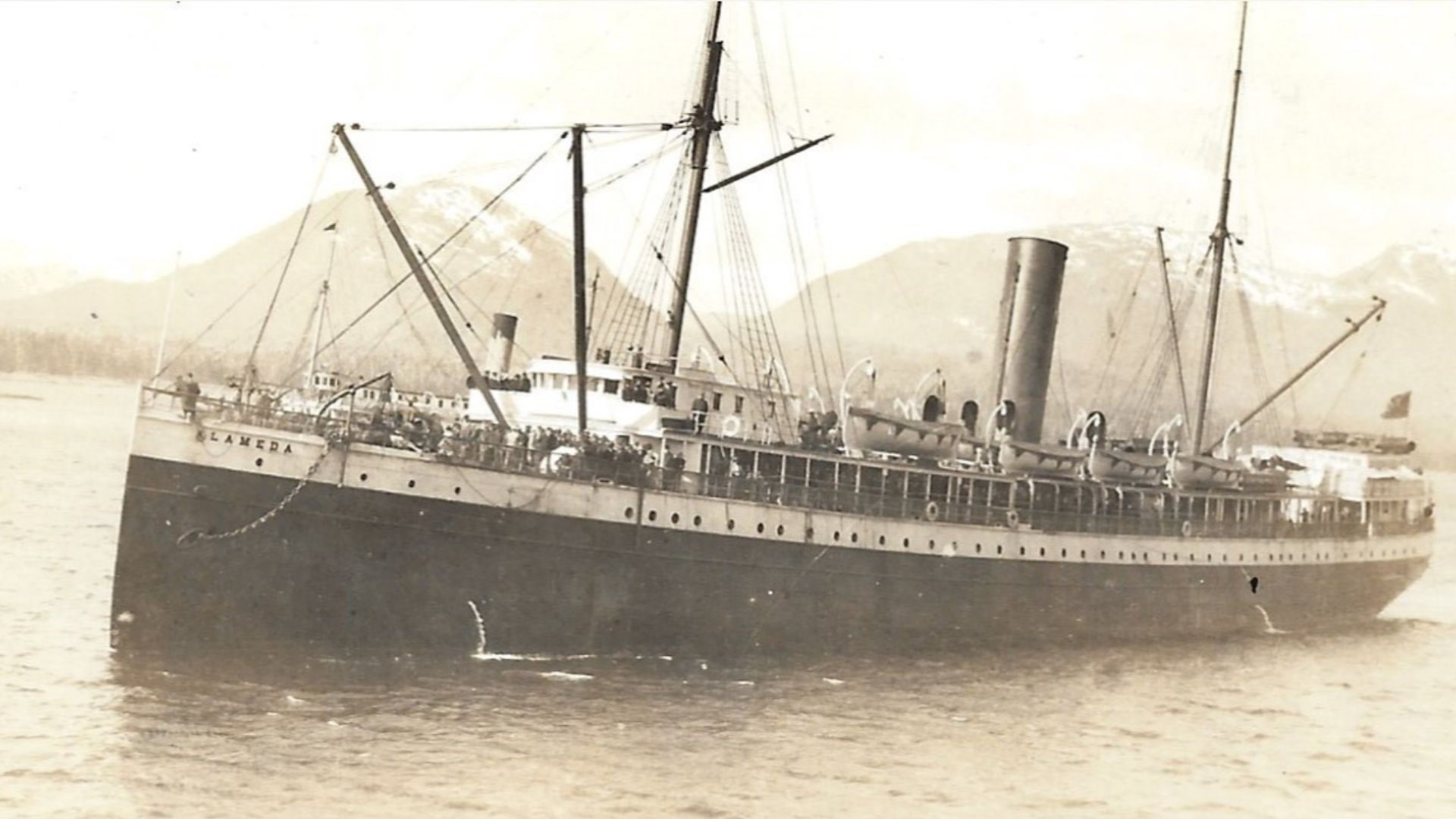
SS Alameda With Supplies For New Railroad At Anchorage
The SS Alameda arrived in Anchorage with supplies for railroad construction. It marked a moment of expansion, yet many communities saw little gain. As goods advanced inland, those on the fringes watched prosperity slip past. Close enough to witness, too far to reach.
 John E. Thwaites (presumed), Wikimedia Commons
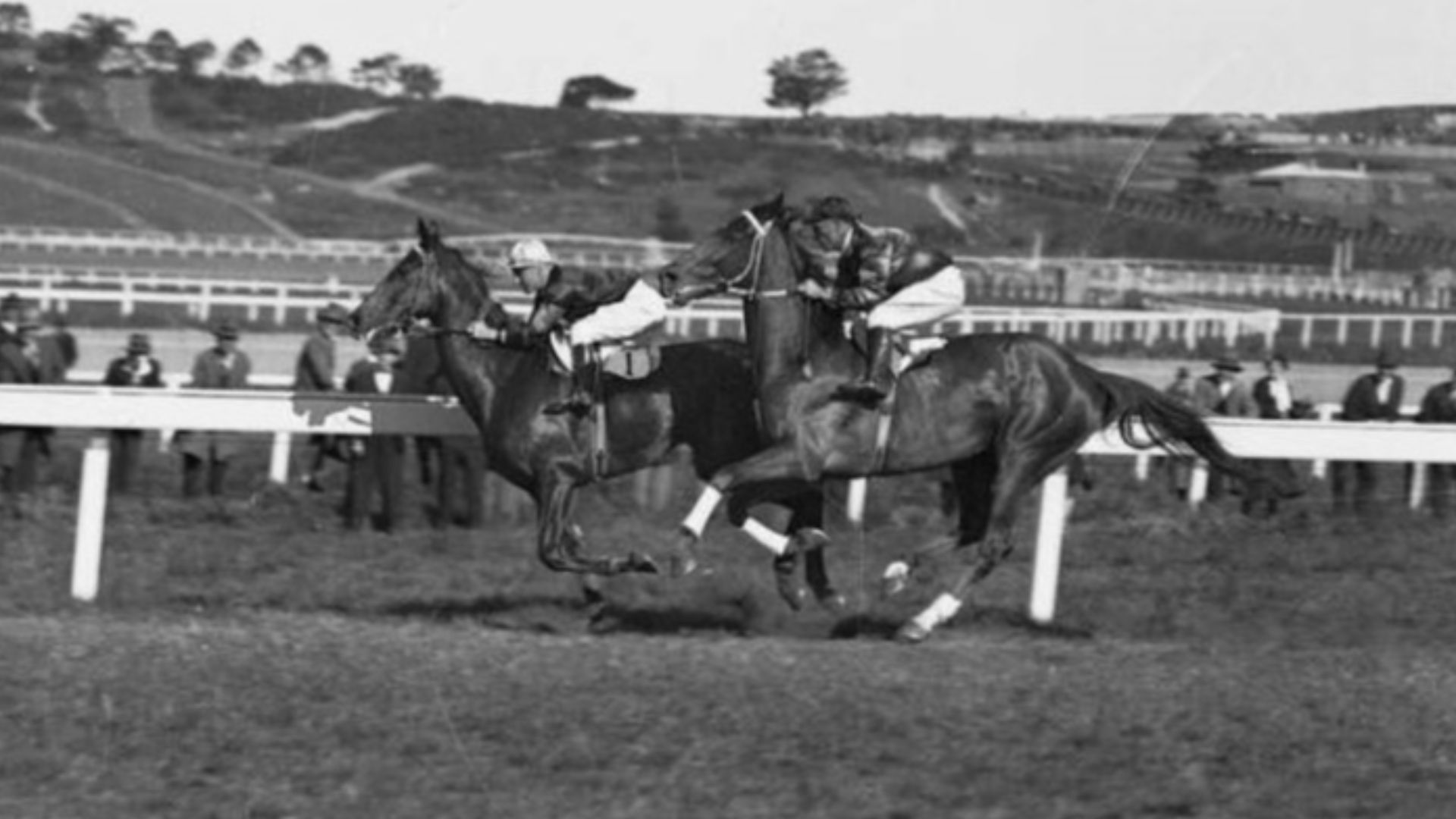
High Society Crowds The Track
The wealthy elite gathered at prestigious racecourses in tailored outfits and feathered hats. These social events remained a staple for the elite throughout the 1930s. While banks collapsed and farms failed, the racetrack was a glamorous refuge for those insulated from the crisis.
 Fairfax Corporation - Sydney, Wikimedia Commons
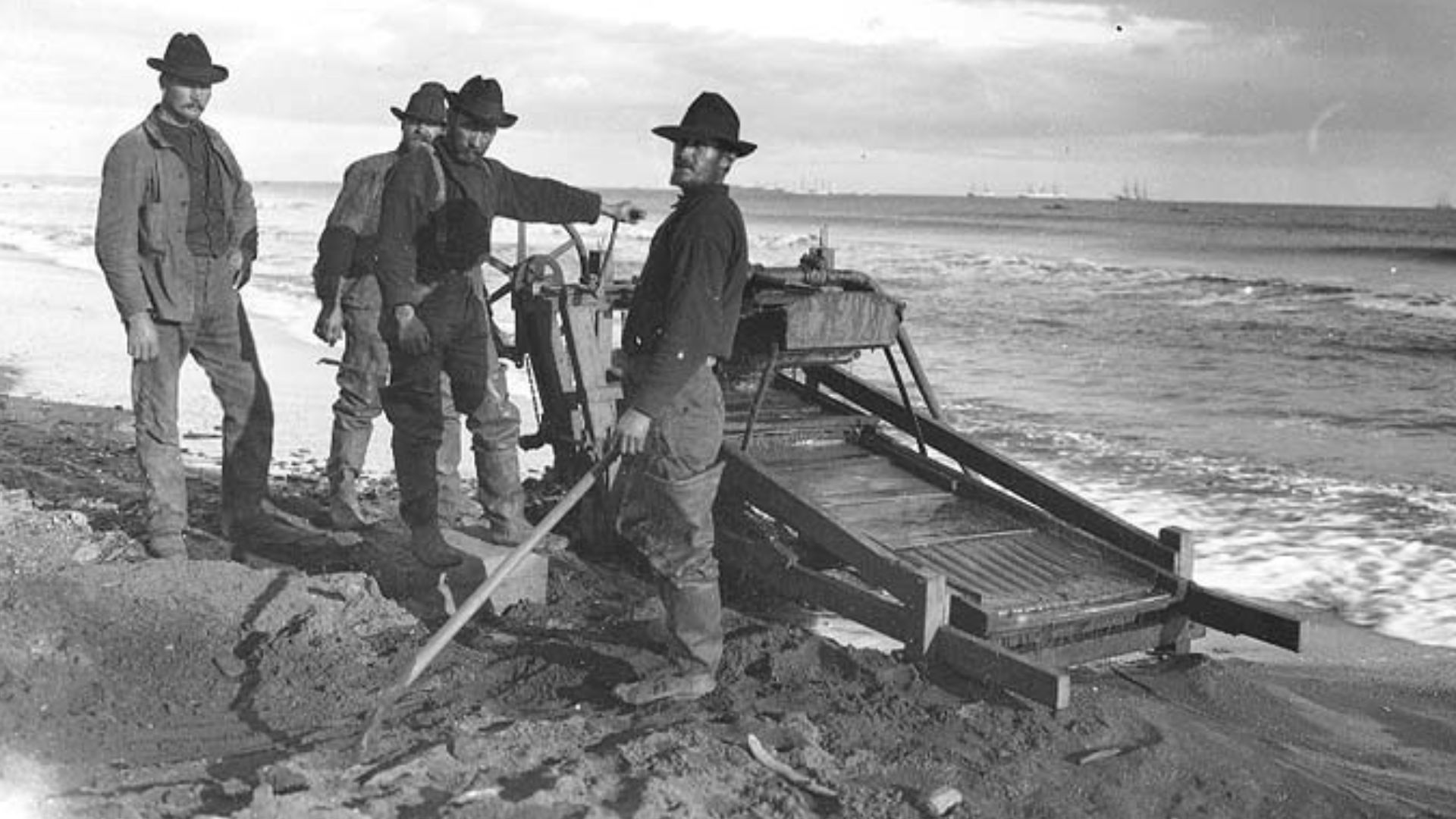
Gold Pan Grips Desperate Hands
Men hunched over tide-washed sands on Nome Beach in Alaska to sift for gold with primitive pans. This desperate search for flake-sized fortunes became a last resort for many out-of-work. It was the illusion of hope in a country running short on it.
 Eric A. Hegg, Wikimedia Commons
Skyline Rises On Risky Shoulders
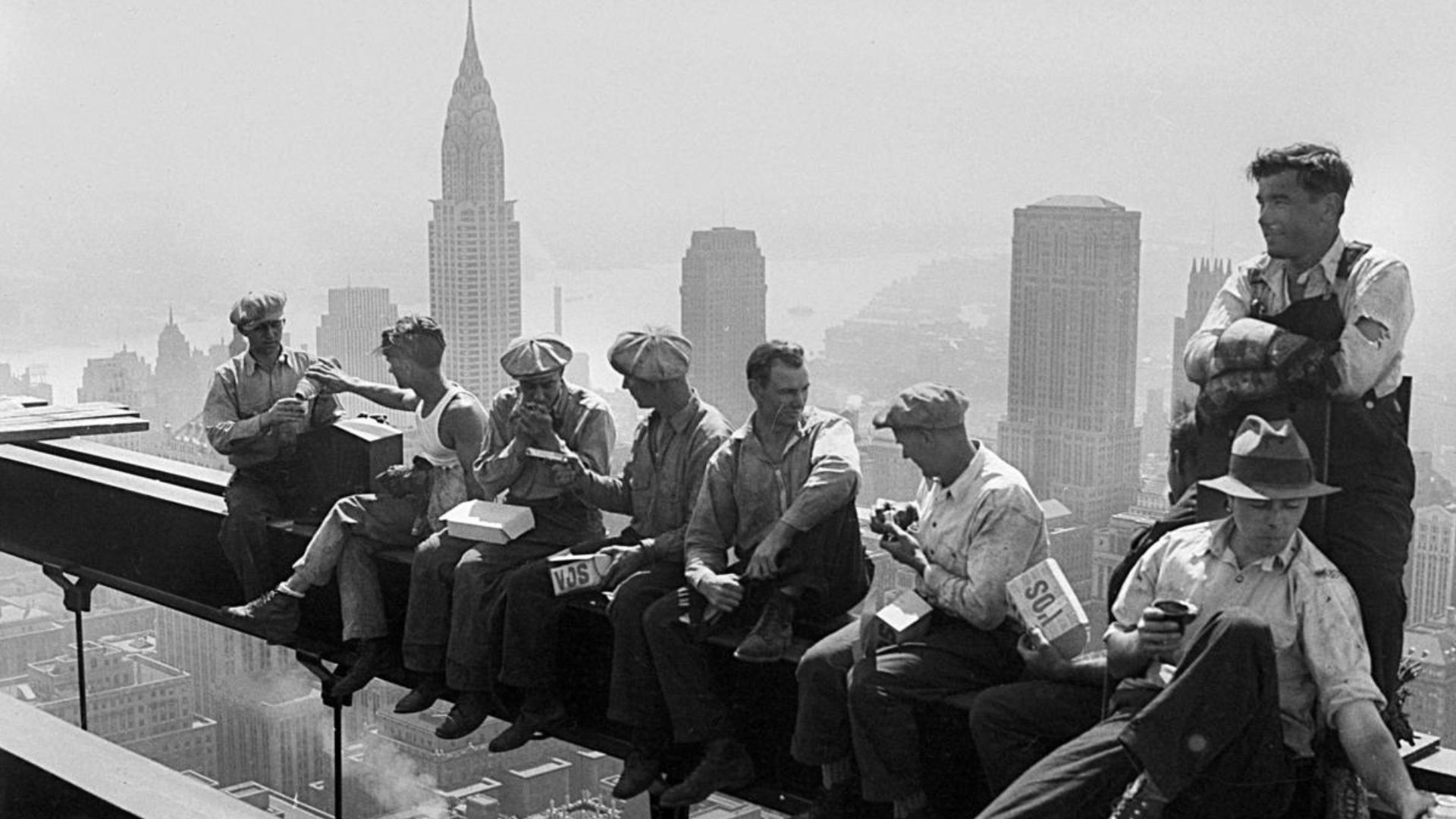
Workers perched on a scaffolding of the 102-story Empire State Building in Manhattan were photographed around 1930. There were no harnesses. Behind these daring poses were varied wages and constant danger in one of history’s boldest construction feats.
Luxury Plane Lifts Off
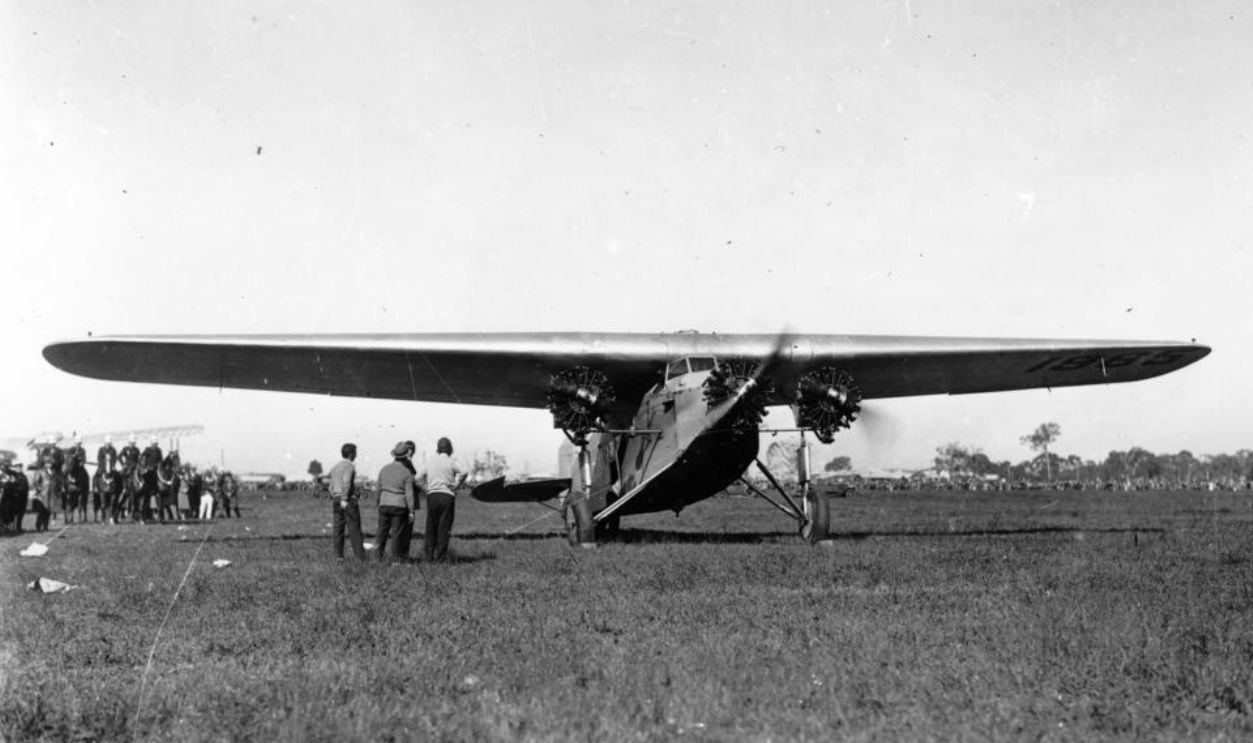
The Southern Cross aircraft, flown by famed aviator Charles Kingsford Smith, soared across continents while millions back home lined up for work. Luxury flights in the early 1930s were rare privileges, often funded by sponsors or personal wealth.
Red Cross Serves The Forgotten
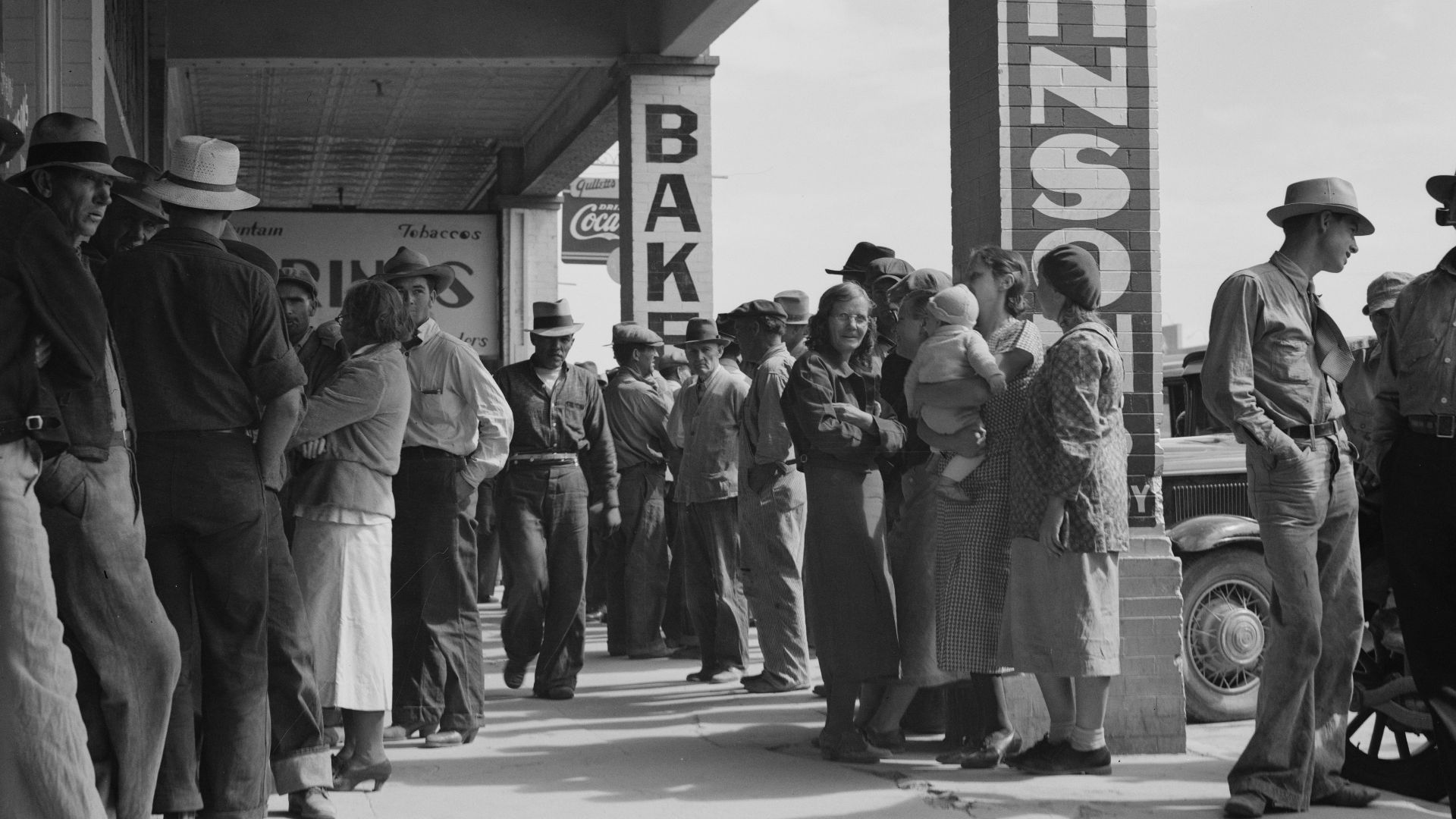
Lines formed quickly, old men and exhausted children. American Red Cross volunteers stirred steaming pots in dozens of small towns and handed out meals. The need far outweighed what private charities could offer. But they kept going, day after day, because someone had to.
 Dorothea Lange, Wikimedia Commons
Don’t Look Down
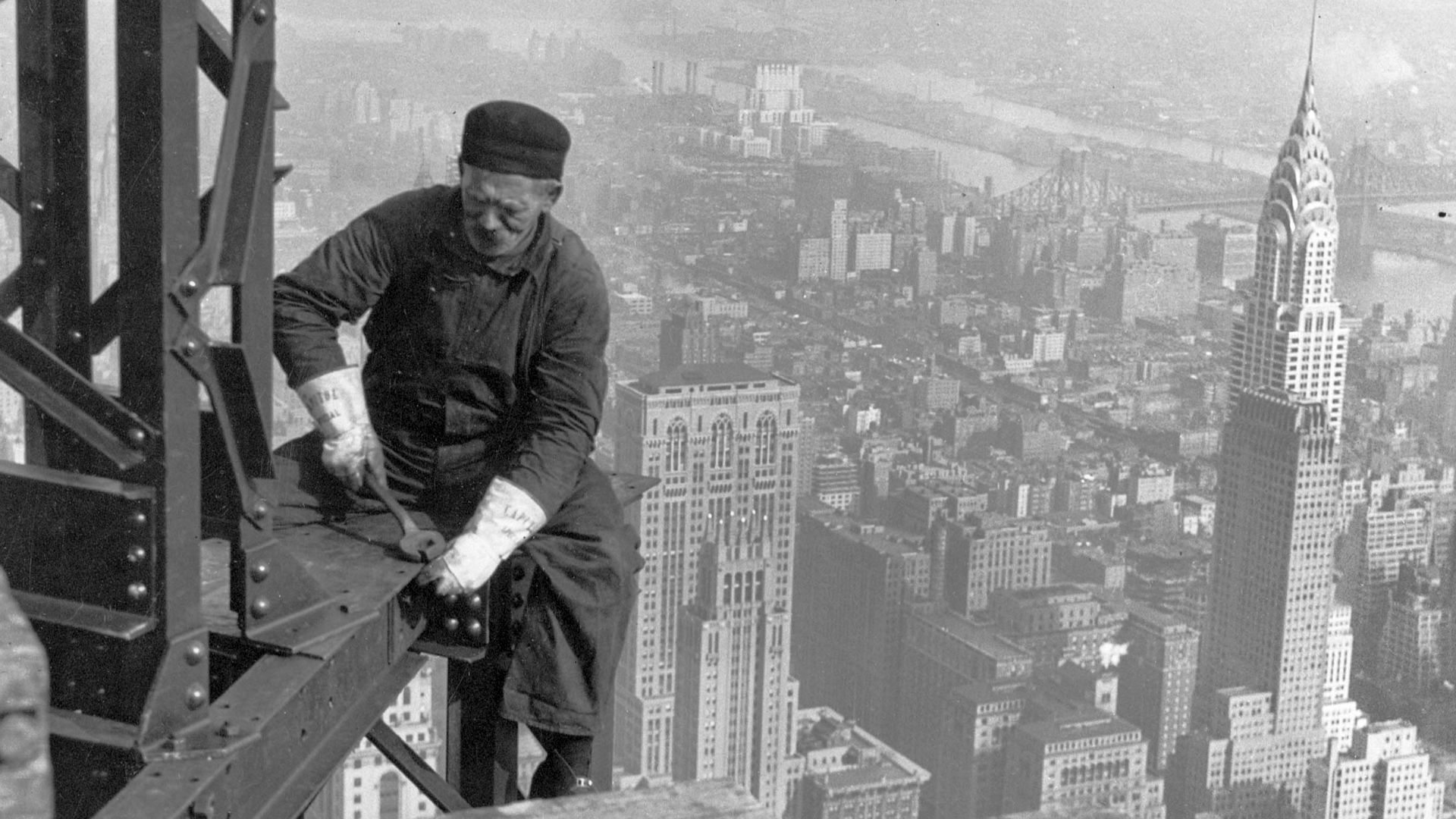
Two workers balance atop a towering New York skyscraper, seemingly unfazed by the dizzying drop beneath them. With no visible safety equipment, the photograph captures both the bold spirit and harsh realities of an era defined by rapid growth. While these soaring structures stood as symbols of progress and prosperity, the men who built them often faced extraordinary risks for only a small share of the rewards.
Two Worlds Moving On The Same Street
Horsedrawn carts and motor trucks deliver produce side by side in 1930s Chicago. The coexistence of old and new mirrored the era’s economic split. Beneath the trade rhythm, workers loaded and hauled while store owners managed profits.
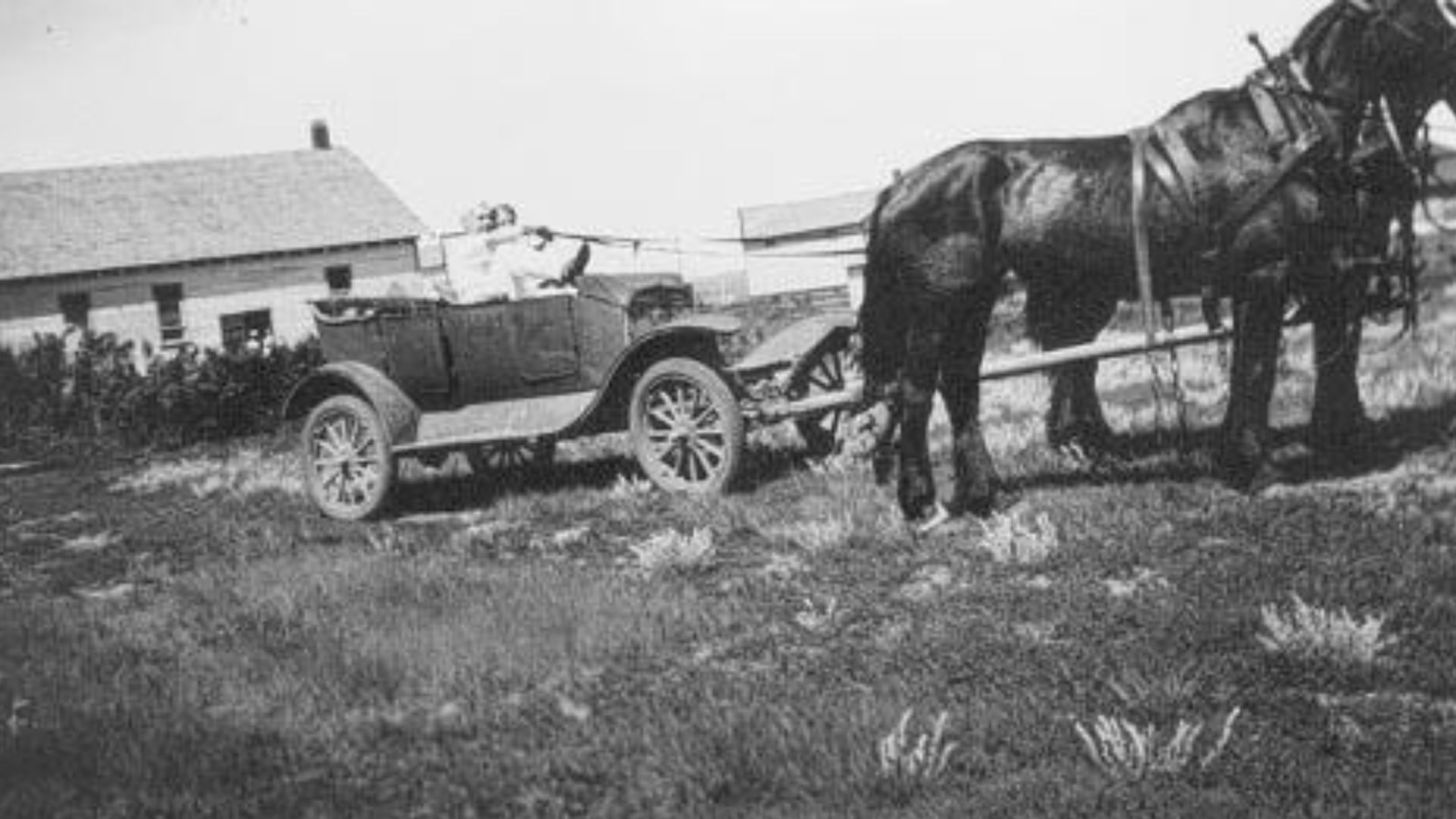 Unknown authorUnknown author, Wikimedia Commons
Factory Gates Flooded With Workers
Thousands clocked out after grueling shifts at the Ford Motor Works in Detroit. Assembly-line labor defined the era for the working class, many of whom faced job insecurity and wage cuts as the Depression deepened.
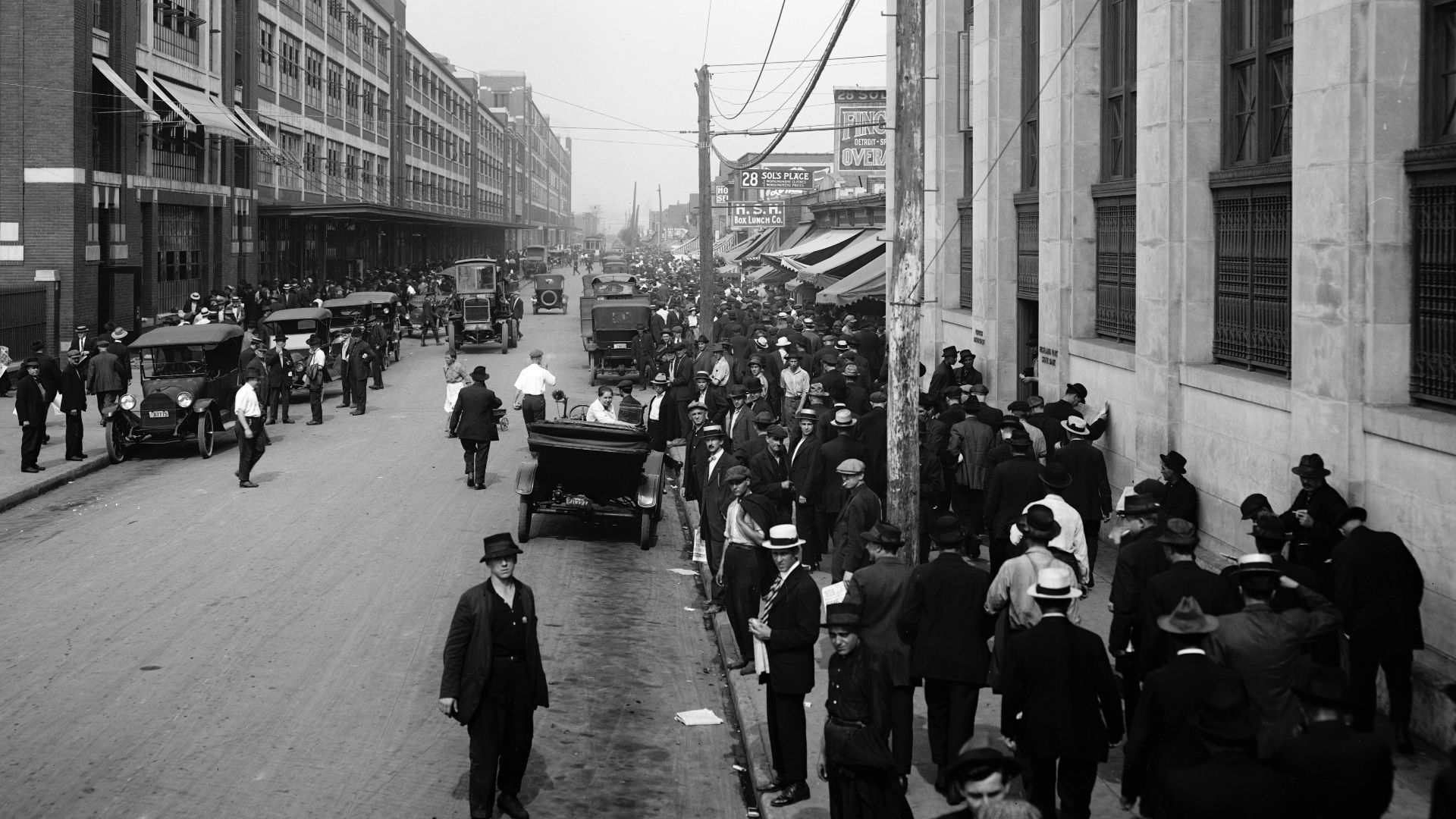 Detroit Publishing Company, Wikimedia Commons
Selling Berries By The Wall
Indigenous vendors sit against a building wall, selling berries. These quiet scenes of subsistence tell the story of economic exclusion. While some gathered at banquets, others depended on sidewalks and hand-to-hand sales to scrape together what little they could.
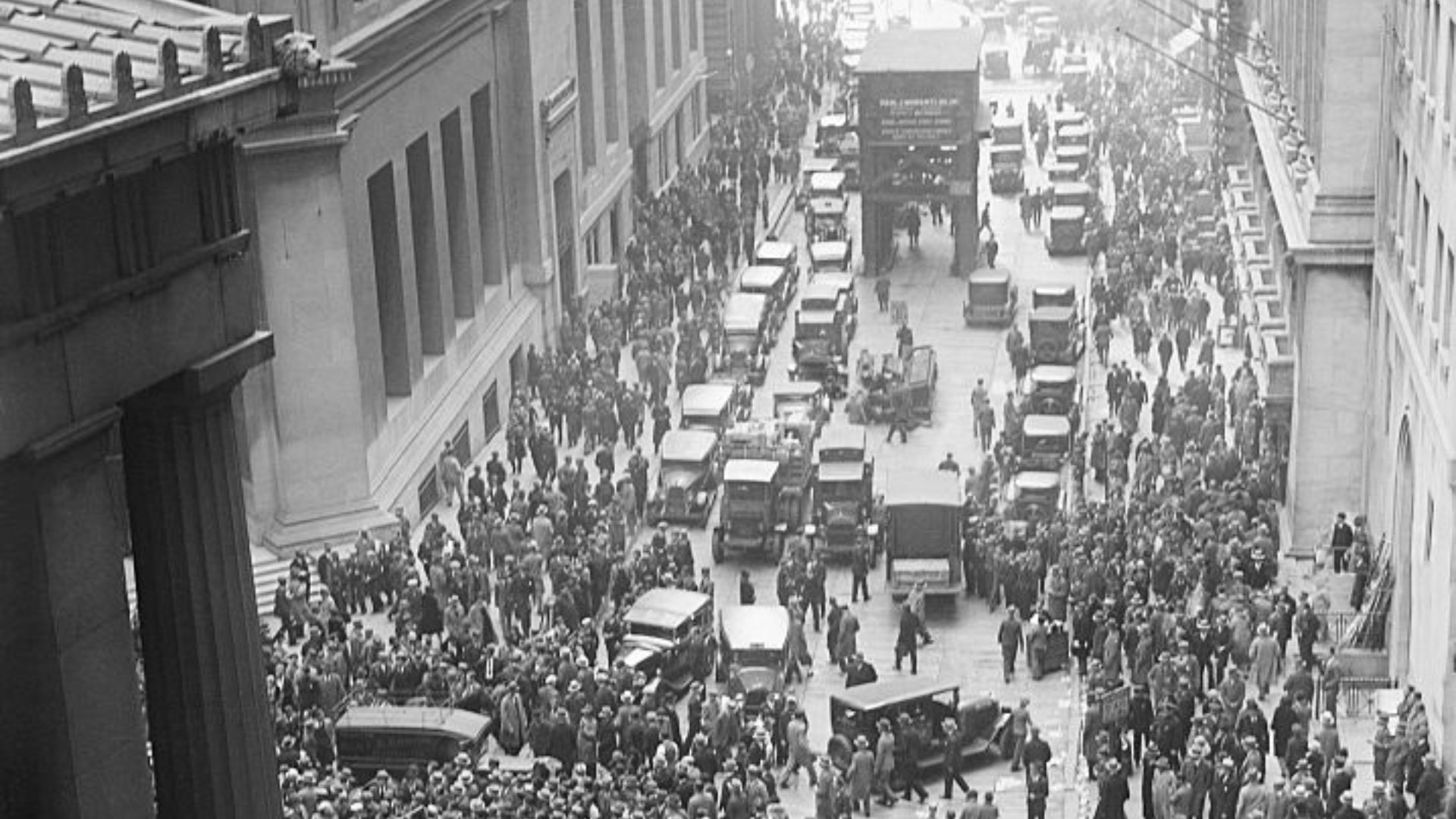
Chocolate On The Line
In 1936, women at the Meltis factory decorated chocolates on a conveyor line in Bedford, England. The job was precise and repetitive. While the treats catered to the middle and upper classes, the hands that crafted them belonged to workers clocking long hours for pennies.
 Ministry of Information Photo Division Photographer, Wikimedia Commons
Seward And Susitna Mail Team
This image shows a mail team working the icy trails between Seward and Susitna around 1930. Sleds and dogs carried communications across rugged Alaska terrain. It was grueling work, often isolated, yet vital for maintaining the bare threads of connection between far-flung towns.
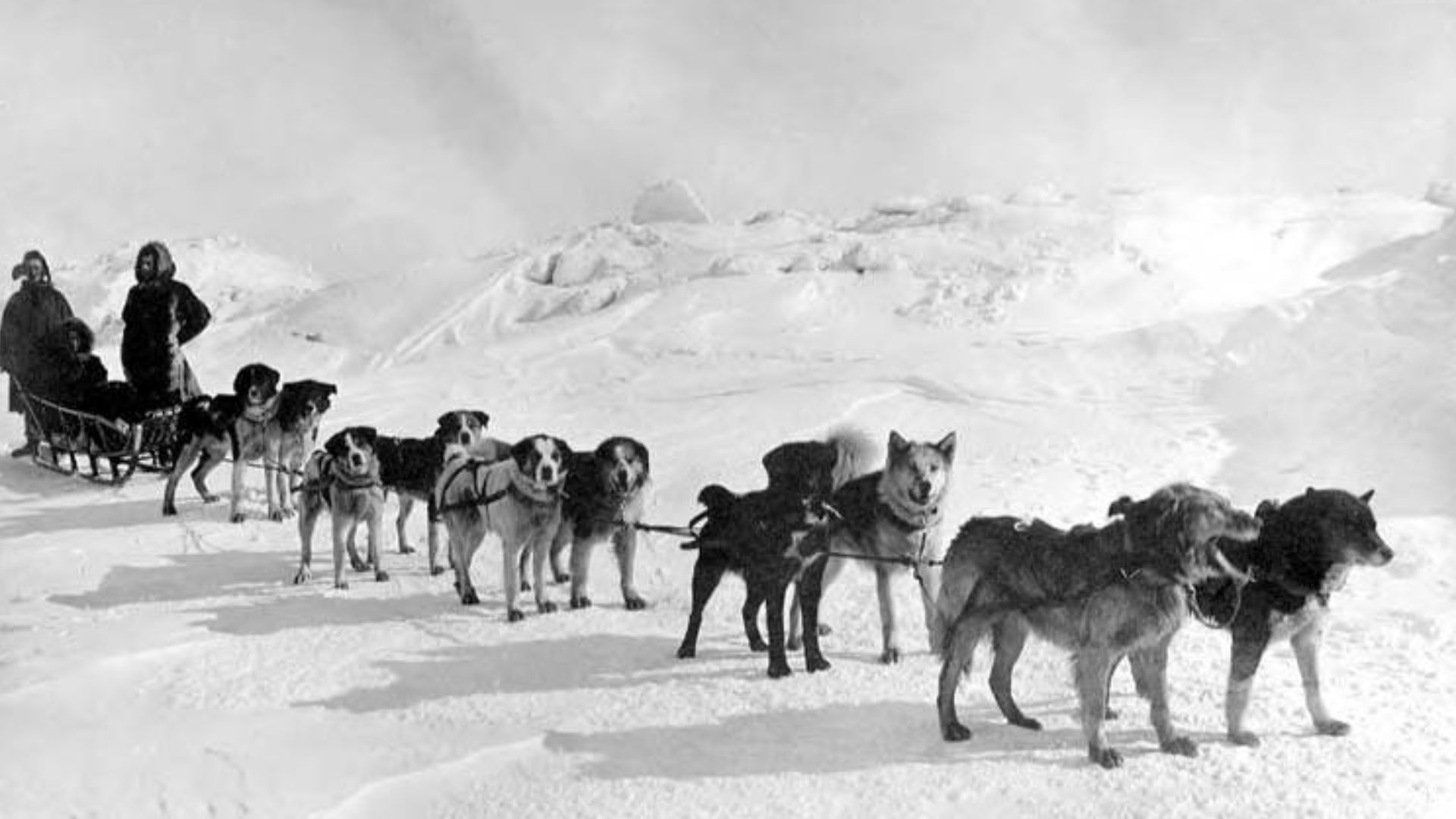 Beverly Bennett Dobbs, Wikimedia Commons
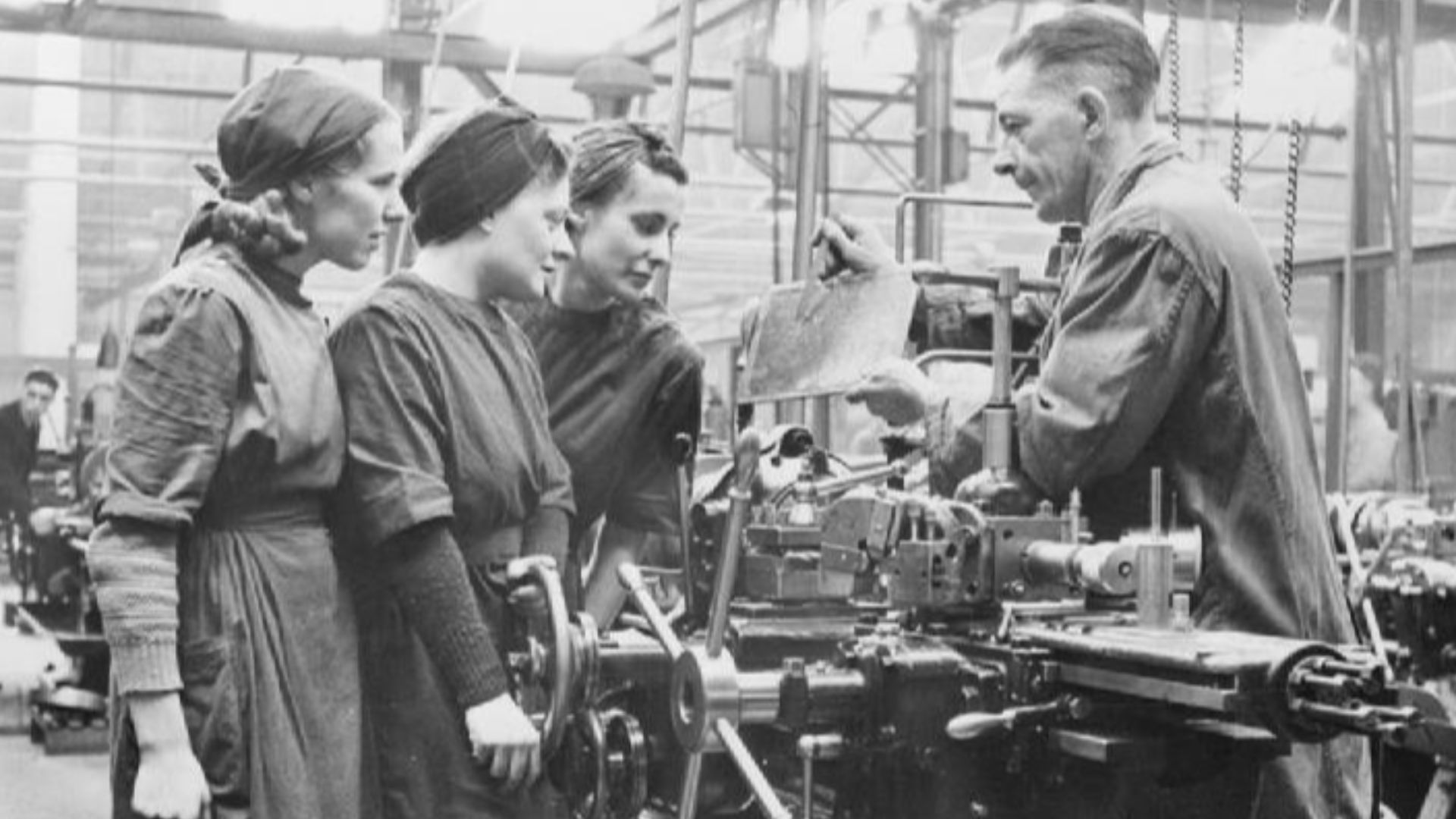
On The Shop Floor
Photographed in 1930, London, women engineers operate the Atlanta Garage on Brixton Road. With sleeves rolled up, they work engines and tools once dominated by men. Their presence in the garage spotlights the slow, steady reshaping of labor and who gets to earn a wage.
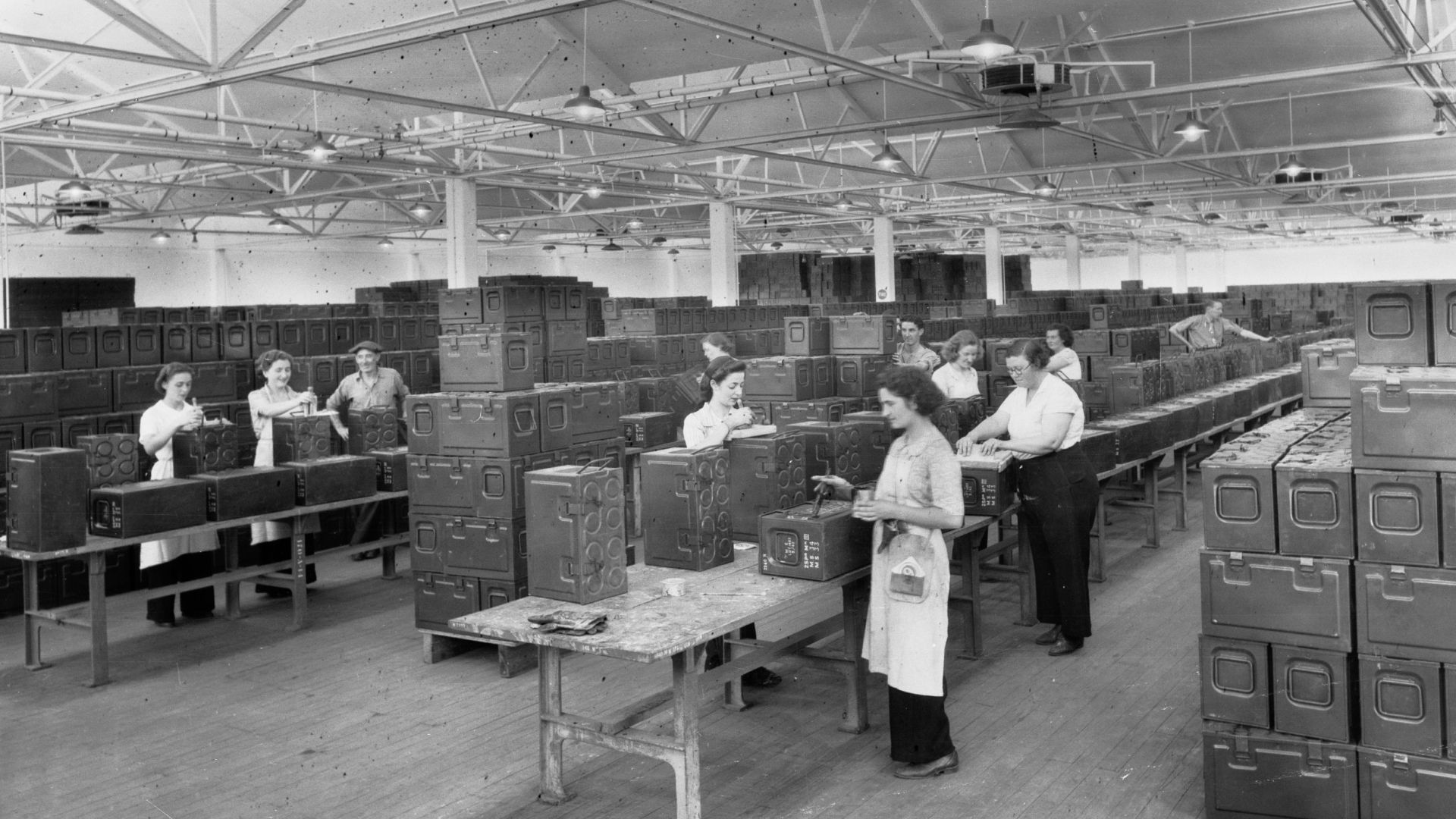 State Government Photographer, Wikimedia Commons
Track Crew At Work Near Anchorage
In early 20th-century Alaska, a railroad maintenance crew poses beside the tracks near Anchorage, part of the workforce responsible for keeping vital transportation routes open across the rugged frontier. The job demanded long hours, backbreaking labor, and resilience against harsh conditions. Though their efforts helped fuel commerce and connect distant communities, the prosperity carried by those rails rarely found its way into the hands of the men who maintained them.
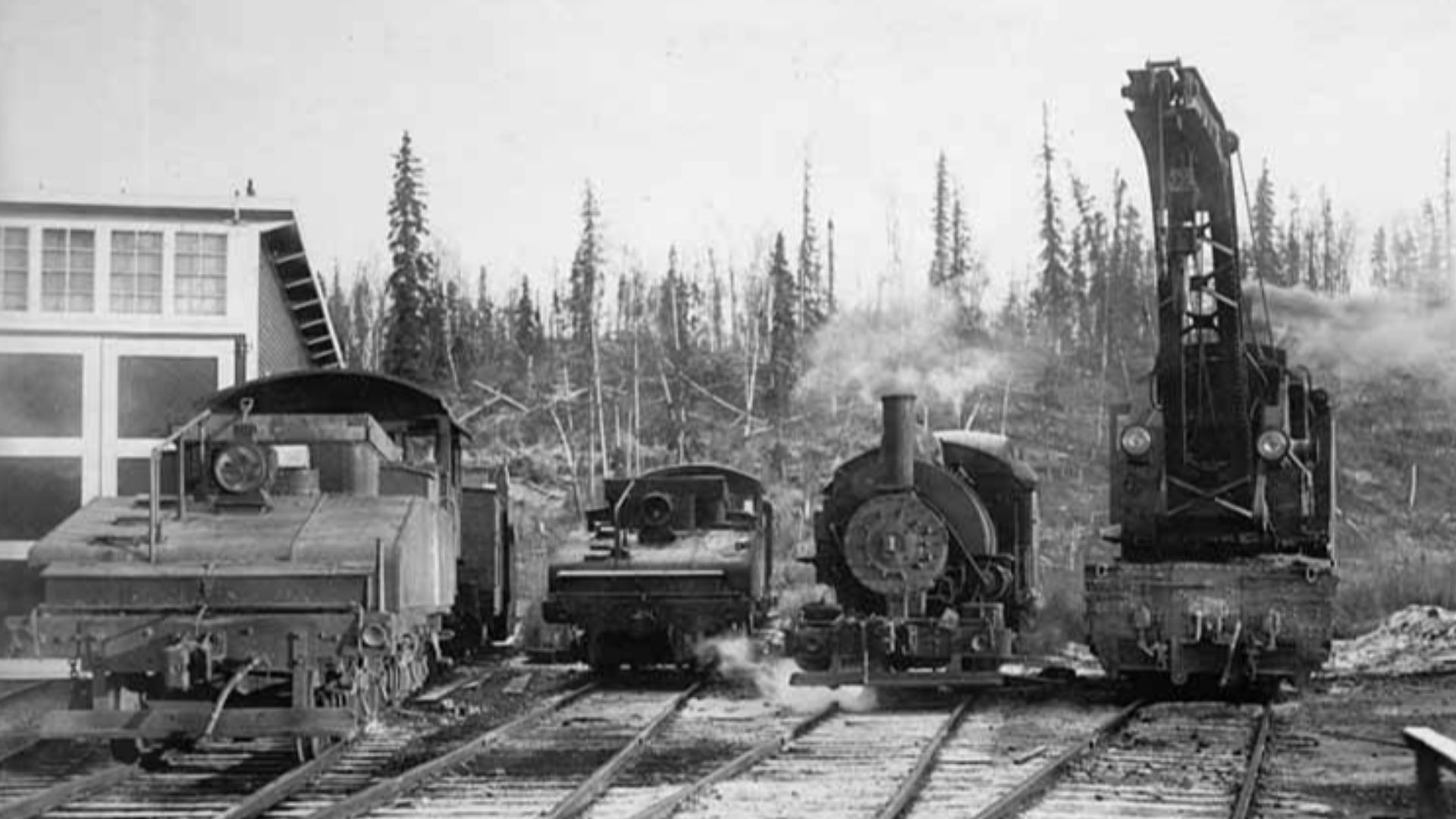 H. G. Kaiser, Wikimedia Commons
Hall Of Fame Opening Judge Landis
In 1939, Ford Frick and Judge Landis were photographed during the inaugural celebration of the Baseball Hall of Fame in Cooperstown. Their tailored suits and ceremonial presence reflect power and influence. Even in leisure, elite Americans found ways to be enshrined in legacy.
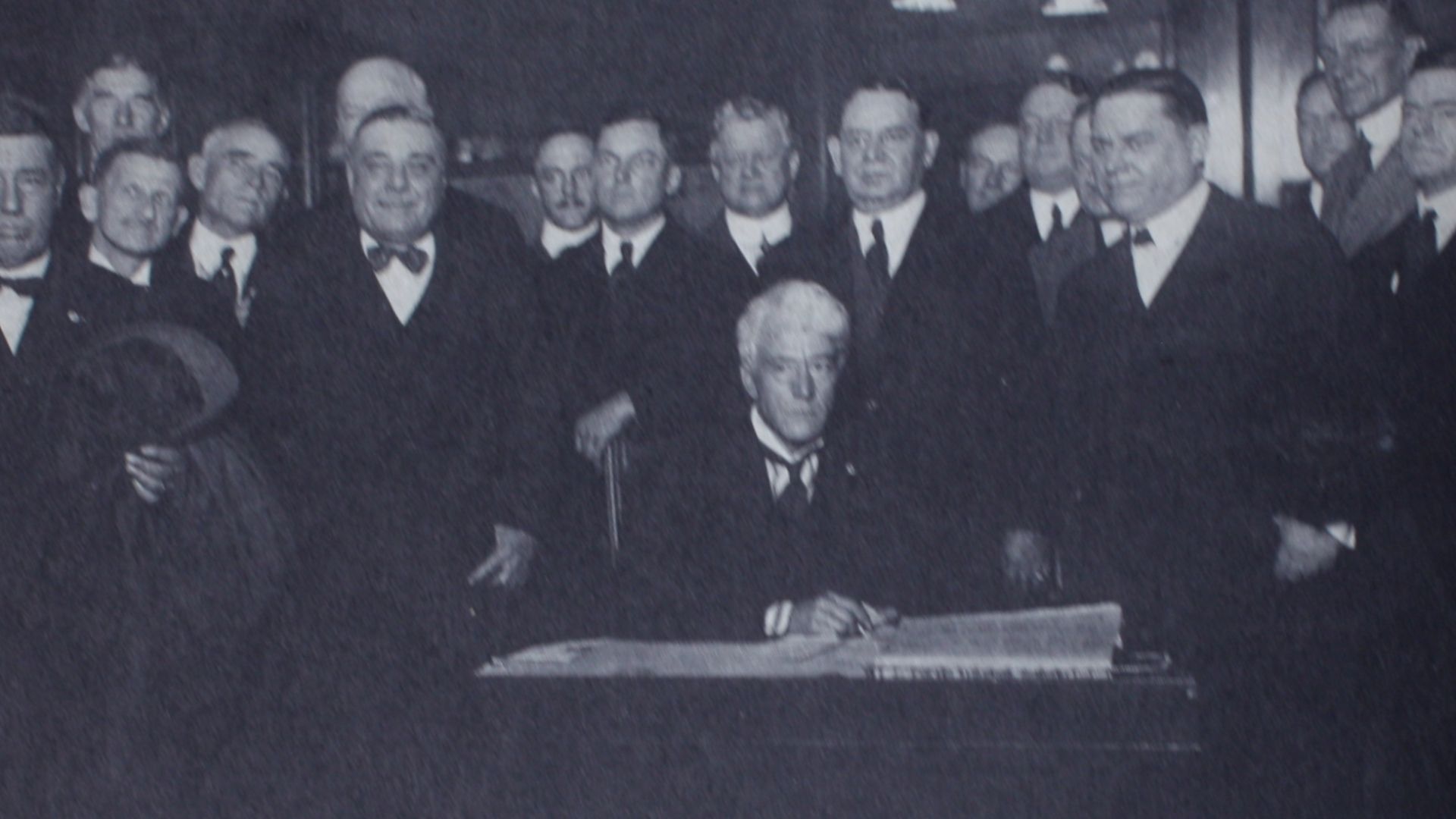 Chicago Tribune, Wikimedia Commons
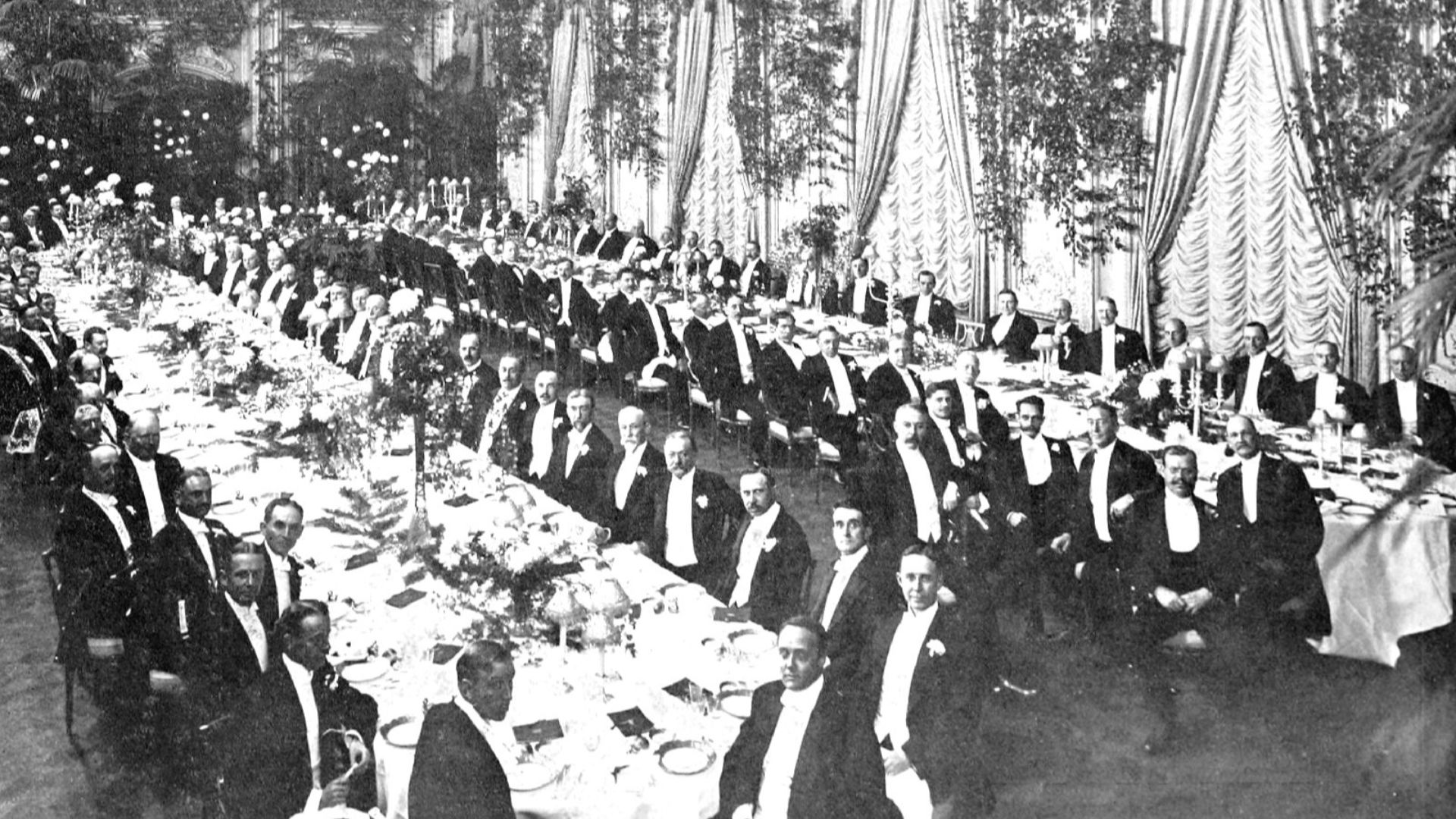
Fortuna Crab Racing
In New York City, socialites prepared for Fortuna Crab Racing at the Waldorf. The benefit ball, hosted for a hospital charity, reveals how even philanthropy was infused with luxury. The game was unusual, but entry was limited to a select few.
 The Iron Trade Review, Wikimedia Commons
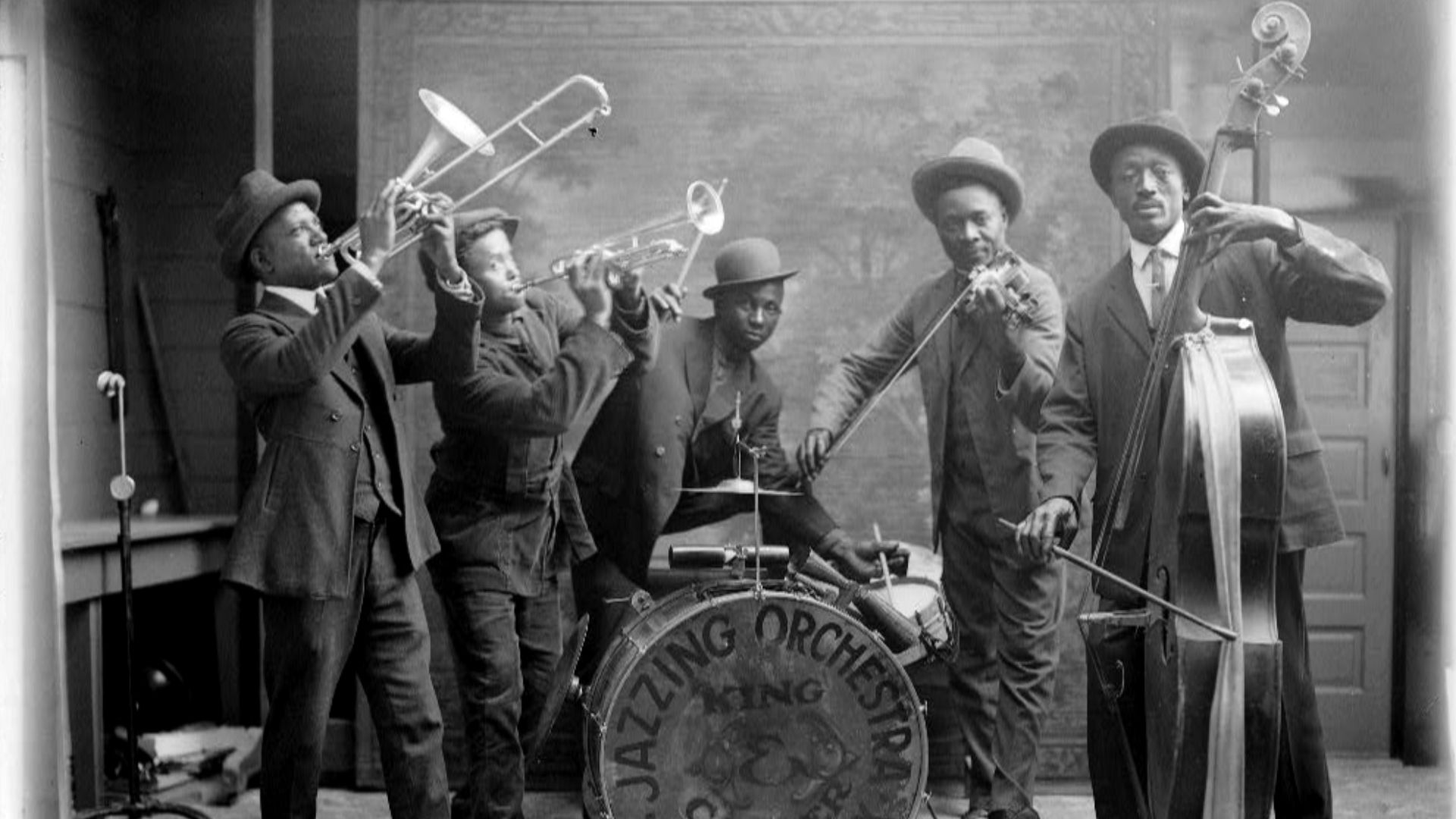
Band Concert
Somewhere between 1900 and 1930, a public band concert drew a modest crowd. These communal events brought brief relief from hardship. With no tickets required and music free to all, they became one of the few luxuries poverty didn’t completely shut out.
 Unknown authorUnknown author, Wikimedia Commons
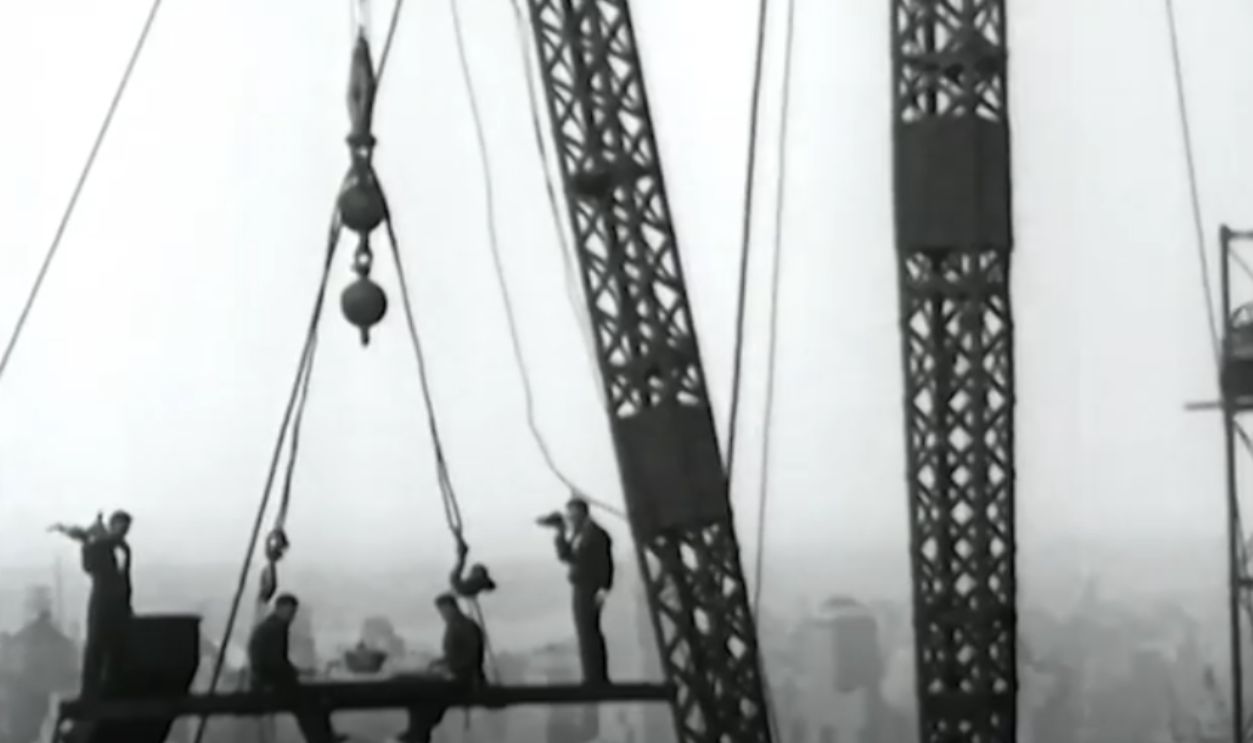
Lunch Served On A Steel Beam
Photographed during the construction of the Waldorf-Astoria Hotel around 1930, this image shows two waiters serving lunch to seated men on a suspended I-beam above Park Avenue. Though likely staged, these daring images show real workers behind the scenes.
 Waldorf serves workers in the sky 1930 by History Comes to Life