The Retirement Party Keeps Getting Postponed
Retirement was supposed to be simple. Reach 65, accept a gold watch, cut a suspicious-looking sheet cake and disappear somewhere with better weather.
But millions of Baby Boomers are still showing up for work—and the longer they stay, the louder everyone else asks the same question: Why won’t they just retire?
 Dmytro Zinkevych, Shutterstock
They Really Are Staying Longer
In 2025, 19.1% of Americans age 65 and older were still working or looking for work, up from 12.9% in 2000. However, this is a long-term shift—not a sudden new record. The rate reached a recent peak of 20.2% in 2019 before easing slightly.

Plenty Are Working Well Into Their 70s
This is not just about 62-year-olds delaying retirement for a few years. In 2025, 22.3% of men ages 70 to 74 were still working or looking for work, along with 15.7% of women. Among women that age, participation has climbed 57% since 2000.

Some Boomers Are Barely Retirement Age
Baby Boomers were born between 1946 and 1964, which means the generation spans nearly 20 years. In 2026, its youngest members are only turning 62. They may qualify for reduced Social Security benefits, but calling them stubborn retirement holdouts is slightly premature.

They Know Retirement May Arrive Early Anyway
Workers expect to retire at a median age of 65—but today’s retirees actually left at a median age of 62, and nearly half retired earlier than planned. Health problems, caregiving or a disappearing job can abruptly end even the most carefully constructed retirement plan.

Retirement Timing Is Not Always Voluntary
Health problems, family caregiving and a lack of available work contributed to when 46% of retirees stopped working. Remaining employed while they are still healthy and wanted can be a sensible strategy when Boomers know the final decision may eventually be made for them.
A Long Retirement Is Expensive
Retiring at 65 can mean funding another 20, 25 or even 30 years without a regular paycheck. That sounds wonderful until someone calculates how many groceries, property-tax bills, replacement furnaces and dental appointments can fit into three decades. Suddenly, one more working year looks surprisingly reasonable.

Inflation Ruined the Old Math
A retirement plan created when groceries, insurance and housing cost considerably less may no longer provide the same comfort. Seven in 10 workers now worry that rising housing costs will affect their retirement, while three in five say those costs are already hurting their ability to save.
 Inside Creative House, Shutterstock
One Bad Market Year Can Change Everything
A market downturn is unpleasant when someone is 45 and still adding money to a retirement account. It can be terrifying when withdrawals are about to begin. Continuing to earn allows Boomers to leave investments alone longer rather than selling during a particularly bad year.

Social Security Pays Them to Wait
Boomers who delay claiming Social Security beyond full retirement age can increase their eventual monthly benefit. Those born in 1943 or later generally receive delayed retirement credits equal to 8% annually until age 70. Working longer can produce another paycheck—and, if they also delay claiming Social Security, a larger future benefit.

Some Are Waiting for Medicare
For younger Boomers, retiring at 62 can mean finding several years of health coverage before Medicare generally begins at 65. Among working retirees, 16% said keeping health insurance was one reason they remained employed—and 74% of that group were younger than 65.

Medicare Does Not Make Every Bill Disappear
Turning 65 does not make healthcare free. Medicare can still involve premiums, deductibles and services that are not fully covered. Fewer than half of workers and retirees have even calculated how much they may need to save for healthcare expenses during retirement.

A Traditional Pension Is Far From Universal
The guaranteed monthly pension commonly associated with Boomer retirement is far from universal. Federal Reserve data found that 39% of adults ages 55 to 64 had a defined-benefit pension, compared with 52% of those 65 and older. Among non-retirees age 60 and older, only 53% believed their retirement savings were on track.

A Paid-Off House Cannot Buy Groceries
Some Boomers appear wealthy because they own homes that have risen dramatically in value. That wealth is real, but it is not necessarily sitting in a checking account. Unless they sell, downsize or borrow against the property, the kitchen may be worth a fortune while the monthly budget remains tight.
The Kids Are Still on the Payroll
Adult children may need help with rent, childcare, education, emergency expenses or a first home. Among retirees who continued working, 23% said the income enabled them to support family members or friends. Apparently, the family bank is still accepting applications long after graduation.
Their Own Parents May Need Help
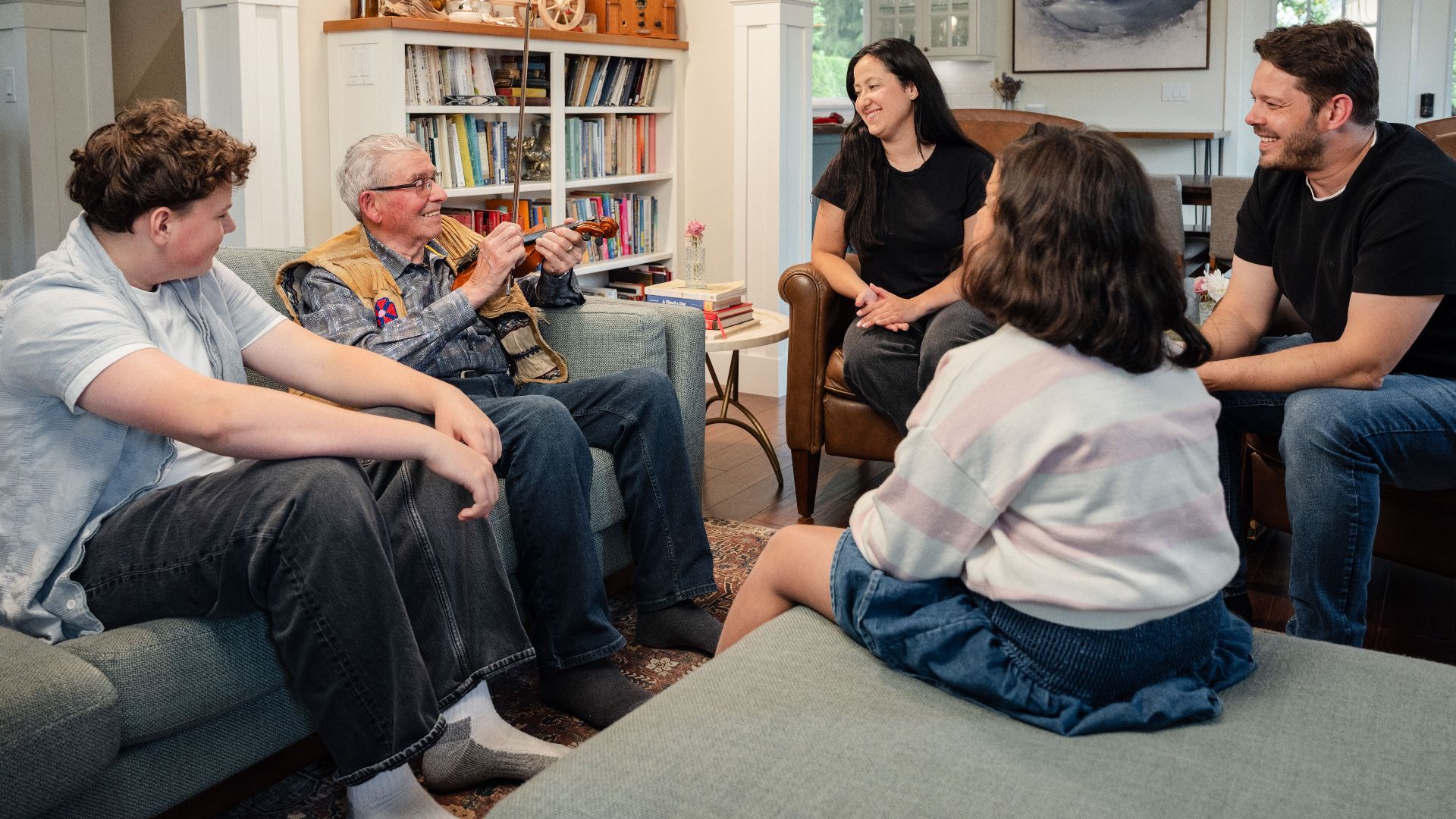
Some younger Boomers are supporting adult children while also caring for parents in their 80s or 90s. That can mean paying bills, arranging appointments or contributing toward professional care. The sandwich generation was apparently not filling enough, so someone added retirement planning between the bread.
Some Boomers Genuinely Like Working
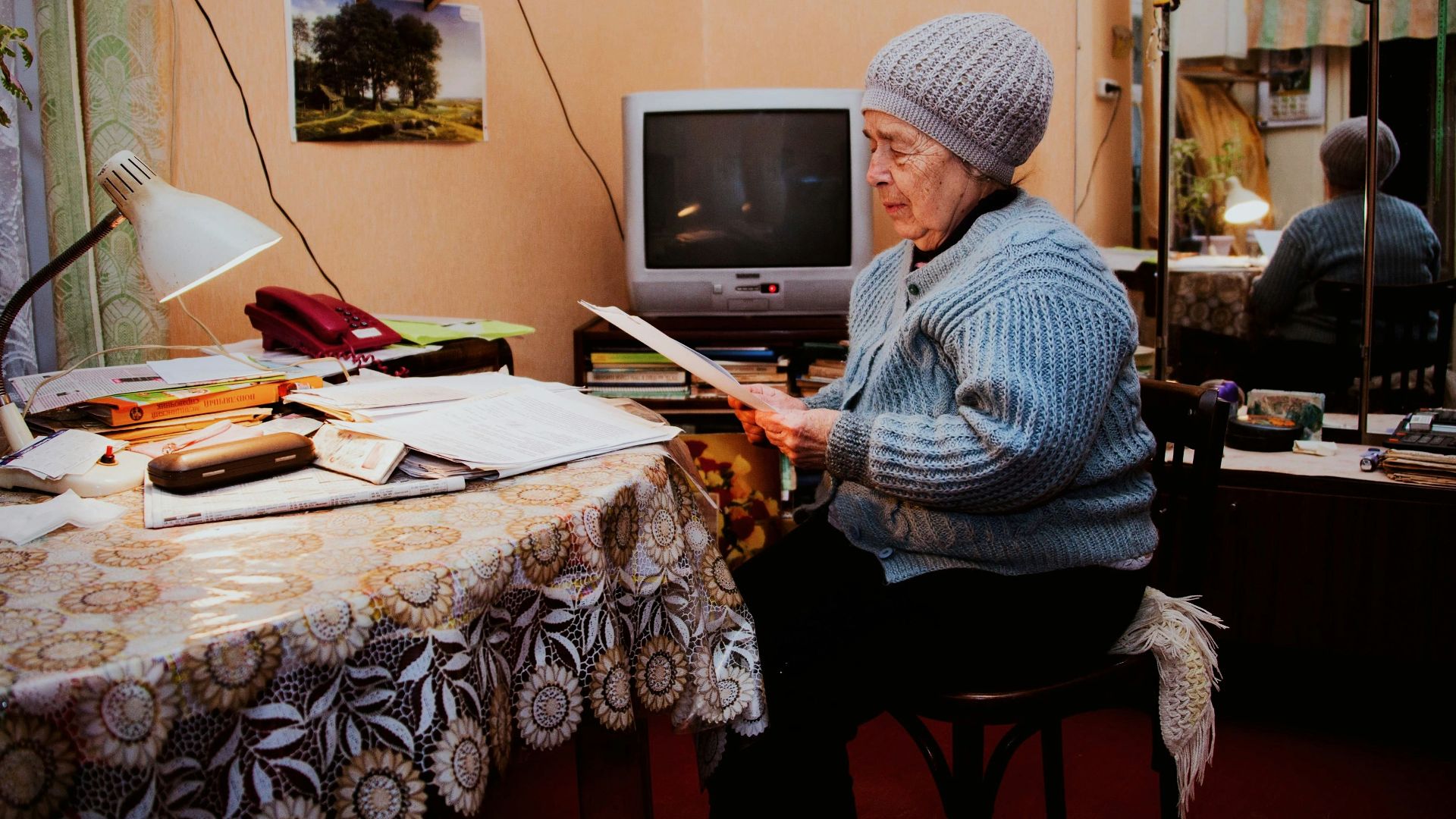
Not every older employee is staring sadly at the clock and praying for escape. Among retirees who continued working, 67% cited nonfinancial reasons such as enjoying the work, having a sense of purpose or maintaining social connections. For many, the job still makes life better.
 Wright Building Center, Unsplash
Work Is Where Their Friends Are
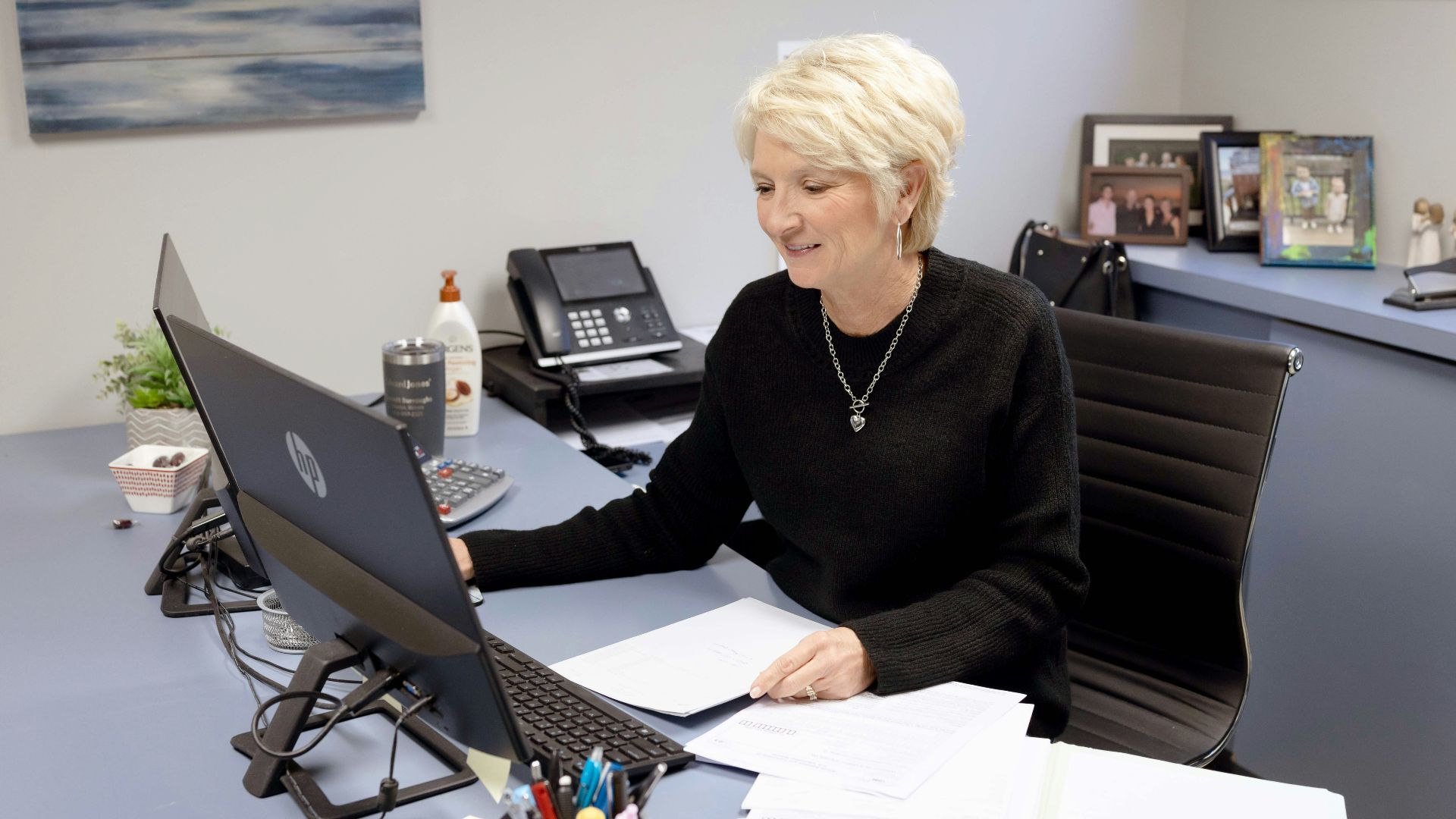
After decades in one industry, the workplace may provide most of someone’s daily conversations, friendships and social activity. Retirement does not merely remove meetings and emails. It can also remove the people who notice a new haircut, ask about the weekend and complain about the same broken printer.

The Job Became the Identity
Ask someone what they do, and they usually answer with their occupation. After 40 years, that answer becomes difficult to surrender. Retirement can remove a title, authority, expertise and a familiar place in the world all at once. “Former regional vice-president” simply does not hit quite the same.
Retirement Can Get Quiet Fast
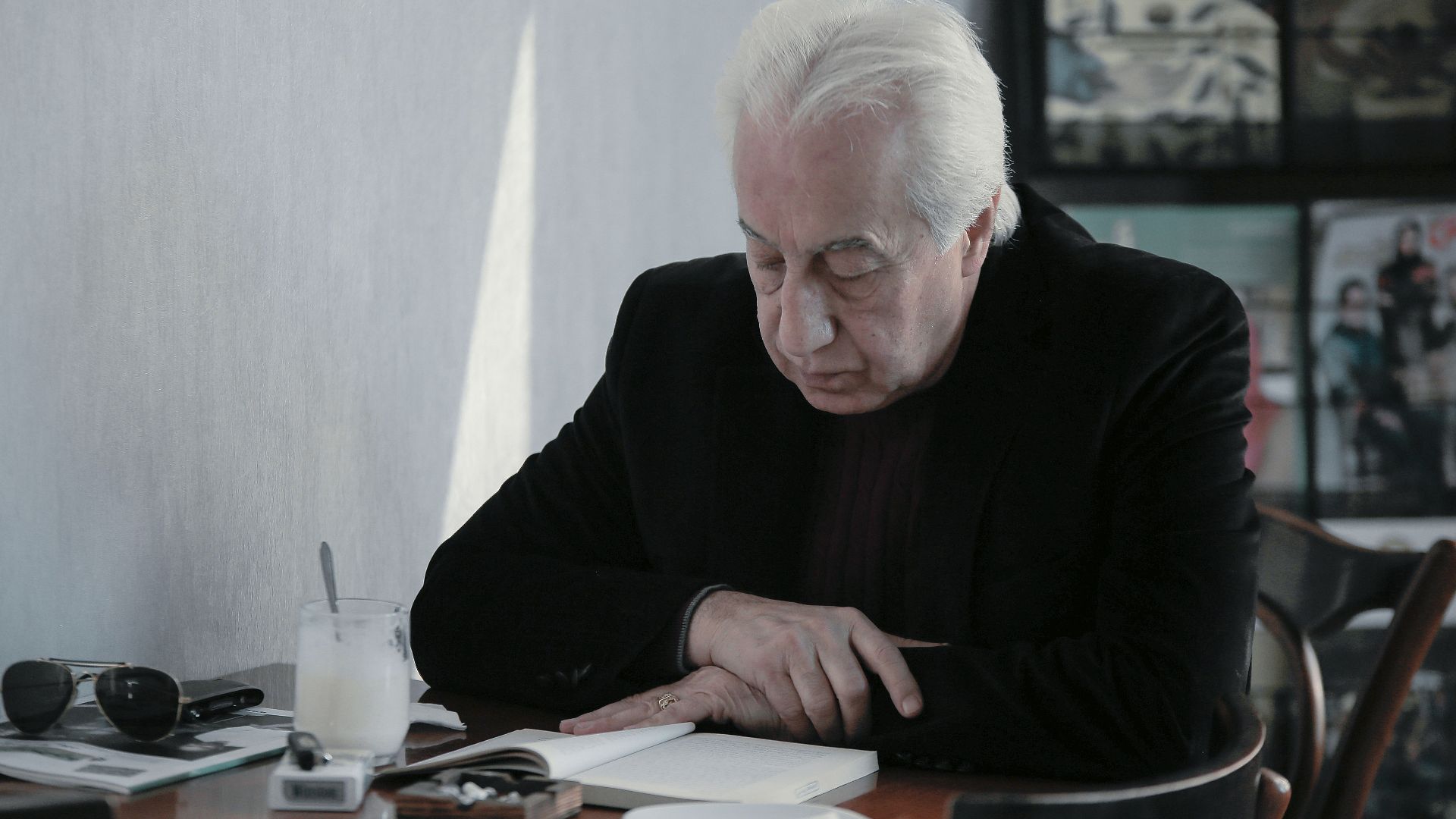
A permanent vacation sounds excellent when someone is exhausted. After six months, endless Saturdays can begin feeling strangely repetitive. Hobbies help, but golfing, gardening and reorganizing the garage may not replace the challenge, recognition and human contact that arrived automatically with a working life.

They Do Not Feel Finished
Many Boomers do not feel old, incapable or ready to step aside. They may still be healthy, productive and better at their jobs than they were 20 years earlier. Walking away simply because a birthday arrived can feel like being removed from the game while still playing well.
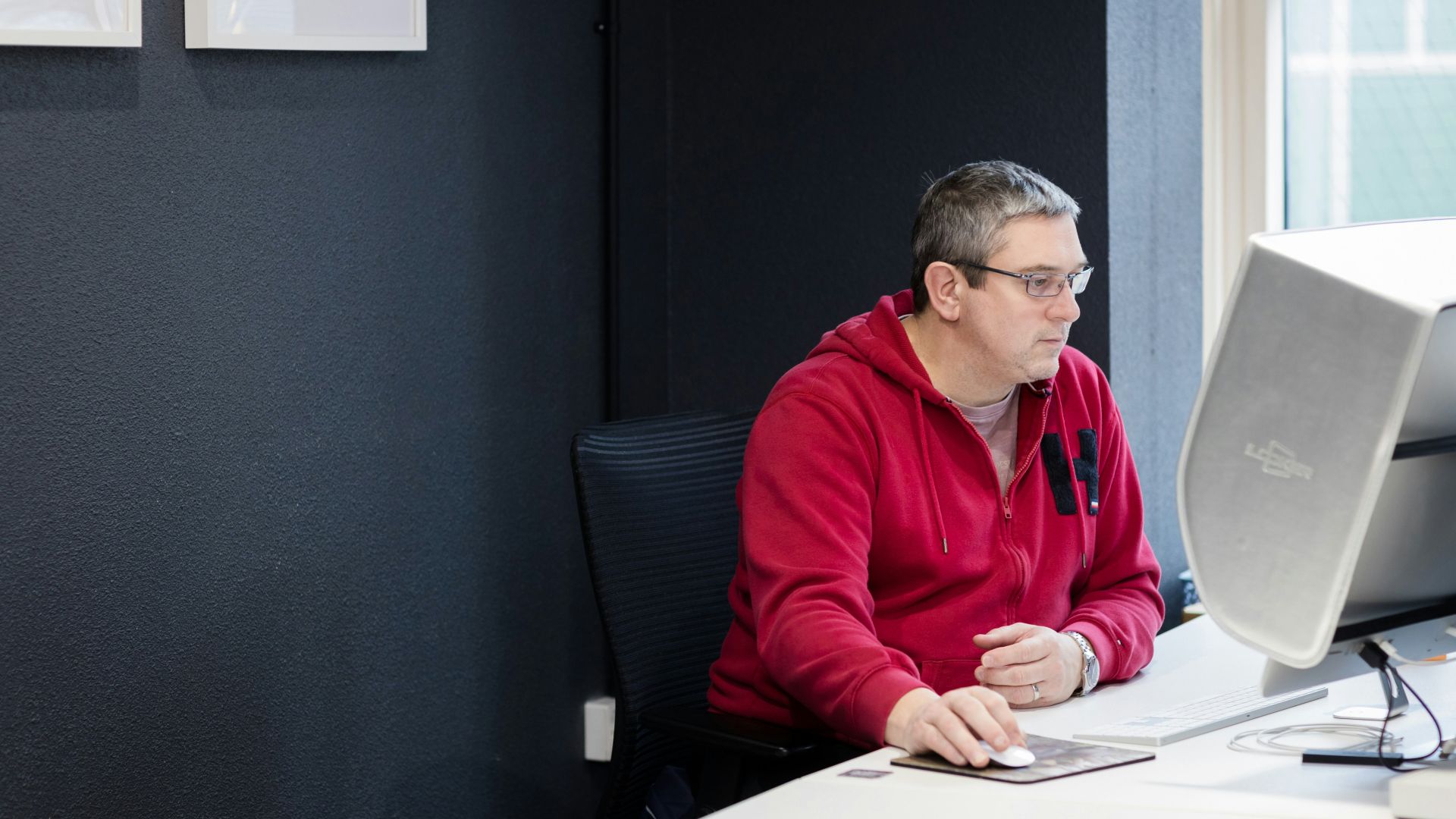
Work Is Easier to Bend Now
Remote schedules, consulting arrangements, shorter workweeks and flexible hours have made employment less all-or-nothing for some workers. A Boomer may no longer need to choose between a 50-hour week and permanent retirement. Working three days from home is a very different proposition from commuting before sunrise.
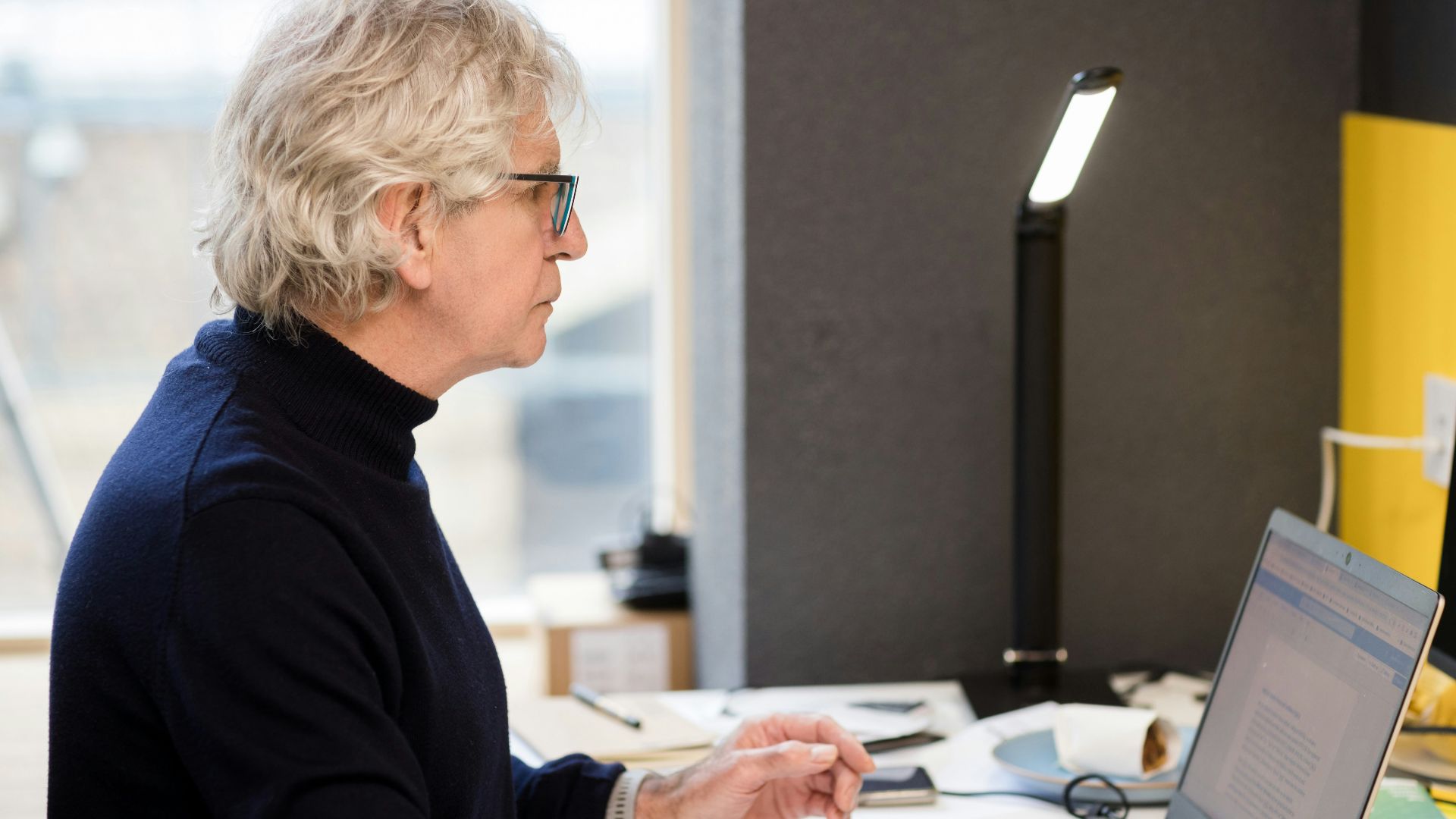
Part-Time Is the New Retirement
For many retirees, retirement looks like a gradual exit instead of one dramatic final day. In 2025, 16% of retirees reported doing some paid work during the previous month, with part-time employment considerably more common than full-time work. Many are stepping back without completely disappearing.
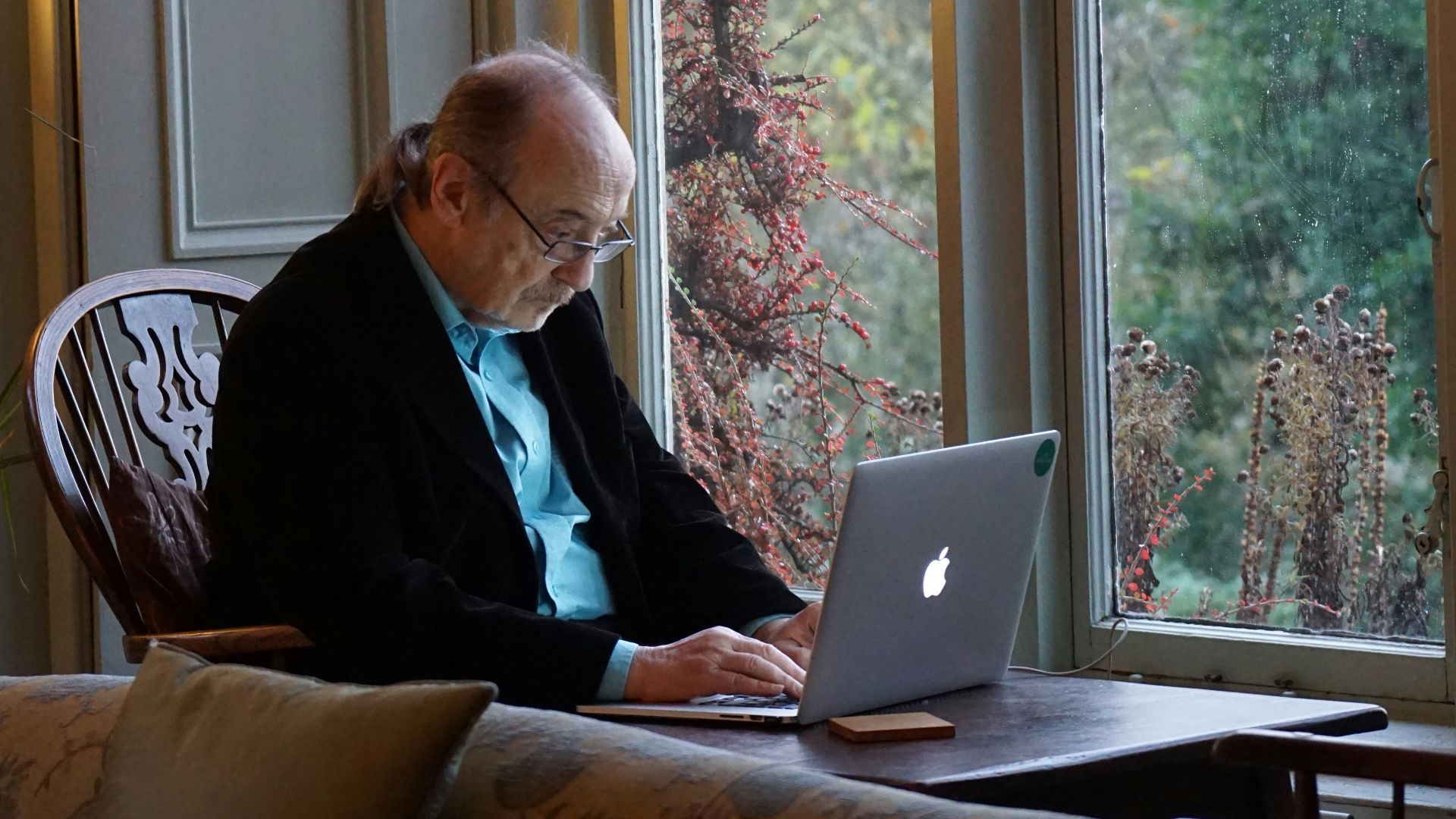
Employers Still Need Their Memory
Long-serving employees often know why procedures exist, which clients require special handling and what happened the last three times management attempted the same “brand-new” idea. That institutional knowledge can be difficult to replace—especially when nobody wrote it down because everyone assumed Barbara would always remember.
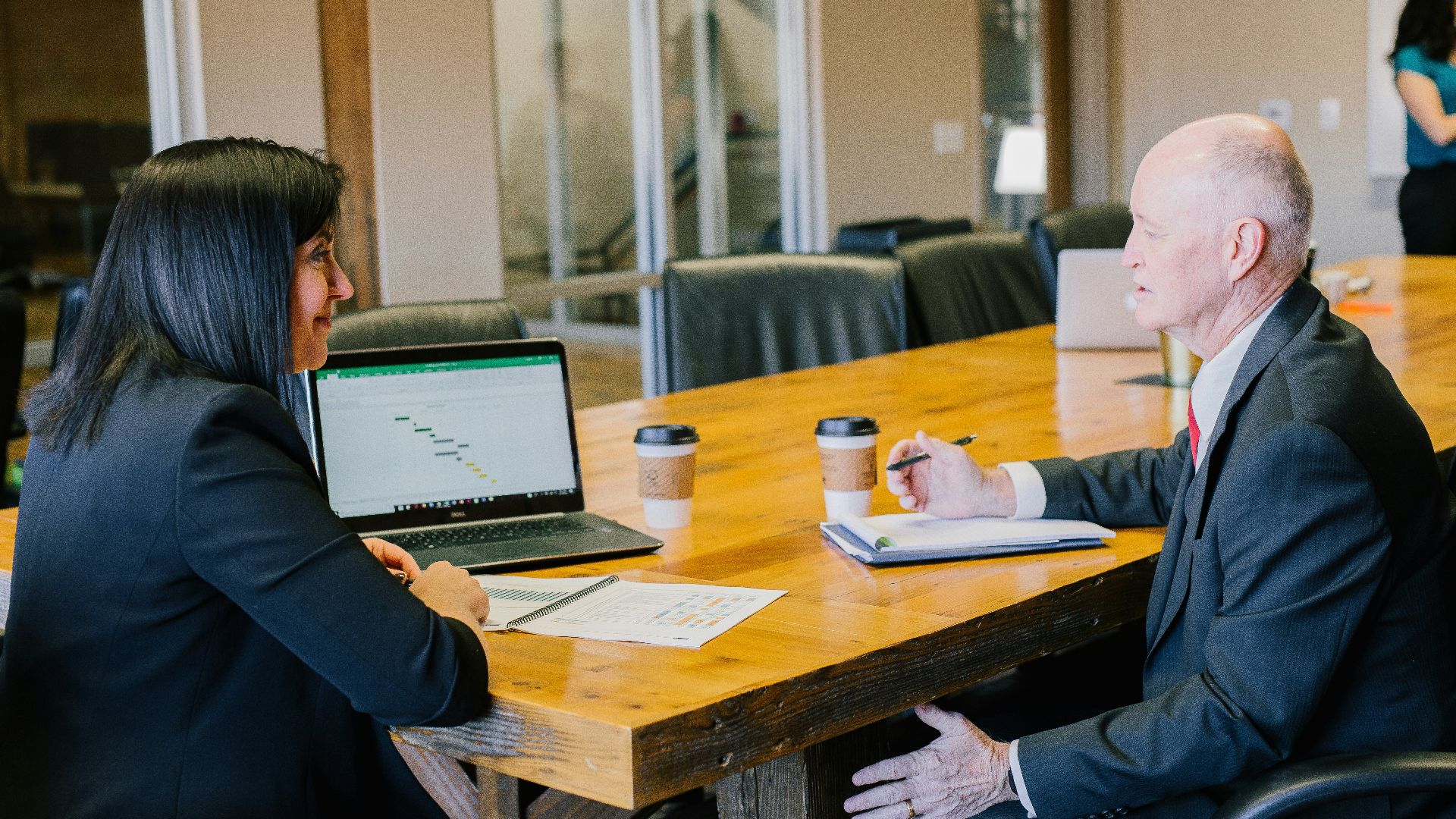
Retiring Means Surrendering Control
Employment provides something retirement savings cannot: new money arriving regularly. Once the paychecks stop, every unexpected expense comes from a pile that may never be replenished. Continuing to work can provide psychological security even when the retirement calculator already says there should be enough.
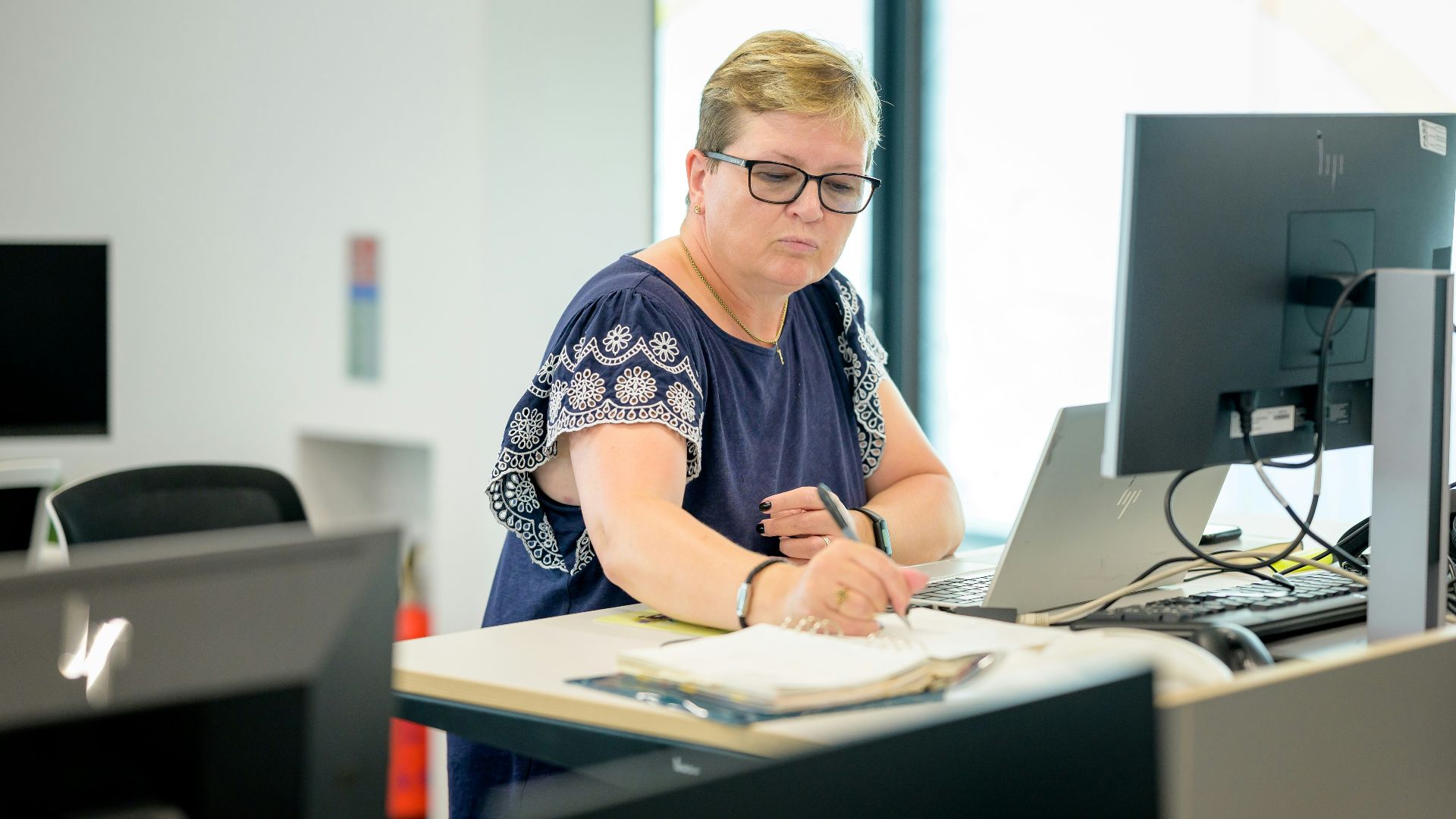 Centre for Ageing Better, Unsplash
Younger Workers May See a Logjam
Inside some companies, delayed retirements can slow promotions when there are only a limited number of senior positions available. Younger employees may feel forced to wait longer or change employers to advance. However, broader research has not found that older workers generally reduce younger workers’ employment or wages across the entire economy.

But a Job Is Not a Seat Reservation
Older employees are not required to leave simply because someone younger wants their position. When they remain capable, valuable and willing to work, retirement is a personal decision—not a mandatory donation to the next generation. The promotion ladder was never supposed to operate like a deli counter.

Sometimes “Refusing” Is Not a Choice
The phrase makes every working Boomer sound financially comfortable and emotionally unable to let go. The reality is considerably messier. Some remain because they love the work. Others remain because the mortgage, healthcare costs, family responsibilities or retirement balance have made the decision for them.
 Inside Creative house, Shutterstock
The Reasons Actually Make Sense
Baby Boomers are not staying at work for one simple reason. They are protecting their savings, supporting families, increasing future benefits, maintaining friendships and holding onto a life that still gives them purpose. After decades spent preparing financially for retirement, many discovered they also needed something worth retiring to.

You Might Also Like: