Banking Was A Different World Back Then
Remember when going to the bank meant actually leaving the house? Back in the 1970s, banking involved paper forms, familiar tellers, and sometimes a good half-hour standing in line. There were no smartphone apps or instant notifications. But there were plenty of banking traditions that younger generations might find downright strange.
Passbook Savings Accounts
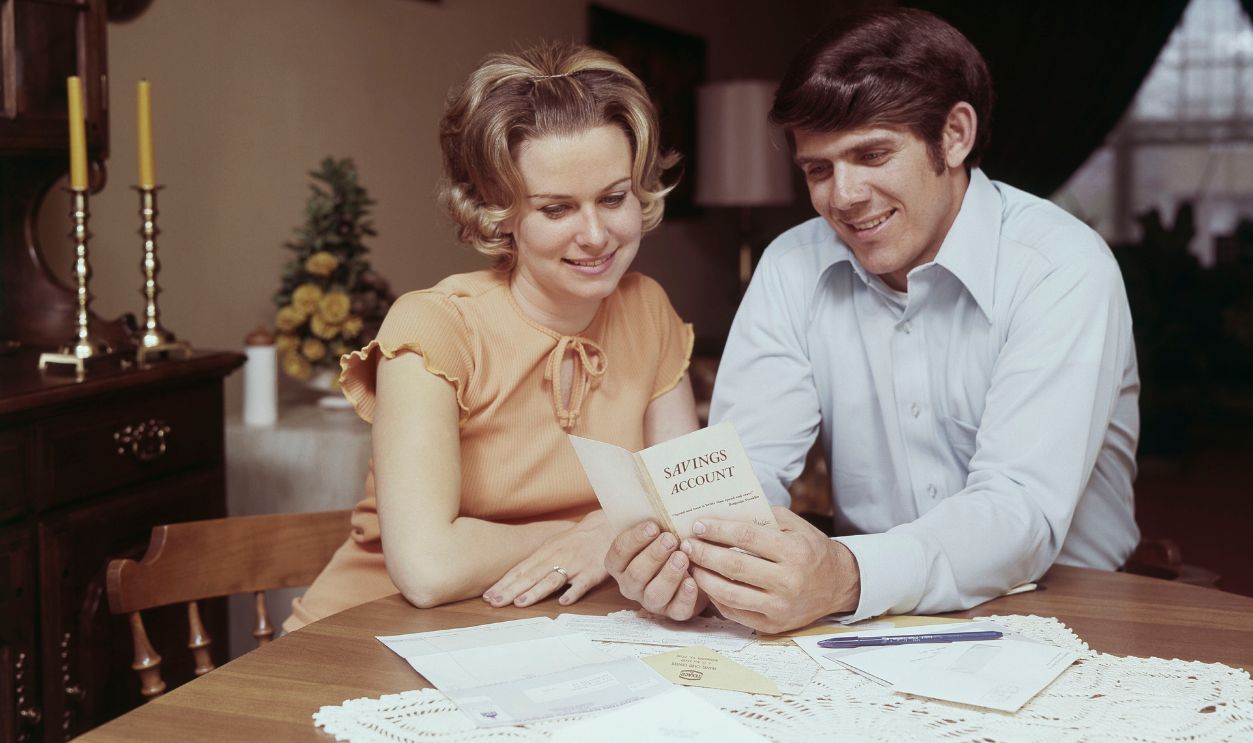
Remember that little savings book your bank gave you? Every deposit and withdrawal was recorded inside, usually by a teller who stamped or printed your updated balance. Watching those numbers grow was strangely satisfying. For many young Baby Boomers, that passbook represented their very first taste of financial independence.
 Harold M. Lambert, Getty Images
Christmas Club Savings Accounts
Long before holiday shopping went online, banks offered Christmas Club accounts. Customers deposited a little money throughout the year, then received their savings before Christmas. Some accounts even paid interest. It was a clever way to avoid holiday debt, although forgetting a weekly deposit could certainly spoil your Christmas shopping plans.
The Weekly Paycheck-Cashing Ritual
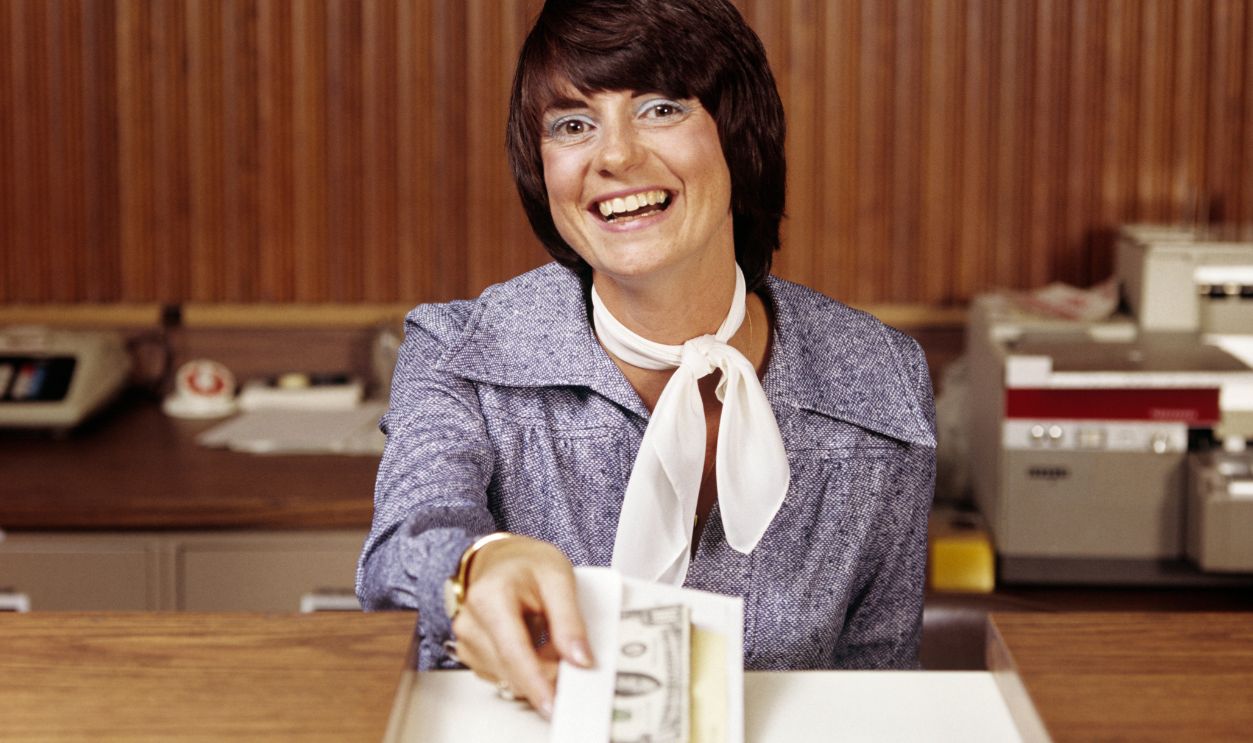
Friday afternoon often meant one thing: a trip to the bank. Workers carried their paper paychecks to a teller, who exchanged them for cash or deposited the money into their accounts. Direct deposit was still developing during the decade, so this weekly ritual was practically unavoidable for millions of Americans.
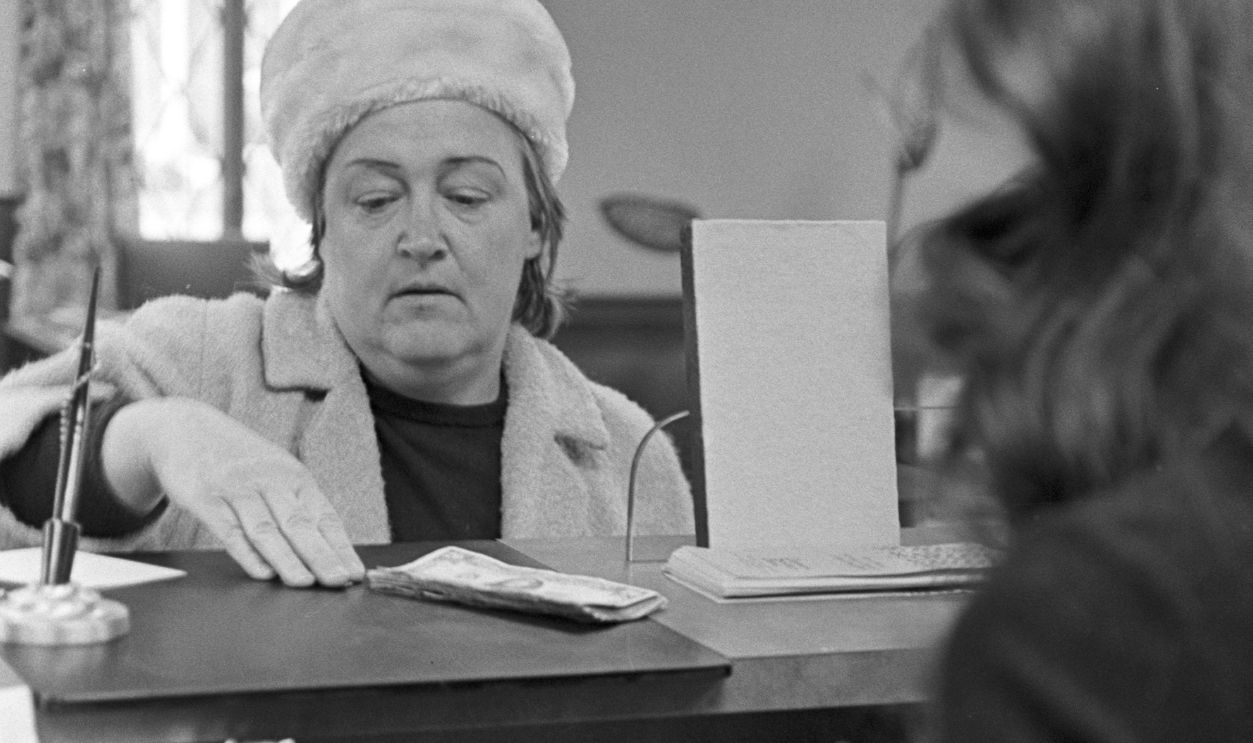
Getting Your Own Personalized Checkbook
Opening a checking account meant ordering a proper checkbook, complete with your name and address printed on every check. You might even choose a decorative design. Those first personalized checks made you feel like a responsible adult, even if your account balance suggested you were still figuring things out.
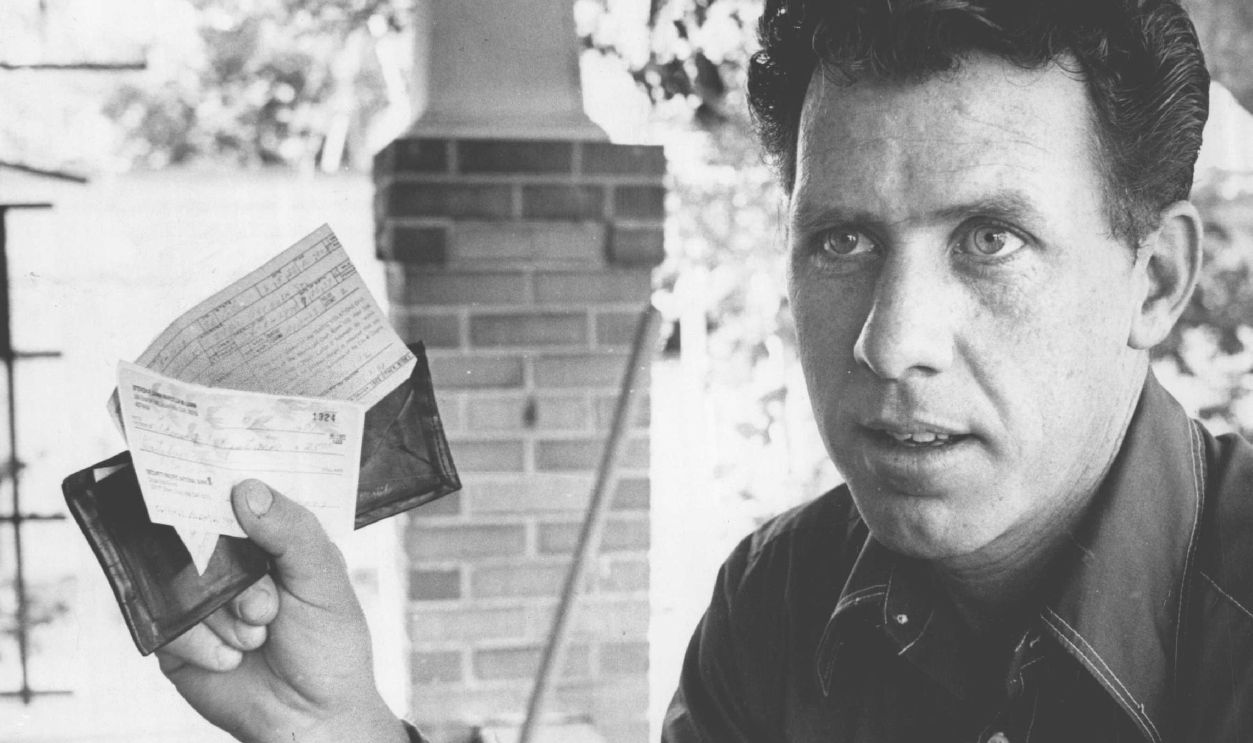
Writing Checks At The Grocery Store
Before debit cards became everyday necessities, shoppers regularly paid for groceries with personal checks. You wrote the amount, signed your name, and sometimes showed identification. The cashier might even ask for your phone number. Everyone behind you simply had to wait while you carefully filled in those little boxes.
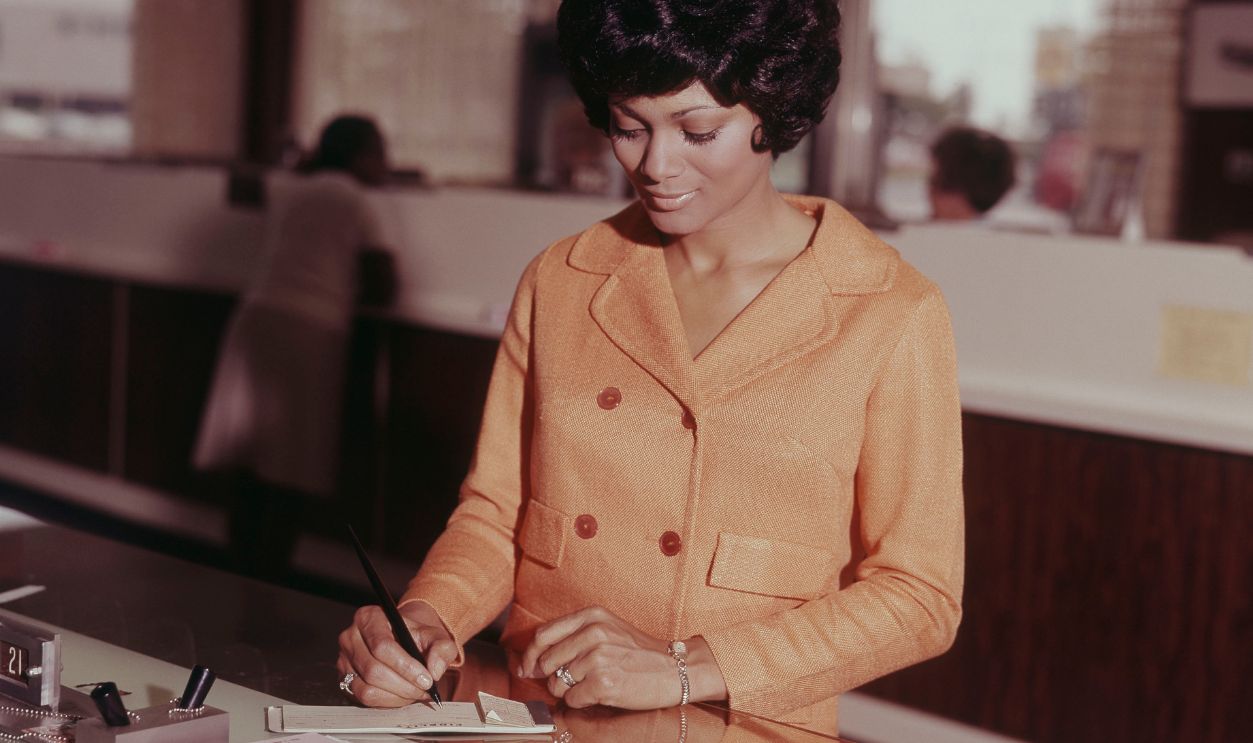 Harold M. Lambert, Getty Images
Balancing Your Checkbook By Hand
Every checkbook came with a register where you recorded deposits, withdrawals, and checks. At the end of the month, you'd compare those figures against your bank statement. One missing dollar could send you searching through receipts for an hour. Younger people might call it tedious. Boomers called it managing their money.
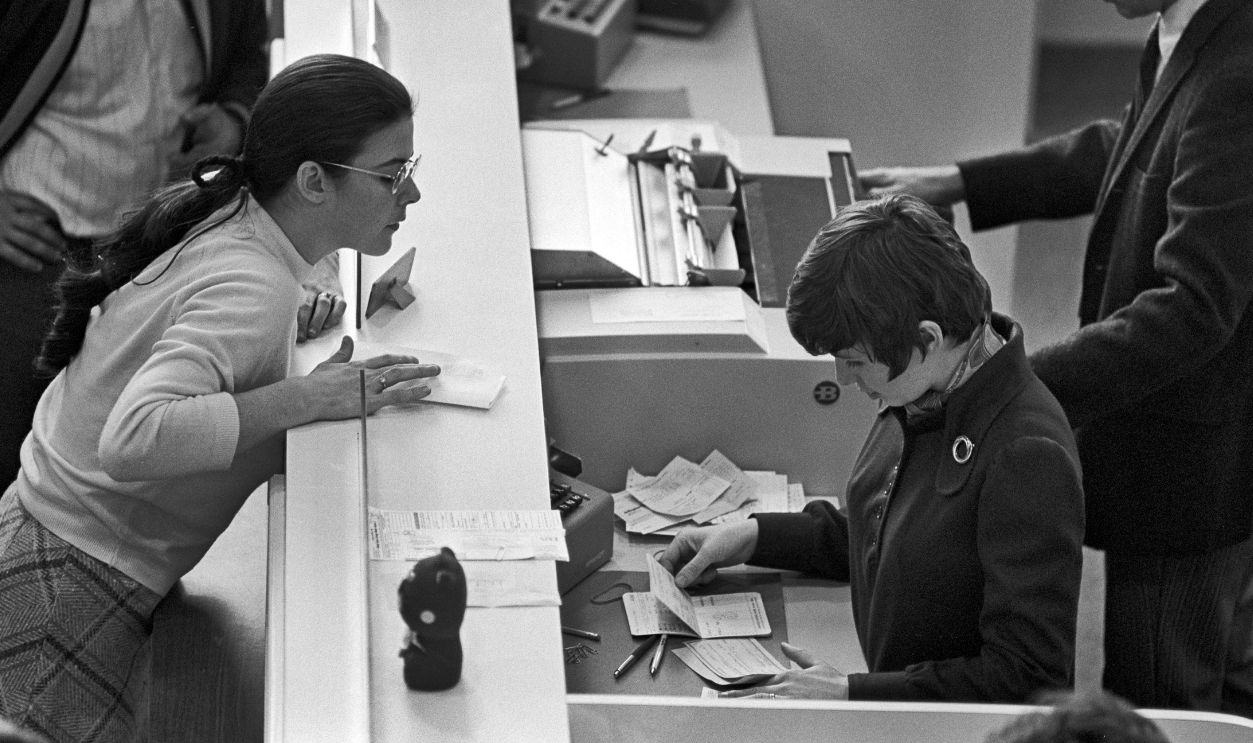
Waiting For Your Monthly Bank Statement
Today, your bank balance is available in seconds. In the 1970s, you generally waited for your monthly statement to arrive in the mail. Inside was a record of your transactions, often accompanied by canceled checks. Opening that envelope could be reassuring—or a reminder that you'd spent too much.
Getting Your Canceled Checks Back
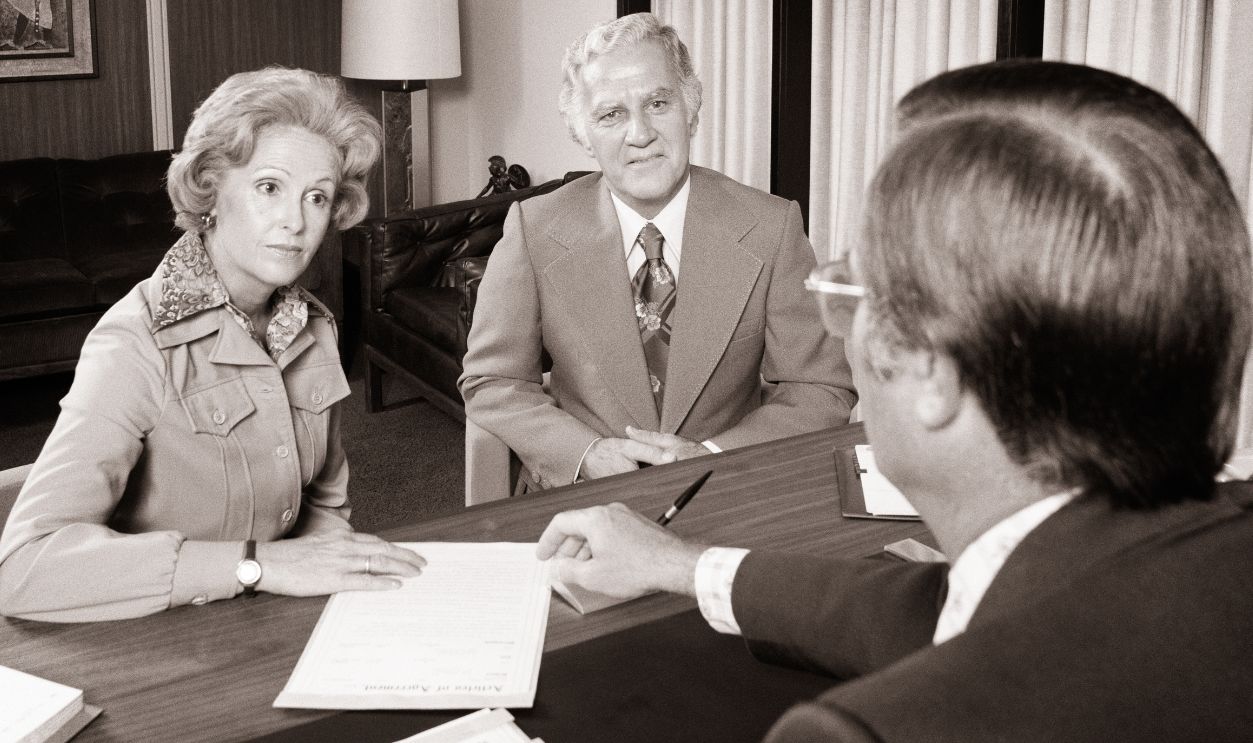
Banks commonly returned processed checks with monthly statements. These canceled checks provided proof that a payment had cleared, which made them useful for settling disputes. Many households kept boxes of old checks for years. Finding the right one meant digging through piles of paper, not typing something into a search bar.
 Harold M. Lambert, Getty Images
The Bank's Famous Deposit Slips
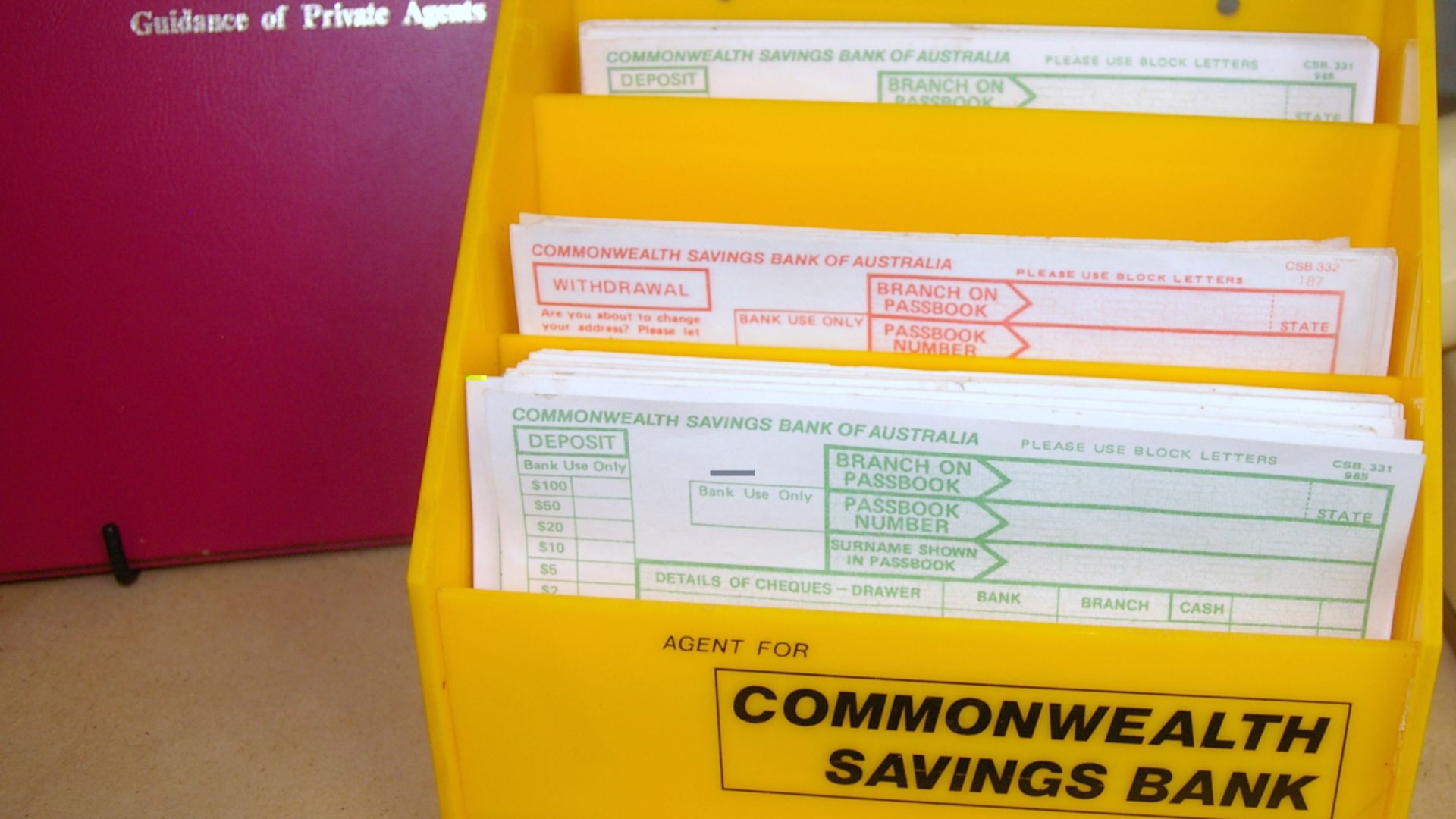
Making a deposit wasn't as simple as photographing a check. You filled out a paper deposit slip, listed your checks, and handed everything to the teller. Some banks provided personalized slips in your checkbook. Get the arithmetic wrong, and the teller would politely help you straighten things out.
 David Jackmanson, Wikimedia Commons
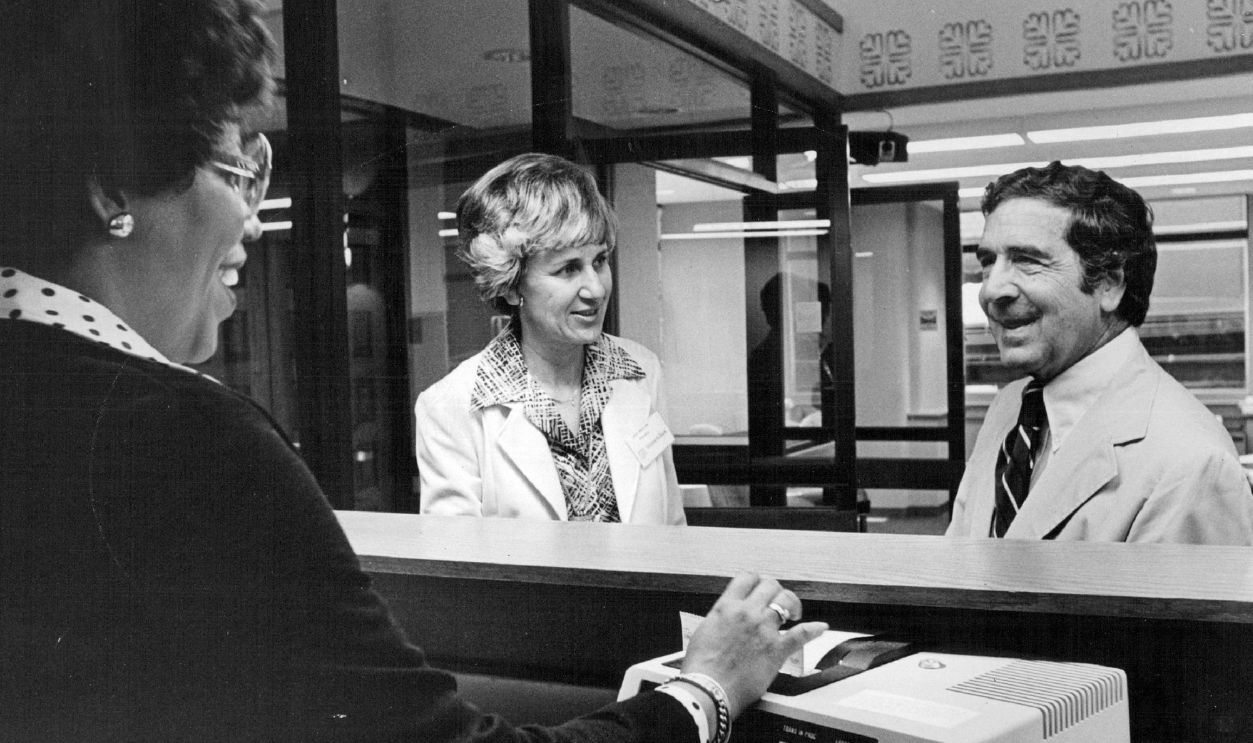
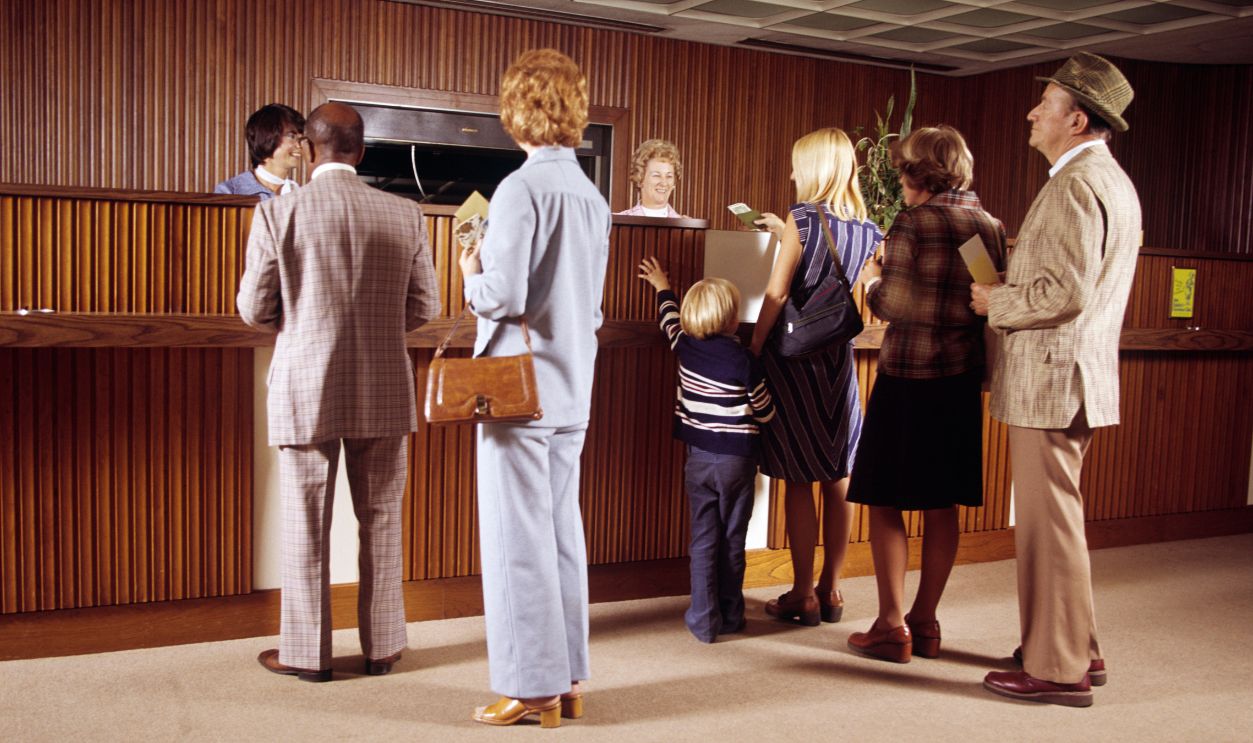
Standing In Line For A Bank Teller
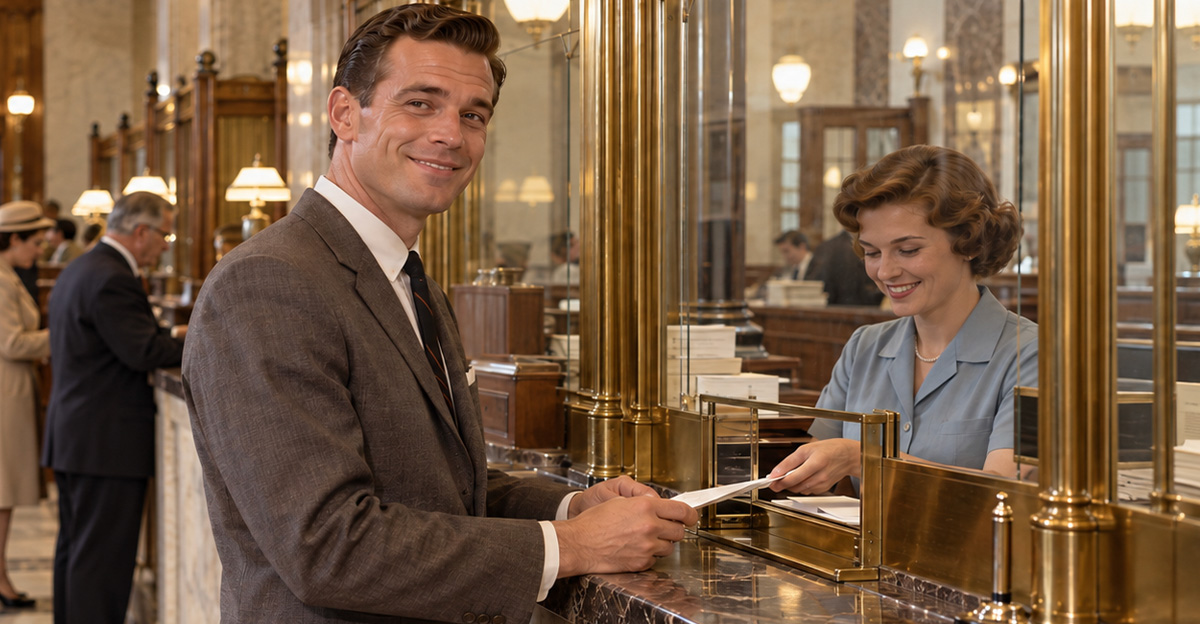
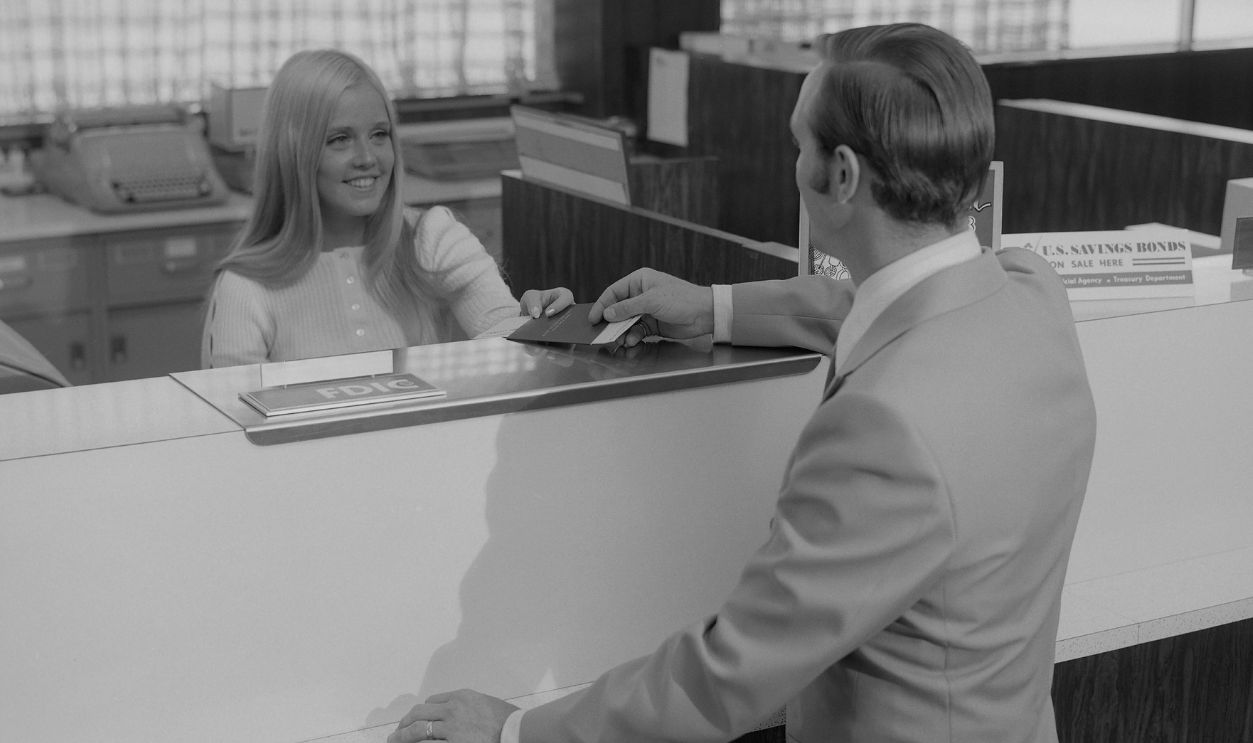
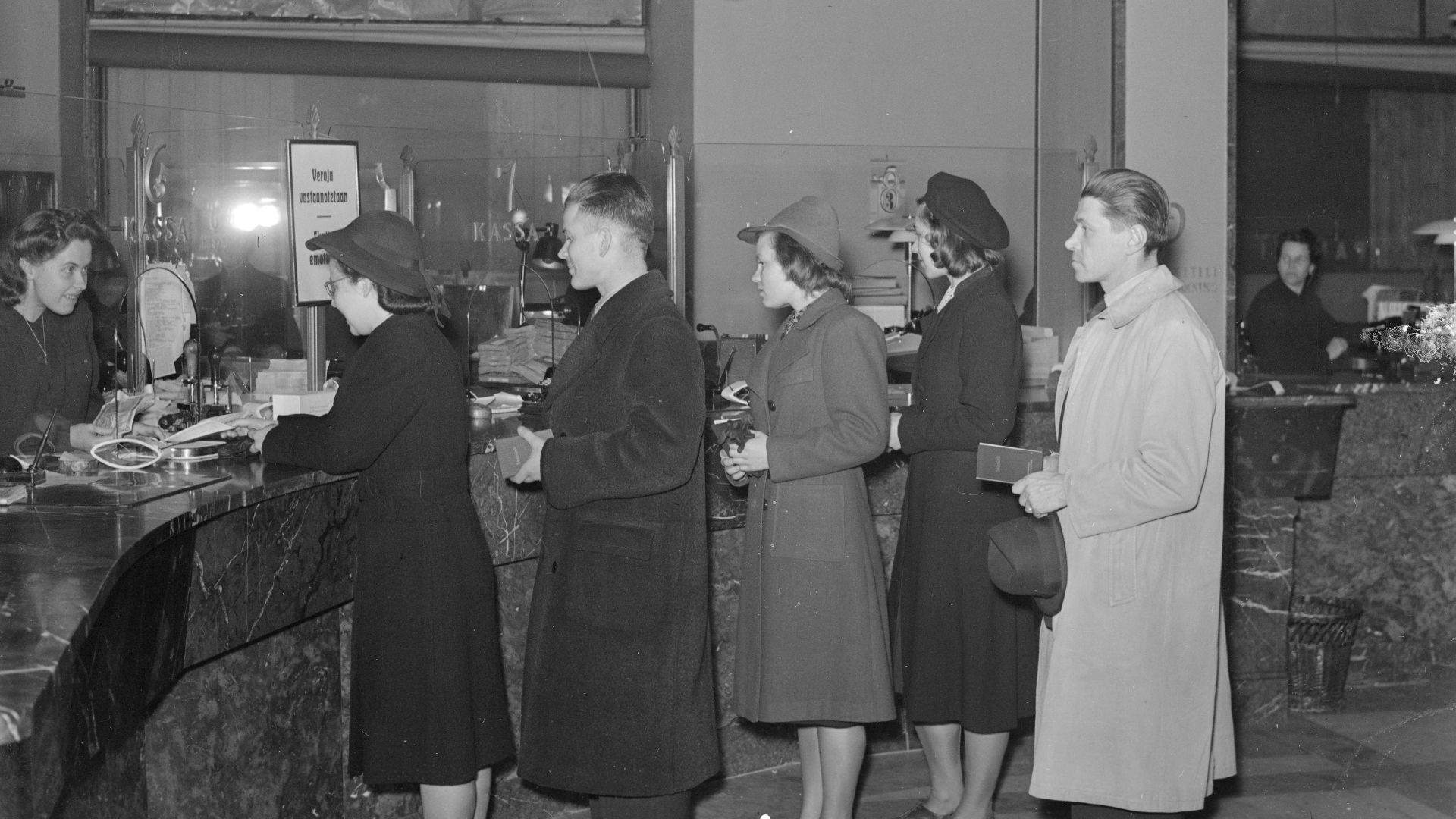
Remember those long lines at the bank, especially on Fridays? Before ATMs became widespread, withdrawing cash usually meant speaking directly with a teller. You'd wait patiently, perhaps chatting with your neighbors. There was something reassuring about dealing with an actual person, although nobody particularly enjoyed losing their lunch break.
 Viljo Pietinen (photographer), Museovirasto, Wikimedia Commons
The Teller Who Knew Your Name
At many neighborhood banks, tellers recognized their regular customers. They might ask about your children, remember your employer, or congratulate you on buying a house. That personal relationship made banking feel less intimidating. For customers who visited the same branch for decades, the teller became a familiar part of life.
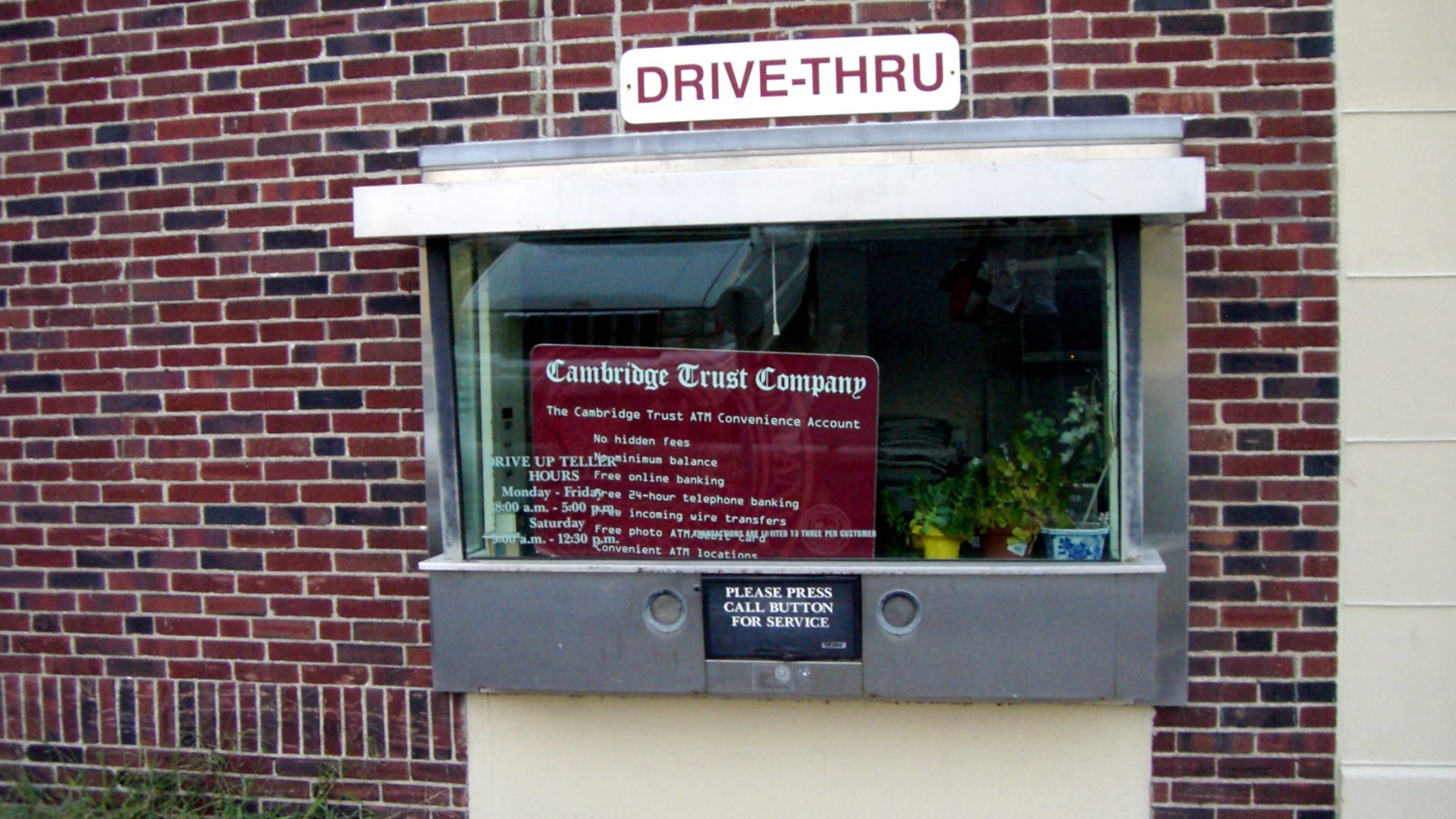
Drive-Through Banking Windows
Drive-through banking was a wonderful convenience long before mobile banking existed. You could deposit checks, withdraw cash, or make payments without leaving your car. Some branches had sliding drawers or pneumatic tubes to move paperwork between drivers and tellers. Banking from behind the steering wheel felt remarkably modern.
 Frank Hebbert, Wikimedia Commons
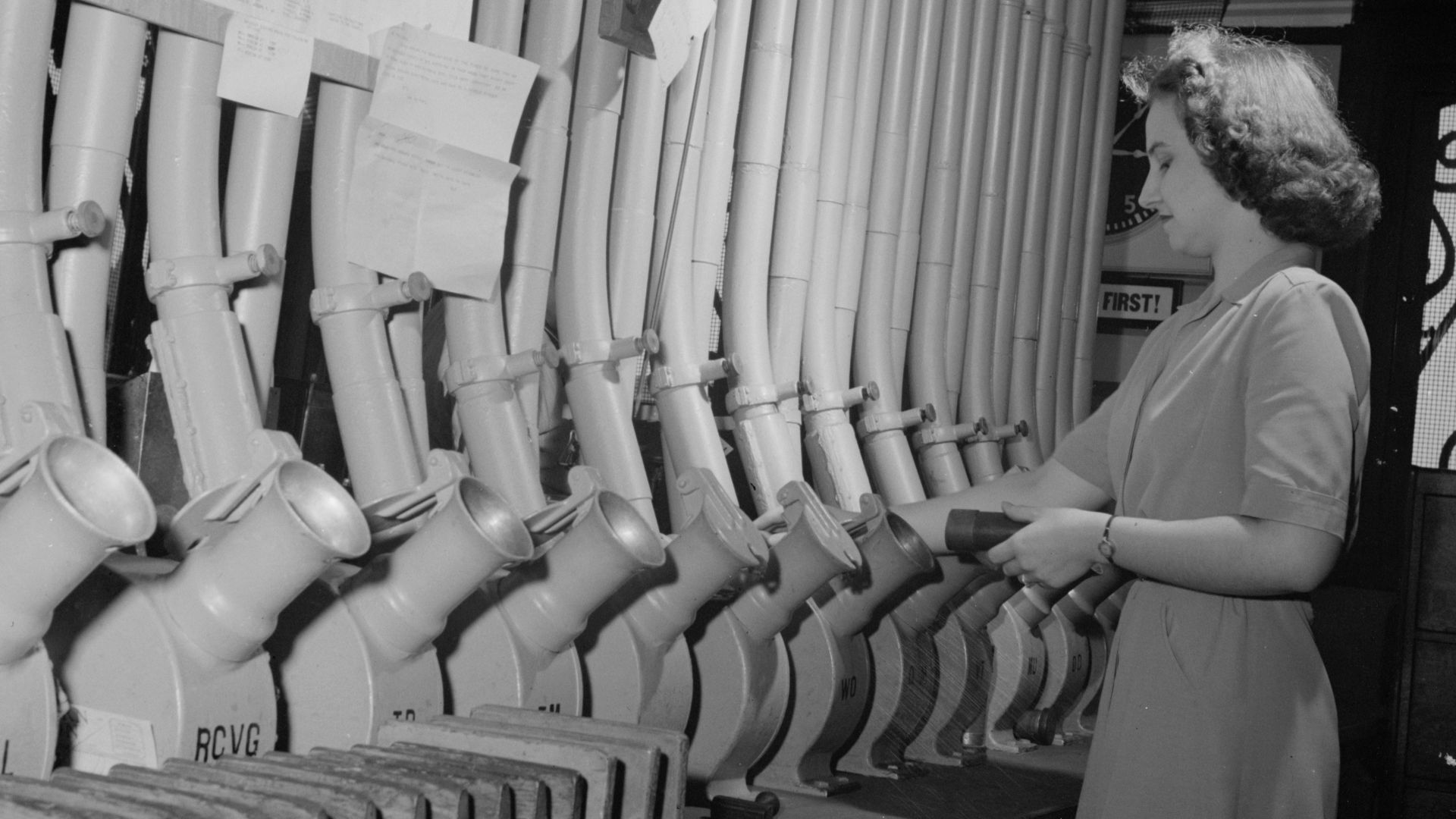
Those Fascinating Pneumatic Banking Tubes
Remember putting your deposit slip into a plastic cylinder and watching it disappear through a tube? Pneumatic banking systems used air pressure to transport money and documents between customers and tellers. For children accompanying their parents, that mysterious whooshing sound was often the most exciting part of an otherwise boring errand.
 Esther Bubley, Wikimedia Commons
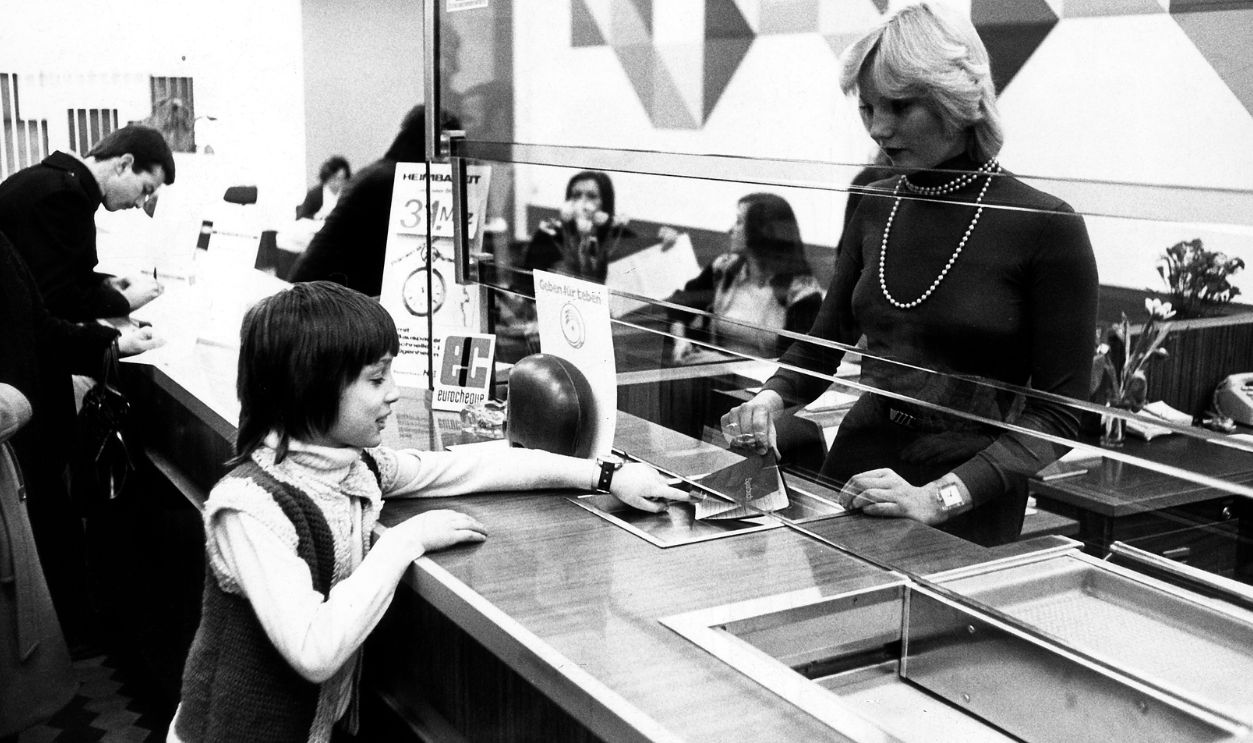
Bank Books For Children's Savings Accounts
Many banks encouraged children to save by offering special youth savings accounts. Kids brought birthday money, allowance earnings, or coins to the teller and watched their balances increase. Some banks offered little gifts or savings incentives. It was an early lesson in patience, even when the interest earned was hardly impressive.
Coin-Counting At The Bank
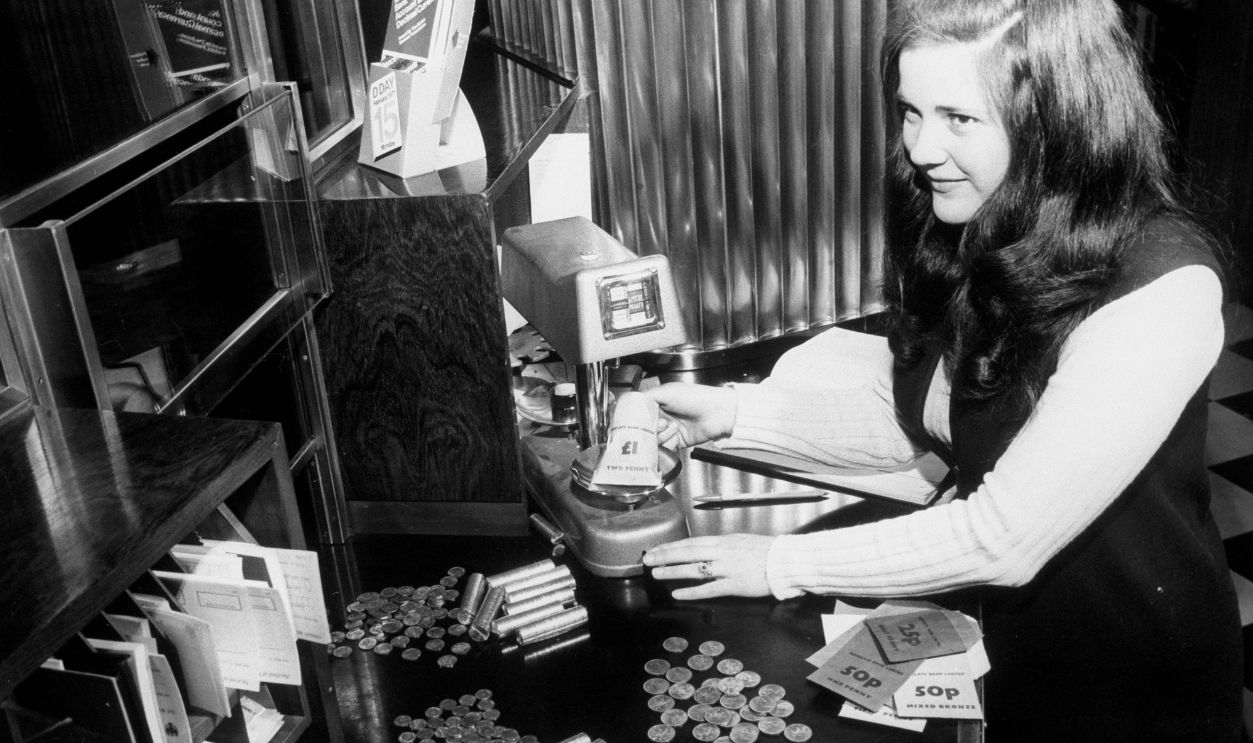
Before automated coin machines became familiar fixtures, customers often sorted and rolled their change at home. Banks supplied paper coin wrappers, and families spent evenings filling them with pennies, nickels, dimes, and quarters. Bringing those heavy rolls to the bank felt like payday, especially when you'd been saving coins for months.
The Safety Deposit Box Visit
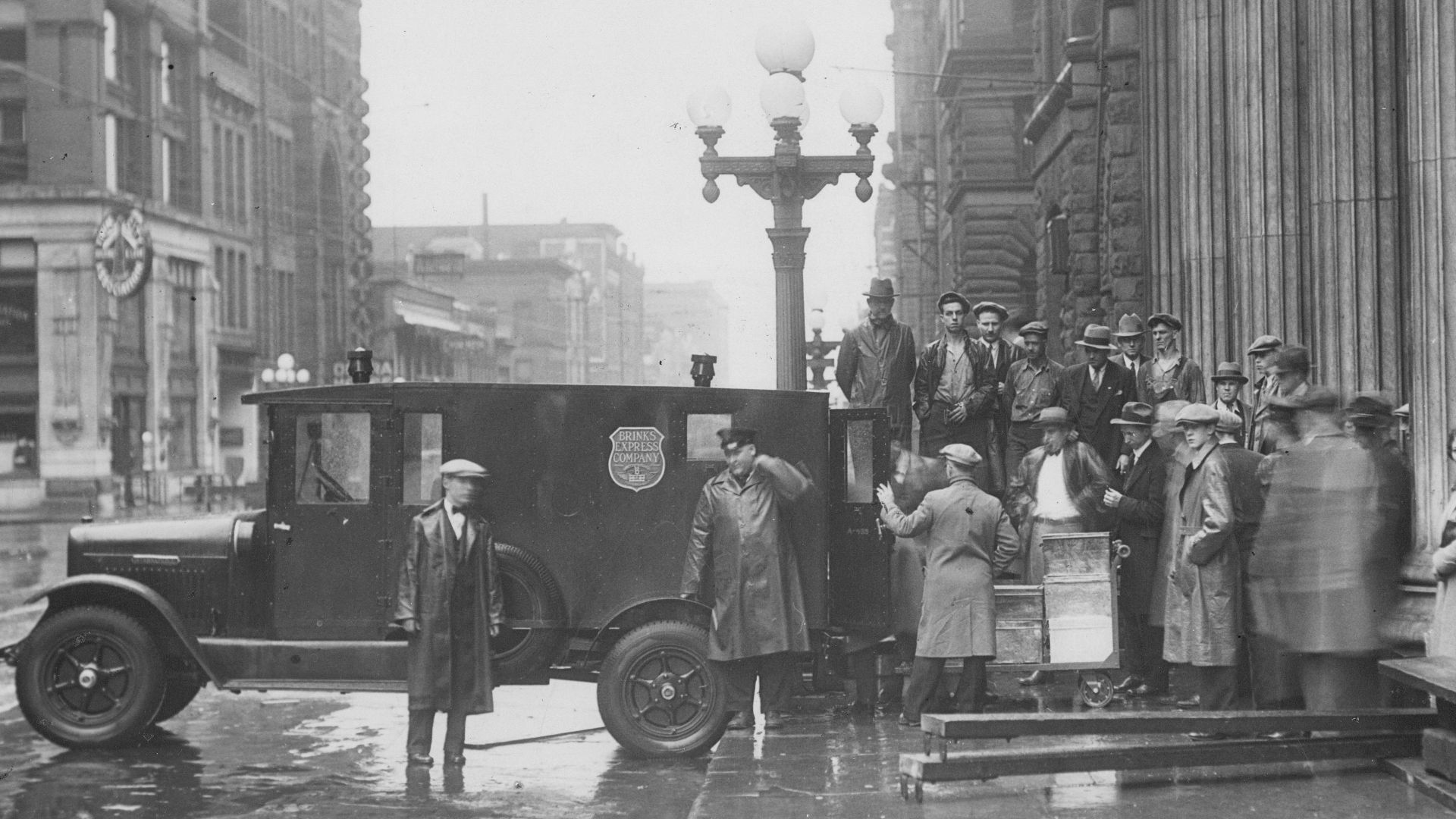
Important documents, family jewelry, and valuable keepsakes often went into a safe deposit box at the bank. Access required a visit during business hours, and many boxes involved two keys. Walking into the vault area could feel like entering a spy movie. Some families treated those little metal boxes almost like treasure chests.
 Kammerdiener, John H, Wikimedia Commons
Buying Travelers Checks Before Vacation
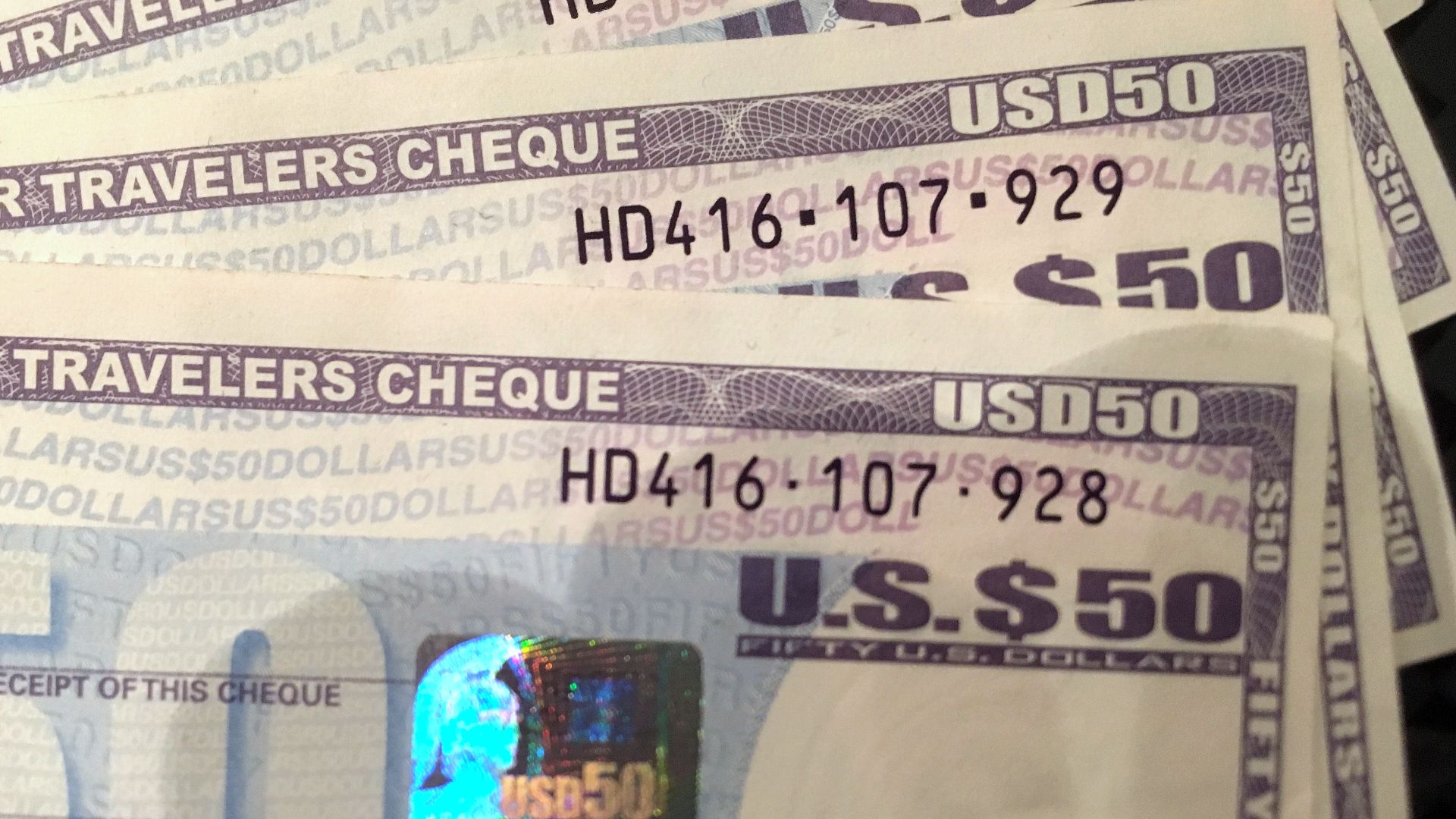
Heading overseas? Before leaving, you might visit the bank to purchase travelers checks. These prepaid checks offered a safer alternative to carrying large amounts of cash because lost or stolen checks could generally be replaced. You signed each one when purchasing it and countersigned it when spending it. Vacation preparation was practically a ceremony.
 Pittigrilli, Wikimedia Commons
Exchanging Currency At The Bank
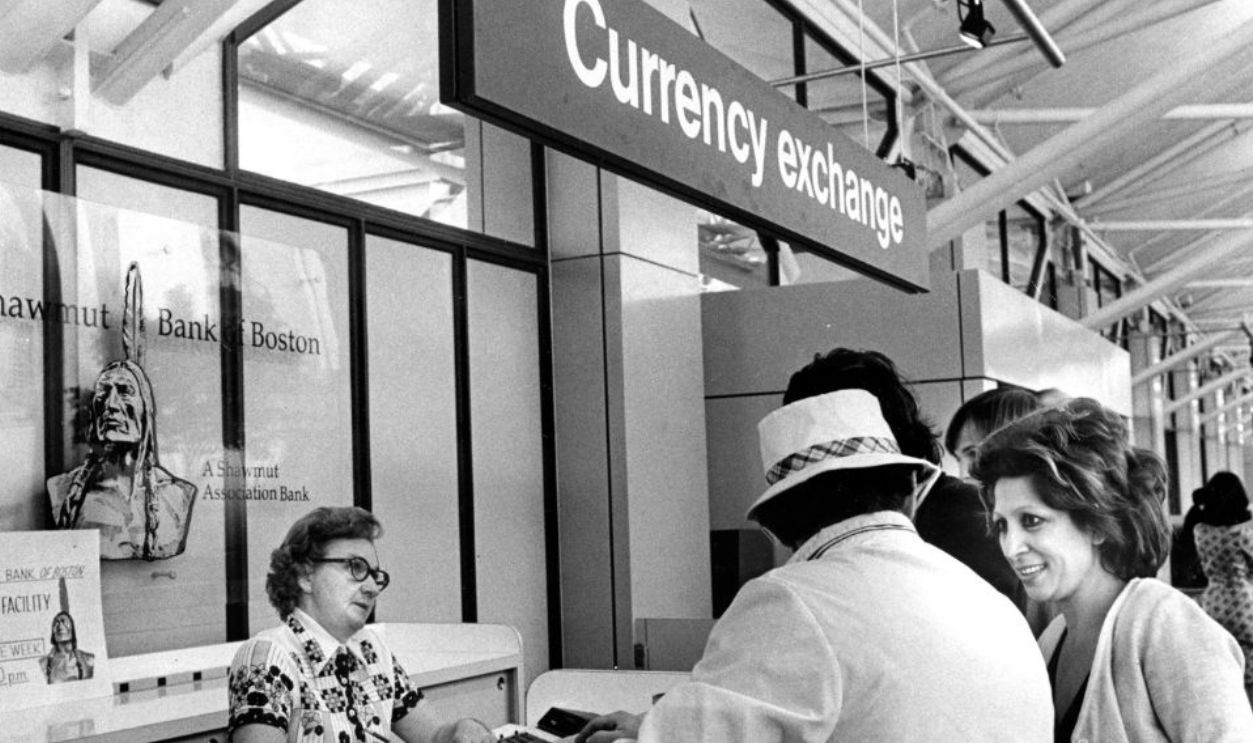
Before international trips, travelers often visited their bank to obtain foreign currency. You might need British pounds, French francs, or Canadian dollars, depending on your destination. Larger branches sometimes kept foreign notes available, while smaller locations ordered them. Either way, your vacation planning involved more than packing a suitcase.
Sending Money Through Bank Wire Transfers
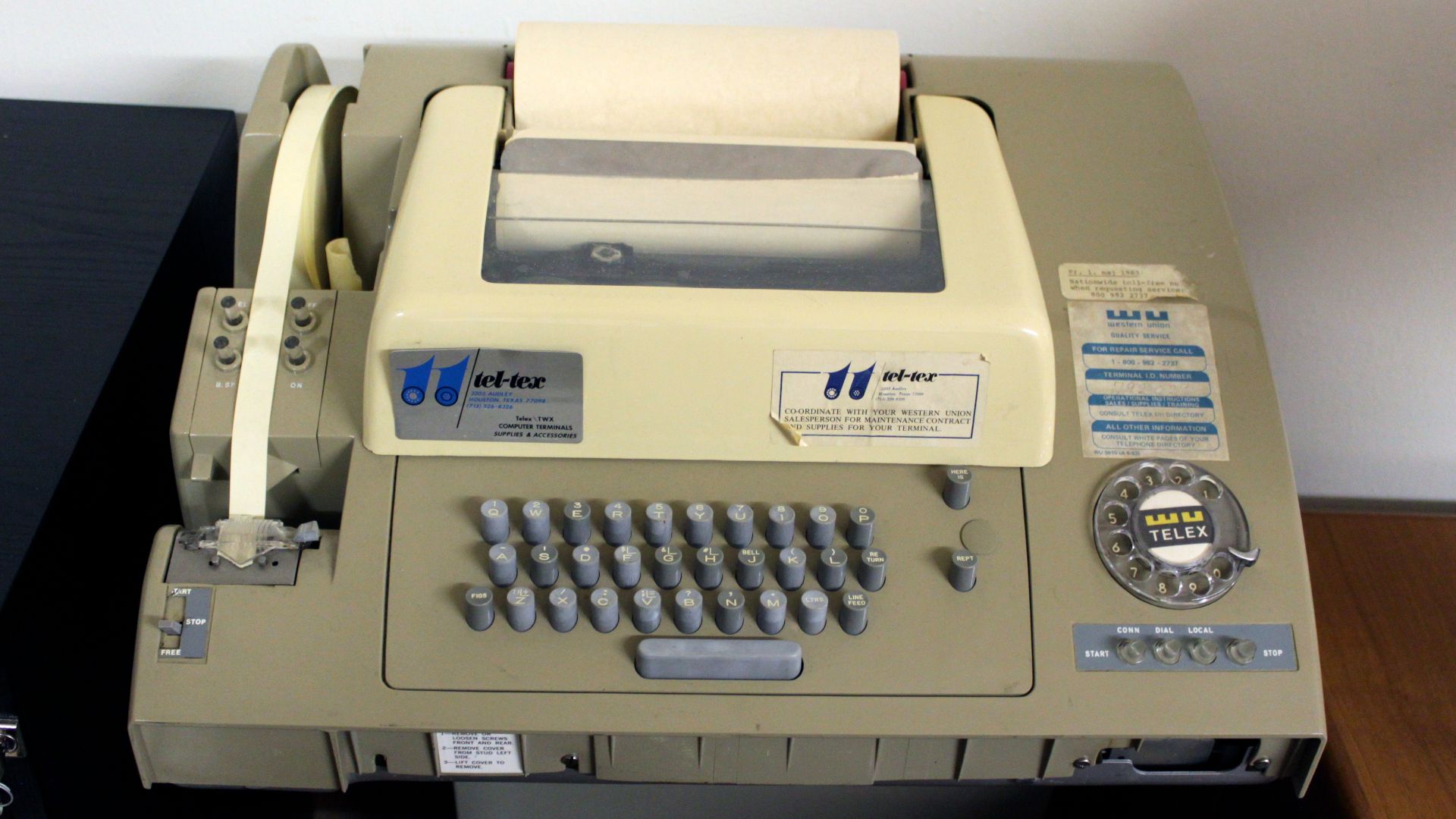
Transferring money to someone far away wasn't something most customers could do themselves. If you needed a wire transfer, you'd typically arrange it through the bank. Staff handled the instructions and processing. Electronic bank-transfer networks already existed, but customers weren't sitting at home sending money through a phone app.
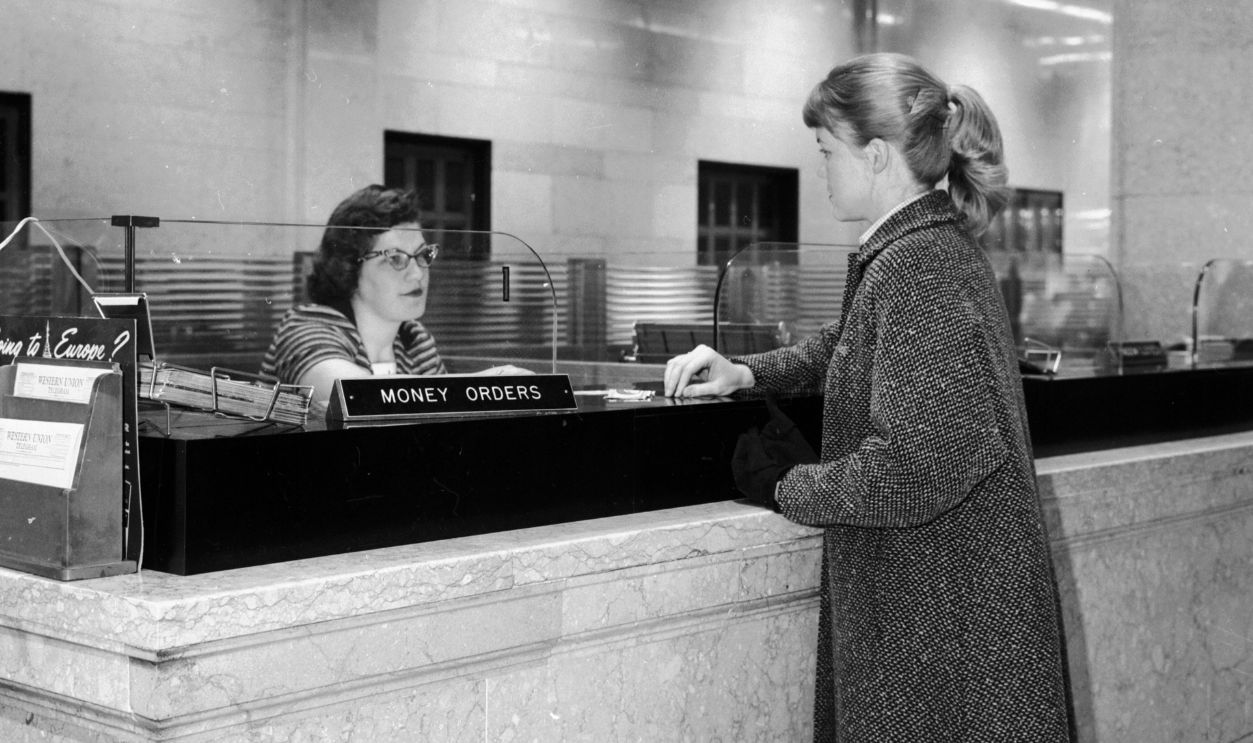
Buying Money Orders At The Bank
Money orders were useful when you needed to send guaranteed funds but didn't want to mail cash. Banks sold them for a fee, and customers used them for bills, purchases, or payments to unfamiliar recipients. They still exist today, but younger customers accustomed to electronic transfers might barely recognize one.
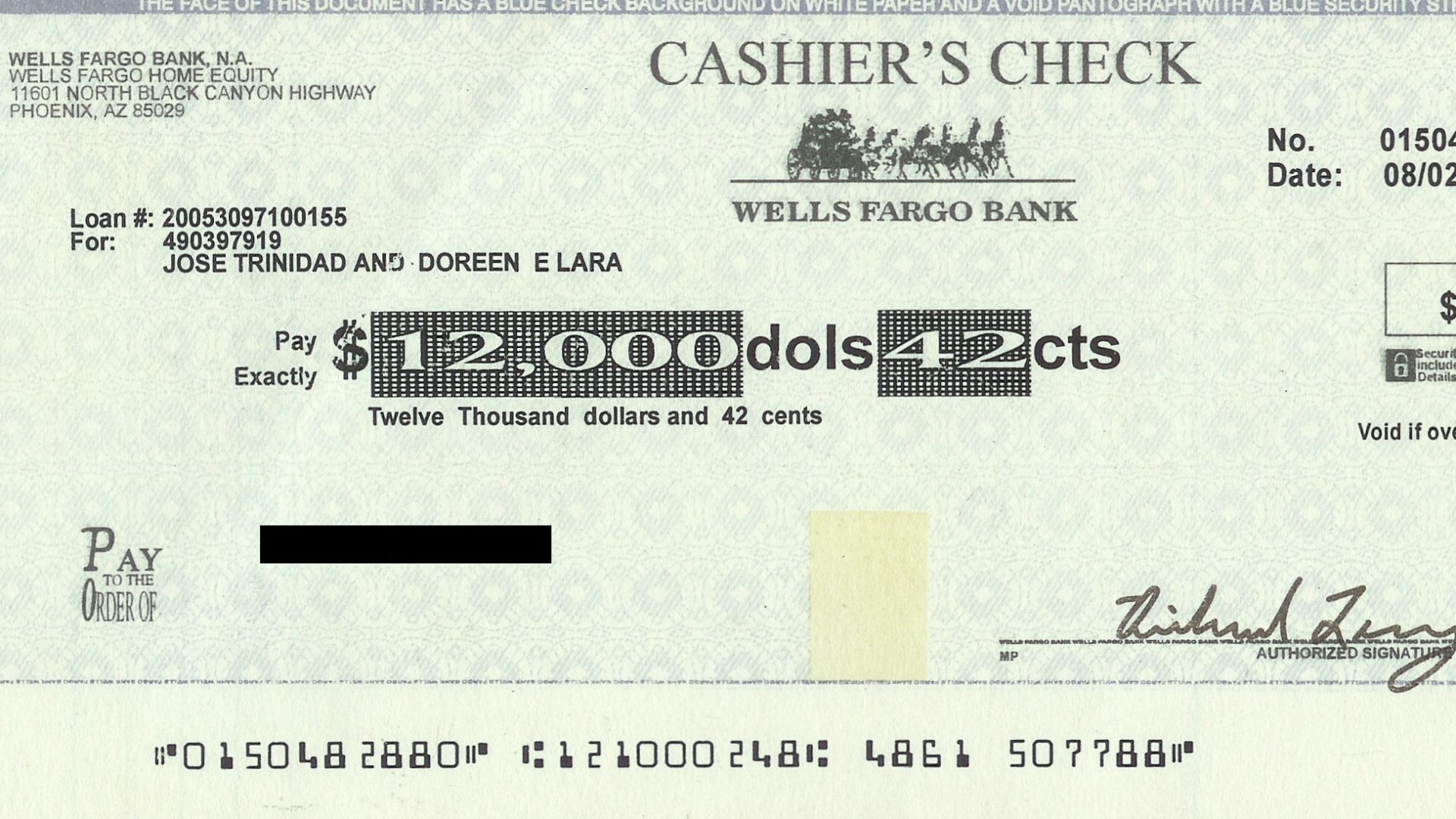
Getting A Cashier's Check For Big Purchases
Buying a car, putting money down on a house, or making another major payment sometimes required a cashier's check. The bank issued it using its own funds, providing the recipient with greater reassurance than an ordinary personal check. You couldn't simply produce one at home. A teller had to arrange it.
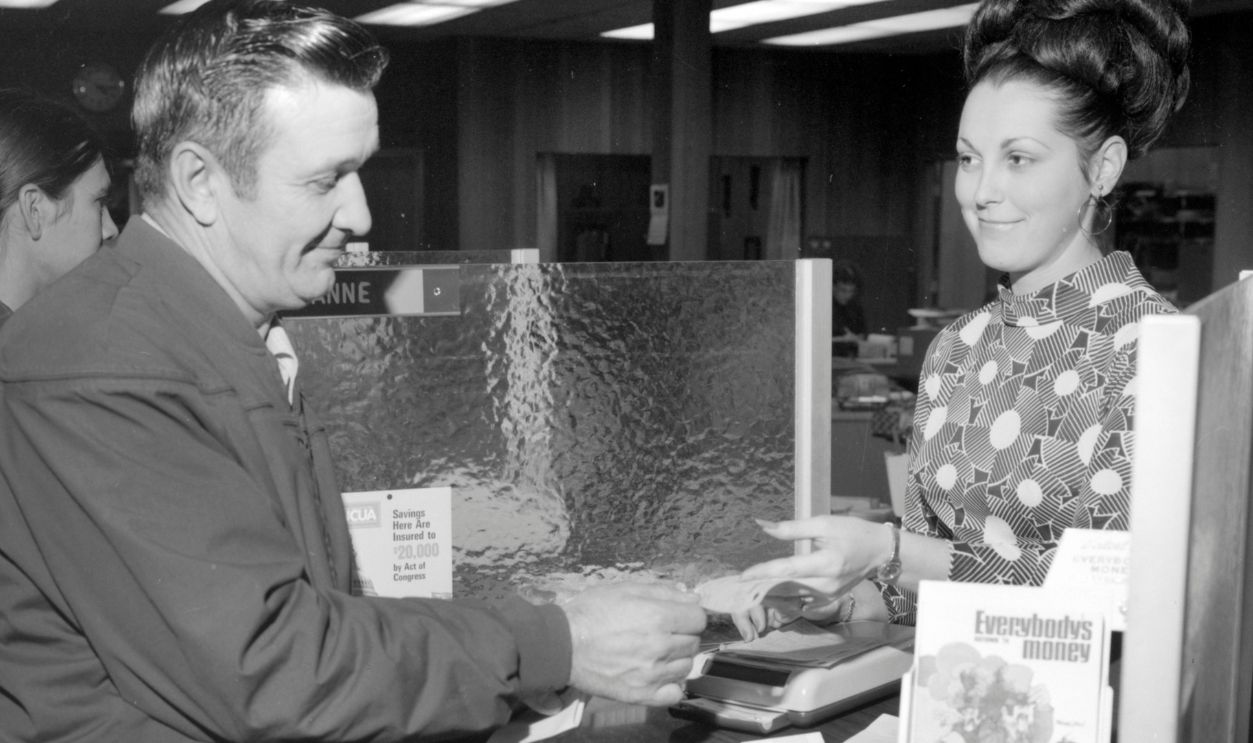
Buying U.S. Savings Bonds At Your Branch
Savings bonds were once popular gifts for birthdays, weddings, and graduations. Many Americans bought paper U.S. savings bonds through participating banks, sometimes as long-term savings for children. Those official-looking certificates felt important. Some people tucked them into drawers and forgot about them until years later, when they finally checked their value.
 Kirn Vintage Stock, Getty Images
Getting A Loan From Your Local Banker
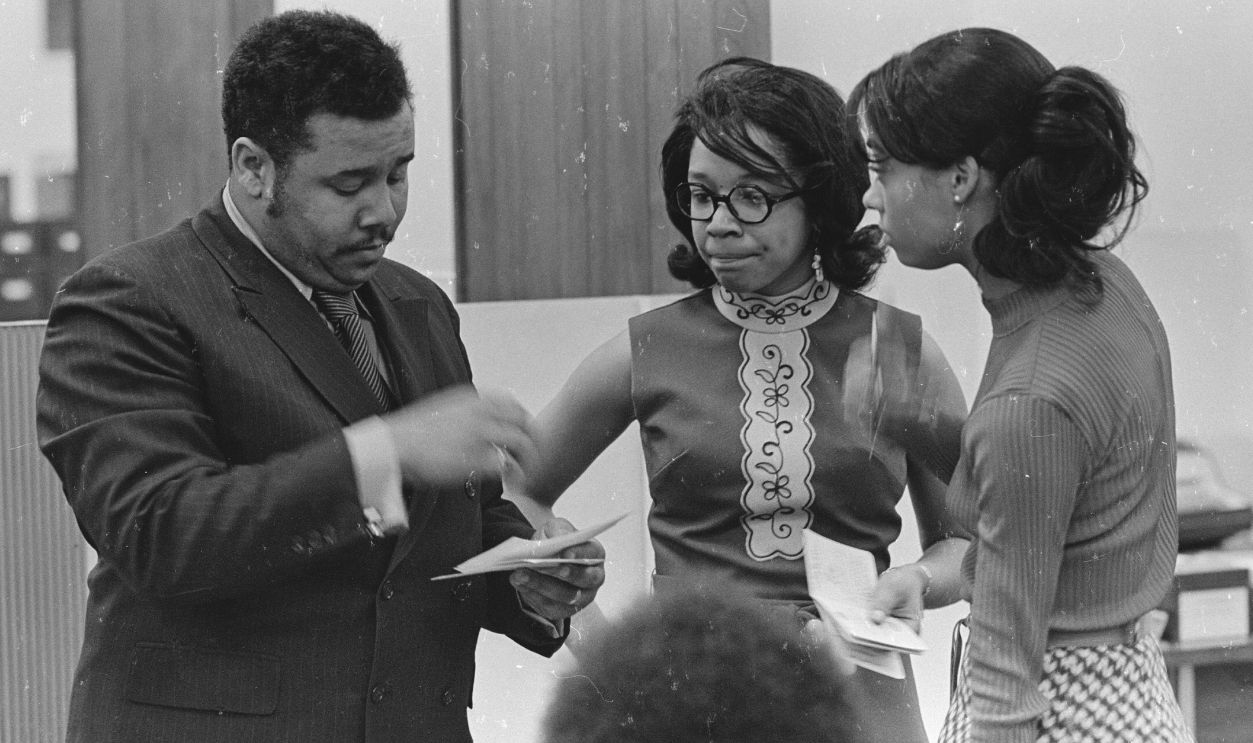
Need money for a car or home improvement project? In the 1970s, you often met a loan officer in person, carrying pay stubs and financial paperwork. Computers already played a growing role in banking, but personal interviews remained important. Sometimes, an established relationship with the bank could make the process feel much easier.
 Robert Abbott Sengstacke, Getty Images
Banking By Mail
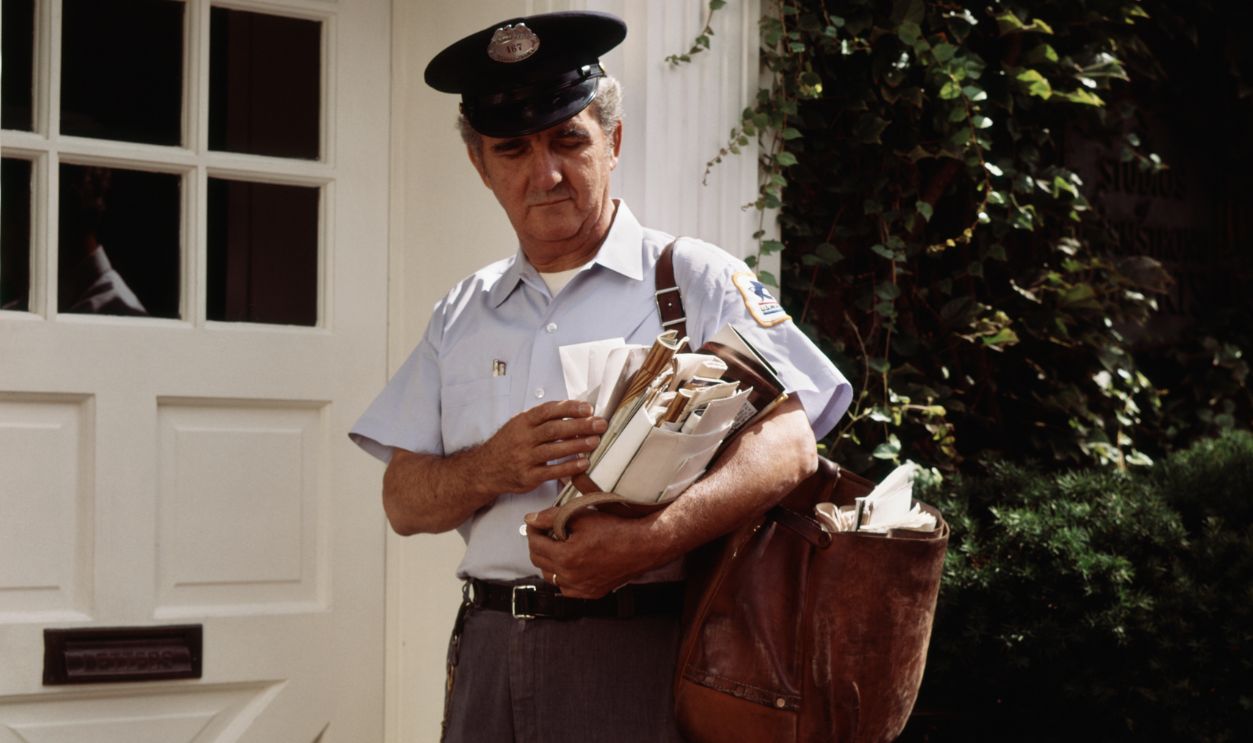
Believe it or not, some customers regularly conducted banking business through the postal service. Banks accepted mailed deposits and other account instructions, saving customers a trip to the branch. Of course, that meant waiting for delivery and processing. Nobody expected their money to move quite as quickly as it does today.
The Night Deposit Drop
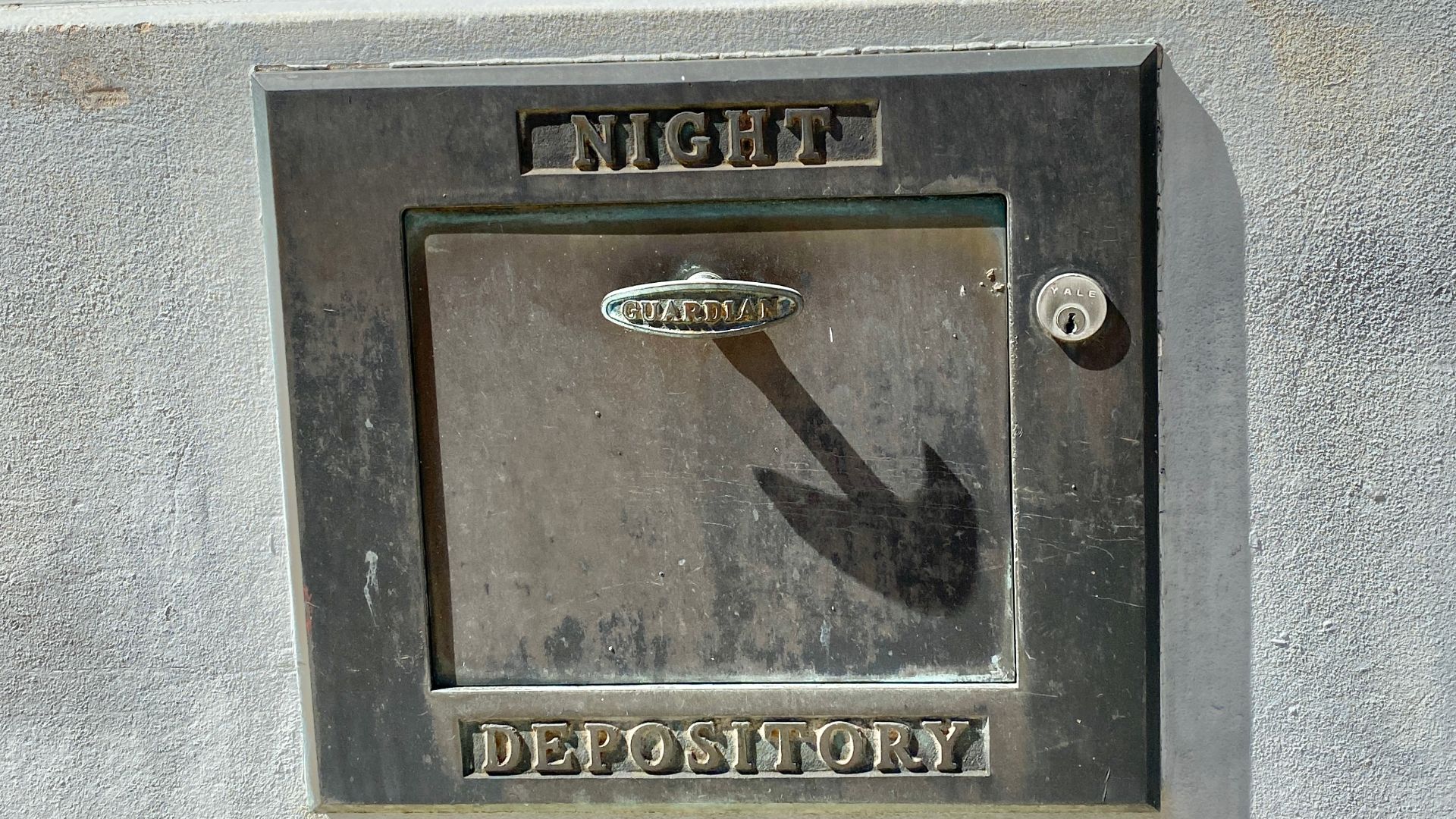
Business owners who collected cash after banking hours often used night depositories. These secure drop boxes allowed merchants to leave sealed deposit bags for bank employees to process later. Some customers also used after-hours deposit slots. It was particularly useful when your restaurant or shop closed long after the tellers went home.
When Bank Hours Ruled Your Schedule
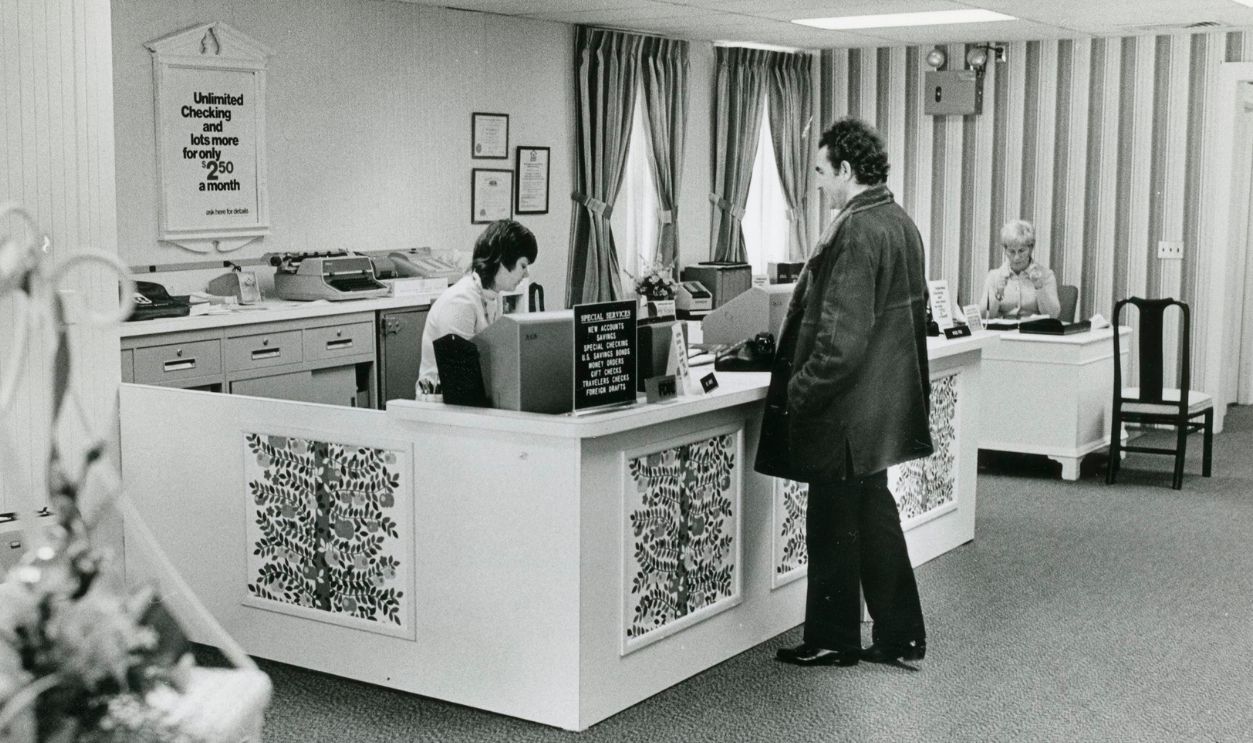
Remember rushing to the bank before closing time? Many branches kept relatively limited weekday hours, and weekend service wasn't universally available. Miss the cutoff, and you might be stuck until the next business day. Early ATMs began changing that during the 1970s, but cash withdrawals still required some advance planning.
Banking Has Changed, But Do You Miss The Old Days?
The 1970s banking experience certainly wasn't perfect. There were lines, paperwork, limited hours, and plenty of waiting. Still, there was something memorable about knowing your banker, holding your savings passbook, and physically counting your money. Modern banking is faster, but for many Boomers, those old routines are surprisingly hard to forget.
You May Also Like: