Left Hanging
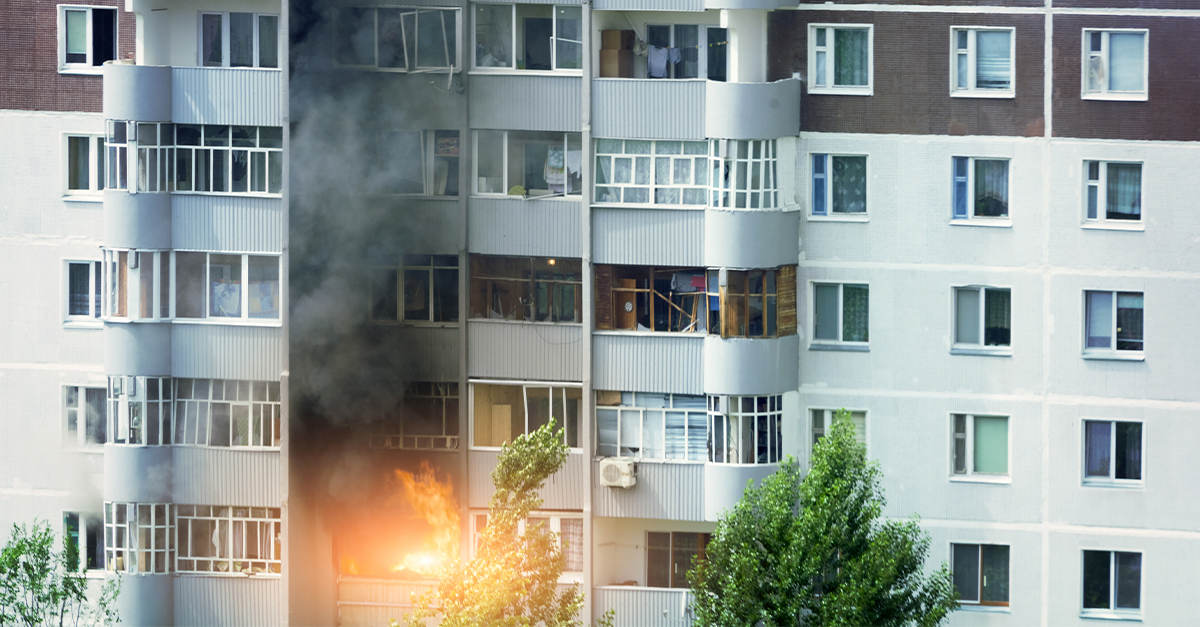
A fire in a neighboring condo caused structural damage to the shared wall of your own condo unit. You were required to move out as you were not legally permitted to live there. Three months later, repairs haven’t started, your relocation insurance is running out, and the HOA continues charging monthly dues as if nothing at all has happened.
HOA Dues Don’t Automatically Stop
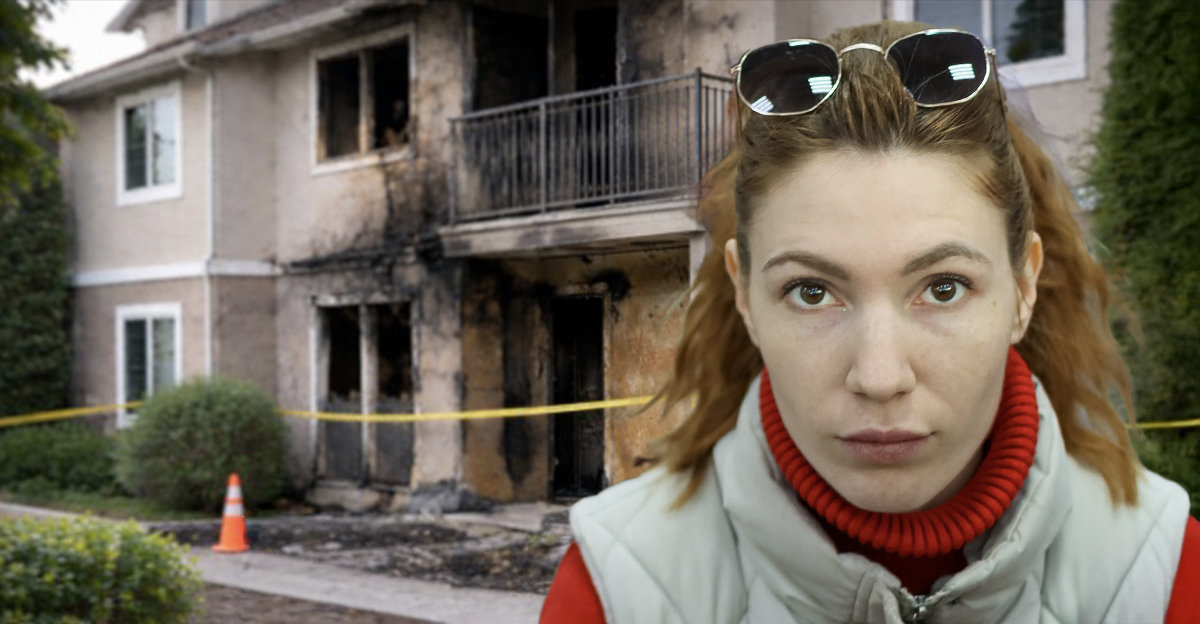
HOA fees are tied to ownership, not habitability. Even if your unit is deemed unlivable, most governing documents still require you to pay dues unless there is a specific provision allowing suspension. That’s why HOAs often keep charging even when the residents/owners have been displaced by fires or structural damage.

Review Your HOA Governing Documents
Your condo declaration, bylaws, and rules should contain at least something addressing casualty damage, habitability, or assessment reductions. Some documents will allow for temporary dues relief or cost sharing during major repairs. You’ve got to get to know exactly what the HOA is contractually allowed, or required to do.

Who Is Responsible For The Repairs?
Responsibility hinges on whether the damage is considered as a common element or part of your individual unit. Structural walls, framing, and shared components are often HOA responsibilities, even if the fire started elsewhere. Misclassification is at the heart of long delays if no one accepts responsibility.
Get A Clear Written Repair Timeline
HOAs often move at a snail’s pace unless you formally press them to get going. Get written confirmation of what date repairs will begin on, who is doing them, and what approvals remain outstanding. If you have no clear timeline after several months, you can strengthen your argument that the HOA is failing in its maintenance obligations.

How Relocation Insurance Typically Works
Loss-of-use or additional living expense coverage is usually time-limited. Insurers operate under the assumption that reasonable repairs will occur promptly. If delays are caused by HOA inaction, make sure you document that fact. Your insurer may extend benefits if delays are proven to be beyond your control.

Talk To Your Insurance Carrier Proactively
Don’t wait until relocation coverage runs out. Get in touch with your insurer, explain to them what’s going on with the HOA-related delays, and give them the documentation. Some policies allow extensions in cases that are bogged down in litigation, permitting delays, or responsibility disputes, especially if it’s a shared structure that’s in question.

HOA Delays And Legal Exposure
If the HOA is responsible for the repairs and unreasonably delays them, it could be in breach of its duty to maintain common elements. That doesn’t automatically stop you from having to pay dues, but it can at least open the door to reimbursement claims or legal pressure once the situation has dragged on to the point where you now find yourself, where insurance coverage is now in doubt.

Pay Dues Under Protest
Stopping HOA payments outright can trigger a whole host of unwanted consequences, including late fees, liens, or foreclosure actions. In a lot of cases, it’s safer to just continue paying dues while clearly stating in writing that you are paying under protest and reserve the right to seek reimbursement later.

Is A Dues Reduction Possible?
Some HOAs can vote to reduce or defer dues for displaced owners, even if the bylaws don’t require them to do so. This is generally discretionary and by no means automatic. Request a board discussion and formal vote instead of assuming that relief is unavailable.

Check If Special Assessments Are Being Used
Sometimes HOAs delay the repairs because funding is unresolved. Ask if insurance proceeds, reserves, or special assessments are covering the damage. Knowing where the bottleneck is in the timeline, whether it’s money, insurance disputes, or contractors, will help you figure out your next move.

Confirm Whether The HOA Filed Its Insurance Claim
HOAs typically carry master insurance covering structural components. If the HOA has delayed or mishandled its claim, that can stall everything. Ask for confirmation that a claim was filed, approved, and funded—and request copies of key correspondence.

Consider A Demand Letter
If months go by with no meaningful progress, a formal demand letter from you, or your attorney, can force action. This shows that the issue is no longer an informal matter and that financial consequences could be in the offing if the HOA continues to drag its feet on expediting repairs.

Small Claims Or Civil Court
Depending on your jurisdiction, you may be able to sue for reimbursement of HOA dues, relocation costs, or damages caused by this unreasonable delay. This basically amounts to a last resort, but it may have to come into play if delays keep stretching on into the distant future without explanation.

If Other Owners Are Involved
If other units were affected or similarly displaced, collective pressure by a group of you could make a difference. Multiple owners demanding action as a team, attending board meetings, or consulting counsel together often gets quicker and more far-reaching results than just one owner acting alone.

Show Up To HOA Meetings
Show up, either virtually or in person, to board meetings and always ask direct questions on the record. Take notes, save emails, and keep timelines. A clear paper trail is essential if you need to later escalate the dispute legally or with your insurers.

Temporary Housing Costs May Be Recoverable
If HOA delays are unreasonable, your out-of-pocket housing costs after insurance coverage ends may be recoverable later. It doesn’t help immediately, but it can help you plan your long-term strategy and bolster your case for reimbursement.

Talk To A Condo Or Real Estate Attorney
An attorney can review your governing documents, figure out your HOA liability, and advise on whether the delay violates statutory duties. Even a short consultation can quickly get to the bottom of whether or not your situation is merely frustrating or legally actionable.

Make A Financial Backup Plan Now
While disputes can play out slowly, your bills do not. Modify your budget, explore short-term housing alternatives, and don’t make any panic decisions. A temporary plan gives you leverage and the breathing space to exercise patience while you push for a resolution.

Before You Act Rashly
Being displaced by a neighbor’s fire while still paying HOA dues is incredibly infuriating, but is not unusual. Your best move is to document everything, pressure the HOA in writing to get a move on, work with your insurer early, and avoid risky self-help like stopping payments. With patience and persistence, you can get this situation resolved.

You May Also Like:
The HOA keeps raising fees, and now I can't afford my mortgage. What are my options?