Convenience Fees Are Everywhere Now
Convenience fees used to feel like a rare annoyance. Now they show up when Americans buy tickets, pay bills, order food, book travel, use delivery apps, rent housing, or pay with certain cards. The frustrating part is that many people pay them automatically because the cheaper option is hidden, inconvenient, or never clearly explained.

The Fee Is Often For The Payment Method
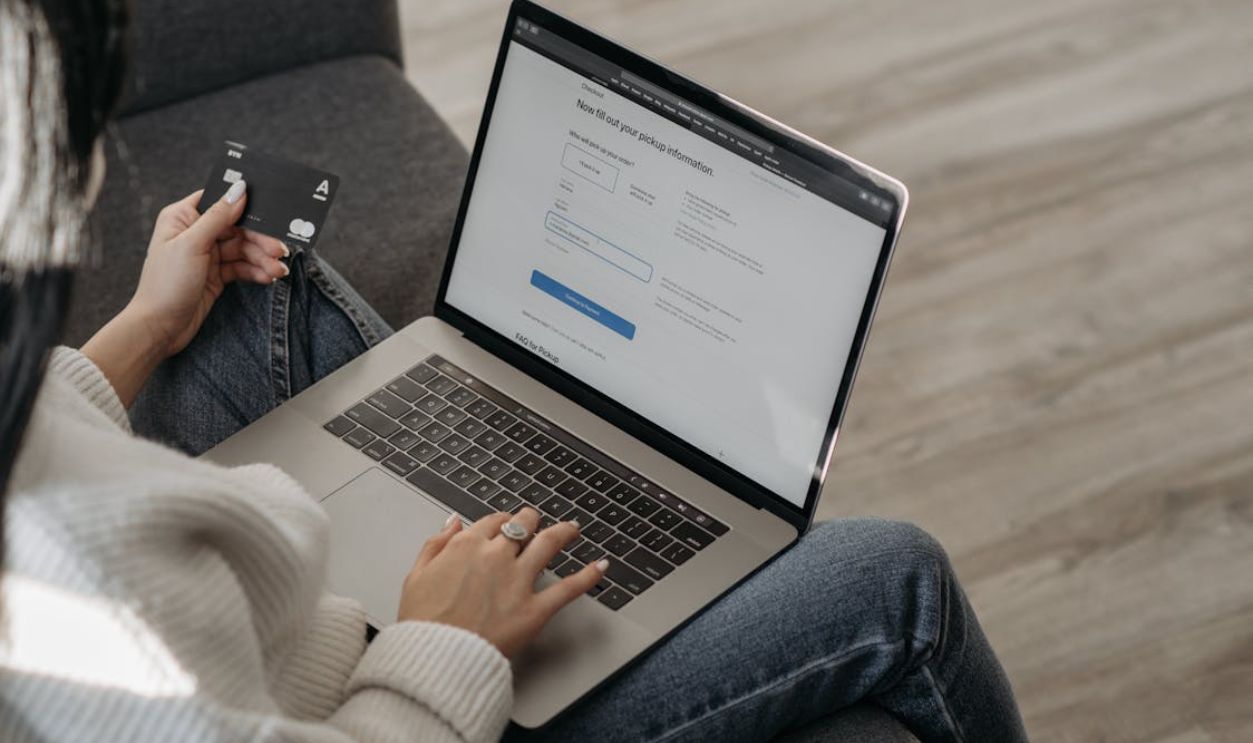
Sometimes the “convenience” is not the product at all. It is the way you are paying. Some companies charge extra for credit card payments, phone payments, online payments, or third-party payment portals. US consumer finance guidance notes that pay-to-pay or convenience fees may need clear authorization, depending on the situation.

Paying By Card Can Cost More Than Paying Another Way
Credit cards are easy, fast, and familiar. That is exactly why fees can sneak in. Some merchants may add surcharges or service fees for card payments, depending on state law and payment-network rules. Debit, bank transfer, cash, paper check, or automatic withdrawal may avoid the extra charge in some cases.
Bill-Pay Portals Can Add Sneaky Charges
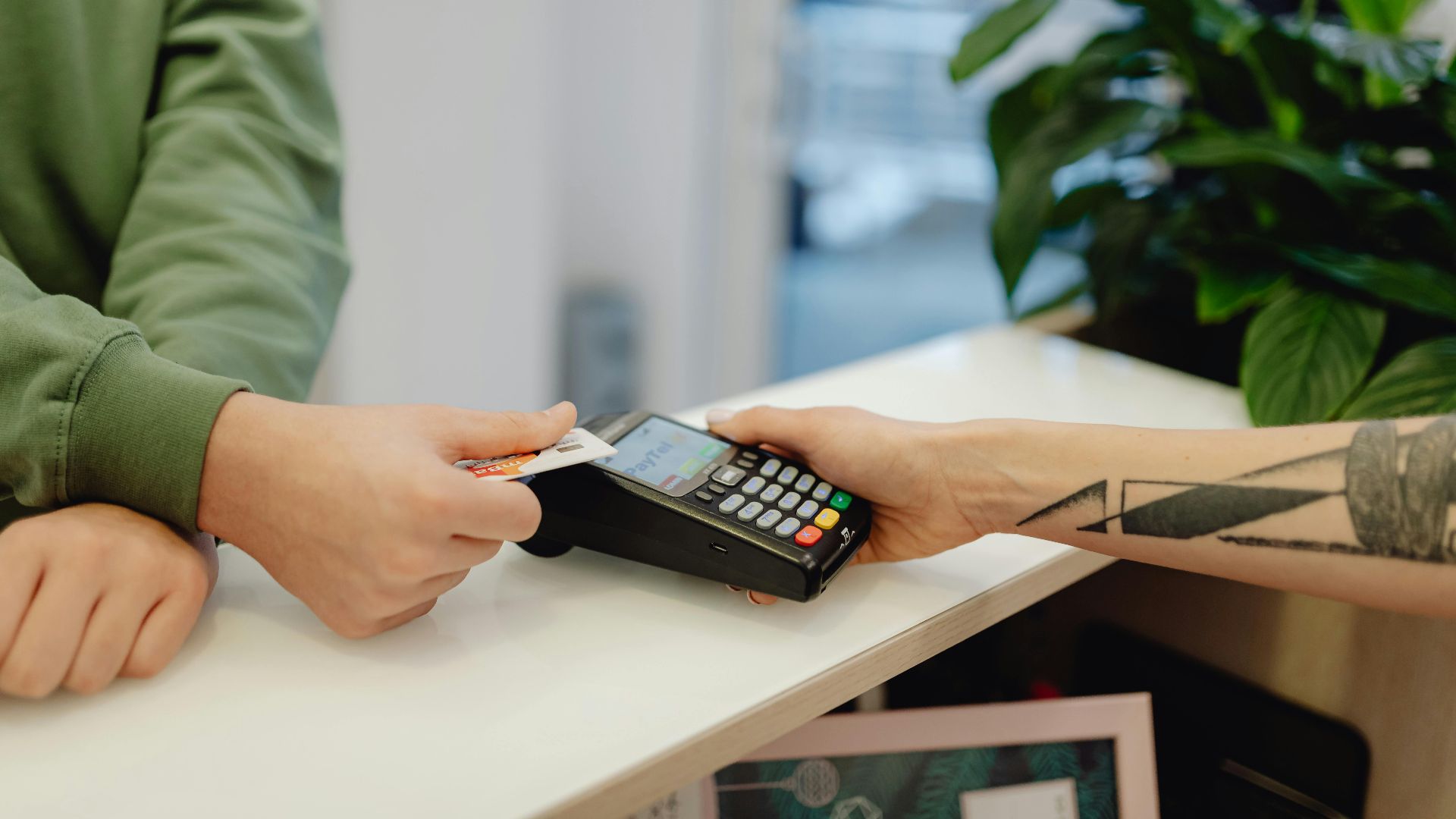
Utilities, landlords, medical offices, schools, and local governments may use outside payment platforms. The bill itself may be legitimate, but the portal may add a processing or convenience fee. Before clicking pay, check whether mailing a check, using your bank’s bill-pay tool, automatic withdrawal, or in-person payment is cheaper.

Phone Payments May Carry Extra Fees
Some companies charge a fee if you pay by phone with a live agent or automated system. It may feel helpful in the moment, especially if a bill is due, but it can become costly if repeated monthly. Online bank bill pay, scheduled automatic payments, or mailed checks may avoid the charge entirely.

Ticket Fees Are A Classic Example
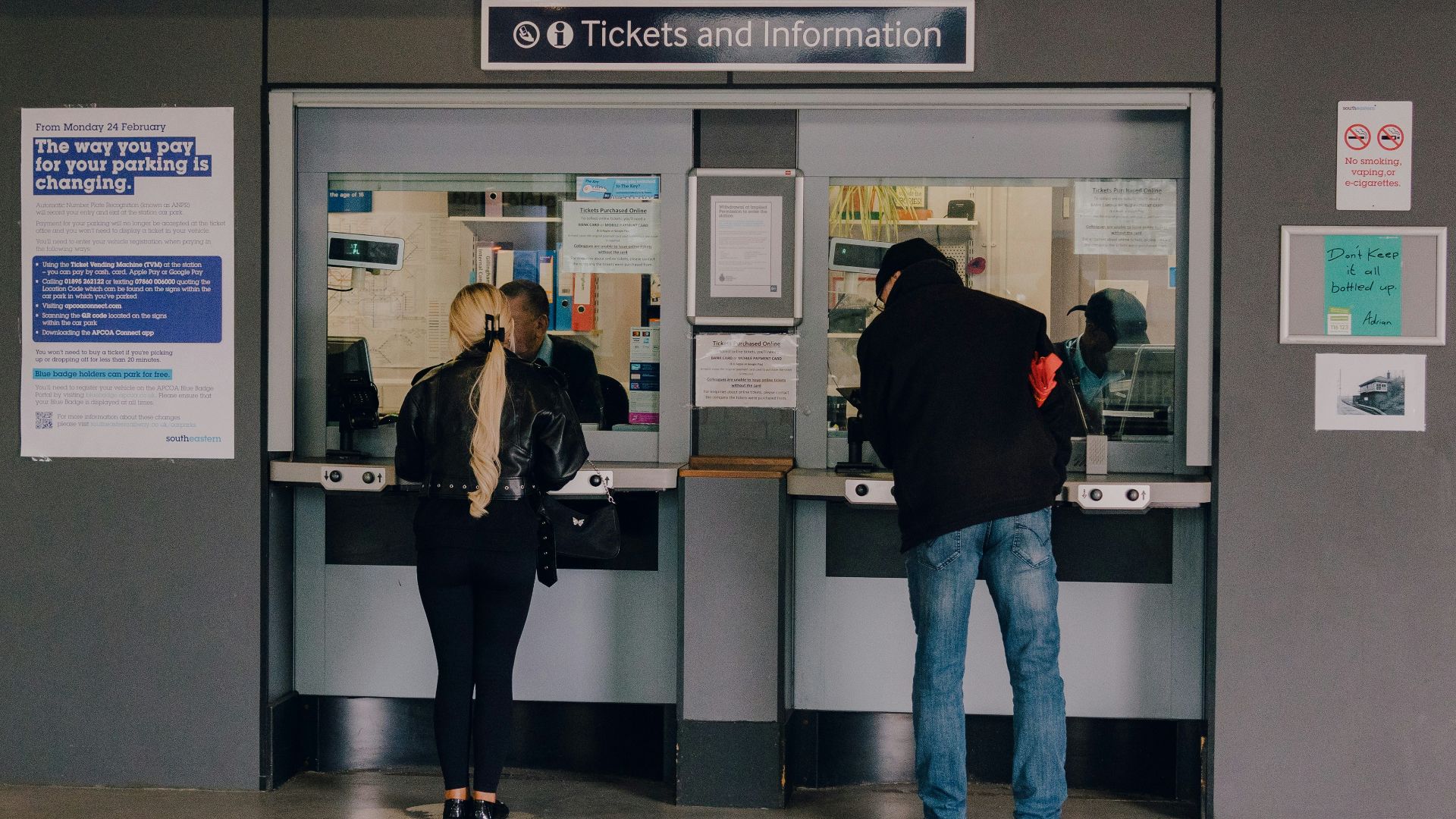
Concerts, sports, theatre, and event tickets are famous for extra fees. Service fees, facility fees, order fees, delivery fees, and processing fees can inflate the final price. New US rules require clearer upfront pricing for live-event tickets, but shoppers should still compare the total cost before checkout.
Hotel And Rental Fees Can Change The Real Price
A hotel room or short-term rental may look affordable until resort fees, destination fees, cleaning fees, service fees, and platform fees appear. Recent US consumer-fee rules require clearer total-price disclosure for short-term lodging and live-event tickets, but it still pays to compare the final checkout price, not just the headline rate.

Food Delivery Convenience Adds Up Fast
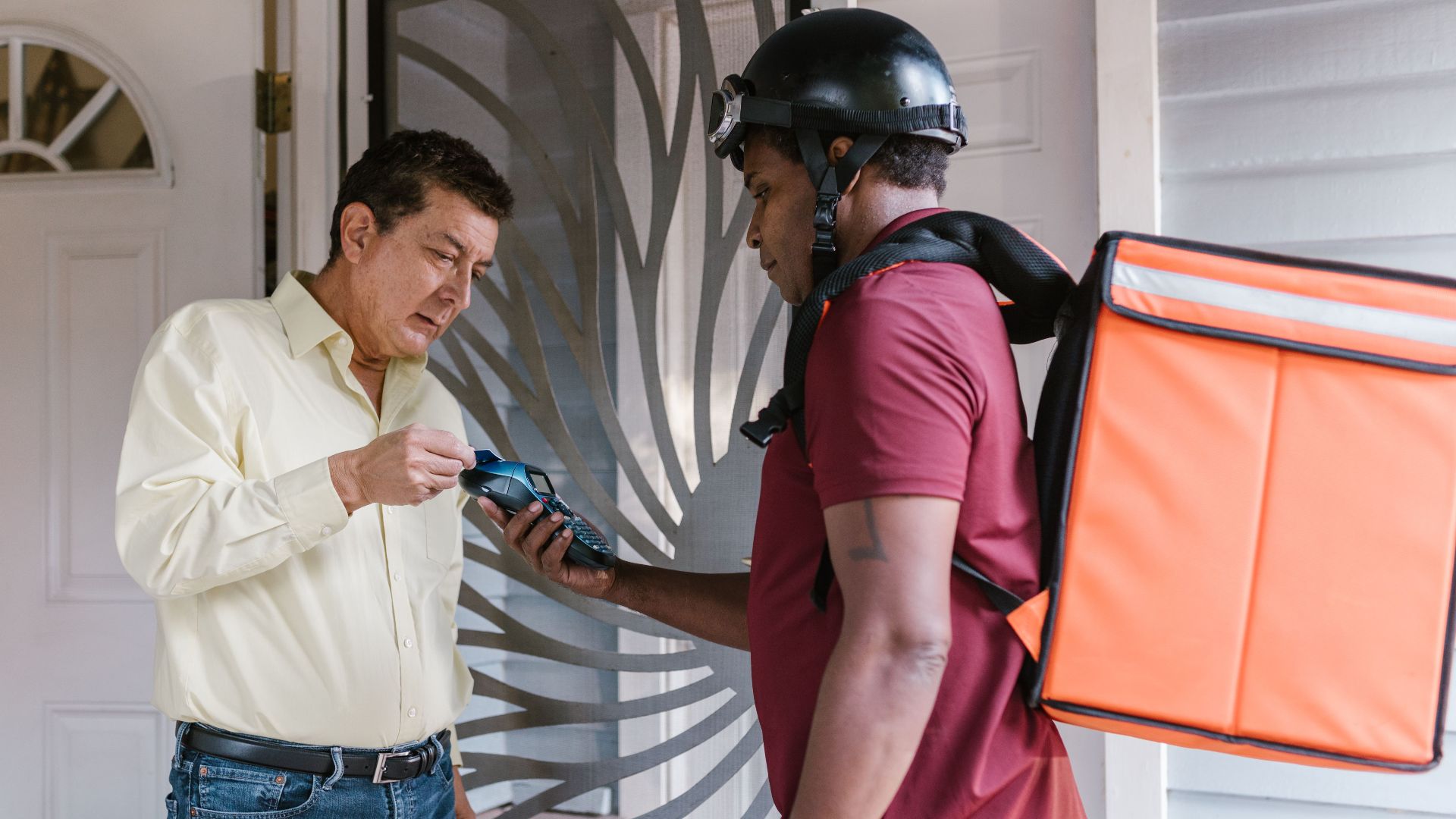
Delivery apps can layer on delivery fees, service fees, small-order fees, priority fees, tips, and higher menu prices. The same meal may cost far less if ordered directly from the restaurant or picked up yourself. Convenience may be worth it sometimes, but the real question is whether you are choosing it knowingly.
Grocery Delivery Has The Same Problem
Grocery delivery can be a lifesaver, especially for busy families or people with mobility limits. But fees, tips, subscriptions, markup pricing, and replacement issues can raise the total. Pickup, store loyalty programs, direct ordering, or shopping less often with a planned list may reduce the hidden convenience premium.

ATM Fees Are Often Avoidable
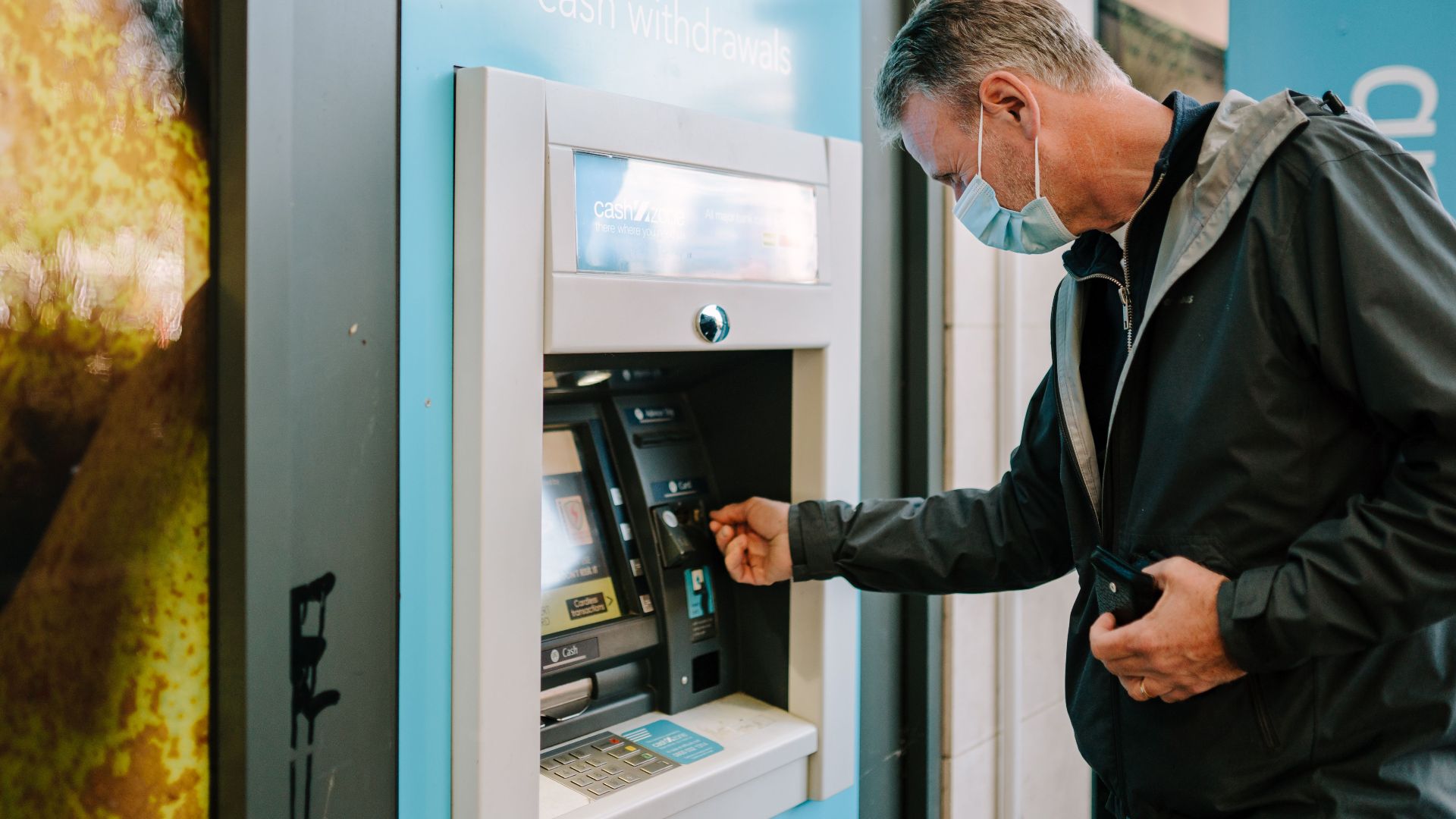
Out-of-network ATM fees can hit from both the ATM operator and your own bank. That is a painful charge for accessing your own money. Using your bank’s ATM locator, getting cash back at checkout, switching accounts, or planning withdrawals ahead can often avoid the fee.
 Centre for Ageing Better, Pexels
Rush Fees Are Usually A Planning Penalty
Expedited shipping, urgent document processing, rush replacement cards, same-day delivery, and last-minute booking fees often punish timing more than anything else. Life happens, and sometimes rush fees are unavoidable. But when they become a habit, a calendar reminder can be worth actual money.

Paper Statement Fees Can Be Easy To Miss
Some banks, utilities, insurers, and service providers charge for mailed paper statements. That can be frustrating for people who prefer physical records. If paper is not necessary, switching to electronic statements may save money. If paper is necessary for accessibility or caregiving reasons, ask whether the fee can be waived.

Subscription Fees Hide Behind Convenience
Meal kits, delivery memberships, streaming services, cloud storage, apps, fitness platforms, and shopping subscriptions all sell convenience. The problem is that people forget they subscribed. A quarterly subscription audit can uncover charges that no longer match real use.
“Free Trial” Convenience Can Become A Paid Habit
Free trials are designed to be easy to start and easy to forget. Once the trial turns into a paid subscription, the fee may continue quietly for months. Before signing up, set a cancellation reminder. Better yet, ask whether the service is useful enough to pay for even after the promotional period ends.
Convenience Fees Often Target Busy People
Many fees work because people are rushed, tired, or overwhelmed. Paying an extra few dollars feels easier than searching for another option. That is understandable. But companies know this. The best defense is building small routines before checkout, not trying to make perfect decisions when you are already stressed.

Medical Bills May Have Payment Options
Some medical offices promote credit cards, payment plans, or third-party financing because they make payment easier. US consumer guidance warns people to review medical bills carefully and ask about financial assistance before financing charges. A no-fee payment plan directly with the provider may be better than a costly convenience option.

Rent Payment Fees Deserve Extra Attention
Some renters are pushed toward online portals that charge extra for card or electronic payments. Housing advocates and consumer officials have warned that rental junk fees can make already high housing costs worse. If a landlord charges payment fees, ask whether there is a no-fee payment method and keep the answer in writing.

Government Payments Can Still Carry Fees
Taxes, tickets, permits, tuition, tolls, and public-service payments sometimes charge extra for card use through a payment processor. The fee may be disclosed, but it still hurts. Bank transfer, check, automatic debit, or in-person payment may be cheaper, depending on the agency.
Foreign Transaction Fees Sneak Into Travel
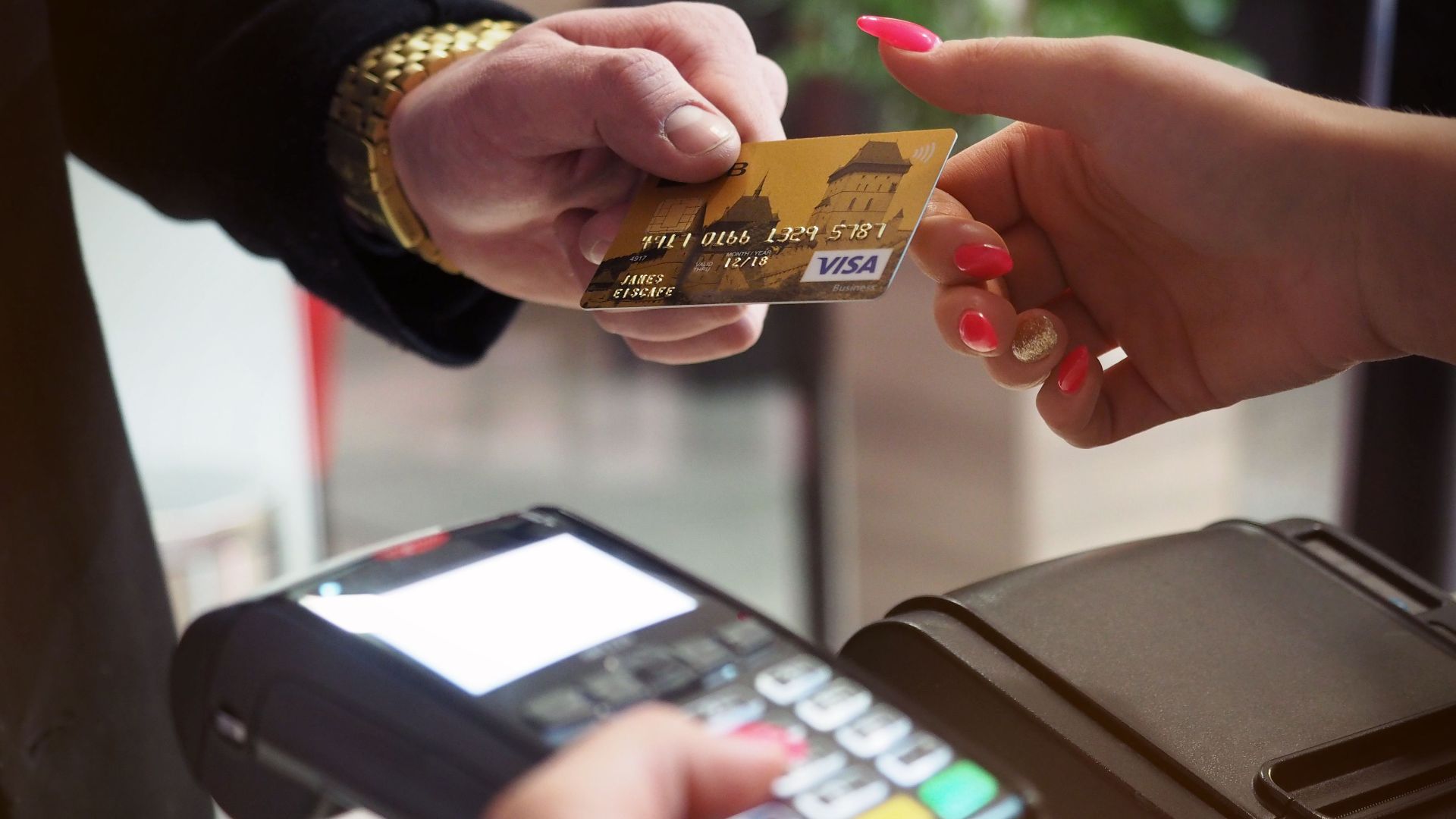
Americans traveling abroad often remember exchange rates but forget foreign transaction fees. A card that charges extra on international purchases can quietly make every meal, hotel stay, and souvenir more expensive. A no-foreign-transaction-fee card or local-currency payment choice may reduce the cost.

Dynamic Currency Conversion Is Usually A Bad Deal
When a card terminal abroad asks whether you want to pay in US dollars, it can feel helpful. But that “convenience” often comes with a less favorable exchange rate. In many cases, choosing the local currency is cheaper, though travelers should still check their own card’s terms.

App Fees Can Be The New Service Charges
Parking apps, ticket apps, transit apps, delivery apps, and appointment-booking apps may add small service charges that feel harmless. But small fees repeated often become real money. If a kiosk, direct website, pass, subscription, or in-person option is cheaper, the app may not be the bargain it appears to be.

The Cheapest Option May Be Less Visible
Companies are very good at making the convenient option the default. The no-fee option may be lower on the page, hidden in an FAQ, available only through your bank, or described in boring language. Before paying a fee, ask one simple question: “Is there a free way to pay or receive this?”

Ask For A Waiver More Often
Many consumers assume fees are non-negotiable. Some are. Some are not. If it is your first time, the fee was unclear, you are a long-time customer, or you had a legitimate hardship, ask politely for a waiver. A calm request through customer service can work more often than people think.

The Best Strategy Is Not Avoiding Every Fee
Convenience is sometimes worth paying for. Delivery during illness, rush shipping before a trip, or a card payment during an emergency may be reasonable. The goal is not to feel guilty about every fee. The goal is to know when you are paying for convenience and when you are being steered into it without realizing.

A Two-Minute Fee Check Can Save Real Money
Before paying, look at the total, not the headline price. Check the payment method, delivery option, subscription terms, cancellation policy, and whether a no-fee route exists. Convenience fees thrive when people rush. A two-minute pause can turn an automatic extra charge into a conscious choice.

You May Also Like:
Carbon Neutral Club: How Fighting Climate Change Can Save You Money
5 Expensive Products That Are Absolutely Worth The Money