
When Paying Off Debt Hurts Your Score
You slashed spending, worked overtime, sold personal items, and even skipped meals on a single-minded quest to wipe out your credit card debt. But instead of the thrill of victory, you watched in disbelief as your credit score dropped by 30 points. It’s confusing and frustrating, but it happens. Knowing how credit scoring works can help you recover and rebuild toward a stronger financial footing.

How Credit Scores Are Calculated
Credit scoring models like FICO and VantageScore look at multiple factors, like payment history, amounts owed, length of credit history, credit mix, and new credit inquiries. Each of these factor plays a role, and changes to any of them can cause your score to shift, even if the change is a good one like paying off debt.

Impact Of Paying Off Debt
Paying off your credit card debt greatly reduces the amount of money you owe, which should generally boost your credit health. But it can temporarily affect scoring elements like credit usage and account diversity, especially if the account you paid off was your only active revolving credit account.
Credit Mix Matters Too
Having a credit mix, such as different types of accounts like credit cards, auto loans, and mortgages, also accounts for a small but important portion of your score. When you get rid of debt and lower the number of active account types, your credit profile can look less diverse, and lower your score slightly.
Average Account Age Can Change
When you pay off and/or close a credit card, your total number of accounts goes down and the average age of your accounts may shorten. Older accounts help your credit score because they show a long history of responsible use. Removing these can actually reduce that score benefit.

Utilization Isn’t Always Straightforward
Even though your total debt is lower, credit bureaus often look at utilization at specific moments. If your usage looks higher relative to your total available credit, like, let’s say for example, on a newly paid‑off card, your score could dip temporarily.

Payment History Still Rules
Consistent on‑time payments are the biggest factor in your credit, and they account for a significant portion of your score. If you never missed a payment while paying down debt, this positive history goes on benefiting you even through short‑term score fluctuations.

Drops Are Often Temporary
If your score dips after paying off debt, don’t panic. These kinds of dips are common and frequently temporary. As your current accounts age and your overall credit use evens out, your score tends to come back up over a period of several months, especially if you keep showing responsible credit habits.

Keep Accounts Open If Practical
If you paid off a card and are thinking about closing it, maybe think about keeping the account open if there’s no annual fee. Keeping unused accounts open maintains available credit capacity and can boost the average age and mix of your accounts. Both of these things are good for your score.

Spread Charges Across Cards Wisely
Instead of closing accounts, you can make small recurring charges on paid‑off cards and pay them off every month. This keeps the account active on your report without hurting your budget, and it helps you maintain your total available credit and utilization ratios.

Avoid Rapid Credit Applications
Applying for new credit shortly after paying off your debt can trigger hard inquiries on your report, and these temporarily hurt your score. Try to avoid opening several accounts in a short period if you want your credit score to stabilize.
Monitor Your Reports Closely
Regular review of your credit reports can help you pick out any unusual changes or errors. Mistakes like incorrect balances or unreported payments can drag down your score and are worth disputing with the bureau if you find them.

Build A Strong Credit Mix
If your credit profile doesn’t have a whole lot of diversity after you pay off your debt, maybe think about responsibly adding a different account type over time, like a secured loan or installment credit, to grow your credit mix and future scoring potential.

Maintain Low Credit Utilization
Keeping your balance low, ideally under about 30% of your available credit is almost always a smart strategy. Low utilization signals to scoring models that you’re not relying too much on credit.
Know That It’s Scoring, Not Worth
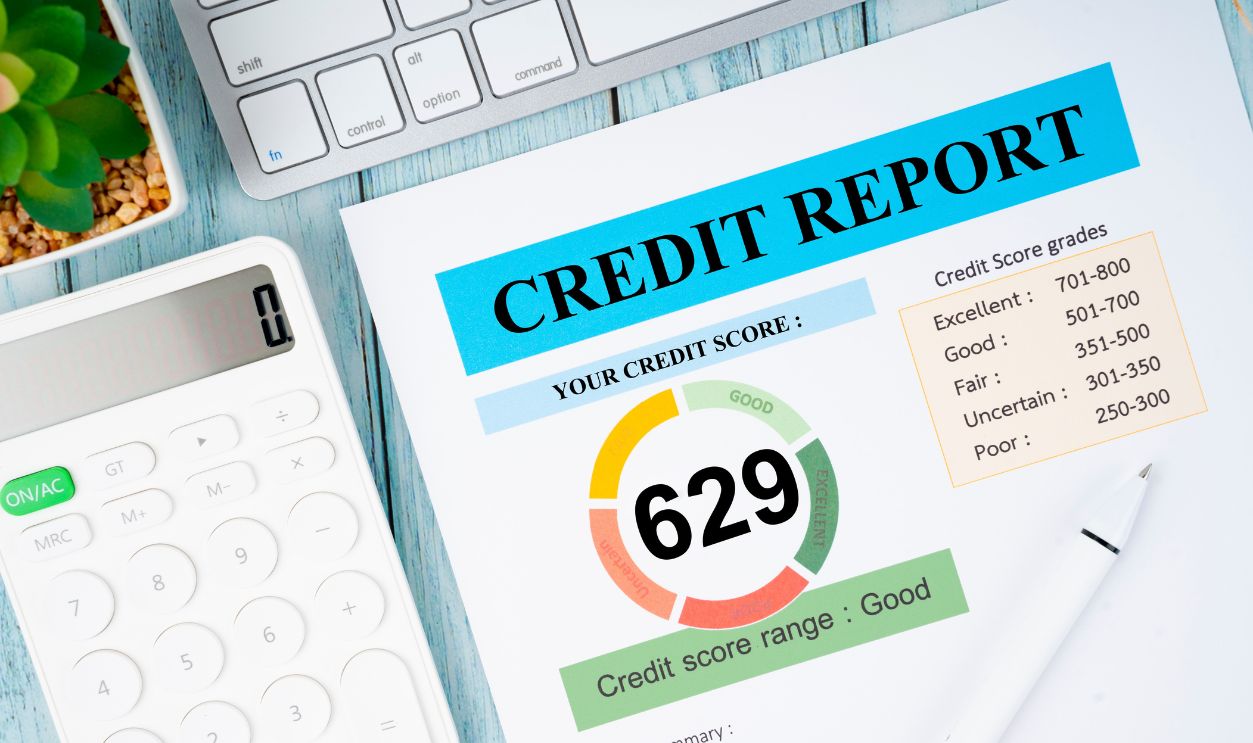
Remember that a credit score is just a mathematical snapshot, not a judgment of your financial discipline or worth as a human being. Temporary dips after a big financial win like paying off debt doesn’t negate your good habits or long‑term money management success.
Rebuild With Consistent Habits
Keep making on‑time payments, avoid unnecessary credit applications, and keep older accounts open whenever reasonable. These habits beef up your score over time and combat those temporary dips that can ensue from one successful payoff.

Consider Secured Credits If Needed
If your credit mix is weak and progress in your score recovery seems sluggish, secured credit cards or small installment loans can diversify your obligations so long as you use them responsibly, can help your scores climb back more rapidly without risking overextension.
Watch For Credit Monitoring Alerts
Credit monitoring services can alert you to score changes or report updates, allowing you to react quickly if something unexpected occurs, like identity errors or reporting delays that could affect your score.

Be Patient With Recovery
Improving your credit score is a marathon, not a sprint. Short‑term decreases after big wins are normal. But maintaining steady good habits like on‑time payments, low utilization, and smart account management are the real habits that help your score trend upward for months and years to come.

Context From Reddit Experiences
Many people report experiences just like yours: paying off their cards led to temporary score drops, sometimes big ones. Other people suggest that time, ongoing responsible use, and keeping open accounts all help scores bounce back. It’s an encouraging pattern that many have observed.

Your Score Can Bounce Back Stronger
A 30‑point score drop after paying off credit card debt certainly has a look of unfairness to it, but it’s just one of those quirks of how credit scoring works. Short‑term adjustments can take place due to changes in utilization, account mix, or age. But with patience and continued smart credit habits, most people see their scores rebound while seeing their finances stay healthier long term.

You May Also Like: