

All Financial Decisions Matter
Saving money doesn’t have to feel like punishment, and Buffett proves it. His everyday habits show how small, practical decisions can protect your comfort instead of cutting it. This is about spending smarter, not living smaller.

People Trust Buffett’s Wisdom For A Reason
People follow Buffett’s money advice because he’s spent over 60 years proving that steady financial habits actually work. His track record shows that ordinary people can build stability by focusing on discipline and clarity. His guidance feels reliable because it comes from lived experience, not theory.
 Aaron Friedman, Wikimedia Commons
His Success Shows That Simple Works
Buffett’s strength lies in consistency. He follows the same principles in good and bad markets, which is rare in the financial world. This discipline enabled him to grow Berkshire Hathaway from a struggling textile mill into a global powerhouse admired by many.
 No Swan So Fine, Wikimedia Commons
Approach That Makes Money Feel Less Intimidating
The legend explains complex ideas in simple ways, which is why beginners gravitate toward him. He strips away jargon and focuses on everyday decisions people actually face. His style reassures readers that smart financial habits don’t require complicated formulas or advanced investing knowledge.
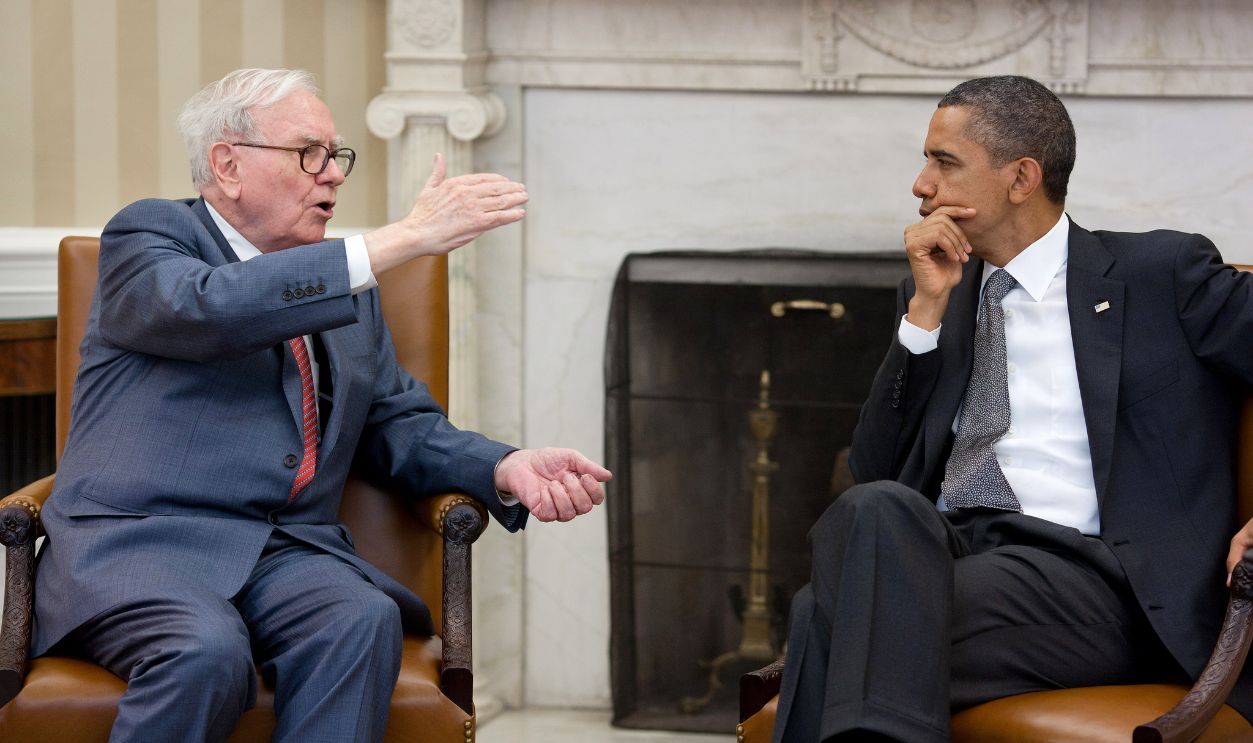 The White House from Washington, DC, Wikimedia Commons
Value Matters More Than Price
Buffett teaches that smart spending starts by looking beyond the price tag. A product with a higher upfront cost can save money through durability and less maintenance. He learned early that actual value comes from long-term usefulness, never quick wins or trendy purchases.

Spending Less Than You Earn Creates Freedom
To Buffett, this habit is the first step toward financial independence. When your expenses stay lower than your income, you gain room to save, invest, and handle surprises without stress. It’s a simple rule, but it quietly builds the foundation for long-term comfort.

Save Before You Spend
Most people save whatever money remains after their monthly expenses. Buffett flips that idea. He believes savings should happen first, before lifestyle choices fill the rest of the budget. Treating savings like a fixed, non-negotiable commitment creates stability that grows quietly in the background.

Avoid Debt For Nonessential Spending
Debt often looks harmless until monthly payments pile up and freedom disappears. That’s why nonessential borrowing—especially for upgrades or impulses—creates long-term strain. By keeping debt limited, you protect future income and avoid paying interest on purchases that never truly improved your life.
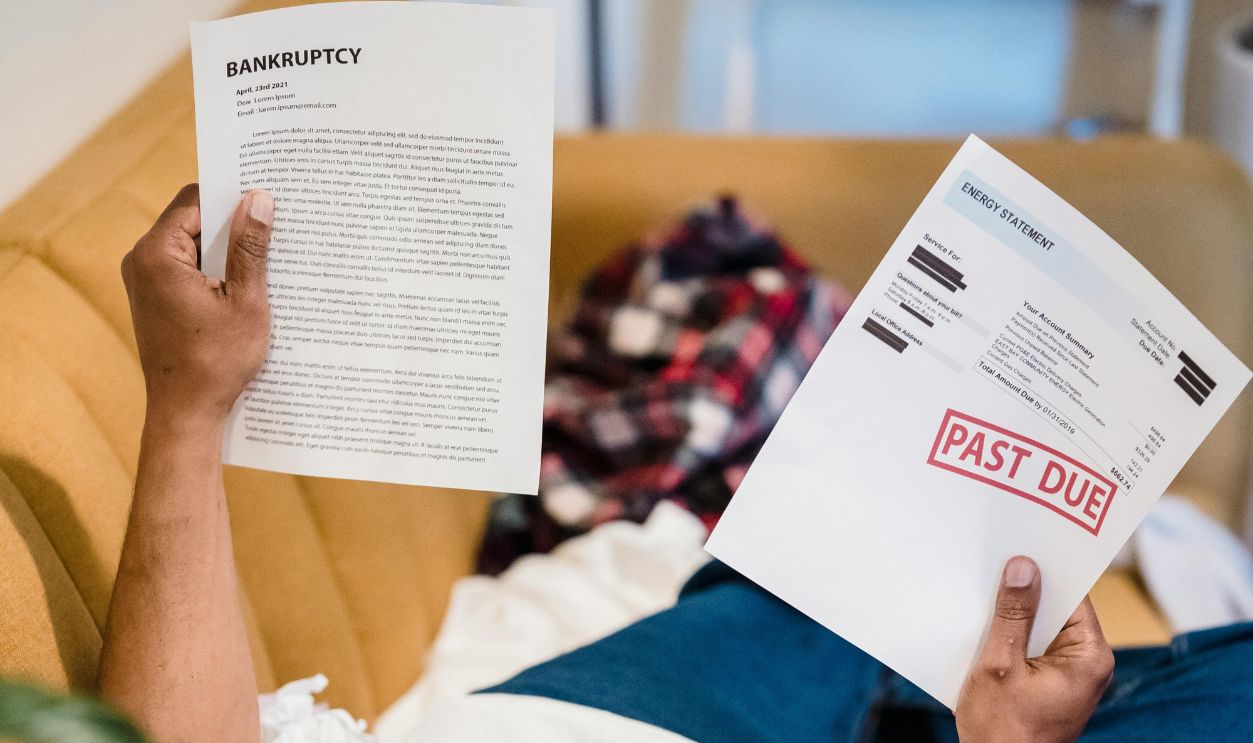
Understanding Lifestyle Inflation
Lifestyle inflation is what happens when rising income quietly raises your expenses. Nicer upgrades feel harmless alone. Over time, these small additions erase the financial progress higher income should create. Recognizing this pattern is the first step toward controlling it.

Understanding Lifestyle Inflation (Cont.)
The goal is to upgrade only when it genuinely improves your life. Choosing stable routines and delaying nonessential upgrades preserves the gap between income and spending. That gap becomes the space where savings grow, and financial stress loses its power.

Prioritize Long-Term Comfort Over Short-Term Impulses
Buying something on impulse feels exciting for a moment, but that feeling disappears quickly while the cost stays behind. Long-term comfort means choosing what keeps life easier in the future with fewer bills and more savings. These steady benefits last far longer than a quick shopping thrill.

Using Opportunity Cost To Choose Wisely
Every purchase quietly takes money away from something else you could have done with it. Opportunity cost helps you see that trade-off clearly. When you compare a short-term want with a long-term benefit, smarter choices naturally happen because you understand what you might be giving up.

Using Opportunity Cost To Choose Wisely (Cont)
Opportunity cost also hides inside small daily habits like ordering meals and impulse snacks. These tiny choices seem harmless, but they slowly push long-term goals further away. If you notice the pattern, cutting back feels intentional, not restrictive, because you understand what you're protecting.

Choosing Quality Over Quantity
Cheap items create more trouble than relief. They break faster and might need regular upkeep. Quality may cost more upfront, but it lasts longer and works better. That durability saves money naturally and builds everyday comfort without forcing you to buy things again and again.

Choosing Quality Over Quantity (Cont)
A durable product becomes financially smarter with every year it survives. It will stay useful far longer than bargain versions. This protects your budget by reducing repair costs. It also reduces waste while letting you enjoy comfort without constant spending.

Being Resourceful Before Spending
Not every need requires a fresh purchase. Repairing what you already own or choosing secondhand options often solves the problem for far less. Such a mindset stretches your budget without reducing comfort and keeps your spending focused only on what truly matters.

Evaluate Your Everyday Purchases
Most people ask, “Can I afford this today?” Buffett thinks differently. He looks at whether the purchase will still feel worth it months from now. This mindset keeps everyday spending calm and intentional because you’re choosing what genuinely improves your life, not what briefly excites you.

Why Predictable Routines Save Money
Predictability might sound boring, but it removes half the temptations that drain a budget. The finance legend repeats simple routines because fewer choices mean fewer chances to spend impulsively. When daily life is steady, your money stays steady too, without feeling restricted.

The Power Of Avoiding Trends
Trends change fast, and chasing them leads to constant upgrades. Buffett avoids that cycle entirely. He prefers timeless choices that don’t go out of style or break after a season. This approach keeps spending low, all without sacrificing enjoyment.

Separating Wants From Needs The Buffett Way
A need improves daily life. A want creates a momentary spark. He separates the two by asking how often he’ll use something and how much value it brings. The simple filter helps clarify spending decisions and prevents emotional purchases from nibbling away at long-term comfort.

Keeping Purchases Simple To Avoid Hidden Costs
Many purchases look affordable until you notice the maintenance fees attached. Fancy gadgets or feature-heavy tools often need updates and accessories. Choosing straightforward versions avoids these “silent bills” and keeps expenses predictable, and gives you comfort without unnecessary financial weight.

The Comfort Of Having A Cash Buffer
A cash cushion protects you from sudden expenses in case of emergencies. Even a small amount creates breathing room. With a buffer in place, you don’t need loans or credit cards to survive surprises, as it makes your financial life calmer and more secure.

Why Borrowing Lifestyle Ideas From Others Can Be Costly
Copying how friends or influencers live can stretch your budget without improving your happiness. Everyone’s situation is different. Staying close to your own values and limits keeps spending aligned with what genuinely brings comfort.

How Small Improvements Strengthen Your Finances
Little changes like packing lunch twice a week or avoiding delivery apps may not feel dramatic, but they add up quickly. Minor improvements snowball into noticeable savings, which gives you more room for comfort and long-term peace of mind.

The Long-Term Power Of Letting Savings Grow
Money grows naturally when it’s given time. Even small savings can multiply through interest or investing, creating future stability. The key is patience: once your money starts working for you, comfort becomes easier to maintain because your future isn’t carrying the full weight of your present spending.








.jpg)