Their Name Keeps Showing Up At Your House
A few stray envelopes for the previous homeowner are easy to ignore. Months later, when bank statements, bills, collection letters, or other financial mail keep arriving, it starts to feel considerably less harmless. Don’t wait for an obvious fraud problem before checking that your own credit, mail, and financial identity are properly protected.
Their Mail Doesn’t Automatically Damage Your Credit
A previous owner receiving bills at your address doesn’t, by itself, transfer their debts or credit history to you. Credit reports belong to individual consumers, not houses. The address may help identify someone, but lenders and credit bureaus also use names, Social Security numbers, dates of birth, account information, and other identifiers. Your biggest concern should be whether any information belonging to the former resident has somehow become mixed into your own records.
Start Returning The Mail Properly
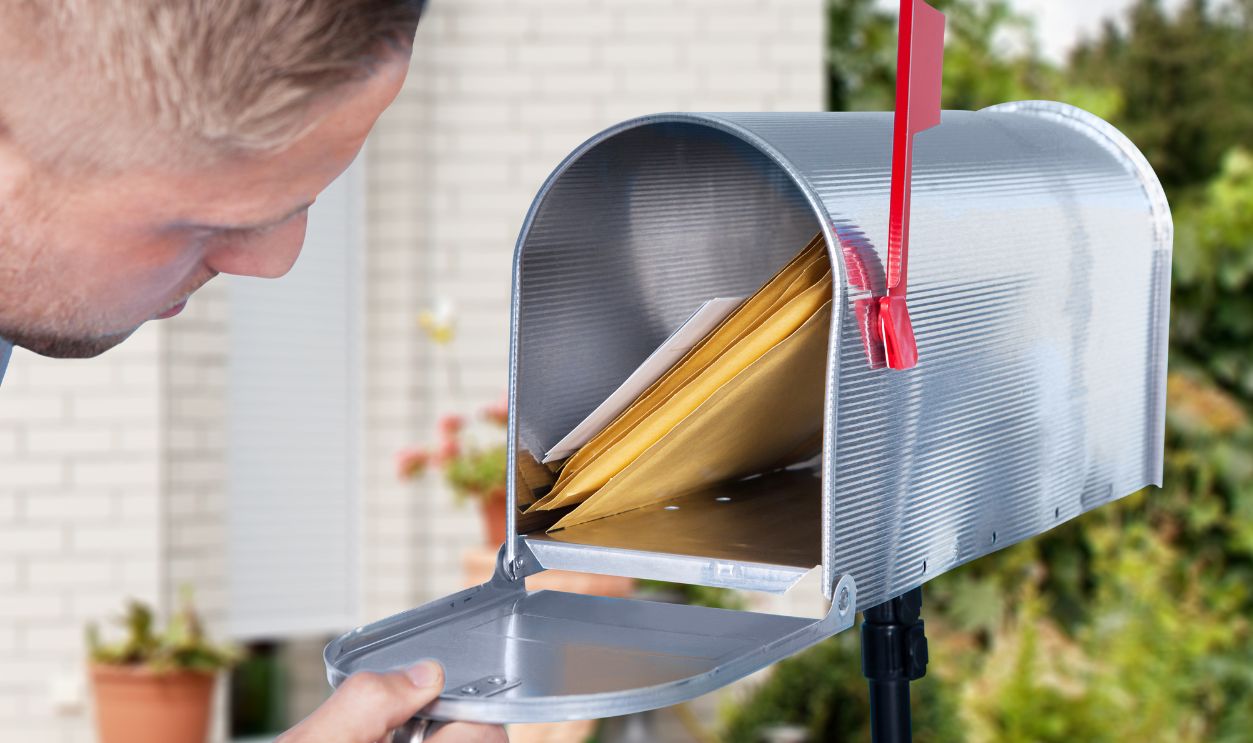
USPS says that when mail reaches the correct address but the named recipient no longer lives there, you can write “Not at this address” on the piece and put it back into the mailstream. Don’t erase or cover the original address. Doing this consistently helps signal that the former resident is no longer there rather than allowing financial correspondence to pile up indefinitely.
Don’t Open Somebody Else’s Bills
Curiosity is understandable when the fifth mysterious financial envelope arrives, but don’t open mail addressed to the former owner. You don’t need to know whether they owe $30 or $30,000 to protect yourself. Work from the information visible on the outside of the envelope and return it appropriately. USPS also cautions that intentionally destroying mail that wasn’t intended for you can raise judicial problems, so simply tossing everything into the trash isn’t the best routine.

Pay Attention To What Kind Of Mail Keeps Arriving
A grocery-store flyer with the previous resident’s name isn’t particularly interesting. Repeated statements from banks, lenders, insurance companies, government agencies, debt collectors, or utilities deserve a little more attention. You still shouldn’t open them, but keep track of the sender and frequency. A pattern of fresh financial relationships using your address can be more concerning than old correspondence from accounts that simply haven’t been updated.
Keep A Short Log If It Becomes Persistent
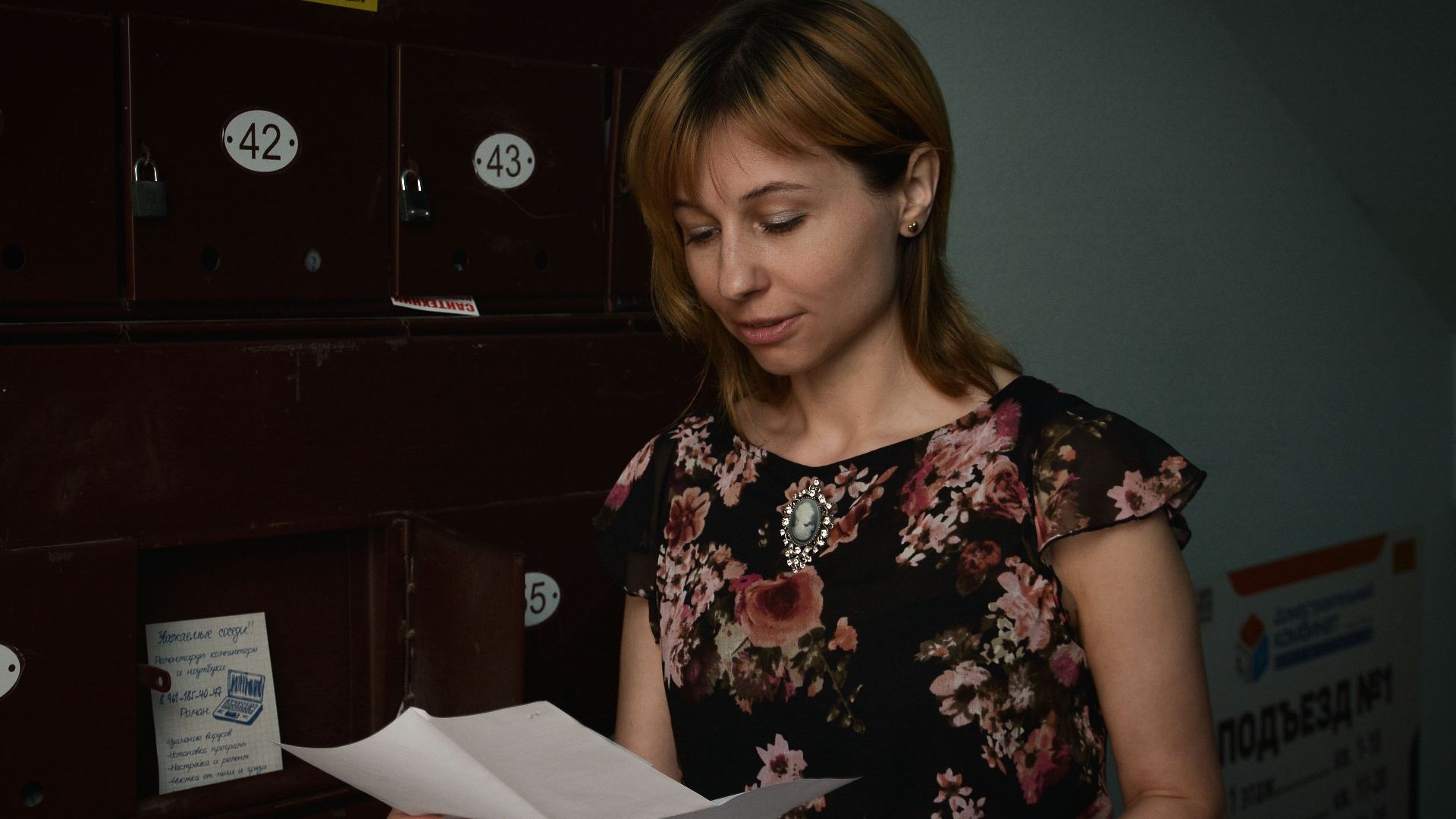
You don’t need to photograph every catalog, but if serious financial mail keeps arriving for months, make a simple record. Note the date, sender visible on the envelope, and what you did with it. This gives you something concrete if you eventually need to explain the pattern to USPS, the Postal Inspection Service, your closing company, or another institution instead of saying, “We’ve been getting a lot of weird mail.”

You Can Notify Important Senders Without Pretending To Be The Former Owner
If a recognizable bank, insurer, or other important company repeatedly sends mail to your home, consider contacting the company through its publicly listed customer-service information and explaining that the named person no longer resides there. Don’t impersonate the former owner, provide their account information, or try to change their mailing address yourself. You’re simply notifying the sender that its customer is using an address where they no longer live.
Check Your Own Credit Reports
This is one of the most useful steps because it answers the question that actually matters: is anything strange appearing under your identity? Federal consumer guidance directs people to AnnualCreditReport.com for free reports from Equifax, Experian, and TransUnion. Review all three rather than checking only a credit score. You’re looking for unfamiliar accounts, inquiries, balances, or personal information that doesn’t belong to you.

Look Carefully At The Address Section
When reviewing your reports, don’t skip past the boring personal-information section. The Consumer Financial Protection Bureau specifically identifies incorrect names, phone numbers, and addresses as common credit-report errors. An unfamiliar address doesn’t automatically mean identity theft, especially if it’s somewhere you legitimately lived years ago. But information clearly belonging to somebody else deserves attention because it can suggest a mixed credit file or reporting error.

Search For Accounts That Aren’t Yours
Addresses are only the beginning. Look for credit cards, loans, collection accounts, or other tradelines you don’t recognize. Also check recent inquiries. If the former homeowner’s mail is merely arriving at your property while your credit reports remain completely normal, that’s reassuring. If an unfamiliar account appears under your name, the situation has moved beyond annoying mail and into potential identity-theft territory.

Dispute Information That Doesn’t Belong To You
If one of the credit bureaus shows an account, address, or other information that’s genuinely inaccurate, dispute it. The CFPB recommends contacting both the credit reporting company and the company that supplied the incorrect information when appropriate. Include documentation explaining why the information is wrong. You’re officially entitled to dispute inaccurate credit-report information without paying a credit-repair company to do it for you.

Consider Freezing Your Credit Before Anything Happens
You don’t need to prove identity theft before placing a security freeze. The FTC says anyone can freeze their credit for any reason, and placing or lifting a freeze is free. A freeze restricts access to your credit file, making it significantly harder for someone to open a new credit account in your name. It also doesn’t hurt your credit score.

You Have To Freeze All Three Bureaus
Freezing Experian doesn’t automatically freeze Equifax and TransUnion. If you want broad protection, place a freeze separately with all three nationwide credit bureaus. When you later apply for a mortgage, credit card, auto loan, apartment, or another service requiring a credit check, you can temporarily lift the appropriate freeze and then put it back afterward.

A Fraud Alert Is Another Option
If something has happened that makes you specifically suspicious of identity misuse, a fraud alert tells prospective creditors to take additional steps to verify your identity. Unlike a freeze, an initial alert can be placed by contacting one of the three major credit bureaus, which then must notify the others. FTC guidance says initial alerts are free and generally last one year. You can also use an alert alongside a credit freeze.

Watch The Accounts You Already Have
A credit freeze primarily helps prevent certain new accounts from being opened. It doesn’t replace monitoring your existing bank accounts and credit cards. Turn on transaction alerts where available and review statements for purchases, transfers, or account changes you didn’t authorize. The FTC identifies unexpected transactions and bills as important warning signs of identity theft.

Make Sure Your Own Mail Isn’t Disappearing
Receiving the previous owner’s mail is irritating, but suddenly not receiving your own mail can be more concerning. The FTC warns that missing bills can be a sign that someone changed your billing address. Pay attention if statements, replacement credit cards, checks, tax documents, or other expected correspondence suddenly stop appearing. Contact the sender rather than simply assuming the Postal Service lost everything at once.
 Philippe Murray-Pietsch, Unsplash
Secure Your Physical Mailbox
A house that regularly receives bank and credit correspondence for multiple people can be an attractive target for mail theft. Collect your mail promptly and make sure your mailbox is reasonably secure. The US Postal Inspection Service specifically recommends avoiding leaving letters and packages sitting unattended longer than necessary. If you expect an important financial item and it doesn’t arrive, contact the sender quickly.
 Chad Robertson Media, Shutterstock
Take A Fraudulent Address Change Seriously
A normal failure by the previous owner to update accounts is different from somebody manipulating USPS forwarding or a mail hold. The US Postal Inspection Service accepts reports involving fraudulent changes of address, fraudulent mail holds, identity theft, and unauthorized Informed Delivery accounts. If you receive notices suggesting a postal change you never requested, don’t ignore them simply because other mail problems were already happening.

Mortgage Mail Deserves A Second Look
If the former owner’s mortgage statements keep arriving, don’t assume that means their mortgage is somehow attached to you. But since you recently bought the property, it’s reasonable to check your closing records and title documentation. Your settlement or title company should be able to explain how the former owner’s mortgage was handled at closing. Mail alone doesn’t prove an old lien remains, but property-related financial correspondence deserves more attention than an old department-store bill.

Check The Property Records If Something Looks Wrong
Make sure the recorded deed reflects the ownership you expect. County recorder or land-record offices generally provide a way to verify recorded ownership documents. If you discover a document involving the property that you don’t recognize, contact your title company, closing attorney, or local recorder promptly. Receiving someone else’s mail is not proof of title swindling, but unexpected activity in the actual property records is a much more serious issue.
Don’t Pay A Debt Just Because A Collector Found Your Address
A debt belonging to the former homeowner doesn’t become yours because you bought the property where their mail goes. If a debt collector contacts you directly, don’t volunteer sensitive information or make a payment simply to make the problem disappear. Explain that the named debtor doesn’t live there. The CFPB also advises consumers to verify the identity of debt collectors before providing personal or financial information.
Make Sure Your Utilities Are Clearly In Your Name
Electricity, water, gas, internet, and other household accounts are another area worth cleaning up after a home purchase. Confirm that your current accounts accurately list you and that you aren’t unknowingly receiving service under the previous owner’s account. If bills addressed to them continue for a utility you currently use, contact the provider and verify that your own account was established correctly.

Know The Signs That Turn Annoyance Into Identity Theft
The situation becomes much more urgent if bills arrive in your name for accounts you never opened, unfamiliar credit accounts appear, money disappears from your bank account, expected mail stops arriving, or somebody changes contact information on your existing accounts. Those are recognized identity-theft warning signs. At that point, you’re no longer merely dealing with a former homeowner who hasn’t updated their mailing address.

Use IdentityTheft.gov If Your Information Is Actually Misused
If you discover an unauthorized account or other genuine identity misuse, report it through IdentityTheft.gov. The FTC uses the site to create a personalized recovery plan based on what happened. Depending on the situation, that may involve contacting businesses, correcting credit reports, placing protections, and documenting the theft. If the US Mail was involved in the theft, the Postal Inspection Service also provides a reporting process.

Protect Yourself Without Assuming The Worst
A former owner who still receives bills at your house is often dealing with outdated account records rather than plotting to take your identity. But you don’t have to ignore something that makes you uncomfortable. Return the mail properly, check your three credit reports, dispute anything that isn’t yours, consider freezing your credit, secure your mailbox, and pay attention to actual warning signs. The goal isn’t to solve the former homeowner’s financial life. It’s to make absolutely sure it never gets mixed up with yours.
You May Also Like: