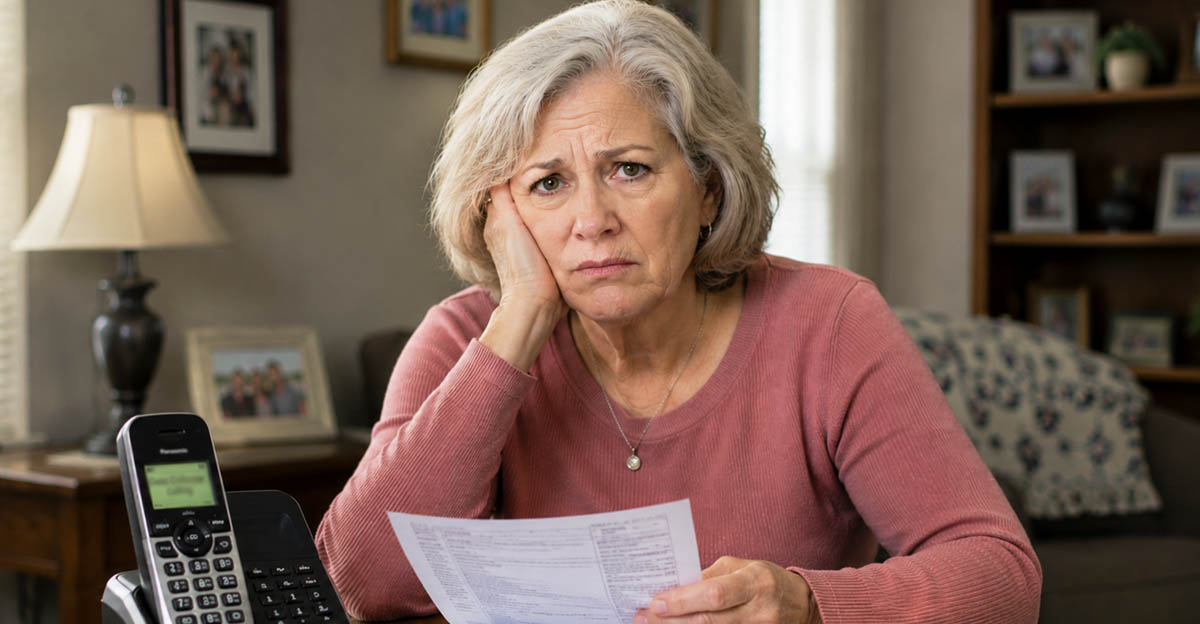
The Debt Isn’t Mine, So Why Won’t They Leave Me Alone?
Your phone starts ringing, letters start showing up, and suddenly debt collectors are trying to track down your child. The problem? They haven’t lived at your house in years. It’s frustrating, stressful, and a little invasive. The good news is, just because someone used your address does not automatically make you responsible for their debt. And yes, there are steps you can take to stop the constant contact.
Using Your Address Doesn’t Automatically Make You Liable
This is the most important thing to understand right away: Simply sharing an address with someone, even a family member, does not usually make you legally responsible for their debts. Debt collectors can try to contact people in order to locate a debtor, but they generally can’t treat you like you owe the money unless you actually co-signed or agreed to the debt yourself.
 Brian Patrick Tagalog, Unsplash
Debt Collectors Often Chase Old Information
A lot of debt collection activity relies on outdated databases and old account records. If your child used your address years ago, collectors may still have it listed as their “current” address even if they moved long ago. Once those records spread between agencies, the calls and letters can snowball.

Collectors Are Allowed To Try To Locate People
Under the Fair Debt Collection Practices Act (FDCPA), collectors can contact third parties in limited situations to try to find someone. But there are strict rules around what they’re allowed to say and how often they can contact you. They’re not supposed to harass you endlessly once they know the person no longer lives there.
 Tony Webster from Minneapolis, Minnesota, United States, Wikimedia Commons
They Usually Can’t Discuss The Debt In Detail
Debt collectors generally aren’t allowed to reveal private details about the debt to unrelated third parties. They can ask for location information, but they’re not supposed to turn the conversation into a full debt discussion with you if you’re not legally connected to the account.

Repeated Contact Can Cross The Line
Here’s where things become important. Once you’ve clearly told collectors that your child no longer lives at your address, repeated calls and letters may start violating consumer protection laws. At some point, “trying to locate someone” can turn into harassment.

Step One: Clearly Tell Them They Don't Live There
If collectors contact you, calmly and directly state that your child no longer resides at your address and hasn’t for years. Keep it simple. You do not need to provide their new address or personal details if you don’t want to.

Don’t Accidentally Take Responsibility
This part matters a lot. Avoid statements that sound like you’re agreeing to pay or help pay the debt. Even casual comments like “I’ll take care of it” can create confusion. Stay focused on one point: the debt is not yours, and they does not live there.

Keep A Record Of Every Contact
Start documenting everything. Save letters, voicemails, caller information, and dates of calls. If the contact becomes excessive, that documentation can become extremely useful later.

You Can Send A Written Notice
In many cases, you can send a written letter telling the collection agency that the debtor no longer lives at your address and requesting they stop contacting you. Written communication creates a paper trail that’s often harder for collectors to ignore.

Mail Marked “Return To Sender” Can Help
If debt collection letters keep arriving, you can mark them “Not At This Address” or “Return To Sender” and place them back in the mail. This won’t magically solve everything overnight, but it can help reinforce that the address information is outdated.
 Siarhei Plashchynski, Unsplash
Check Your Credit Reports Too
Sometimes people worry that a family member’s debts somehow got attached to their own credit by mistake. It’s smart to check your credit reports and confirm none of your child’s accounts appear under your name.
 LIGHTFIELD STUDIOS, Adobe Stock
Debt Collectors Can’t Just Enter Your Home
A lot of people get nervous that collectors will show up and start taking property. In ordinary consumer debt situations, debt collectors cannot simply enter your house or seize your belongings because someone else used your address.

Lawsuits Are A Different Situation
If your child is sued over the debt, legal papers might still get delivered to your address if that’s the last known location. That can definitely feel alarming, but again, it doesn’t automatically make you personally responsible for the debt.

Sometimes Multiple Agencies Get Involved
Debt often gets sold from one collection agency to another. That means even if you already explained the situation once, another agency may contact you later using the same outdated information. It’s frustrating, but it happens frequently.

You May Be Able To File Complaints
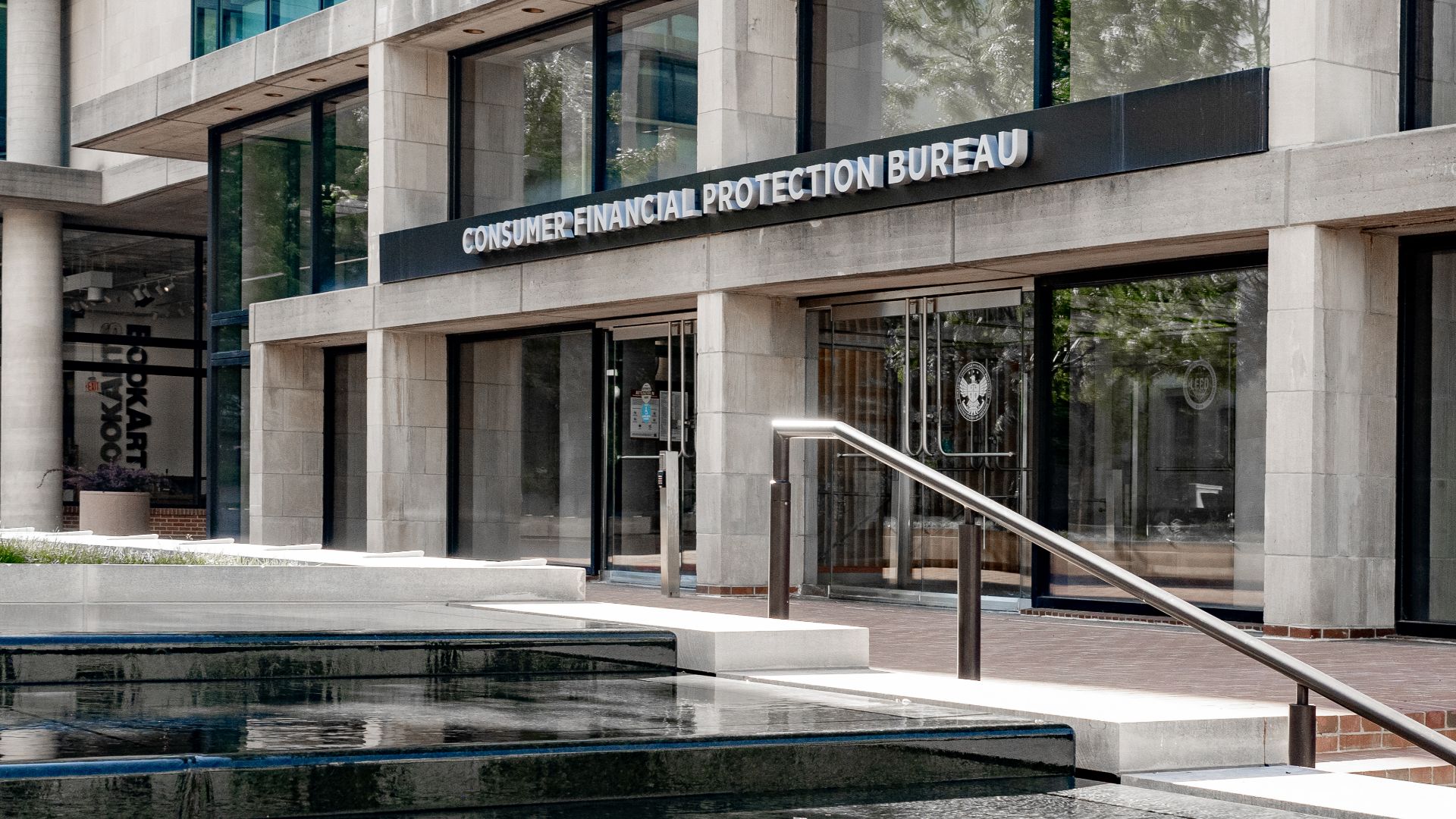
If collectors continue contacting you aggressively after being told your child doesn’t live there, you can file complaints with the Consumer Financial Protection Bureau (CFPB) or your state attorney general’s office.
 ajay_suresh, Wikimedia Commons
Harassment Rules Still Apply
Collectors cannot legally threaten, harass, or abuse you. Excessive calls, intimidation, or repeated contact after being told the debtor doesn’t live there may cross legal lines under the FDCPA.

This Happens More Often Than People Realize
Plenty of parents deal with this exact situation after adult children move out but leave old addresses tied to accounts. Once debt collection systems latch onto an address, it can take time for the information to get corrected.

You’re Not Financially Trapped By Their Debt
The encouraging thing here is that debt collectors contacting you does not automatically mean you owe anything. Unless you signed onto the debt yourself, your main issue is usually stopping the contact, not defending yourself against liability.

So What Should You Do Right Now?
Start by clearly informing collectors that your child no longer lives at your address. Keep records of every contact, avoid discussing the debt itself, and consider sending written notices if the calls continue. If things become excessive, don’t hesitate to file complaints or seek legal advice.

Final Thoughts
Having debt collectors constantly contact you over your child’s bills is stressful, especially when they haven't lived with you for years. But using your address does not automatically make you responsible for their debts. In most cases, your goal is simply correcting outdated information and enforcing your rights against excessive or improper collection activity. The situation may feel overwhelming at first, but you’re not powerless here.

You May Also Like: