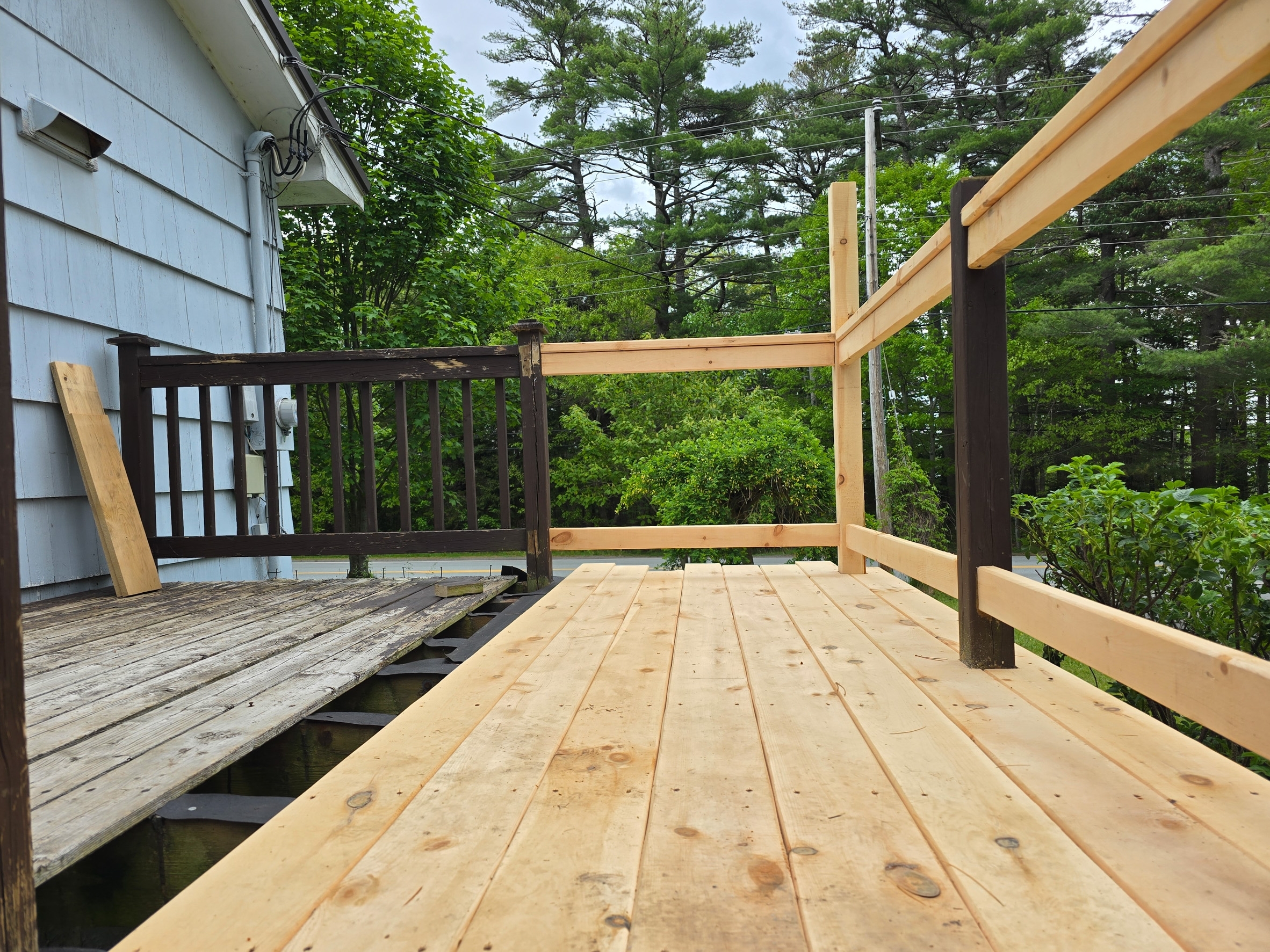
A Problem Not Of Your Making
You bought a home expecting peace and security. But now the city has just informed you that the previous owners built a deck without permits, and now you’re the ones responsible for fixing it. You can’t reach the sellers, the realtor, or the contractor, and compliance deadlines are looming. Don’t panic; you still have some cards left to play.

Why You’re Legally On The Hook
Under property law, code violations “run with the land.” Even if you weren’t the ones who built the deck, you now own the house and all the problems that come with it. The city can force you to repair, modify, or remove the structure, and can even impose fines if you don’t comply with its orders. So the first step is for you to accept that action is required.

Get Documentation From The City
Before you spent any money, gather together every detail that you can. Ask the city inspector for written explanations of the violation, which sections of code the deck has run afoul of, and possible corrective actions. Confirm deadlines and whether fines have started accruing yet. Clear documentation allows you to make informed decisions and cuts down on the risk of missteps.

Check Closing Documents And Disclosures
Review the paperwork you received when you bought the home. Did the sellers claim the permits were all up-to-date? Did they complete a seller’s disclosure? Any misrepresentations of this information could form the basis for legal action later. Hang onto copies of inspection reports, appraisals, real-estate emails, and listing wording and keep all that paperwork in a single file.

Talk To The City About Extensions
Cities want compliance more than they want to mete out punishment. If you show a proactive attitude and effort, they could grant you deadline extensions or phased repair plans. Explain that you recently bought the house and just need some time to hire a licensed contractor. Good communication can go a long way to alleviate stress and avoid penalties.

Get A Licensed Contractor’s Assessment
Don’t rely on guesswork. Hire a contractor who’s experienced with local permitting to evaluate what fixes are needed. They can give you a cost estimate and tell you if the deck can be brought up to code, or if it would be cheaper and safer to simply rip it out. A permit-savvy contractor can also submit plans to the city on your behalf.

Is It Practical To Repair The Deck?
If repairs are going to cost more than the deck is worth, removing the deck may be the better way to go. But if the structure is solid and just needs a railing, footing, or stair upgrades, rebuilding strategically could preserve your investment. Compare bids from at least a couple of different contractors before you commit.

Look Into Title Insurance Coverage
Many policies cover undisclosed encroachments or permit issues not found during closing. Contact your title insurance provider and file a claim if you might be eligible. They may fund repairs or offer you some financial relief. Don’t assume you’re not covered until you actually hear the insurer say so directly.

Review The Home Inspection Report
If the inspector totally overlooked the obvious code issues, you may be able to make a claim for negligence. This depends on what was visible at the time. A deck with structural deficiencies may have required a note and a referral for further inspection. Get in contact with a lawyer before you pursue drastic action here.

Look At Legal Options Against The Seller
Even if the previous owners have moved away, you can potentially sue for failure to disclose material defects. Your attorney will weigh the costs versus the potential to recover more money. If the sellers knew they were in violation of the code, they are usually responsible, but enforcing that at this late juncture can take time.

Ask Your Realtor What They Knew
A realtor who knowingly withheld information or listed “fully permitted upgrades” could also be liable through their brokerage. Check the local laws and talk to a real-estate lawyer to find out whether the agent had a duty to disclose.

Keep Records Of All Interactions And Inspections
Keep a paper record of every phone call, estimate, email, city visit, and compliance update. If any dispute escalates into the claim or lawsuit stage, well-organized evidence will be the key to making your case and bringing things to a speedy resolution.

Does The Violation Affect Safety?
City rules were made for a reason. An improperly attached deck, a deck that’s lacking footings, or a deck built over drainage could collapse or cause long-term structural issues. Think of safety as your top priority, especially if children or guests are going to be using it.
 Oregon Department of Transportation, Wikimedia Commons
Budget For Worst-Case Scenarios
Even with legal support, you could very well end up paying some significant costs. Avoid urgent decisions made in frustration. Ask contractors for itemized quotes so you can make essential safety work the top priority.

Remove The Deck?
If repair rules are strict or the position of the deck conflicts with zoning, demolition could be the cheapest and fastest path to compliance. A cleared space still has potential for landscaping or future upgrades if you do things right this time.

Ask The City For Alternative Compliance Options
Some municipalities allow variance requests or minor modification approval when full reconstruction isn’t practical. These take time and may require the involvement of a lawyer, but they can also reduce the scope and cost of the work by a lot.

Get Written Confirmation When You Comply
Once the work is done, make sure the city reinspects and signs off on the fix. Keep all the official approvals on permanent file; these records protect you when you go to sell the home later.

Prevent Future Surprises
Ask homeowners up front for permits and contractor records during any future home purchase. Get official sign-offs as part of the deal. A quick phone call to the city during closing could save you months or even years of headaches.

Lean On The Professionals When You Have To
This situation is emotionally draining, but you don’t have to navigate it alone. Tradespeople, real-estate attorneys, and permitting departments all handle these kinds of problems every day. Their guidance can save you time and allow you to avoid costly mistakes.
 Photo By: Kaboompics.com, Pexels
Move On With Your Life
A surprise code violation may feel unfair, but working systematically can protect your home’s value bringing you long-term safety. Whether you decide to repair, modify, or remove the deck altogether, each step toward compliance puts control back in your hands, turning a stressful discovery into a problem solved.

You May Also Like:
My neighbor's tree fell on my roof, and their insurance will not pay. Am I stuck with the bill?