
I Spent $76 On A Meal And Immediately Panicked
I thought it was just another work lunch. Nothing fancy—an entrée, a drink, maybe a shared appetizer. Then someone casually mentioned the “$75 rule,” and suddenly my $76 receipt felt like a flashing red light aimed straight at the IRS. One dollar over the limit. One potential audit spiral. But am I actually in trouble, or is this one of those tax myths that refuses to die?

What The “$75 Rule” Actually Is
The $75 rule is an IRS substantiation guideline for business expenses, not a spending cap. It says that for certain expenses under $75, you generally don’t need to keep a receipt—just a record of the amount, date, place, and business purpose. Once you hit $75.01, the IRS expects more documentation. That’s it. No sirens. No automatic penalties.

Why The Rule Exists In The First Place
The IRS created the rule to reduce paperwork, not to trap taxpayers. Auditors realized that requiring receipts for every $12 sandwich was inefficient. The $75 threshold is meant to balance practicality with accountability. It’s about proof, not permission. Spending more than $75 doesn’t break a rule—it just raises the documentation bar.

The Moment $76 Feels Like A Federal Crime
Psychologically, thresholds mess with us. When you hear “$75 rule,” your brain treats $75 like a hard stop. Go one dollar over and it feels like you crossed into forbidden territory. In reality, the IRS doesn’t care about the number itself—they care about whether you can support your deduction if asked.

Meals Are Already A Special IRS Category
Business meals come with their own set of rules, and that’s where confusion creeps in. Depending on the year, meals may be 50% deductible or fully deductible under special provisions. The $75 rule doesn’t change deductibility—it only affects what records you need to keep to support the expense.

Receipts Versus Records
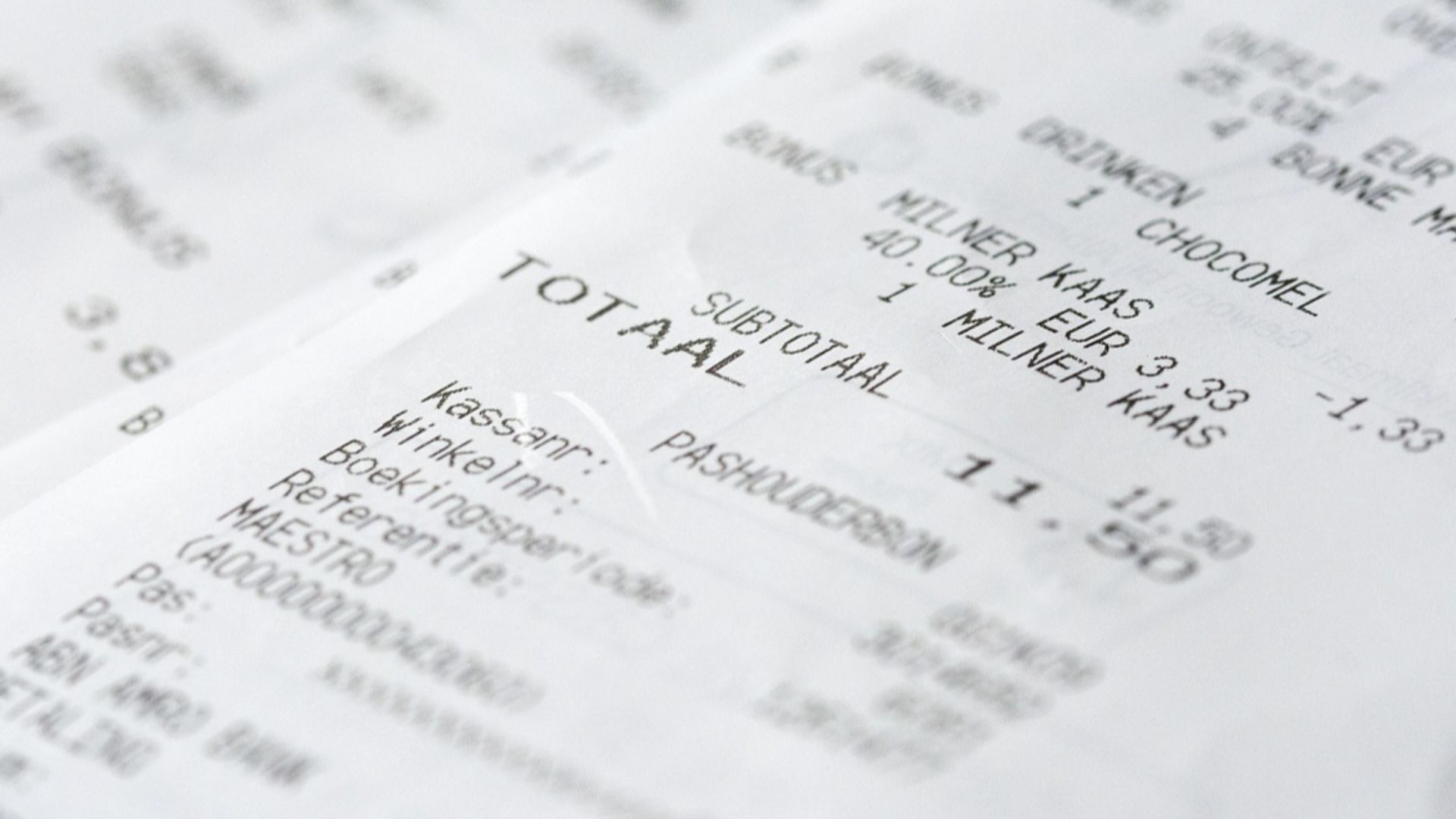
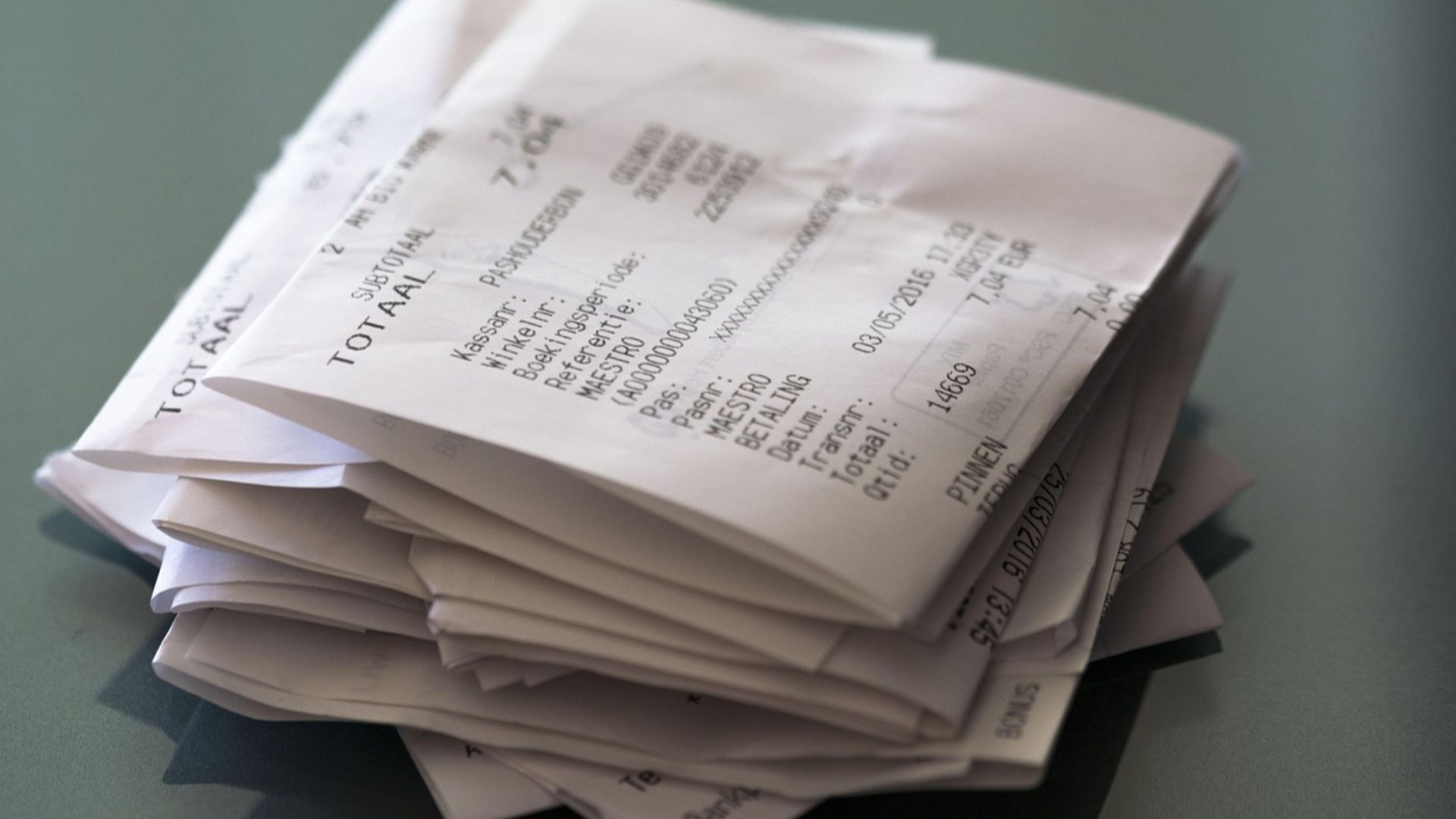
For expenses under $75, you can rely on a log, credit card statement, or expense report. Over $75? You should keep the receipt. That’s the big difference. If you spent $76 and have the receipt, you’re exactly where the IRS wants you to be. If you lost it, things get a little trickier—but not catastrophic.
What Happens If You Don’t Have The Receipt
No receipt doesn’t automatically mean no deduction. The IRS allows “reasonable reconstruction” of expenses in some cases. Credit card statements, calendar entries, emails, and notes about who attended and why can help. The risk isn’t jail—it’s that the deduction could be disallowed if challenged.

The IRS Isn’t Watching Individual Meals
Despite the fear, the IRS is not scanning every expense report looking for $76 lunches. Audits focus on patterns, not one-off meals. A single slightly-over-the-threshold expense is unlikely to attract attention unless it’s part of a broader issue, like excessive deductions or inconsistent reporting.
The Real Red Flags That Trigger Audits
What actually raises eyebrows? Claiming unusually high meal expenses relative to income, deducting personal meals as business meals, or showing wildly inconsistent numbers year over year. One $76 lunch with a plausible business purpose doesn’t crack the top 100 audit triggers.

Why The Dollar Amount Matters Less Than The Story
The IRS cares about intent and legitimacy. Who was there? What business was discussed? Why was the meal necessary? If you can clearly answer those questions, the exact dollar amount becomes secondary. Documentation tells a story, and a coherent story is your best defense.

Credit Card Statements Aren’t Always Enough
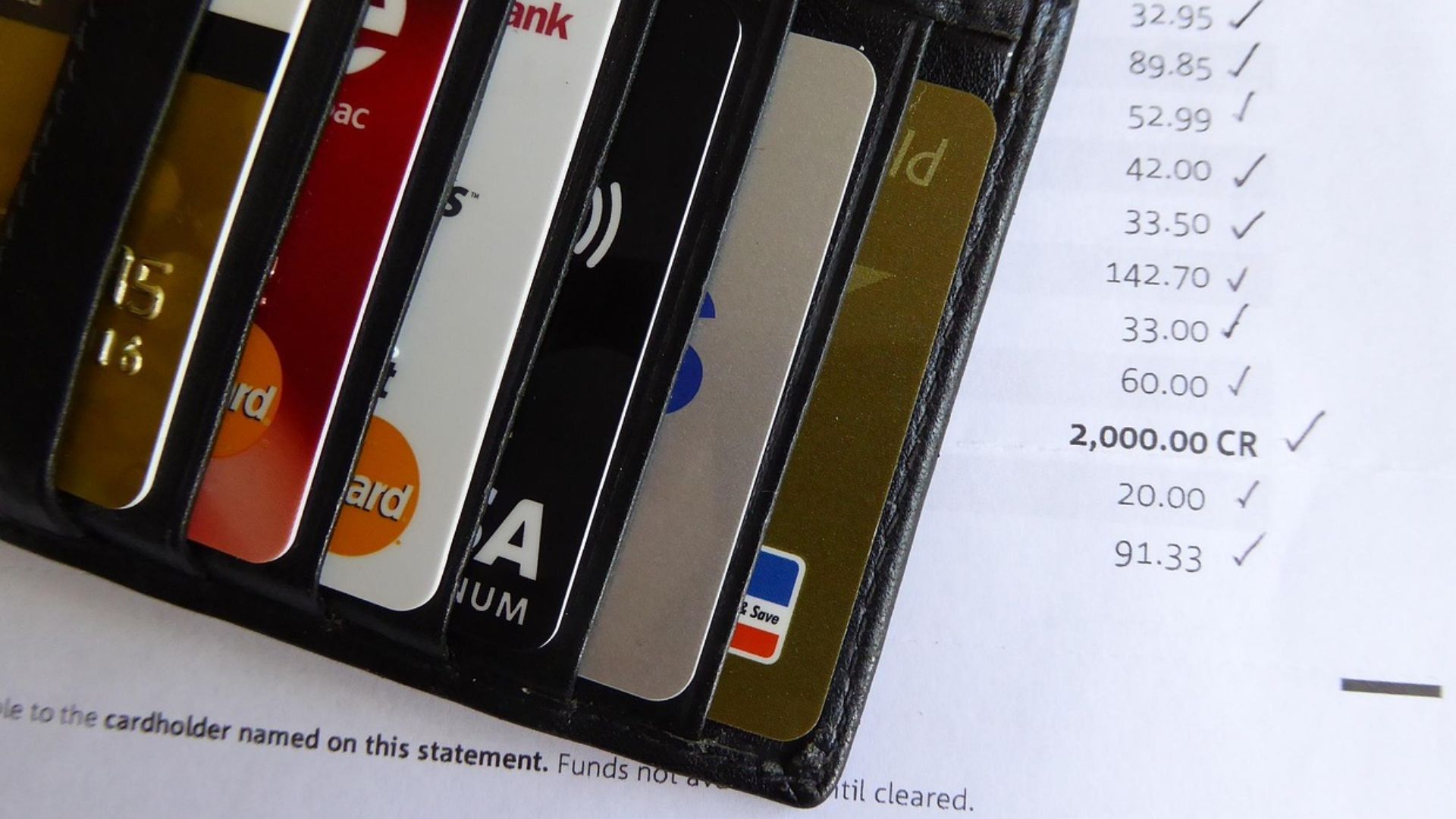
This is where people get tripped up. A credit card statement shows how much you spent, but not why. For expenses over $75, the IRS prefers itemized receipts because they show what was purchased. Alcohol, for example, can complicate deductibility in some situations.
Digital Receipts Count
Good news: the IRS fully accepts digital receipts. Screenshots, PDFs, and expense-tracking apps are all valid. If your $76 meal came with an emailed receipt, you’re covered. Just make sure it’s stored securely and tied to your records.

Expense Tracking Apps Are Quiet Heroes
Modern expense apps automatically attach receipts, categorize spending, and log dates and locations. If you’re worried about small threshold mistakes, automation reduces stress dramatically. The IRS doesn’t care how you track expenses—only that you can produce records if asked.

The $75 Rule Is Not A Spending Limit
This bears repeating: the rule does not limit how much you can spend. You can deduct a $200 client dinner if it’s legitimate and properly documented. The myth that $75 is some kind of maximum allowable expense has caused unnecessary anxiety for decades.

Employees Versus Self-Employed Confusion
Another wrinkle: employees and self-employed taxpayers face different deduction rules. Many employees can’t deduct unreimbursed business meals at all. For them, the $75 rule only matters for employer reimbursement policies—not personal tax returns.

Employer Policies Can Be Stricter Than The IRS
Some companies adopt the $75 rule as an internal cap, even though the IRS doesn’t require it. That’s an HR decision, not a tax law. If your employer flags a $76 meal, it may be a policy issue, not an IRS issue.

Timing Matters More Than You Think
When you deduct a meal depends on when it was paid for and incurred. Mixing tax years or misreporting dates causes more problems than minor dollar overages. Accurate timing is another quiet audit safeguard that often gets overlooked.

Consistency Is Your Best Defense
The IRS loves consistency. If you always document meals the same way, keep receipts over $75, and don’t suddenly spike expenses, you look reliable. One odd expense in an otherwise clean record rarely causes trouble.

Why The Rule Feels Scarier Than It Is
Tax rules are often explained in absolutes, even when they aren’t. “Under $75, no receipt; over $75, receipt required” turns into “Never spend over $75.” That fear sticks, even though the actual rule is mundane and administrative.

The Difference Between Disallowed And Penalized
Even in a worst-case scenario, the usual outcome is a disallowed deduction—not a fine or penalty. That means you simply owe a bit more tax. Penalties typically require negligence, fraud, or repeated noncompliance. A single meal doesn’t qualify.
What You Should Do Right Now
If you have the receipt, save it. If you don’t, write down the details while they’re fresh. Note who attended, the business purpose, and the date. Then move on with your life. The IRS does not reward panic.

How To Avoid This Stress In The Future
Set a habit: always grab receipts for meals, regardless of amount. Storage is cheap, stress is not. Treat $75 as a documentation reminder, not a danger zone. That mindset shift alone eliminates most anxiety.

Why Tax Myths Spread So Easily
Tax rules are complex, and simplified versions spread faster than accurate ones. The $75 rule sounds dramatic, so it sticks. In reality, it’s one of the least controversial, least punitive rules in the tax code.

The IRS Cares About Patterns, Not Pennies
A taxpayer who consistently documents expenses and reports income honestly is not the IRS’s priority. Patterns of abuse matter. Pennies over thresholds do not. Your $76 meal is a rounding error in the federal system.

When You Should Actually Worry
If you’re deducting hundreds of meals with no receipts, vague descriptions, and no clear business purpose, that’s a problem. If you’re arguing with yourself over one documented lunch, you’re probably doing just fine.

The Bottom Line On That $76 Meal
No, you are not in real trouble with the IRS because you spent $76 instead of $75. The rule is about receipts, not restrictions. If you can document the expense, you’re compliant. If not, the risk is minor and manageable. Sometimes the scariest tax rules turn out to be the most boring—and that’s very good news.

You May Also Like:
Gen X Doesn't Want To Work—And Their Reasons Actually Make Sense