
When Something That Used To Be Simple Isn’t Anymore
You found some old savings bonds tucked away in a drawer or a box, and head to your bank thinking it’ll be a quick and easy process to cash them in. Instead, they tell you they don’t handle savings bonds anymore. Now you’re stuck wondering what changed and what you’re supposed to do next. The good news is your bonds are still valid and redeemable, you just have to go about it a different way.

Banks Don’t Always Handle Bonds Like They Used To
Years ago, most banks would cash US savings bonds without much trouble. That’s changed quite a bit. Many banks have phased out the service entirely, especially for people who aren’t long-time customers. It’s not that they can’t do it, it’s just no longer something they prioritize, which is why you might get turned away.

Your Bonds Are Still Worth Something
Even if your bank won’t process them, your savings bonds haven’t lost their value. As long as they’re legitimate and haven’t already been redeemed, they can still be cashed in. In fact, older bonds may have earned a significant amount of interest over time, depending on when they were issued.

The US Treasury Is The Main Backup Option
If your bank won’t help, the US Treasury is the official place to go. They handle savings bond redemptions directly, and this process works for almost all paper bonds. It’s not as quick as a bank visit, but it’s reliable and widely used.

You Can Redeem Them By Mail
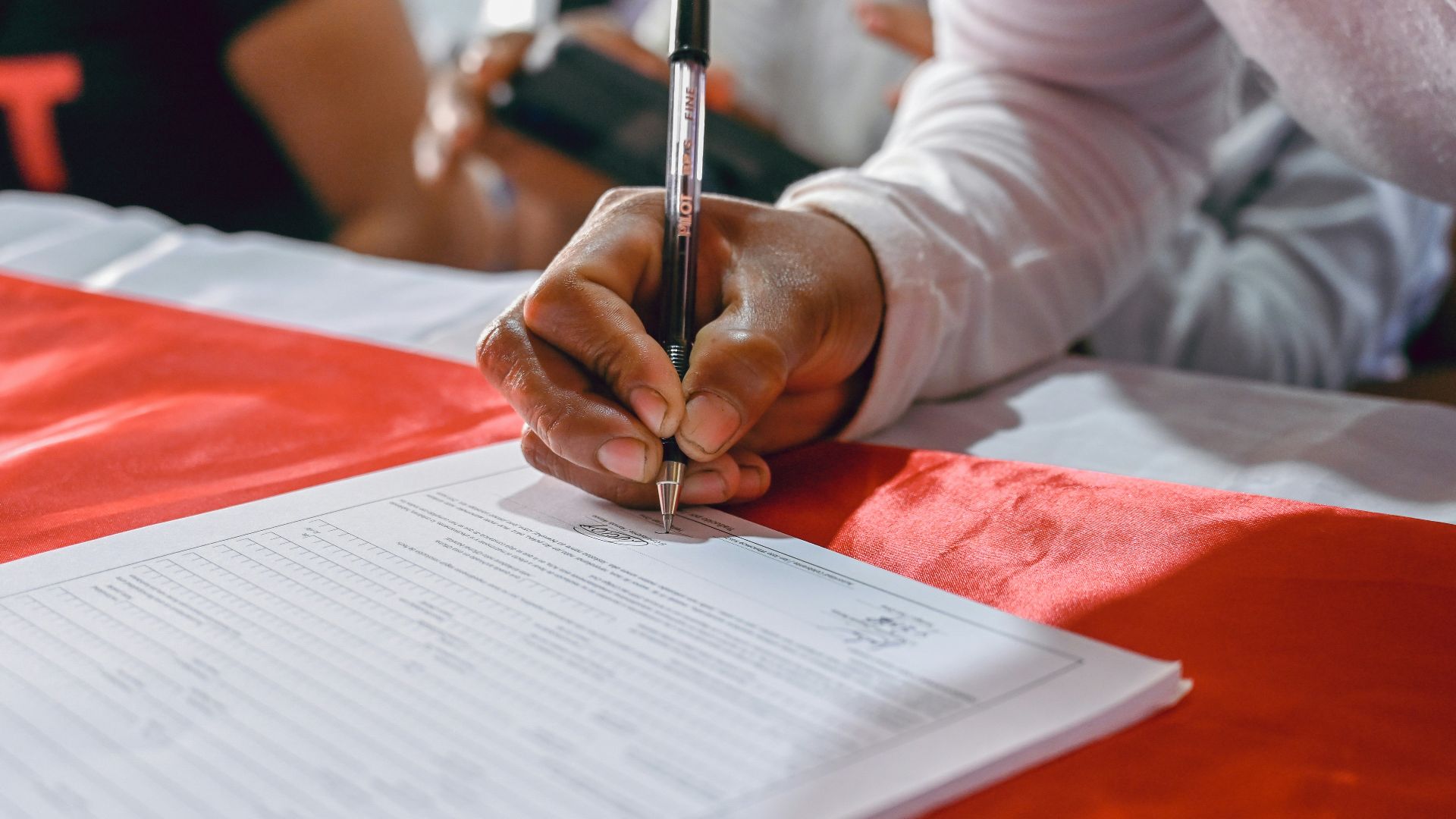
The most common method now is mailing your bonds to the Treasury. You’ll need to fill out a form, sign it, and send it along with the bonds themselves. Once processed, the money is typically deposited directly into your bank account.

The Required Form Is Pretty Straightforward
For most situations, you’ll use FS Form 1522. It asks for basic details like your name, Social Security number, and bank account information. It’s not complicated, but it’s important to fill it out carefully to avoid delays.

Some Situations Require Extra Verification
If your bonds are worth a larger amount or involve special circumstances, you may need a signature guarantee or additional verification. Your bank can usually still help with that part, even if they won’t redeem the bonds themselves.
Processing Takes Longer Than You Might Expect
This is probably the biggest adjustment. Instead of walking out of a bank with your money the same day, you’ll likely be waiting several weeks for the Treasury to process everything. It’s not instant, so it’s worth factoring that into your plans.

Electronic Bonds Are Much Easier To Handle
If your bonds are already in electronic form through TreasuryDirect, redeeming them is much quicker. You can log in, request redemption, and have the funds deposited directly into your account without dealing with paperwork or mailing anything.

You Can Convert Paper Bonds To Digital
If you’re dealing with paper bonds, you also have the option to convert them into a TreasuryDirect account. This won’t speed things up immediately, but it can make managing and tracking them easier going forward.

Some Banks Still Offer The Service
Even though many banks stopped cashing bonds, a few still do, especially for existing customers. It might be worth calling around locally before going the Treasury route, just in case there’s an easier option available.

Check If Your Bonds Have Matured
Savings bonds stop earning interest after a certain point, often 30 years for many types. If your bonds have already matured, there’s no benefit to holding onto them any longer, so redeeming them sooner makes sense.

You Can Look Up Their Value Online
If you’re not sure what your bonds are worth, the Treasury has an online calculator that can give you an estimate. It’s a quick way to understand their current value before deciding what to do.

Lost Or Damaged Bonds Can Still Be Recovered
If you can’t find your bonds or they’ve been damaged, you’re not out of luck. The Treasury has a process for replacing them, although it requires additional paperwork and verification.

Taxes Are Something To Keep In Mind
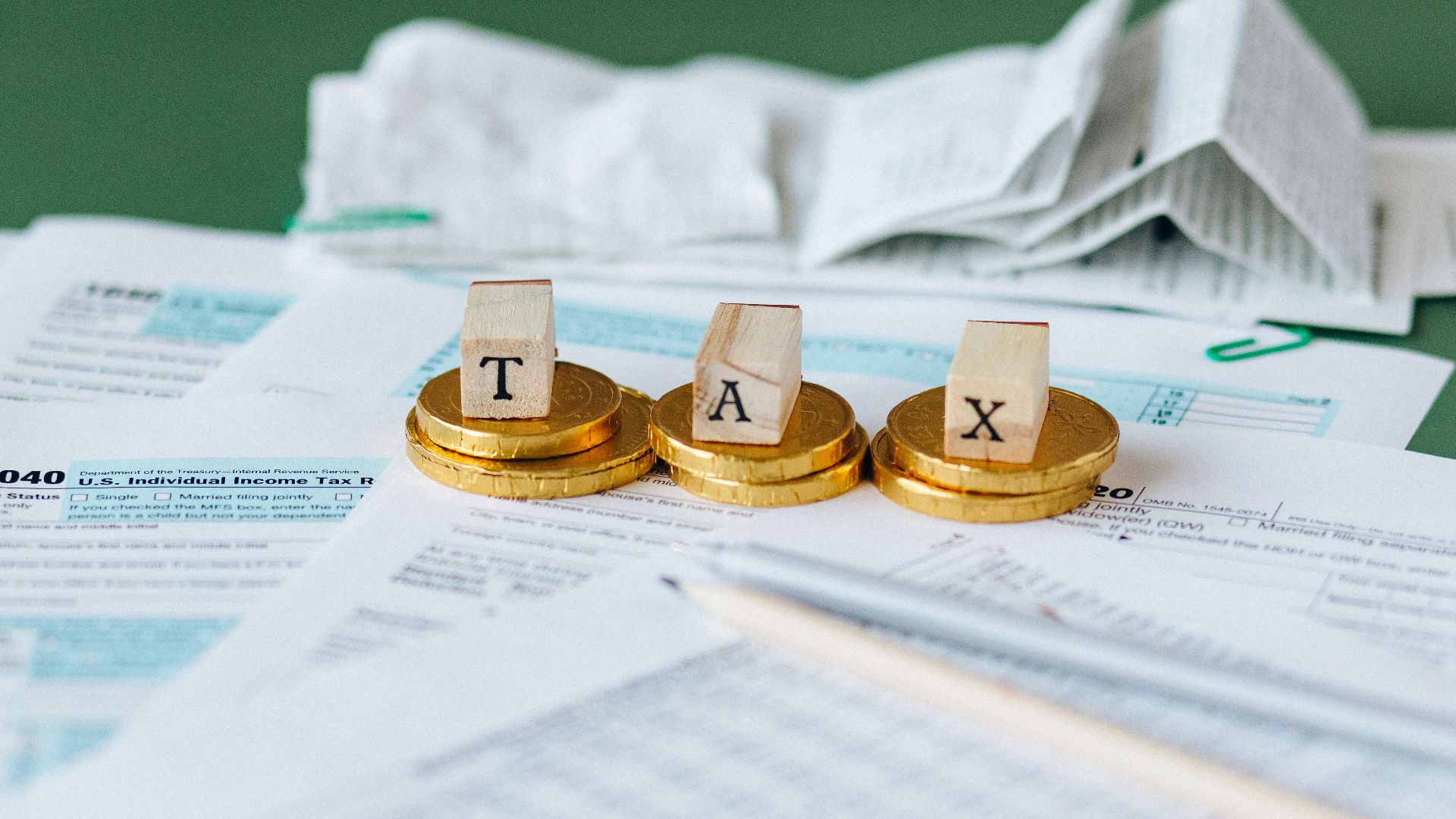
When you redeem savings bonds, the interest earned is typically subject to federal income tax. If the bonds are older, that could mean a noticeable tax impact, so it’s something worth planning for.
You Don’t Have To Redeem Everything At Once
If you have multiple bonds, you can cash them in gradually instead of all at once. This can help spread out any tax impact and make the process feel less overwhelming.

This Situation Is More Common Than You’d Think
A lot of people are surprised when their bank turns them away. As banking has shifted toward digital services, paper bond redemption has quietly become less common at traditional branches.

It’s A Bit More Work, But Still Manageable
It’s definitely not as convenient as it used to be, but the process is still very doable. Once you know the steps, it becomes more of a paperwork task than anything else.

Final Thoughts: Your Money Is Still There
If your bank won’t redeem your savings bonds, it doesn’t mean you’re stuck. The US Treasury provides a reliable path to cash them, and some banks may still help depending on the situation. It might take a little more time and effort than expected, but your bonds still hold value, and you can absolutely access it with the right approach.

You May Also Like: