
I won $8,500 gambling on sports this year. My uncle told me that if it’s under $10,000 I don't have to declare it on my taxes. Is that true?

I won $8,500 gambling on sports this year. My uncle told me that if it’s under $10,000 I don't have to declare it on my taxes. Is that true?


June 29, 2026 | Jesse Singer

I won $8,500 gambling on sports this year. My uncle told me that if it’s under $10,000 I don't have to declare it on my taxes. Is that true?


Taking The Over

You had a good year betting on sports, and when it was all said and done, you were ahead by $8,500. Then your uncle gives you even more good news: you don't need to worry about taxes because it's under $10,000. Sounds great...if it's true.

man in forground, big TV football game in backgroundFactinate

Advertisement

The $10,000 Rule Everybody Seems To Know

If you've spent enough time around gamblers, you've probably heard some version of this before. There's supposedly a magic number where the government stops caring about your winnings. Stay under it, and you're in the clear. Go over it, and suddenly the IRS gets involved. The problem is that tax rules rarely work that neatly.
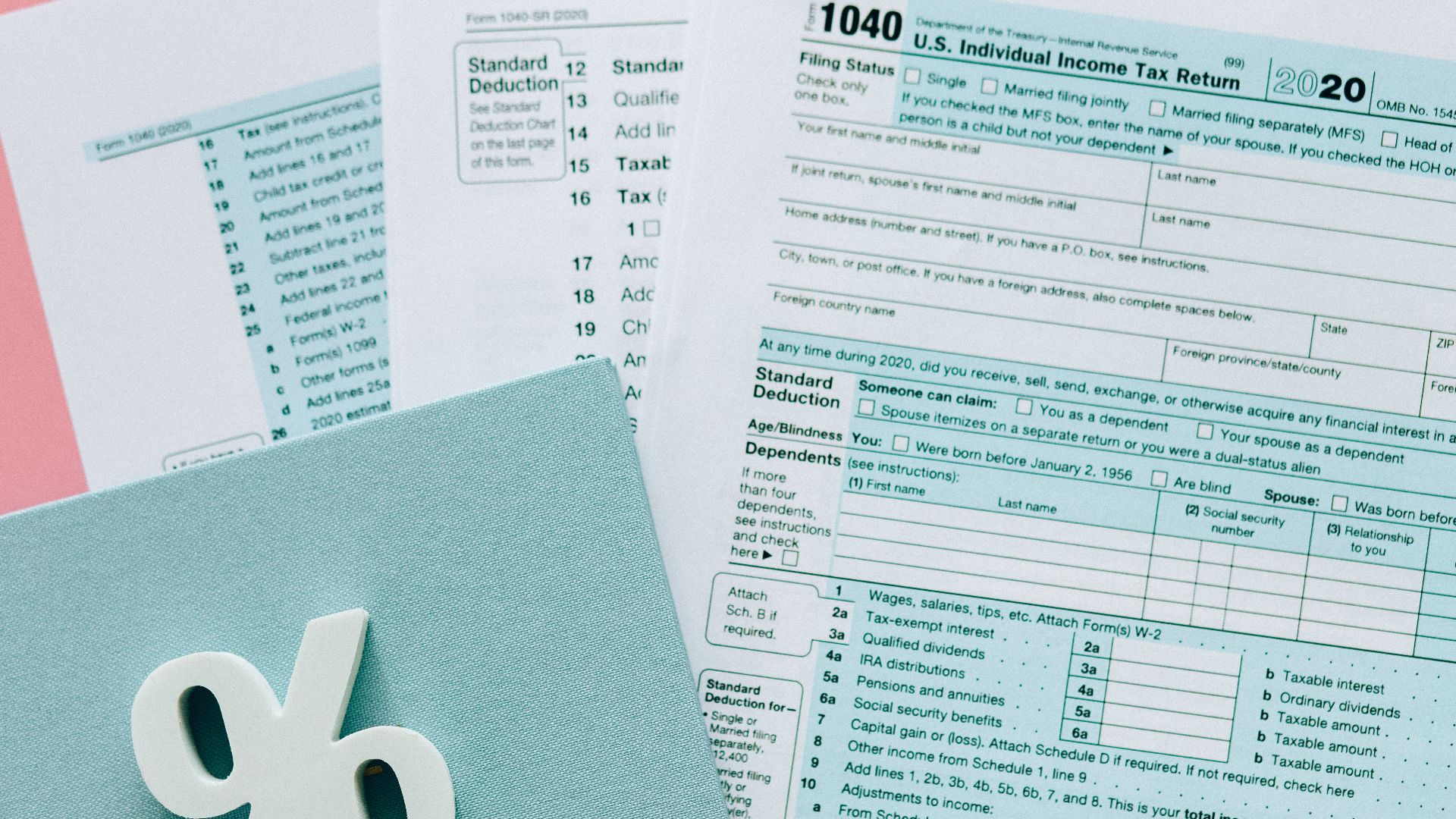
Tax documents with a percentage symbol on a pink and blue desk setup, emphasizing finance.Nataliya Vaitkevich, Pexels

Advertisement

Where Did This Idea Even Come From?

Part of the confusion comes from the fact that there actually are several financial reporting thresholds that involve large dollar amounts. Bank transactions, cash deposits, gambling forms, and tax returns all have different rules. Over time, those rules tend to get mixed together until people start treating them as the same thing.
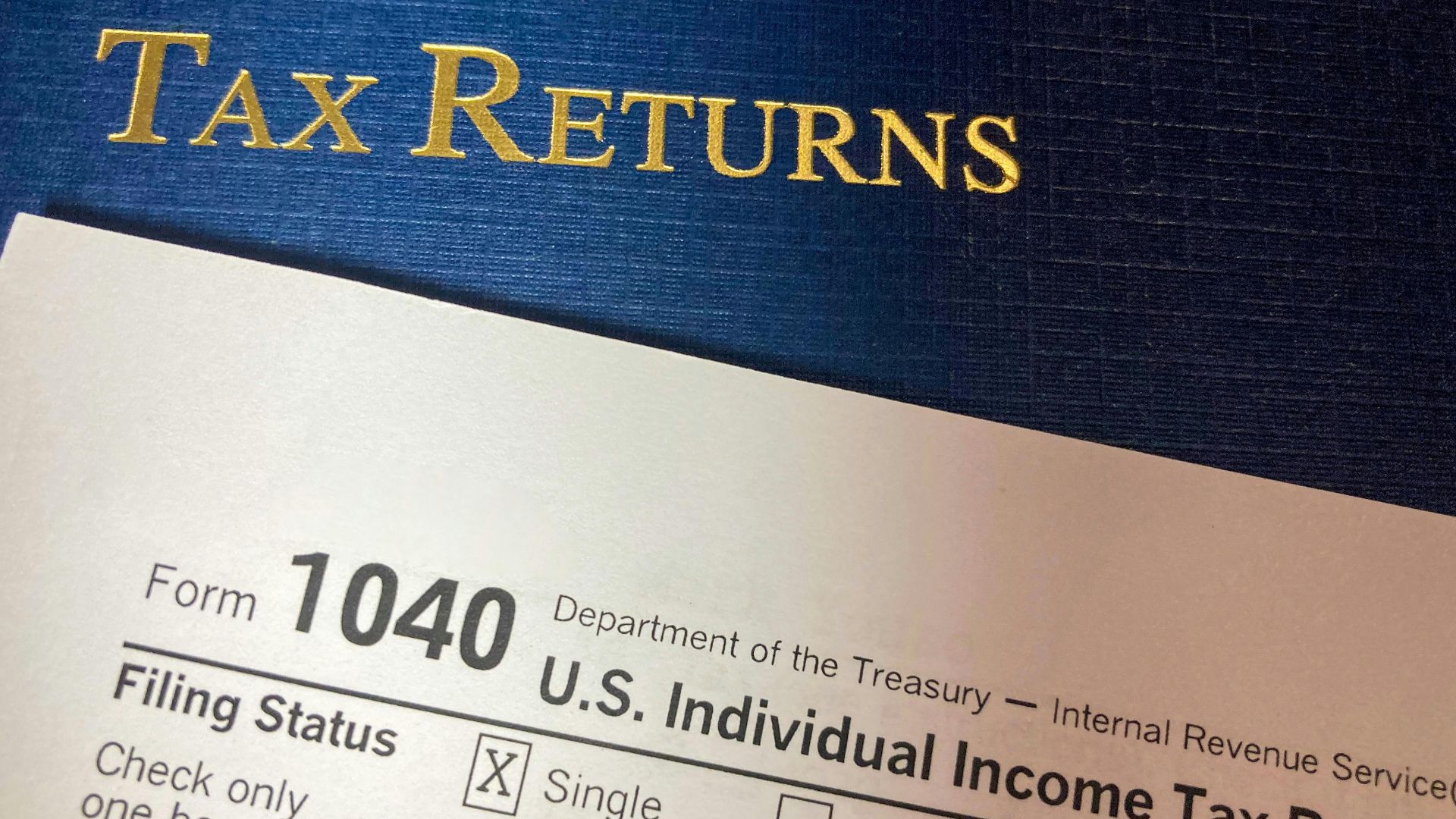
Close-up image of Form 1040 for U.S. tax returns, highlighting filing status options.Mark Youso, Pexels

Advertisement

The Story Doesn't End There

Here's the short version: there is no federal rule that automatically makes sports betting winnings tax-free because they're under $10,000. But before you panic and assume every dollar of your $8,500 is fully taxable, there's an important catch that many gamblers never learn about.

woman filling form of Individual Income Tax Return in white sweaterchayanuphol, Shutterstock

Advertisement

Why The Real Question Isn't The $10,000

Once most people learn the $10,000 rule is a myth, they assume the discussion is over. In reality, that's when the more important questions start. Did you receive any tax forms? Did you also have losing bets? How does the IRS actually calculate gambling income? Those details can matter far more than a random dollar threshold.

Top view of a woman managing finances with a calculator, cash, and bills in a home setting.www.kaboompics.com, Pexels

Advertisement

Gambling Winnings Are Generally Taxable Income

The IRS generally considers gambling winnings taxable income. That includes sports betting, casino winnings, lottery prizes, raffles, fantasy sports contests, and other forms of gambling. Whether the winnings came from a sportsbook app or a trip to Las Vegas doesn't usually change that basic rule.

Group of people enjoying a lively night at the casino, playing roulette.Pavel Danilyuk, Pexels

Advertisement

What If You Never Receive Any Tax Forms?

Many people assume they only need to report gambling winnings if paperwork shows up in the mail. That's a common assumption, but the tax obligation generally exists whether a form arrives or not.

Hand writing on document next to keyboard and mouse.Dallas Penner, Unsplash

Advertisement

Meet The W-2G

The most common gambling tax form is called a W-2G. Casinos, racetracks, sportsbooks, and other gambling operators may issue these forms when certain reporting thresholds are met. When that happens, the IRS typically receives a copy as well.

A woman showing stress while reviewing multiple paperwork and financial documents at a desk.Nataliya Vaitkevich, Pexels

Advertisement

Sports Betting Uses Different Thresholds

Sports betting doesn't follow the exact same reporting rules as every other type of gambling. The thresholds that trigger forms can vary depending on the type of wager and the size of the payout. That's one reason people often get confused about what actually matters.

Casino dealer organizing cards and chips on a gaming table during a game.Pavel Danilyuk, Pexels

Advertisement

No Form Doesn't Mean No Taxes

A person can owe taxes on gambling winnings even if they never receive a W-2G. The reporting form is one issue. Whether the winnings are taxable is a separate issue entirely.

A couple reviews bills and documents on a laptop while discussing household finances.Mikhail Nilov, Pexels

Advertisement

Gross Winnings Can Matter More Than You Think

Many bettors focus only on how much they finished ahead. If you bet throughout the year, however, tax reporting often involves more than simply looking at your final profit number.

Tracking sports bets and financesFactinate

Advertisement

But What About Losing Bets?

Very few sports bettors win every wager they place. That's where gambling losses become part of the discussion. Losses may help offset gambling winnings in some situations, but there are specific rules involved.

Side view of upset male entrepreneur in formal wear sitting on couch in modern living room and contemplating about financial problems while leaning on hands and looking downAndrea Piacquadio, Pexels

Advertisement

The Closest Thing To 'Tax-Free' Gambling Winnings

Many people think gambling winnings become tax-free below a certain dollar amount. In reality, the closest thing is when documented gambling losses reduce the taxable impact of the winnings. Even then, the winnings are generally still reported, and the deduction rules can be more limited than many bettors expect.

Luxurious casino gaming table in Goa, India, featuring attentive staff and vibrant ambiance.Phoenix Casino, Pexels

Advertisement

Documentation Matters

If you're planning to account for gambling losses, records are important. Betting statements, sportsbook histories, receipts, and account summaries can all help support your figures if questions ever arise.

Professional businessman in a suit holding documents during a meeting in an office setting.cottonbro studio, Pexels

Advertisement

Losses Usually Can't Create A Tax Loss

Generally speaking, gambling losses can offset gambling winnings, but they cannot be used to create a larger tax loss beyond those winnings. Starting with 2026 tax forms, the IRS says only 90% of gambling losses may be deductible as an itemized deduction, and the deduction still cannot be more than the amount of winnings.

Young woman diligently working on accounting with a calculator and documents. Perfect for business and finance themes.Mikhail Nilov, Pexels

Advertisement

Online Sportsbooks Keep Detailed Records

Years ago, gambling activity could be difficult to reconstruct. Today, legal sportsbooks track deposits, withdrawals, bets, wins, losses, and account activity automatically. Most bettors can pull up detailed histories with just a few clicks.

A bearded man wearing glasses, working intently on a laptop in a cafe setting.Diva Plavalaguna, Pexels

Advertisement

The IRS Doesn't Need To Guess

Modern reporting systems make it easier for financial information to be documented than it was decades ago. That doesn't mean every winning bettor gets audited, but it does mean records often exist even when people assume they don't.

Young woman in office using a calculator for financial calculations.Mikhail Nilov, Pexels

Advertisement

State Taxes Can Change The Picture

Federal taxes are only part of the equation. Some states tax gambling winnings differently, and some states handle gambling-loss deductions differently as well. Your location can affect the final outcome.

A stack of tax forms with a clock and yellow sticky note saying 'Tax time!' indicating urgency.Nataliya Vaitkevich, Pexels

Advertisement

Recreational And Professional Gamblers Are Different

Most people placing sports bets are recreational gamblers. Professional gamblers may face different tax treatment depending on how their activities are structured and reported.

A focused man analyzing stock market trends on a laptop in an office setting with charts displayed.Tima Miroshnichenko, Pexels

Advertisement

What Happens If You Leave It Off?

Many people assume an amount like $8,500 isn't large enough to attract attention. Sometimes nothing happens. But if income that should have been reported isn't included, penalties and interest can potentially be added later.

A woman reviews financial documents in an indoor garden space, with a laptop open.Nataliya Vaitkevich, Pexels

Audits Aren't Usually The Main Concern

When people think about tax problems, they often imagine a full audit. In reality, many tax issues begin with simple notices generated because information reported to the IRS doesn't match what's shown on a return.

Real estate agent assisting first-time homebuyer with documents inside a bright room.RDNE Stock project, Pexels

Advertisement

Why This Myth Refuses To Die

The idea survives because it sounds believable. Most tax myths start with a small piece of truth, get repeated often enough, and eventually become accepted wisdom even when the actual rules say something different.

Young woman looks confused while reviewing documents in a modern home interior.AI25.Studio AI GENERATIVE, Pexels

Advertisement

Your Uncle Isn't Alone

There are countless financial myths that get passed around families and friend groups. Cash deposits under certain amounts, inheritance taxes, gift taxes, and gambling winnings all seem to generate their own versions of 'rules' that don't always exist.

Shutterstock - 1481390744, Serious 60s elderly father and grown up adult son sitting on sofa talking having important conversation trying to solve life issues problem, different men relative people communication at home conceptfizkes, Shutterstock

Advertisement

So What About Your $8,500?

The fact that your sports betting winnings were under $10,000 does not automatically make them tax-free or exempt from reporting. Gambling winnings are generally taxable regardless of whether they cross a specific $10,000 threshold. The actual tax impact depends on factors such as your overall income, gambling losses, filing status, and state tax rules.

A man working remotely on his laptop in a modern industrial-style workspace.MART PRODUCTION, Pexels

Advertisement

The Bottom Line

If someone tells you sports betting winnings under $10,000 don't need to be reported, it's worth double-checking before taking their word for it. Tax law doesn't contain a simple under-$10,000 exemption for gambling winnings, and relying on a myth can end up being much more expensive than paying attention to the actual rules.

Side view of crop focused male remote worker browsing internet on netbook at table with coffee in houseWilliam Fortunato, Pexels

Advertisement

You Might Also Like:

My boss replaced annual raises with pizza parties and says employees prefer it. Is anyone actually buying that?

My wife secretly guaranteed a loan for her best friend and now collectors are calling. Can someone else's debt become our problem?

Sources:  123


READ MORE

Why Wealth Determines Access to Marriage in Modern America

Marriage in America is increasingly a privilege of the financially secure as trends continue to change.

Marriage still carries cultural weight, but fewer Americans feel able to reach it. Financial pressure and widening inequality are quietly redefining who marries and when.
January 1, 2026 Marlon Wright
Internal - Power Bill Hack

Our power company was hacked and they delayed billing by 3 months to fix it. Now, my bill is over $1,000. Are they just guessing how much I owe?

Power bill delayed after a utility hack? Learn whether your electric company is estimating what you owe, how to read a catch-up bill, and what to do if a surprise $1,000 charge lands in your mailbox.
April 1, 2026 Jack Hawkins

I’m tired of training younger staff only to see them quit two months later. Is this a company problem or is that just the way Gen Z works?

Good help is hard to find, especially when they don't stick around for more than a couple of months.
May 1, 2026 Sasha Wren
Financially worried woman

Everyday life is quietly becoming financially fragile for Americans, in small ways that add up fast.

The standard American dream is undergoing a silent, radical transformation, and before markets react, household finances often reveal economic trouble. Somehow, everyday decisions now carry more weight, and small missteps feel riskier than before.
January 1, 2026 Miles Brucker

My dad says I should always pay cash for houses. But my financial advisor says I need to get a credit card to apply for a mortgage. Who's right?

My dad says to always pay cash for a house, but my advisor says I need a credit card to get a mortgage. Here’s who’s right, how credit really works, and what future homebuyers should do.
April 1, 2026 Jack Hawkins
Woman worried gold recession

My cousin says buying gold is the only way to protect your money right now. The economy has me worried, does he have a point?

When markets feel shaky, gold suddenly starts sounding like the answer to everything. It has a long history, it feels tangible, and it tends to get attention whenever inflation, recessions, or geopolitical stress are in the news. That’s probably why your friend is so confident about it right now. But “the only way” to protect your money is a much bigger claim than the evidence supports.
April 1, 2026 Miles Brucker


Disclaimer

The information on MoneyMade.com is intended to support financial literacy and should not be considered tax or legal advice. It is not meant to serve as a forecast, research report, or investment recommendation, nor should it be taken as an offer or solicitation to buy or sell any securities or adopt any particular investment strategy. All financial, tax, and legal decisions should be made with the help of a qualified professional. We do not guarantee the accuracy, timeliness, or outcomes associated with the use of this content.


Dear reader,


It’s true what they say: money makes the world go round. In order to succeed in this life, you need to have a good grasp of key financial concepts. That’s where Moneymade comes in. Our mission is to provide you with the best financial advice and information to help you navigate this ever-changing world. Sometimes, generating wealth just requires common sense. Don’t max out your credit card if you can’t afford the interest payments. Don’t overspend on Christmas shopping. When ordering gifts on Amazon, make sure you factor in taxes and shipping costs. If you need a new car, consider a model that’s easy to repair instead of an expensive BMW or Mercedes. Sometimes you dream vacation to Hawaii or the Bahamas just isn’t in the budget, but there may be more affordable all-inclusive hotels if you know where to look.


Looking for a new home? Make sure you get a mortgage rate that works for you. That means understanding the difference between fixed and variable interest rates. Whether you’re looking to learn how to make money, save money, or invest your money, our well-researched and insightful content will set you on the path to financial success. Passionate about mortgage rates, real estate, investing, saving, or anything money-related? Looking to learn how to generate wealth? Improve your life today with Moneymade. If you have any feedback for the MoneyMade team, please reach out to [email protected]. Thanks for your help!


Warmest regards,

The Moneymade team