The Snowplow Oops Moment Everyone Fears
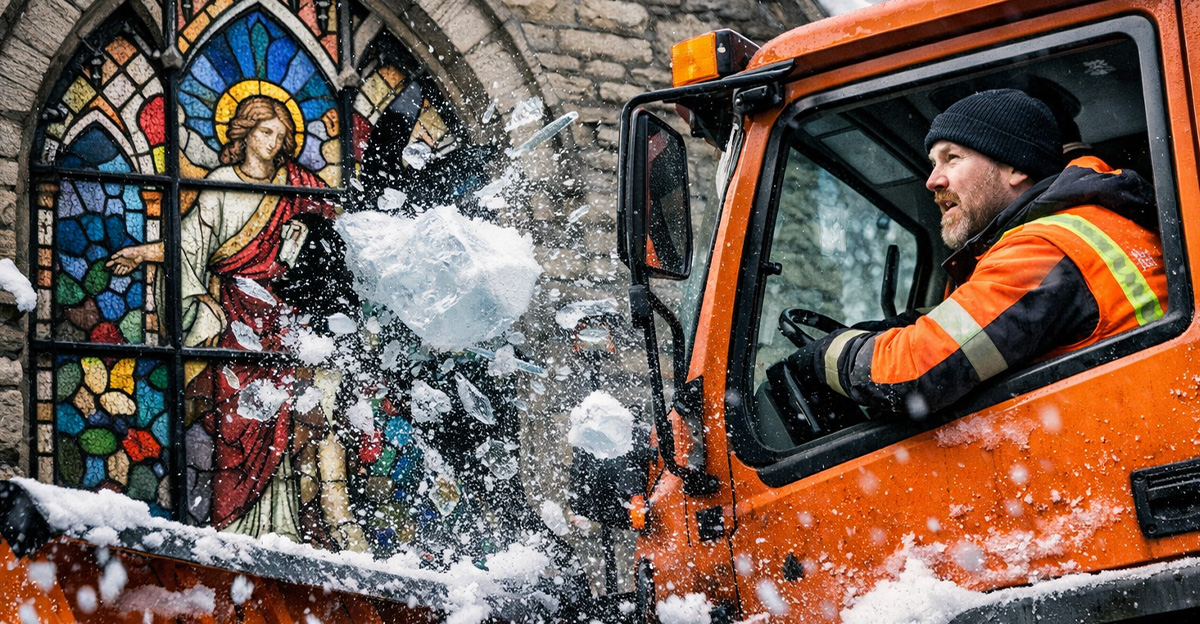
You’re doing your job. The road is a mess, the snow is relentless, and you’re focused on keeping everyone safe. Then it happens: a chunk of ice launches from your plow and shatters a priceless stained-glass window. Cue the sinking feeling. As a snowplow operator, you’re probably asking the same question anyone would: am I personally on the hook for this, or does the city step in? Let’s break it down—without the legalese headache.
Why This Happens More Often Than You Think
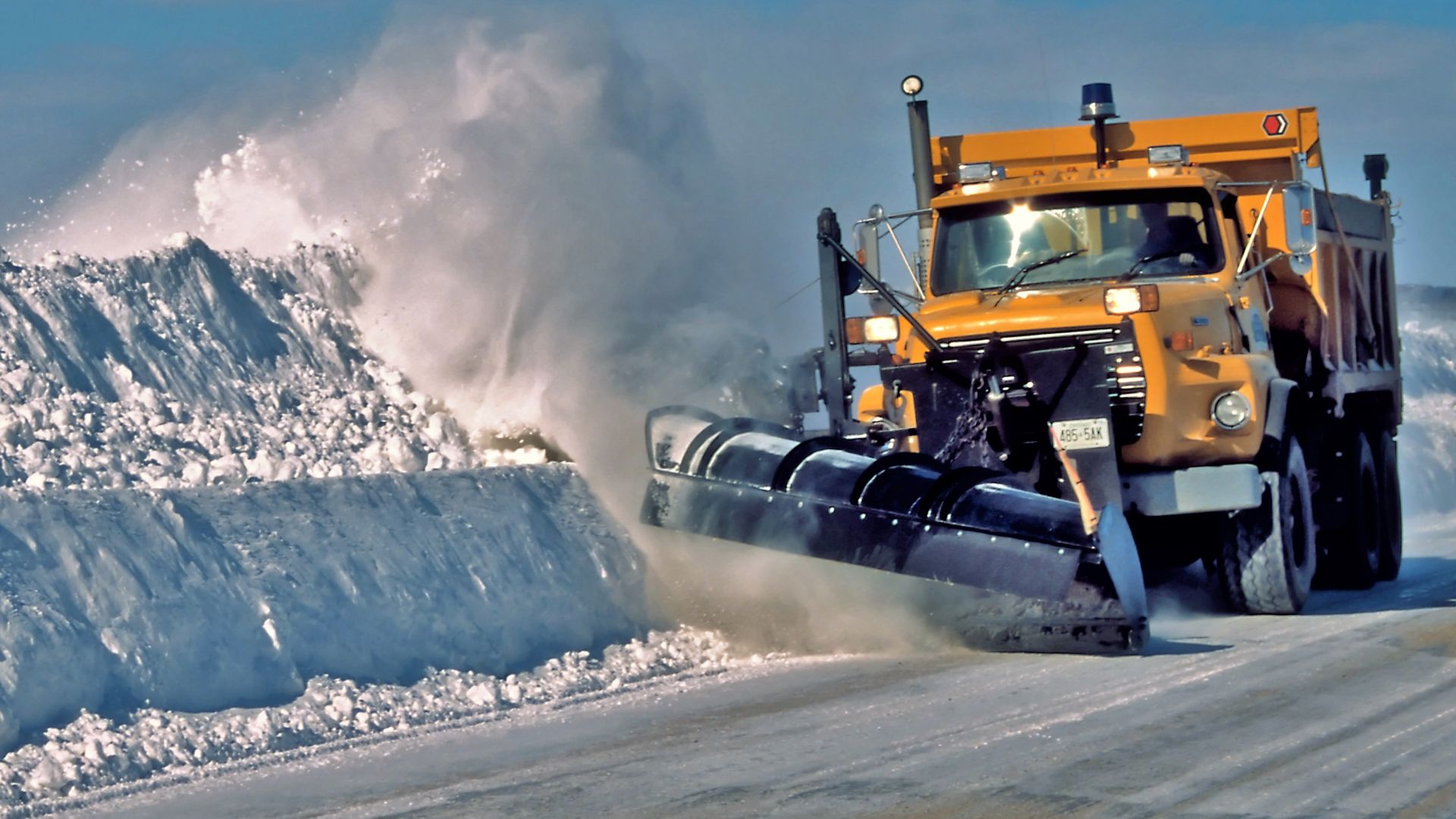
Snowplows are basically heavy-duty physics experiments on wheels. Packed snow turns into ice, ice meets steel, and suddenly fragments are flying. Even with proper technique and well-maintained equipment, debris can travel farther than expected. Cities know this risk exists, which is why policies and protections are usually in place long before winter hits.
 Jeroen Kransen, Netherlands, Wikimedia Commons
The First Question: Who Were You Working For?
This is the big one. If you were plowing as a city employee or contractor under a municipal agreement, liability usually starts with the city—not you. If you were freelancing or doing a side job for a private client, the answer can change quickly. Employment status sets the tone for everything that follows.
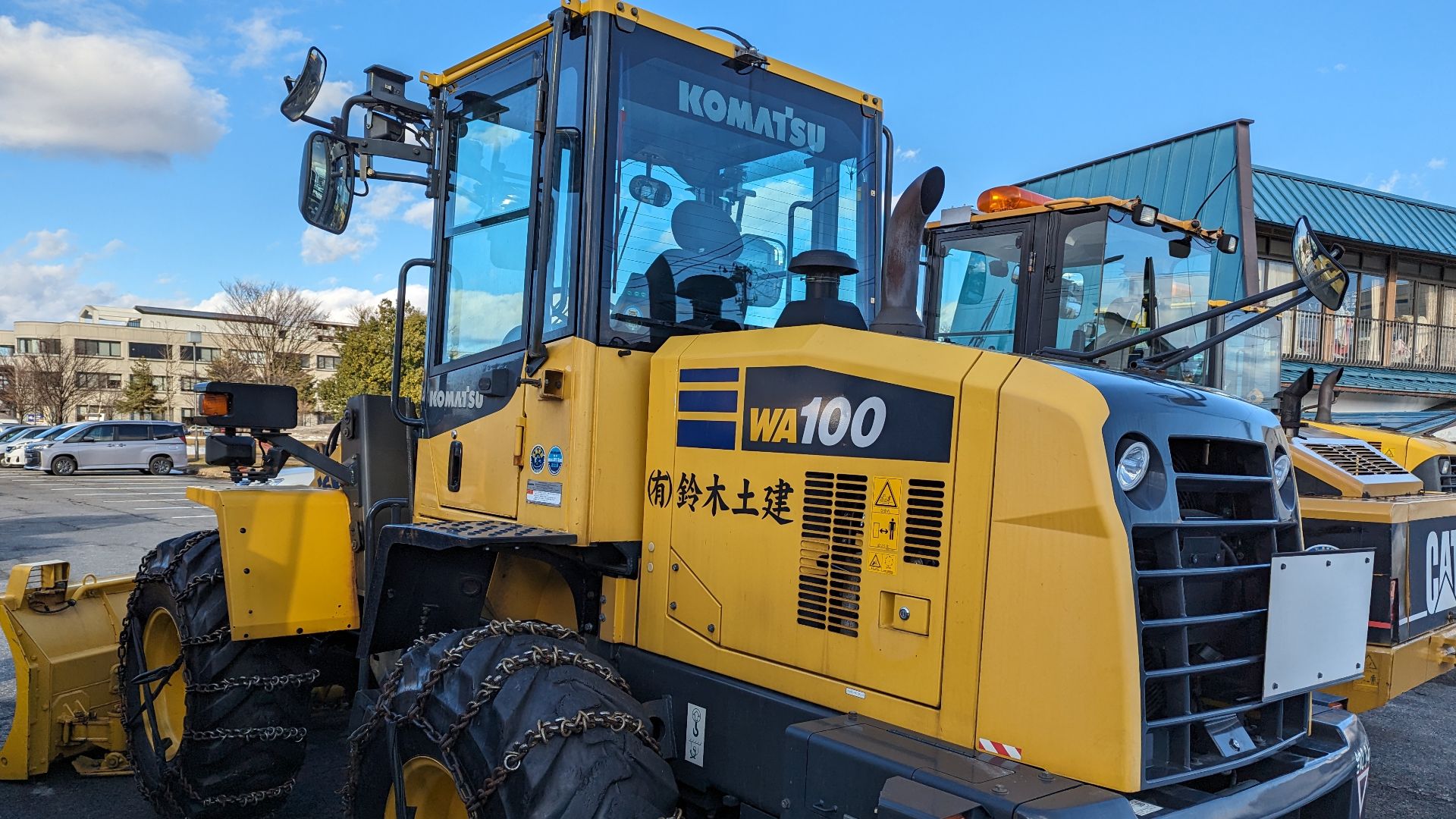
City Employee Versus Independent Contractor
Full-time municipal employees are typically covered by the city’s insurance and indemnification policies. Contractors may also be covered, but only if their contract says so. If you’re independent and uninsured, you might be exposed. Translation: paperwork matters more than horsepower.
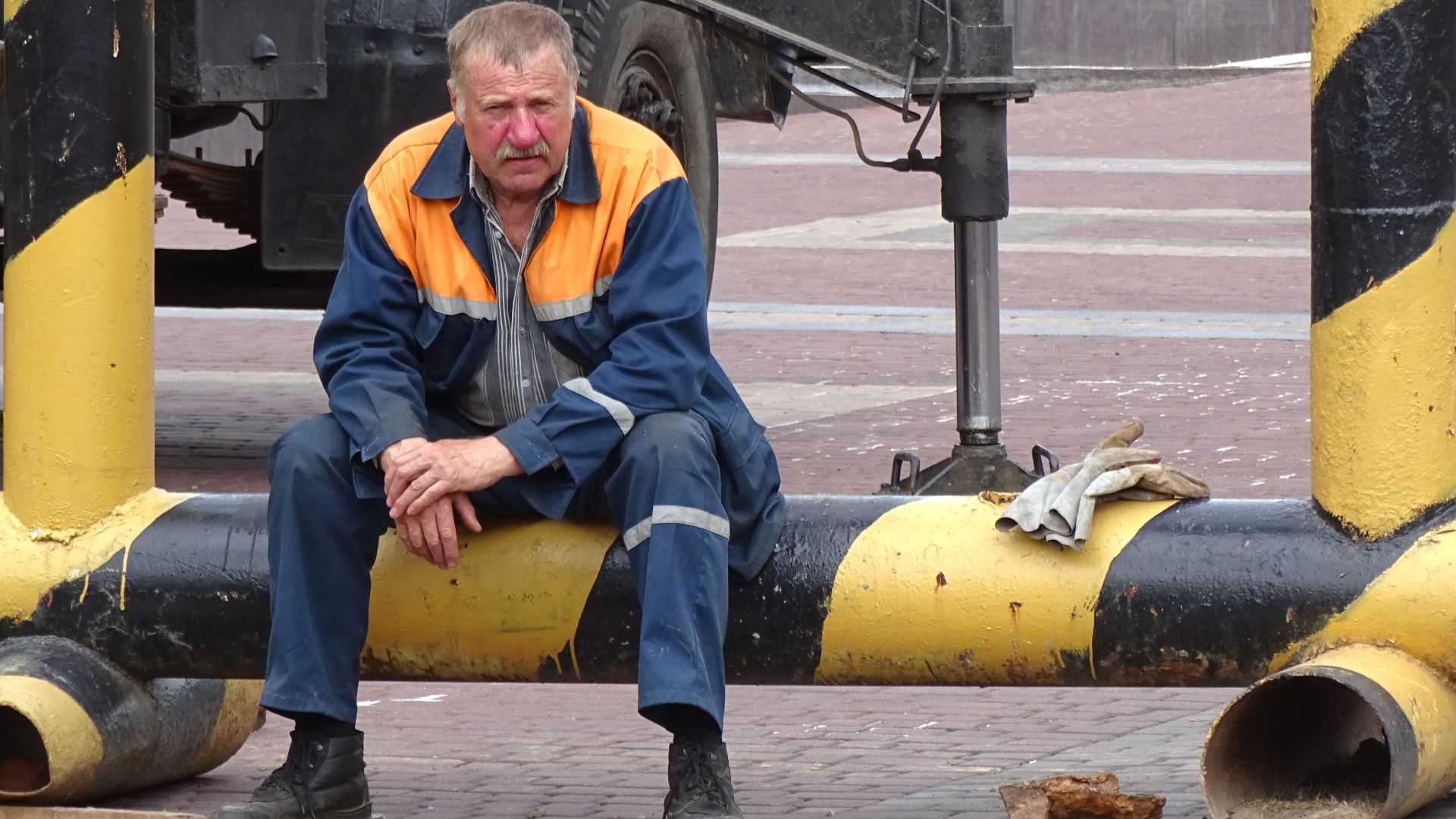 Adam Jones from Kelowna, BC, Canada, Wikimedia Commons
Acting Within The Scope Of Your Job
Were you plowing an assigned route, following procedures, and doing exactly what you were hired to do? If yes, you’re likely protected. If you were joyriding the plow, speeding, or ignoring safety rules, the city may argue you stepped outside your job duties—and that’s where personal liability can creep in.
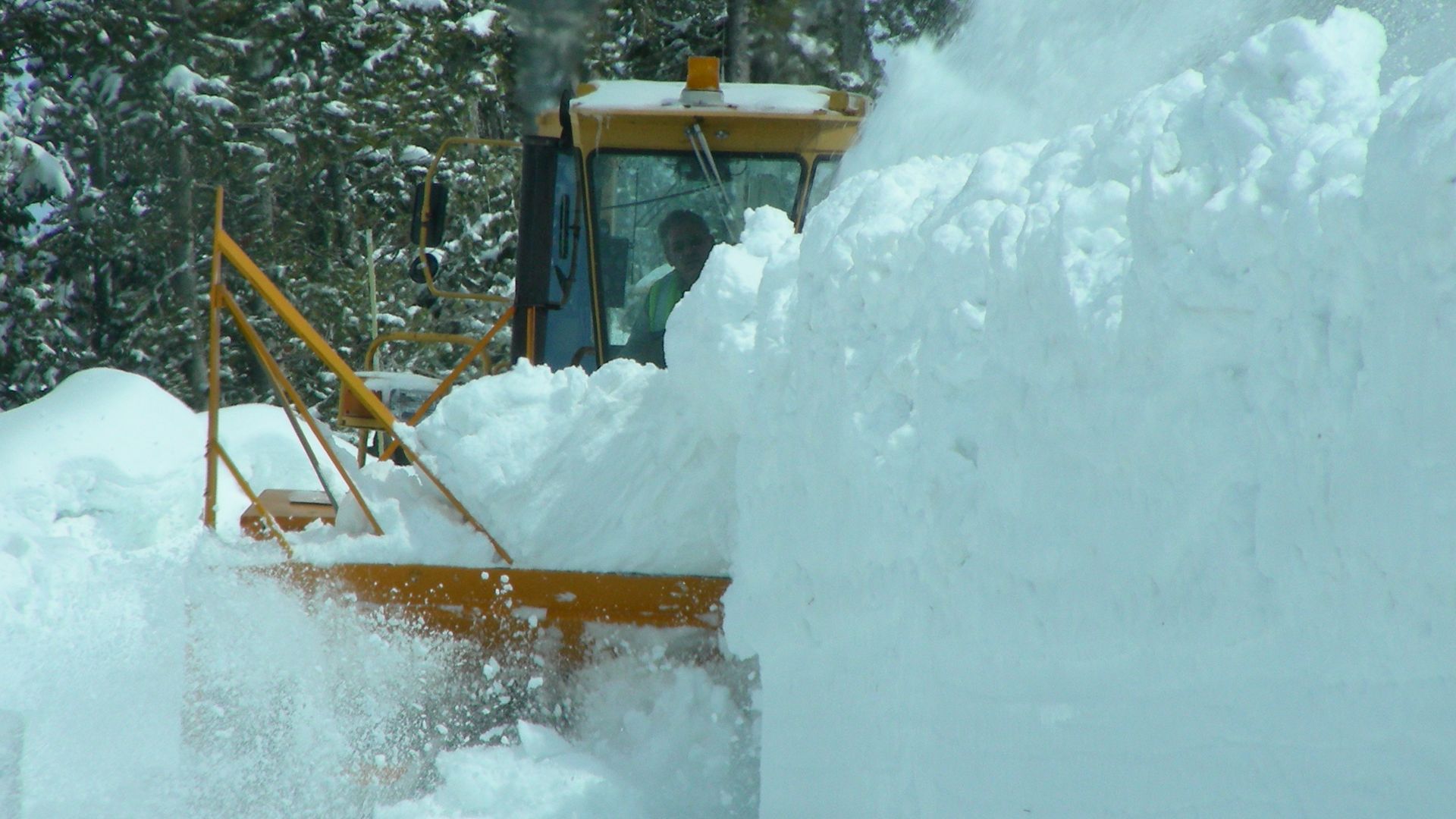 Yellowstone National Park from Yellowstone NP, USA, Wikimedia Commons
Negligence Changes Everything
Accidents happen. Negligence is different. If the window shattered because of an unavoidable ice launch, that’s one thing. If it happened because you were reckless—too fast, wrong blade angle, or ignoring known hazards—that’s another. Negligence can shift responsibility from the city to the operator.

Why The City Usually Pays First
Municipalities carry insurance specifically for incidents like this. Property damage claims are part of winter operations. The city’s insurer will typically assess the claim, determine fault, and pay out if appropriate. You’re rarely the first stop for compensation.

Priceless Doesn’t Always Mean Unpayable
“Priceless” stained glass sounds terrifying, but insurers deal with this all the time. Appraisals, restoration experts, and historical preservation specialists step in to assign a value. The claim may be expensive, but it’s not automatically catastrophic for the city—or you.

Historical Buildings Add Extra Layers
If the window is part of a landmark or protected building, expect more paperwork. Preservation laws can affect how repairs are done and who oversees them. Still, responsibility usually stays with the city if the damage occurred during official work.
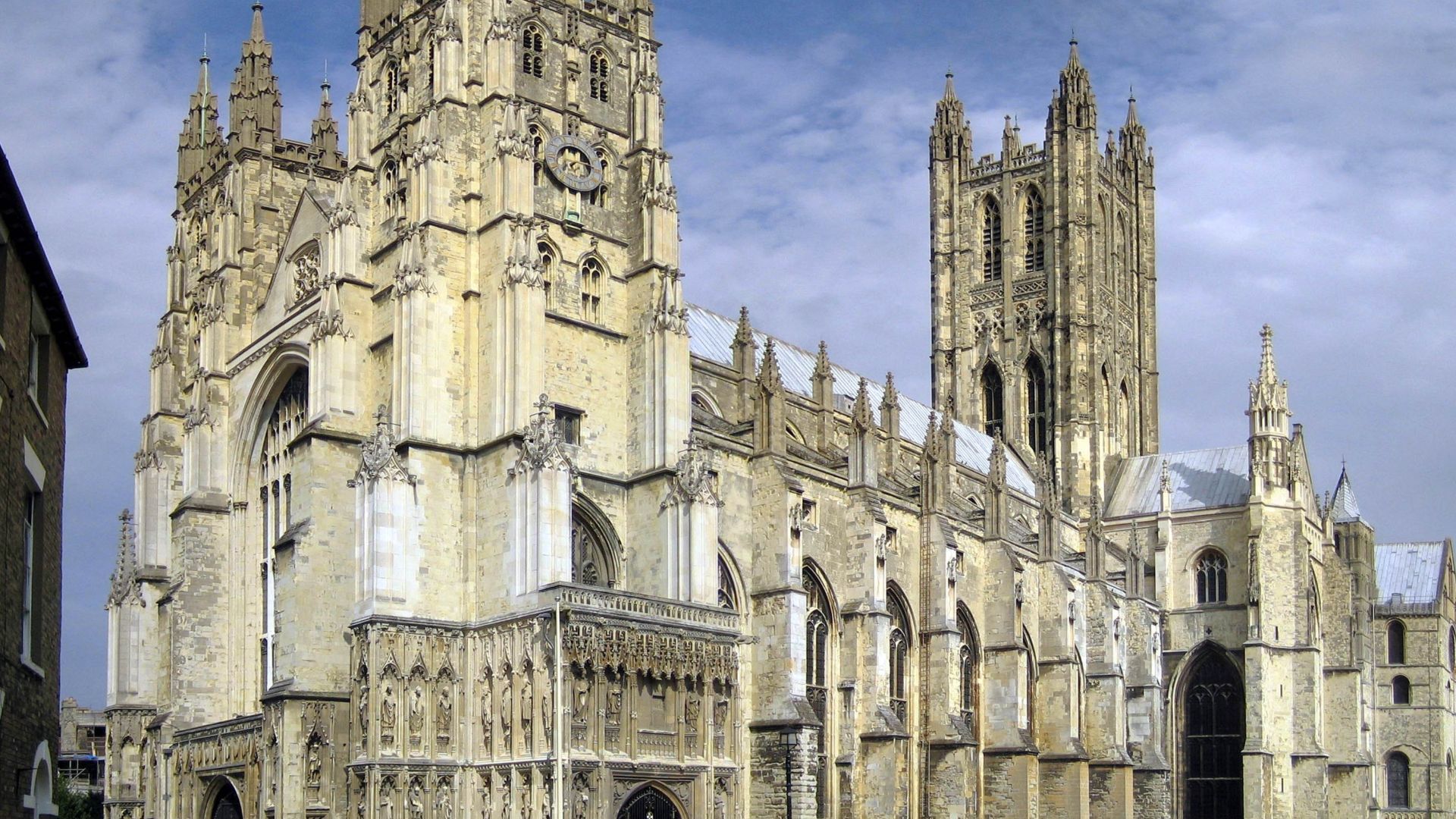
Filing An Incident Report Immediately
This is not the time to shrug and drive away. Report the incident as soon as possible. Accurate details, photos, and witness statements protect everyone involved. Delayed reporting can raise red flags and complicate coverage.

What Happens After You Report It
Once reported, the city’s risk management team or insurer investigates. They’ll look at weather conditions, equipment logs, training records, and your route assignment. This process determines whether the city accepts liability or pushes back.

Can The City Come After You Later?
In rare cases, yes—but usually only if gross negligence or intentional misconduct is proven. Most cities don’t want to alienate trained operators over honest accidents. Subrogation against an employee is uncommon and politically unpopular.
What If You’re A Private Contractor?
Contractors should check their agreement carefully. Many contracts require the city to indemnify the contractor for normal operations. Others require the contractor to carry their own liability insurance. If you don’t know which applies, now is the time to find out.

Personal Auto Insurance Won’t Save You
Standard personal auto policies don’t cover commercial snowplowing. If you were relying on personal insurance, don’t. Commercial liability or the city’s policy is what matters here.

When Homeowners Or Churches File Claims
Owners of damaged property typically file claims against the city, not the driver. They may not even know who you are—and that’s intentional. The legal relationship is between the property owner and the municipality.

Why Training And Documentation Matter
Cities that invest in operator training and equipment maintenance are better positioned to absorb liability. As an operator, following training and documenting issues helps prove you did your job responsibly.

Can You Be Sued Personally?
Anyone can sue anyone—but winning is another story. Courts generally protect employees acting within their duties. Most lawsuits target the deeper pockets: the city and its insurers.

Stress, Guilt, And The Human Factor
Even if you’re not financially responsible, it’s normal to feel awful. Breaking something beautiful hurts, especially when it’s historic or sentimental. Remember: you were doing essential work that keeps communities safe.

Lessons Cities Learn From These Incidents
After claims like this, cities often adjust routes, change plowing speeds near buildings, or add barriers. Accidents drive improvements—even expensive ones.

How Operators Can Protect Themselves
Know your policies. Follow procedures. Report incidents promptly. And never assume you’ll be personally liable without checking the facts. Knowledge is your best snow shield.
What To Do If You’re Contacted Directly
If a property owner contacts you, don’t admit fault or promise payment. Politely direct them to the city’s claims department. This protects both you and the municipality.

The Role Of Unions And HR
Unionized operators often have additional protections and representation. HR departments also help navigate claims and ensure policies are followed correctly.
 LinkedIn Sales Navigator, Pexels
Rare Scenarios Where You Might Pay
If you were off-route, intoxicated, or blatantly reckless, personal liability becomes more realistic. These cases are the exception, not the rule.
Why Winter Work Still Matters
Snowplowing is high-risk, high-responsibility work. Incidents don’t erase the fact that plows save lives, prevent crashes, and keep cities moving when weather turns ugly.
 Oregon Department of Transportation, Wikimedia Commons
The Bottom Line For Snowplow Operators
In most cases, if a chunk of ice shatters a window while you’re plowing for the city, the city pays—not you. Accidents happen, insurance exists for a reason, and personal liability is rare when you’re doing your job correctly.
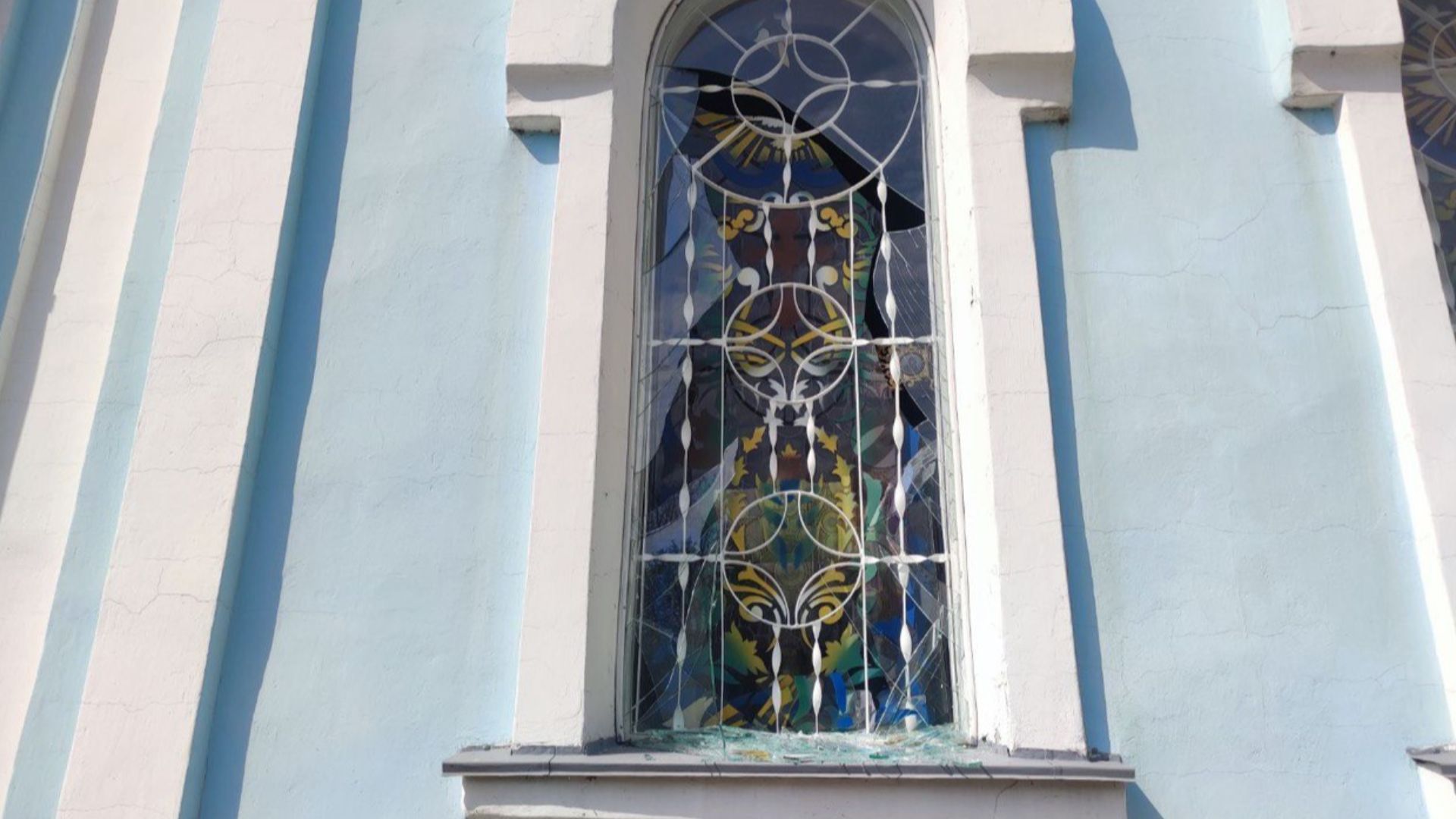 Dnipropetrovsk Regional State Administration, Wikimedia Commons
A Final Thought Before The Next Storm
Winter driving jobs come with stress, scrutiny, and the occasional “oh no” moment. Stay informed, stay professional, and remember: one broken window doesn’t define a season of keeping people safe.
You May Also Like:
Jobs That Probably Won't Exist In 10 Years
How the 1982 Copper and Zinc Pennies Changed US Coinage Forever