
Inside Federal Reporting Rules
Most people assume small cash deposits are invisible to the government. They're not. A pattern of modest deposits can set off a federal investigation, freeze your account, and in some cases, cost you everything, without a single criminal charge.

The $10,000 Line That Changed American Banking
In 1970, Congress established the Bank Secrecy Act, requiring banks to report cash transactions exceeding $10,000. Each deposit or withdrawal above that limit had to be documented in a Currency Transaction Report. Designed to combat drug money, this threshold permanently reshaped how Americans interact with their banks.
Staying Under $10,000 Doesn't Make You Safe
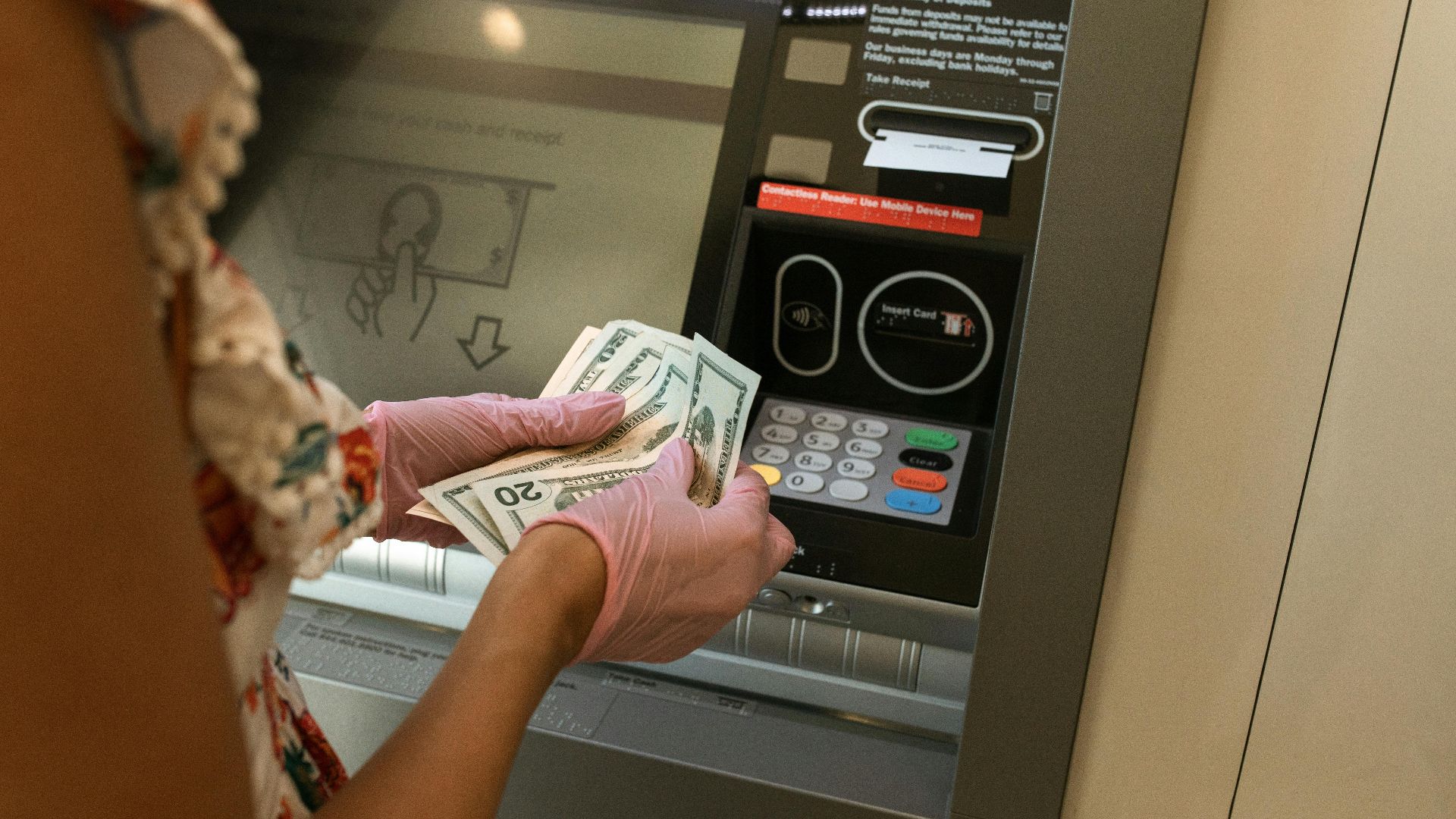
Here's the part that surprises most people: deliberately keeping deposits below $10,000 to avoid that report is a federal crime called structuring, defined under 31 U.S.C. § 5324. The crime isn't about where the money came from. It's entirely about the pattern of how you deposited it.
Your Bank Is Watching For Patterns
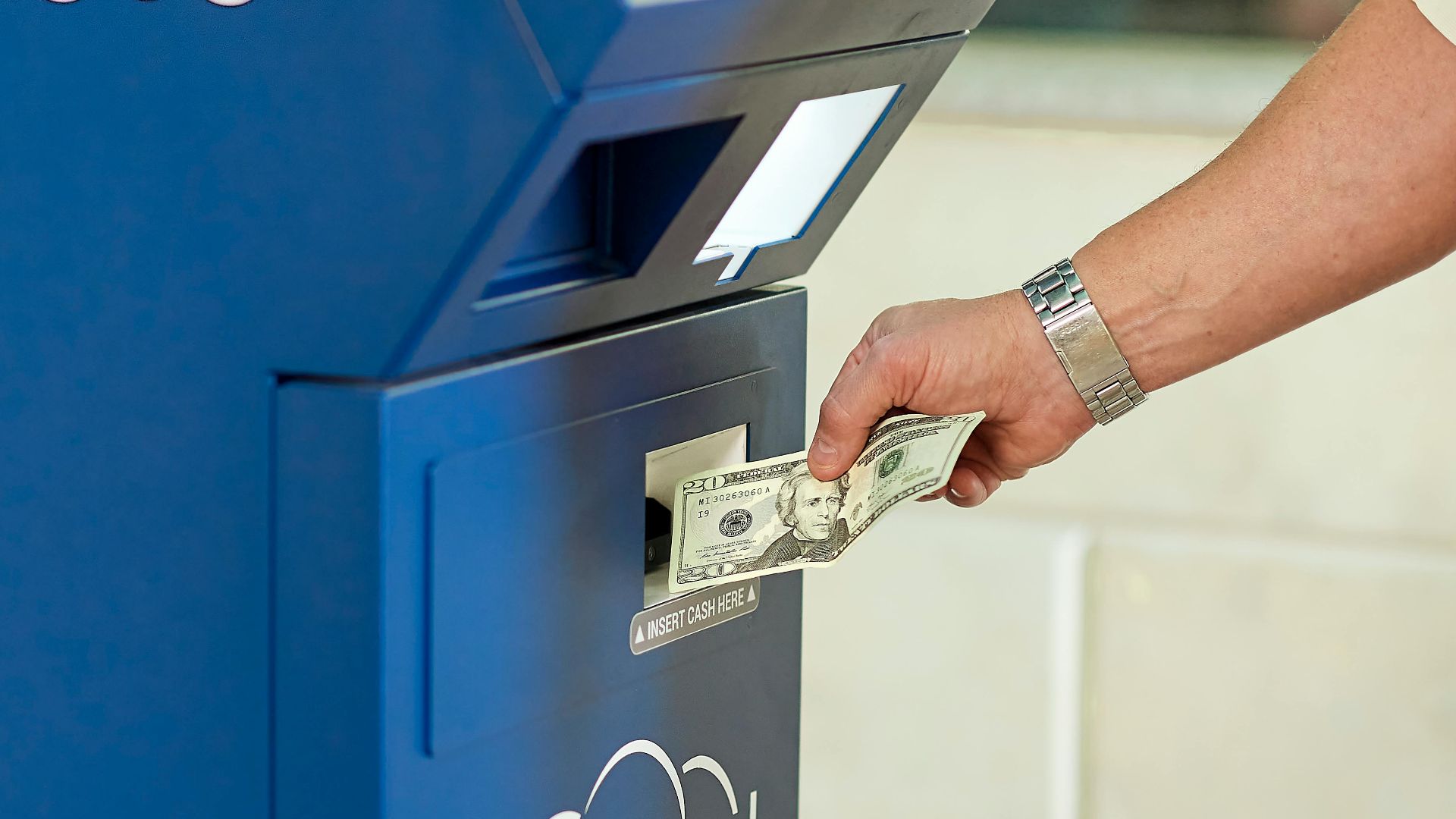
Banks don't just flag single large transactions. They use software that monitors deposit behavior over days, weeks, and months. Frequent deposits of $9,500 or $9,800 look more suspicious to that system than one clean $20,000 deposit. Regularity just below the threshold is exactly what the algorithm is built to catch.

The Software Has No Idea You're Innocent
Modern banks run AI-powered transaction monitoring systems that flag accounts based entirely on behavioral patterns. These systems don't know your name, your job, or your circumstances. If your deposit behavior matches a known structuring typology in the algorithm's training data, it gets flagged automatically.

Your Account Gets A Risk Score
Banks assign every customer an internal risk score based on transaction history, deposit frequency, account type, and geographic activity. That score determines how closely your account gets monitored. If repeated small deposits push your score into a higher-risk tier, your account attracts more scrutiny on every transaction that follows, indefinitely.

The System Compares You To People Like You
Modern AML software doesn't just look at your account in isolation. It uses customer segmentation, grouping you with people who share similar profiles, income brackets, and account types. If your deposit behavior deviates significantly from your peer group's baseline, that gap alone can trigger a review.

Timing Of Deposits Matters Too
Depositing cash every Monday morning at the same branch, in similar amounts, across several weeks builds a pattern that the monitoring system stores and evaluates. Transaction timing, frequency, and location are all variables the software tracks continuously.
 Centre for Ageing Better, Pexels
Suspicious Activity Reports Start At $5,000
Most Americans have never heard of a Suspicious Activity Report, or SAR. Banks file these with FinCEN whenever a transaction looks unusual, and the threshold is just $5,000. You won't be notified when one is filed against your account.

A Frozen Account Happens Before Investigation
When a bank's compliance system flags an account, it can place a hold on funds immediately, before any human investigator has reviewed the case. Federal regulations allow banks to freeze accounts during active review periods. Customers often discover the freeze when a payment fails or a debit card is declined.

The Limousine Owner Who Broke The Law
In 2009, a federal judge convicted the owner of an East Coast limousine service of structuring after he deposited roughly $140,000 over five months in amounts designed to stay below the $10,000 reporting threshold. Prosecutors never alleged the money came from illegal activity. The structuring pattern alone was enough for a guilty verdict.

A Maryland Dairy Farmer Lost $60,000
Randy Sowers ran South Mountain Creamery in Frederick, Maryland, selling milk and eggs at farmers' markets. In February 2012, two federal agents arrived and told him the IRS had seized more than $60,000 from the farm's bank account. Sowers was never charged with a crime. His depositing pattern triggered the seizure.

His Wife Didn't Know She Was Doing Anything Wrong
A bank teller had actually told Karen Sowers, Randy's wife, that keeping deposits under $10,000 would reduce paperwork for the bank. She followed that advice in good faith. The IRS later used that same deposit pattern as the basis for seizing the couple's entire business account.

Long Island Distributor Lost Over $400,000
Jeff Hirsch ran a small business on Long Island distributing candy, food, and cigarettes to convenience stores. The IRS seized over $400,000 from him for alleged structuring violations. No criminal charges were filed. It took years of legal proceedings and front-page coverage in The New York Times before Hirsch recovered his money.

The Law Named After Two Of These Victims
Congress eventually passed the Clyde-Hirsch-Sowers RESPECT Act, named directly after Jeff Hirsch and Randy Sowers. The law limited IRS structuring forfeitures to cases where the money was verifiably tied to illegal activity. It was a direct response to documented government overreach.

The Government Sues Your Money Directly
Under civil asset forfeiture law, the government doesn't need to charge you with a crime to take your money. They file a lawsuit against the funds themselves—cases are literally titled something like "United States v. $60,000 in U.S. Currency." You are not the defendant. Your bank account is.

91 Percent Of IRS Structuring Cases Involved Legally Earned Money
The Treasury Inspector General audited IRS structuring seizures and found that in 91 percent of a sample of 278 cases, there was no evidence that the money came from illegal activity. From 2005 to 2012, the IRS carried out more than 2,500 structuring seizures, taking in excess of $242 million.

Splitting Deposits Across Branches Still Counts
Some people assume splitting a deposit between two bank branches on the same day avoids the reporting requirement. It doesn't. Federal law requires banks to aggregate all transactions across their domestic branches. If the combined total across branches hits $10,000 in a single business day, a Currency Transaction Report is still filed automatically.
IRS Uses Advanced Data Analytics
IRS-CI, or IRS Criminal Investigation, uses advanced data analytics specifically designed to detect structuring patterns. The system flags accounts with frequent sub-$10,000 deposits, similar withdrawal amounts spread across multiple days, and cash flows inconsistent with the business type.

The Penalties For Structuring Are Severe
A structuring conviction under federal law carries up to five years in federal prison. Civil fines can begin at $250 per violation. Intentional violations can trigger fines up to $25,000 or the full dollar amount of the transaction, whichever is greater, and capped at $100,000. Beyond fines, the government can seize the funds involved.

Form 8300 Applies To Businesses Too
It isn't only banks that report large cash transactions. Any business that receives more than $10,000 in cash from a customer must file IRS Form 8300 within 15 days. Missing that deadline starts at a $250 penalty per violation, and intentional failures carry far steeper consequences.

Banks Are Specifically Trained To Spot Structuring
Bank tellers and compliance officers go through anti-money laundering training that specifically covers structuring detection. They're taught to watch for customers who ask about reporting thresholds, make multiple same-day deposits at different branches, or whose deposit amounts are conspicuously and consistently close to $9,900 or $9,500 without an obvious business reason.

You Can Be Convicted Without Knowing Structuring Is A Crime
Federal courts have held that ignorance of the structuring law is not a complete defense. The government must prove you knew you were trying to avoid a bank reporting requirement, but it does not have to prove you knew that avoiding that requirement was itself illegal.

Depositing The Full Amount Is Safer
The counterintuitive reality is this: depositing $15,000 all at once triggers a CTR, which is a routine administrative report with no criminal implication. Depositing $7,500 twice, spread across two days specifically to avoid that report, is a federal crime. The legal deposit is the large one.

What To Do With Legitimate Cash
Businesses that regularly deal in cash—restaurants, contractors, market vendors—should document every transaction carefully, deposit full amounts without splitting them, and file Form 8300 whenever required. If you receive a large cash payment, consult a tax attorney before deciding how to handle the deposit.