
Rethinking Old Habits
Most people think their everyday banking habits are totally normal. Then the bank flags them as “suspicious” to regulators. Financial institutions monitor transaction patterns, volume, timing and any unusual behavior in their ongoing campaign against fraud, money laundering and other financial crimes. Sometimes, even perfectly legal habits that are otherwise harmless can trigger a report. Here’s what your bank might be quietly watching.
 Monkey Business, Adobe Stock; Factinate
Always Chasing Credit Card Rewards
Stacking sign-up bonuses and chasing reward points can make you feel like you’re beating the system. But constantly opening new cards and running heavy spending through them also triggers lender scrutiny. Frequent applications, new credit lines, and shifting balances may signal instability to underwriting algorithms, even if you’re technically paying everything on time.

Paying Only The Minimum On Loans
Making minimum payments keeps you current, and it’s a strategy that many people use, but lenders don’t just track whether you pay, they also analyze how you pay. A long pattern of minimum-only payments can strongly suggest cash flow stress. While it doesn’t automatically trigger penalties, it can quietly lower your risk profile with future lenders.

Balance Transfers To Avoid Interest
Balance transfers are marketed as smart money moves, and that’s not necessarily wrong, but repeatedly shifting debt from one card to another can look like “debt cycling.” Automated systems can interpret these constant rollovers as an inability to pay down the principal. Even if you’re trying to save on interest, the pattern itself can raise unwanted risk concerns.

Closing Old Credit Accounts
Closing unused credit cards might feel like the responsible and tidy thing to do. But when you shut down long-standing accounts, you also shorten your credit history and change your utilization ratio. That sudden shift can drag down your score, and potentially make your overall credit profile appear less stable than before.

Co-Signing Loans For Friends Or Family
Co-signing can be a generous thing to do, but to lenders it counts as your debt exposure. Even if the primary borrower pays on time and there’s never a problem, the obligation shows up on your credit history. If payments falter or balances run high, your risk profile changes instantly, often without you even realizing it.

Constantly Refinancing Loans
Refinancing can lower your rates, but doing it repeatedly may send out the wrong signals. Multiple credit inquiries and frequent loan restructuring aren’t really an indication of savvy management, but suggest financial strain and the lack of a coherent long-term financial game plan. Remember that lenders are looking for consistency. Too much movement, even if it is strategic, can trigger deeper underwriting scrutiny.

Sudden, Unexplained Cash Deposits
If you start making frequent deposits of large sums of cash without any clear reason, banks may mark this down as irregular activity. Especially in our increasingly digital banking world, large or frequent cash inflows that don’t match your modest financial profile can trigger automated monitoring systems. That doesn’t mean you’re in trouble, mind you, but it may prompt the bank to take a closer look.

Regular Structuring Of Deposits
Breaking up a large sum into multiple smaller deposits to stay under the official reporting thresholds is known in banking as structuring, and banks are trained to watch out for people doing this. Even if your intention is perfectly legal, doing this on a repeat basis can prompt a suspicious activity investigation because it looks like you’re attempting to fly under the radar of the reporting requirements.

Transactions Far Outside Your Normal Pattern
The definition of what is normal activity varies from one person to the next. Banks learn what “normal” looks like for your account over time. Suddenly receiving or sending money in ways you’ve never done before, whether it’s through larger purchases, unfamiliar locations, or unusual timing, can set off alerts because it deviates from your specific financial history and profile.

Frequent Transfers To New Accounts
Sending money repeatedly to accounts that you’ve never used before, especially multiple times in a short span, can raise concerns. Financial institutions see this as inconsistent with a normal customer profile unless there’s some clear explanation for why these funds are moving to unfamiliar destinations.

Repeated Transactions Just Below Limits
Transactions that consistently hover just under the reporting thresholds for cash or transfers can appear intentional. Even though it may feel like a smart strategy, you’re aren’t avoiding scrutiny but attracting it. Banks are ever alert for patterns that suggest someone is trying to get around automatic reporting requirements tied to specific dollar amounts.

Multiple Accounts Without Clear Purpose
Holding several accounts at different institutions or opening new ones with no clear reason can attract scrutiny. Banks flag unusual account relationships because they can make it harder to track where money is coming from and where it’s going to.

Excessive Foreign Transfers
Transfers to or from international destinations that don’t fit your known financial behavior may trigger alerts. Banks look on unexpected or frequent cross‑border transactions as being higher risk, especially when there’s no obvious business or family ties involved.

Rapid Inflows And Quick Withdrawals
When significant sums of money enter an account and are just as quickly withdrawn or transferred out, banks may view that as pass‑through activity. Compliance teams often look at such patterns because they can resemble attempts to move funds rather than maintain regular account use.

Unusual Deposit Patterns For Your Profile
Even the most mundane transactions can look unusual if they aren’t in line with your income, employment, or past activity. A large check from an unfamiliar source or an unexpected wire transfer isn’t necessarily illegal, but it can still draw additional scrutiny and questions from your bank.

Using Personal Accounts As Business Accounts
Banks differentiate between personal and business accounts for regulatory reasons. Conducting consistent business transactions through your personal account, even if it’s only for a small side hustle, may trigger internal alerts because that activity doesn’t match the account’s official stated purpose.

Frequent Balance Spikes And Drops
A pattern where your balance is constantly surging and then dropping back down can look suspicious from a monitoring standpoint. Even if this reflects nothing more than your personal budgeting habits, it may resemble the kind of layering patterns that have sometimes been associated with financial crimes.

Transactions With No Clear Source Of Funds
Banks are required to understand the origin of funds moving through accounts. If you regularly get money from unfamiliar individuals or third parties with no documentation or explanation, your account activity could undergo closer review.

Sudden Activation Of Dormant Accounts
If an account that has been inactive for months or years suddenly gets reactivated again with large or frequent transactions, automated systems may flag it. This abrupt change in behavior often triggers additional compliance checks.

Unusual Payment Types Or Instruments
Frequent use of certain monetary instruments that don’t fit your normal behavior may attract scrutiny. When transaction tools differ sharply from your typical payment methods, banks may look on this activity as higher risk.

Transactions Related To High Risk Jurisdictions
Transfers involving regions known for weak financial oversight understandably face a higher level of additional scrutiny. Even perfectly legitimate transactions connected to these jurisdictions may be flagged because regulators demand that banks apply enhanced due diligence.

Multiple Failed Login Attempts
Banks also monitor digital security behavior. Repeated failed login attempts can trigger fraud prevention measures and temporary account restrictions, as these patterns may indicate unauthorized access attempts rather than simple user error. Keep this in mind if you’re the type of person who sometimes has a hard time remembering your password or PIN.

Collaboration With Unknown Third Parties
Sending funds to individuals or entities that don’t appear connected to your profile can be another reason for the bank to perform a prompt review. Banks look at whether transaction relationships make sense within the overall context of your financial history.

Rapid Credit Increases And Uses
Sudden requests for higher credit limits followed by immediate heavy usage, while common behavior, can be viewed as risky. While it’s legitimate in the vast majority of cases, this pattern can trigger closer monitoring by financial institutions.

Unusual Large Bill Withdrawals
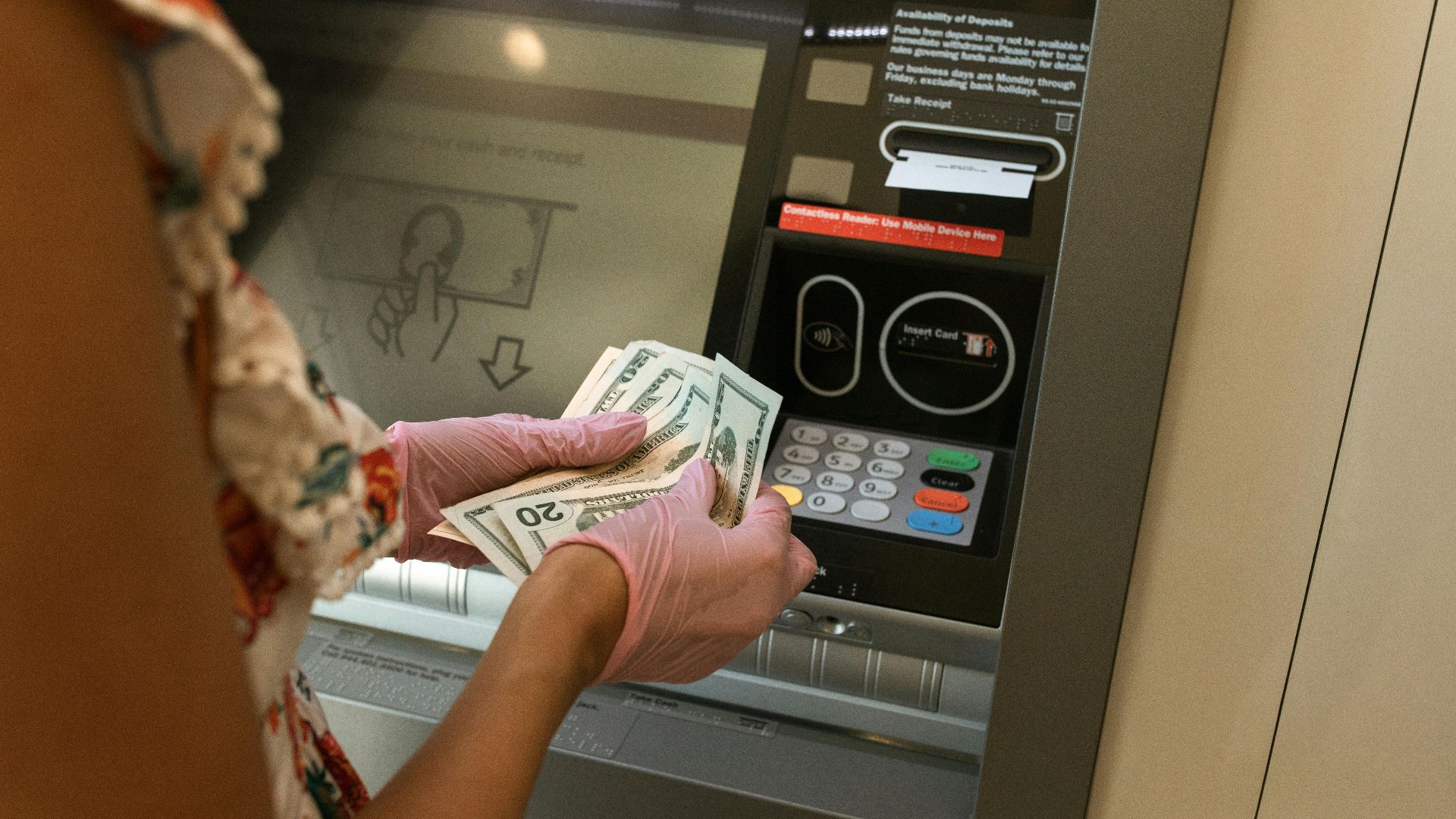
Large cash withdrawals, particularly when they’re out of character from your past habits, may prompt internal review. Although customers are free to access their funds, unusual cash patterns can draw attention in today’s primarily digital banking environment.
You May Also Like: