When Groceries Start Feeling Like Installments
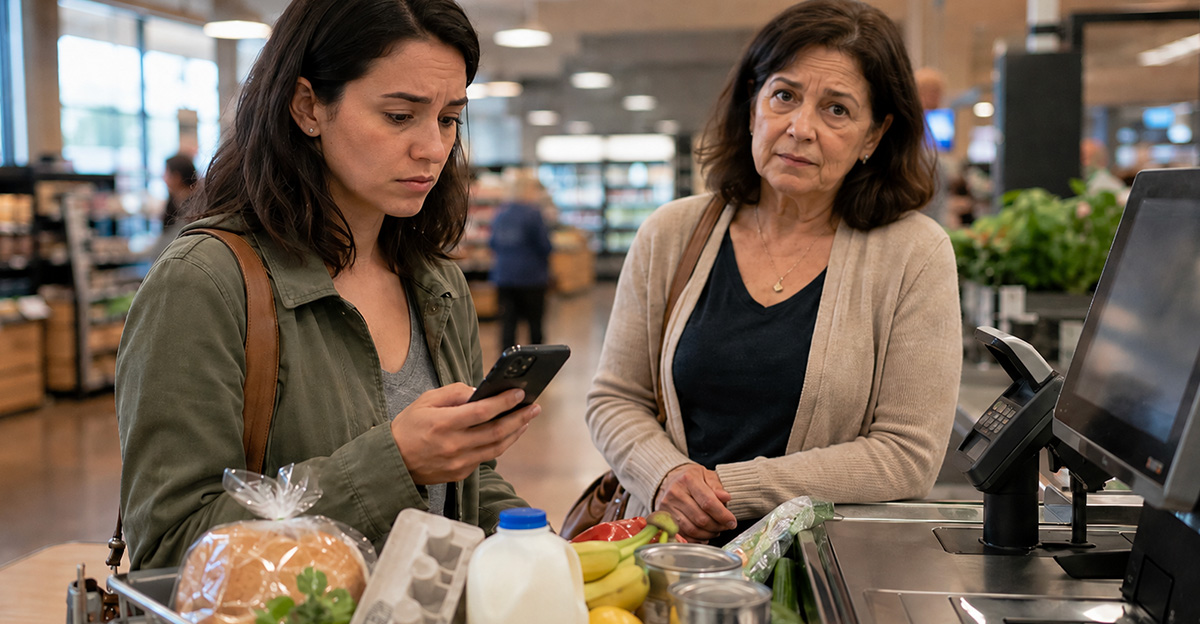
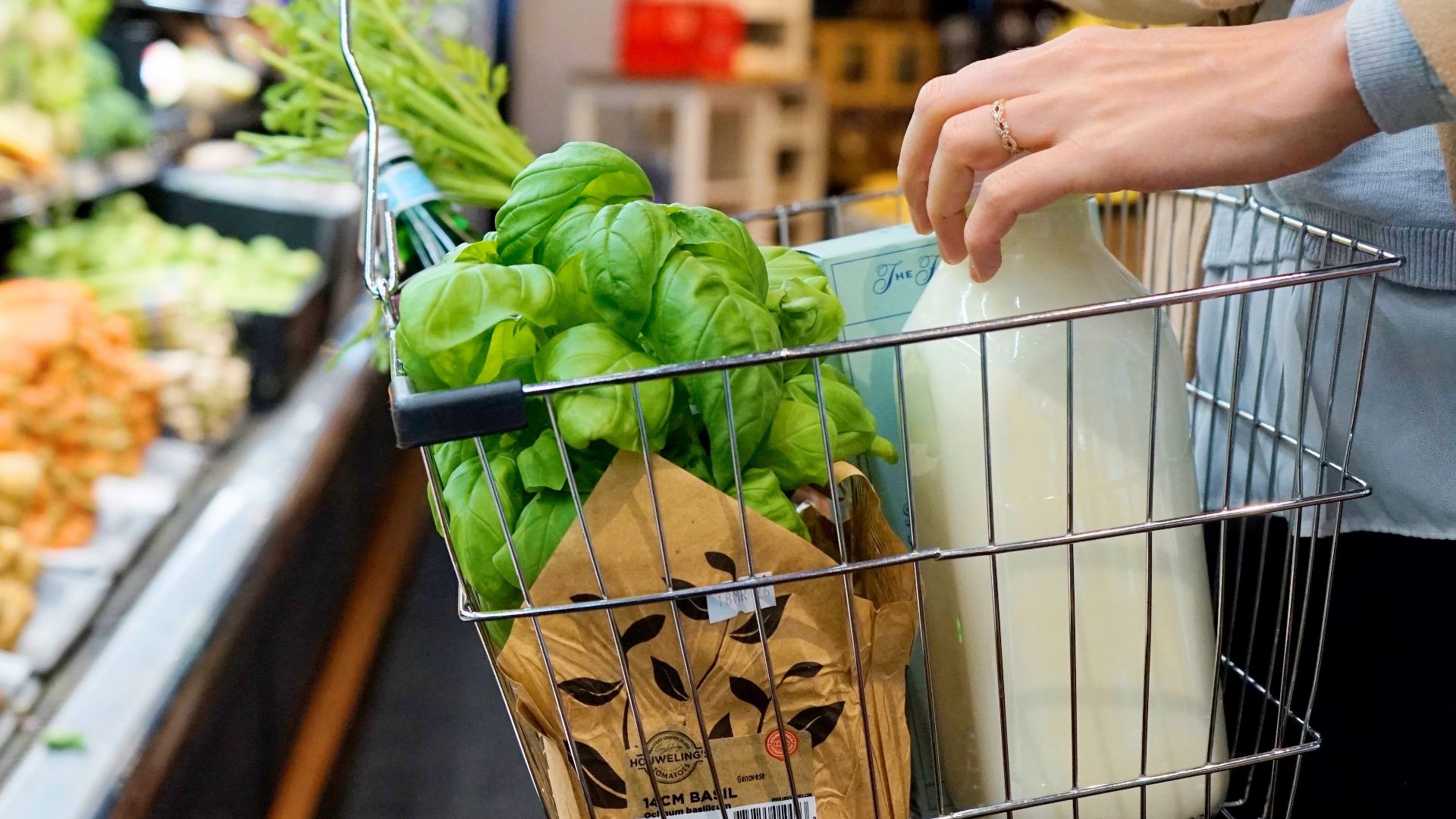
Buy-now-pay-later can make a $120 grocery bill feel harmless when it becomes four smaller payments. But groceries disappear long before the debt does. If your adult daughter regularly finances basics, the concern is less about one purchase and more about making tomorrow’s income pay for yesterday’s dinner.
Start With Concern, Not Judgment
Opening with “You’re being irresponsible” practically guarantees the conversation will end early. Try explaining what worries you instead: financing necessities can quietly shrink next month’s budget. Make it a conversation about cash flow and choices, not a referendum on whether she is good or bad with money.

Why Debt For Basics Feels Different
Borrowing for an emergency car repair is one thing. Borrowing repeatedly for milk, vegetables, and toilet paper suggests ordinary expenses are outrunning available cash. That doesn’t automatically mean reckless spending, but it is a useful warning light—and one worth investigating before the payments pile up.
Remember When Grocery Shopping Had Friction?
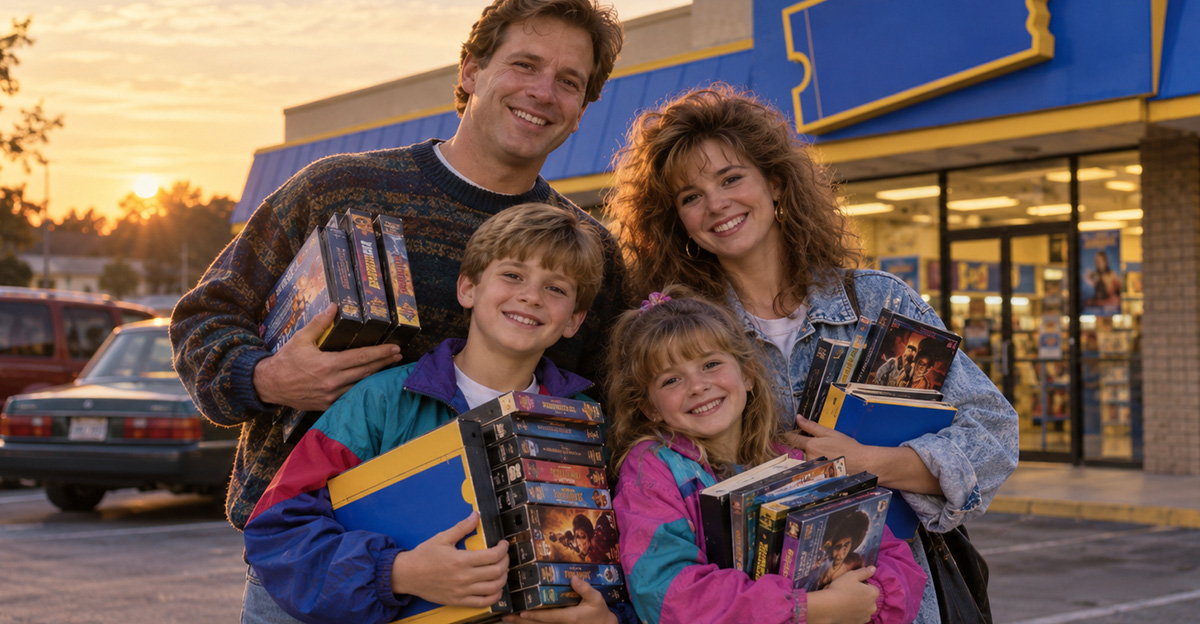
A 1980s shopper couldn’t tap a phone and divide a cart into installments in seconds. Paying generally felt more obvious. Cash disappeared from your wallet, or you stood at the register writing a check. That little bit of inconvenience made spending harder to mentally ignore.
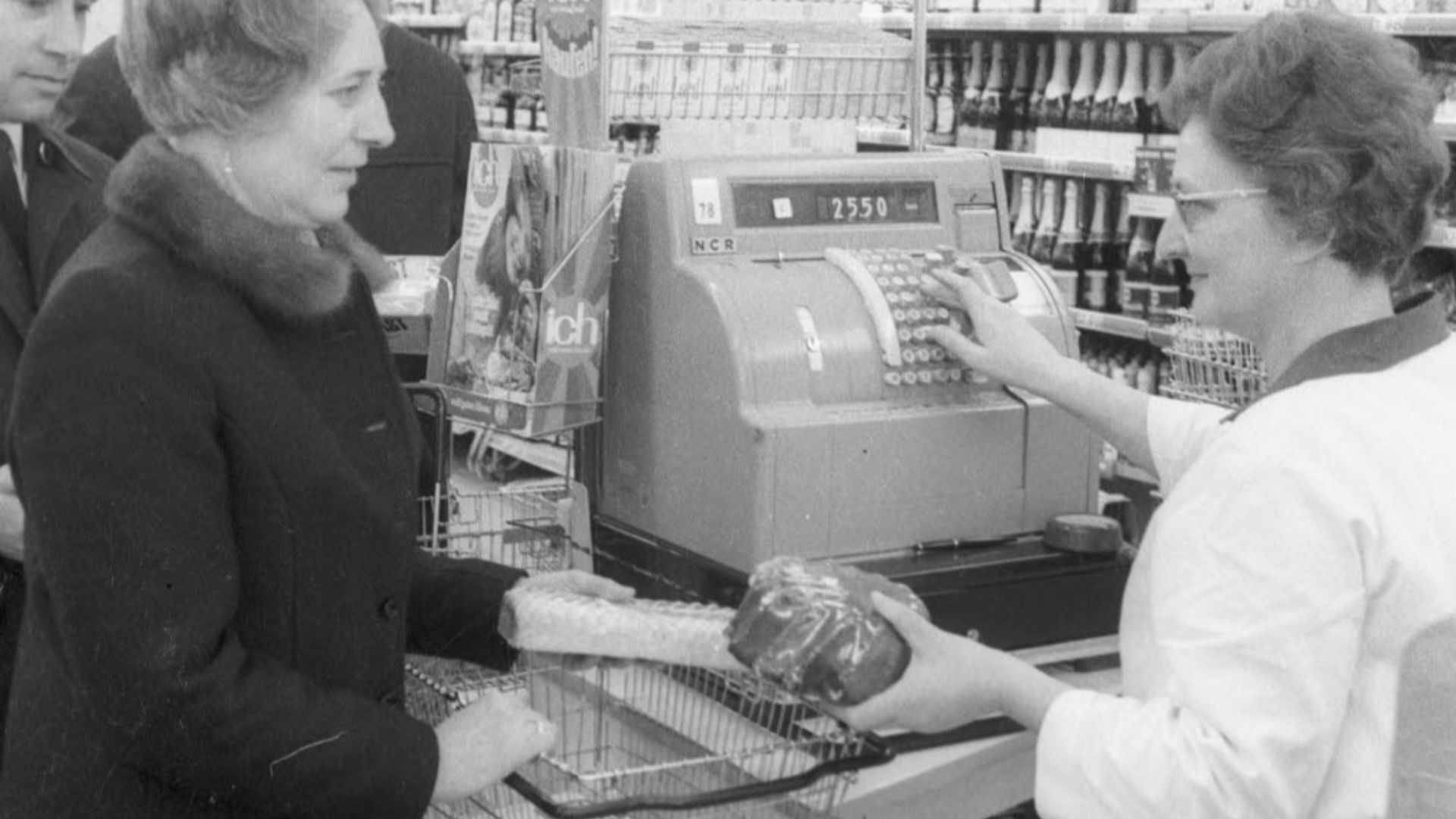 Magnussen, Friedrich (1914-1987), Wikimedia Commons
The Cash Envelope Had One Big Advantage
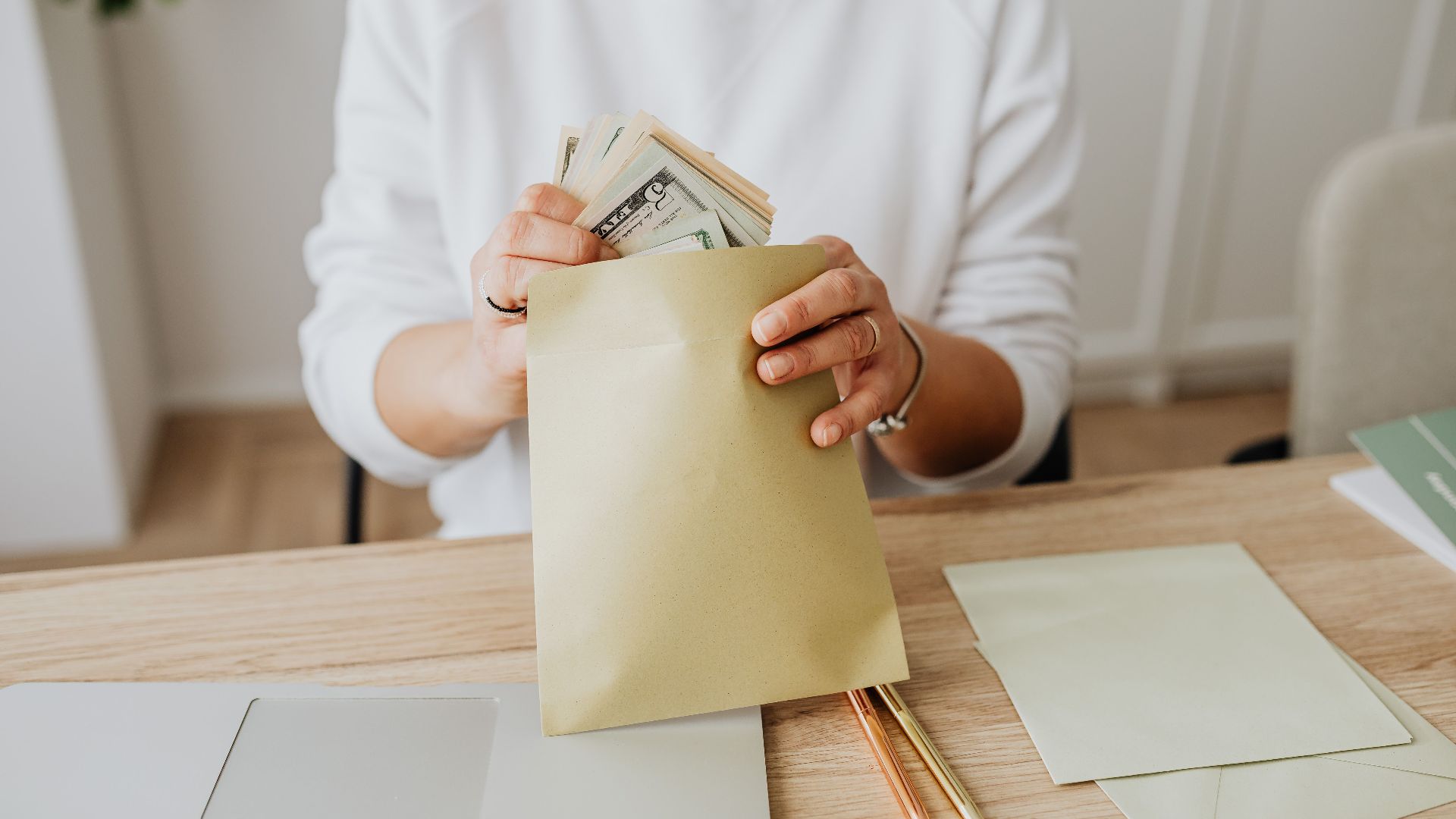
Plenty of families once put grocery money into a literal envelope. When the cash was gone, the grocery budget was gone. It sounds quaint now, and few modern shoppers want to carry piles of cash, but the system made one thing brutally clear: there was a limit.
 https://kaboompics.com/, Pexels
Layaway Was Usually For Stuff, Not Supper
The old layaway model at least attached payments to something durable—a coat, television, or Christmas present. Nobody wanted to finish paying for Tuesday’s bananas three weeks after eating them. That distinction is useful when explaining why installment debt feels especially awkward when attached to consumable necessities.

Personal Checks Made Spending Feel Slower
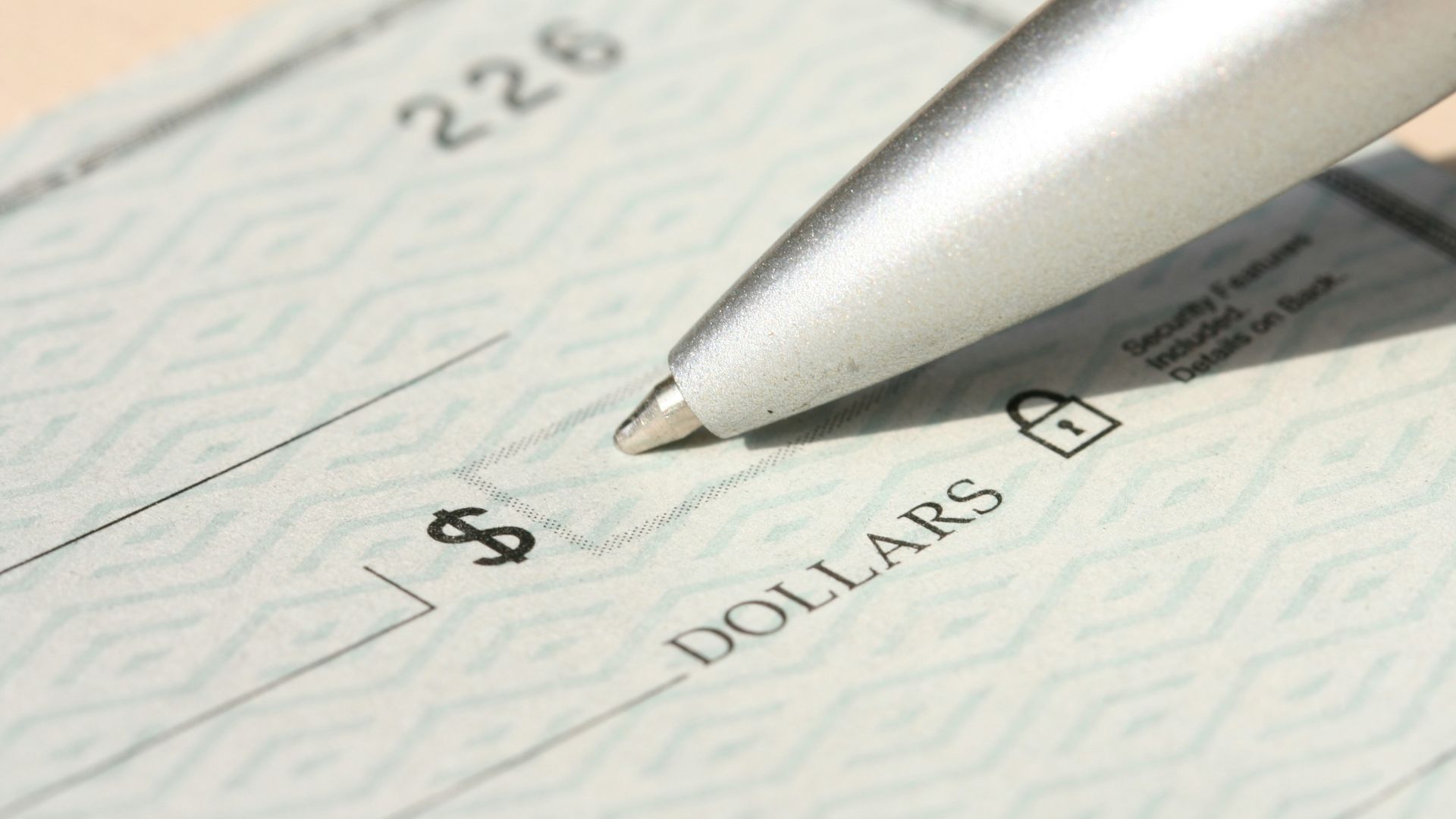
Watching someone write a check at a supermarket today can feel like seeing a rotary phone in the wild. But the ritual created a pause: write the amount, record it, hand it over. Modern one-click payments eliminate that pause, making spending dramatically easier to separate from the feeling of spending.
Double-Coupon Days Demanded Effort
The 1980s loved coupons, and serious bargain hunters showed up armed with envelopes full of carefully clipped rectangles. That marketing tactic would struggle with many convenience-driven shoppers today. Still, clipping coupons forced consumers to think about prices before arriving—a habit worth borrowing, even if the scissors can stay retired.
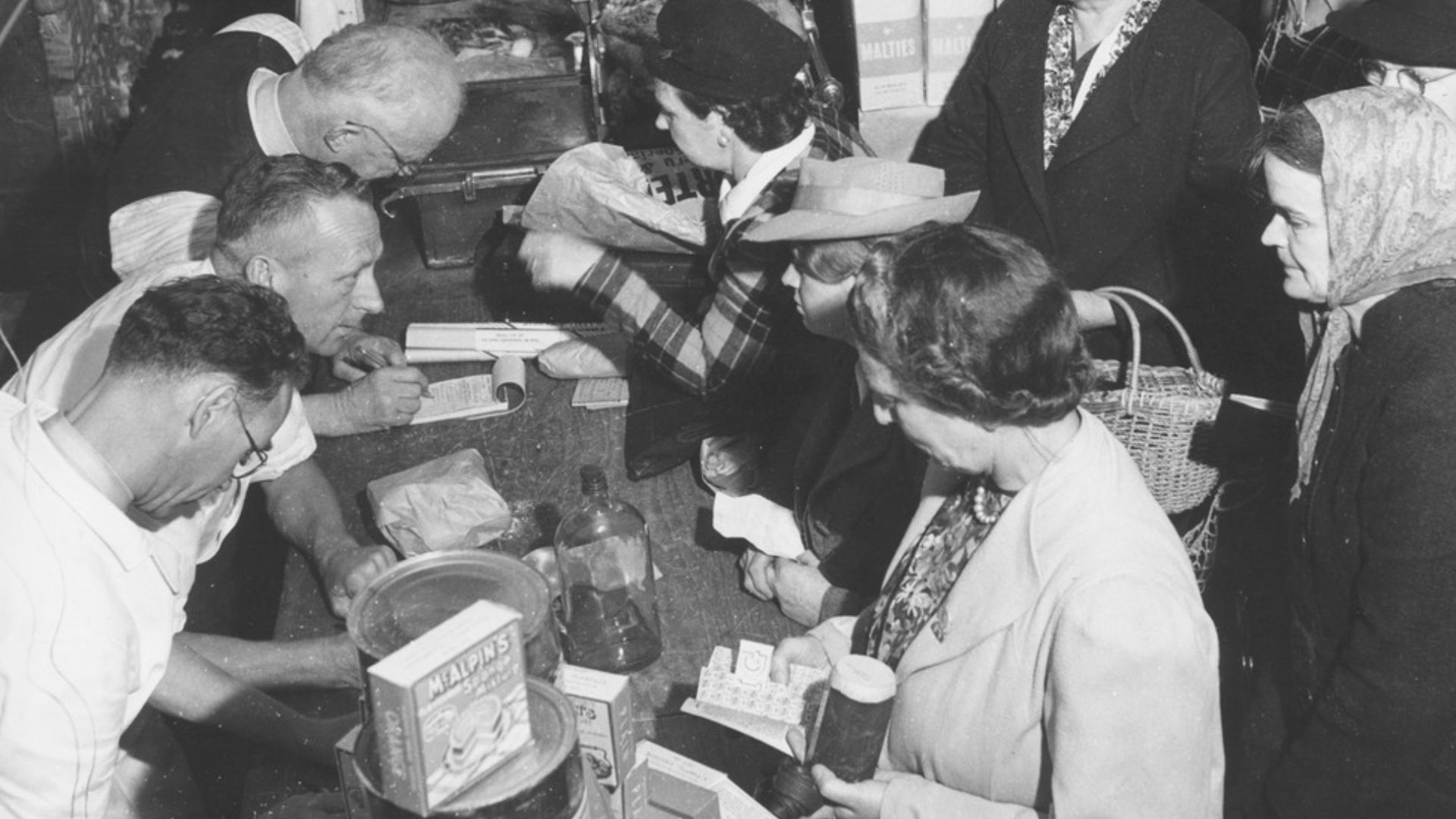 National Library of Australia from Canberra, Australia, Wikimedia Commons
Weekly Flyers Set The Shopping Agenda
Before apps personalized promotions, newspaper flyers told families what was cheap that week. Shoppers often built meals around those advertised specials. Your daughter doesn’t need to recreate 1987, but planning meals around discounted staples can help prevent the grocery cart from becoming an expensive collection of spontaneous decisions.
 https://kaboompics.com/, Pexels
Price Stickers Were Hard To Ignore
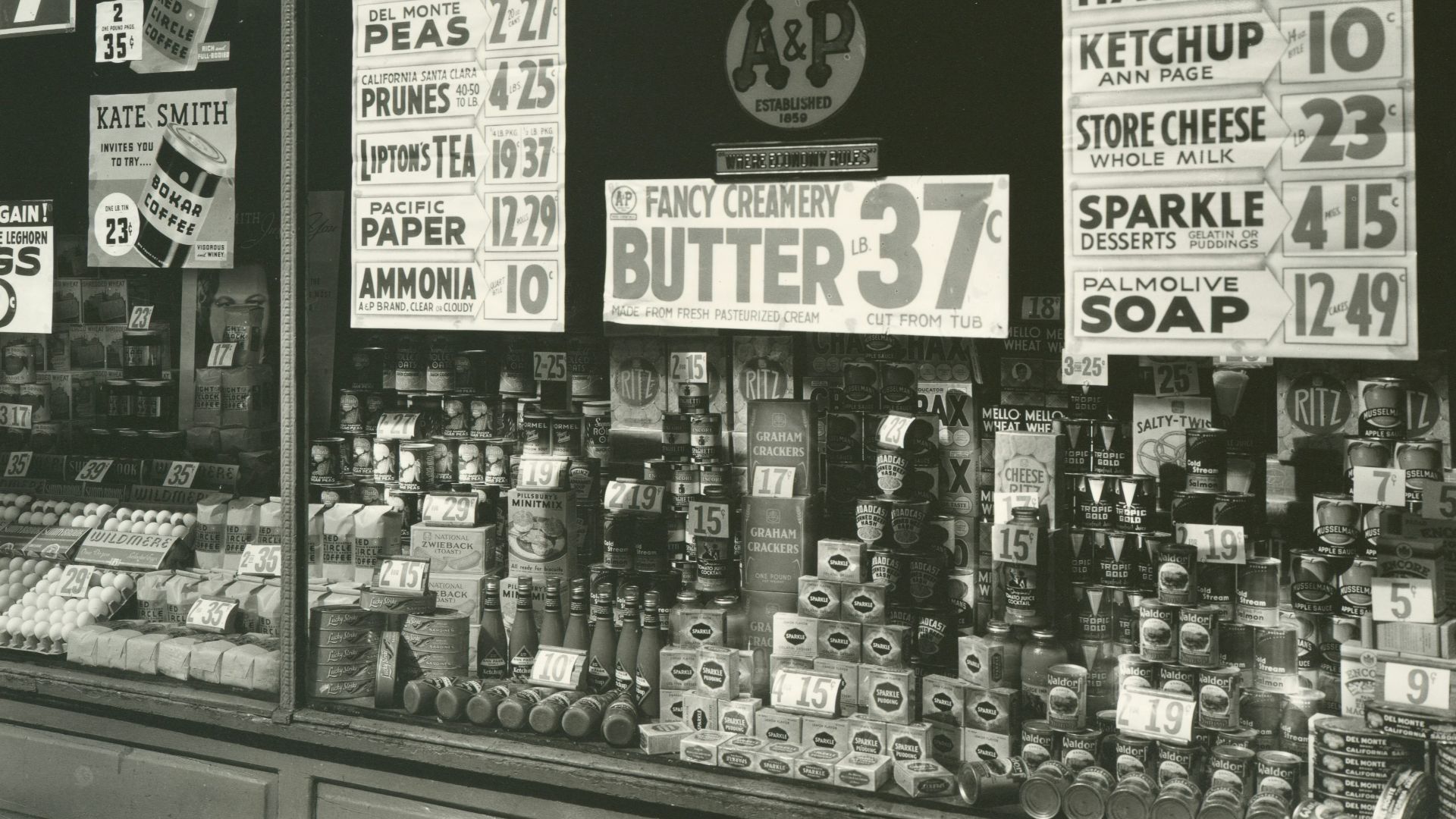
Individual price stickers once appeared on nearly everything. Cashiers entered prices manually, and shoppers constantly saw those little numbers staring back at them. Modern stores are faster and slicker, but that convenience can make prices less memorable. Paying attention to unit prices restores some of that old-fashioned visibility.
 The New York Public Library, Unsplash
Rain Checks Were A Whole Production
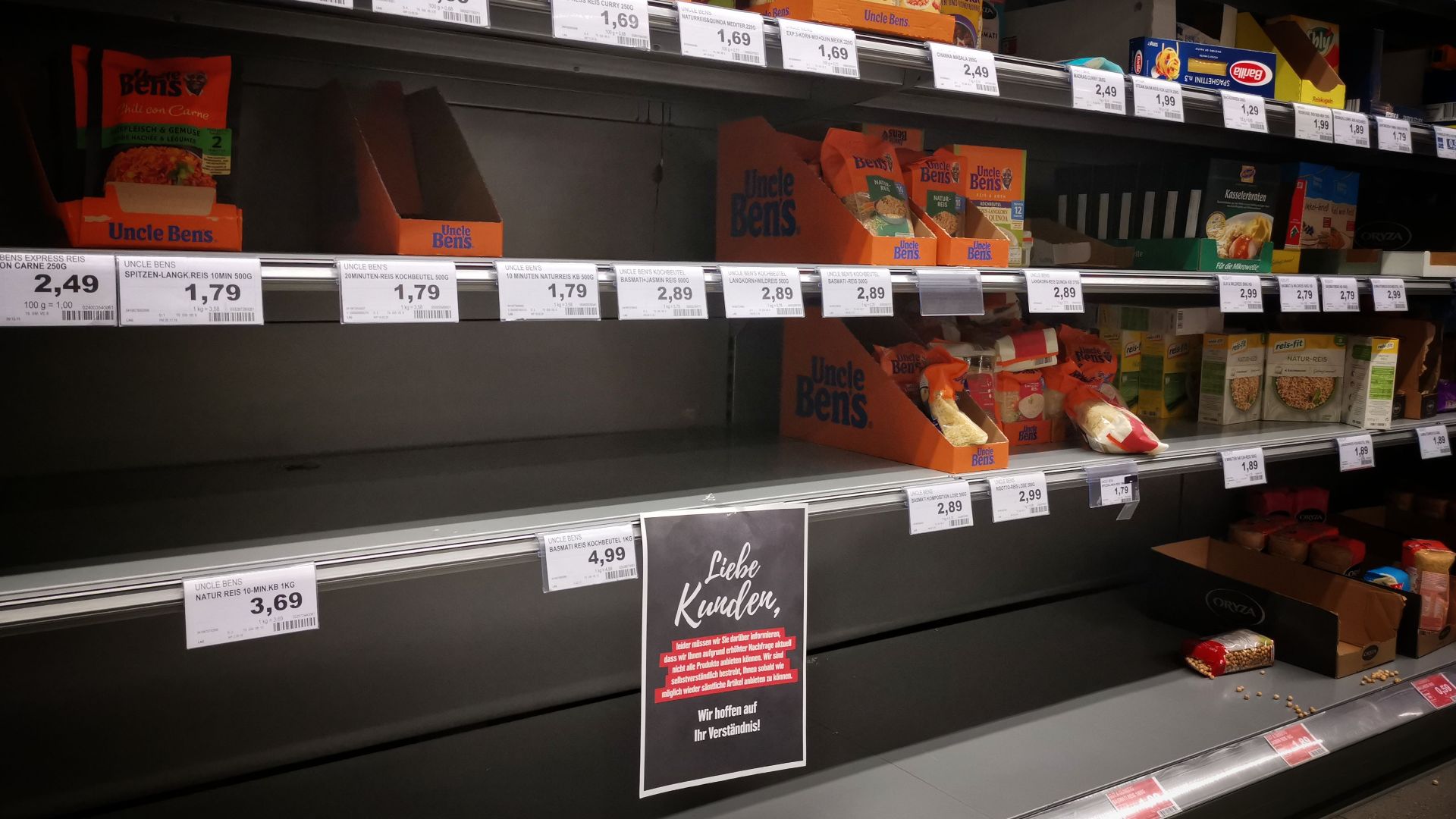
A sold-out sale item could once mean asking an employee for a handwritten rain check and returning another day. Most modern shoppers would find that much too annoying. Yet it demonstrates something we have lost: people routinely delayed purchases. BNPL does the opposite—it lets us delay the payment instead.
Store Loyalty Used To Look Different
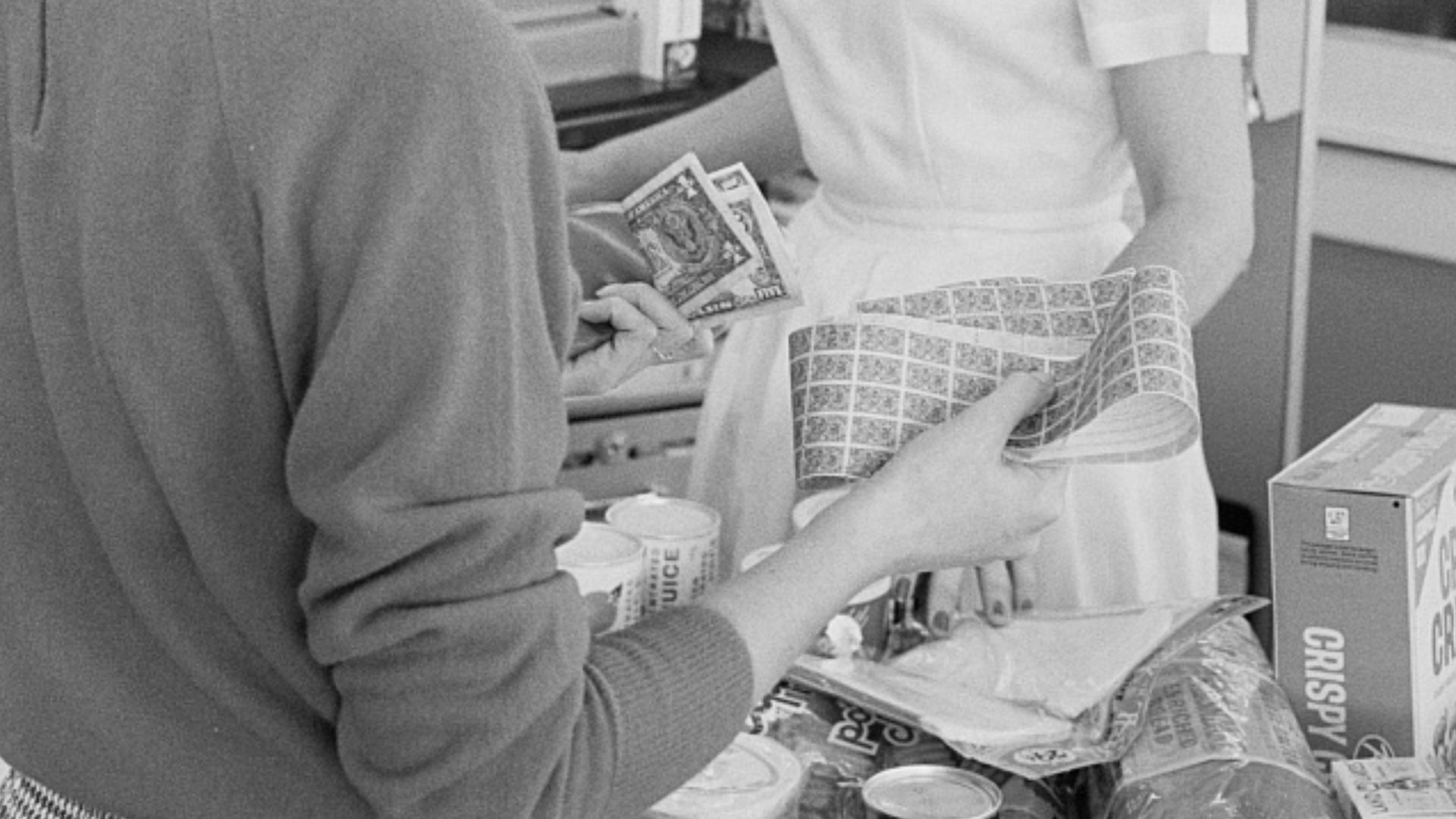
Trading stamps, coupon books, and punch-card-style promotions required patience before shoppers received anything worthwhile. Today’s consumer expects rewards instantly. BNPL taps into the same appetite for immediacy: take the groceries now and deal with the full cost later. That psychological shift is worth discussing openly.
 The Library of Congress, Wikimedia Commons
The Grocery Tab Came With Social Pressure
Some neighborhood stores once allowed trusted customers to run a tab. But owing money to the person behind the counter felt very different from owing an invisible financial company. Digital borrowing removes embarrassment and friction—which is convenient, but can also make debt feel less serious than it really is.
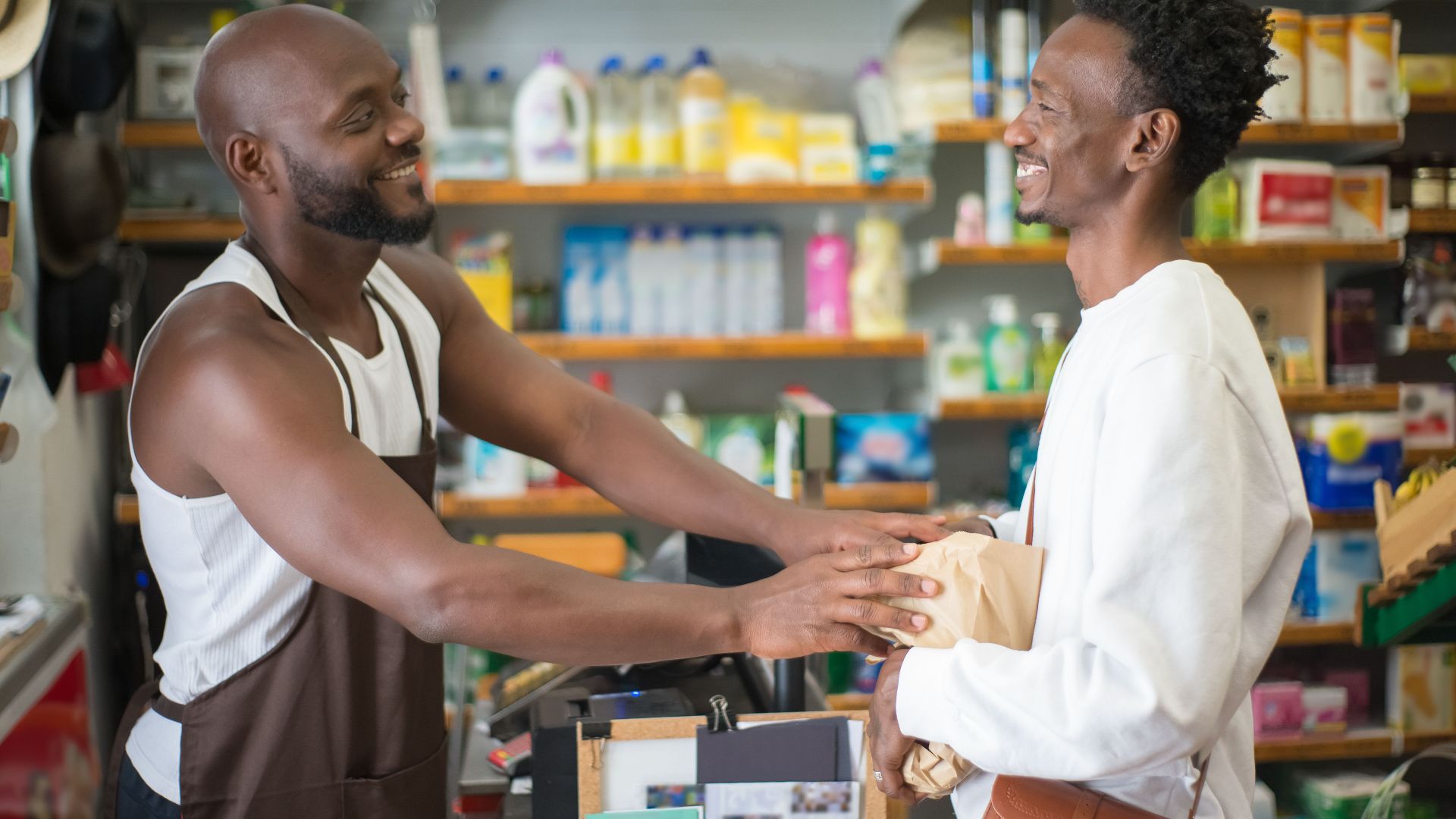
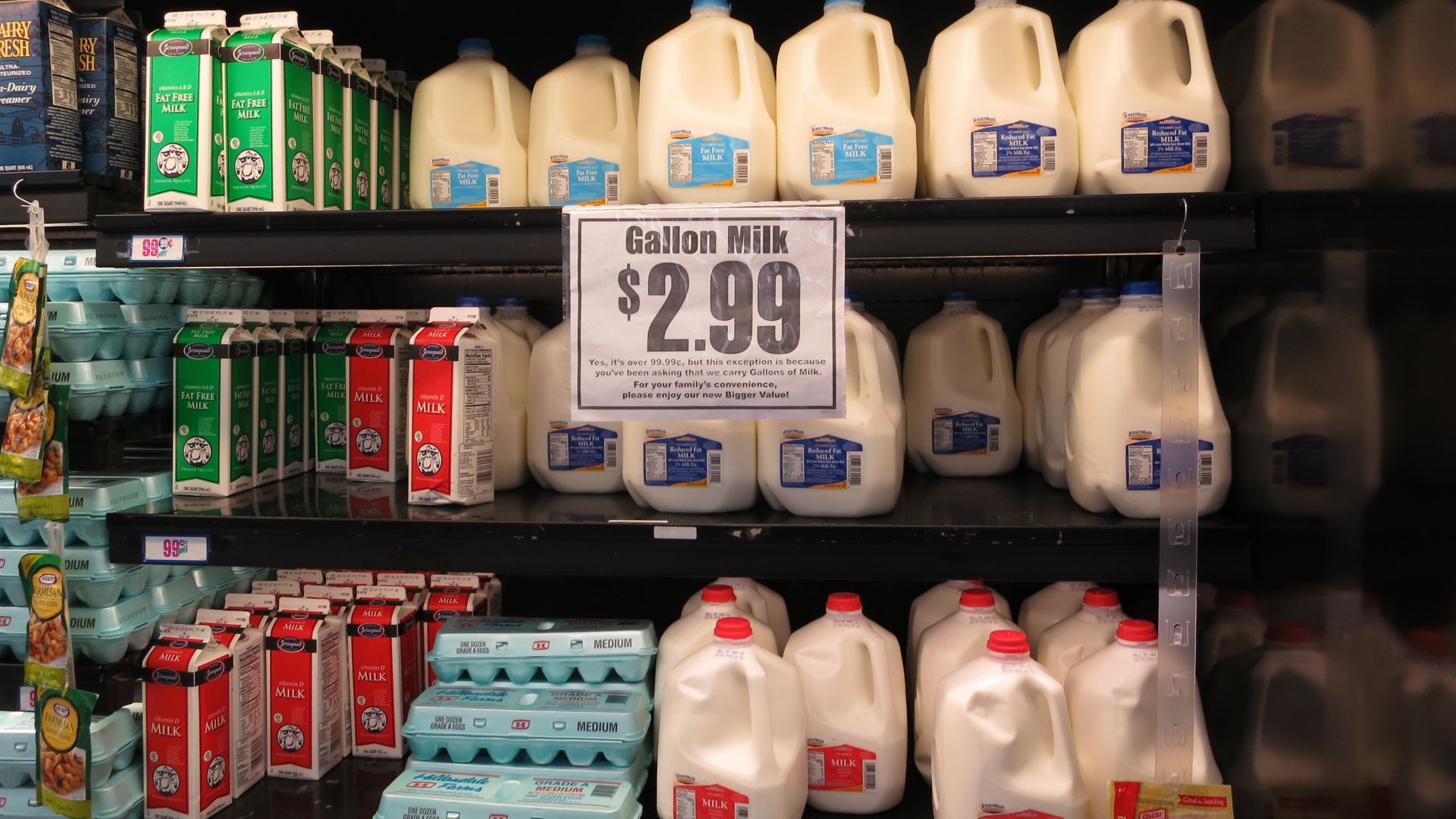
Nobody Financed A Gallon Of Milk
That may be the simplest point to make. Previous generations certainly used credit and struggled with debt, but turning tiny everyday purchases into multiple scheduled payments was far less seamless. Technology hasn’t changed what debt is. It has simply made borrowing small amounts feel extraordinarily normal.
 Chiara Coetzee, Wikimedia Commons
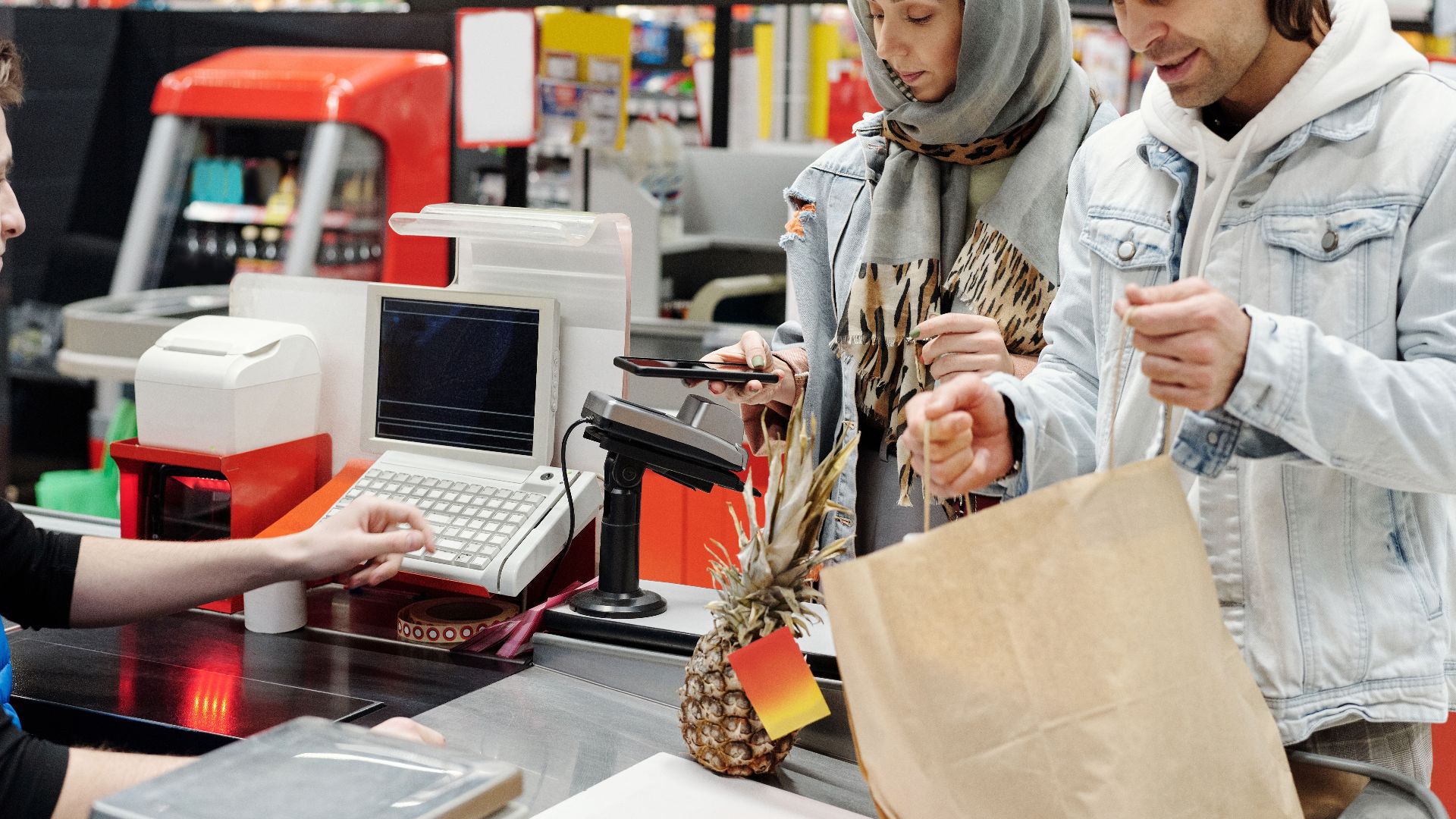
Modern Checkout Is Designed To Feel Easy
Today, convenience is the product. Saved cards, digital wallets, subscriptions, delivery apps, and installment buttons remove obstacles between wanting something and getting it. None is automatically bad. The problem begins when convenience makes it difficult to notice that several future paychecks have already been partially spent.
One Grocery Run Is Not The Problem
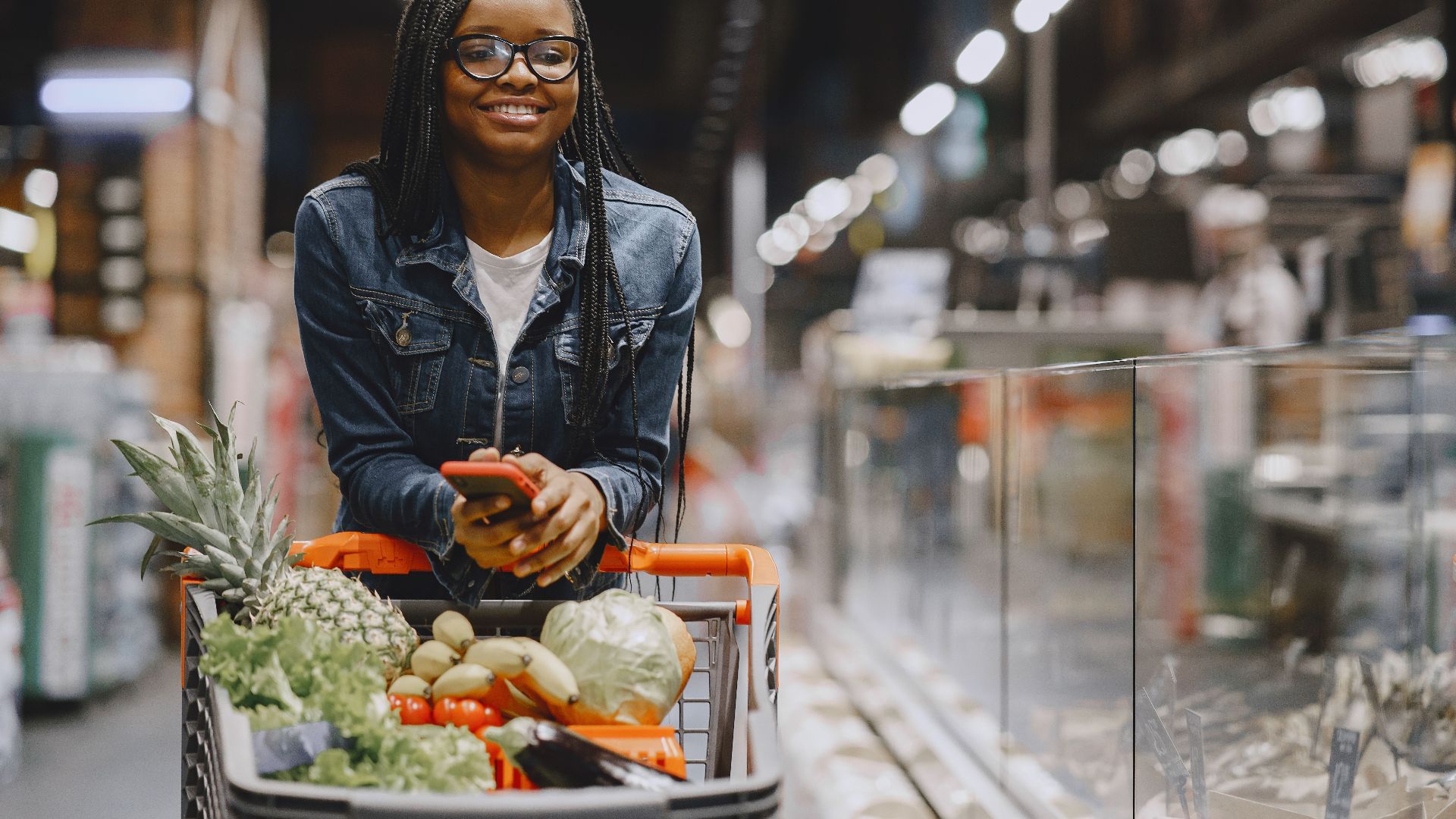
If she used BNPL once because payday was two days away, that’s different from financing groceries every week. Focus on the pattern. Repeated borrowing for recurring expenses can create a conveyor belt where new grocery payments begin before old ones have finished.
Small Payments Can Hide A Big Commitment
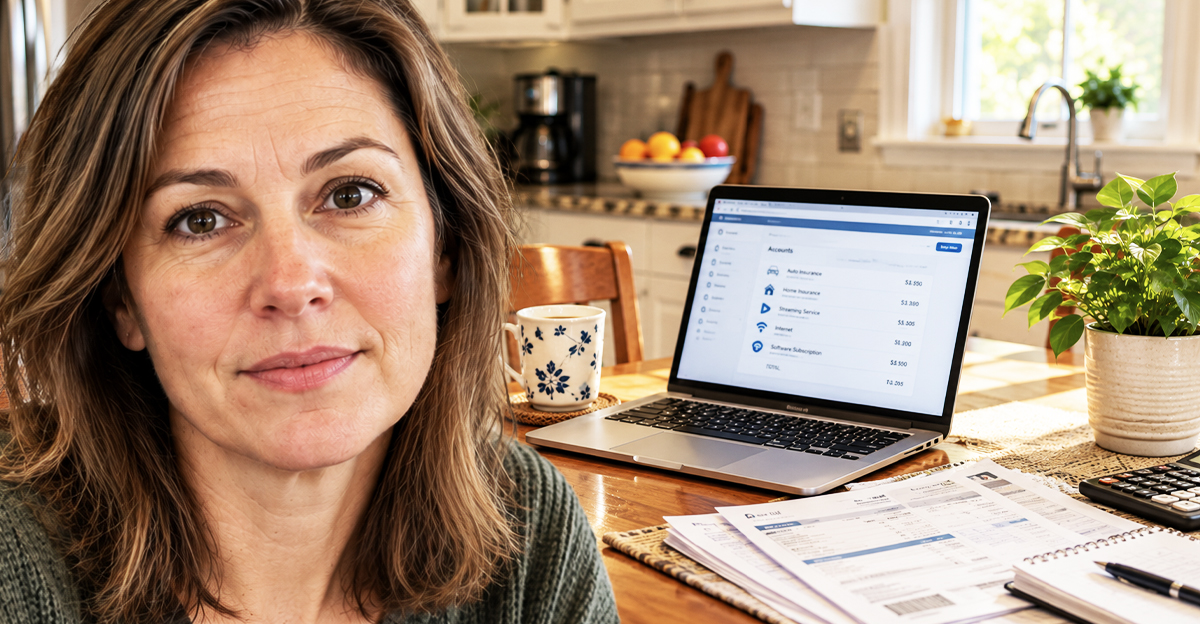
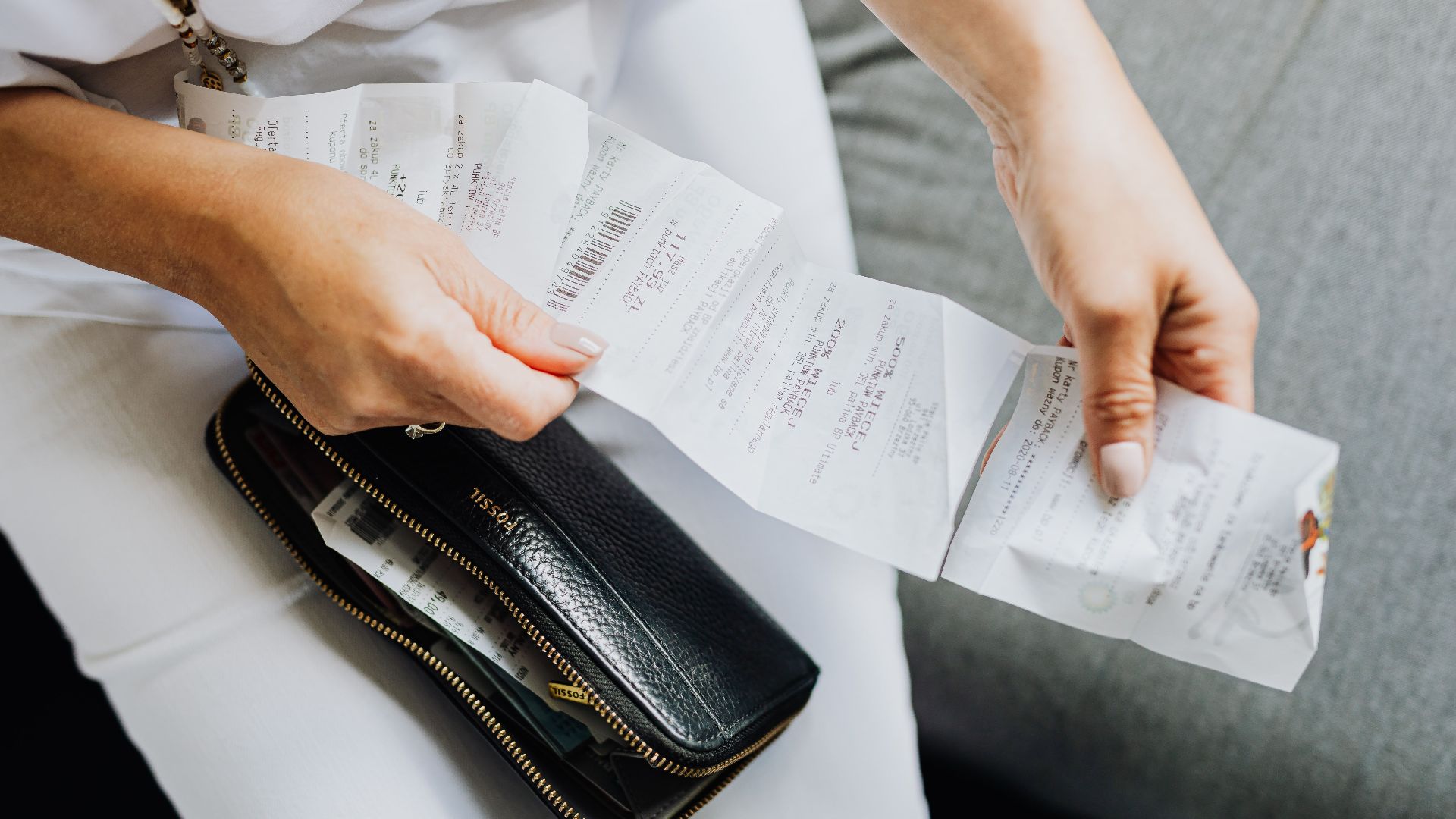
Four payments of $30 sounds easier than a $120 charge. Add groceries, clothes, takeout, concert tickets, and household purchases financed the same way, however, and suddenly several “tiny” payments hit every payday. Discuss the total monthly obligation rather than arguing about individual purchases.
Ask What The Payment Is Solving
There is a huge difference between “I like spreading payments out” and “I literally don’t have enough money for food this week.” The first may be a habit problem. The second is a budget or income problem. You can’t offer useful advice until you know which problem she actually has.

Separate Cash Flow From Overspending
Your daughter may not be buying extravagant groceries at all. Rent, insurance, student loans, childcare, or irregular income could simply leave too little room for food. If that’s happening, criticizing BNPL misses the bigger issue. Help her examine the entire monthly picture rather than obsessing over one payment method.
 https://kaboompics.com/, Pexels
Show The Math Without Giving A Lecture
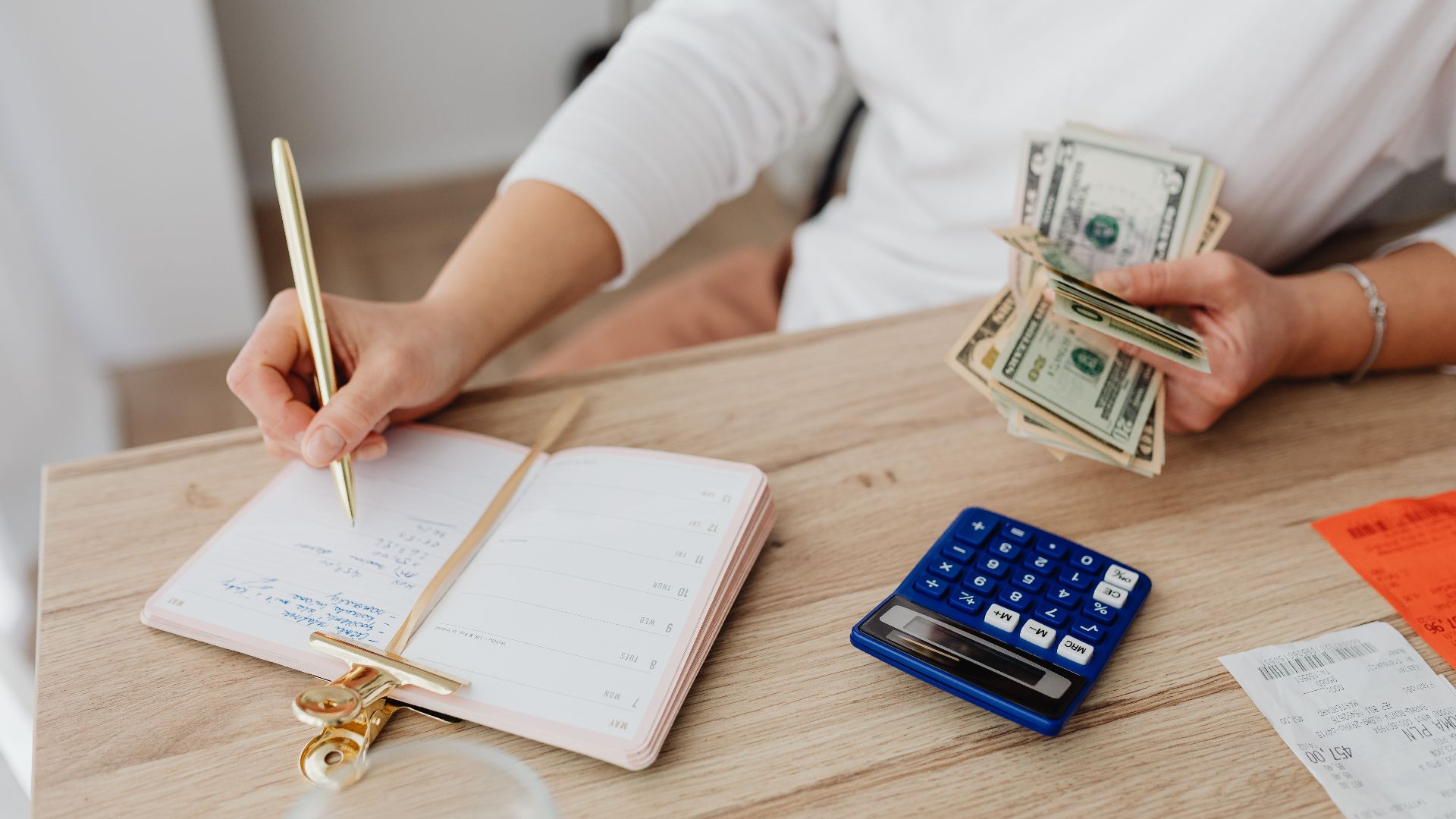
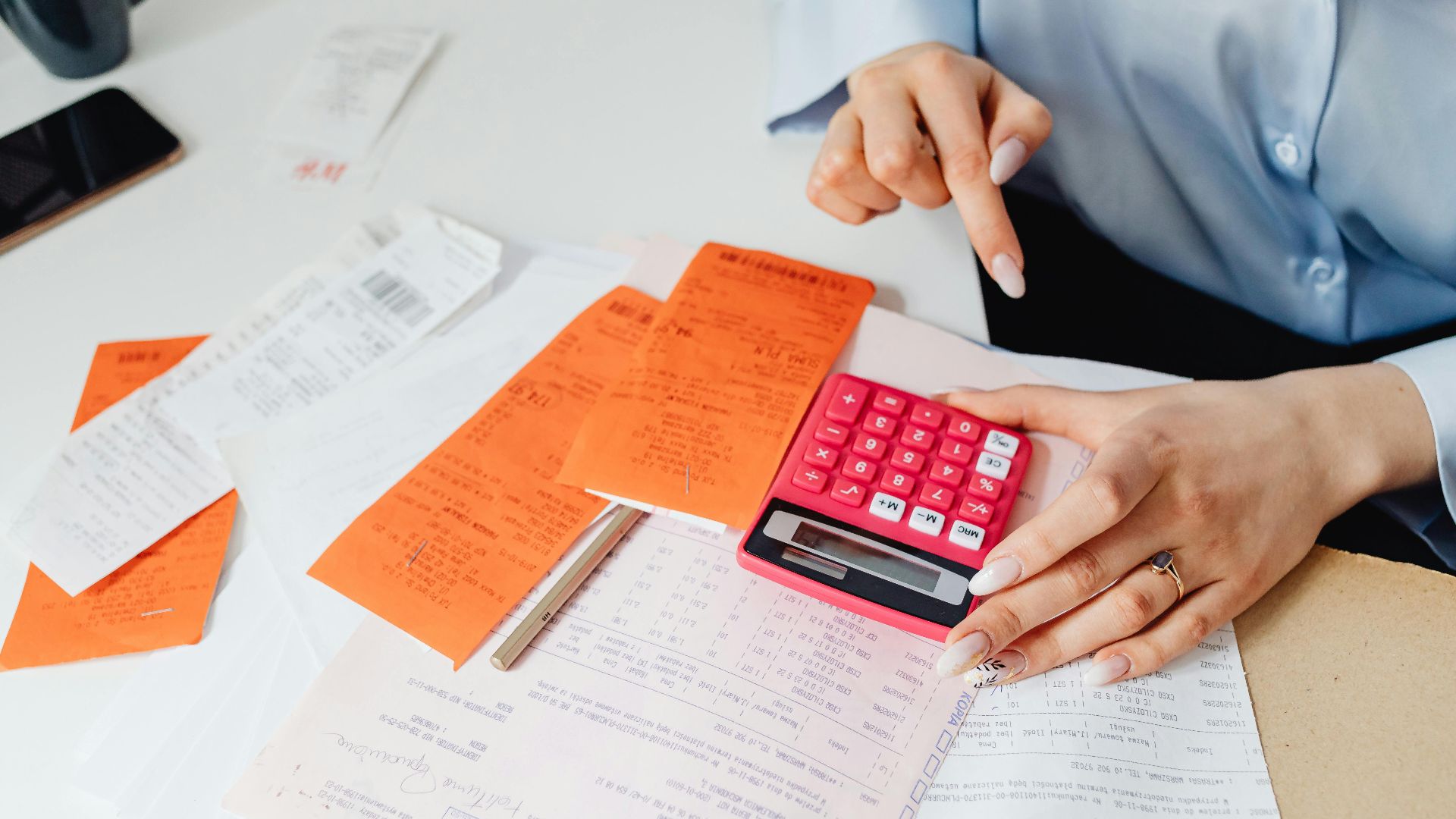
Ask her to total every installment payment scheduled over the next month. Seeing $28 here and $41 there combine into several hundred dollars can be surprisingly powerful. You don’t need a speech. Sometimes a calendar and calculator make the argument more effectively than a parent ever could.

Call It Future Grocery Money
A useful way to describe BNPL is “spending future grocery money.” Every installment due next month reduces what next month’s paycheck can buy. If she keeps financing recurring basics, each new month starts with part of its budget already spoken for. That is the cycle you’re worried about.
 https://kaboompics.com/, Pexels
Build A Small Grocery Buffer
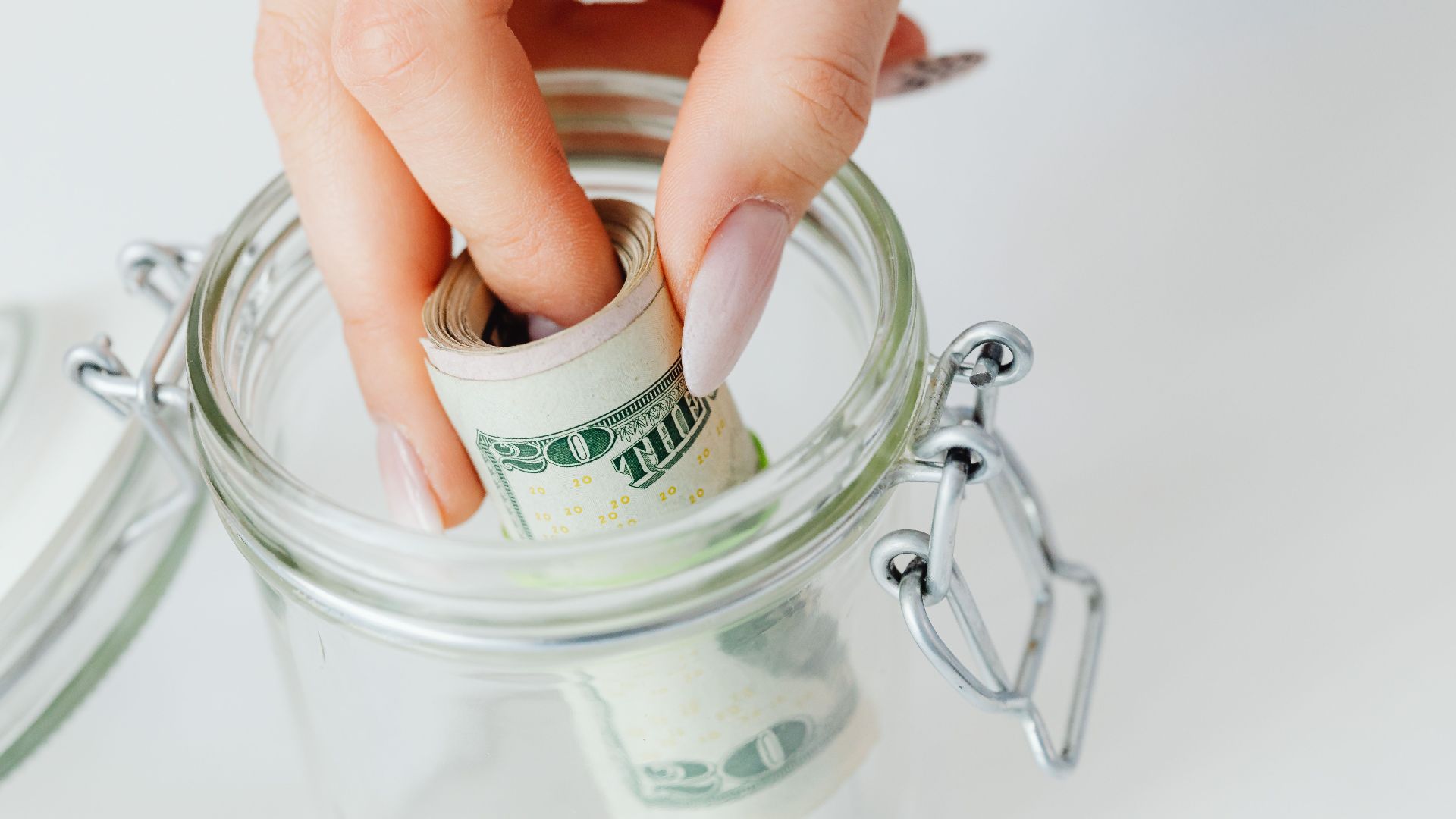
Instead of aiming immediately for a giant emergency fund, suggest something more achievable: one extra week of grocery money. Even $100 or $150 set aside specifically for food can create breathing room. Once that buffer exists, an awkward payday doesn’t automatically require another installment plan.
 https://kaboompics.com/, Pexels
Make The Grocery Budget Realistic
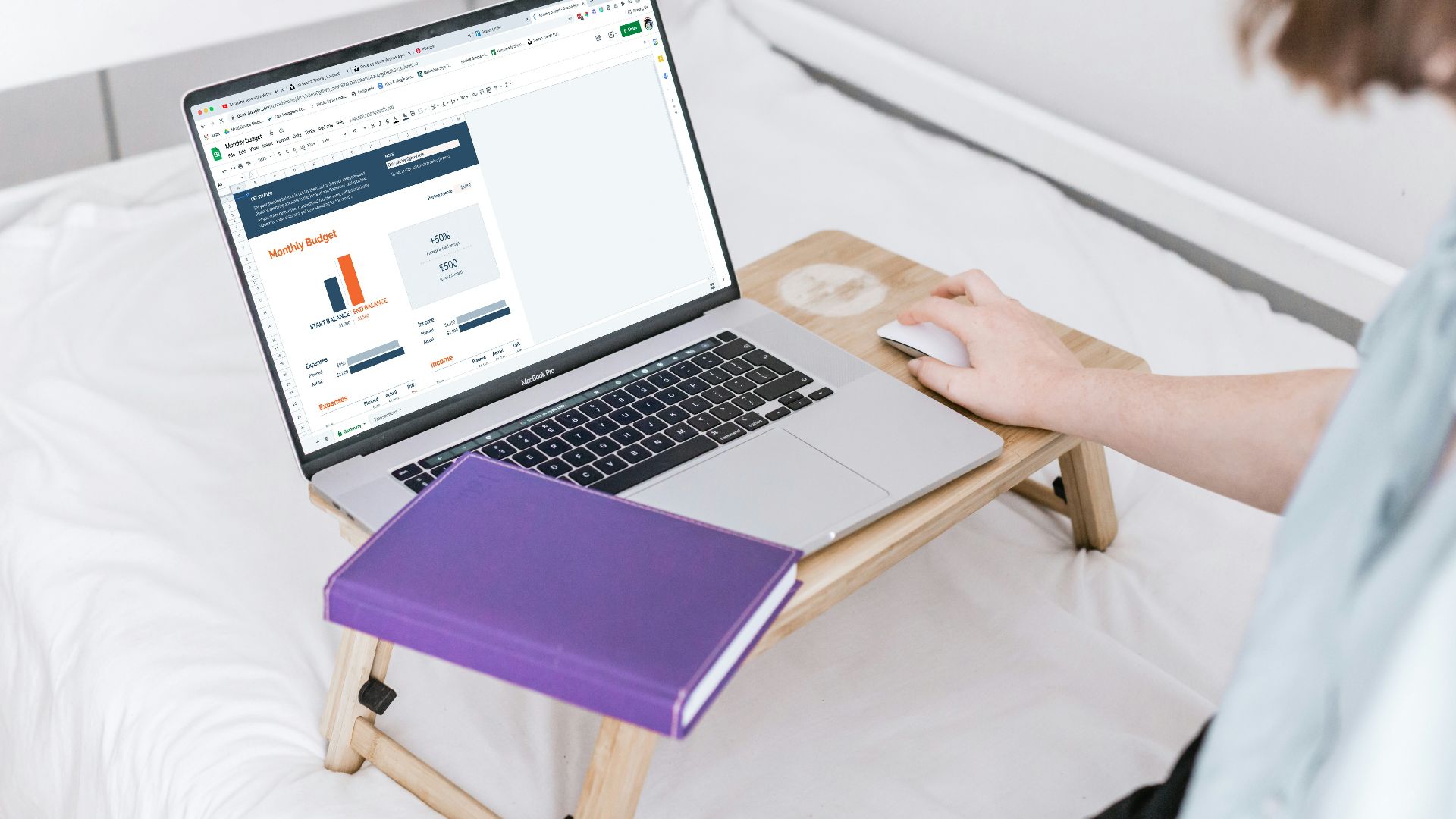
A budget that assumes food prices will magically behave is destined to fail. She may need to increase the grocery category and cut somewhere else. That isn’t defeat; it’s budgeting. A believable $500 food budget is more useful than pretending she can survive comfortably on $300.
Keep Convenience Without Borrowing
She doesn’t have to return to cash envelopes, paper coupons, and handwritten shopping lists. A separate grocery account, prepaid card, budgeting app, or weekly spending transfer can create limits without giving up modern convenience. The best system is one she can realistically keep using.
Be Careful About Rescuing Her
If you can afford to help, repeatedly paying off her installments may relieve the immediate pressure without changing the pattern. Assistance works better when paired with a plan. Perhaps you help create the initial grocery buffer while she agrees to stop adding new BNPL purchases for ordinary food.

Give Her Room To Make The Decision
She is an adult, which means you can explain the risk without controlling the outcome. Say what concerns you, offer help with the numbers, and then give her space. Financial habits often change faster when people feel they are making a decision rather than obeying an instruction.

Make Debt Feel Visible Again
The best lesson from 1980s grocery shopping isn’t that everything was better. It wasn’t. It’s that spending was often harder to hide from yourself. Your goal isn’t to scare your daughter away from every form of credit. It’s to help her see that when basics require borrowing, the payment method may be masking a problem worth fixing.

You May Also Like:
Grocery Store Tricks From The 1980s That Would Never Work On Shoppers Today