Grocery Shopping Was A Different Game
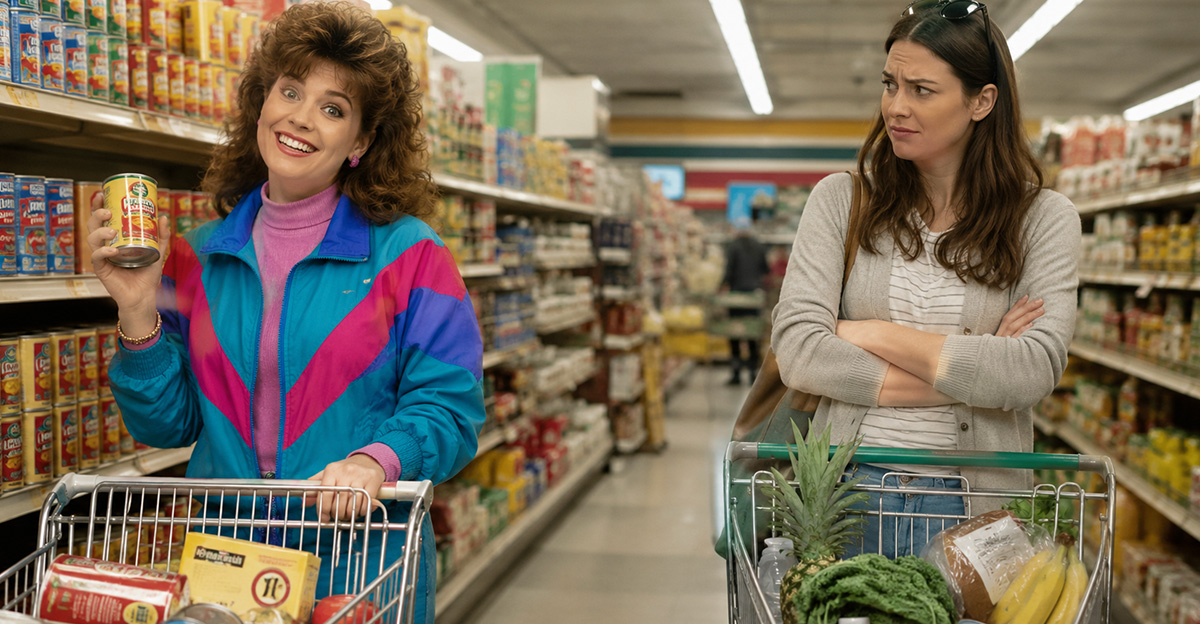
Walking into a grocery store in the 1980s meant entering a world without smartphones, online reviews, price-comparison apps, or digital coupons. Supermarkets had plenty of clever ways to encourage shoppers to spend more, and many worked beautifully. Try some of those same tricks today, though, and shoppers might laugh their way to the checkout.
The Giant Coupon Book
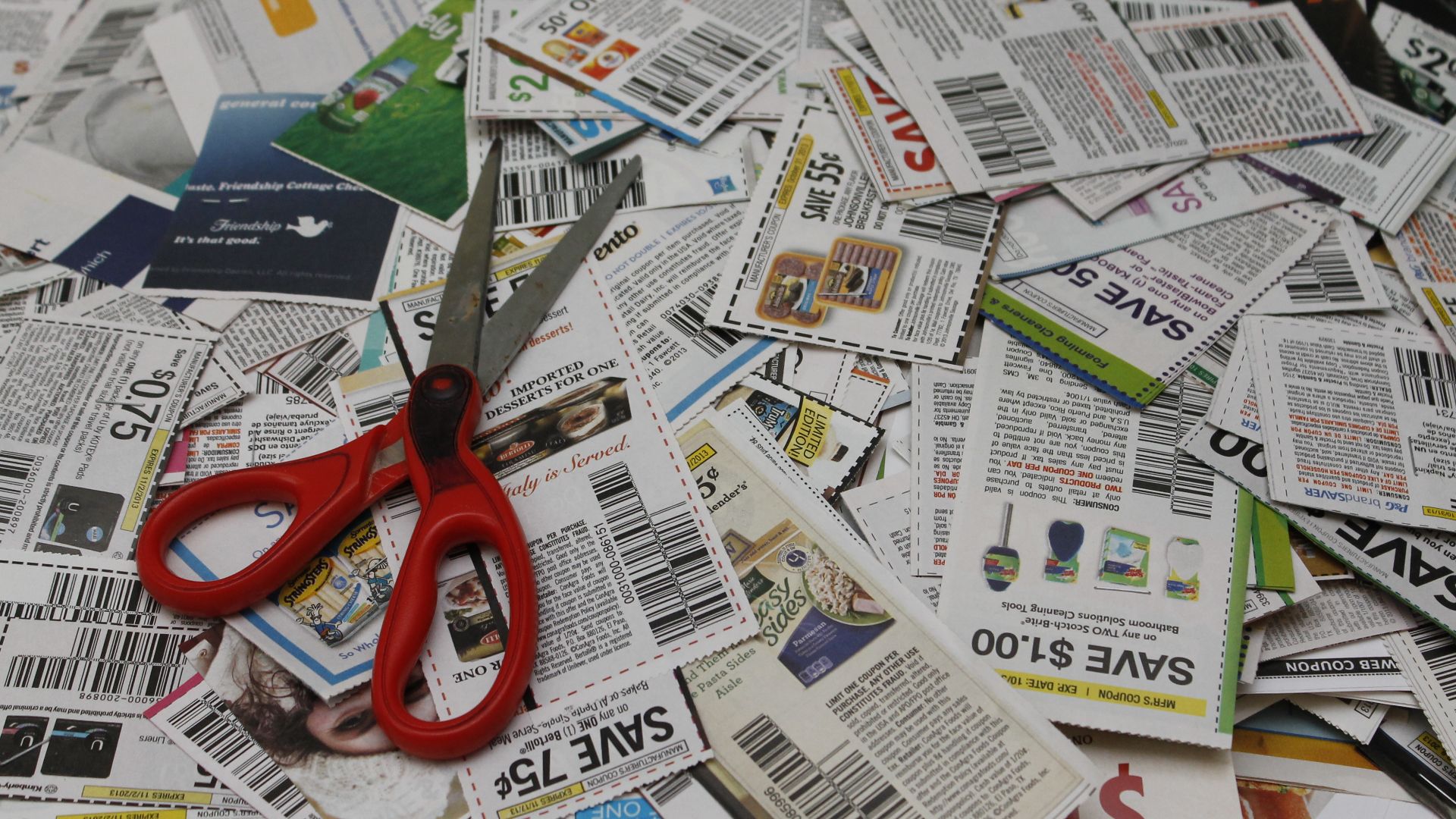
Sunday newspapers once arrived stuffed with pages of supermarket coupons, and shoppers would spend serious time clipping them out with scissors. Stores counted on customers forgetting which coupons they had or when they expired. Today, digital coupons, loyalty apps, and automatic discounts have made the old paper-coupon maze feel almost prehistoric.
 Carol Pyles from Winter Haven, FL, US, Wikimedia Commons
The Mysterious Manager’s Special
A bright sticker reading “Manager’s Special” could make almost anything seem like a bargain. Shoppers often had little way of knowing whether the price was actually special. Modern customers can pull out a phone, compare prices in seconds, and discover whether that supposedly incredible deal deserves the enthusiastic sticker.
Prices Without Easy Comparisons
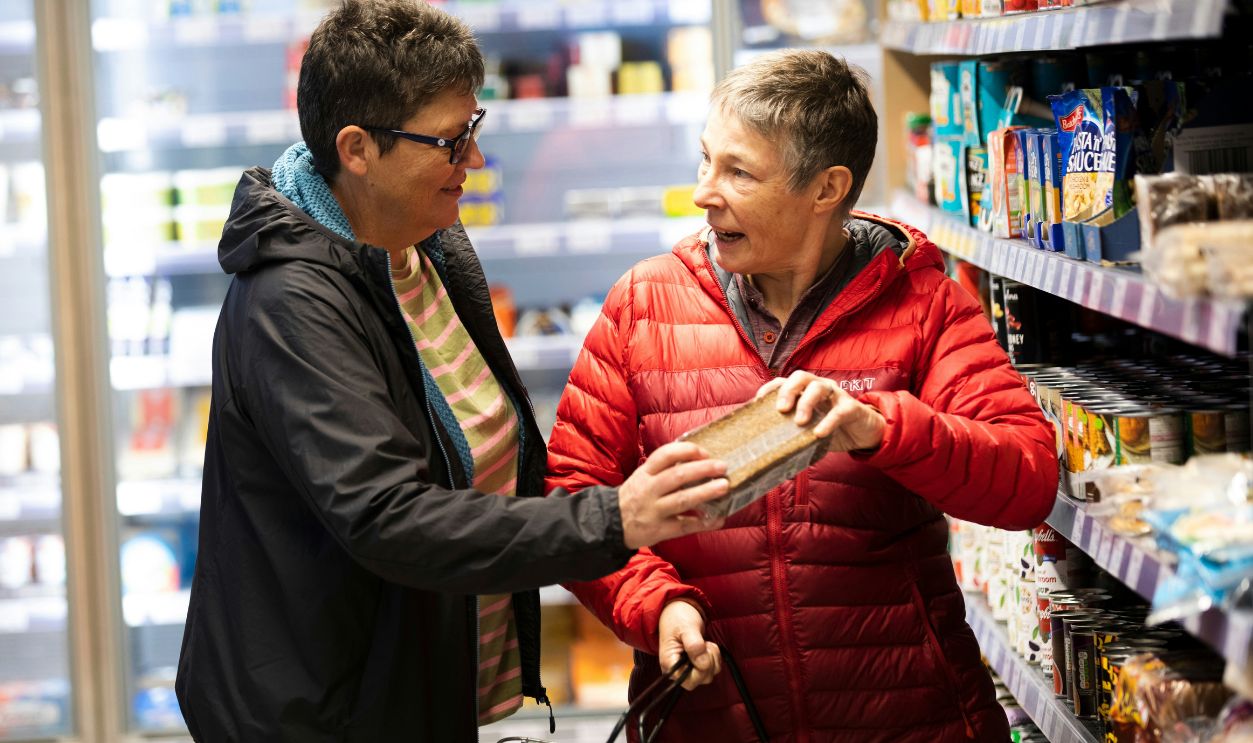
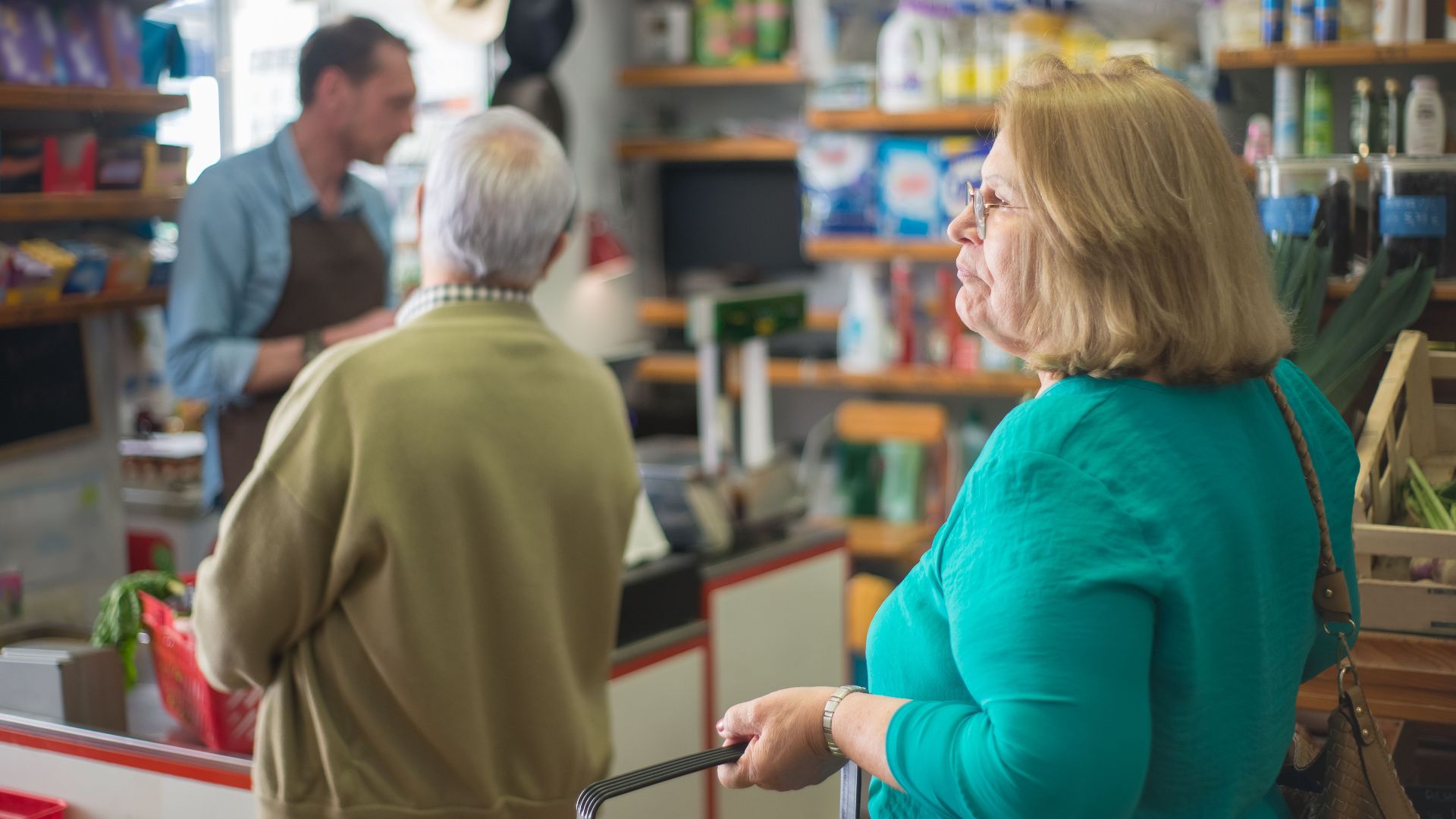
Before unit pricing became widespread and shoppers grew accustomed to checking cost per ounce, stores could make a larger package look like the better deal simply because it looked economical. Today’s shoppers are much better equipped to compare package sizes, and many shelf labels practically do the math for them.
 Centre for Ageing Better, Unsplash
The Endcap Illusion
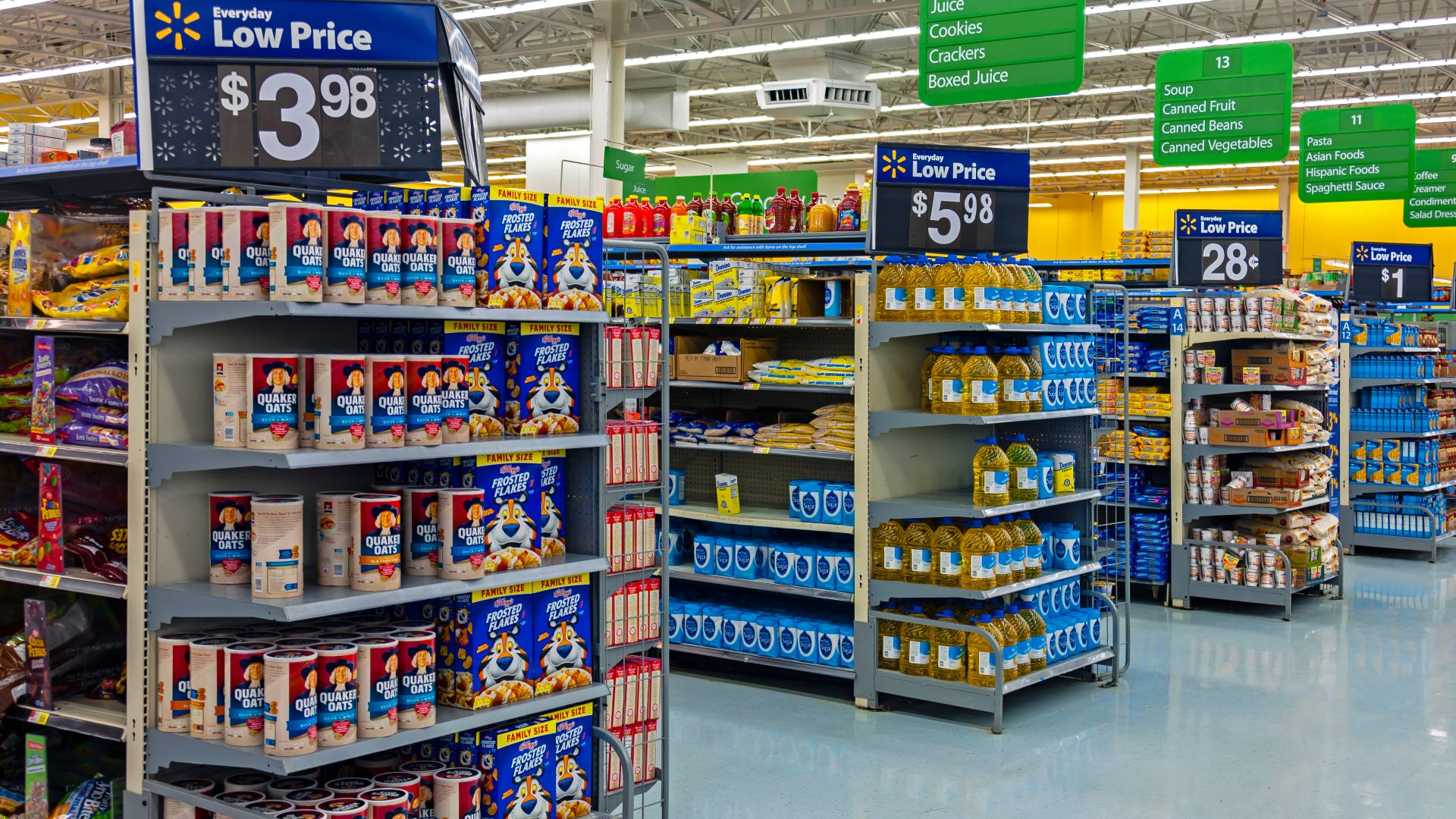
Products displayed at the ends of supermarket aisles once seemed automatically important—and possibly discounted. Stores knew shoppers associated prominent placement with bargains. Modern customers have learned that an endcap doesn’t necessarily mean “sale.” Sometimes it just means a company paid or negotiated for some very valuable supermarket real estate.
 Daniel Case, Wikimedia Commons
The Checkout Candy Ambush
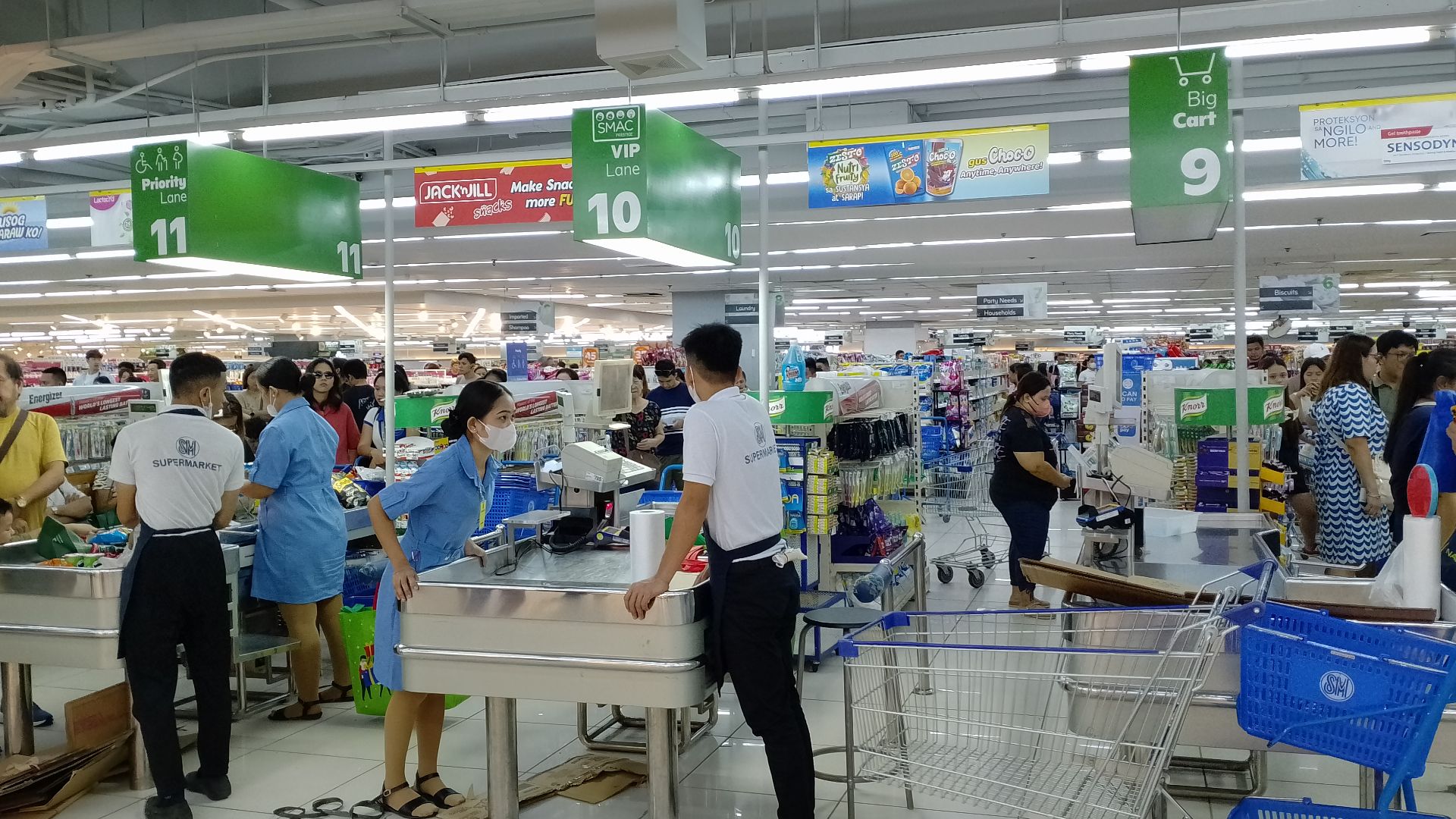
Candy bars, gum, magazines, and tiny toys surrounding the register were designed to capture one final impulse purchase. The strategy still exists, of course, but shoppers are much more aware of it. Self-checkout lanes and mobile ordering have also made it easier to escape without adding chocolate to the bill.
 Wide Awake!, Wikimedia Commons
The Enormous Sale Sign
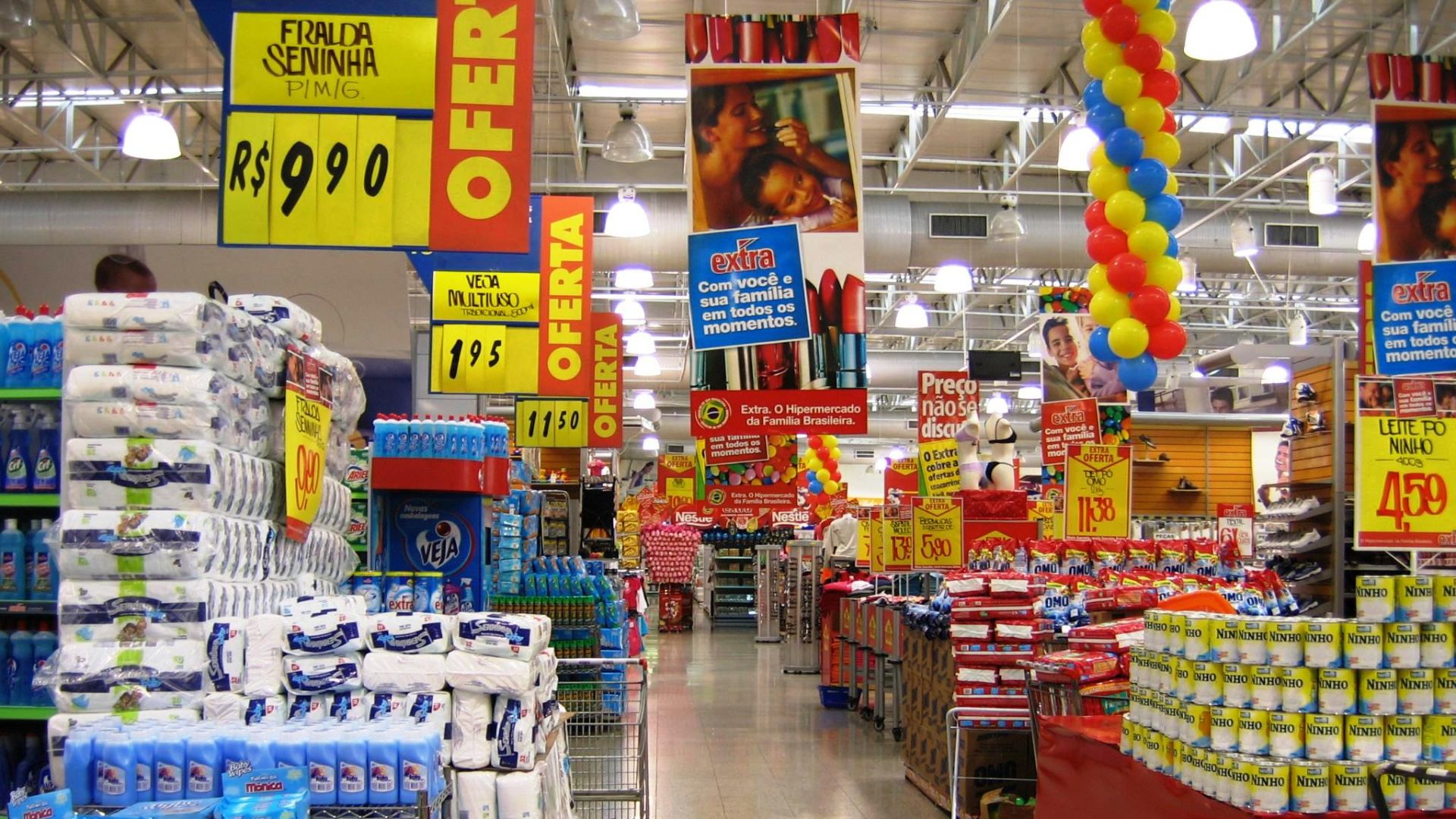
In the 1980s, a giant handwritten “SALE” sign could do a remarkable amount of persuasive work. Customers weren’t always carrying last week’s prices in their pockets. Today, price histories, store apps, online flyers, and comparison tools make it harder to turn a modest discount into an earth-shattering shopping event.
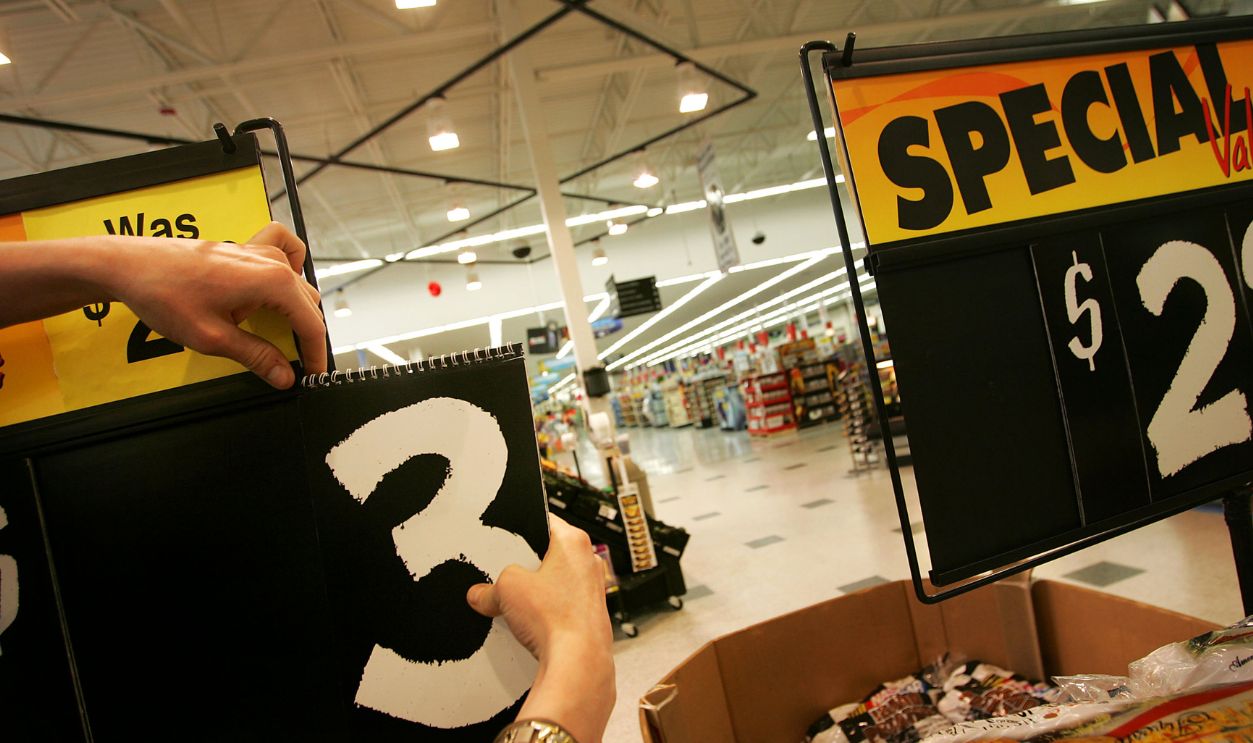
The Three-For-A-Dollar Trap
Signs advertising “3 for $1” or “10 for $10” encouraged people to buy the full advertised quantity, even when they didn’t need that much. Many modern shoppers now realize they can often buy just one item at the same per-unit price, making the psychological trick considerably less powerful.
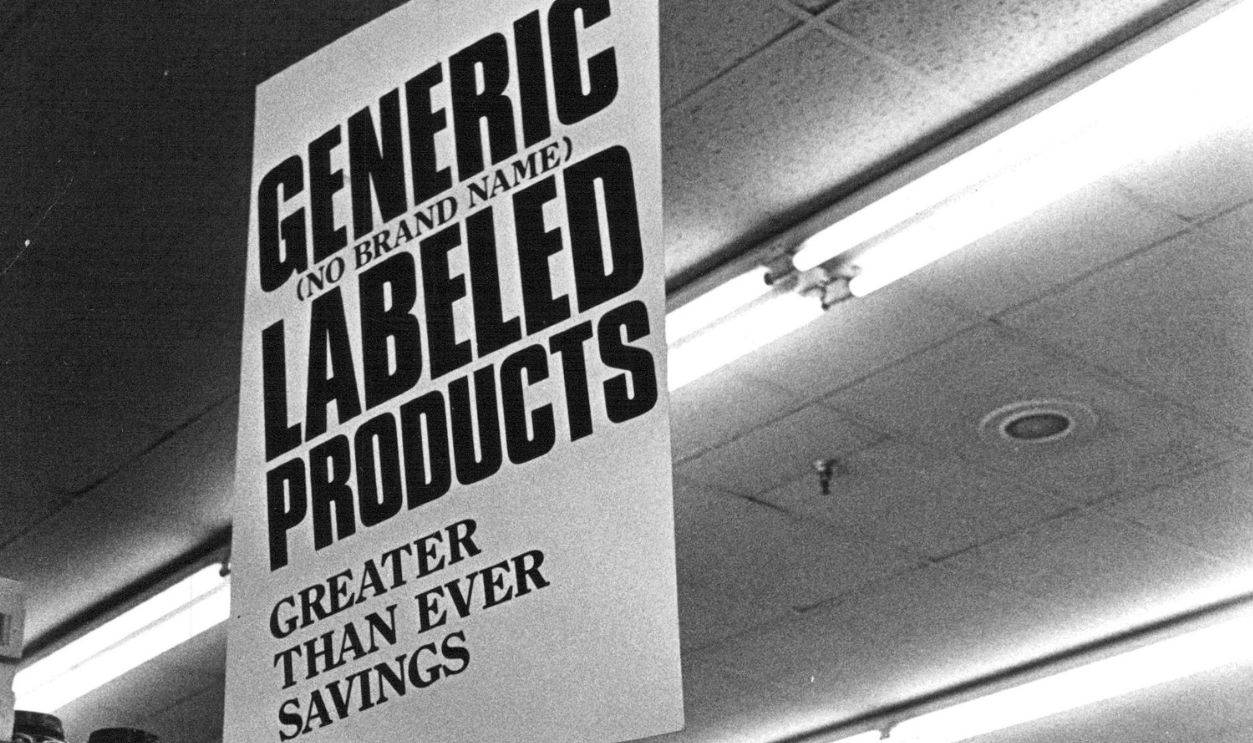
The No-Name Bargain Mystery
Generic products in plain packaging screamed “cheap” in the 1980s, but shoppers often had no easy way to judge quality without trying them. Today, store brands have reviews, detailed ingredient lists, nutritional information, and devoted fan bases. Consumers can quickly discover whether the cheaper alternative is actually worth buying.
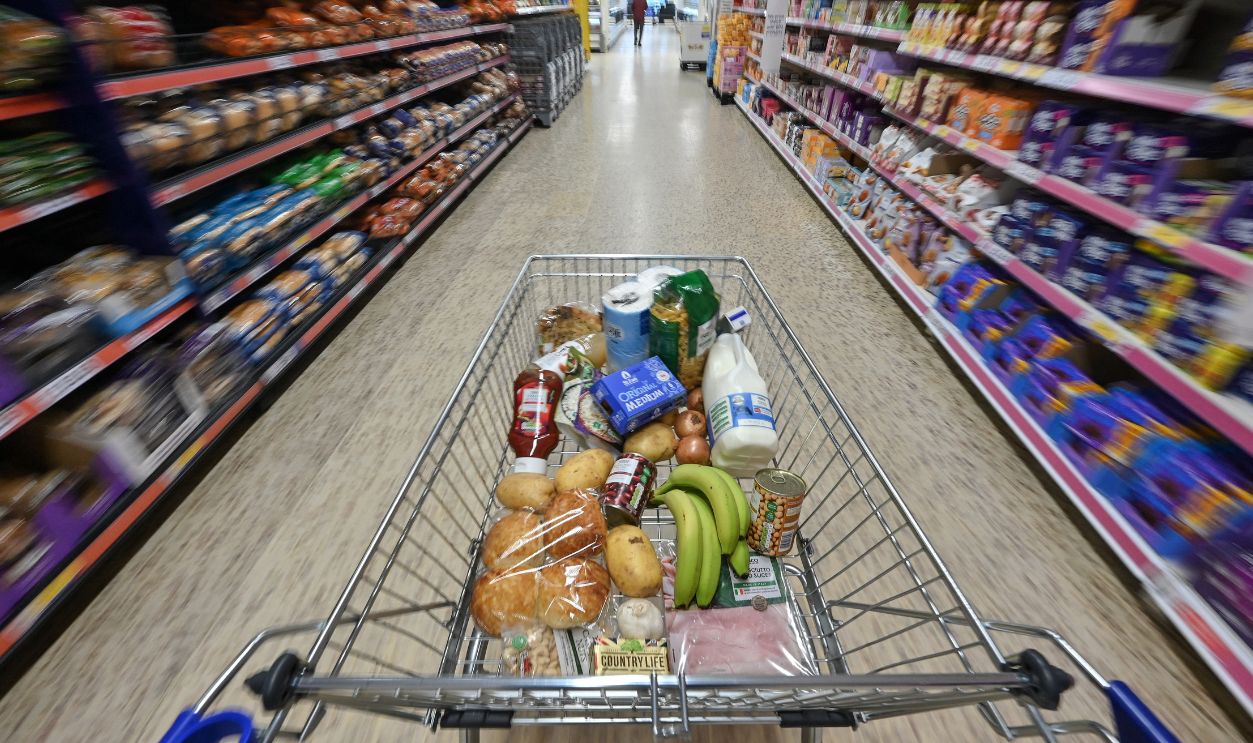
The Bigger Cart Strategy
Supermarkets discovered that giving shoppers plenty of cart space made it easier to keep adding items. A half-empty giant cart could make a perfectly reasonable grocery haul seem tiny. That psychology hasn’t disappeared, but budget-conscious consumers increasingly shop with lists, apps, spending limits, and pickup orders that reduce wandering.
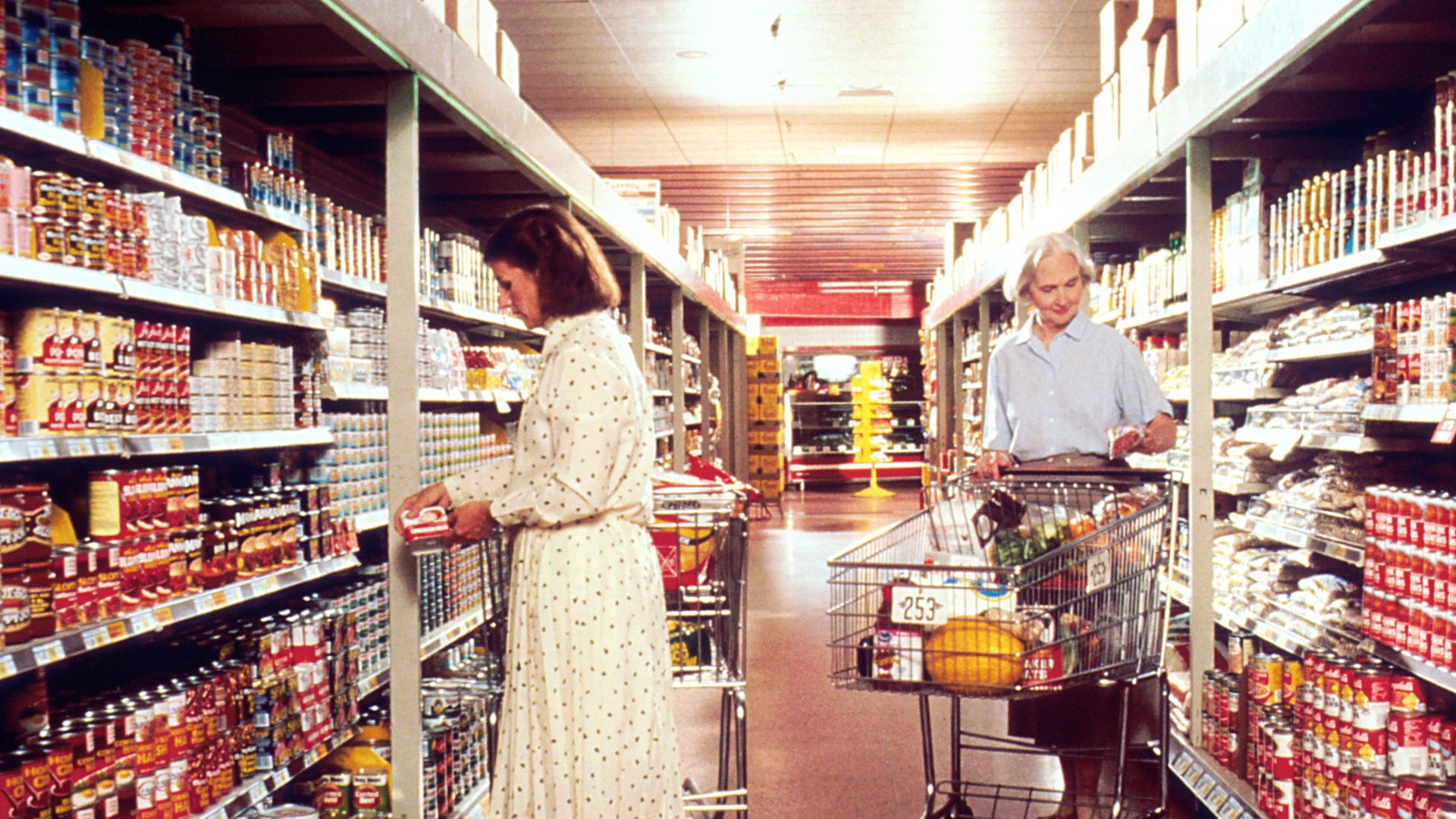
The Maze-Like Store Layout
Milk in the back. Bread somewhere else. Eggs nowhere near either one. Grocery stores deliberately encouraged customers to pass as many products as possible while collecting basics. Modern shoppers understand the game, and online grocery ordering lets them skip the supermarket treasure hunt entirely.
 Bill Branson (Photographer), Wikimedia Commons
The Recipe Card Upsell
Free recipe cards could quietly encourage shoppers to buy five or six ingredients they hadn’t planned on purchasing. It was clever marketing disguised as cooking inspiration. Today, people have millions of free recipes online, often with substitutions and budget filters, making supermarket recipe cards far less influential.
The Free Sample Pressure
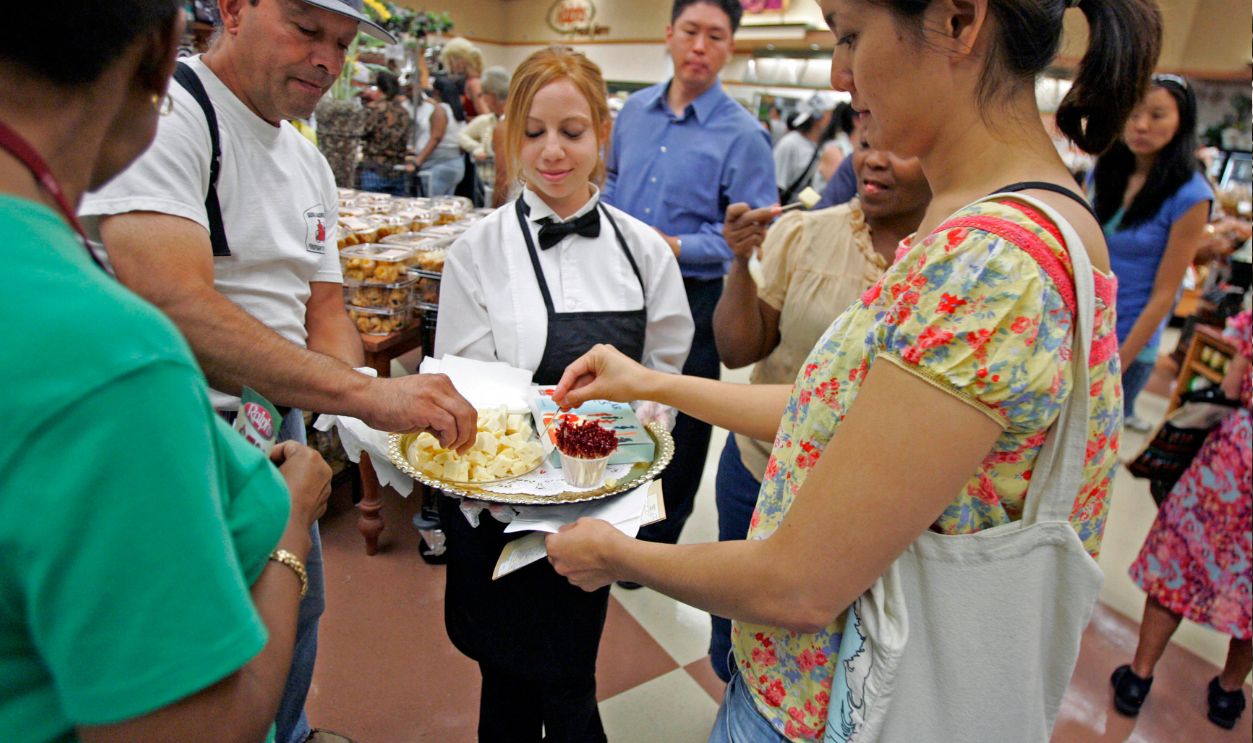
A friendly employee offering cheese cubes or sausage bites created a powerful feeling of obligation. After accepting a sample, some shoppers felt awkward walking away without buying. Modern consumers are more accustomed to sampling culture and tend to treat a free bite exactly as advertised: free.
The “Limit Four” Mind Game
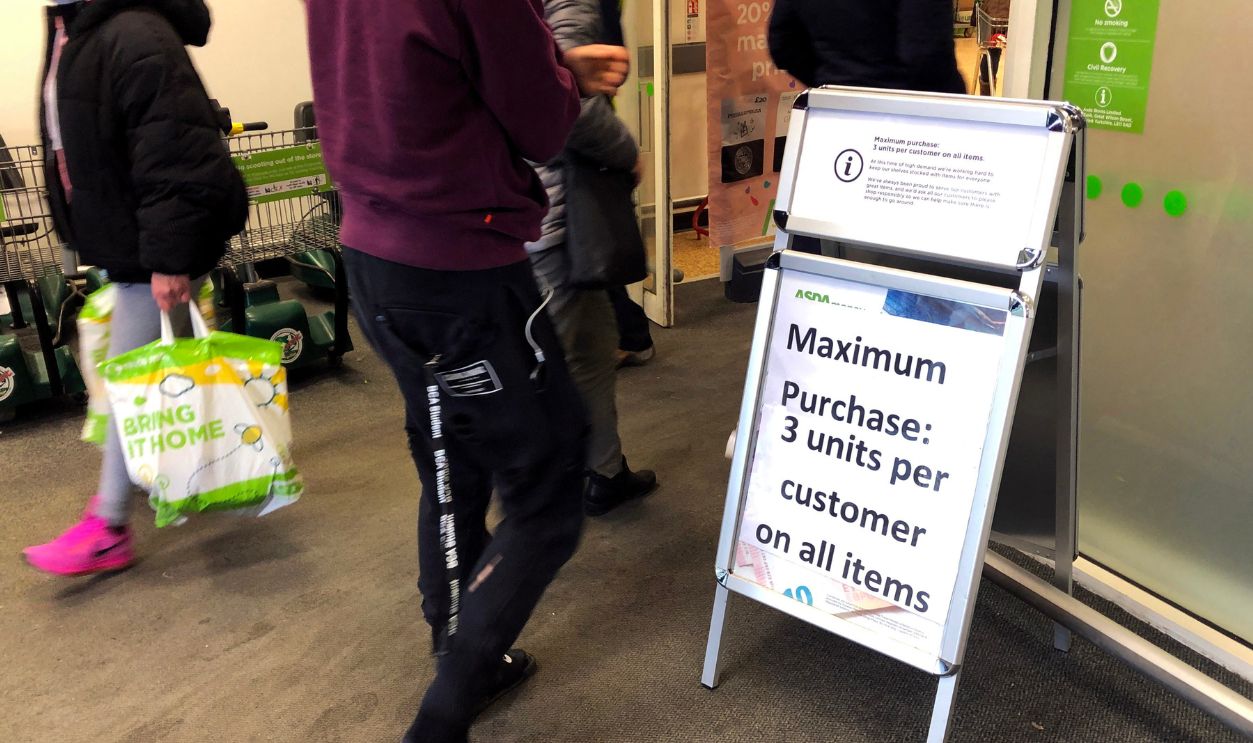
Putting a purchase limit on an ordinary sale item could create instant scarcity. Suddenly, shoppers wondered whether they should grab four before everyone else did. Today’s consumers are much more familiar with scarcity marketing, and unless shelves are genuinely empty, a dramatic purchase limit may earn more skepticism than urgency.
The Weekly Flyer Frenzy
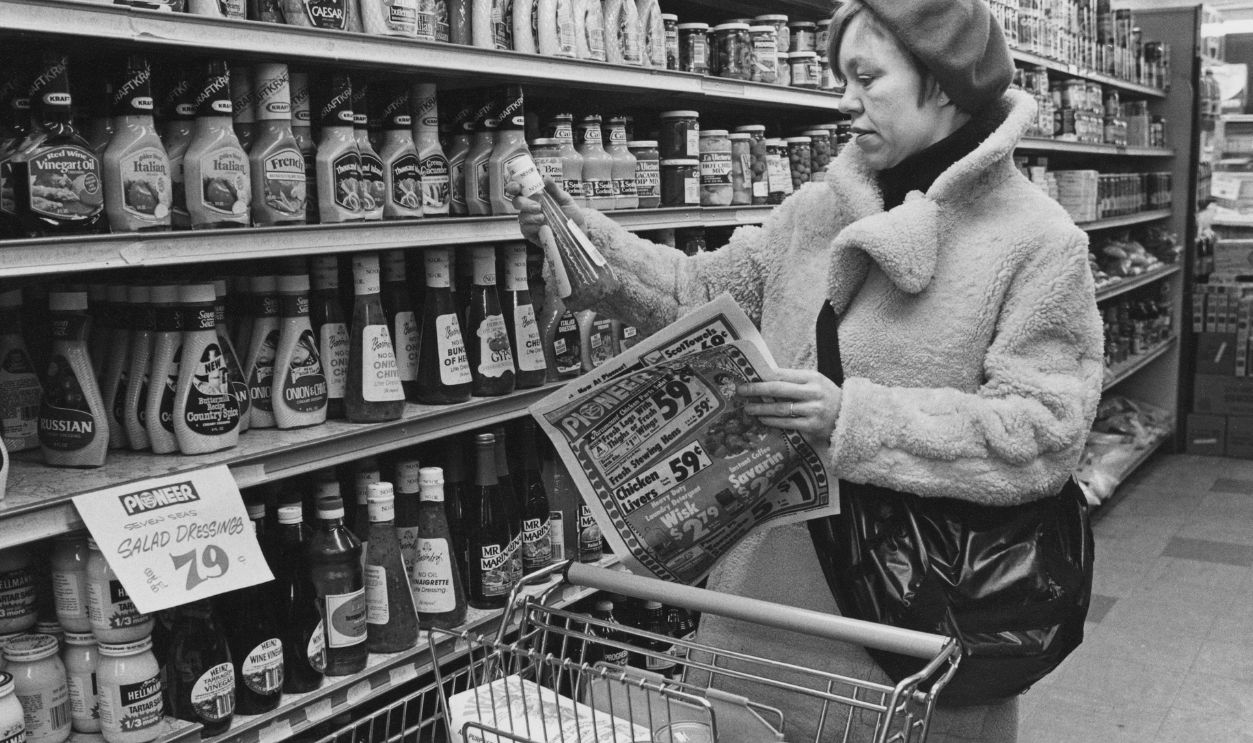
Supermarket flyers once had enormous influence because they were among the easiest ways to discover local prices. Stores could decide which bargains received attention and which quietly stayed expensive. Modern shoppers can compare competing stores online before leaving home, making a single retailer’s flyer far less powerful.
The Celebrity Recipe Endorsement
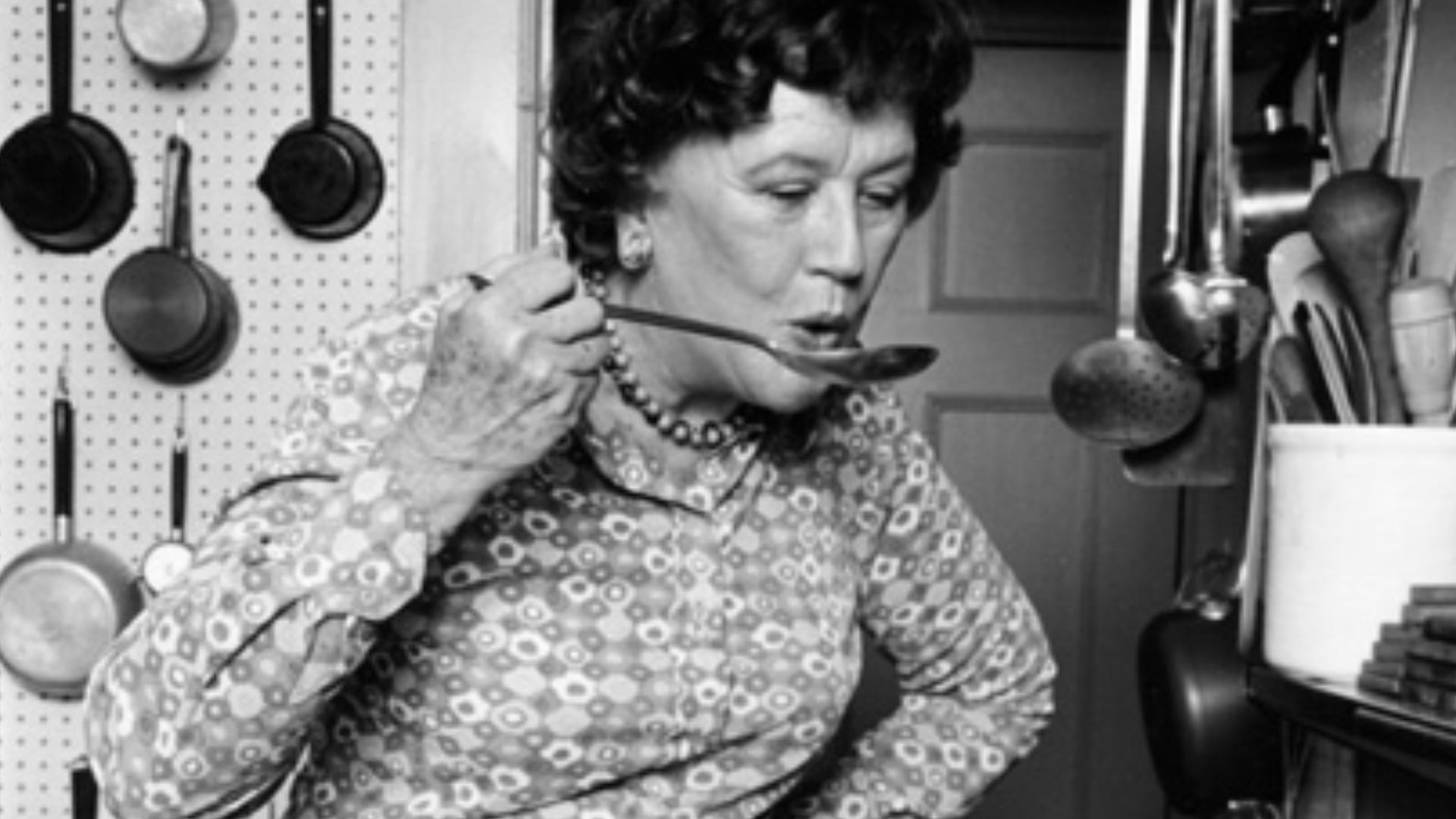
Put a recognizable television personality next to a casserole recipe and shoppers might happily purchase the featured ingredients. Celebrity endorsements still exist, but modern consumers can immediately research whether a recommendation is genuine, sponsored, trendy, or questionable. Fame alone doesn’t carry quite the grocery-shopping authority it once did.
 Lynn Gilbert, Wikimedia Commons
The Checkout Magazine Tease
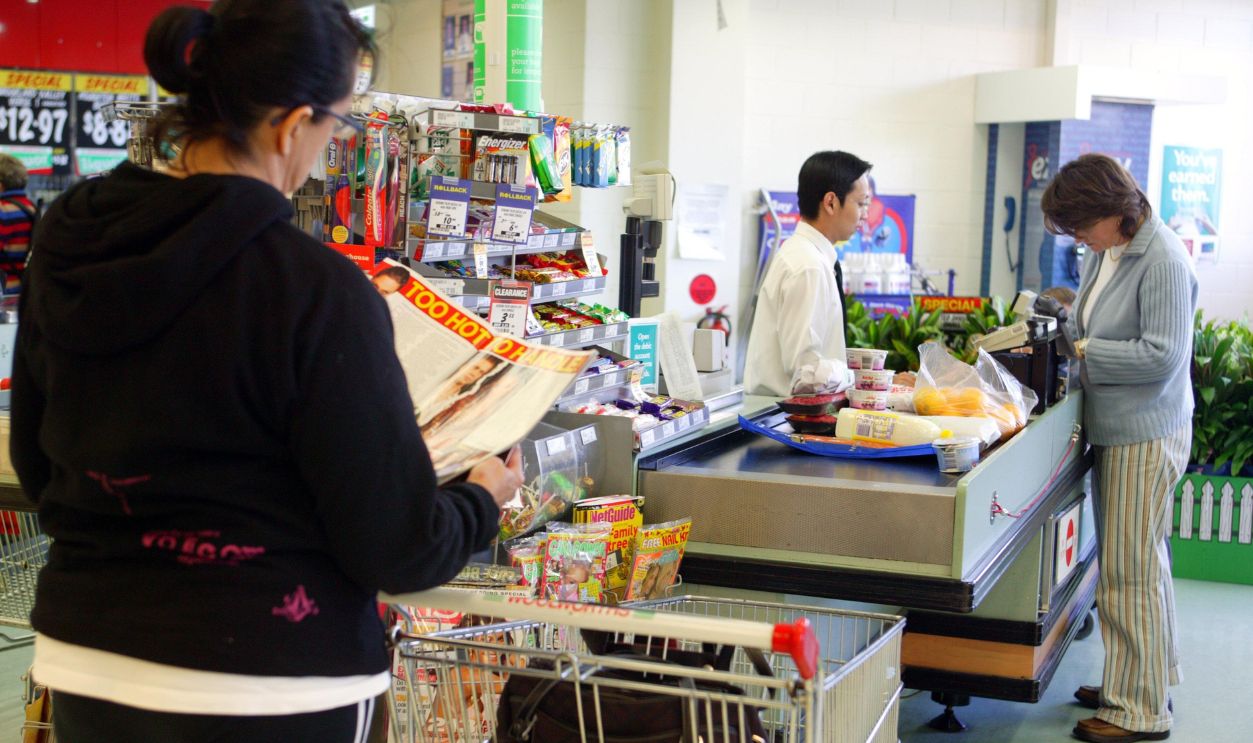
Those dramatic supermarket tabloids and glossy magazines were perfectly positioned for bored shoppers waiting in long checkout lines. A wild headline could easily produce an impulse purchase. Phones changed everything. Today, anyone stuck waiting usually has endless entertainment already sitting in their pocket.
The “New And Improved” Label
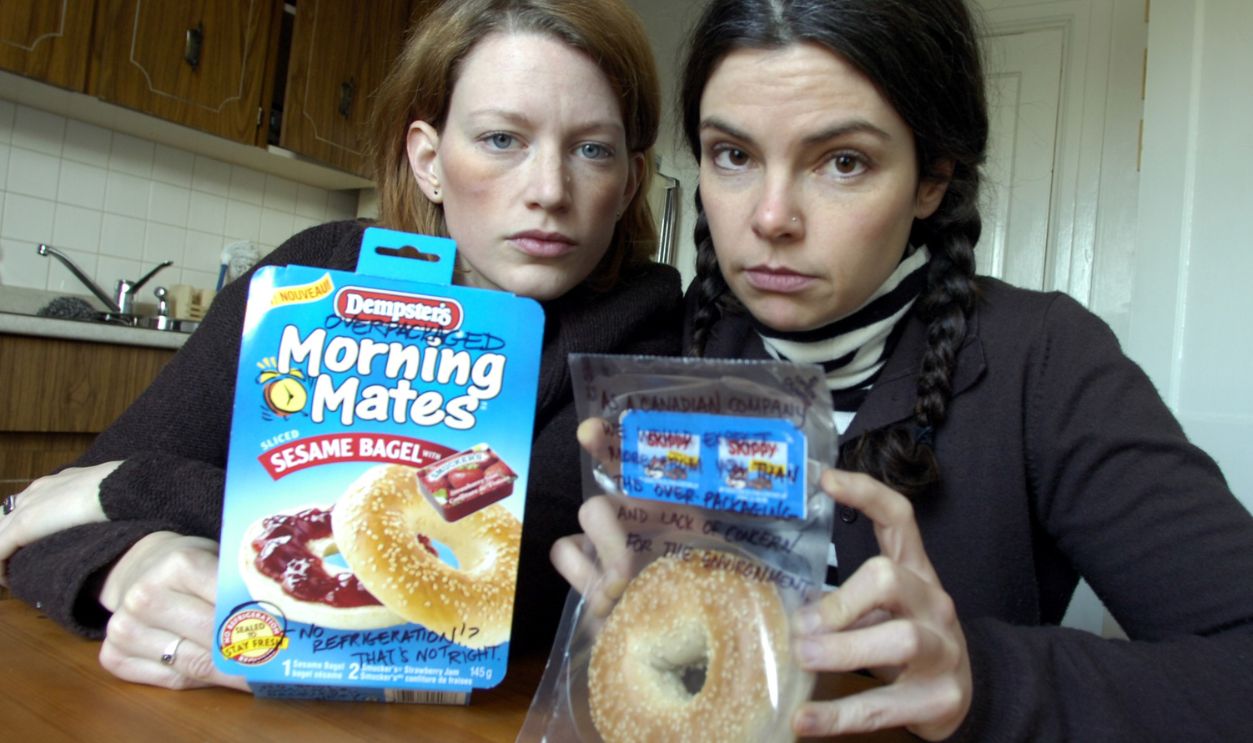
Manufacturers could slap “New and Improved” on packaging without consumers having many convenient ways to investigate what had actually changed. Modern shoppers can search ingredient changes, product reviews, Reddit debates, and company announcements before deciding whether “improved” really means better—or merely different packaging.
 en:User:Rlsheehan, Wikimedia Commons
The Oversized Package Trick
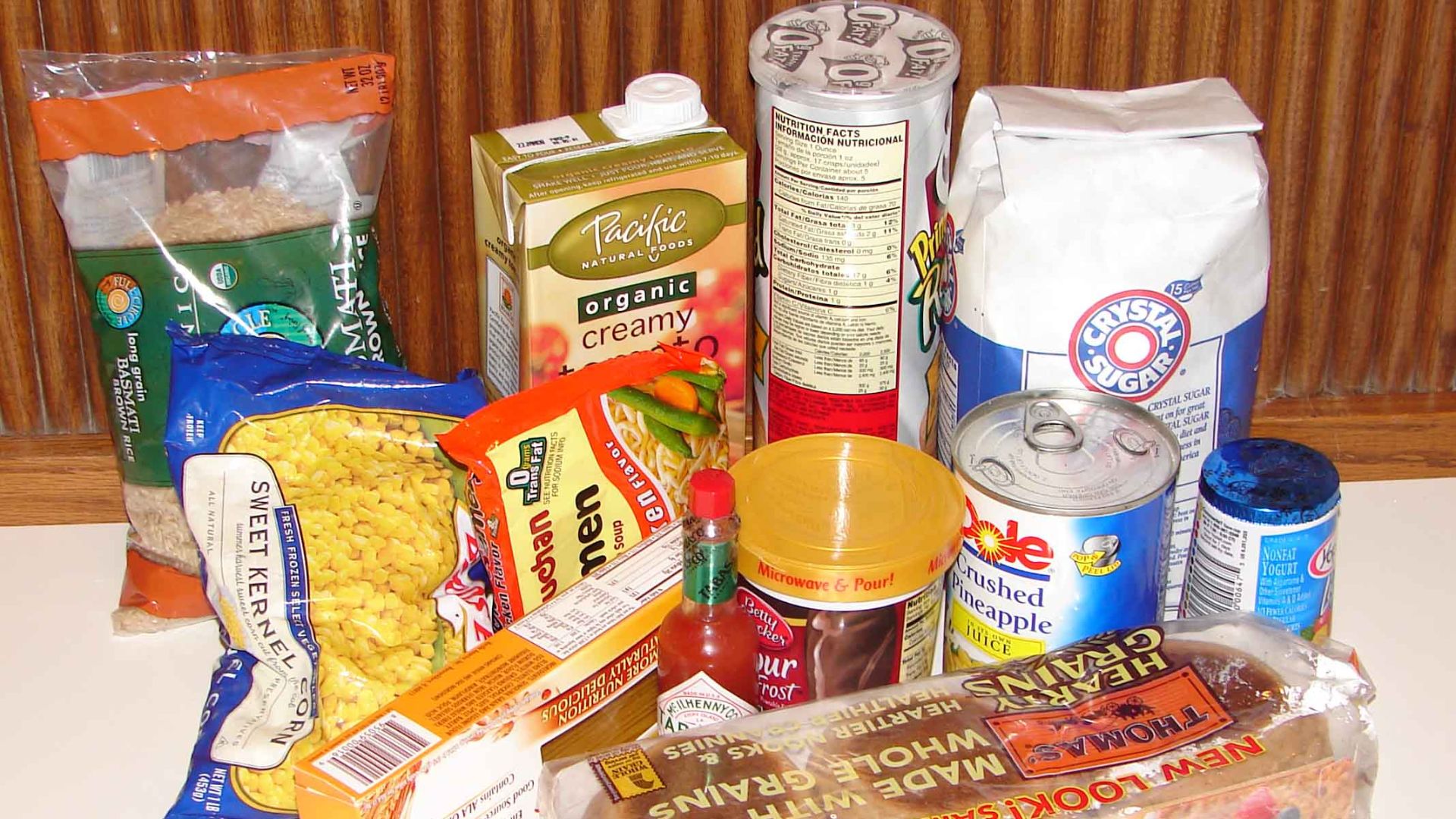
A tall box or unusually wide container could make shoppers feel like they were getting more product, even when the contents didn’t justify the package size. Modern consumers are increasingly alert to shrinkflation and deceptive packaging, checking weights and unit prices instead of judging value by cardboard dimensions.
The Strategic Background Music
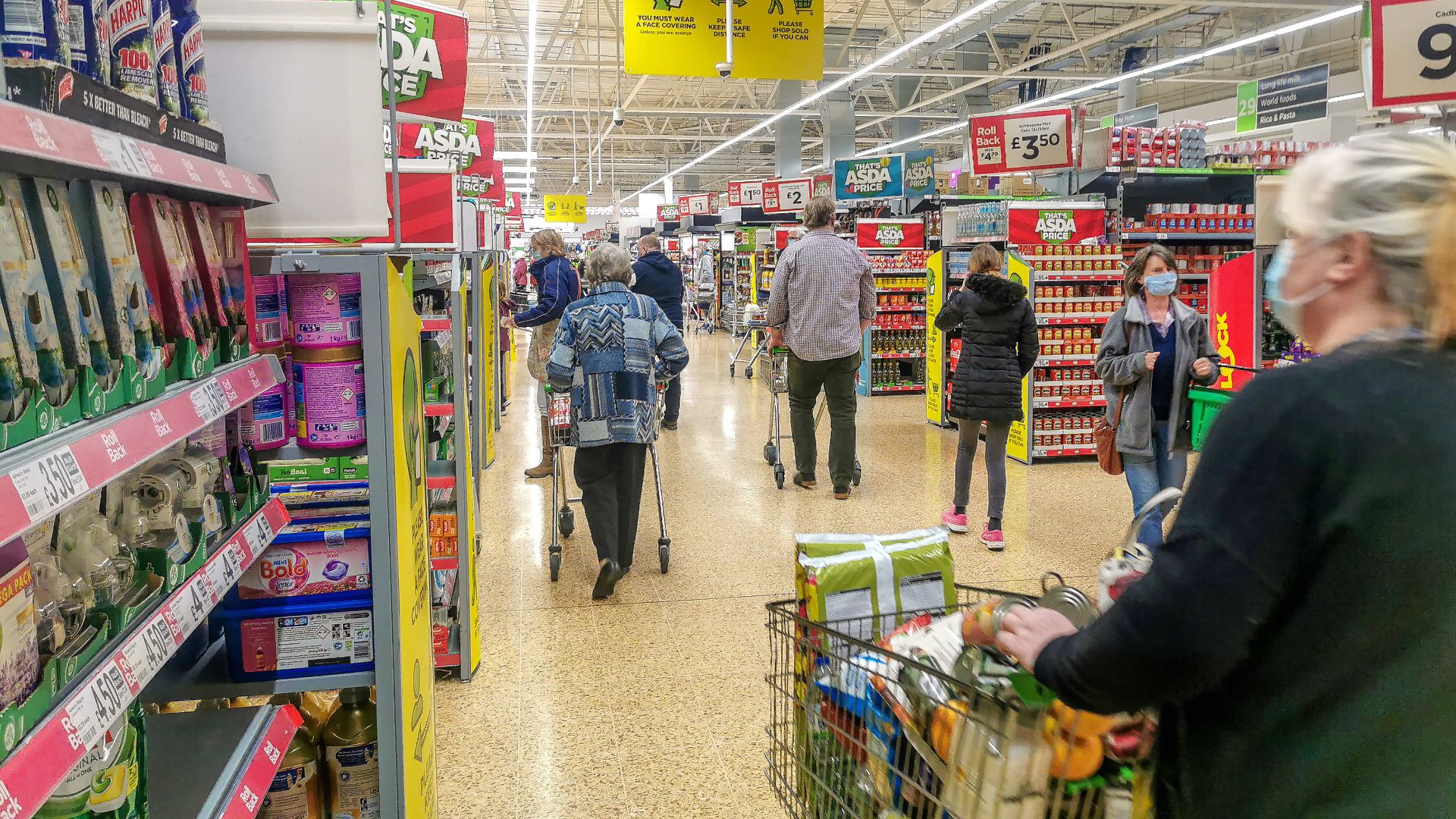
Slow, relaxing supermarket music was meant to make shopping feel leisurely, encouraging customers to wander instead of rushing through their lists. While stores still think carefully about atmosphere, today’s shoppers are more likely to be wearing earbuds, listening to podcasts, or racing through an app-generated shopping list.
 Lewis Clarke , Wikimedia Commons
The Eye-Level Brand Advantage
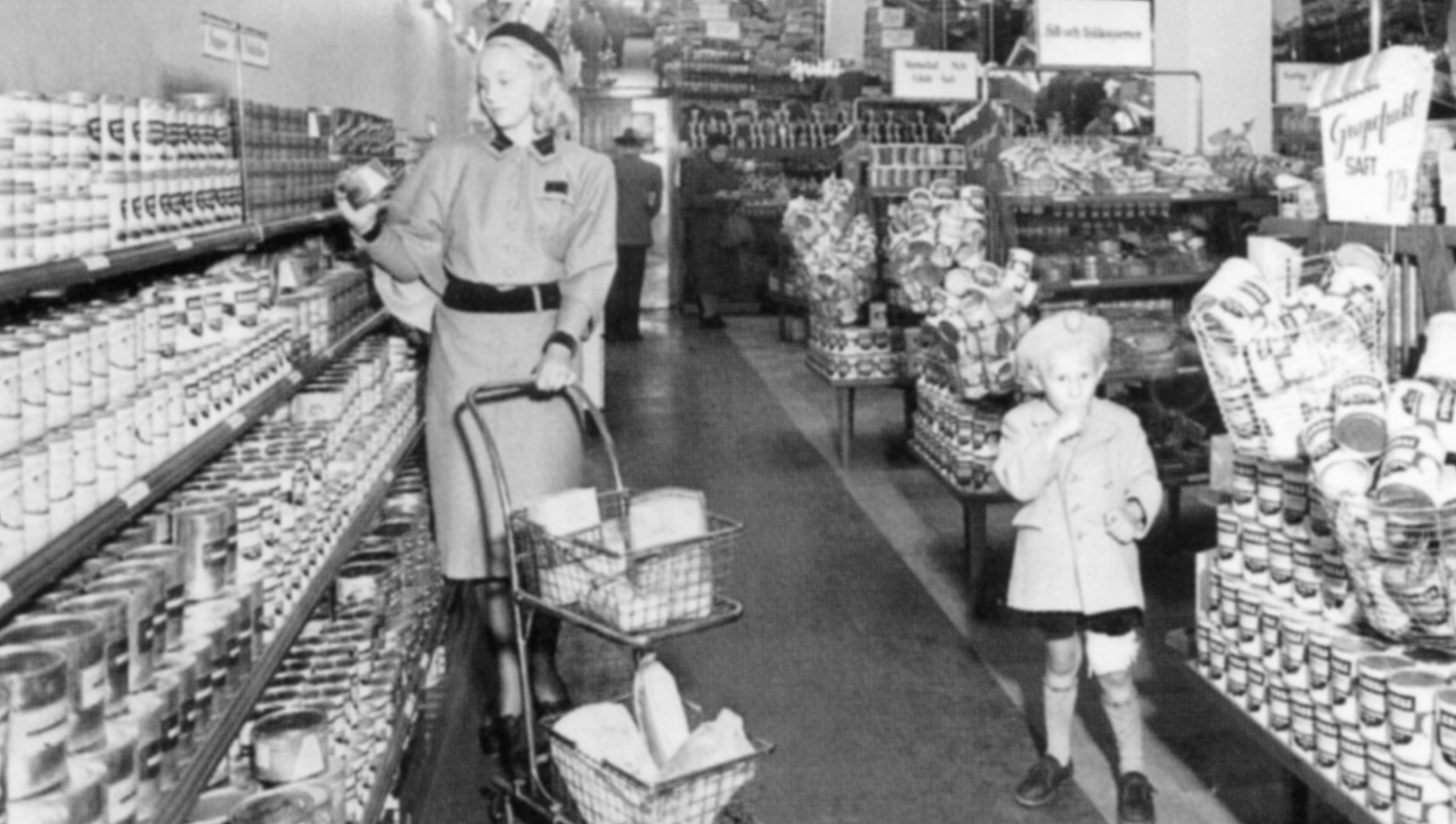
Premium brands loved eye-level shelf space because shoppers naturally noticed those products first. Bargains were often hiding near the floor. That placement still matters, but modern shoppers who arrive armed with price comparisons and specific product searches are less likely to grab whatever happens to be directly in front of them.
 Unknown authorUnknown author, Wikimedia Commons
The “While Supplies Last” Warning
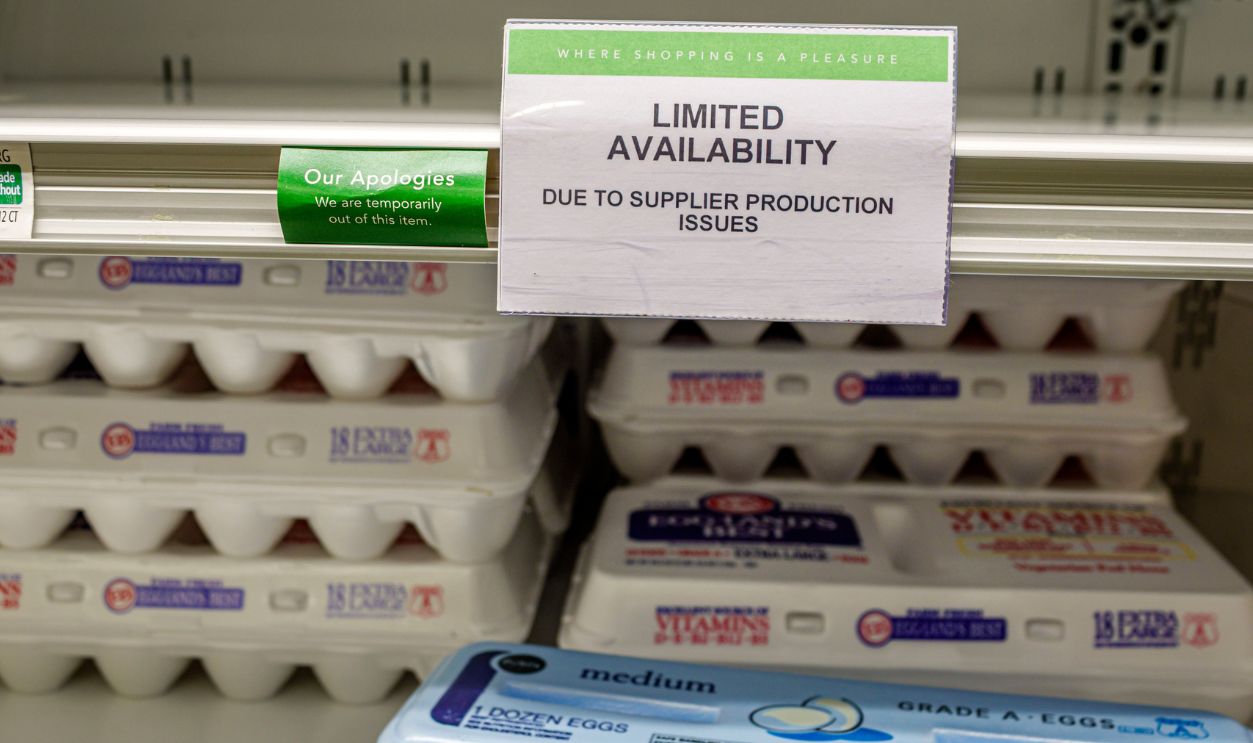
Few phrases could create urgency like “while supplies last.” Without real-time inventory information, customers had no clue whether a store had five boxes remaining or five hundred. Today, websites and apps frequently show stock levels, making vague scarcity warnings easier for shoppers to question.
The Loyalty Stamp Collection
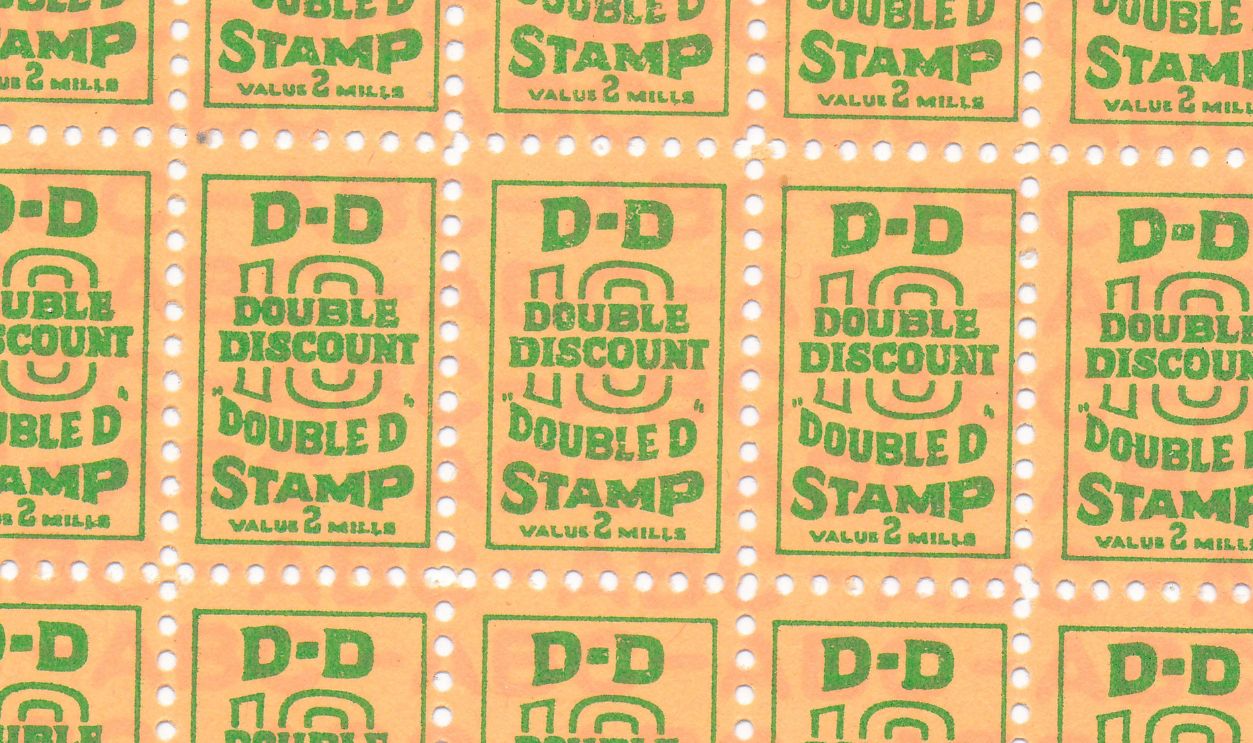
Buy groceries, collect stamps, and eventually earn cookware, dishes, or another household prize. These promotions could keep families returning to the same supermarket for weeks. Modern loyalty programs have trained consumers to expect immediate discounts, personalized offers, or cash-like rewards, making months of stamp collecting feel painfully slow.
 Smith Collection/Gado, Getty Images
The Mystery Markdown Sticker
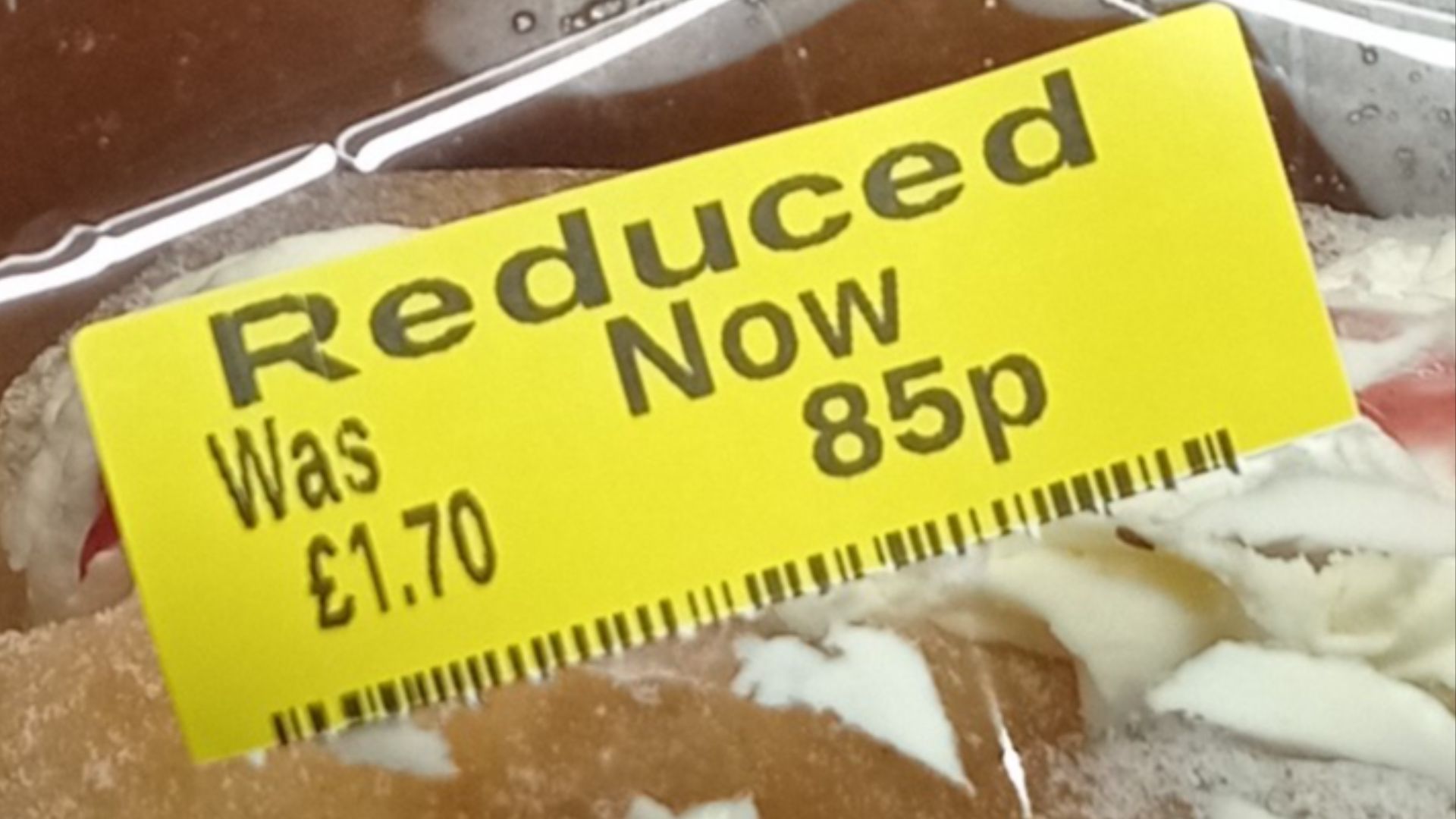
A fluorescent discount sticker could instantly transform an unwanted product into an apparent treasure. Shoppers often focused on the markdown rather than asking whether they actually needed the item. Today’s increasingly budget-conscious consumers have become much better at recognizing that saving 50% on something unnecessary still means spending money.
 Philafrenzy, Wikimedia Commons
The Brand Mascot Kid Trap
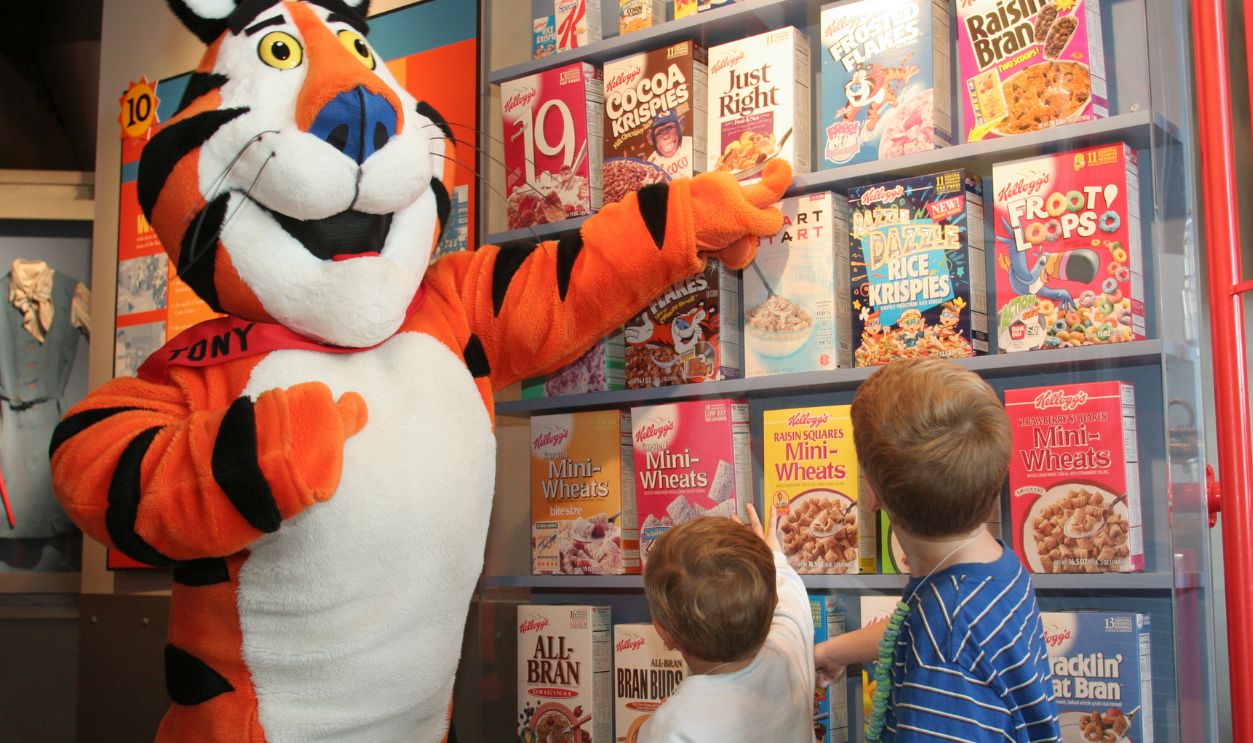
Bright cereal boxes, cartoon mascots, and colorful displays were incredibly effective at turning children into tiny grocery-store negotiators. Those tactics haven’t vanished, but parents today are far more aware of marketing aimed at kids, nutritional information is easier to find, and many families shop online without bringing children along.
The Cash-Only Budget Blind Spot
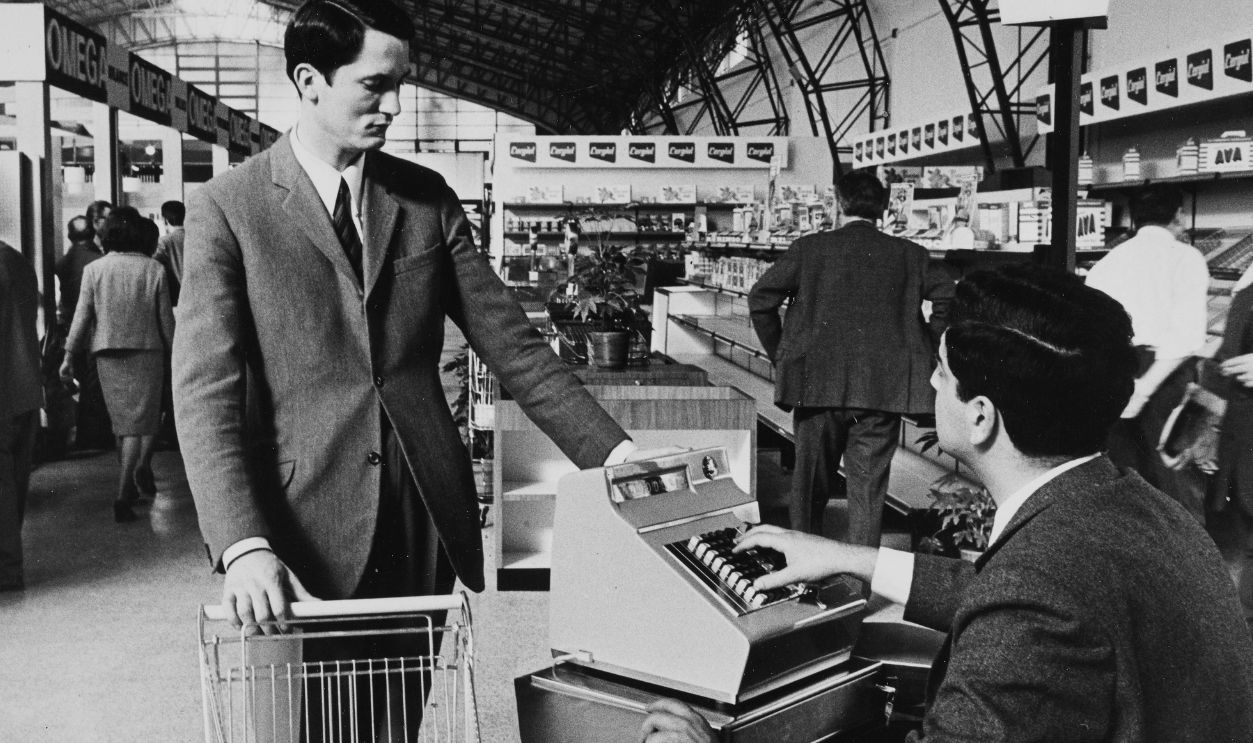
Before banking apps and instant spending alerts, shoppers had fewer tools for tracking grocery spending in real time. Stores benefited when customers lost count while filling their carts. Modern consumers can check account balances, calculate totals, scan receipts, and monitor monthly grocery budgets from their phones.
 Mondadori Portfolio, Getty Images
Shoppers Have Learned The Tricks
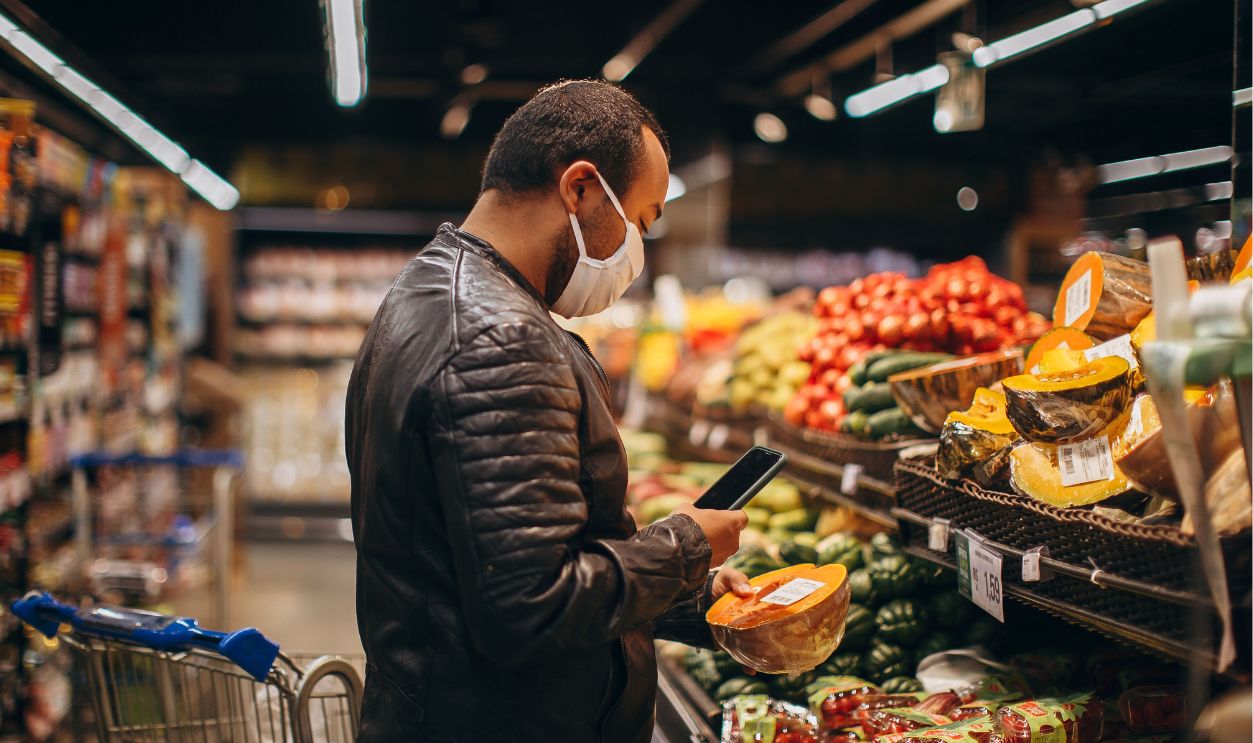
Plenty of old supermarket tactics are still around in updated forms, but modern shoppers have something their 1980s counterparts didn’t: instant information. Prices, reviews, nutrition facts, competitors, and coupons are only a tap away. Grocery stores can still tempt us, but fooling us takes a lot more creativity than a fluorescent sale sign.
You May Also Like: