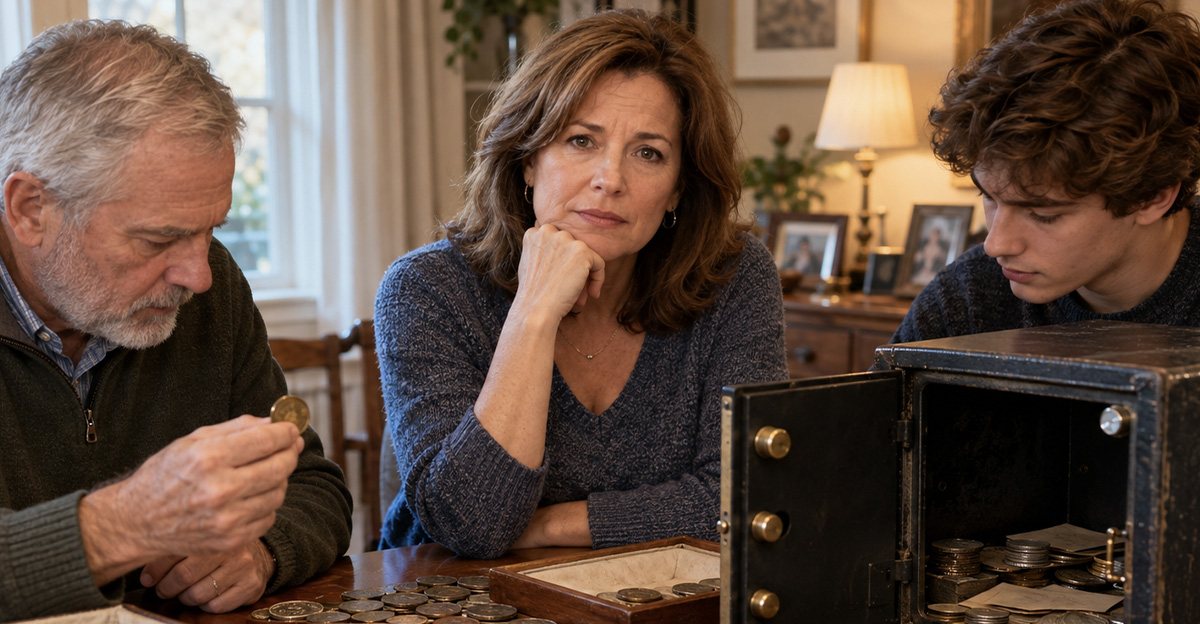
The Bank Probably Isn’t The Right Place To Ask
Opening a safe and finding stacks of old coins can feel like stumbling onto buried treasure. Then someone takes a few to the bank and gets little more than a shrug. That’s actually pretty normal. Banks deal with money as currency, not collectibles, and a teller generally isn’t equipped to tell a $25 coin from one worth $2,500. Families need to enter the numismatic world instead, where value depends on some surprisingly tiny details.
Don’t Deposit Anything Yet
The first rule is wonderfully simple: don’t turn the collection into ordinary money before figuring out what it is. A bank may treat many recognizable US coins according to their face value, which has little connection to their potential collector value. A silver dollar marked “One Dollar,” for example, could be worth considerably more than a dollar because of its metal content, rarity, date, mintmark, condition, or some combination of those factors.
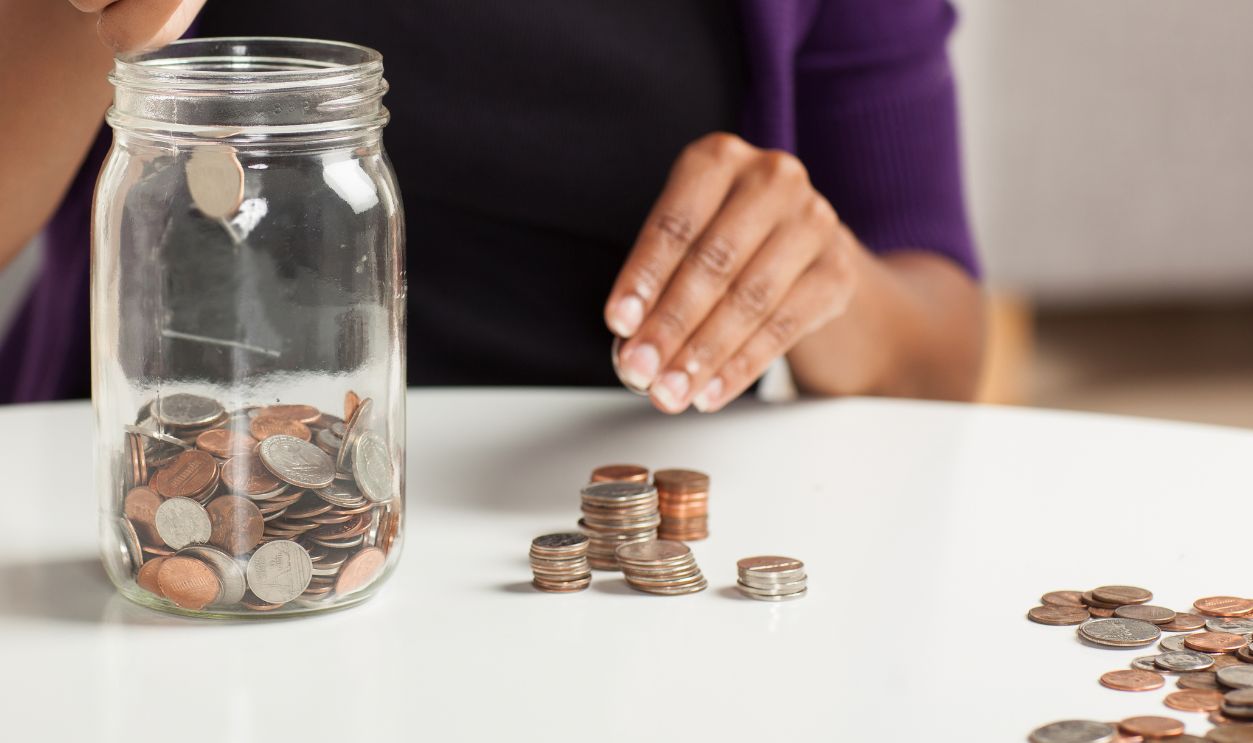
And Please Don’t Clean The Coins
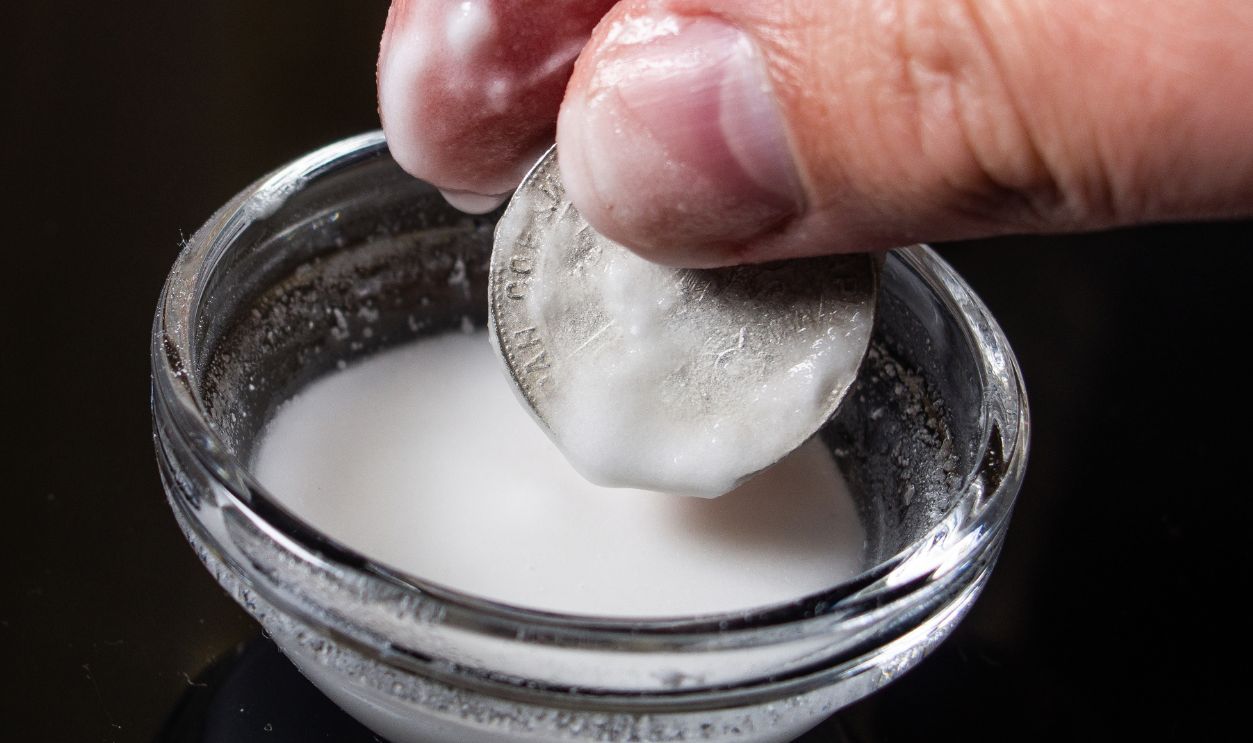
That dingy old quarter might look like it needs five minutes with metal polish. Resist the urge. Collectors often prefer original surfaces, including natural toning that developed over decades. Improper cleaning can leave scratches, remove original luster, or otherwise alter a coin enough to reduce its desirability and value. Even a well-intentioned attempt to make Dad’s collection look presentable can turn into an expensive mistake. Until someone knowledgeable examines the coins, handle them as little as possible.
 Moiseenko Maksim, Shutterstock
Start By Photographing Everything
Before reorganizing the safe, take photos showing exactly how the collection was found. Photograph boxes, envelopes, coin albums, handwritten labels, receipts, certificates, and containers as well as individual pieces that appear unusual. Collectors often organize things for a reason, and Dad’s scribbled note saying “1909-S” may mean considerably more than it first appears. Documentation also creates a basic record in case anything goes missing while the collection is being divided, transported, appraised, or sold.
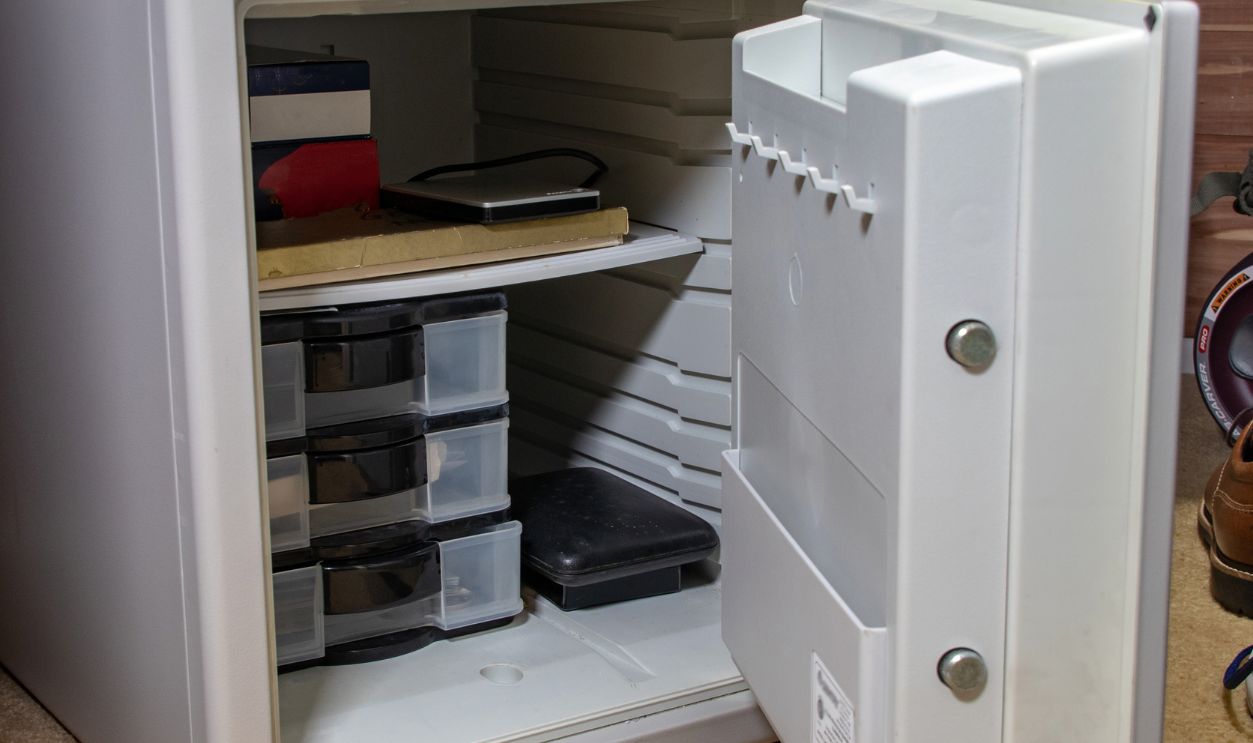
Don’t Throw Away Dad’s Little Envelopes
Old coin collections can contain a bewildering assortment of cardboard holders, paper envelopes, plastic flips, tubes, folders, and handwritten notes. Don’t immediately replace all of them with prettier storage. Labels may identify where a coin came from, what the collector paid, its suspected variety, or other information that helps explain the collection. Original packaging and certificates can also matter for certain products. For now, preserving the collection as Dad kept it is usually safer than enthusiastically “organizing” it.
Make A Basic Inventory
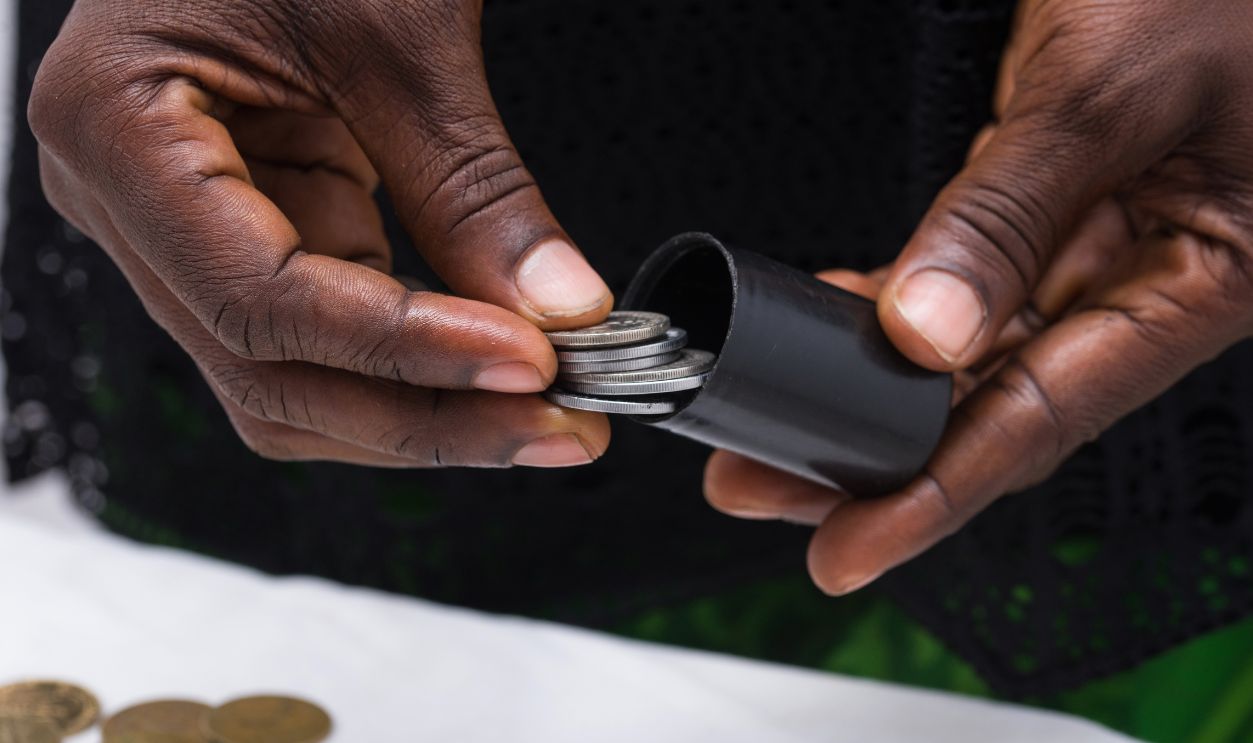
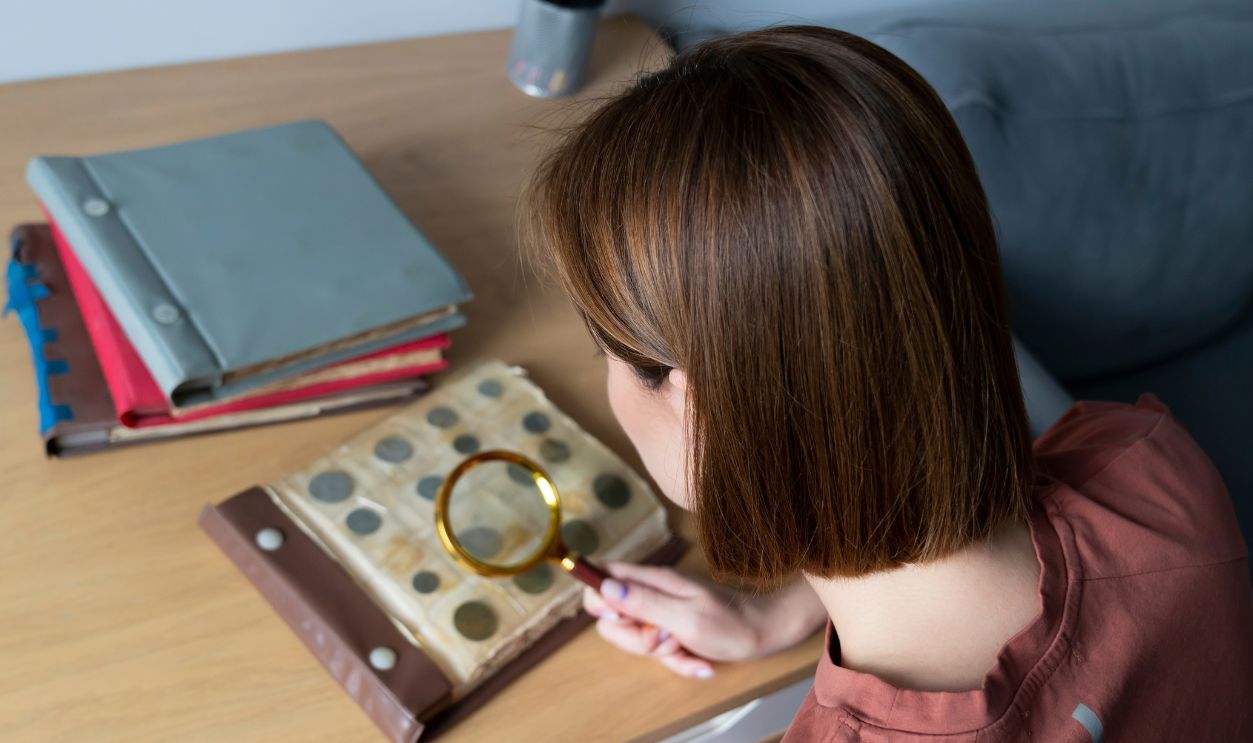
Nobody needs to become a professional numismatist overnight. Start with a spreadsheet or notebook listing what can easily be identified: denomination, year, mintmark, quantity, and anything written on the holder. Separate obvious groups such as Morgan dollars, wheat cents, commemoratives, proof sets, gold coins, and foreign coins. If the collection contains hundreds or thousands of pieces, the inventory doesn’t need to be perfect. Its main purpose is to show the family what it actually has.
Age Alone Doesn’t Make A Coin Valuable
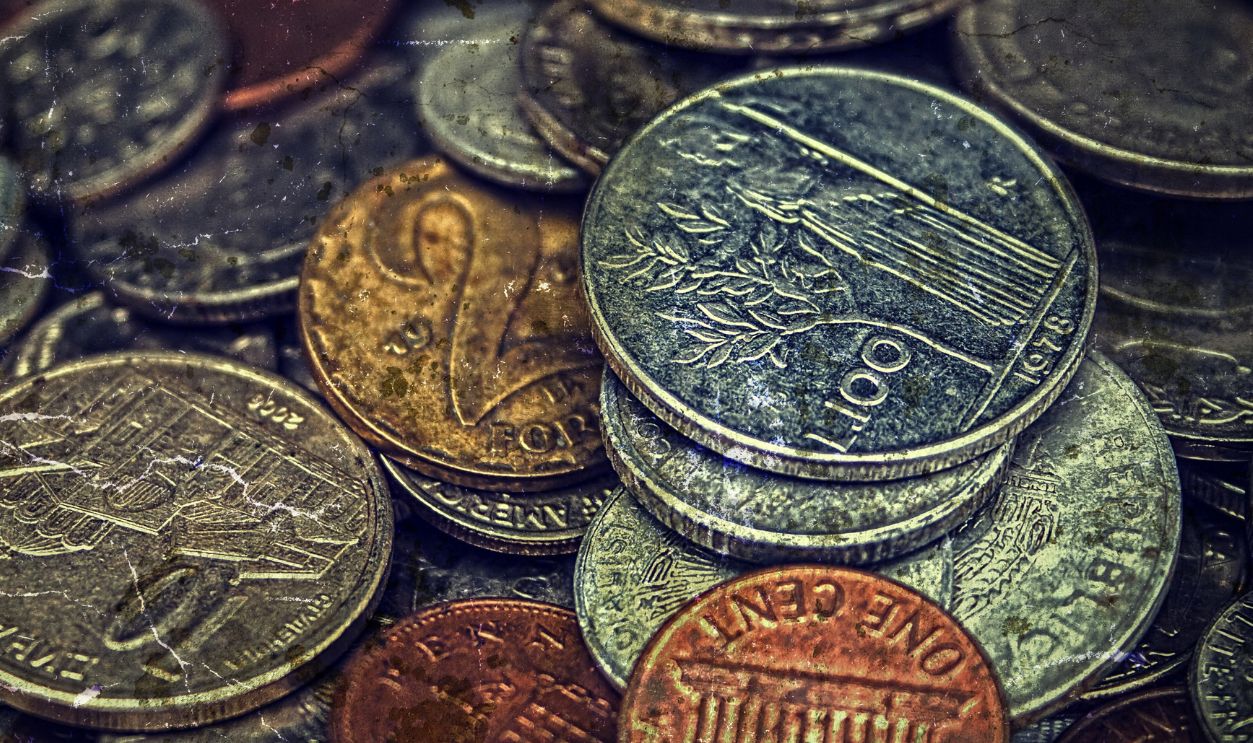
A surprisingly common assumption is that the oldest coin must be the jackpot. Coin values don’t work that neatly. The American Numismatic Association points to rarity, condition, and market demand as major factors affecting value. Some coins from the 1800s survive in enormous quantities, while a particular date, mintmark, or variety from a later period might be genuinely scarce. Think of the date as one clue rather than a price tag.
 Florin Cnejevici, Shutterstock
Learn What Mintmarks Are
Two coins that look almost identical can have wildly different values because they were produced at different mints. Small letters such as D, S, or historically CC can identify facilities including Denver, San Francisco, and Carson City. Certain dates from particular mints had much smaller production runs or have fewer surviving examples. When cataloging coins, record the mintmark along with the date rather than simply writing “1921 silver dollar” and assuming that’s enough information.
Condition Can Change Everything
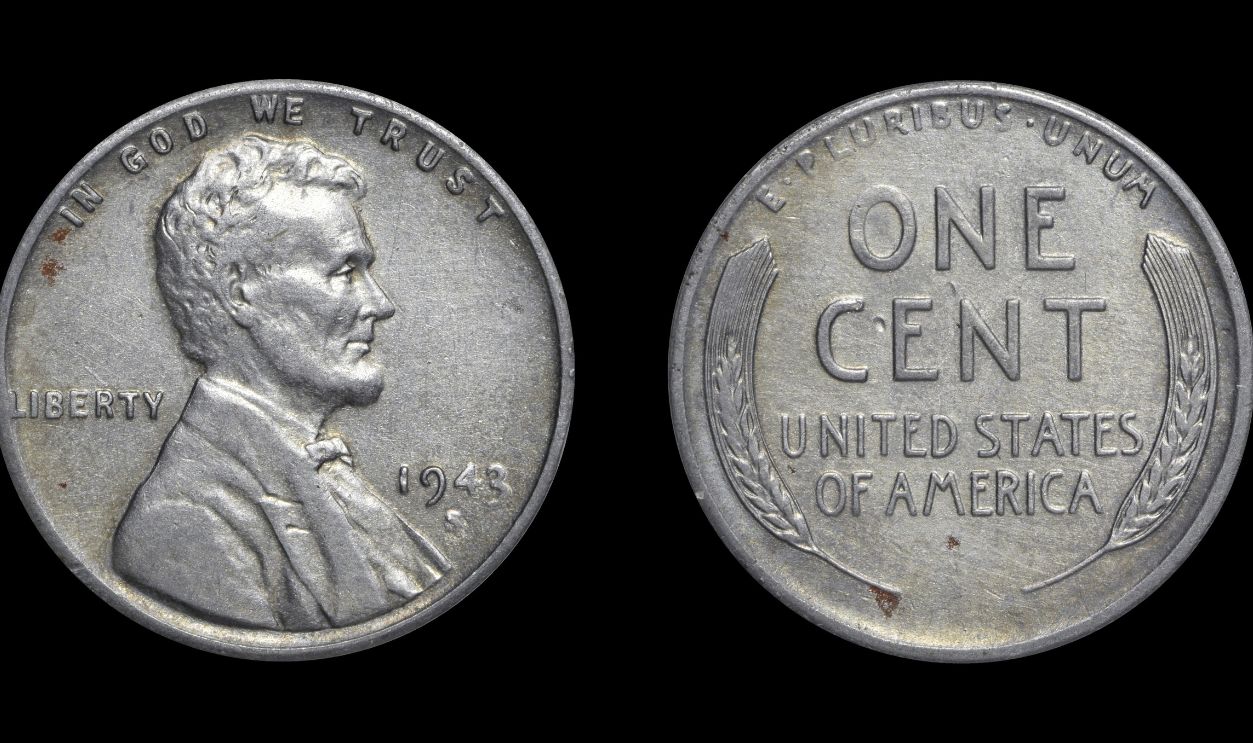
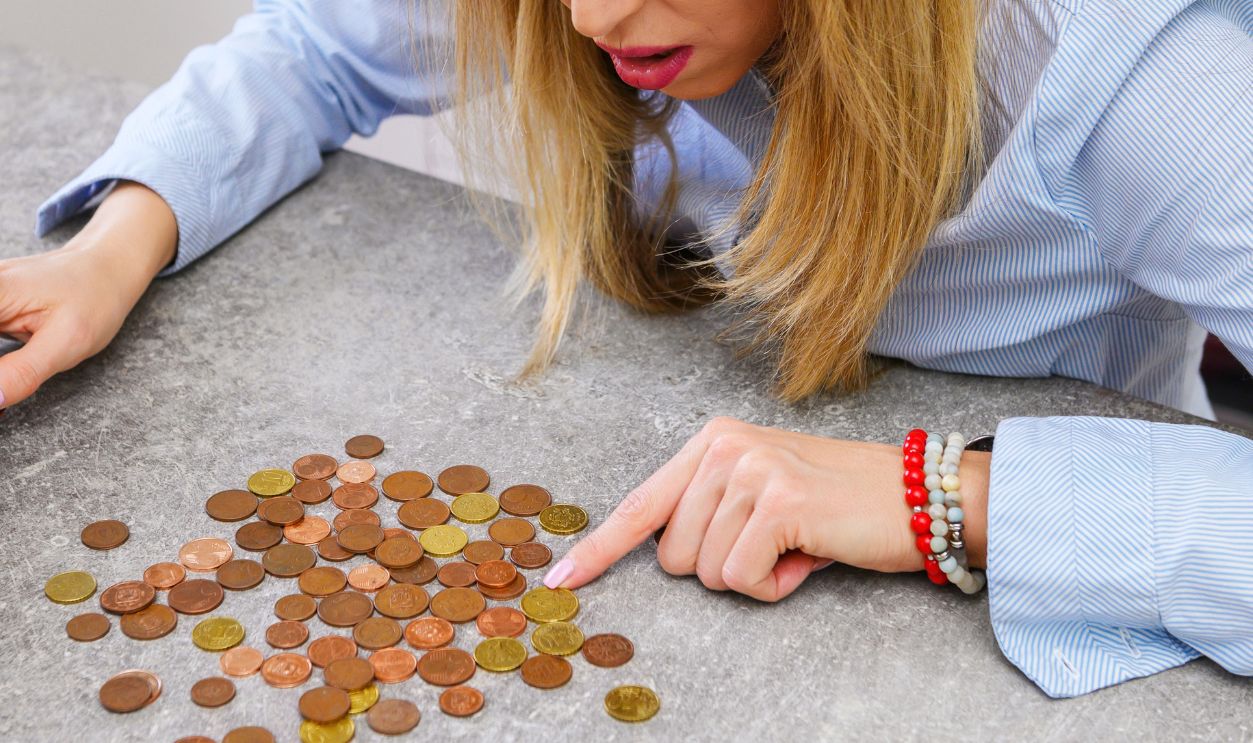
Professional coin grading commonly uses a numerical scale running from 1 to 70, and relatively small grading differences can translate into surprisingly large price differences for scarce coins. Wear, scratches, marks, luster, strike quality, damage, and overall eye appeal can all matter. That’s why two coins carrying the same date and mintmark may sell for radically different amounts. Families shouldn’t assume every shiny coin is valuable or every dark, worn coin is junk.
 Kaspars Grinvalds, Shutterstock
Some Coins Are Valuable Because Something Went Wrong
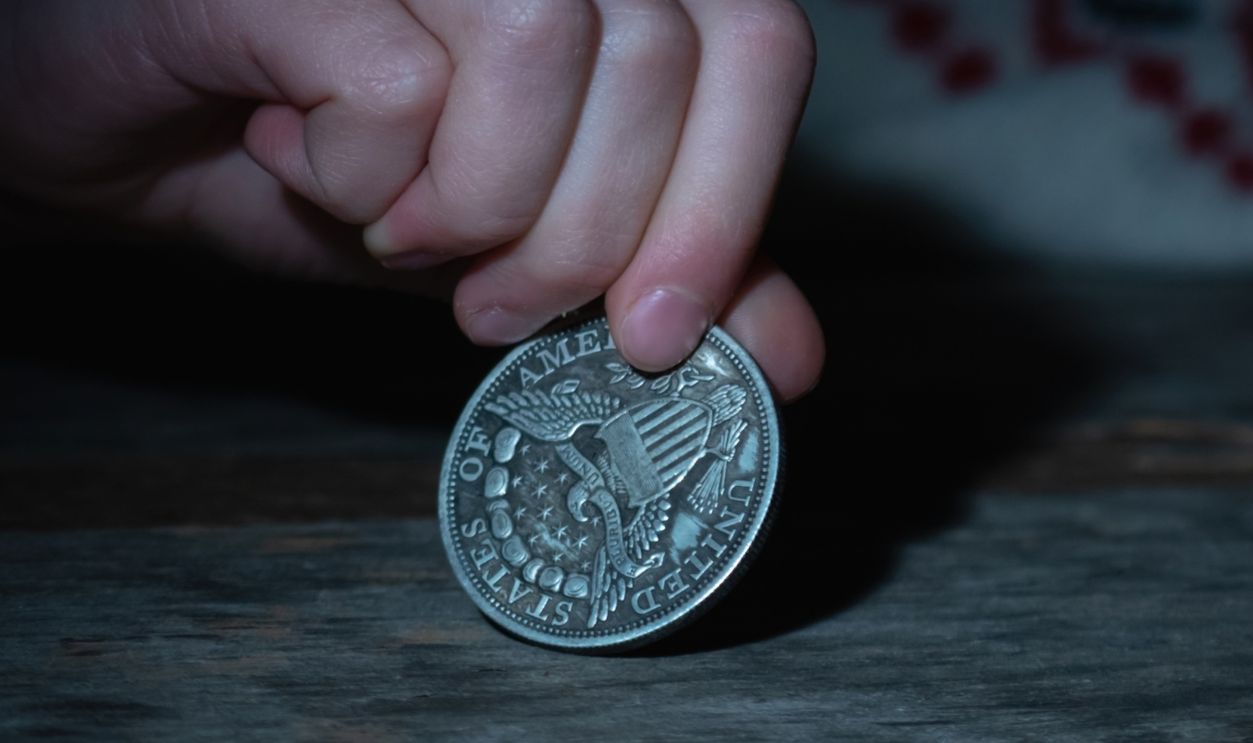
Mint errors and unusual varieties can add another layer of complexity. Off-center strikes, doubled features, clipped planchets, unusual dies, and other legitimate mint-made differences can interest collectors. Unfortunately, ordinary damage is often mistaken for a valuable error by newcomers. A strange-looking coin found in Dad’s safe deserves investigation, but don’t assume every dent or odd mark is the numismatic equivalent of a winning lottery ticket.
Check The Precious-Metal Content
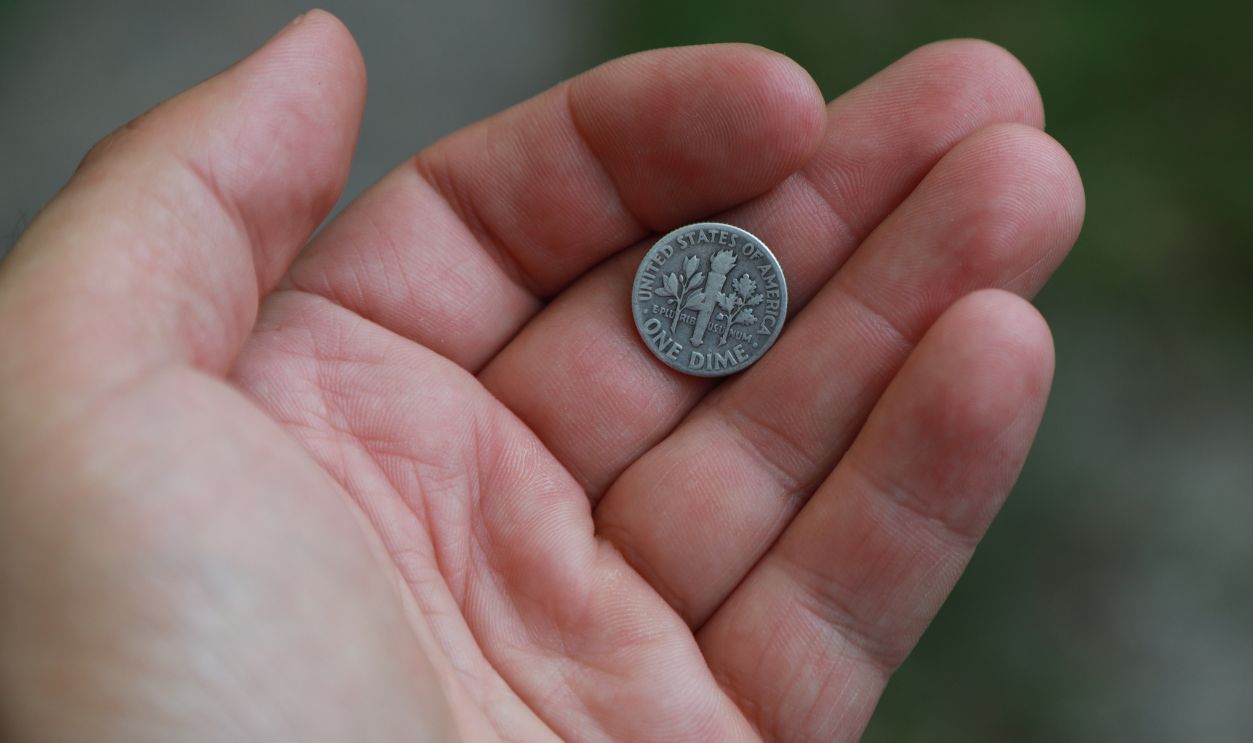
Some inherited collections contain coins whose floor value is tied partly to gold or silver. Many older American dimes, quarters, half dollars, and dollars contain silver, while historic gold coins and modern bullion issues can contain significant quantities of gold. Their value therefore may have both a metal component and a collector component. Before accepting any bulk offer, understand whether the buyer is valuing the pieces merely for their metal or recognizing additional numismatic value.
Separate Bullion From Rare Coins
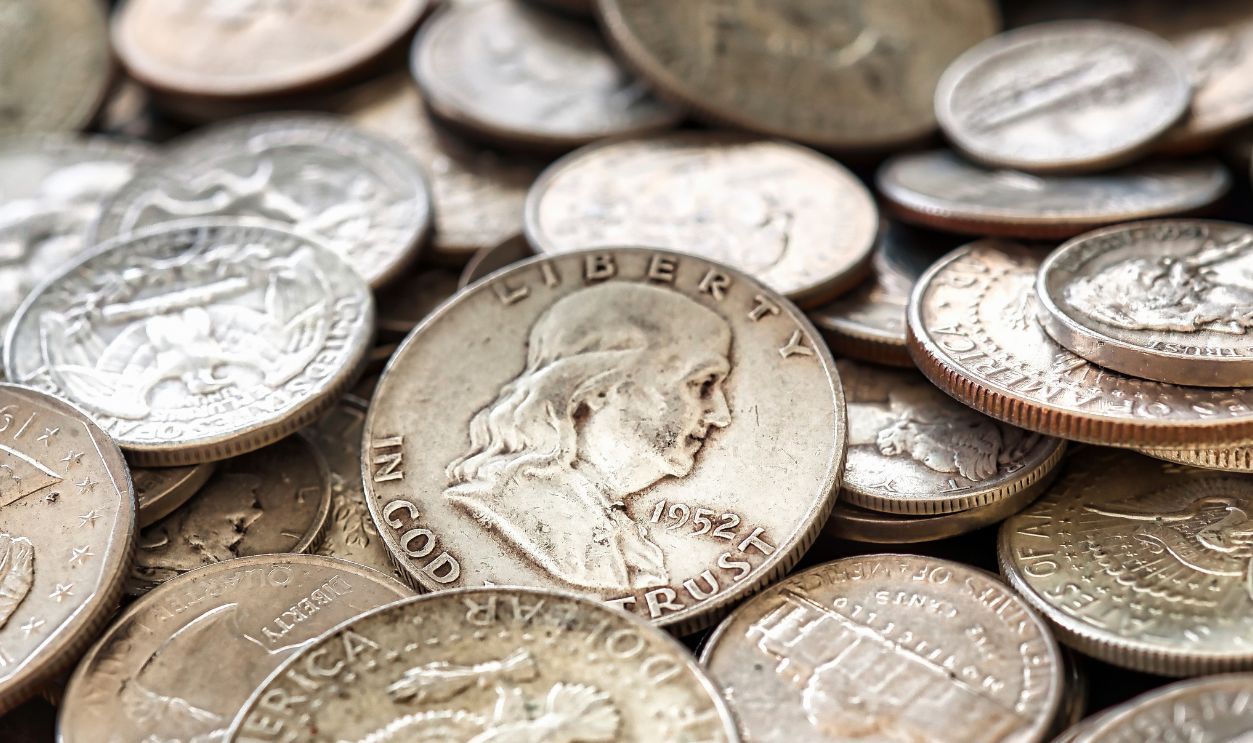
A one-ounce bullion coin and a genuinely scarce collector coin are not priced in quite the same way. Bullion values tend to track the market price of the underlying metal, usually with some premium or discount around it. Rare coins can derive much more of their value from scarcity, grade, demand, and eye appeal. Families who dump everything into a “silver coins” pile risk selling a collectible rarity as though it were simply another chunk of precious metal.
 Abstract, Business/Finance, Shutterstock
Look For Coins That Are Already Professionally Graded
Some of the easiest pieces to research may already be sealed inside plastic holders, often called slabs, from professional grading services such as PCGS or NGC. The label typically identifies the coin, its grade, and a certification number. Those details make comparisons with price guides and auction records much easier. Don’t crack the coin out just because the plastic looks bulky. The holder may provide valuable authentication and grading information that buyers recognize.
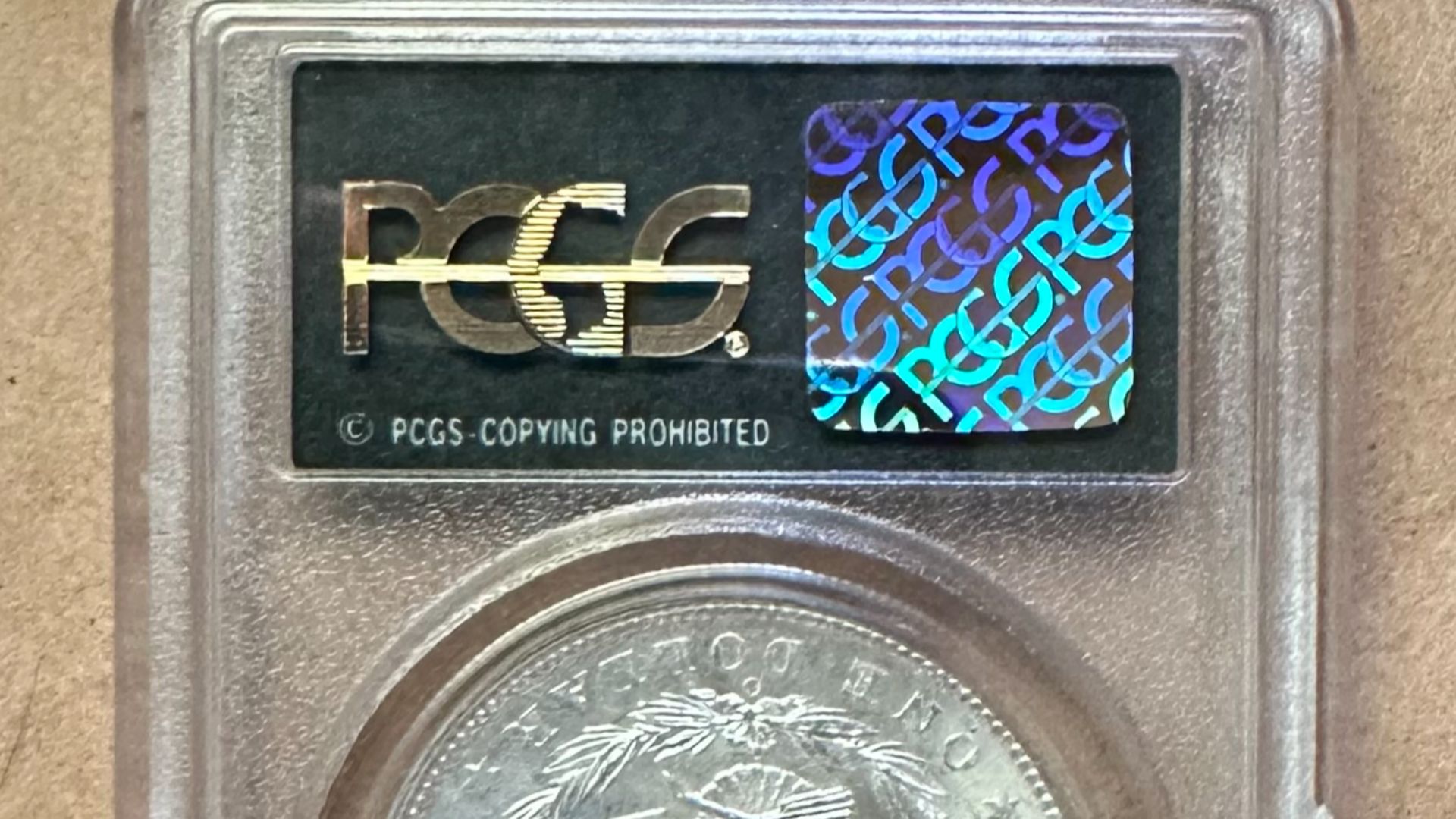
Verify Those Slabs Before Celebrating
A plastic holder is useful, but families still shouldn’t automatically trust everything printed on one. Major grading companies provide certification-verification tools that can help confirm whether the certification number corresponds to the coin described. Counterfeit coins and holders exist, particularly where substantial values are involved. If Dad’s safe contains an apparently expensive certified rarity, checking its certification should be one of the first research steps rather than assuming the label settles the question.
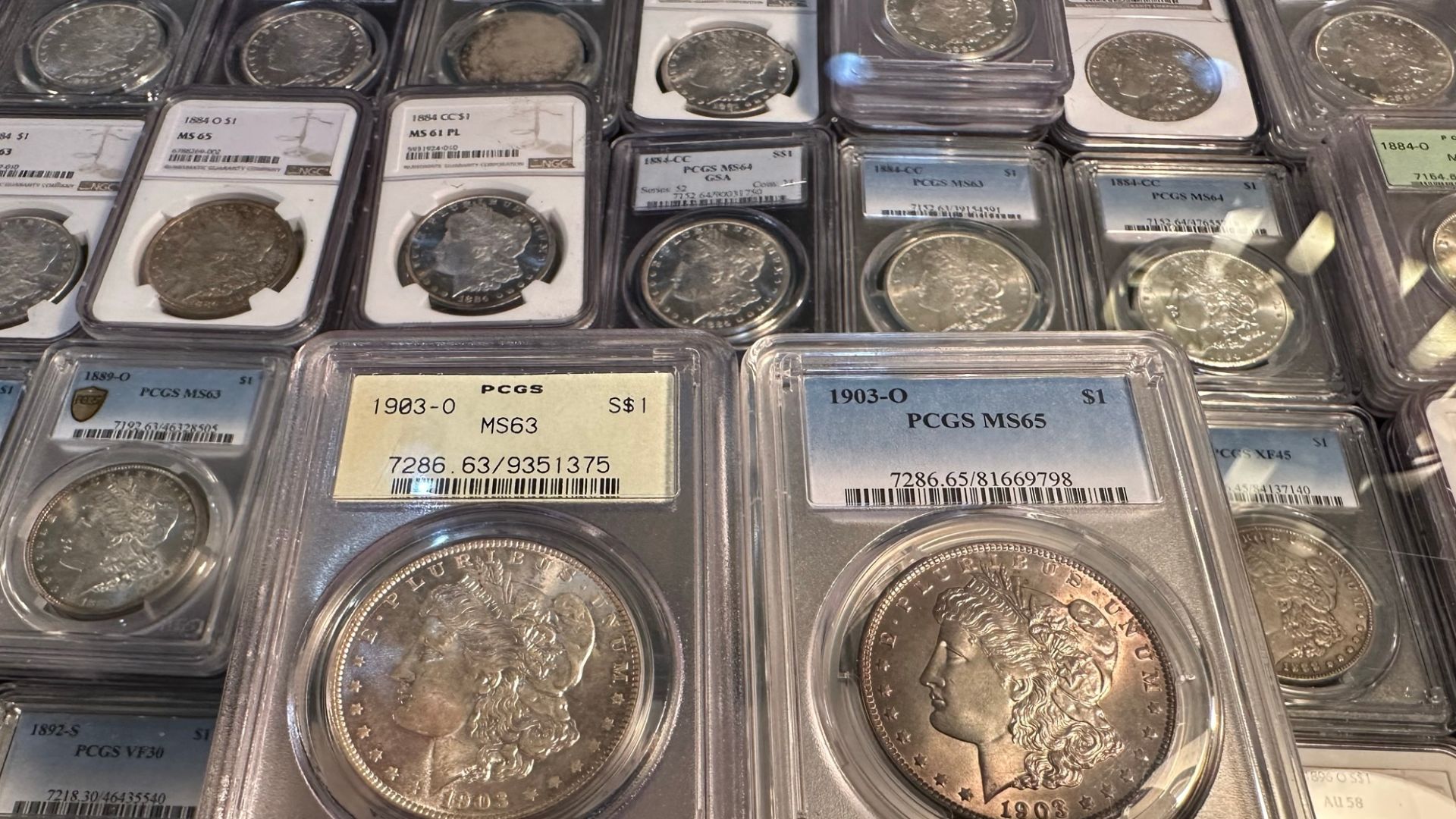
Online Price Guides Are A Starting Point
Professional grading companies such as PCGS publish extensive price information for US coins, and tools like these can help families understand whether a coin appears ordinary or warrants much more attention. The crucial word is “guide". Published prices aren’t automatic cash offers, and values can depend heavily on whether the coin is professionally graded at the stated level. A family shouldn’t look up the highest possible grade, see a huge number, and mentally spend it.
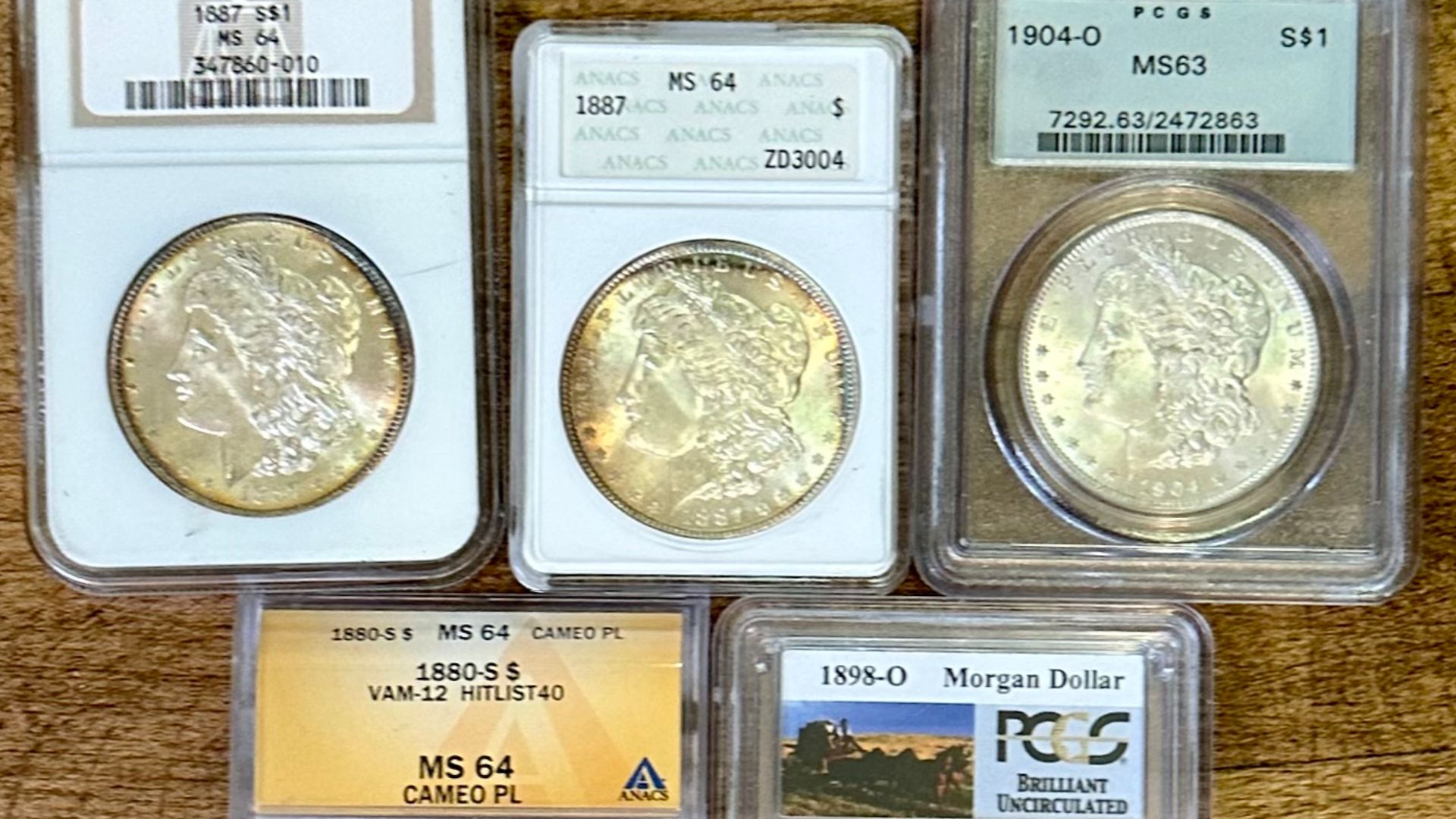
Check What Coins Actually Sold For
Asking prices can be wildly optimistic. Completed auction results provide another useful piece of evidence because they show what buyers have actually paid for comparable pieces. The comparison still needs to be genuinely comparable: same date, same mintmark, similar grade, similar variety, and similar certification status when relevant. A rare coin that sold for $8,000 doesn’t mean every version of that coin is worth $8,000. Tiny numismatic differences can create enormous financial differences.
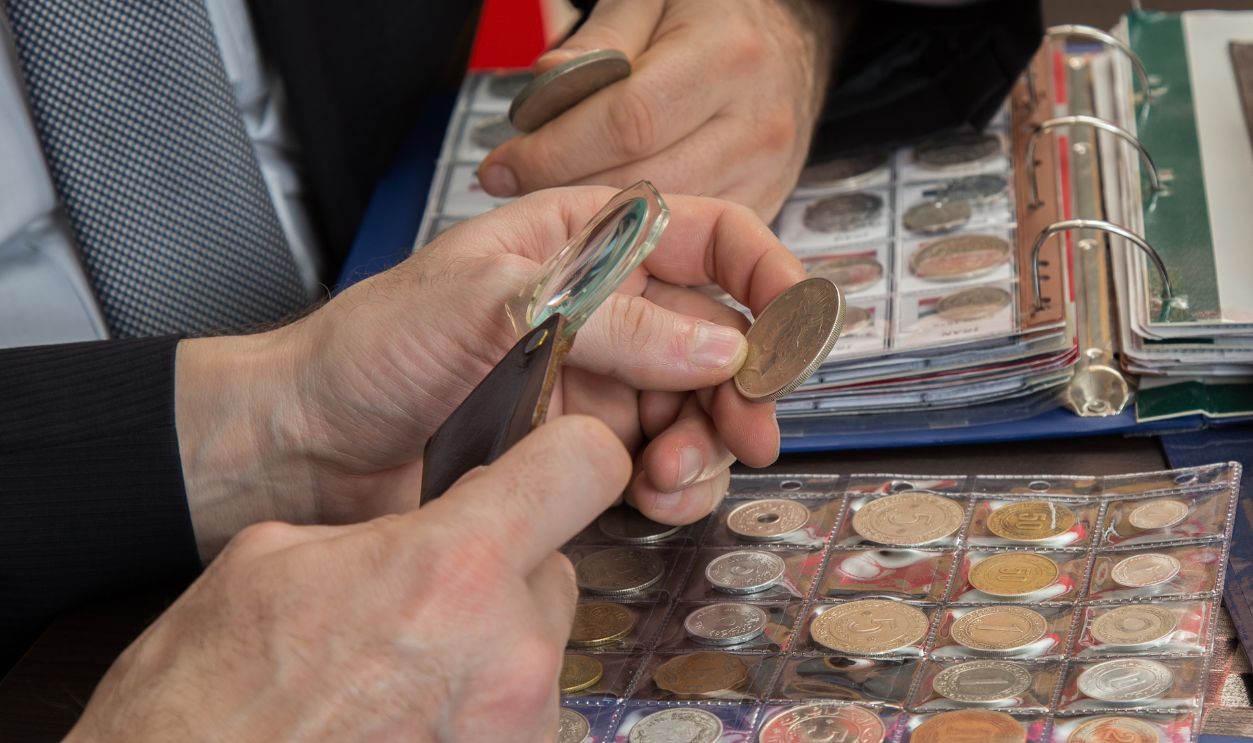
Dad’s Purchase Receipts Can Be Revealing
If purchase records survived, save them. They can help identify coins, dealers, dates, and what Dad believed he was buying. Just don’t assume the old purchase price automatically proves present value. The rare-coin market moves, and some collectors unfortunately paid inflated prices for aggressively marketed products. A receipt showing that Dad spent $1,200 tells the family something about his acquisition, but it doesn’t guarantee somebody today will pay the same amount.

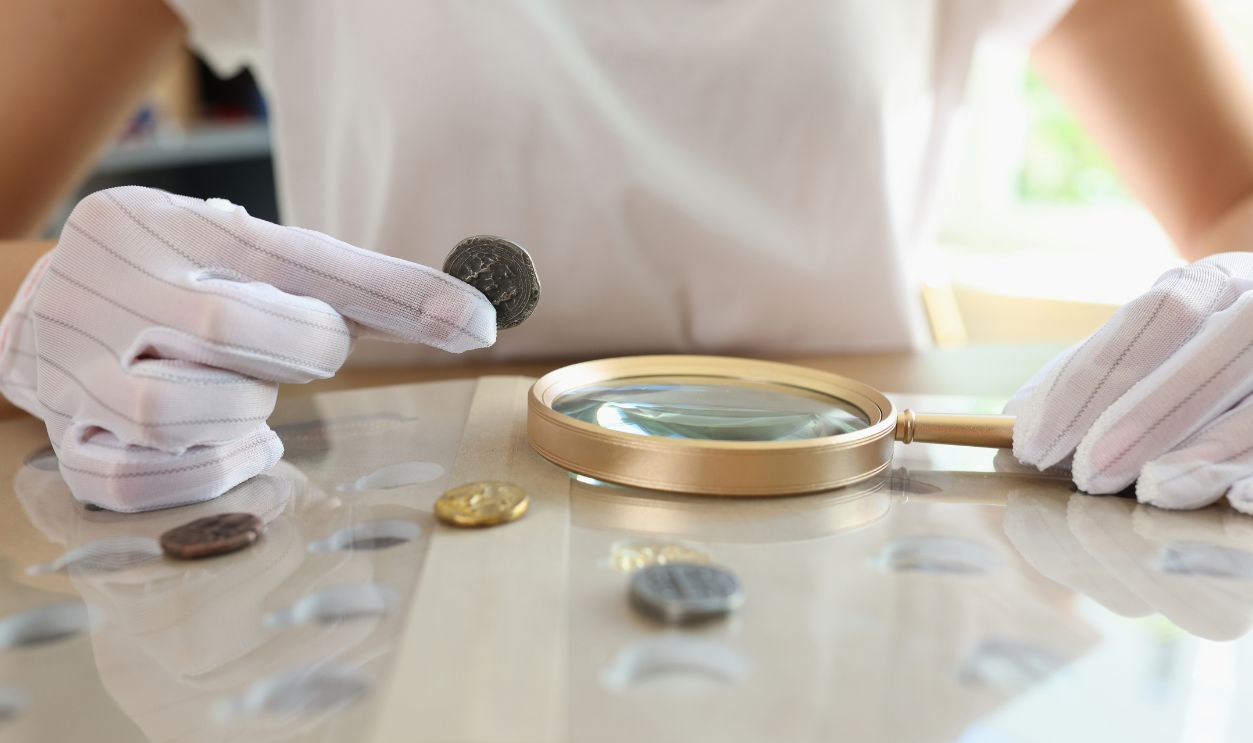
Find A Numismatist, Not Just A Random Buyer
The American Numismatic Association recommends professional help when an inherited collection is too large or complicated for a family to evaluate confidently. Its dealer directory can help locate members, and families can ask about specialties before bringing anything in. Someone who primarily deals in modern bullion may not be the best person to evaluate obscure early American coins. Expertise matters, especially when the difference between common and rare may come down to details a newcomer can easily miss.
An Appraisal And An Offer Aren’t The Same Thing
This distinction is important when real money may be involved. An appraisal is an opinion of value prepared for a particular purpose, while an offer is the amount someone is prepared to pay. A dealer buying inventory needs room for costs and resale profit, so an immediate cash offer will generally differ from a theoretical retail value. Families should make sure they understand which number they’re being given before telling siblings that Dad’s collection is officially worth a certain amount.

Valuable Collections Deserve A Second Opinion
If an initial evaluation suggests the safe contains serious money, there’s little reason to rush. The ANA specifically suggests that particularly valuable collections may merit appraisal by more than one dealer. A second knowledgeable opinion can help uncover a rarity the first person missed or reveal that an enthusiastic first estimate was unrealistic. For a collection potentially worth tens of thousands of dollars, paying for another professional assessment can be a very inexpensive form of financial protection.

Ask How The Appraiser Gets Paid
Families should understand the fee arrangement before handing over a valuable collection. Some professionals charge by the hour, by the project, or according to another agreed schedule. Ask what the appraisal includes, whether a written report will be provided, and whether the appraiser also wants to purchase the collection. There’s nothing inherently wrong with selling to a dealer, but knowing when someone is acting as an appraiser and when they’re acting as a buyer helps everyone understand the incentives involved.
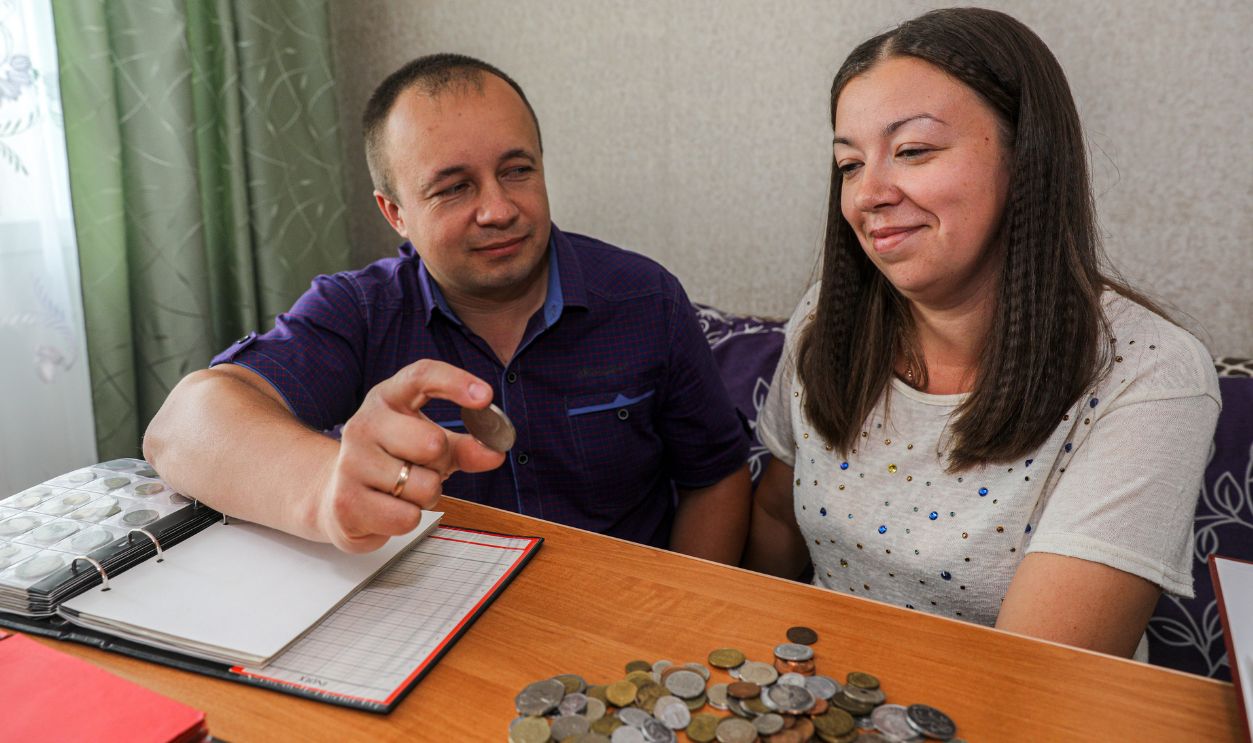
Different Values Can Serve Different Purposes
One coin collection can legitimately have more than one “value". Retail replacement value for insurance may differ from fair market value for estate purposes, and both can differ from the amount a dealer will pay immediately in cash. Auction estimates introduce another number. Before hiring someone, explain why the valuation is needed. “We need to know what Dad’s coins are worth” sounds straightforward, but the answer can depend heavily on what the family intends to do next.
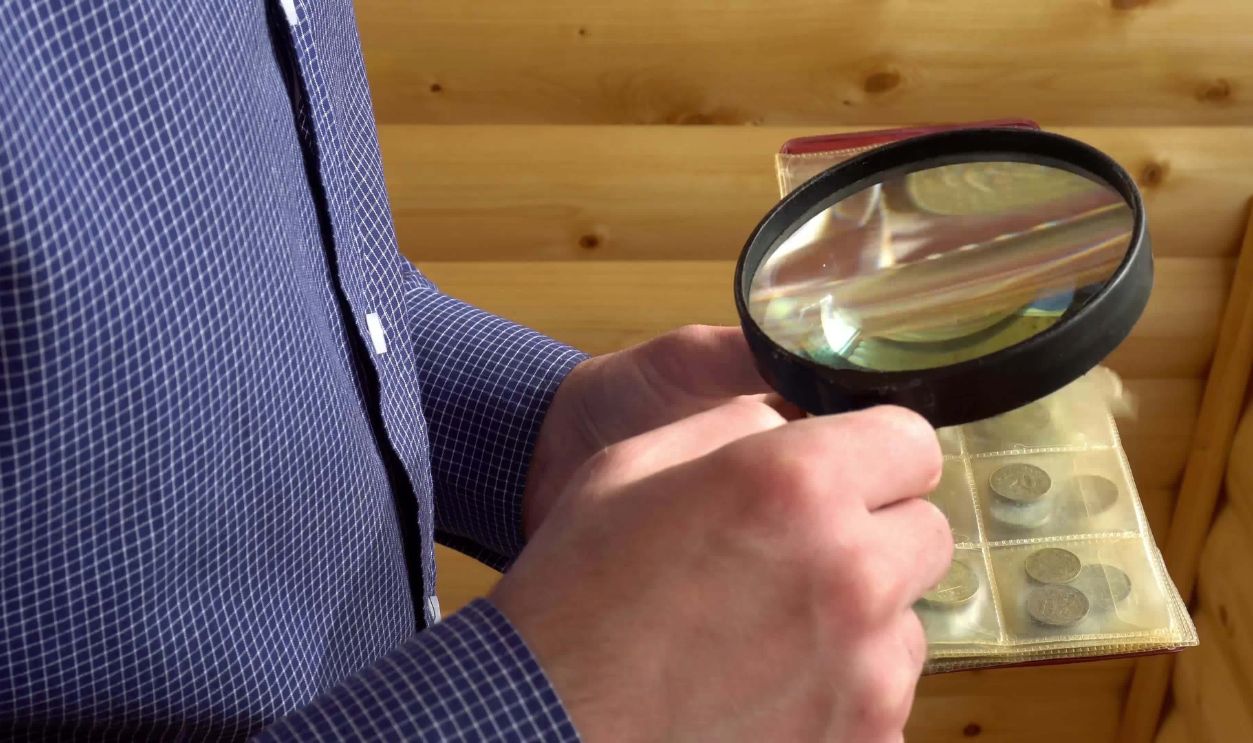
The Date Of Death Can Matter For Taxes
Families planning to sell inherited coins should pay attention to tax basis before losing track of records. Under federal rules, inherited property generally receives a basis tied to its fair market value on the decedent’s date of death, although exceptions and estate-specific rules can apply. That makes a defensible valuation around the time of inheritance potentially important later. If significant money is involved, the executor or heirs should discuss the collection with a qualified tax professional rather than relying on a coin dealer for tax advice.

Selling Inherited Coins Can Create A Tax Bill
Inherited property isn’t automatically tax-free forever simply because it came from a parent. When inherited coins are later sold, the difference between the applicable basis and sale proceeds can create a capital gain or loss. Federal tax rules also treat many coins as collectibles, and net long-term gains from collectibles can be subject to a maximum 28% federal capital-gains rate. The exact result depends on the taxpayer’s circumstances, so keeping appraisal and sale documentation can become surprisingly important.
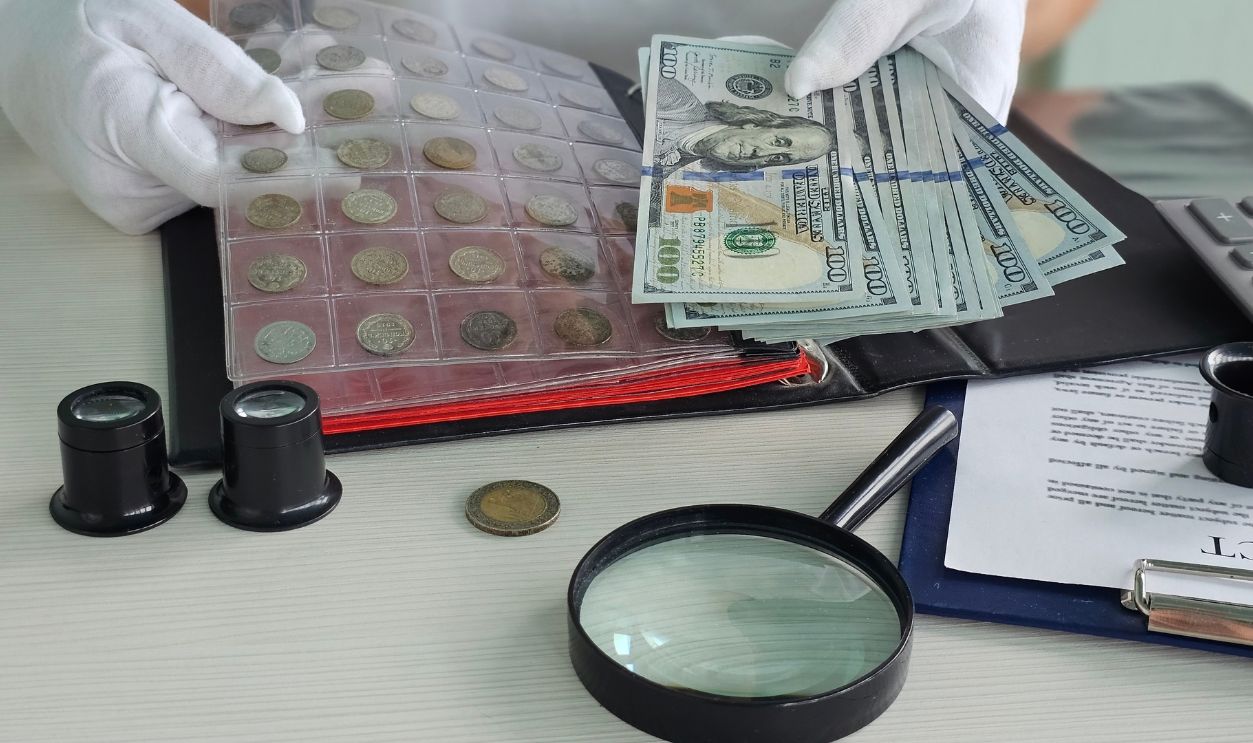
Don’t Sell The Entire Safe As One Mystery Lot
Selling everything together may be convenient, but convenience can cost money. A large collection might contain common bulk material, bullion, moderately valuable collector coins, and a handful of pieces that deserve individual marketing. A knowledgeable dealer or auction specialist can help determine whether certain coins should be separated. The buyer offering one simple number for the whole safe may be assuming some risk, but the family is also giving up the opportunity to learn whether something exceptional is hiding in the pile.
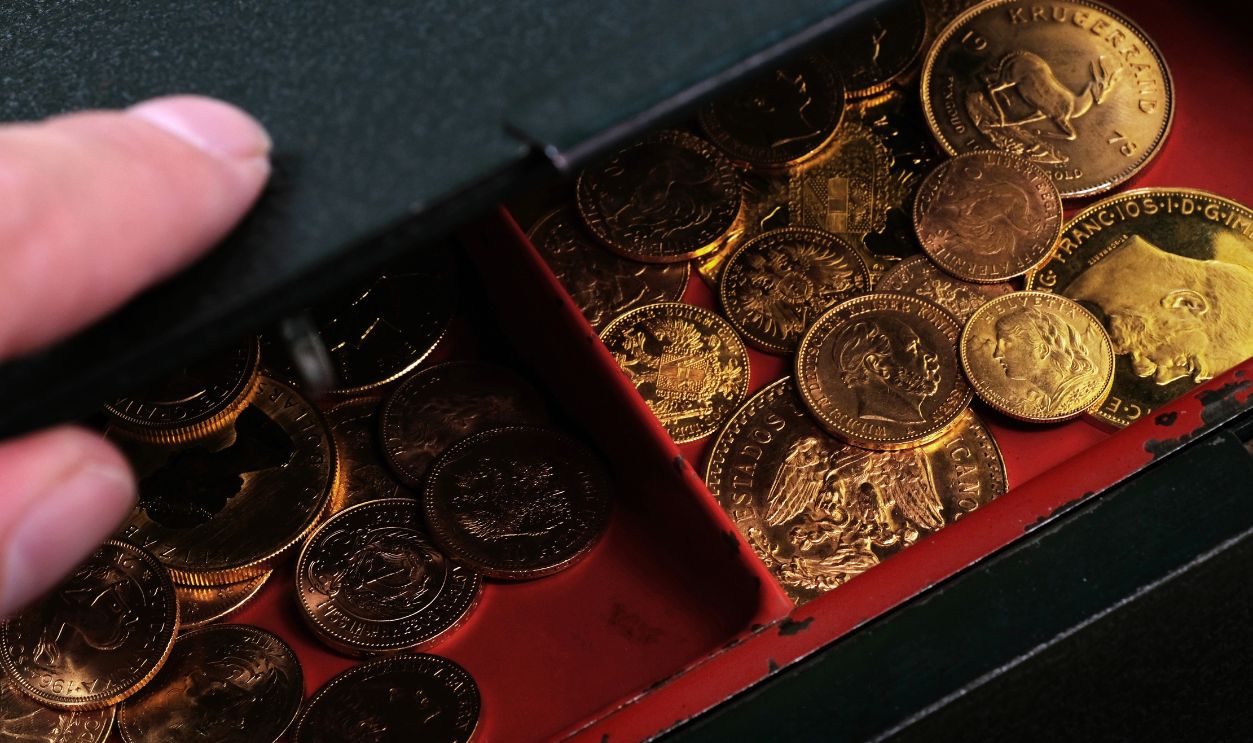
Dealers And Auctions Solve Different Problems
A direct sale to a reputable dealer can be relatively quick and simple. Consigning valuable coins to a major numismatic auction may expose them to more interested collectors, but it can involve fees, paperwork, and waiting for the appropriate sale. Private sales or online marketplaces offer still other tradeoffs, including more work and potential fraud concerns. There isn’t one universally best method. The right venue depends on the type, value, and size of the collection and how quickly the family needs to settle it.
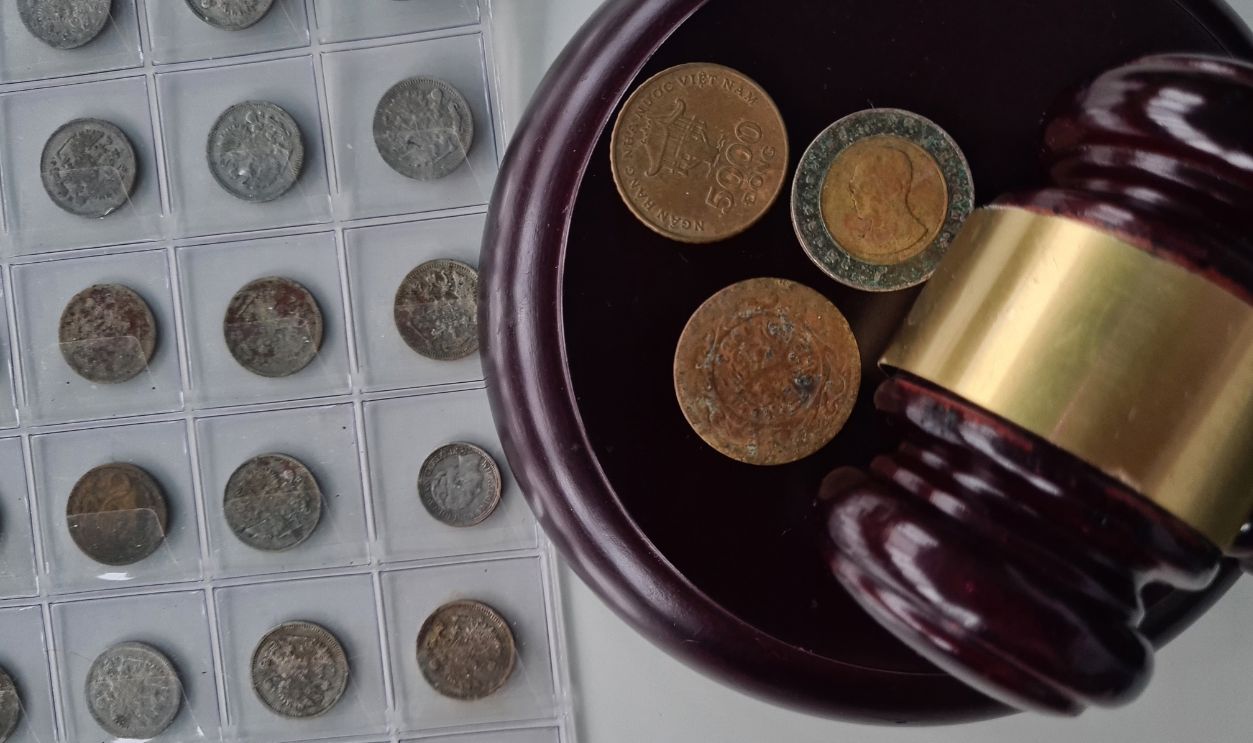
Don’t Forget Security While Everyone Is Researching
Once people learn that a house contains gold or valuable collectible coins, security becomes part of the financial equation. Avoid casually advertising the collection, and don’t carry the entire safe’s contents from shop to shop without a plan. Photograph the collection, record important certification numbers, and consider appropriate secure storage while valuations are underway. Families should also review insurance coverage because ordinary homeowners policies may impose limits or special requirements for valuable collections.
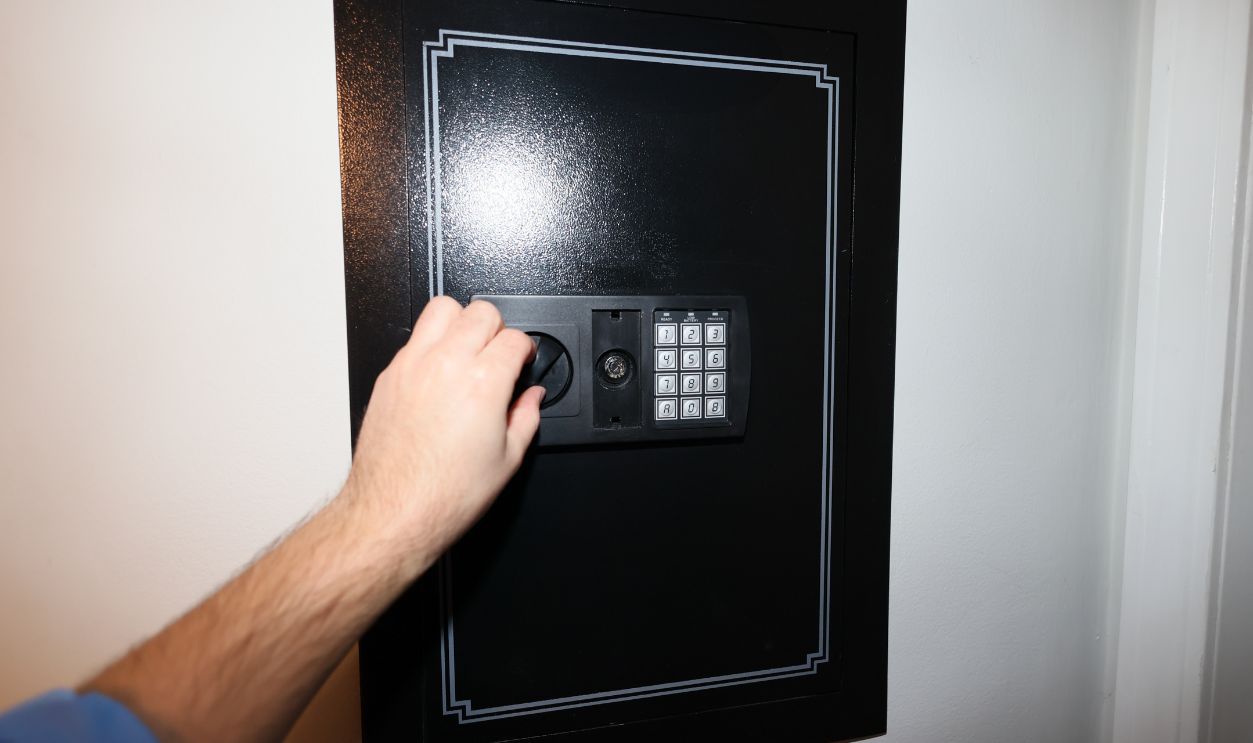
The Goal Is To Slow The Process Down
The biggest advantage a family has is the ability not to make a decision on day one. Leave the coins uncleaned, preserve Dad’s records, create an inventory, identify obvious precious-metal and certified pieces, research approximate values, and then bring knowledgeable professionals into the process. The bank’s inability to provide an answer doesn’t mean the collection is worthless. It simply means old coins operate in a specialized marketplace, and a little patience can keep a valuable inheritance from being treated like pocket change.
You May Also Like: