
When Investments Stick Around After A Divorce
Divorce is supposed to close the book on a relationship, but money can keep the story going longer than anyone expects. One reader recently wrote in with a tricky situation: during the marriage, he and his wife invested $5,000 in the stock market. After the divorce, he kept managing the account and the investments started growing. Now he’s wondering—if the account keeps making money, does his ex-wife still get a cut? The answer depends on a few important details, especially what happened to that investment during the divorce.

The Investment That Started The Question
The situation seems simple on the surface. While married, the couple invested $5,000 together in the stock market. At that time, the money likely belonged to both of them equally. Most money earned or invested during a marriage is considered shared property.

Why Marriage Changes Who Owns What
When you’re married, money doesn’t always belong to just one person. Even if only one spouse opens an account or makes the investment, the law often treats it as belonging to the marriage. That means both partners usually have a claim to it.

Divorce Is When Assets Get Divided
When couples divorce, all those shared assets have to be divided up. That includes savings accounts, homes, retirement funds, and yes—stock market investments. Usually this division happens through a divorce settlement or court order.

The Divorce Agreement Is The Key Piece
The most important thing to look at is the divorce agreement. That document explains who got what when the marriage ended. If the investment account was listed and assigned to one person, that usually settles the matter.

If The Account Was Given To You
If the settlement clearly says you got the investment account, things are usually straightforward. The account becomes yours after the divorce, just like a car or any other asset you were awarded.

What Happens To Gains After Divorce
Here’s the good news for many people in this situation: if you were awarded the investment account in the divorce, any growth after that is usually yours. If the $5,000 grows to $10,000 or even $20,000 later on, those gains typically belong to the person who owns the account.

Timing Can Make A Big Difference
One thing that matters a lot is when the gains happened. If the investment grew while you were still married, that increase might still count as shared property. But growth that happens after the divorce is usually separate.

Trouble Starts When Assets Are Overlooked
Things get complicated if the investment account wasn’t mentioned during the divorce at all. Sometimes couples forget about small accounts or investments when dividing assets. If that happens, the asset might still legally belong to both people.

Forgotten Assets Can Cause Problems Later
If an investment was left out of the settlement, one spouse could potentially bring it up later. Courts sometimes allow couples to revisit assets that were never officially divided.

Did You Trade It For Something Else?
In many divorces, couples make trade-offs. One person might keep a house while the other keeps investments. Or one spouse may keep a brokerage account while the other receives more cash or retirement funds.

Settlements Often Involve Compromises
Because of these trade-offs, you might have kept the investment while your ex received something else of equal value. If that happened, the account was likely already accounted for in the settlement.

Why Paperwork Matters So Much
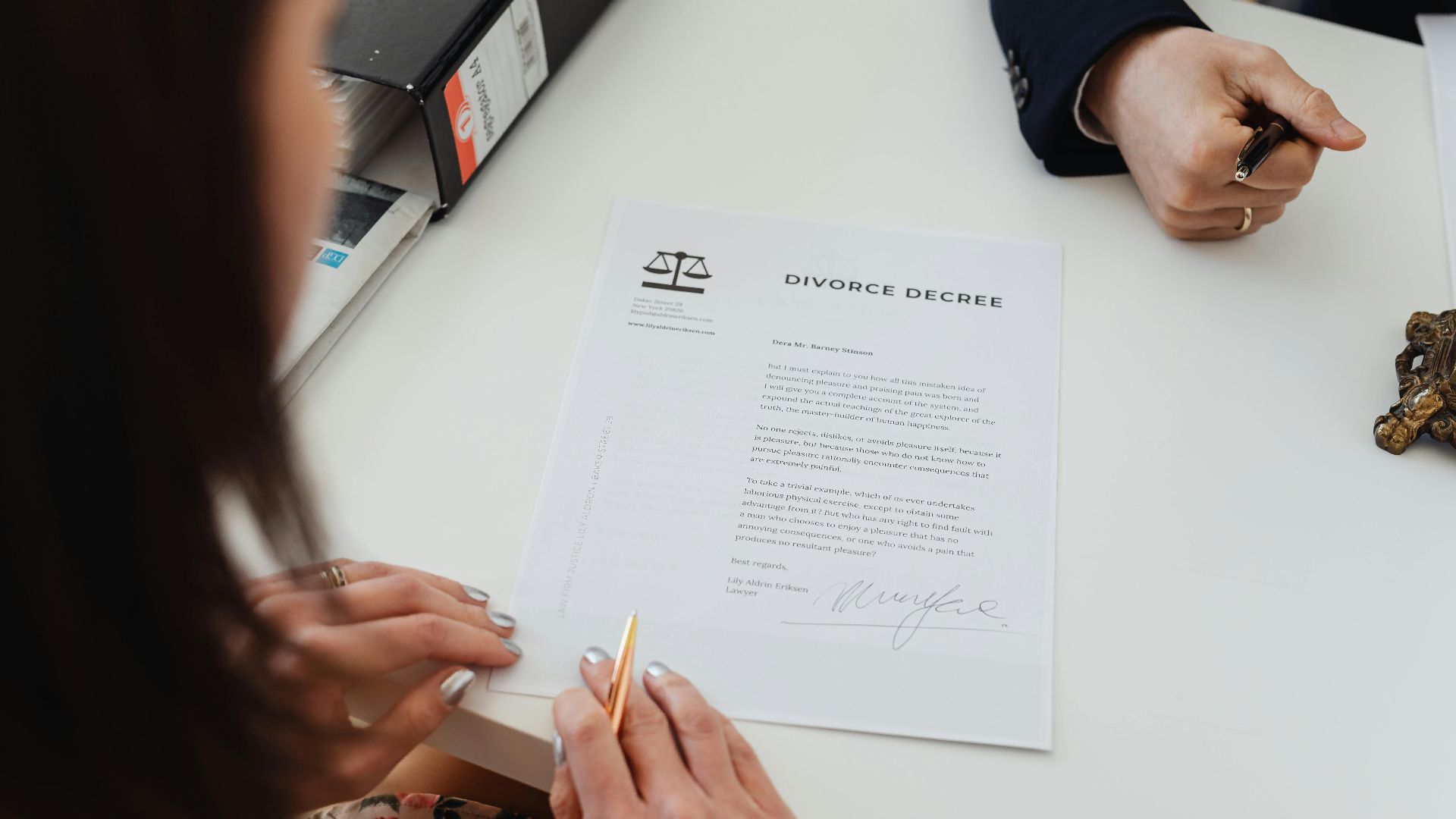
This is where documentation becomes incredibly important. Divorce settlements, court orders, and account records help show who owns what. If the paperwork says the account belongs to you, that’s a strong sign the gains are yours too.
What If The Account Stayed Joint?
Another possible wrinkle is if the account stayed in both names after the divorce. Sometimes people forget to move accounts into a single name once the divorce is finalized.

Ownership Isn’t The Same As Management
Even if you’re the only one making trades or watching the account, that doesn’t automatically make it yours. If the account is still legally joint, both people may technically own it.

Adding Money After The Divorce
Maybe you continued investing after the divorce and added more money to the account. In that case, the new money you invested would usually belong only to you.

Mixing Old Money And New Money
But if the original $5,000 stayed in the account, things can get a little more complicated. The account might contain both shared money from the marriage and new money you added later.

How Financial Experts Sort That Out
When accounts contain mixed money like that, professionals sometimes track where the money came from. This process helps figure out what portion belongs to each person.

Why Investments Grow Into Bigger Issues
One reason these situations come up is that investments can grow a lot over time. A relatively small investment during a marriage can turn into a much larger amount years later.

Courts Try To Avoid Ongoing Ties
Most courts want divorcing couples to make a clean break financially. The goal is to divide assets clearly so former spouses don’t have to keep dealing with each other about money.

Whose Name Is On The Account?
Another simple clue is the account title. If the brokerage account was transferred fully into your name after the divorce, that usually means it became your property.

Could Your Ex Ask For A Share?
It’s possible, but it would depend on the details. Your ex would likely need to show that the investment was never properly divided or that the account still belongs to both of you.

Time Limits Often Apply
Many places also have deadlines for reopening divorce issues. After a certain number of years, it can become much harder for someone to claim an overlooked asset.

Taxes Tell Part Of The Story
Taxes can also offer clues. If the investment account is in your name and you’re reporting the gains on your tax return, that supports the idea that the account belongs to you.
Reviewing Your Divorce Documents
If you’re unsure about your situation, the best place to start is your divorce paperwork. The settlement agreement should explain exactly how assets were divided.

When Professional Advice Helps
If the language in the documents is confusing—or if the account was never mentioned—it might be worth speaking with a family lawyer. A short consultation can clear up a lot of uncertainty.

A Reminder For Anyone Dividing Assets
This situation is also a good reminder for couples going through divorce. Every account, even small ones, should be listed and divided clearly. What seems minor today could become much more valuable later.

The Bottom Line On Investment Gains
In many cases, if the investment account was awarded to you during the divorce, any gains you make afterward belong to you alone. But if the account was never divided or is still jointly owned, things may be less clear. When it comes to money and divorce, the final answer almost always comes down to the details in the paperwork.

You May Also Like: