
You Trusted Your Bank...Right?
Most people assume banks have always played by roughly the same rules they do today. Not even close. Imagine if these things were still legal today?
Also, while most of the biggest banking changes happened while Baby Boomers were growing up, a few of the industry's most infamous practices didn't appear until later—and they're simply too unbelievable to leave out (so we didn’t).

Banks Could Mail You A Fully Activated Credit Card
Believe it or not, banks and credit card companies once mailed people fully activated credit cards they never even requested. It became so common during the 1960s that thieves sometimes stole cards directly from mailboxes before the intended customer even knew they existed. Congress finally stepped in with the 1970 amendments to the Truth in Lending Act, making unsolicited active credit cards largely illegal.

Your Credit Card Interest Rate Could Jump Because Of Another Bill
Throughout the late 1990s and much of the 2000s, many credit card companies used something called universal default. Miss a payment on your car loan or another credit card—even if you always paid this card on time—and your interest rate could suddenly shoot up. The Credit CARD Act of 2009 largely ended the practice.
 Volodymyr Hryshchenko, Unsplash
Double-Cycle Billing Could Cost You More Interest
Some credit card companies once calculated interest using not only your current balance, but also part of your previous month's balance through a practice called double-cycle billing. Even customers trying to pay off debt quickly could end up owing more interest than expected. The Credit CARD Act of 2009 effectively prohibited the practice for consumer credit cards.

Your Interest Rate Could Suddenly Increase On Old Purchases
Before 2009, many credit card issuers could increase the interest rate on purchases you'd already made with relatively little warning. The Credit CARD Act of 2009 placed major limits on retroactive rate increases, making surprise hikes on existing balances far less common.

Banks Didn't Need Your Permission To Charge Some Overdraft Fees
Before July 1, 2010, many banks automatically enrolled customers in overdraft programs for one-time debit card purchases and ATM withdrawals. That meant buying a $5 coffee could trigger a $35 overdraft fee without any advance permission. Federal Reserve Regulation E now generally requires customers to affirmatively opt in before those fees can be charged in those situations.
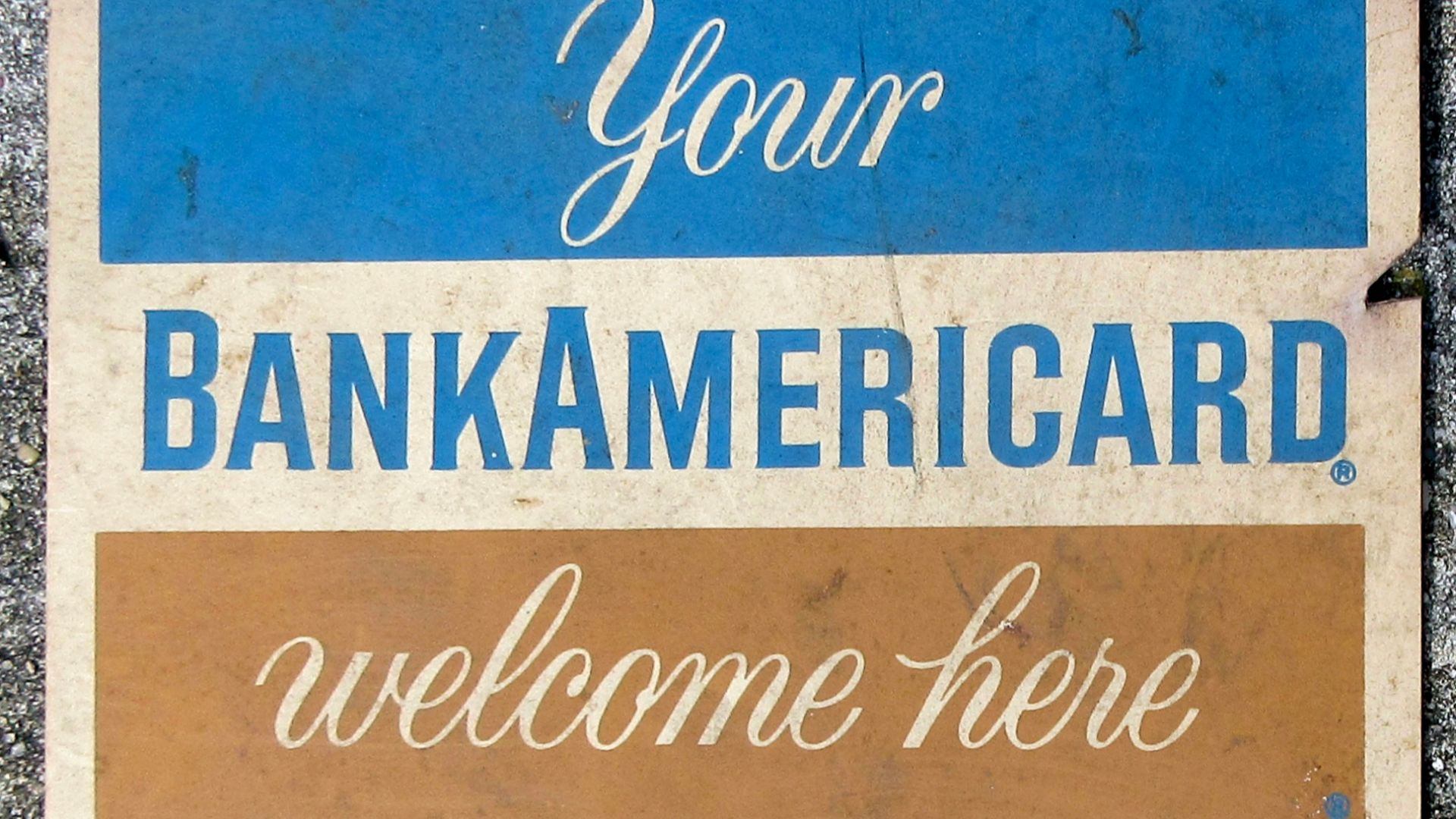 Infrogmation of New Orleans, Wikimedia Commons
Banks Could Charge Penalty Fees With Fewer Limits
Late fees were never exactly fun, but before the Credit CARD Act of 2009, credit card companies had more room to pile on penalty fees and raise rates after missed payments. Federal rules later required penalty fees to be more reasonable and proportional, making surprise penalties much less common.

College Students Were Bombarded With Credit Card Offers
During the 1980s, 90s, and 2000s, college campuses were packed with credit card companies handing out free T-shirts, pizza coupons, water bottles, and other giveaways to anyone willing to fill out an application. Plenty of students signed up without fully understanding interest rates or long-term debt. The Credit CARD Act of 2009 sharply restricted many of these marketing practices, especially for people under 21.

Banks Could Keep You Waiting Longer For Your Money
Waiting for a deposited check to clear used to require a lot more patience. Before Congress passed the Expedited Funds Availability Act in 1987, banks often had much greater discretion over how long they could hold deposited funds. Today's rules generally require much faster access for many common deposits.

Your Bank Shared More Of Your Financial Information
Modern privacy notices may be long and boring, but they exist for a reason. Before the Gramm-Leach-Bliley Act of 1999, customers had far fewer legal protections governing how financial institutions could share certain personal financial information. The law didn't eliminate information sharing, but it did require privacy notices and gave consumers important rights to limit some types of sharing.
 Kostiantyn Voitenko, Shutterstock
Credit Card Bills Could Be Much Harder To Understand
Credit card statements still aren't exactly fun reading, but they used to be much worse. Before the Credit CARD Act of 2009, important information about interest rates, fees, and payment terms was often much harder to compare between cards. The law introduced standardized disclosures that made statements far more transparent.

Some Billing Disputes Were Much Harder To Fight
Consumers have had billing-dispute rights for decades thanks to the Fair Credit Billing Act of 1974, but those protections have expanded over time alongside newer federal consumer-protection laws. Compared with earlier generations, today's cardholders generally benefit from clearer procedures, stronger disclosures, and more standardized error-resolution requirements.

Identity Theft Was Much Harder To Clean Up
Identity theft was bad enough before everything moved online. What made it worse was that consumers had fewer tools to repair the damage. The Fair and Accurate Credit Transactions Act of 2003 added major identity-theft and accuracy protections to the Fair Credit Reporting Act, giving consumers stronger ways to fight fraudulent accounts and credit-report errors.

Credit Report Errors Were Harder To Challenge
Credit reports still make people nervous, but consumers now have clearer rights to dispute inaccurate information. The Fair Credit Reporting Act requires furnishers and credit bureaus to investigate disputed information, which means banks and reporting agencies can't simply ignore mistakes that could affect your financial future.

Loan Denials Could Be A Lot More Mysterious
Getting rejected by a bank is bad. Getting rejected without a clear explanation is worse. Modern rules require adverse-action notices in many credit decisions, especially when a credit report played a role. That gives customers a chance to understand what went wrong instead of being left completely in the dark.

Electronic Banking Had To Catch Up With Real Rules
When ATMs, debit cards, and electronic transfers started becoming common, consumer protections were still playing catch-up. The Electronic Fund Transfer Act of 1978 established important rights for customers using electronic payments, debit cards, and ATMs that hadn't previously existed.

Debit Card Mistakes Were Not Always So Easy To Fix
Today, people expect banks to investigate unauthorized electronic transfers and payment errors. That expectation comes from Regulation E, which strengthened consumer protections as electronic banking became more common. Earlier generations had far fewer legal safeguards when something went wrong.

Banks Could Change Important Terms With Less Warning
Modern banking agreements are still long enough to make your eyes glaze over, but customers generally receive much clearer advance notice before many important changes take effect. Earlier generations often had fewer standardized protections, especially around credit card rates, fees, and account terms.
 Centre for Ageing Better, Unsplash
The Rules Finally Started Catching Up
Most of these changes didn't happen because banks suddenly decided to be nicer. They happened after consumer complaints, lawsuits, congressional action, and years of regulatory reform. While banking is still far from perfect, customers today enjoy protections earlier generations simply didn't have.
 Frame Stock Footage, Shutterstock
Final Thoughts
Most Millennials would lose their minds if a bank mailed them an activated credit card they never requested, raised their interest rate because of another bill, or charged overdraft fees without permission. Yet millions of Americans lived through exactly those kinds of rules. It's a reminder that many consumer protections we now take for granted were earned—not freely given.
 LightField Studios, Shutterstock
You Might Also Like: